













High-level Automation Lab Waste Water Treatment Equipment, Waste Liquid Treatment Process for Laboratory
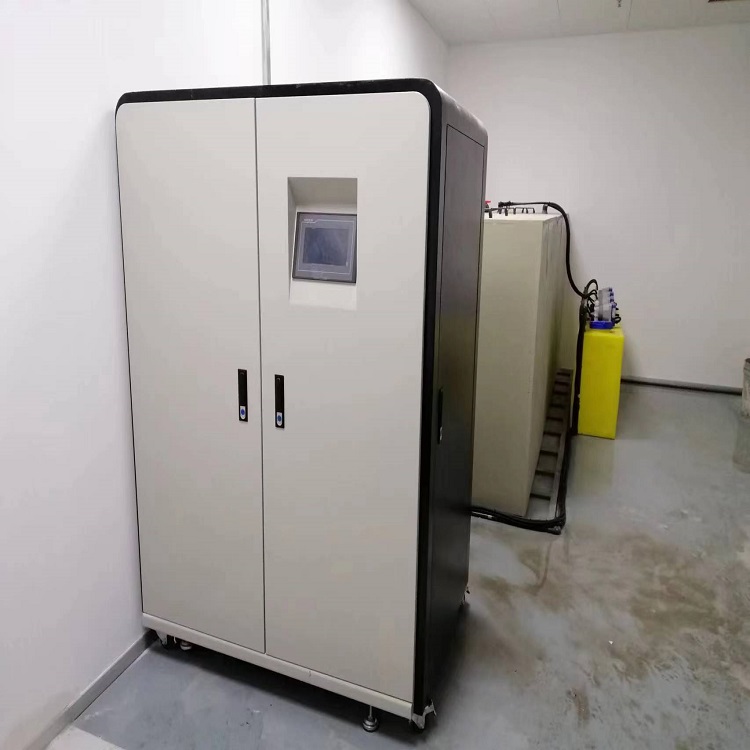
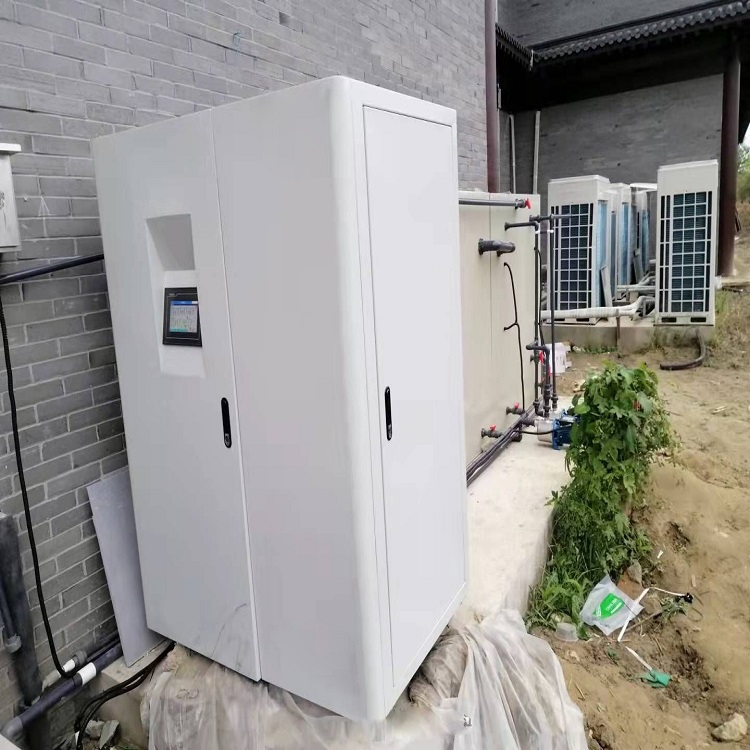
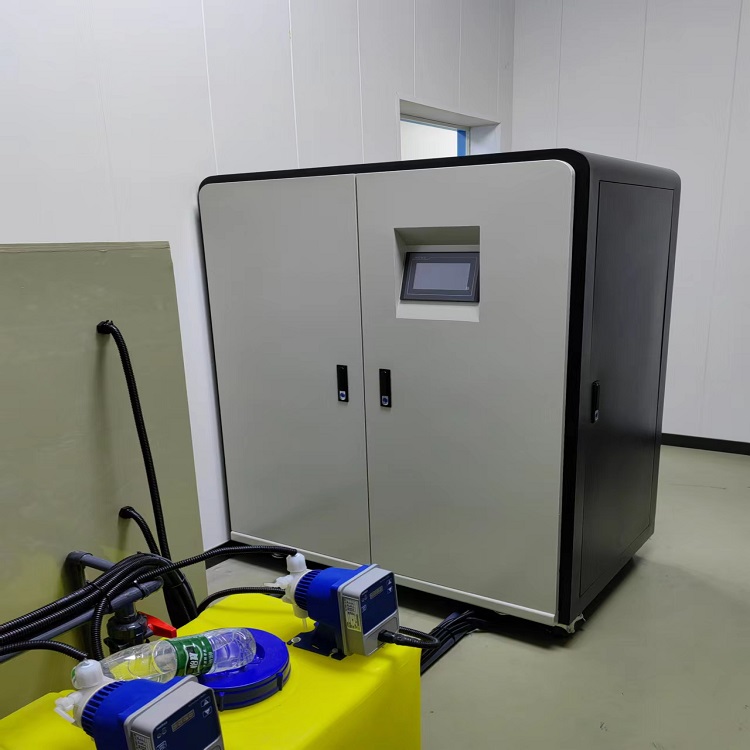
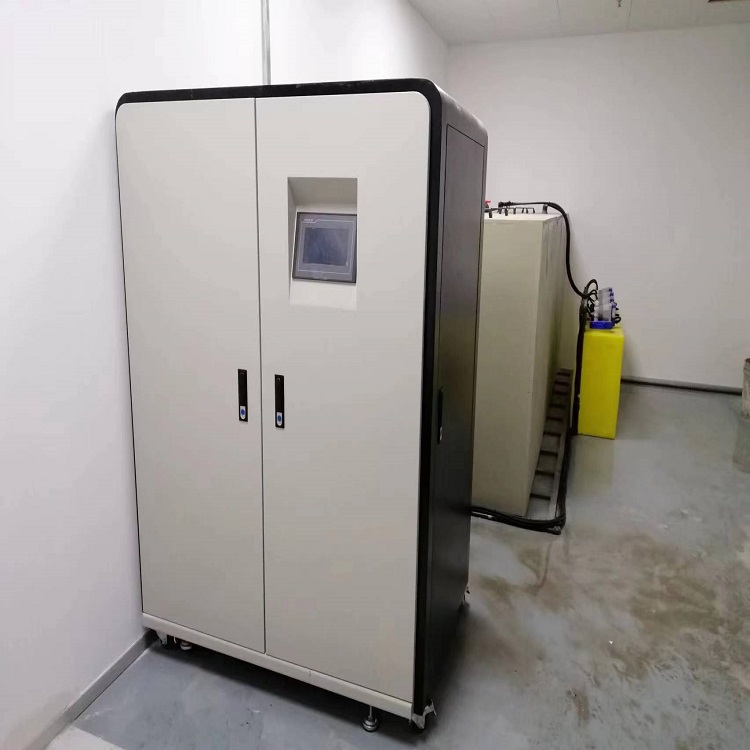
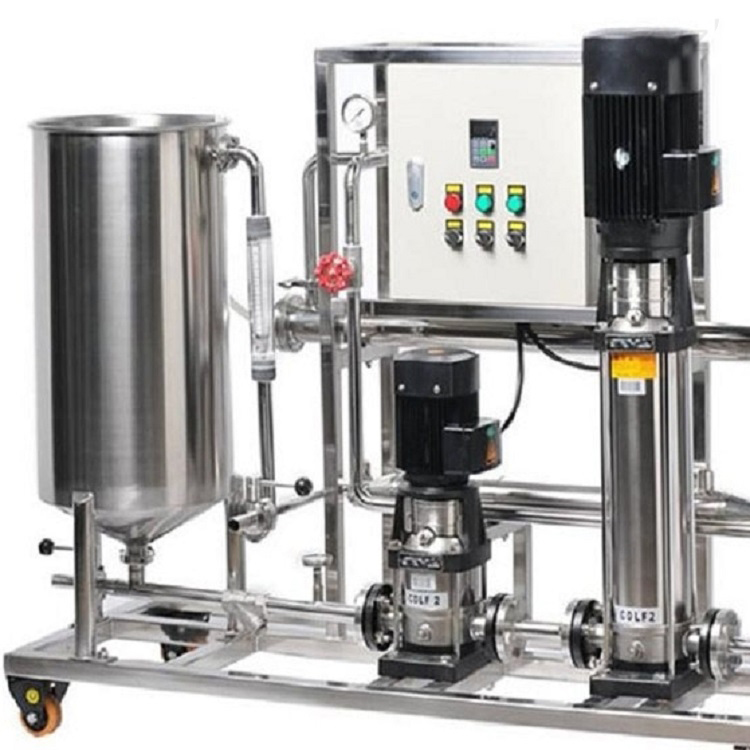
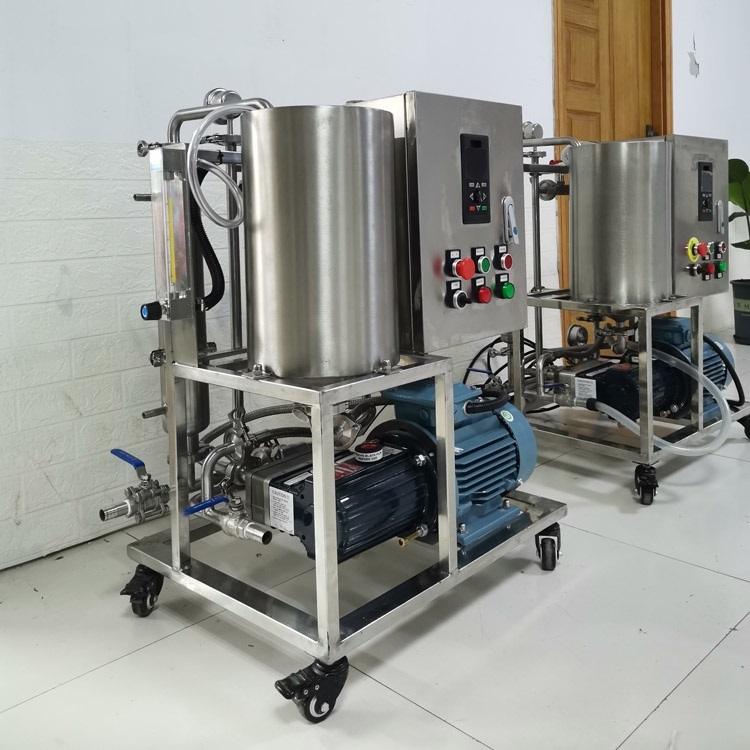
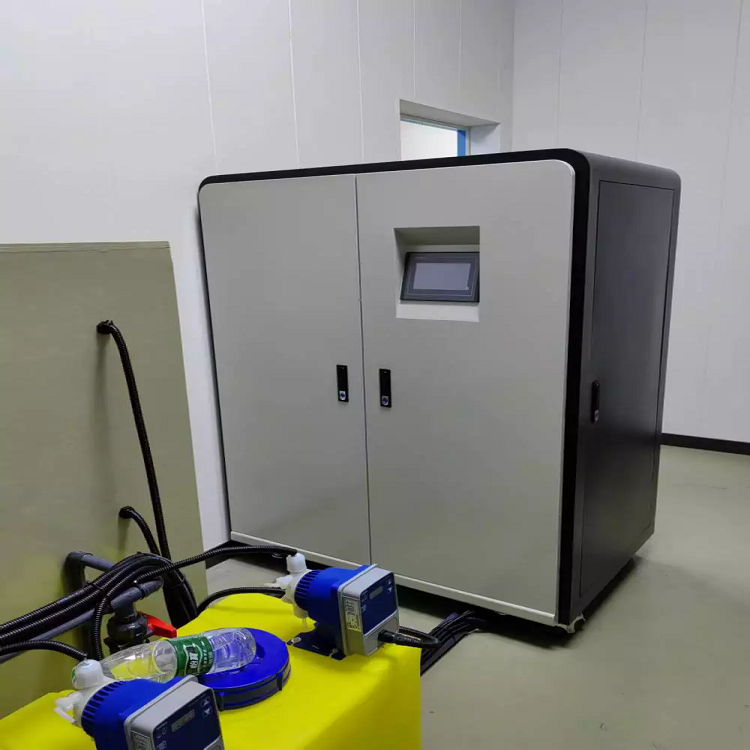
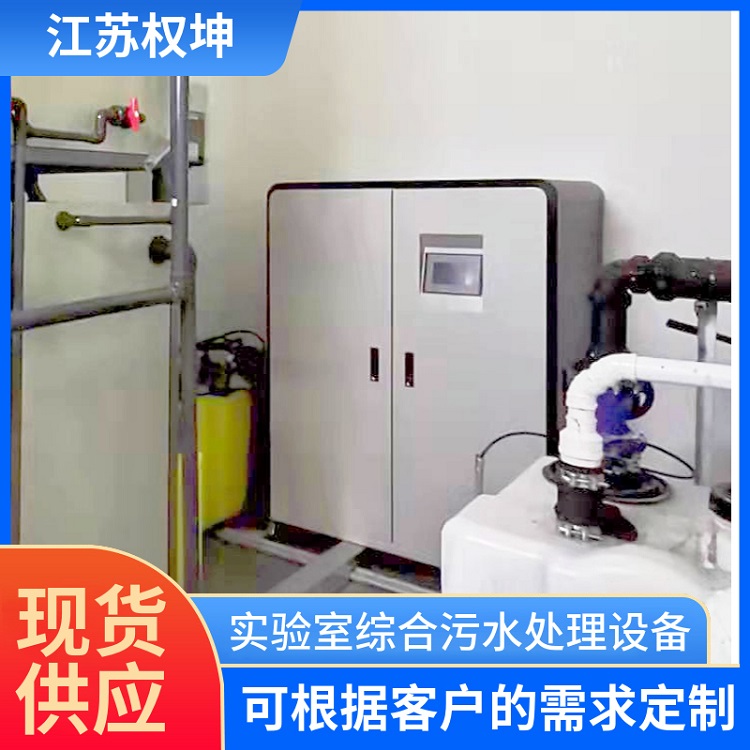
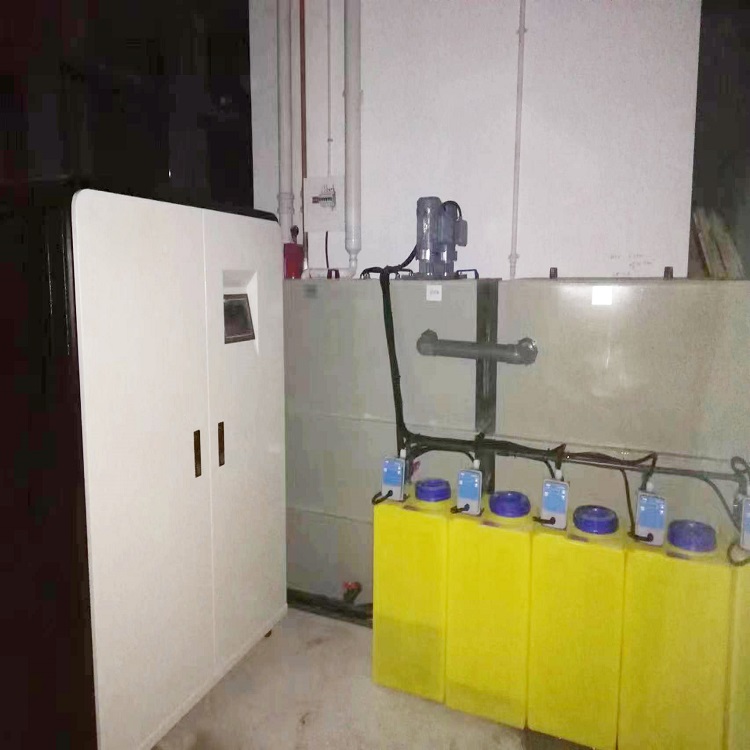
The Laboratory Waste Water Treatment Machine is a specialized equipment designed for purifying and treating various types of waste water generated in laboratories. The machine internally combines multiple water treatment and purification processes, ensuring that different types of waste water are processed to meet the required discharge standards.
The indoor microclimate of a laboratory varies due to differences in size, architectural layout, surrounding environment, internal divisions, and ventilation conditions. The quality of the indoor microclimate significantly impacts the health of laboratory staff. The types, quantities, and forms of potentially infectious microorganisms hidden within the laboratory also differ based on the samples processed and tested, as well as the detection purposes and methods. Unlike those in research or clinical laboratories, the potential pathogenic microorganisms that may be carried in the samples or biological materials are often unknown and diverse.

Process selection for laboratory wastewater treatment equipment:
The effluent from the acid-base neutralization pond then flows into the sedimentation pond. After acid-base neutralization, the resulting sediment and other suspended solids in the wastewater are separated from the water through the counterflow between the sludge and water in the sedimentation pond.
The effluent from the sedimentation pond sequentially enters the ozonation oxidation unit, converting large,难degradable organic molecules into low-toxic or non-toxic small molecules. The organic pollutants and NH3-N in the wastewater are oxidized and decomposed into harmful substances such as CO2, N2, and H2O. The wastewater is then subjected to UV ultraviolet disinfection and chlorine dioxide composite disinfection. The final effluent is sent to a multi-media filter. The fine suspended particles, trace metals, and organic matter that were not removed are partially eliminated through physical and chemical processes such as adsorption and interception by quartz sand and activated carbon with a large pore structure and high specific surface area. The other part is degraded and removed by anaerobic, aerobic, and facultative bacteria in the microbial film attached to the activated carbon. The process of activated carbon interception and adsorption alternates with microbial degradation and desorption. At this point, the wastewater meets the standards for discharge into the sewage pipeline.


Fundamentals of Laboratory Wastewater Treatment Equipment Design
1. Laboratory wastewater sources: comprehensive laboratory wastewater generated from activities such as drug, reagent, solution, and instrument cleaning.
2. Comprehensive laboratory wastewater composition: inorganic substances, organic substances, biological wastewater, etc.
1) Inorganic Wastewater: heavy metal ions, pH levels of acids and bases, halogen ions, and other non-metallic ions.
2) Organic Waste Water: Organic solvents, ammonia nitrogen, organic phosphorus drugs, etc.
3) Biological wastewater: viruses, chlamydia, mycoplasma, spirochetes, fungi, Brucella, anthrax bacteria, etc.


Laboratory Wastewater Treatment Equipment _High Automation _Treatment Process of Laboratory Waste Liquid _Quankun
The laboratory wastewater treatment system consists of units for waste water classification collection, waste water adjustment, deep waste water treatment, sedimentation separation, physical treatment, biological treatment, and comprehensive waste water purification. It employs various treatment processes such as chemical pretreatment, chemical deep treatment, inclined tube sedimentation, multi-pass disinfection and sterilization, filtration sedimentation separation, micro-electrolysis with high and low potential difference, electrochemical oxidation-reduction technology, two-stage organic biological membrane purification, novel packed bed photo-catalytic reaction technology for organic wastewater, selective mass transfer of fresh liquid, and molecular imprinting technology on the surface of mycelium to comprehensively treat organic, inorganic, and biological wastewater generated in the laboratory. This effectively removes COD, BOD, SS, color, and heavy metal ions from the wastewater. Different treatment technologies and control systems are used for wastewater treatment based on the composition of different experimental wastewater.