
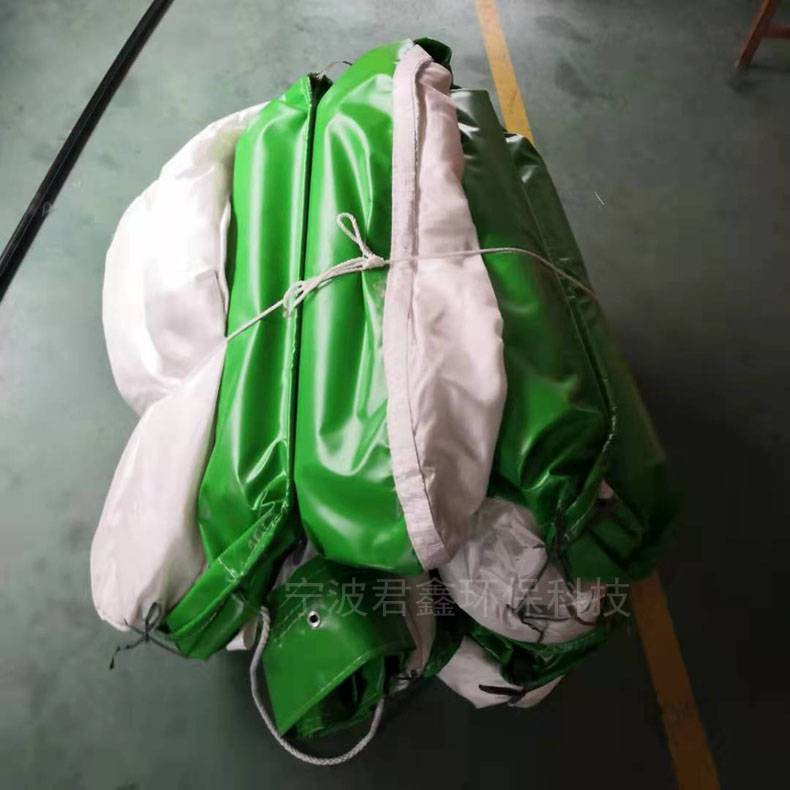

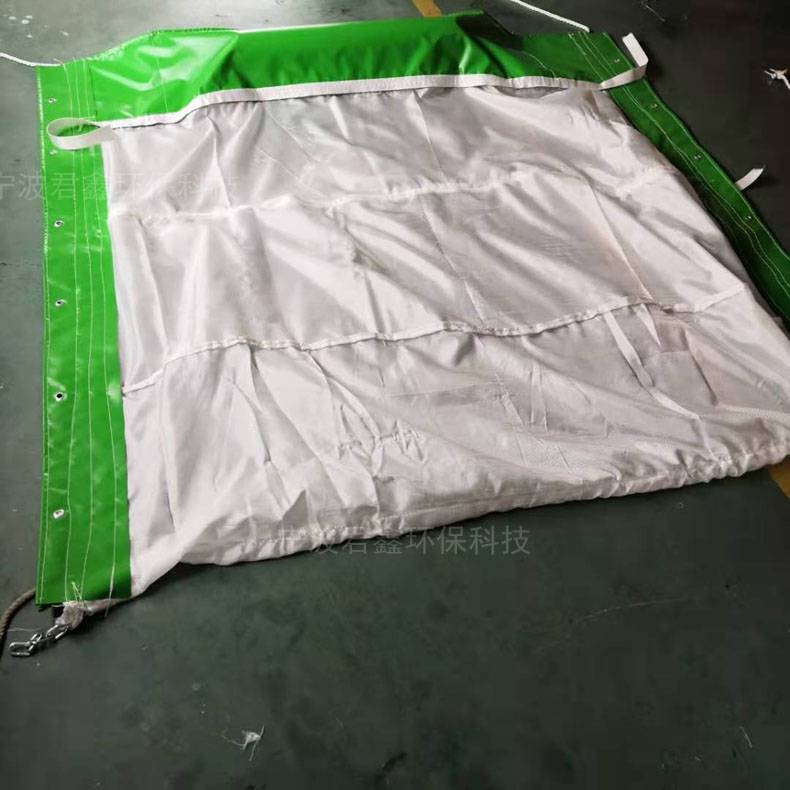


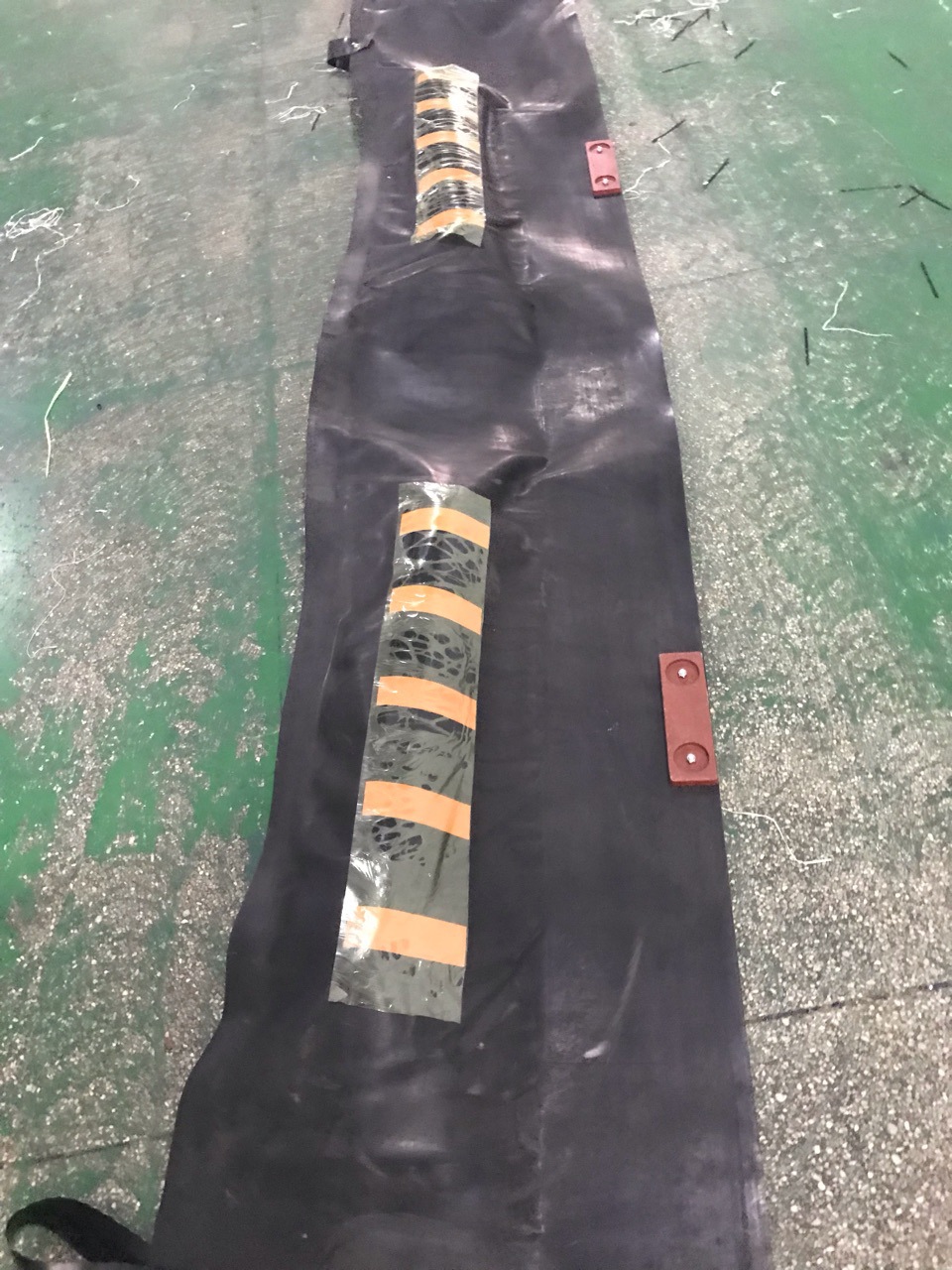
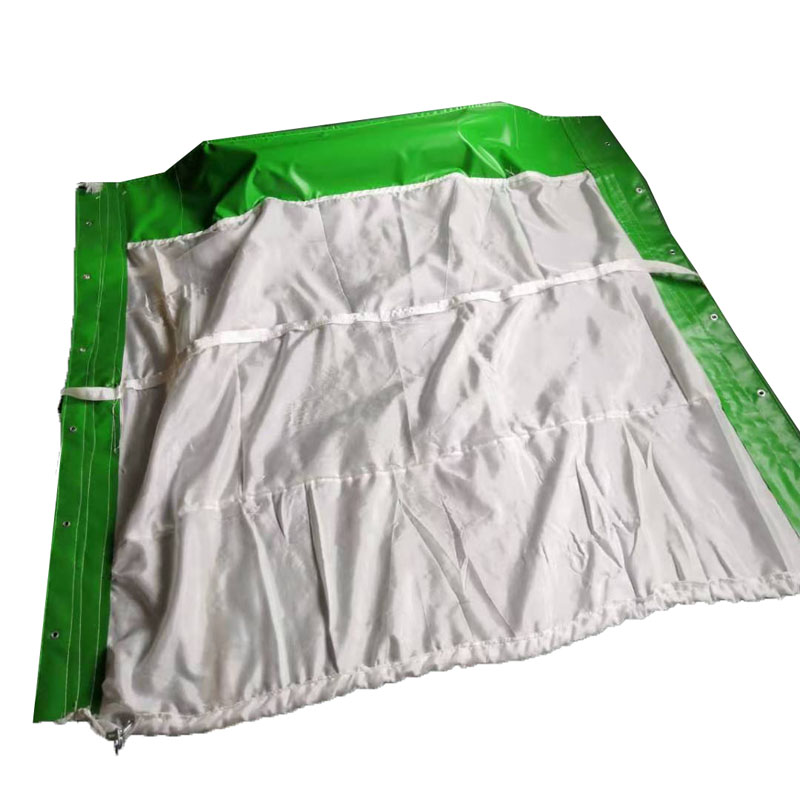
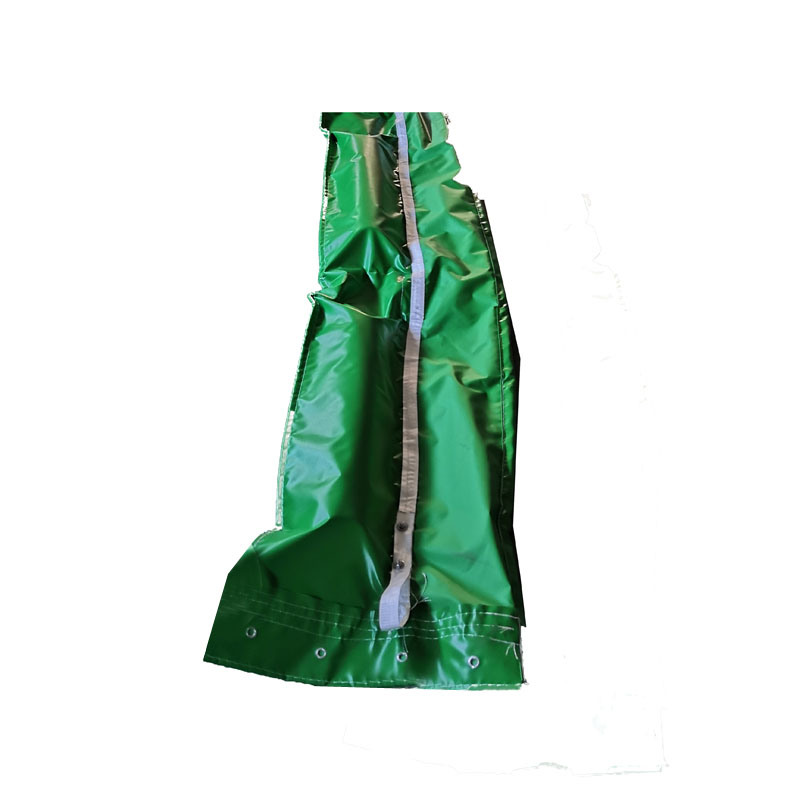
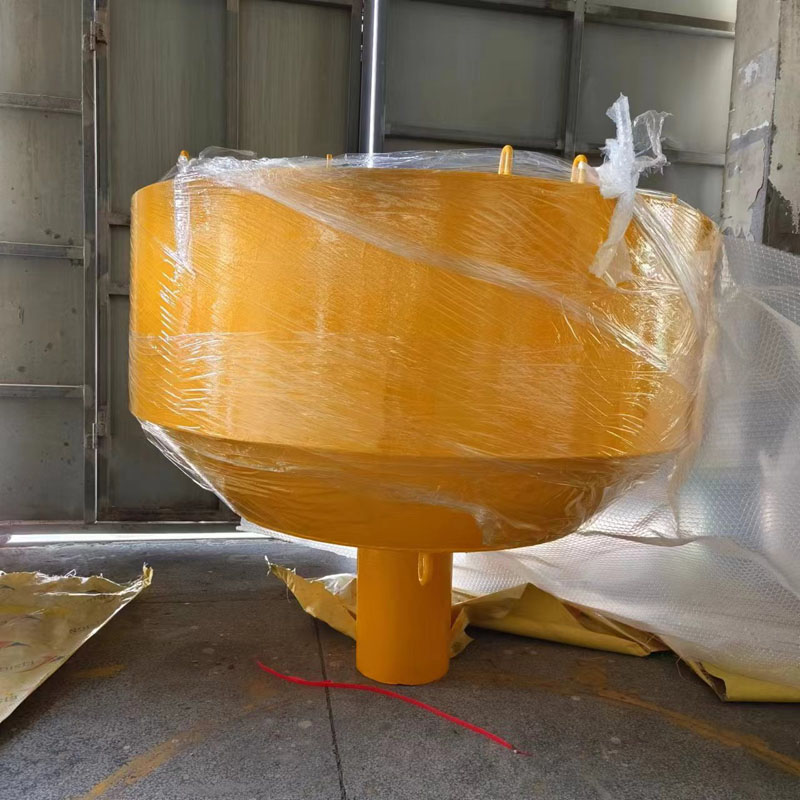
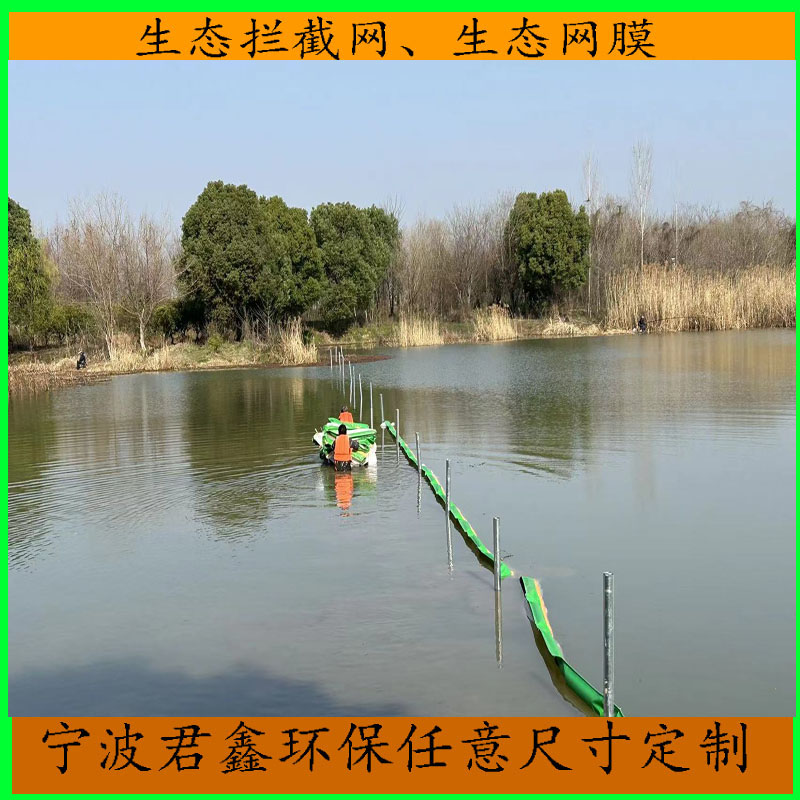






Junxin River and Lake Pollution Control Diffusion Use, Permeable Nonwoven Waterproof Screen Introduction
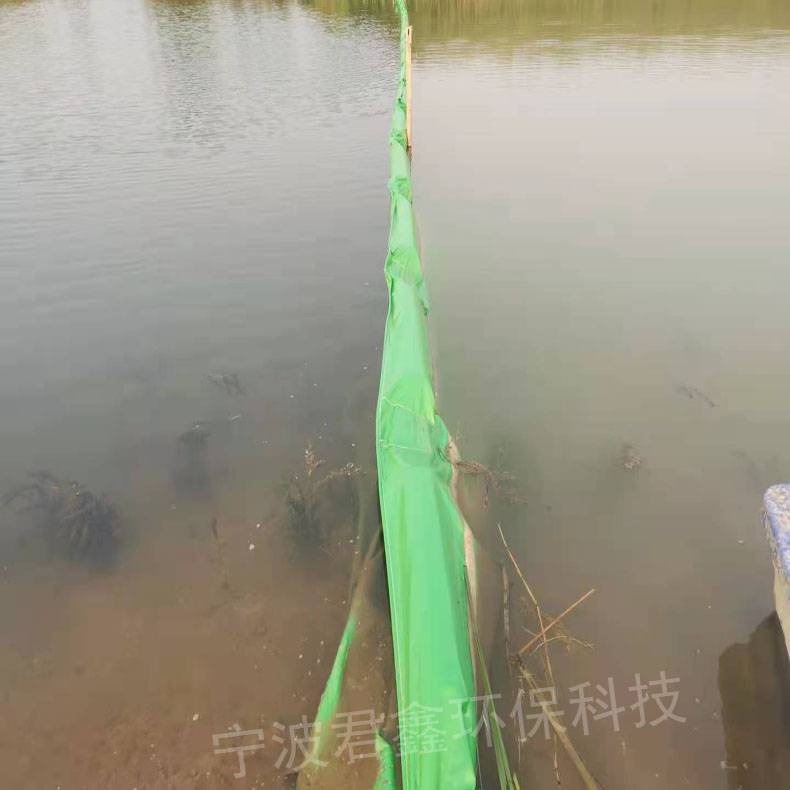
The mechanism of the antifouling screen is not to isolate suspended particles from the external water body. In most cases, the concentration of fine suspended particles within the enclosed area by the antifouling screen is relatively high. While the antifouling screen provides a barrier, most fine suspended particles will still flow out from underneath the screen along with the water current and sediment. The antifouling screen does not isolate turbid water bodies but controls the dispersion of turbid water by blocking the flow of particles between the two sides of the barrier, thereby reducing the turbidity of the water body outside the screen.
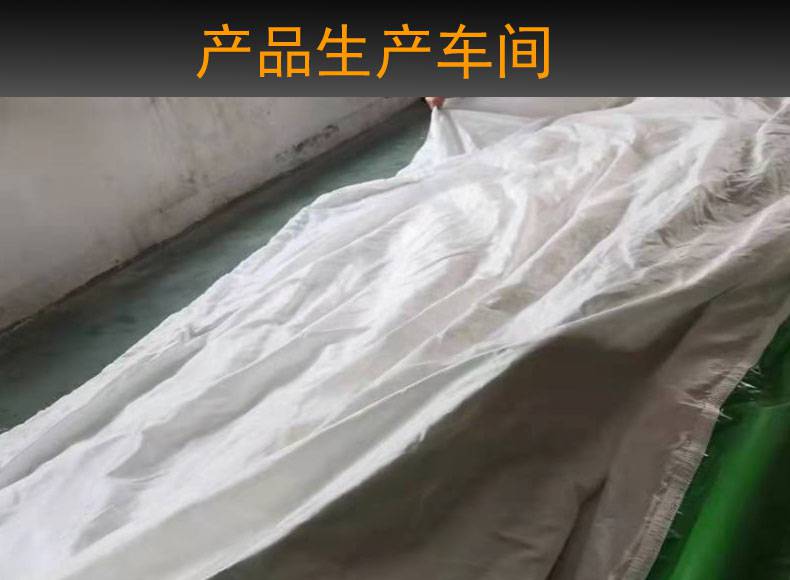
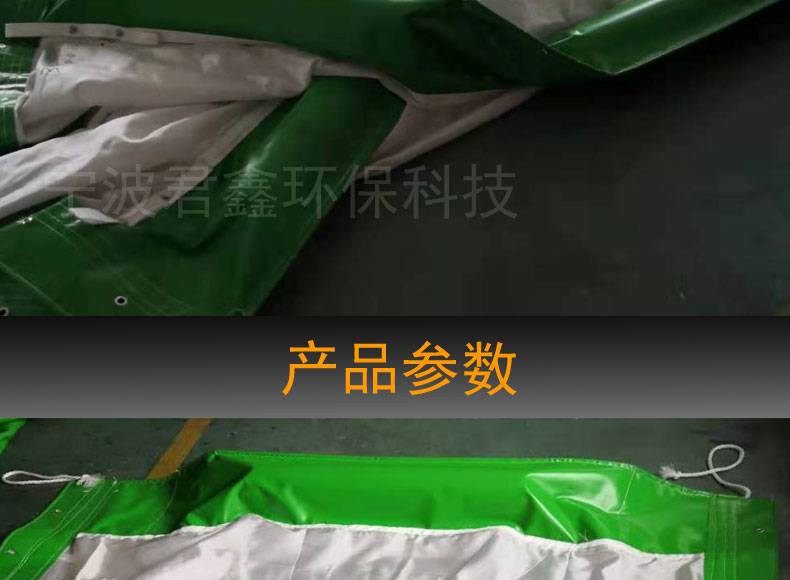
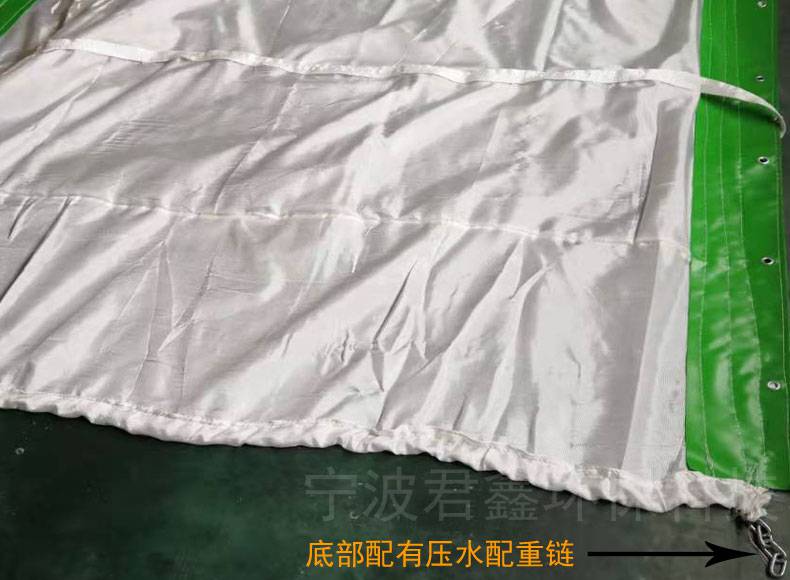
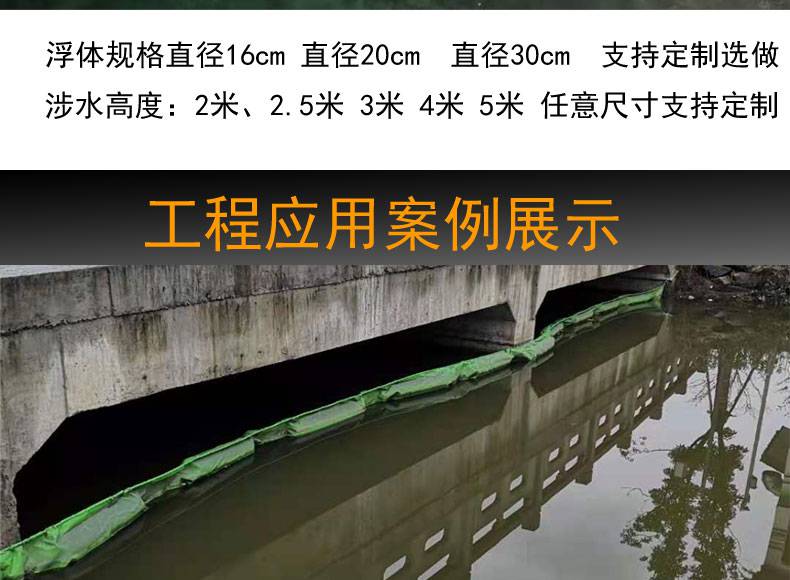
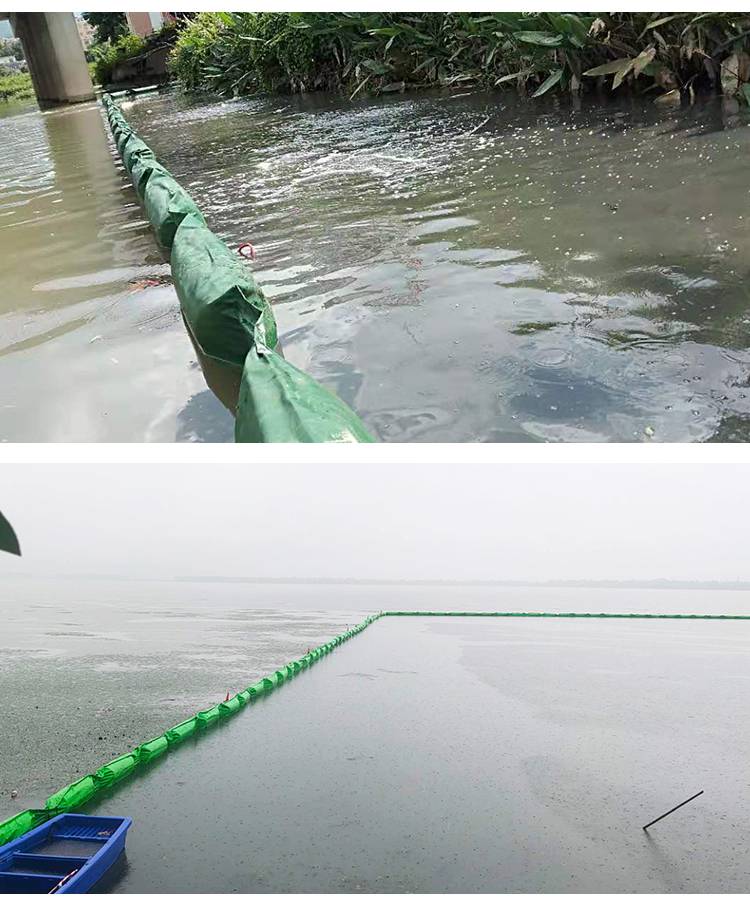
Junxin River and Lake Pollution Control Diffusion Use, Permeable Nonwoven Water Barrier Introduction
Dam ecologic water body enclosures; Pollution barriers are widely used in water bodies such as rivers, lakes, and seas where operations are frequent, environments are harsh, and long-term placement of oil booms is required to prevent oil spill pollution, such as open seas, bays, ports, rivers, oil drilling platforms, sunken ship recovery, refineries, oil terminals, oil depots, intake ports, beaches, fish farming areas, and other sensitive areas. They can also serve as a key means to control oil spills during emergency response actions.