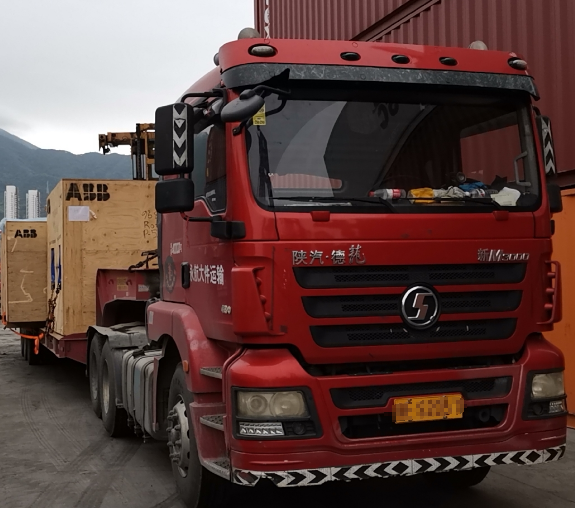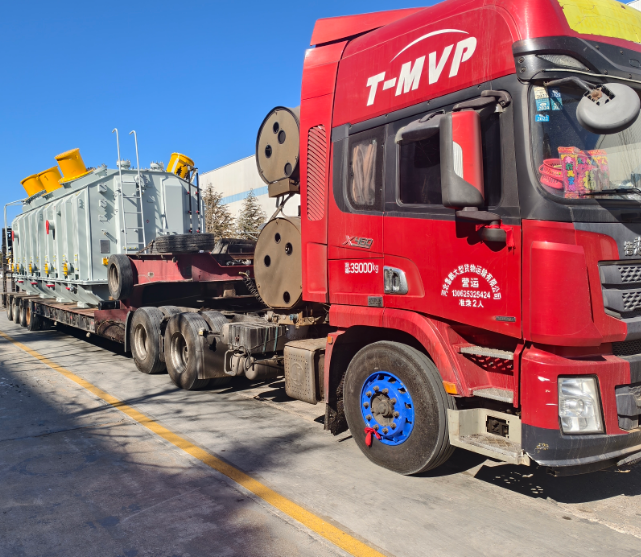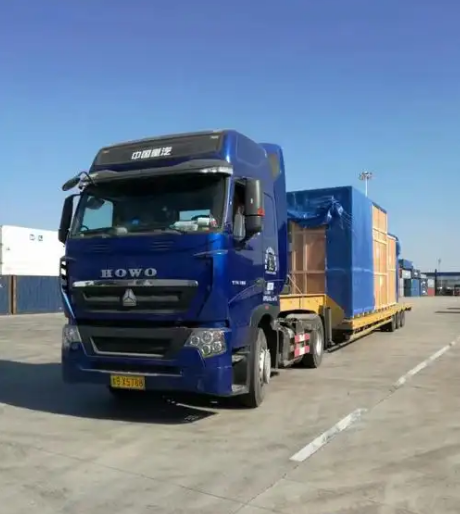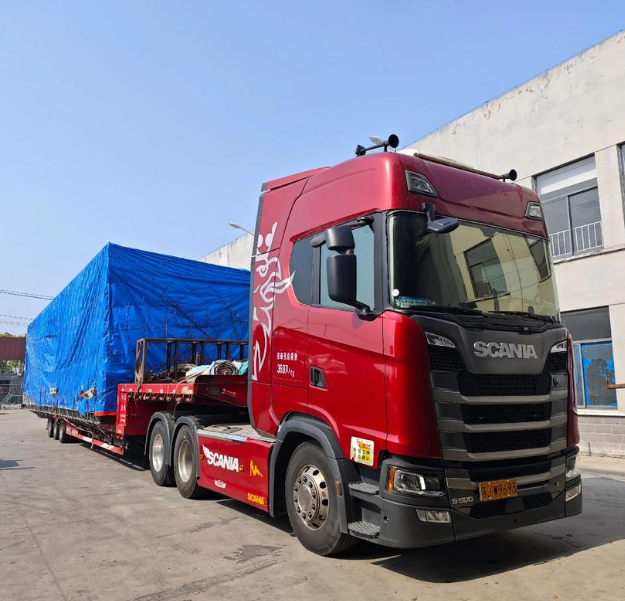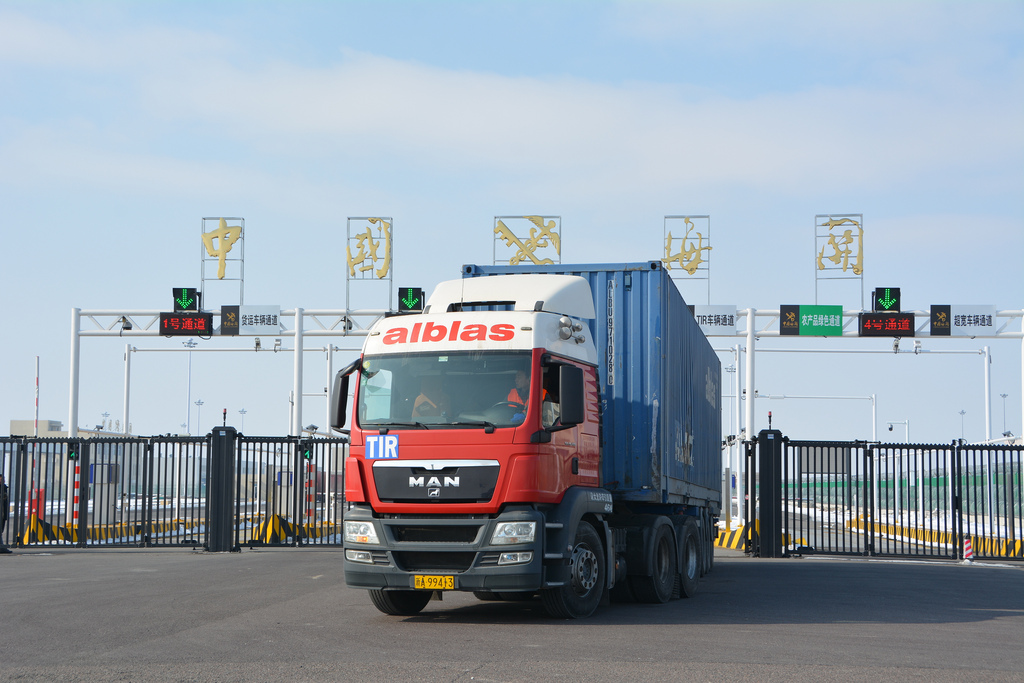
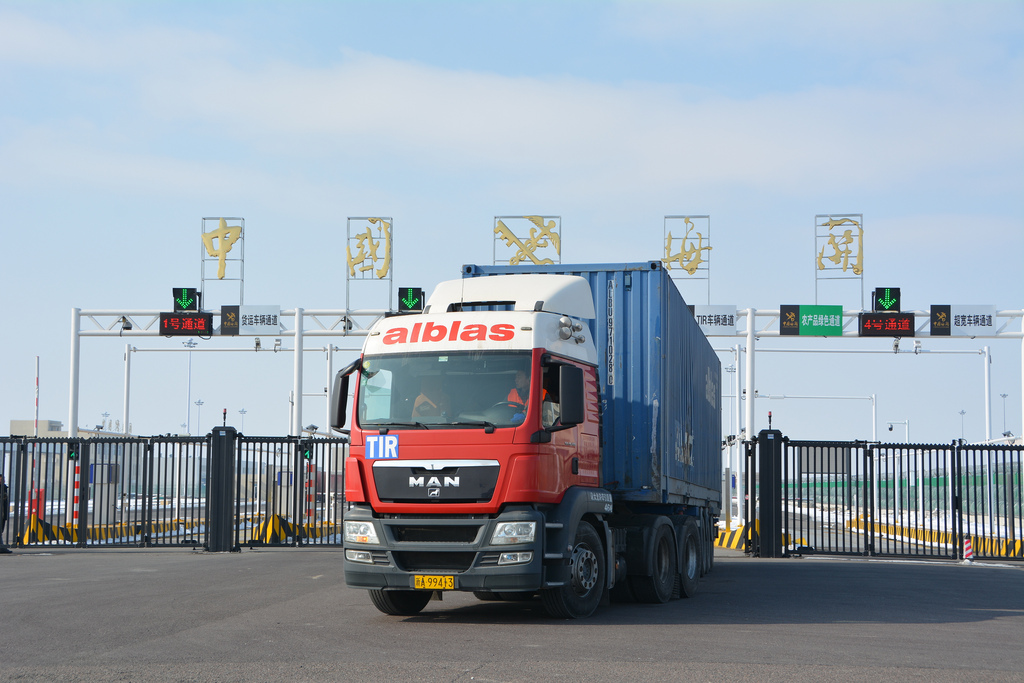

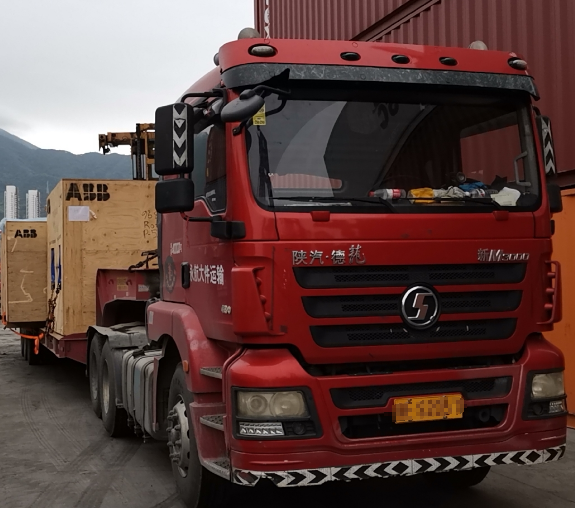








Certainly,整车运输 in cargo transportation is economical and reasonable, but in reality, there often exist scattered loads, numerous batches, scattered destinations, diverse types, complex nature, inconsistent packaging conditions, and complicated operations, which are collectively referred to as "LCL" (Less Than Container Load) goods. The vehicles used for transporting LCL goods are called LCL trucks.
Process and precautions for LTL freight shipping:
1. Arrange for less-than-truckload (LTL) freight shipping, to be filled out by the shipper with the "Automobile LTL Freight Shipment Bill of Lading." The handwriting on the form must be clear and legible.
2. If the shipper voluntarily insures the goods for auto transportation insurance and valuation, it should be stated on the bill of lading.
3. Matters of the shipper are effective upon the carrier's consent and the signing of the bill of lading by both parties.
4. Packaging for less-than-container loads must comply with national and transportation department regulations and requirements. Shipment with packaging that does not meet standards or requirements should be improved by the shipper. For goods that will not cause contamination or damage to transportation equipment and other shipments, if the shipper insists on the original packaging, the shipper shall assume any potential cargo damage in the "Matters" section.
5. When shipping hazardous materials, the packaging must strictly comply with the "Regulations for Road Transportation of Hazardous Goods" issued by the Ministry of Transport. For the transportation of goods that are easily contaminated, fragile, perishable, and fresh, the packaging must strictly adhere to the provisions agreed upon by both parties.
6. No hazardous, prohibited, restricted, or valuable items should be included in general, loose cargo shipments.
7. For LCL (Less than Container Load) shipments subject to embargoes, restrictions, or sanitation inspections, or any other required shipping documents, the shipper must submit the relevant certificates concurrently.
8. At the time of shipment, the shipper shall affix a uniform shipping number label on both ends of each piece of cargo. For goods that require loading, stacking, and storage, a storage and transportation instruction sign shall be attached to a prominent location of the cargo, and also noted in the " Matters Column " of the shipping document.
Product Label Requirements
1. Verify the correctness of the product labels
2. Shipment tags for LCL (Less than Container Load) cargo should be made of durable material, with content and specifications adhering to a standardized format. Each item should have two tags, one affixed and the other secured at each end of the packaging. For items that are not suitable for affixing or securing, a hanging method should be used.
3. To ensure the safe transportation of goods, different graphic symbols are required for different types of cargo, and these symbols must comply with the regulations of "National Standard - Graphic Symbols for Packaging and Freight." Hazardous loose cargo must also use hazardous goods packaging symbols.
4. Any old shipping labels or markings on the shipment that are unrelated to this batch must be removed or erased by the shipper.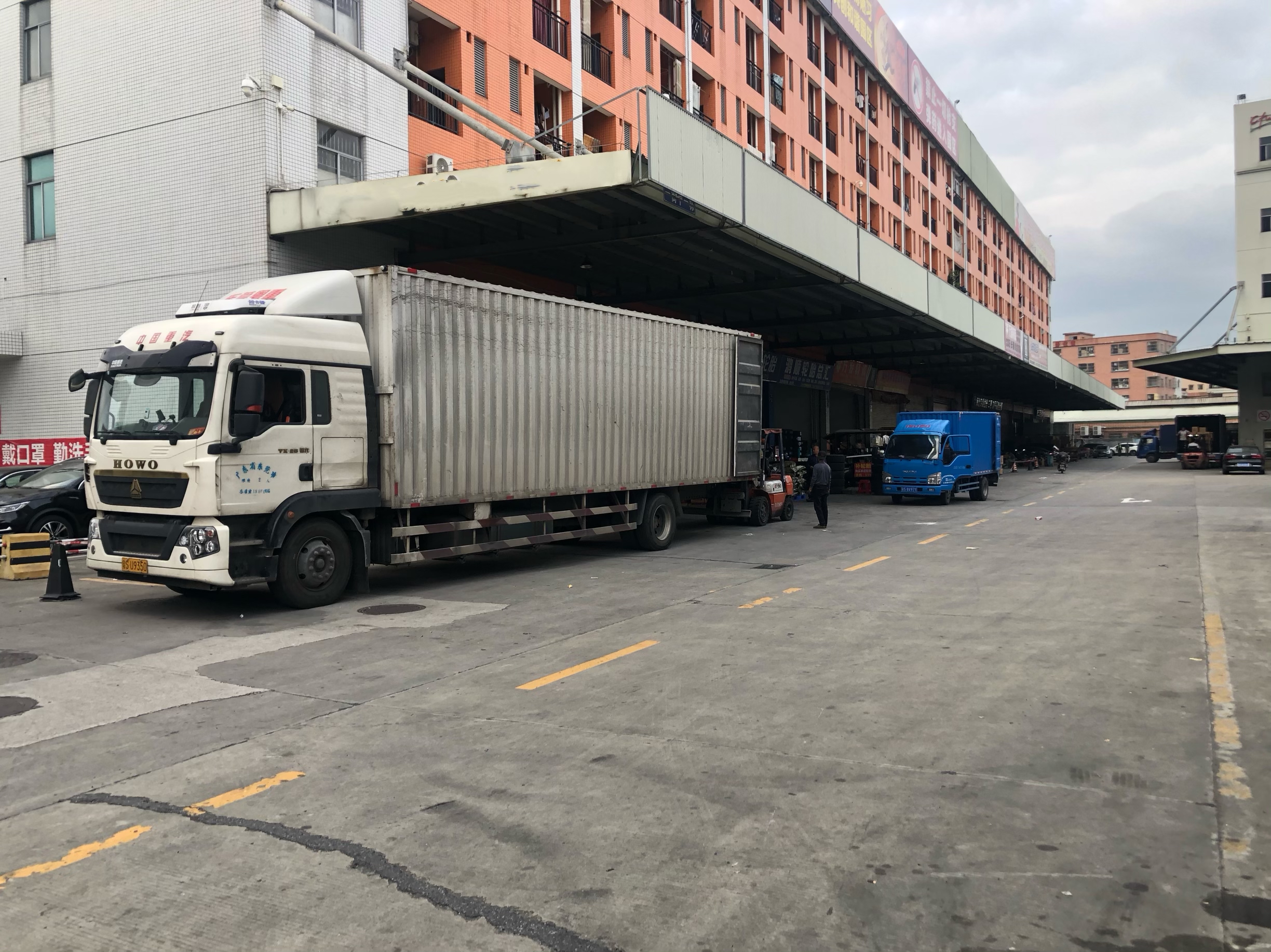
Our company adheres to the principles of putting people first, honesty above all, and meticulous service, constantly enhancing our service philosophy and business skills. Committed to the development concept of mutual benefit and win-win cooperation, we are eager to embark on a bright future together with both new and old clients.
WeChat Official Account

Scan to follow Official Account