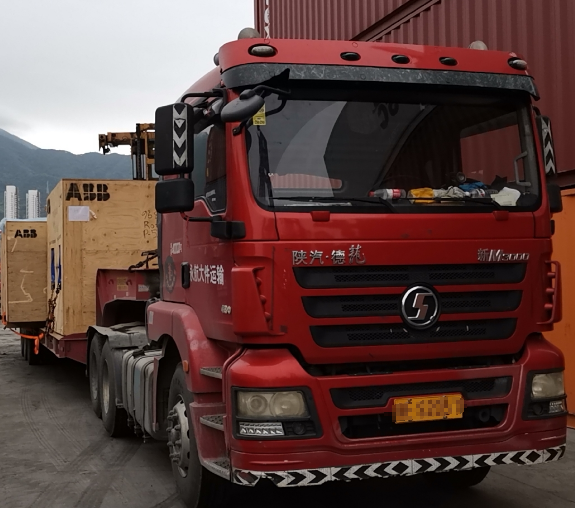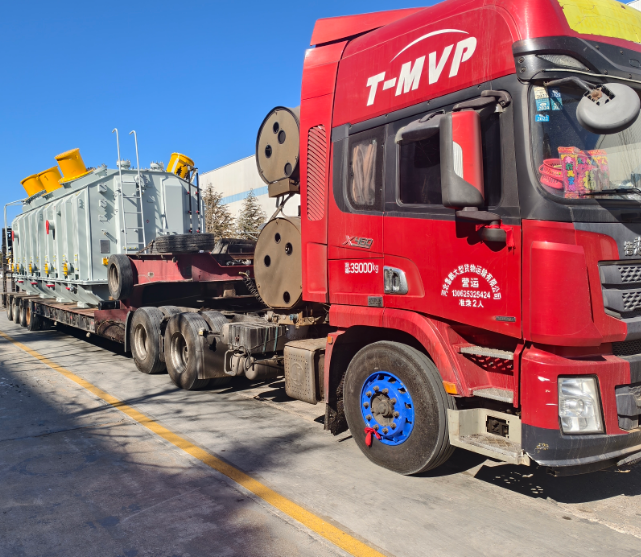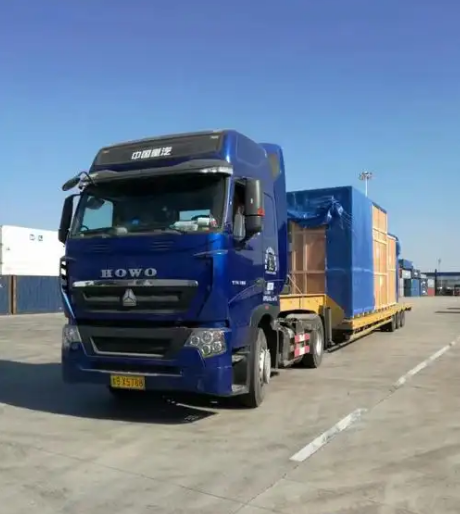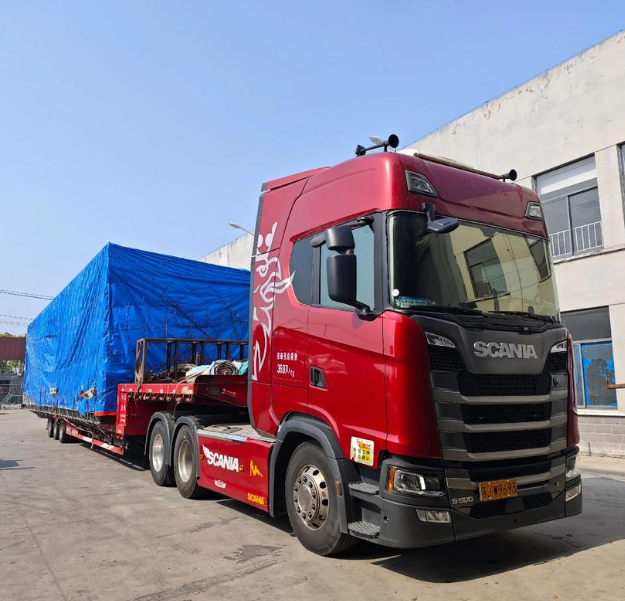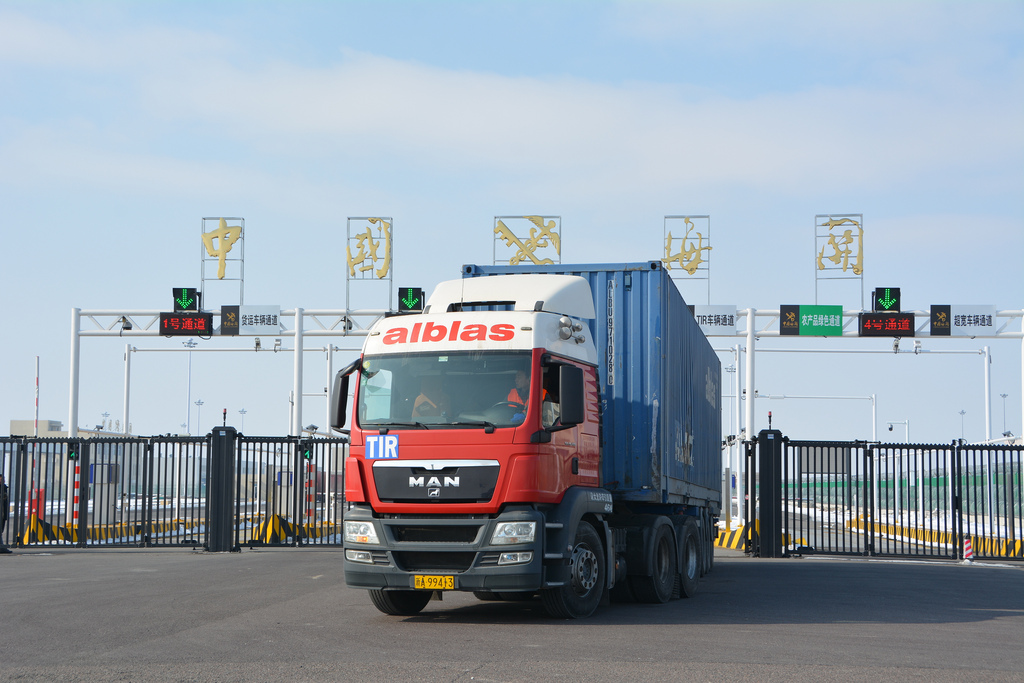
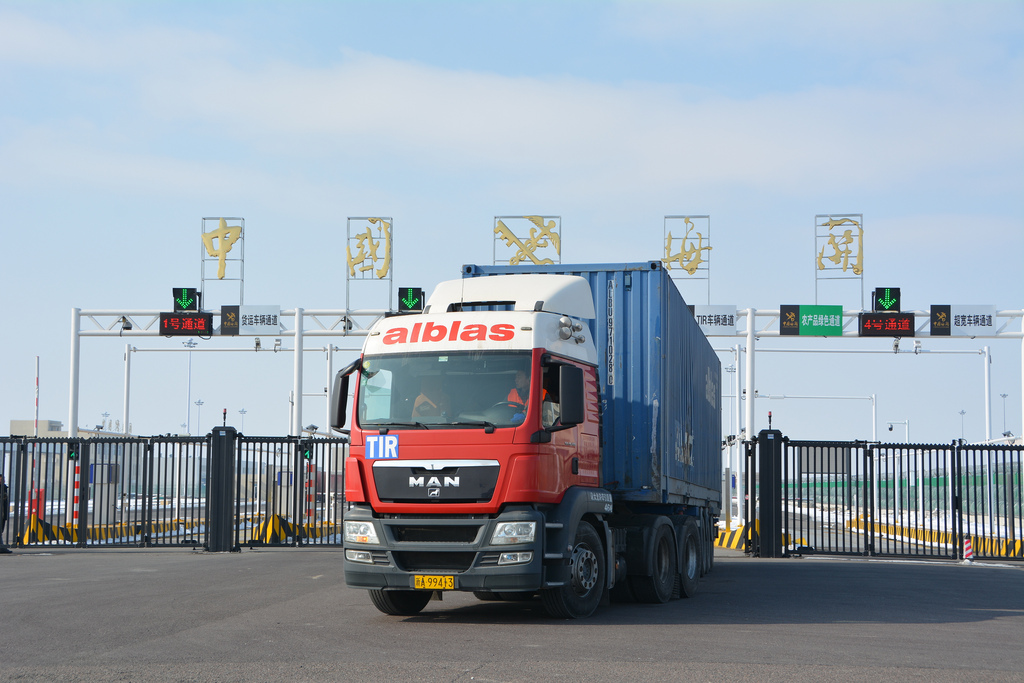

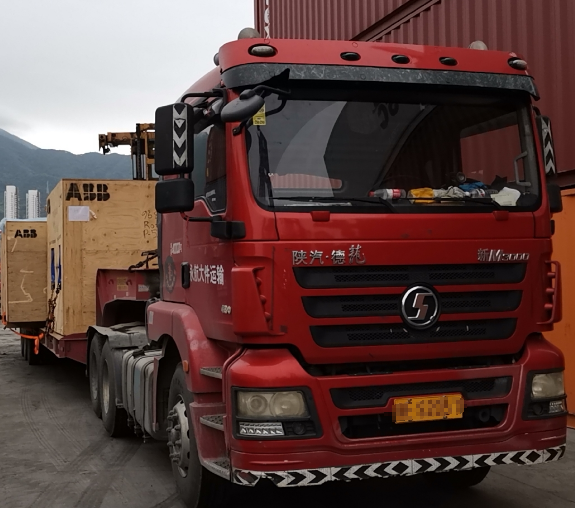








To expedite the transportation of less-than-truckload (LTL) shipments, vehicles should be used efficiently. The transportation methods for LTL shipments can be categorized into full LTL trucks (abbreviated as FTL) and along-the-route LTL trucks (abbreviated as ALR). These are determined based on factors such as the flow and volume of LTL shipments, distance, assembly time, and the station's operational capacity.
Loss or damage to the goods during the carrier's responsibility period, including incidents of loss, damage, moisture, contamination, shortage, burning, and theft (hereinafter referred to as "goods loss"), shall be compensated by the carrier according to the following methods:
One, compensation for goods loss includes the price of the goods, freight charges, and other miscellaneous fees. The compensation amount for goods is based on the actual loss of the goods. Total loss (including scrapping, etc.) is fully compensated; partial loss is partially compensated; if the goods can be repaired, compensation is made based on the repair costs plus the shipping fees for repair; if the goods cannot be repaired but are still usable, compensation is based on the reduced value of the goods due to the loss.
Two, for the goods transported with declared value, compensation will be made according to the declared value. If the actual loss is less than the declared value, compensation will be based on the actual loss.
Three, after the shortage of goods is compensated, if the goods are returned in full or in part, they should be returned to the shipper or consignee, and the full or partial compensation amount should be recovered.
Four, in case of loss prior to shipment, the shipping fee paid will be refunded; if the goods are partially damaged upon arrival and can still be used, the shipping fee will not be refunded; if full compensation is provided, the shipping fee paid will be refunded; if the goods are lost due to traffic accidents or other reasons during transportation and cannot reach the final destination, the shipping fee for the incomplete section should be refunded.
LTL freight shipping process and precautions:
1. Handle LCL (Less Than Container Load) shipments by having the shipper fill out the "Motor Vehicle LCL Shipment Bill of Lading." The handwriting on the form must be clear and legible.
2. If the shipper voluntarily insures the goods for auto transportation insurance and valued transportation, it should be stated on the bill of lading.
3. Shipper's matters, effective upon both parties' signatures with the carrier's consent.
4. Packaging for LCL shipments must comply with national and transportation department regulations and requirements. Shipment with packaging that does not meet standards and requirements should be improved by the shipper. If the shipment will not cause contamination or damage to transportation equipment and other goods, and the shipper insists on the original packaging, the shipper shall assume any potential cargo damage in the "Matters" section.
5. When shipping hazardous materials, the packaging must strictly comply with the "Regulations for the Transportation of Hazardous Goods by Road" issued by the Ministry of Transportation. For the transportation of goods that are prone to contamination, damage, spoilage, and fresh produce, according to the agreement between the consignor and the carrier, the packaging must strictly adhere to the provisions of the agreement.
6. No dangerous, prohibited, restricted, or valuable items should be included in general LCL shipments.
7. Shipment of goods prohibited or restricted by the shipping regulations, or requiring health and quarantine certificates or other shipping permits, the shipper must submit the relevant documents simultaneously.
8. When shipping, the shipper should affix a uniform, numbered shipping label to each end of every piece of cargo. For goods that require loading, stacking, and storage, a storage and transport instruction sign should be clearly attached, and the details should be noted in the "Matters" section of the shipping document.
Our company adheres to the business principles of people-oriented, integrity first, and meticulous service, continuously enhancing our service philosophy and business skills. Guided by the development concept of cooperative mutual benefit, we are eager to embark on a bright future together with new and old customers.
WeChat Official Account

Scan to follow Official Account