













Working Principle
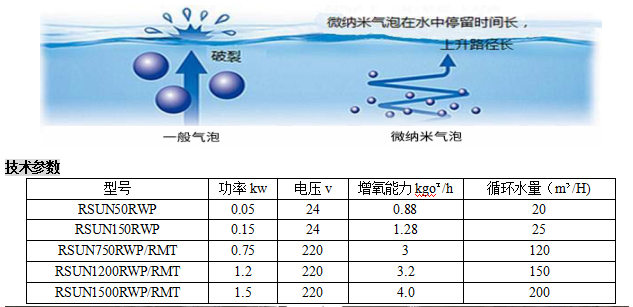
The RWP Micro-Nano Aerator is composed of a nano bubble generator, a dissolved air system, and a release system. The RWP Micro-Nano Aerator mixes air and water using the nano bubble generator, then feeds it into the dissolved air tank to dissolve the air in the water. It then releases the dissolved air through a gas release device, forming nano bubbles, which are喷射 into the water at high speed. This jet exerts a mechanical and electrical ionization effect on the water, breaking the colloidal connections of pollutants, fracturing chemical bonds between pollutants and water, and overcoming electrostatic adsorption. Simultaneously, the introduced active oxygen, oxygen ions, and ions generated by ionization—such as hydrogen and hydroxide ions—oxidize and decompose the pollutants, achieving water purification. The solubility of micro-nano bubbles in water exceeds 85%, and the dissolved oxygen concentration can reach above saturation levels. The micro-nano bubbles remain in the water in bubble form for extended periods, continuously replenishing active oxygen as dissolved oxygen is consumed, providing ample active oxygen and strong oxidizing ion clusters for the microorganisms treating the wastewater, and ensuring a sufficient reaction process with abundant active oxygen. The purified water restored by the RWP series nano aerators has a standard dissolved oxygen content of 4ppm, with its self-purification ability far exceeding that of natural self-purification under normal conditions.
Application Scope
Used for water body restoration, wastewater treatment, aquaculture, ship drag reduction, and black and smelly water bodies. The medium's pH value is: 6.5-8.0, with a medium temperature ≤50℃.
Definition of Micro-Nano Bubbles
We commonly refer to the phenomenon of gas existing in a liquid as bubbles. The formation of bubbles is encountered in many natural processes, where gases in liquids are subjected to shear forces, resulting in bubbles of varying sizes and shapes. Currently, the classification and definition of bubbles are not very strict. They can be categorized in descending order as centimeter bubbles (CMB), millimeter bubbles (MMB), micron bubbles (MB), picometer bubbles (MNB), and nanometer bubbles (NB). Picometer bubbles refer to bubbles that form with a diameter ranging from about 10 micrometers to several hundred nanometers. These bubbles fall between micron and nanometer bubbles and possess physical and chemical properties not found in conventional bubbles.
RWP Micro-Nano Aeration Machine Features
a breaks down all pollutants in oxidized water bodies, purifies and clears away all pollutants from the bottom sludge, increases the dissolved active oxygen in the water, achieves water purification, restores and enhances the self-purification capability of the water body, and maintains a clean water environment in the long term.
Low energy consumption, high efficiency. The characteristics of nano bubbles determine that their oxygen transfer rate is significantly higher than that of ordinary bubbles. That is, under the same aeration intensity, the RSUN-RWP photovoltaic micro-nano aeration machine produces more dissolved oxygen than conventional aeration machines, with higher removal rates of biochemical oxygen demand (BOD) and ammonia nitrogen.
The main equipment is made of stainless steel material, resistant to various corrosive water bodies.
Compared to other conventional nanobubble machines, the RWP series nanobubble machines are easy to install and commission. They can be mounted on a fixed bridge or a floating installation, allowing the equipment to float on the water surface without any foundation requirements. They are unaffected by water level changes and do not require a machine room or any pipelines.
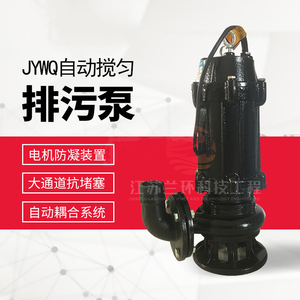
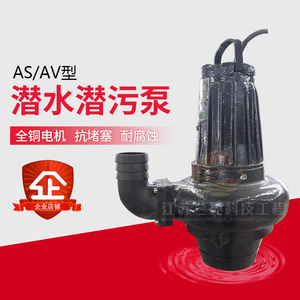
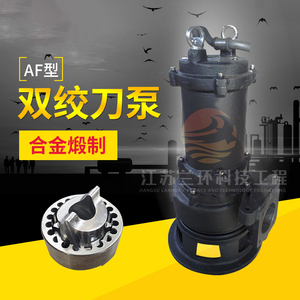
Pumps and valves, no clogging issues.
The noise level of e equipment is 30-40 decibels, which does not affect the daily lives of nearby residents.