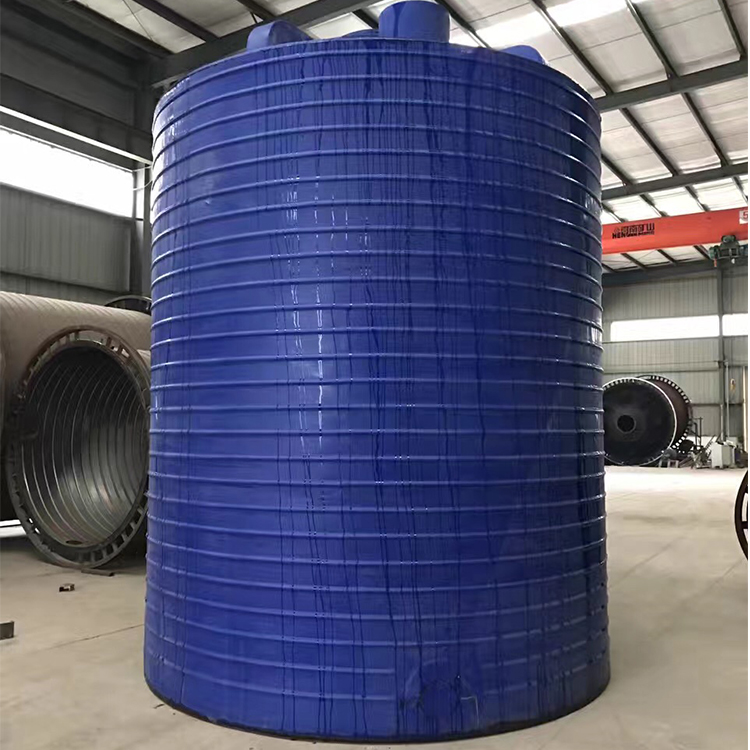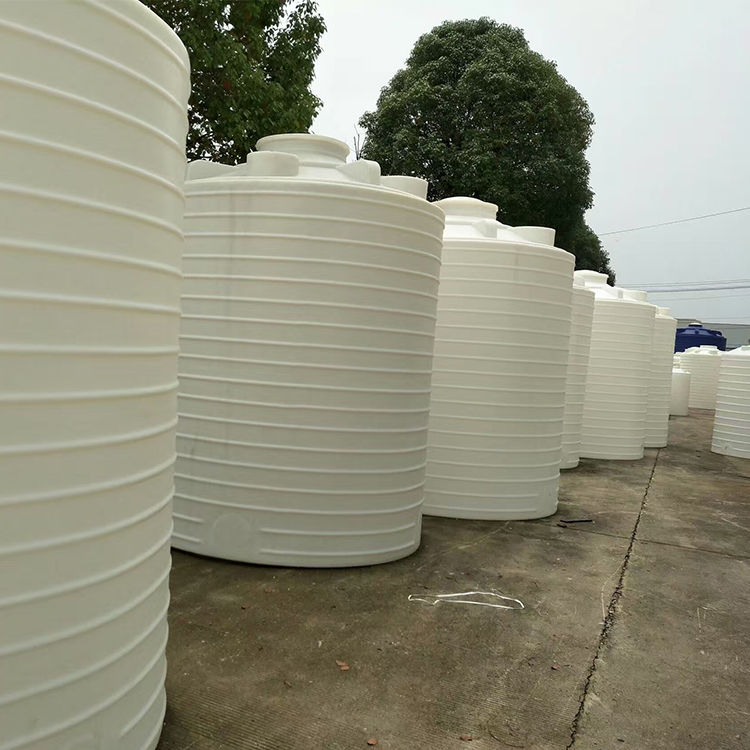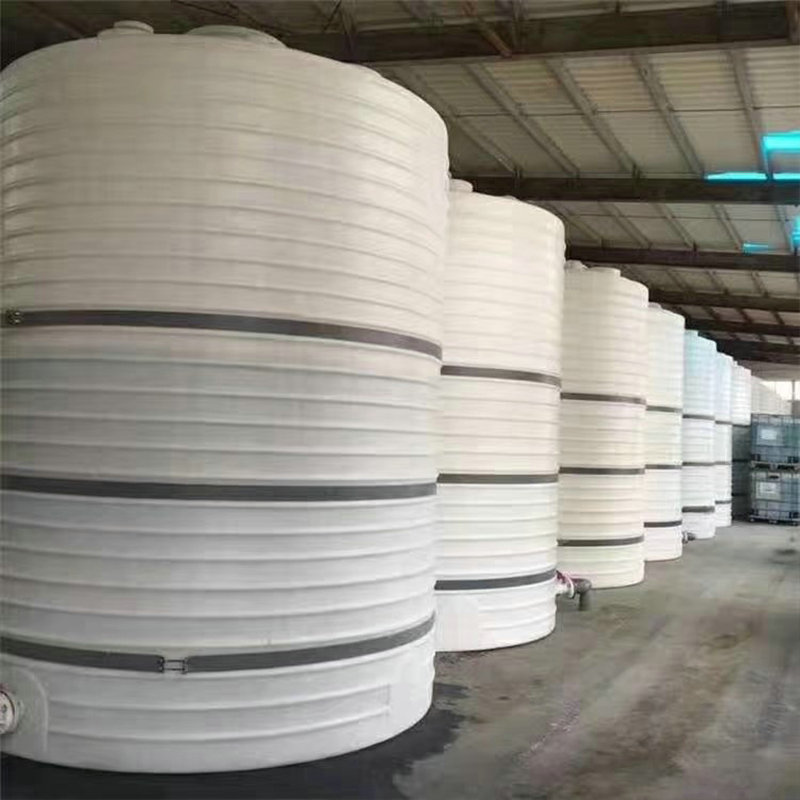

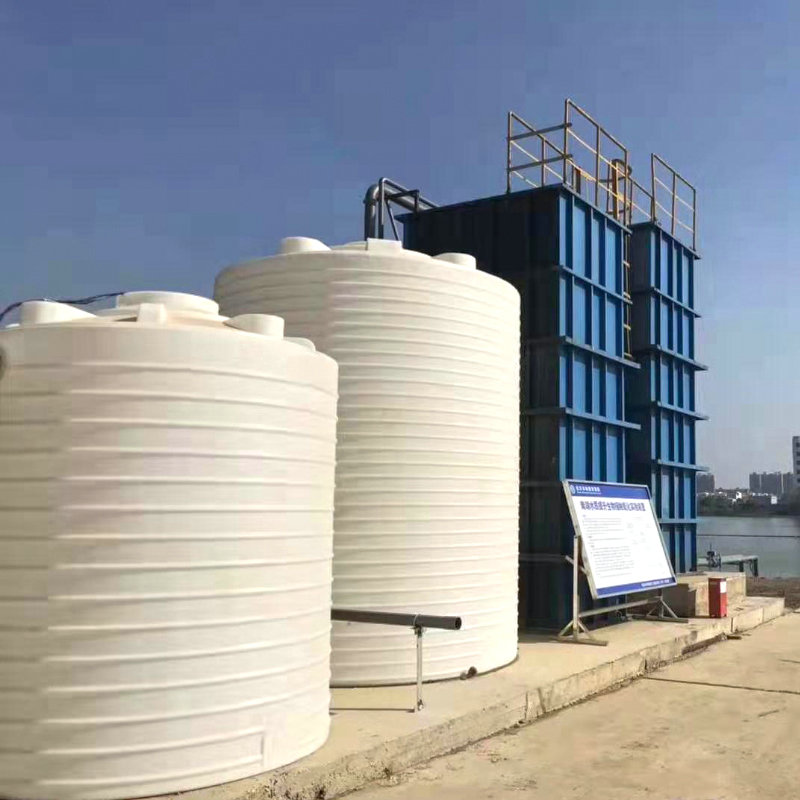
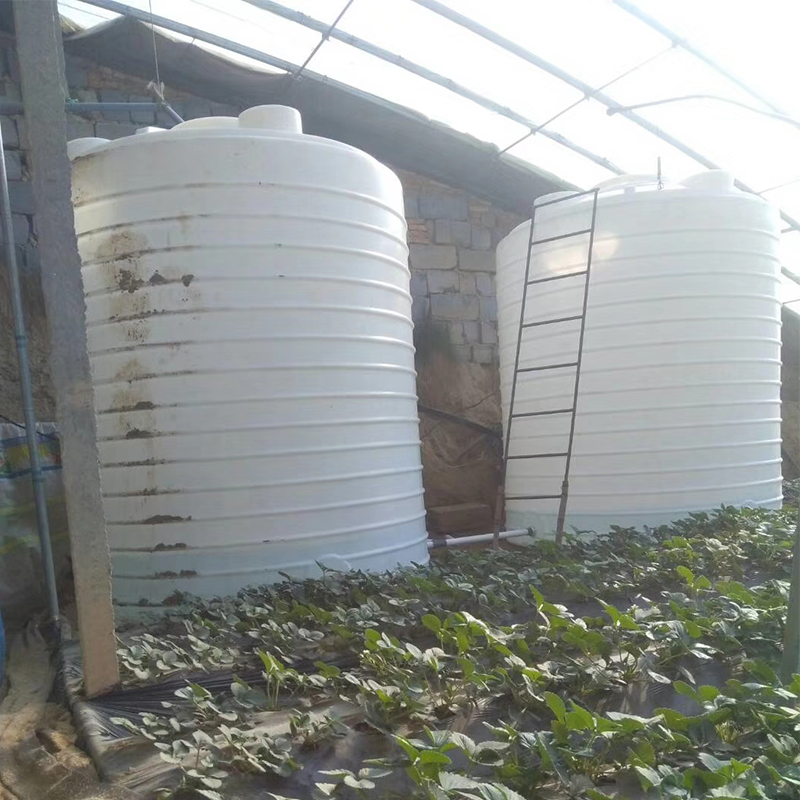











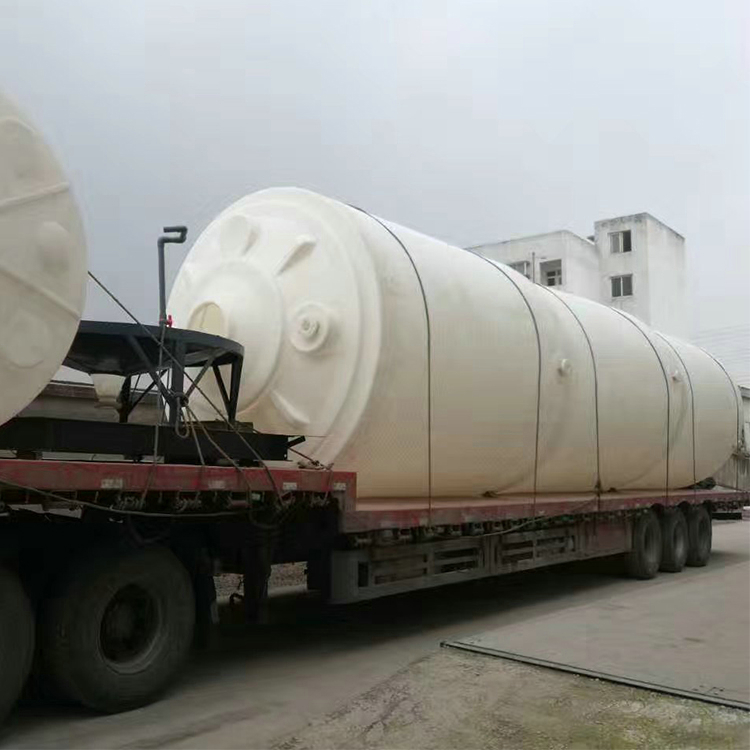
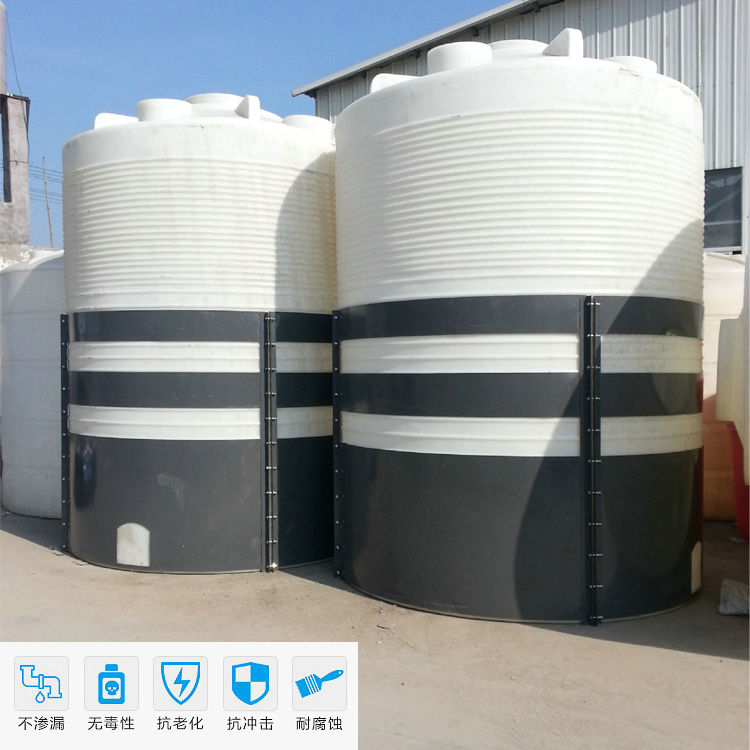

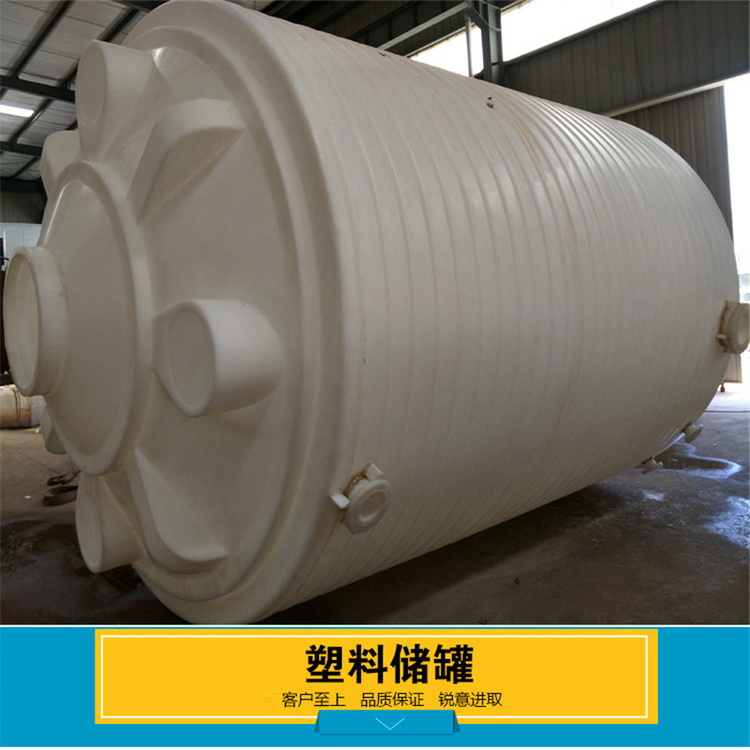
PE Full Plastic Anti-Corrosion Acid-Resistant Storage Tank
1. Due to the superior performance of linear low-density polyethylene (LLDPE) and the unique structure of rotational molding tanks, their lifespan exceeds 15 years.
2. Excellent chemical resistance; almost withstands the solution of most substances, with only a few exceptions that can cause swelling.
3. Plastic storage tanks feature both internal and external corrosion resistance, making them suitable for placement in highly corrosive environments.
4. Rotomolded corrosion-resistant storage tanks have a significant advantage in large-scale, high-capacity, and bulky products. Despite their large volume, they still maintain the characteristic of one-time molding integrity, which is unattainable by other storage tank processes.
5. Compared to traditional anti-corrosion storage tanks, more affordable with a higher performance-to-price ratio.
6. Plastic storage tanks are formed in one piece, featuring good overall integrity, no seams, leakage, strong impact resistance, high tensile strength, excellent antioxidant and anti-aging properties, and meet hygiene and food safety standards.
7. The plastic has a low softening point of 108°C and a high fracture point of -70°C, so it is generally suitable for
8. Refer to the "Chemical Properties Table" when in doubt about the suitability for containing a certain substance.
9. The foundation for the storage tank must be level and capable of withstanding the corresponding pressure. If a steel structure is used, the gaps should not be too large, and wooden or iron plates should be laid on top.
10. When storing chemical substances, the storage tank should be equipped with a well-designed drainage trench and dilution system around the site.
We all know that PE tanks can store a variety of products, but do you know what to pay attention to when storing them? This is also an important matter for users. Let's take a brief look at what needs to be considered in the following text.
1. This product is a storage tank suitable for ambient temperature and pressure conditions. The composite steel-plastic storage tanks can be used at temperatures ranging from -40℃ to 98℃, while the PE storage tanks are designed for temperatures from -40℃ to 60℃.
2. High-value resistors should be packaged with anti-static equipment.
3. The installation and operation environment of the equipment should be kept away from the source of vibration and avoid contact with open flames.
4. When storing chemical substances in PE tanks, the stored items should be clearly marked. The surrounding area of the tank should have a well-designed drainage trench and dilution equipment.
5. Some products, being softer than steel plates, require users to inspect the sealing performance of the corrosion-resistant storage tanks before use. Adding liquid to observe for leaks is recommended, and for tanks containing chemical liquids, it's best to test for leaks with water to prevent any losses.
6. If there are pipes connected by joints or flanges at the bottom of the PE tank, they must be perpendicular to the tank wall to allow for flexible connections. This prevents uneven expansion of the tank wall from top to bottom upon filling with liquid, which can damage the joints and lead to leaks. In severe cases, it may also damage the joints and the tank itself.
7. When the inlet is high above the tank bottom, the inlet should bend towards the tank wall to allow the incoming liquid to flow down along the wall, reducing impact on the bottom.
8. Fittings on the equipment should use acid-resistant gaskets and be sealed properly; gaskets should be replaced in a timely manner.
9. The filling and discharge of equipment must be conducted with the vent open to prevent damage due to pressure.
10. Piping and accessories connected to the equipment should be avoided from exerting their weight directly on the equipment. During lifting, no connections on the equipment, such as manholes, should be used as anchoring points.
So, regarding the precautions for storing PE tanks, it's hoped that everyone will pay special attention during future operations to ensure they can be used normally. It's still necessary for everyone to treat them with carefulness and seriousness.
Instructions for Installation and Use of Plastic Storage Tanks:
1. Our PE plastic storage tanks are formed using rotational molding. The materials used in our plastic storage tanks are rotational molding materials—linear low-density polyethylene (LLDPE) or linear medium-density polyethylene (LMDPE). They are capable of containing most alkaline, saline substances and many other**materials** at room temperature.
2. The plastic used has a small softening point of 108°C and a large fracture point of -70°C, making it generally suitable for containing liquids at temperatures from -40°C to 60°C. If the liquid temperature exceeds 60°C, a metal reinforcement sleeve should be installed to prevent the tank from softening and deforming. If the tank is used for chemical reactions or dilutions, corresponding tests should be conducted in advance to determine the high temperatures of the reactions or dilutions.
3. Components are configured according to the customer's intended use, offering options of PP, PVC, and ABS fittings, as well as PP, PVC, and PE flanges. When containing acidic or alkaline substances, PVC, PP, or PE components and acid/alkaline-resistant gaskets should be used. For containing **substances (especially**), use non-soluble rubber gaskets.
4. This product is not suitable for containing strong oxidizers (such as those with a concentration of over 50% at 60℃ or over 30% in concentration) and good (,,) etc.
5. Refer to the "Chemical Properties Table" when in doubt about the suitability for containing a certain substance.
6. The foundation of the storage tank must be level and capable of withstanding the corresponding pressure. If using a steel structure, the gaps should not be too large, and wooden or iron boards should be laid on top.
7. When storing chemical substances, the storage tank area should be equipped with a well-designed drainage trench and dilution facility around the site.
8. Due to the inevitable bulge inward at the bottom during the molding process, the base should be shaped similarly to a spherical crown (it is recommended to use sand to form a spherical crown corresponding to the bottom of the tank on a level base).
9. Pay attention to safety when installing large-scale storage tanks; try to use cranes. If unsure, please contact us.
10. Plastic connectors are tightened at the factory, but they may loosen during transportation and handling. Therefore, it is necessary to check the sealing performance of the connectors before use. You can add liquid to the joint area to observe for any leaks. For tanks containing chemical liquids, it is advisable to test for leaks with water to prevent significant losses.
11. Piping connected to the bottom of the tank or flanges must be perpendicular to the barrel wall to facilitate the use of flexible connections. This prevents uneven expansion of the barrel wall upon filling with liquid, which can lead to damage of the connection and leakage. In severe cases, it can also damage the flange and the tank body. 12. When the inlet is higher from the tank bottom, the inlet should bend towards the tank wall to allow the incoming liquid to flow down the wall, reducing impact on the bottom.
13. Large capacity tanks (over 20 cubic meters) can utilize metal reinforcing sleeves to limit the expansion and deformation of the tank body at the joints, thereby preventing cracking at the holes.
14. When installing heavier auxiliary equipment such as mixers, or when personnel need to enter the tank for operations and the tank cannot bear the weight of a person, please set up a separate platform or a person ladder, and pay attention to safety during the operation.
15. In cases where the liquid level cannot be controlled, an overflow outlet should be installed to prevent liquid from spilling out through the manhole, causing unnecessary harm.
16. When the inflow and outflow of liquid is substantial, a pipe with corresponding flow capacity should be installed.
17. Please contact our company again when changing the container for liquid.
Product Warranty: One year. Acceptance Standards and Dispute Proposal Deadline: Acceptance based on drawings; quality disputes must be raised within one month after shipment.
储罐制作周期: 7-20天交货 储罐付款方式: 付30%安排生产,70%。
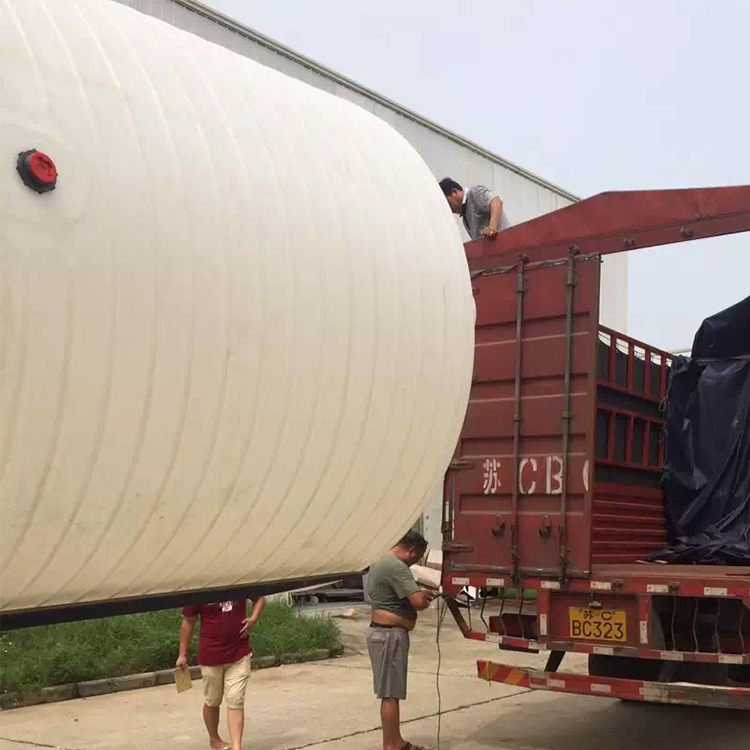
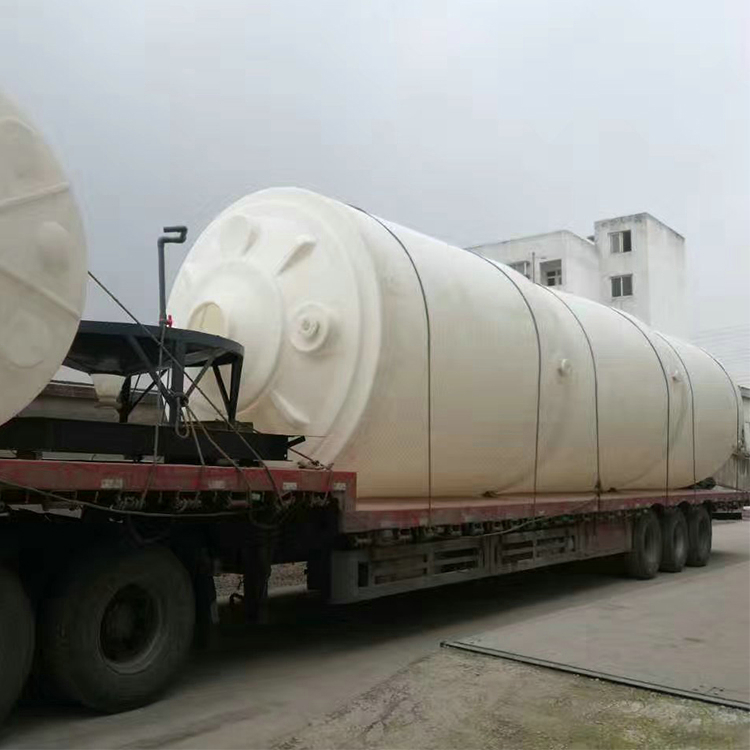
Shipping method and time for storage tanks: Customer pick-up or applied by our company, road transportation, full truckload or consolidated shipment.