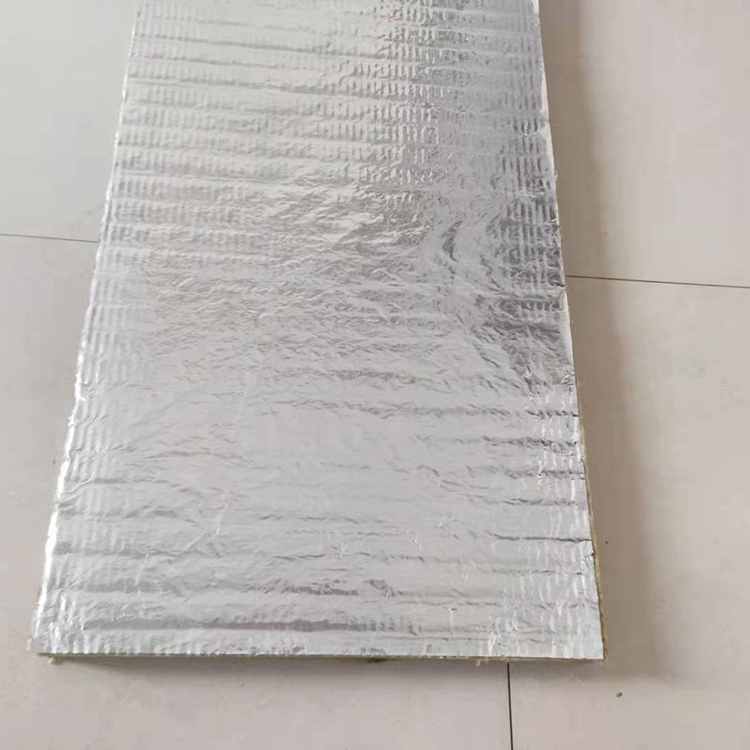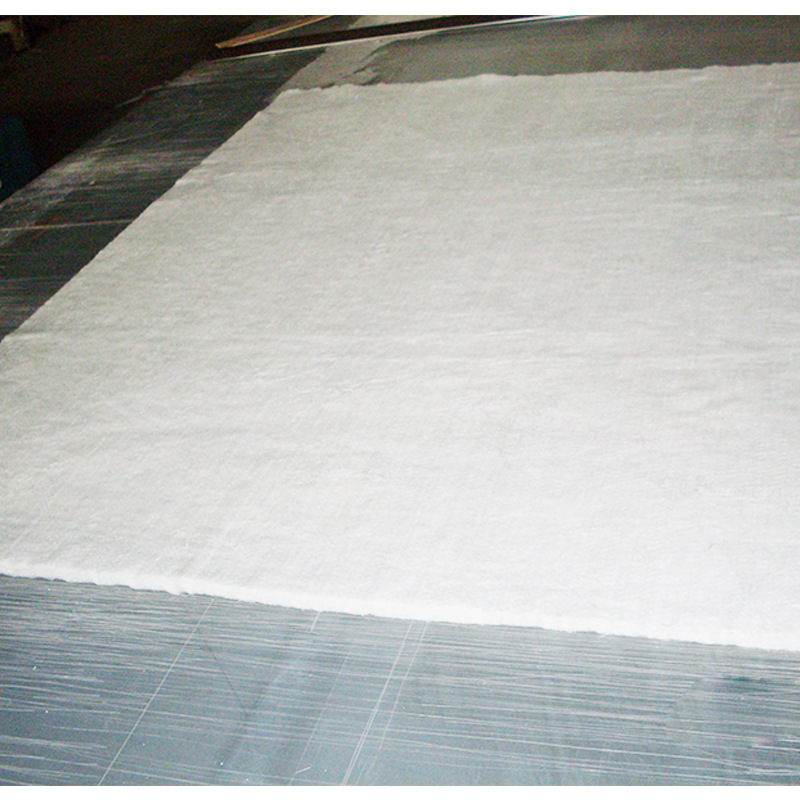
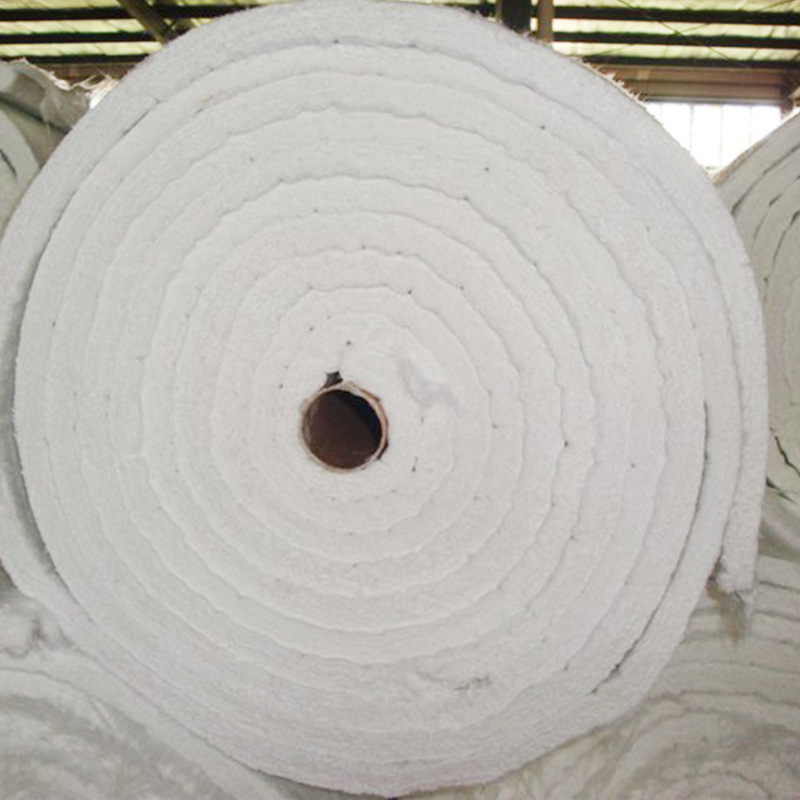
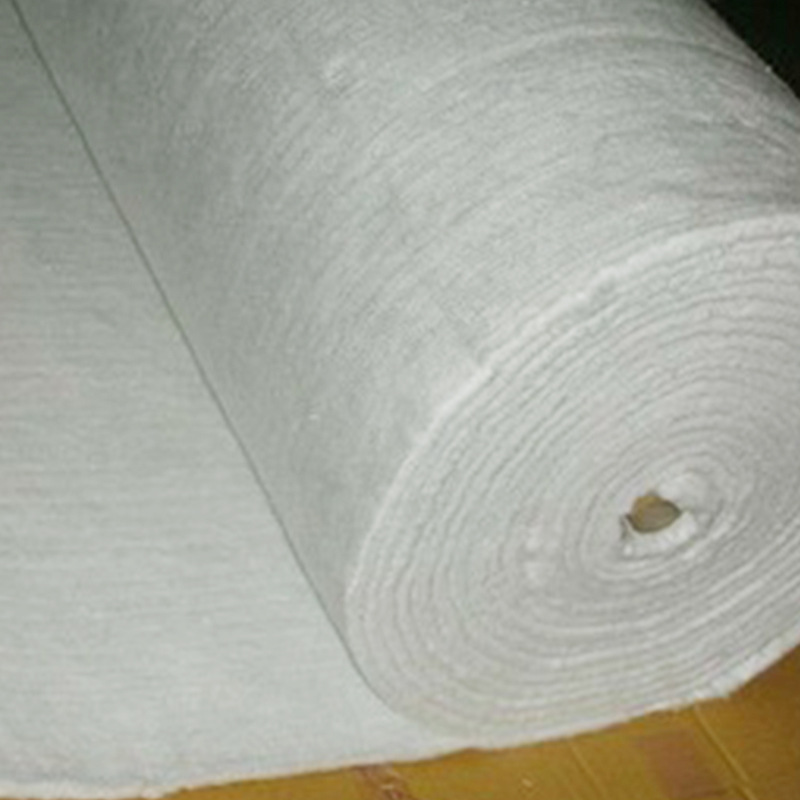
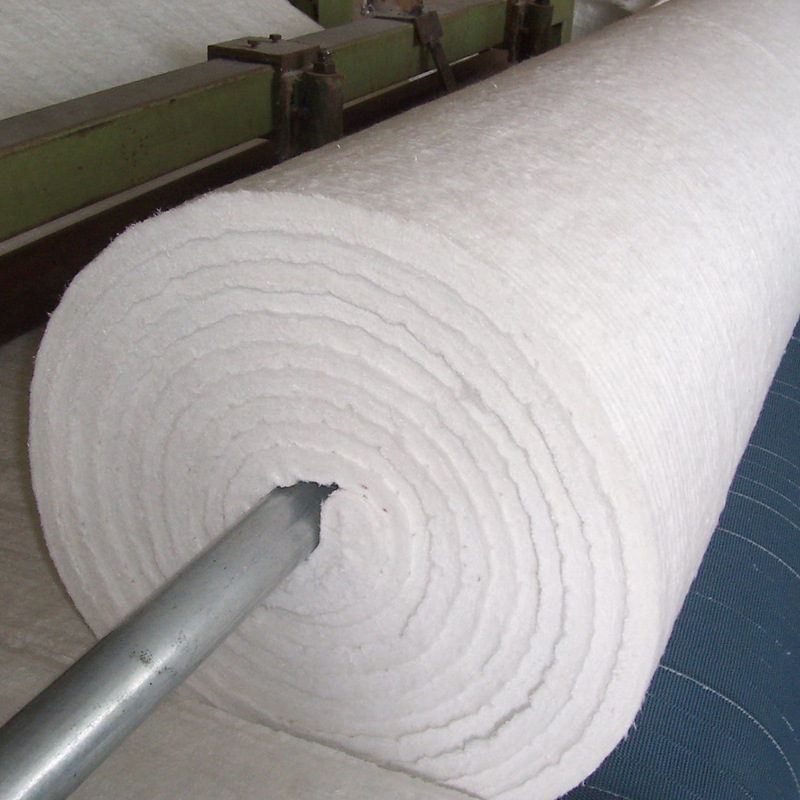







Fiberglass-reinforced waterproof coating is a high-performance waterproofing material. Below is a detailed introduction to it:
I. Definition and Principles
Fiberglass-reinforced waterproof coatings are made by adding reinforcing fibers (such as glass fiber, non-woven fabric, or high molecular weight fibers) to a polymer base material through a special process. These fiber materials significantly enhance the bonding strength between the coating and the substrate, forming a dense waterproof film that effectively prevents water penetration.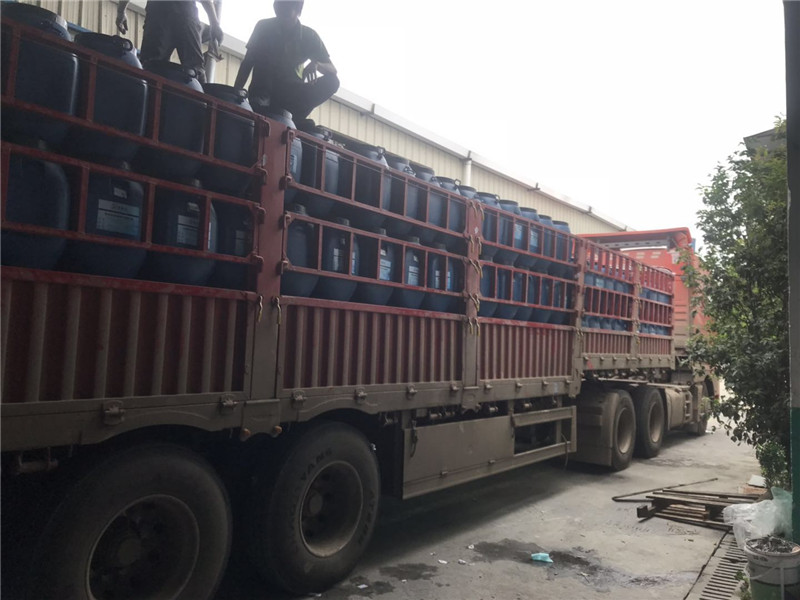
Section II: Key Features
High tensile strength and bonding power: The addition of fibers significantly enhances the adhesive and crack resistance of the coating, ensuring a tight bond with the substrate and effectively preventing water seepage issues caused by substrate cracking.
Wide temperature adaptability: The product features a broad temperature adaptability range, maintaining stable waterproof performance in extreme conditions (-40°C to +100°C) without becoming brittle or softening due to temperature changes.
Excellent durability: The high-strength waterproof film formed after curing of the coating boasts good wear resistance, corrosion resistance, and UV resistance, capable of withstanding long-term侵蚀 from external environmental factors.
Easy and quick installation: Available for application by spraying, brushing, and various other methods, with a fast drying time, reducing the construction cycle and improving project efficiency.
Fatigue Resistance and Structural Adaptability: The addition of fibers enhances the toughness of the coating, allowing it to maintain excellent waterproofing performance even in the face of stress changes caused by minor structural variations in buildings or ground settlement.
Section 3: Application Fields
Fiber-reinforced waterproof coatings are widely used in various applications requiring waterproofing, including but not limited to:
Bridge Engineering: Includes waterproofing projects for highway bridges, urban overpasses, railway bridges, and bridge culverts, etc.
Petroleum & Chemical Engineering: Including oil tanks, saltwater tanks, electroplating tanks, offshore facilities, and cross-sea bridges, etc.
Infrastructure: Power plants, cooling towers, water intake projects, metal components, concrete structures, factory floors, etc.
Section 4: Construction Process
Surface Preparation: Thoroughly clean off oil, dust, loose slurry, and debris from the bridge deck surface to ensure a clean and spotless base. Then, repair any cracks, dents, or other defects on the surface.
Bottom Coating: Apply the waterproof coating evenly using a spray gun or spreader truck, ensuring no missed spots or buildup. Lay the reinforcing fiber material before the first coat is fully dry, making sure it is tightly bonded with the waterproof coating. Once the bottom coating and reinforcing fibers are completely dry, apply the second (or more, as per design requirements) coat of waterproof coating.
Bridge Deck Maintenance: Close the road before the paint dries to prevent foot and vehicle traffic, until the asphalt paving work is completed.
V. Cautionary Notes
Construction Environment: Ensure the construction environment meets the painting requirements and avoid work under extreme weather conditions.
Personal Protection: During construction, appropriate protective gear, such as safety goggles, should be worn to ensure the safety of workers.
In summary, fiber-reinforced waterproof coatings are widely used in various fields due to their high strength, broad temperature adaptability, excellent durability, and ease of application.