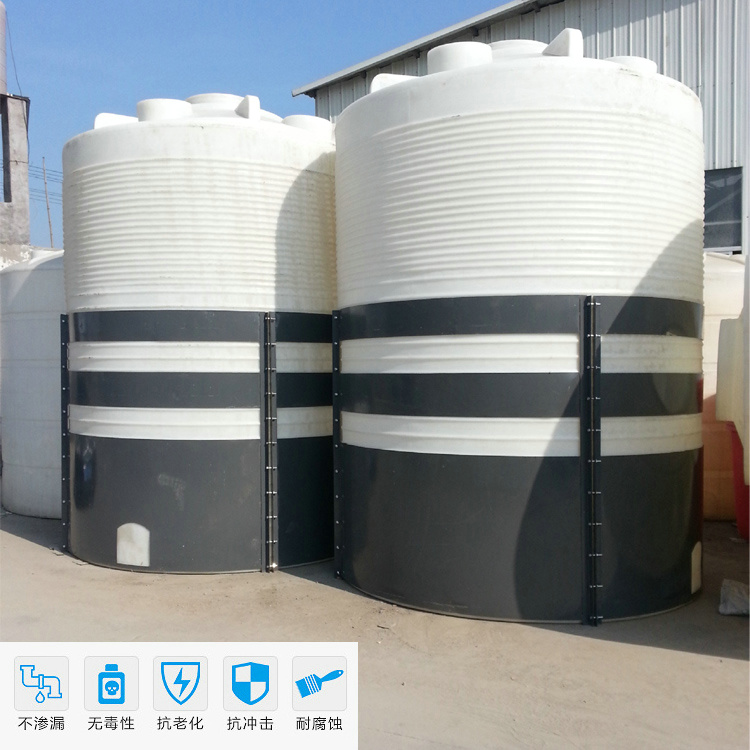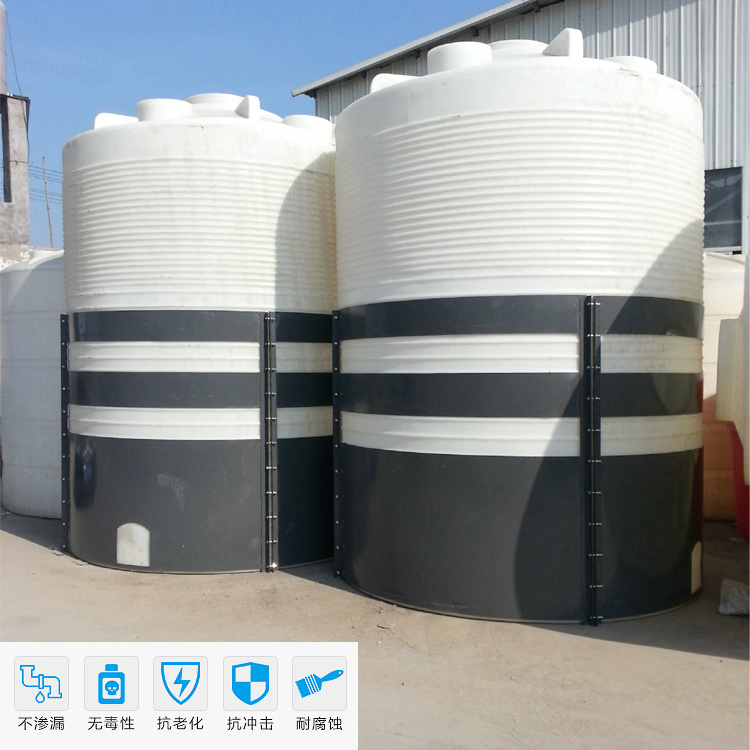

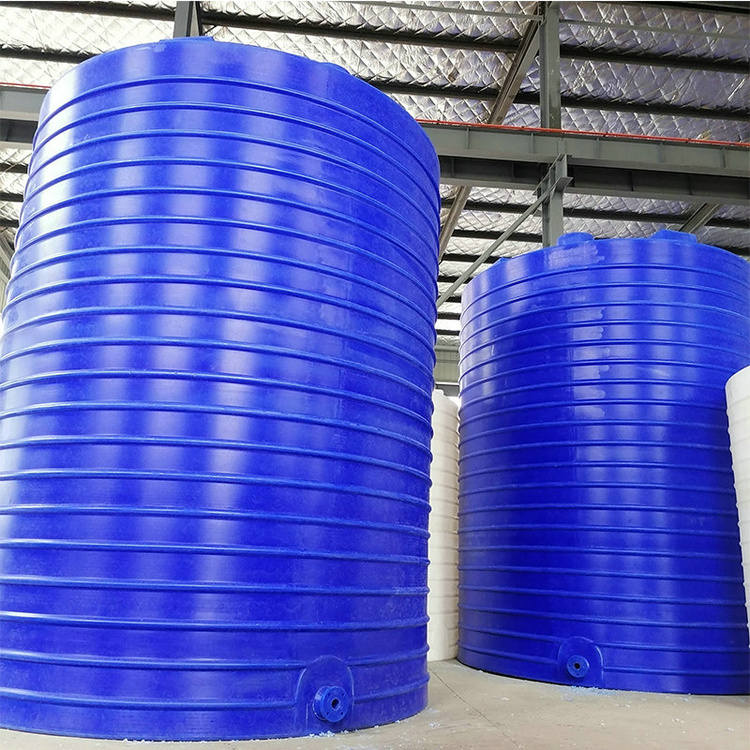


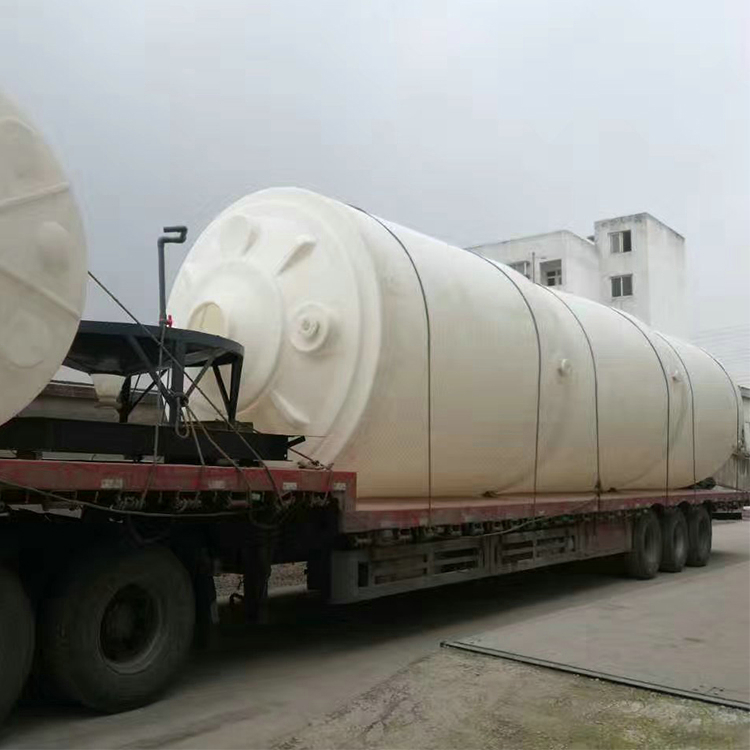

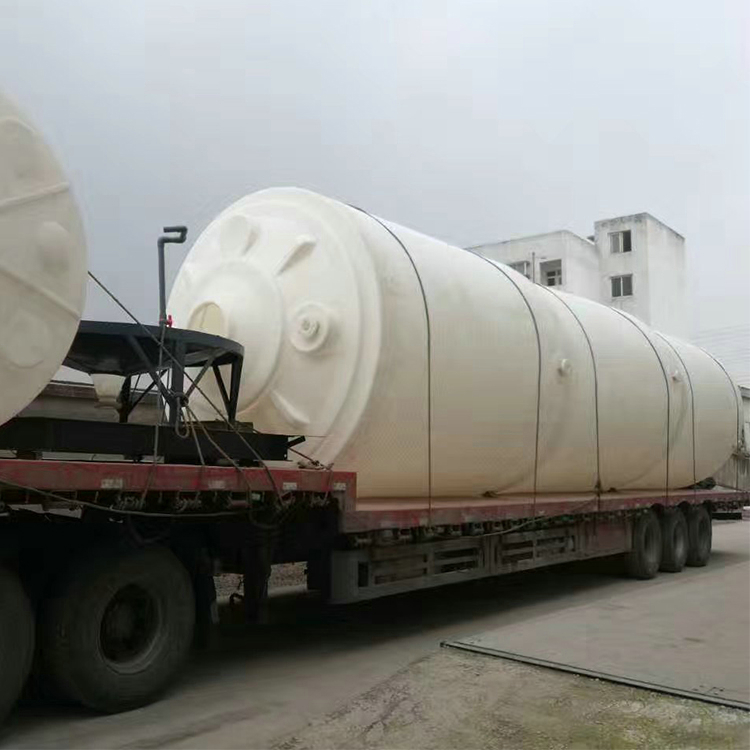
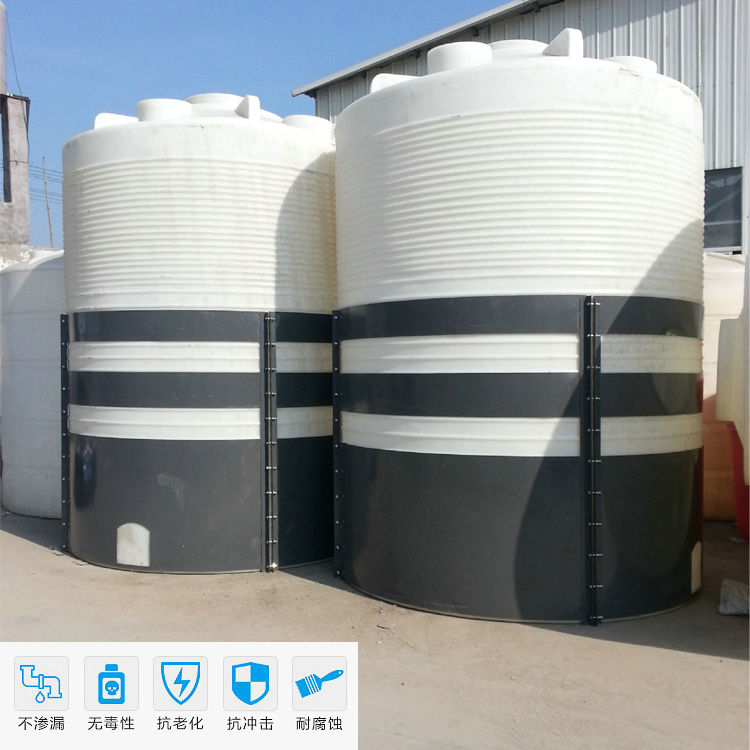






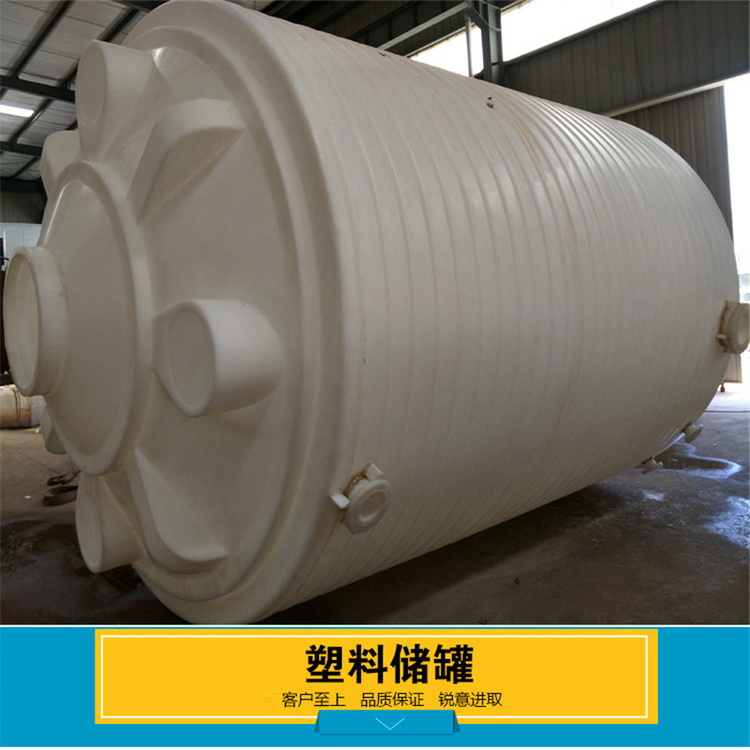
Jingxing Plastic & Chemical Storage Tanks outperform traditional glass fiber reinforced plastic containers, PP and PVC welded containers, steel-lined rubber and steel-lined glass fiber reinforced plastic containers significantly in terms of performance. Their service life and impact resistance are more than double that of ordinary glass fiber reinforced plastic containers. They can replace stainless steel, nickel, titanium, and other metal containers over a wide range. As the most ideal and efficient new generation chemical liquid corrosion-resistant storage and transportation equipment, they are cost-effective and have been applied to all aspects of chemical corrosion prevention.
When selecting plastic chemical storage tanks and corrosion-resistant tanks, it's crucial to consider the specific gravity, fluidity, operating temperature, pressure, and installation environment of the substances or solutions to be stored. Non-standard PE tanks can be designed according to customer requirements under certain conditions. Nuoshun plastic storage tanks, being made of non-toxic materials that meet hygiene standards, are suitable for food storage and transportation and can replace stainless steel (304, 316, 316L) tanks within a certain temperature range. Jingxing plastic storage tanks can store and transport most alkali salts and some solvents, with performance exceeding traditional fiberglass containers and plastic welded containers. PE tanks have twice the corrosion resistance and service life of fiberglass, and can replace materials such as stainless steel, titanium, nickel, and high-grade alloys in a wide range.
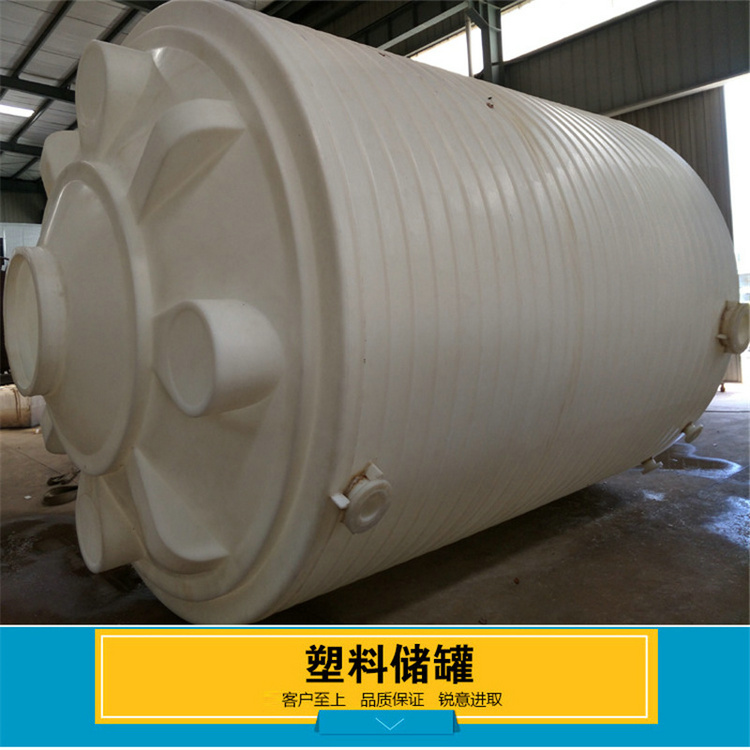
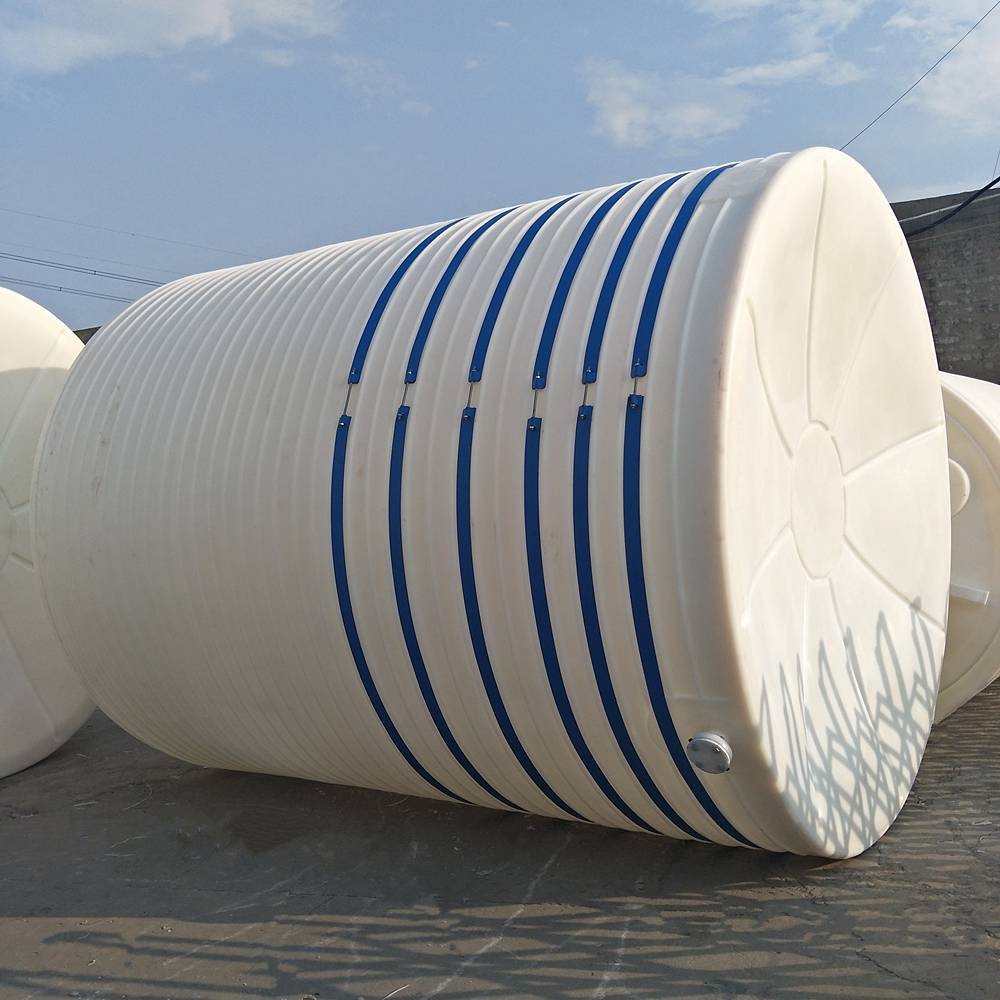
Jingxing Plastics produces chemical storage tanks, corrosion-resistant tanks, plastic tanks, PE tanks, formed-in-one molding, with smooth interior and exterior, acid and alkali resistance, high and low temperature resistance, impact resistance, strong vibration resistance, non-aging, easy to clean, good hygiene, and UV resistance. Installation and movement are convenient. Capable of storing and transporting the majority of alkali, salt solutions, and some organic solvents. For mixing or when the acid or alkali concentration ratio is above 1.2, it is recommended to add a reinforcing sleeve and increase the thickness of the tank wall.
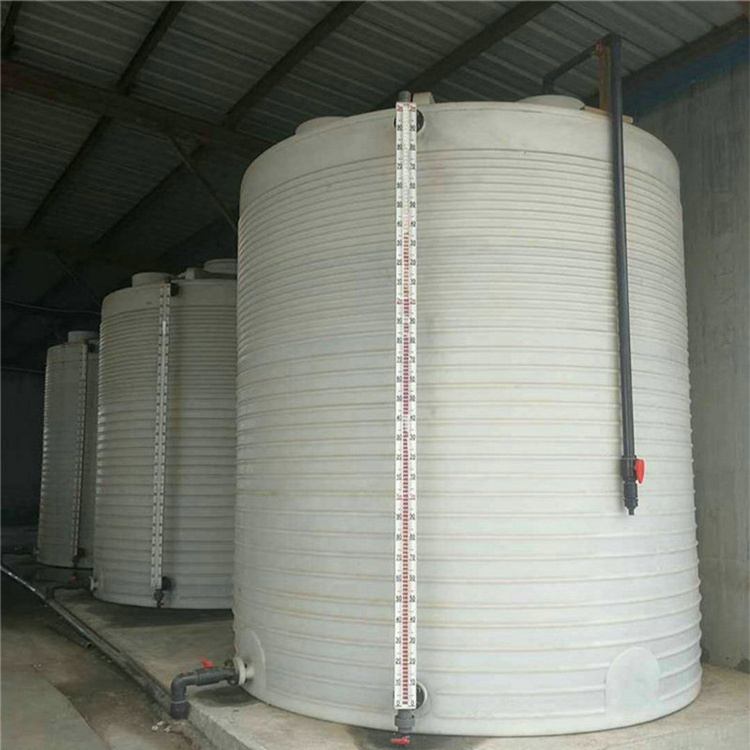
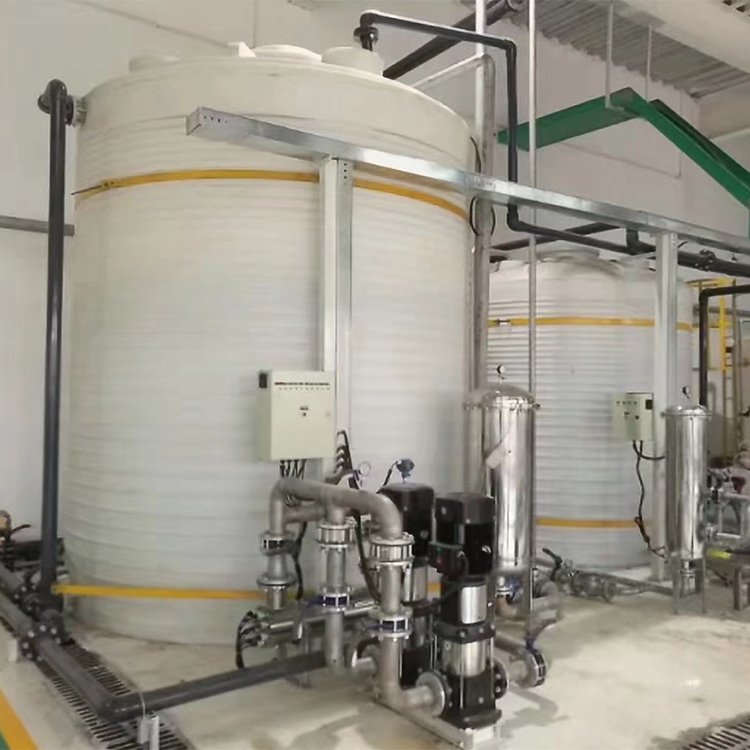
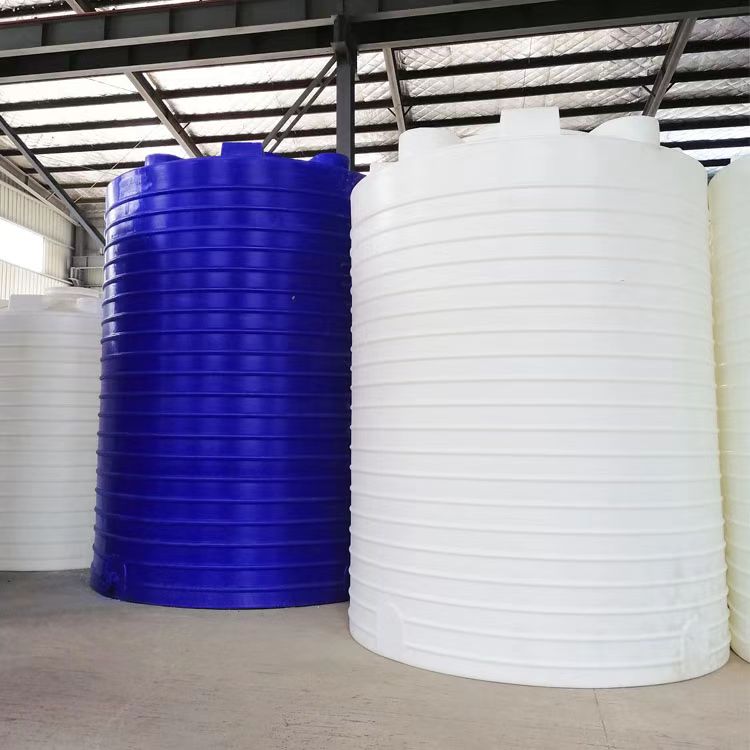
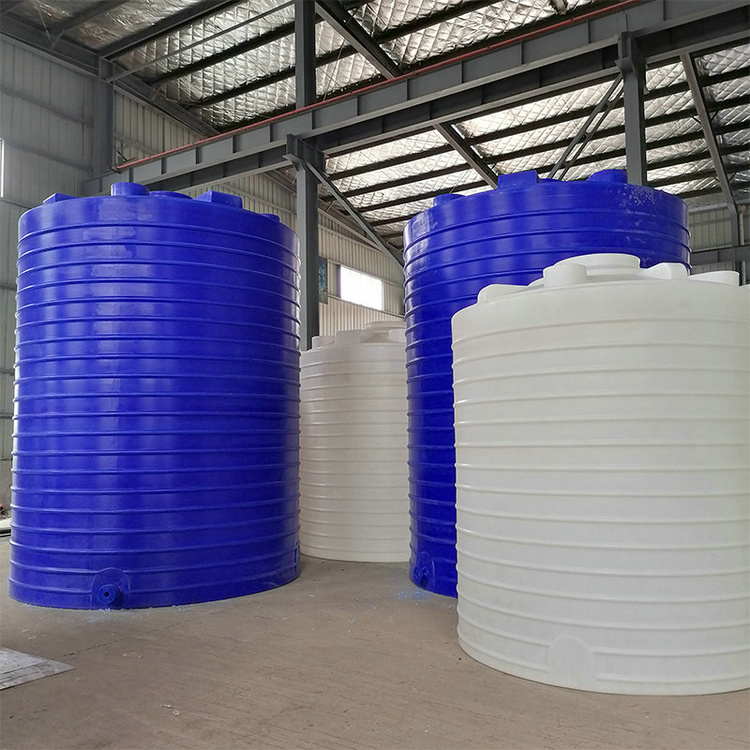
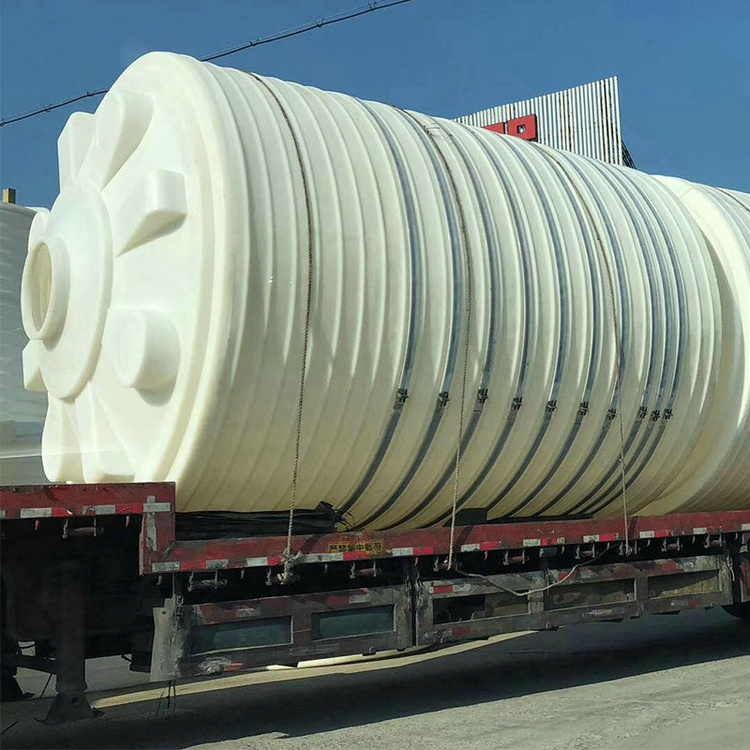
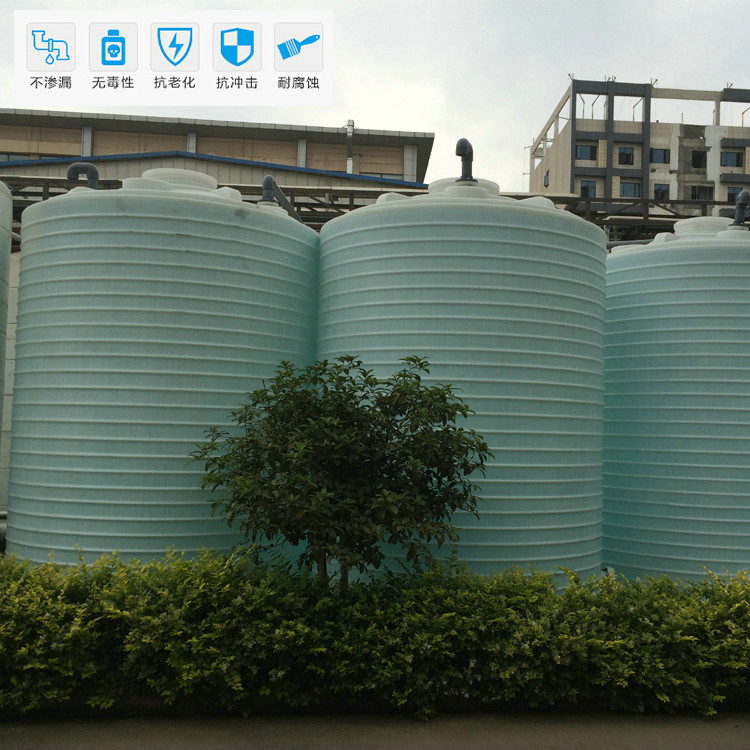
Note: Instructions for interface, piping, and reinforcing sleeves
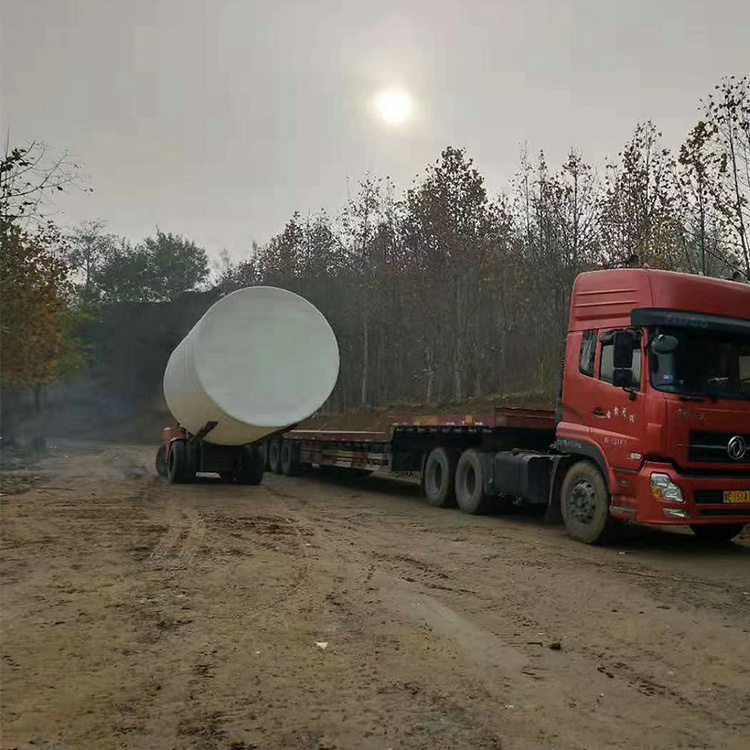
(1). Interfaces or flanges installed on the container prior to shipment may loosen or even be damaged during transit. It is essential to check their integrity before receiving and installing the container.
(2). Connections between containers or external pipes should be flexible or U-shaped, supported by brackets to prevent stress on the pipes and joints. This is to avoid damage to the joints and the containers themselves due to pressure from the liquid inside the containers and the weight of the pipes.
(3) After the interfaces and pipelines are installed, a water test must be conducted to check for any leaks in the tank body and the connections between the interfaces and pipelines.
(4). The interfaces and piping sections should be inspected monthly, and any abnormalities found should be promptly repaired.
(5) Our reinforcing sleeve is made of 250mm diameter, 1.5mm thick cold-rolled steel plate. Installation should be done when the container is empty, and the tightness should be adjusted so that the sleeve does not fall off the drum. During long-distance transportation and handling, the paint on the reinforcing sleeve may be damaged, so it must be repainted after installation to extend its service life. Additionally, apply grease to the bolt and nut to prevent rust and maintain strength.