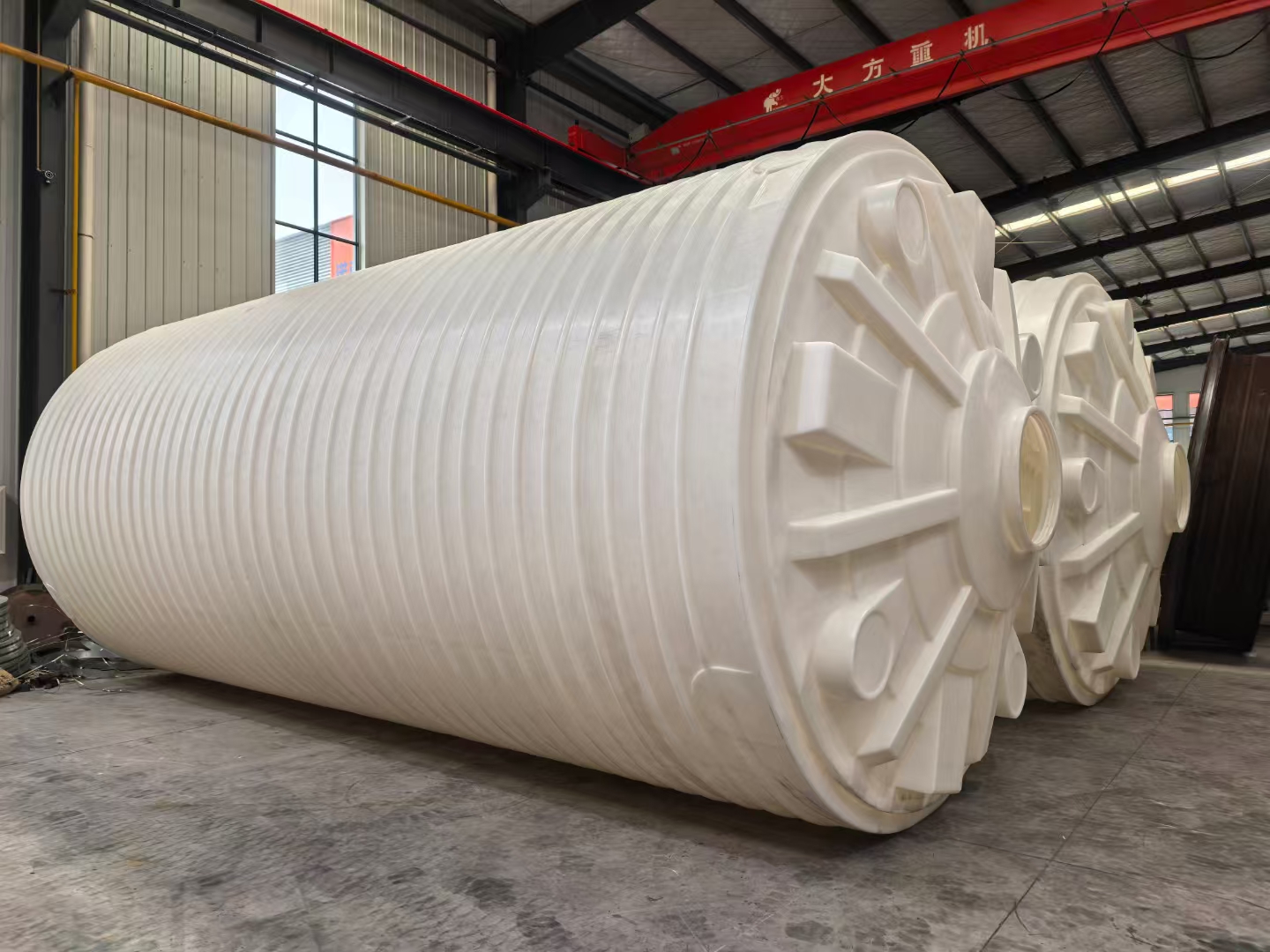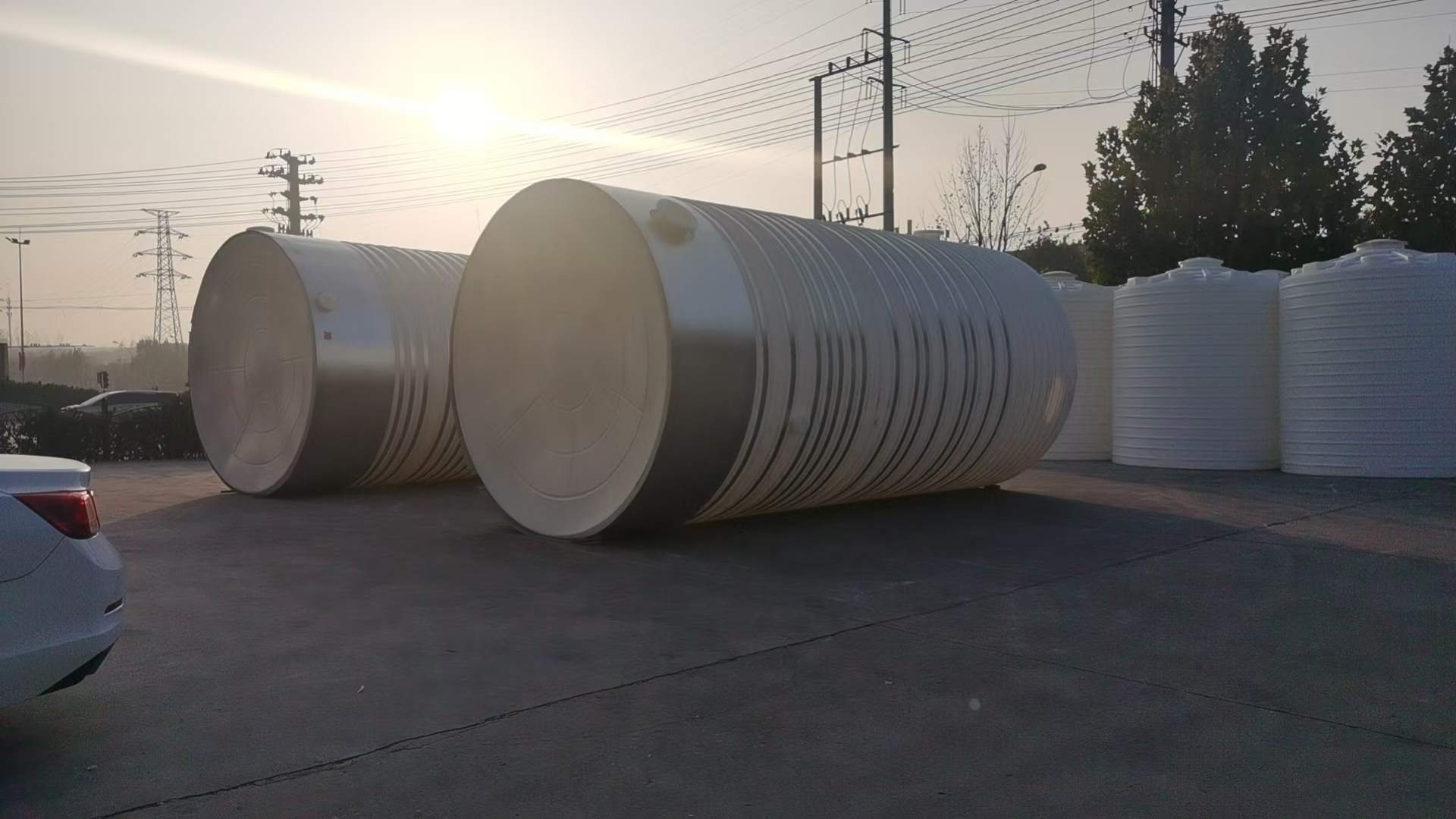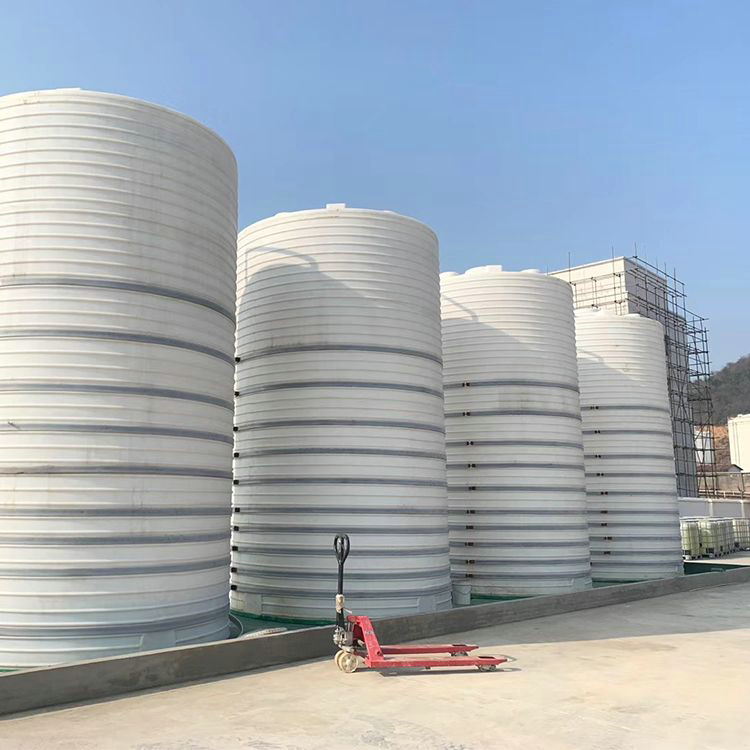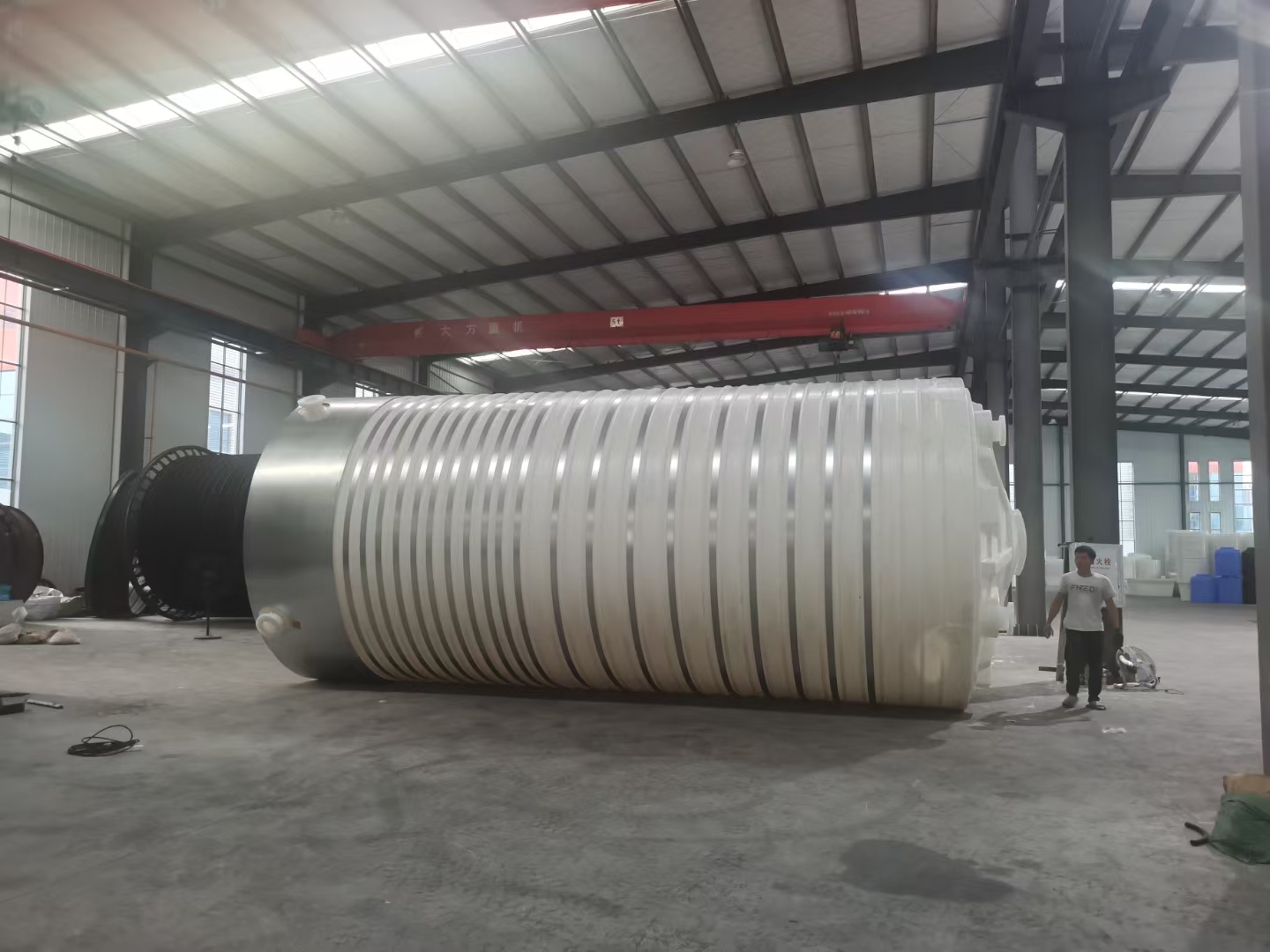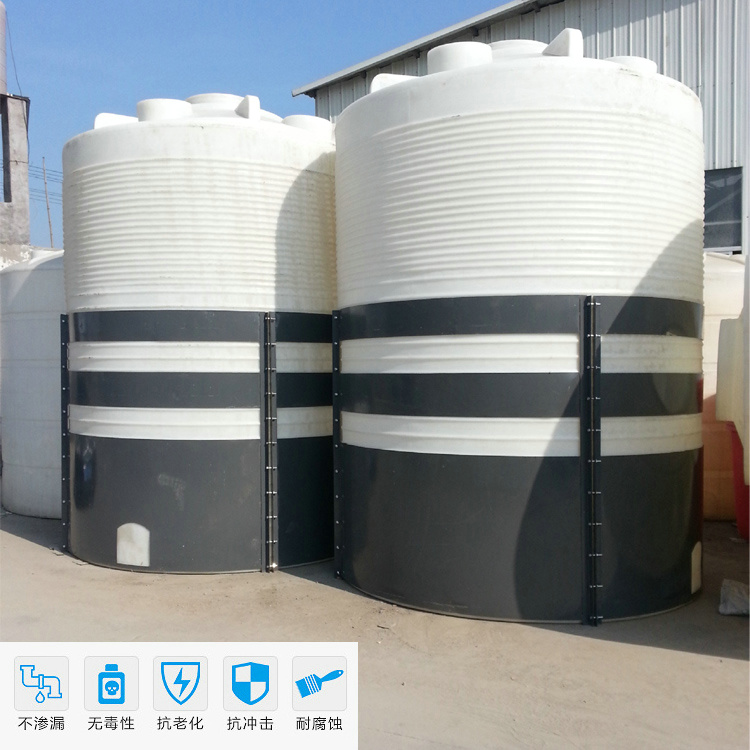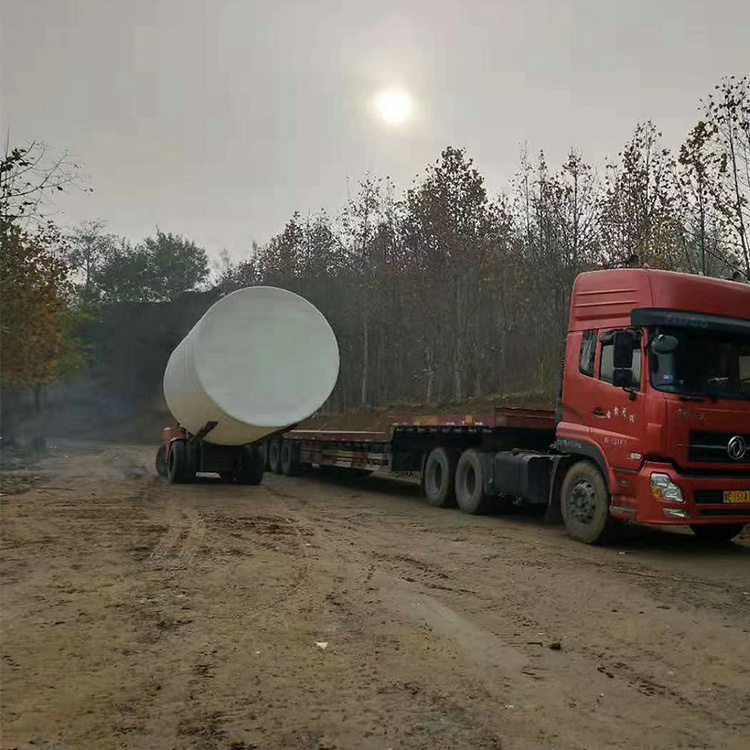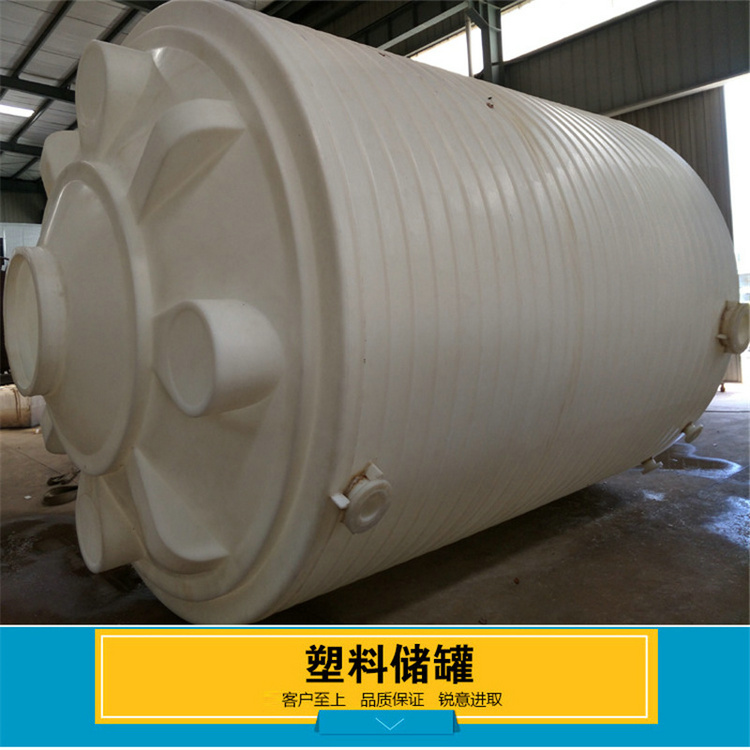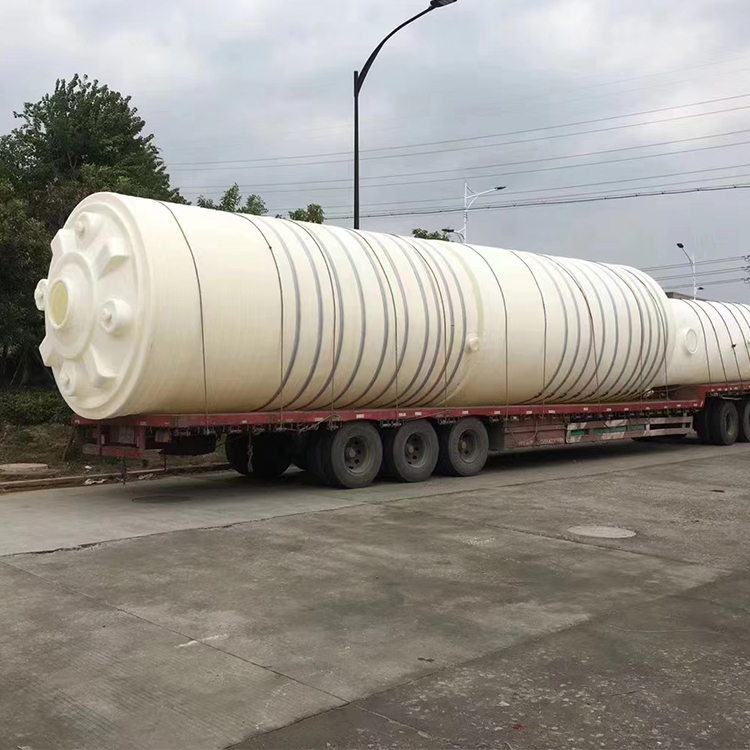

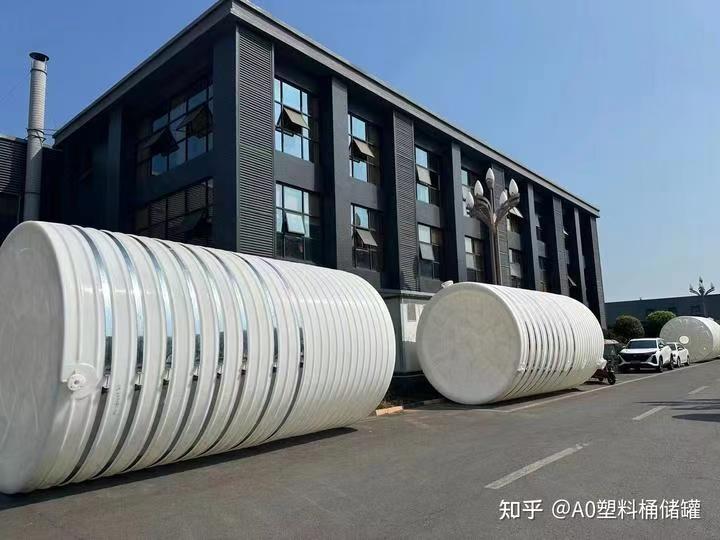
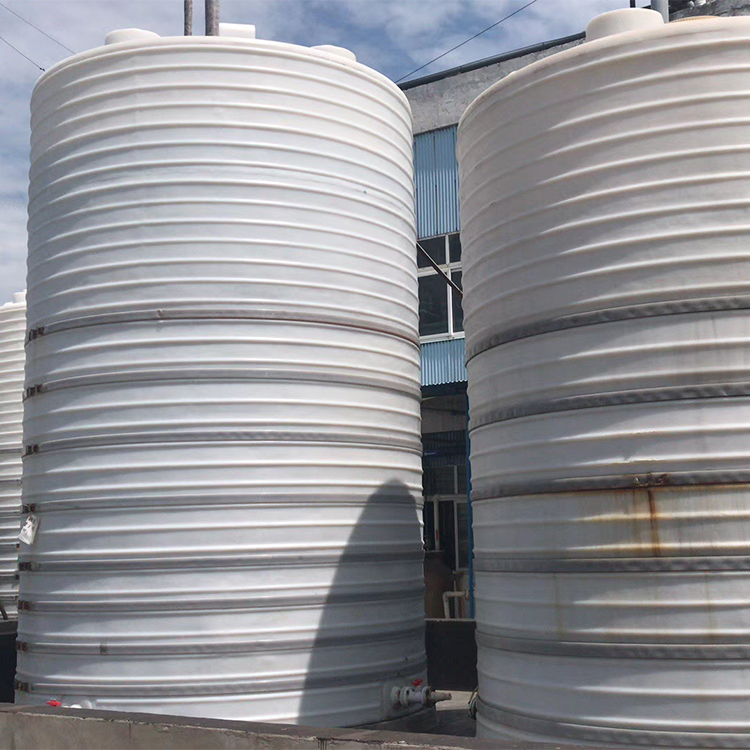


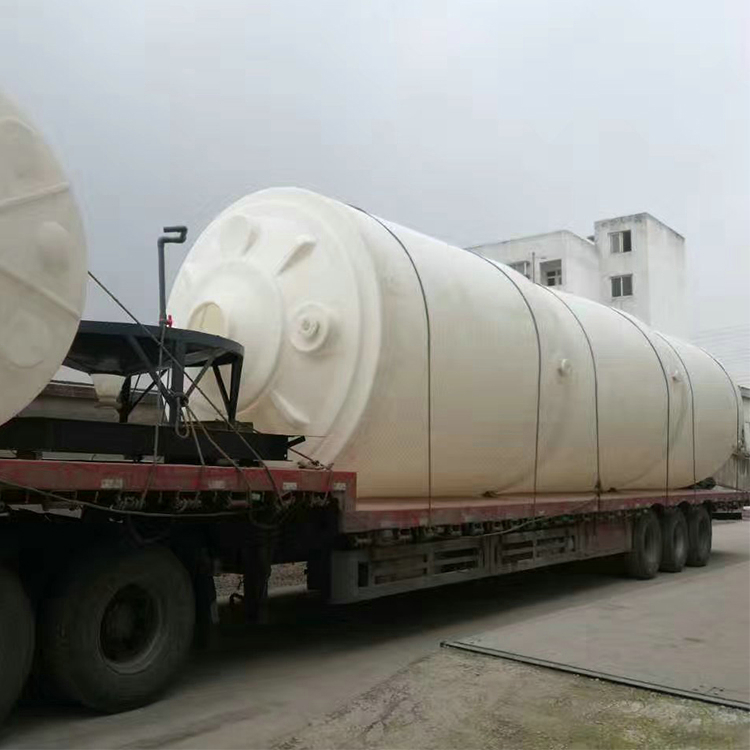

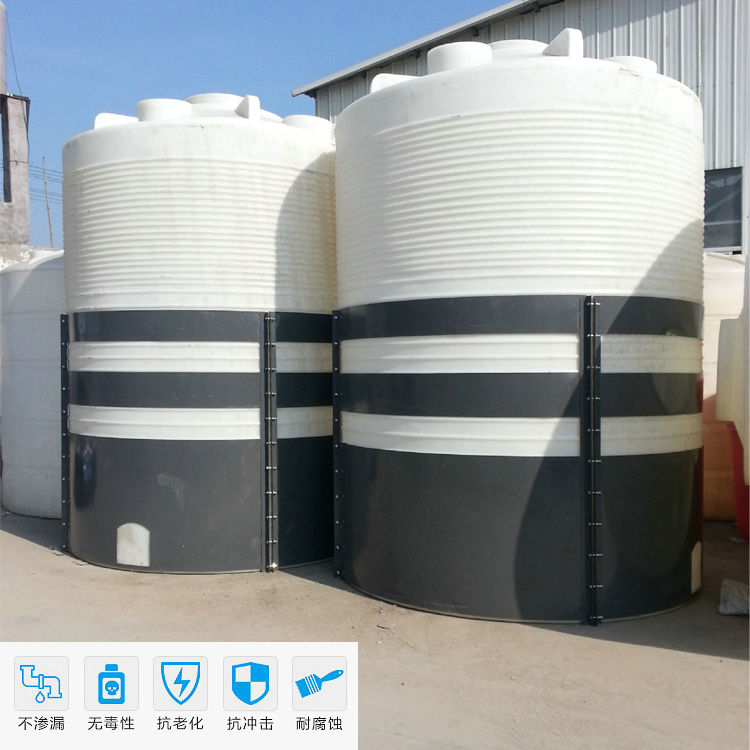






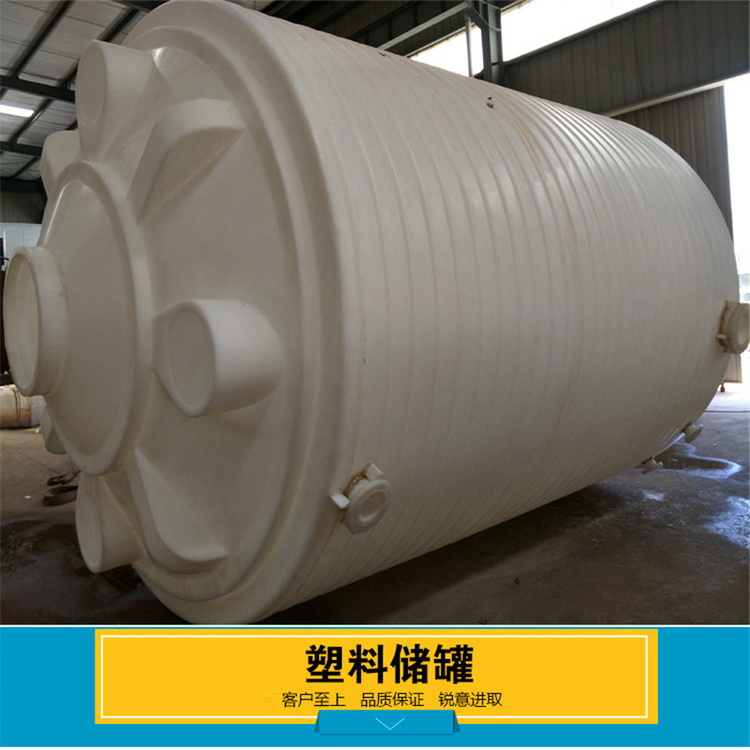
PE storage tanks are containers specifically designed for storing liquids.
I. Basic Specifications
Shape: Typically designed as conical or other shapes (such as square, round, etc.), the specific shape may vary depending on the manufacturer and application. The conical design facilitates liquid discharge and cleaning, while also enhancing the stability of the tank.
Material Characteristics
Material: (PE), a commonly used plastic material with excellent corrosion resistance, impact resistance, and aging resistance. These properties make PE tanks outstanding for storing various chemicals.
Advantages: PE tanks are generally characterized by their light weight, easy installation, and simple maintenance. Due to the excellent flexibility of PE materials, the tanks are less prone to cracking when subjected to external force, enhancing the safety of use.
III. Manufacturing Process
Molding Process: Generally manufactured using the rotational molding process, offering advantages such as seamless construction, no leakage, and good overall integrity.
Material Purity: Some products may use imported linear low-density polyethylene (LLDPE) as raw material, without any additives, plastic fillers, or recycled materials in the production process, ensuring the purity and safety of the storage tanks.
Four, Application Fields
Chemical Industry: Used for storing various chemicals such as acids, alkalis, salts, etc.
Environmental Protection Field: Used for storing waste treatment agents, disinfectants, and other environmental protection materials.
Water Treatment Field: Used for storing disinfectants, softened water, and other water treatment supplies.
Other Fields: Also widely used in various industries such as food, pharmaceuticals, biology, pesticides, dyes, metallurgy, electroplating, electricity, textiles, printing and dyeing, machinery, brewing, and more.
V. Buying and Usage Suggestions
Purchase Recommendations: When selecting a PE tank, choose the appropriate size and material based on actual needs. Also, pay attention to the tank's sealing performance, corrosion resistance, and service life, among other key indicators.
Usage Recommendations: Regularly inspect the tank's sealing performance and integrity during use to ensure there are no leaks or damage. If leaks or damage are detected, take immediate action to repair or replace the tank. Additionally, be mindful of the storage environment and usage conditions of the tank, avoiding use in high-temperature, high-pressure, or corrosive environments.
In summary, the PE tank is a widely applicable liquid storage container with numerous advantages. During selection and use, factors such as capacity, shape, material, and price should be carefully considered, and relevant safety operation procedures should be followed.
A PE tank is a specialized container for storing liquids.
I. Basic Specifications
Shape: Typically designed in a conical or other shapes (such as square, round, etc.), the specific shape may vary depending on the manufacturer and application. The conical design facilitates liquid discharge and cleaning, while also enhancing the stability of the tank.
Section II: Material Characteristics
Material: (PE), a commonly used plastic material with excellent corrosion resistance, impact resistance, and aging resistance. These properties make PE tanks outstanding for storing various chemicals.
Advantages: PE tanks are typically lightweight, easy to install, and simple to maintain. Due to the flexibility of PE material, the tanks are less prone to cracking under external impact, enhancing their safety for use.
III. Manufacturing Process
Molding Process: Generally manufactured using rotational molding technology, offering advantages such as seamless construction, no leakage, and good overall integrity.
Material Purity: Some products may be made from imported linear low-density polyethylene (LLDPE) as raw material. No additives, plastic fillers, or recycled materials are used in the production process, ensuring the purity and safety of the storage tanks.
Section 4: Application Fields
Chemical Industry: Used for storing various chemicals such as acids, bases, salts, etc.
Environmental Protection Field: Used for storing wastewater treatment agents, disinfectants, and other environmental protection materials.
Water Treatment Field: Used for storing disinfectants, softened water, and other water treatment supplies.
Other Fields: Widely applied in industries such as food, medicine, biology, pesticides, dyes, metallurgy, electroplating, electricity, textiles, printing and dyeing, machinery, brewing, and more.
V. Purchasing and Usage Recommendations
Purchase Recommendations: When selecting a PE tank, choose the appropriate size and material based on your actual needs. Also, pay attention to the tank's sealing performance, corrosion resistance, and service life, among other key indicators.
Usage Suggestions: Regularly inspect the tank's sealing performance and integrity during use to ensure there are no leaks or damage. In case of leaks or damage, take immediate action to repair or replace the tank. Additionally, be mindful of the storage environment and usage conditions of the tank, avoiding use in high-temperature, high-pressure, or corrosive environments.
In summary, the PE tank is a widely used liquid storage container with numerous advantages. During selection and use, careful consideration should be given to factors such as capacity, shape, material, and price, and relevant safety operating procedures should be followed.