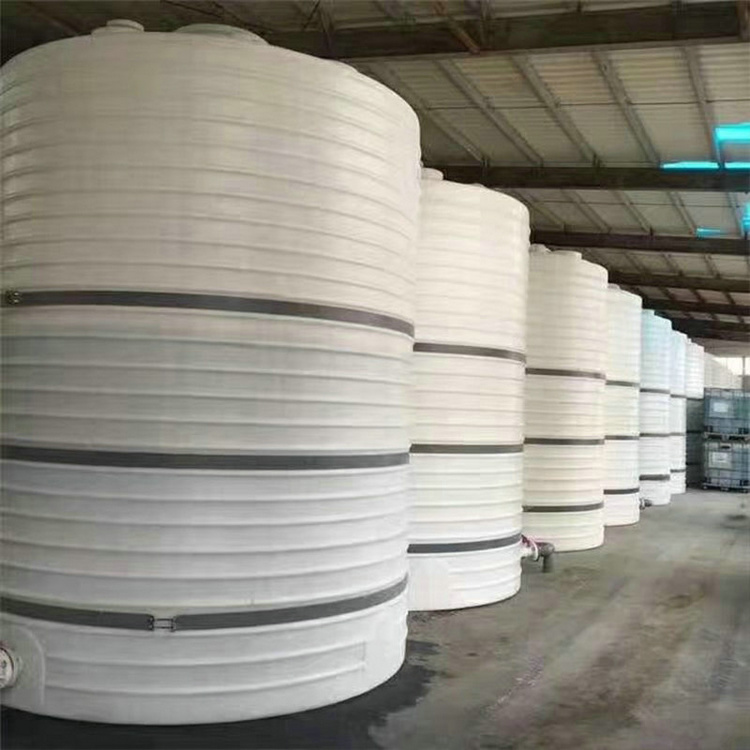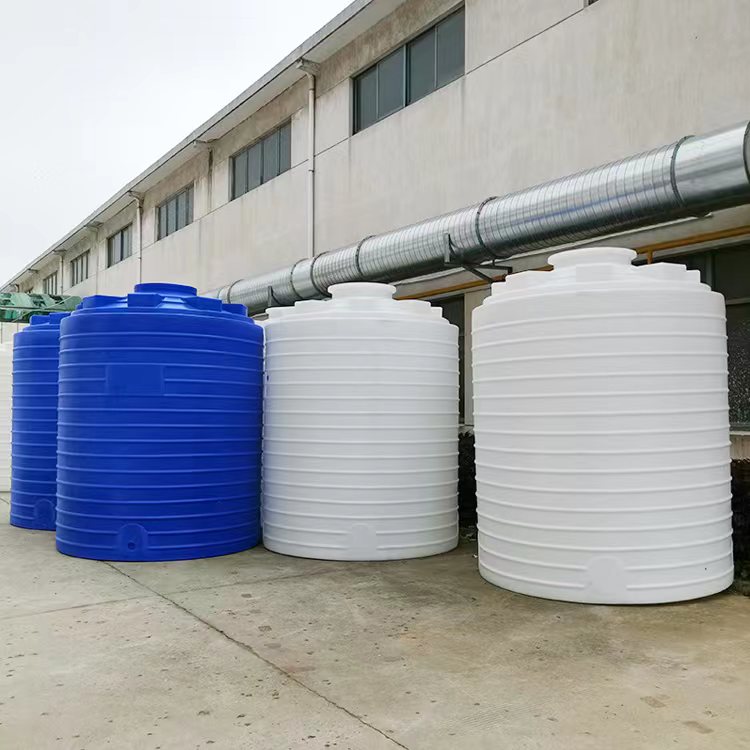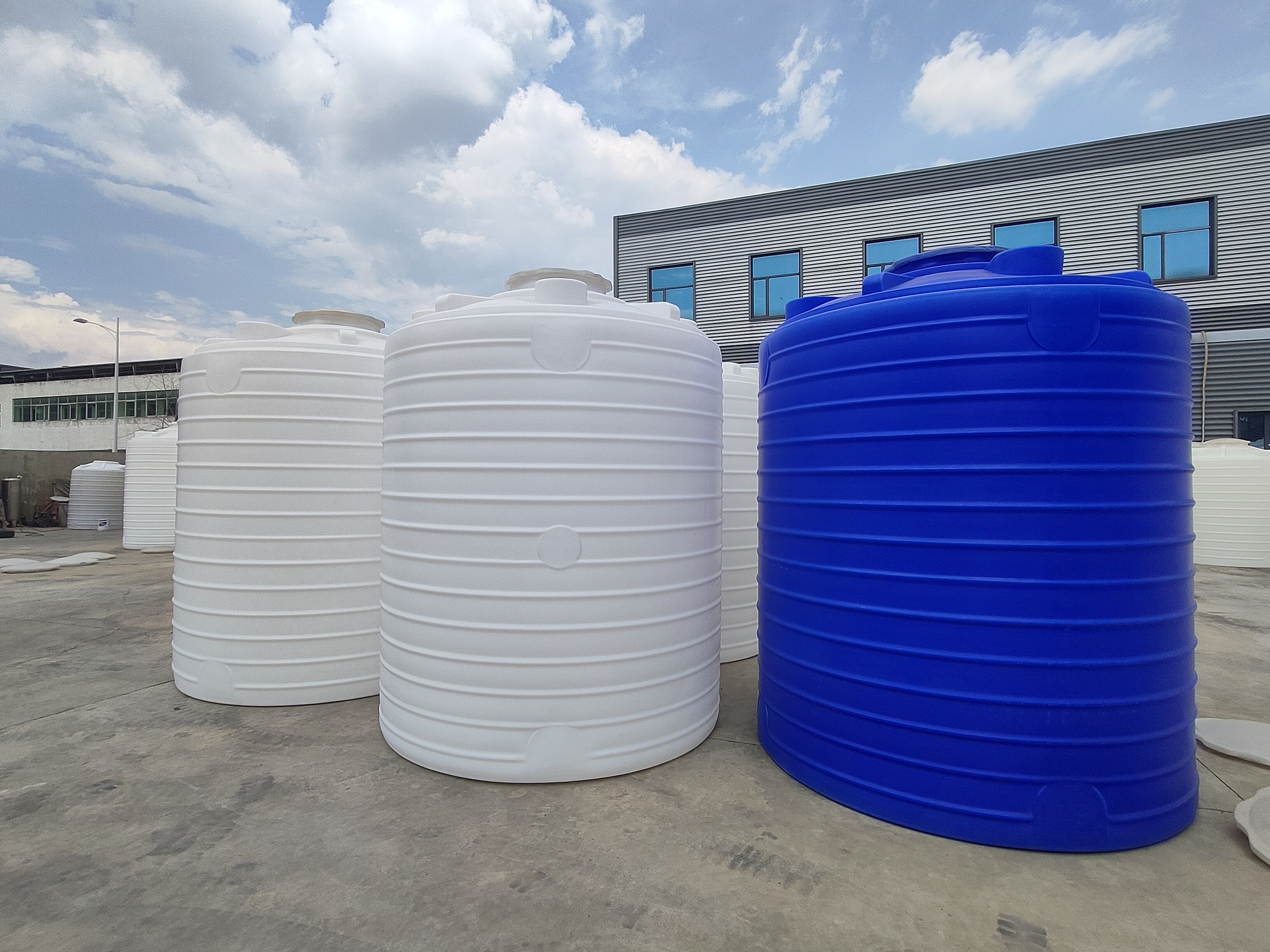










Preventive Measures Against Softening and Deformation of PE Storage Tanks:
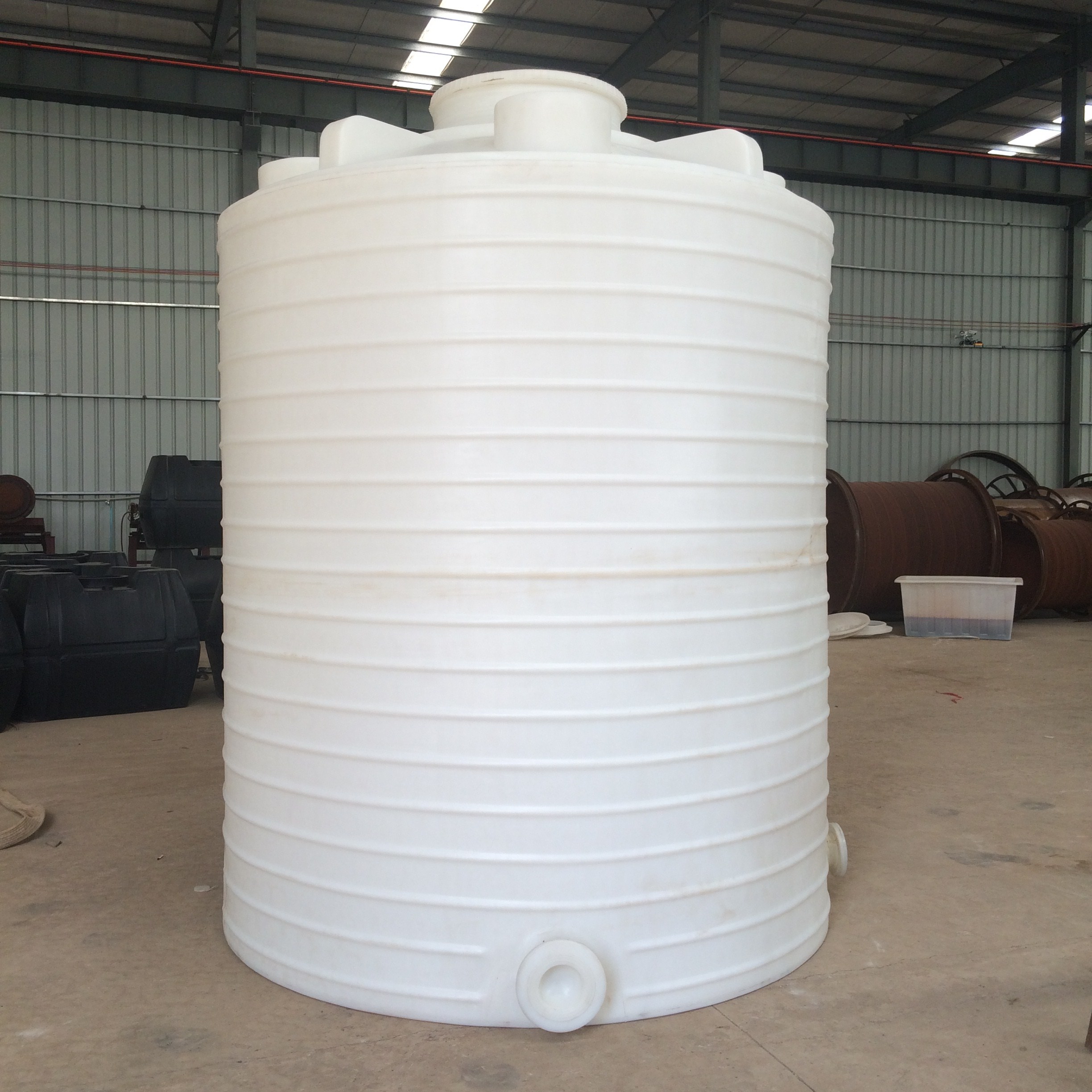
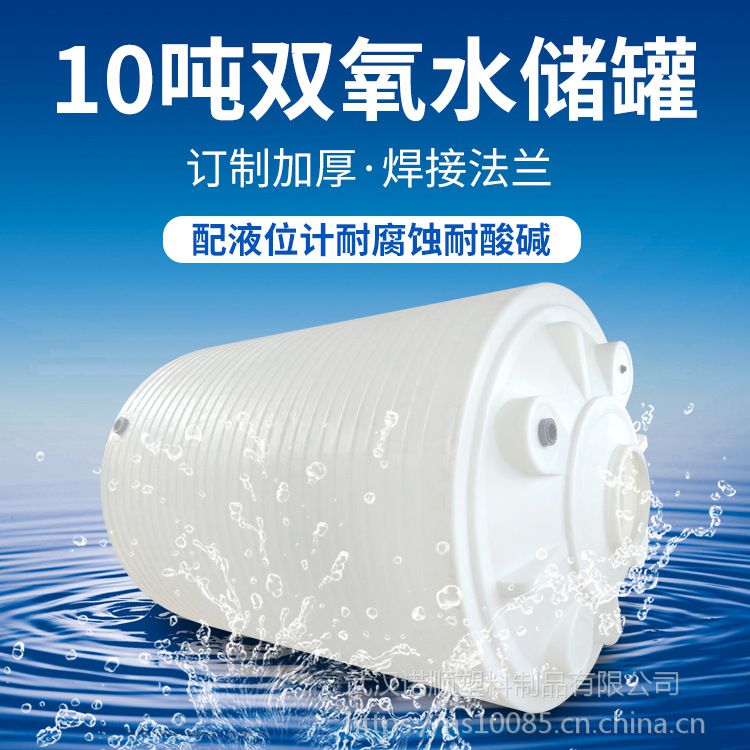
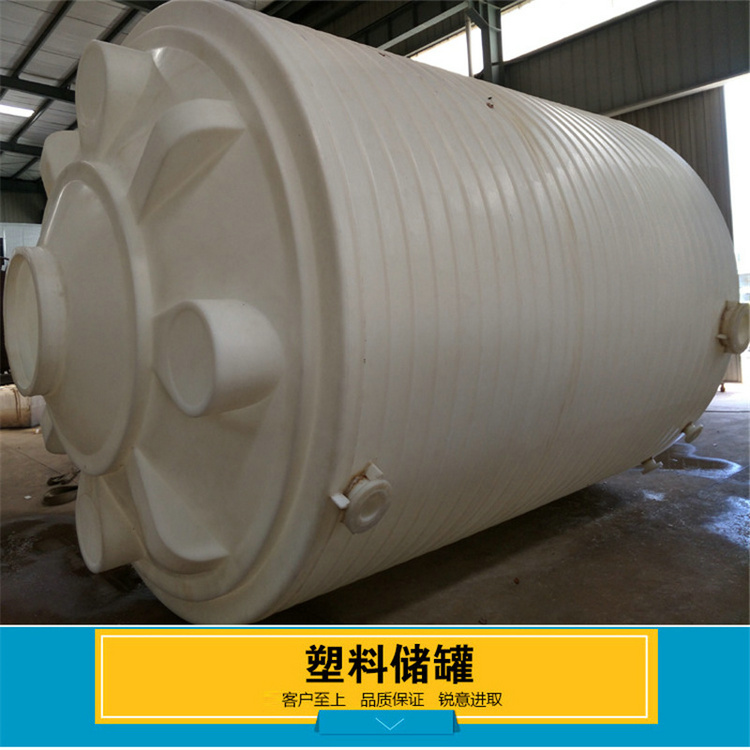
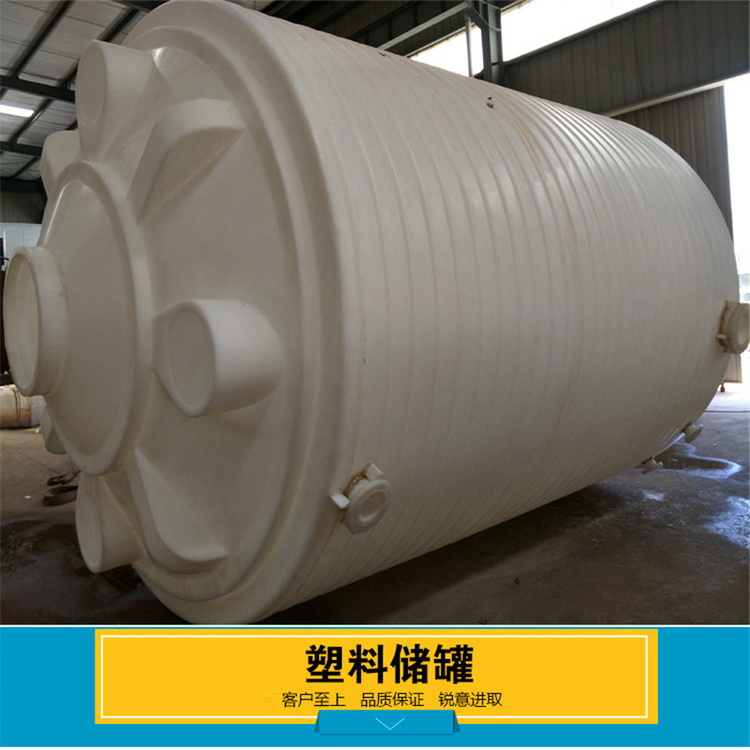
1. The feed, discharge, level gauge, and flange openings on the PE tank body are all molded in one piece without welding, eliminating the need for additional feed and discharge ports. When storing acidic or alkaline substances, acid-proof and alkali-proof gaskets must be used. For storing **substances (especially),** non-dissolvable rubber gaskets should be configured.
2. PE plastic storage tanks are not suitable for containing strong oxidizing agents (such as those with a concentration of over 75% at 60℃ or over 30%), as well as good ones (such as alcohols, ethers, ketones, esters), etc.
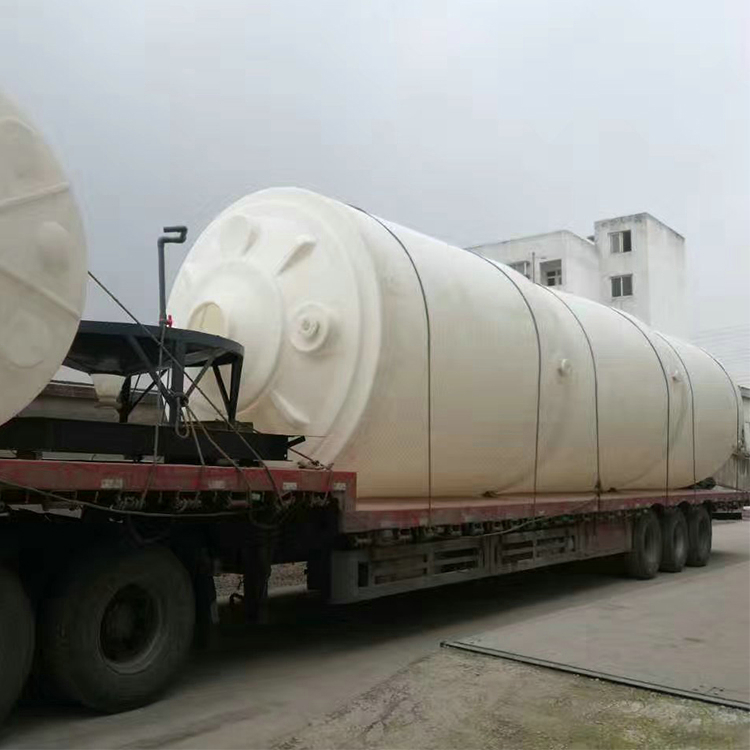
3. The PE tanks are formed using the rotational molding process.
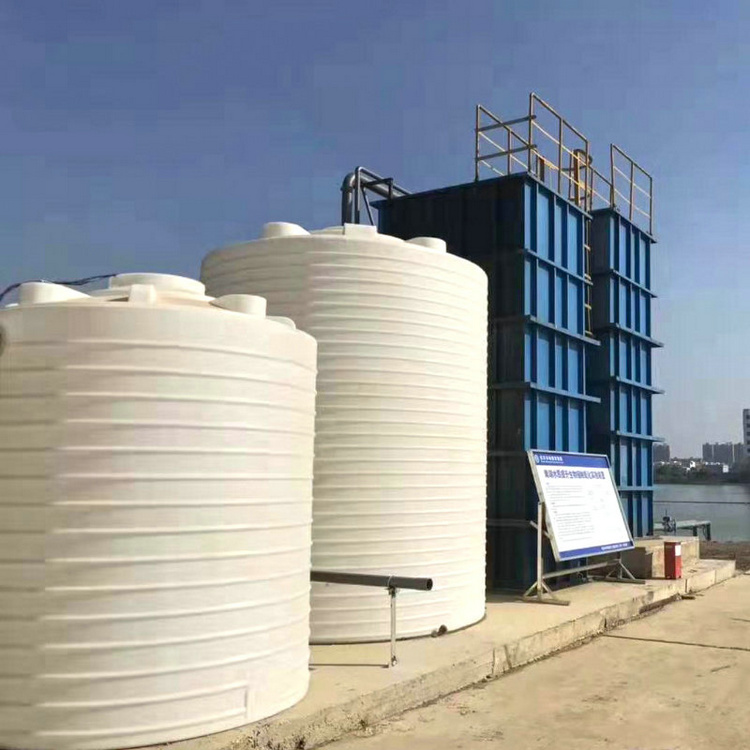
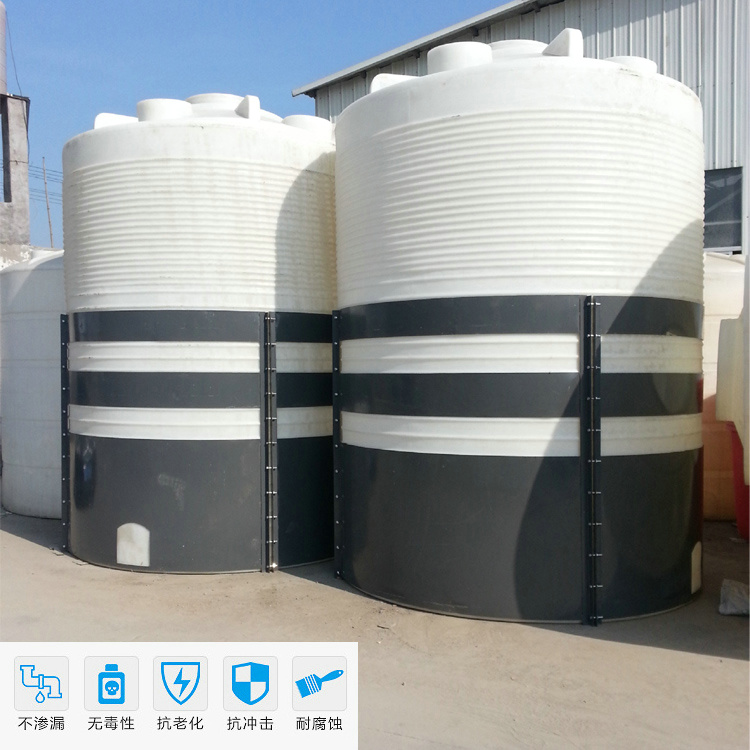
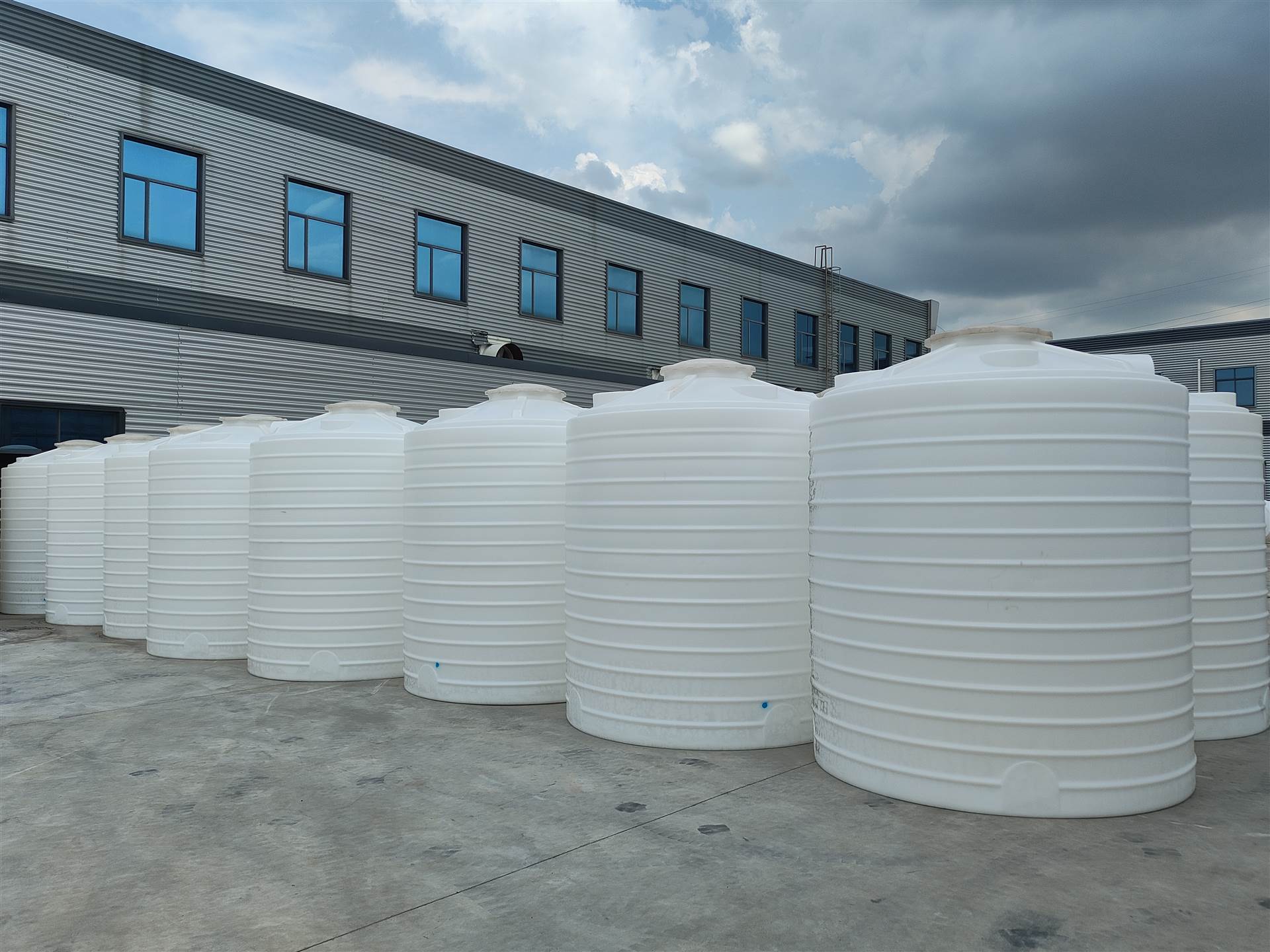
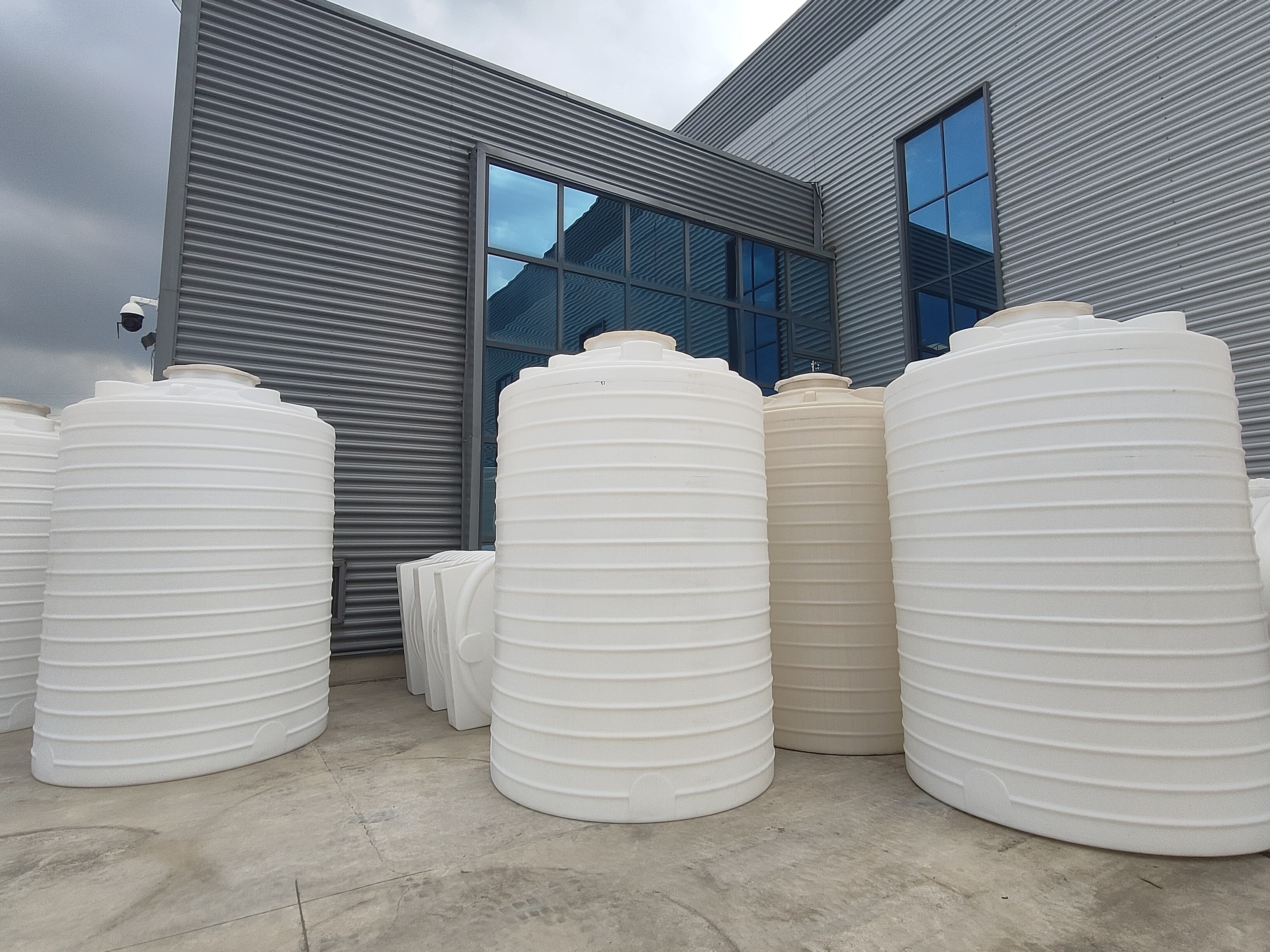
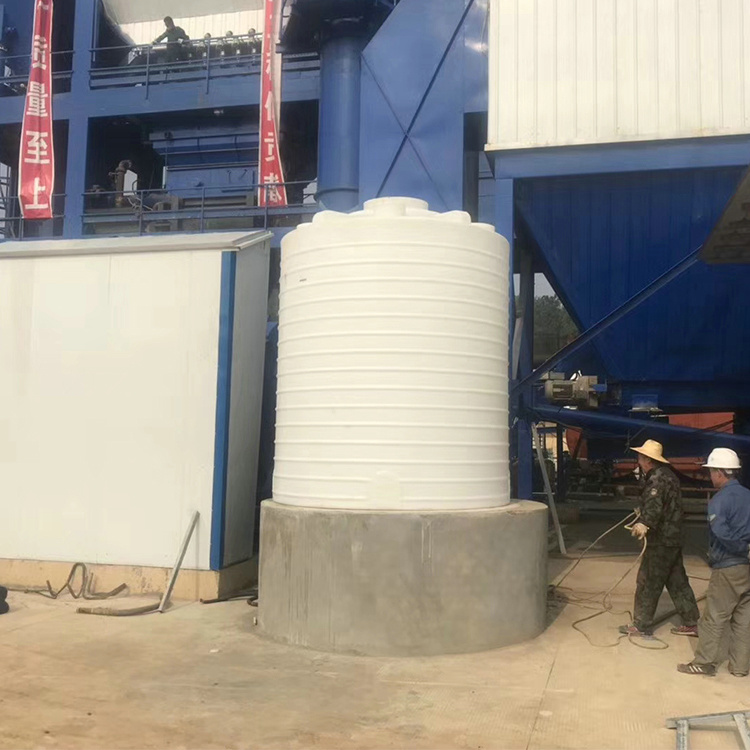
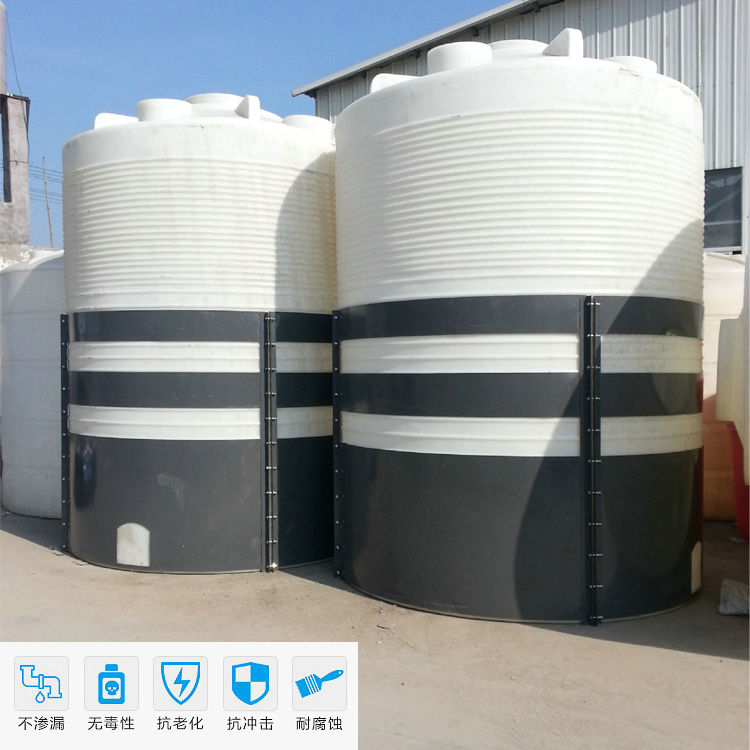
4. Our company's PE plastic storage tanks are made of extruded plastic - linear low density polyethylene (LLDPE) or linear medium density polyethylene (LMDPE). These tanks are suitable for storing most alkalis, salts, and many other substances at room temperature.
5. The PE plastic storage tanks use plastic with a low softening point of 108°C and a high breakage point of -70°C, making them generally suitable for storing liquids at temperatures between -40°C and 60°C. If storing liquids with a higher specific gravity or at temperatures above 60°C, a steel-lined plastic corrosion-resistant storage tank should be used to prevent softening and deformation of the PE plastic tank. If the PE plastic tank is to be used for chemical reactions or dilutions, a corresponding test should be conducted beforehand to determine the high temperature of the reaction or dilution. The product performance of the PE storage tank: the plastic used in the PE plastic storage tank has a low softening point of 108°C and a high breakage point of -70°C, so it is generally suitable for storing liquids at temperatures between -40°C and 60°C. If storing liquids with a higher specific gravity or at temperatures above 60°C, a steel-lined plastic corrosion-resistant storage tank should be used to prevent softening and deformation of the PE plastic tank. If the PE plastic tank is to be used for chemical reactions or dilutions, a corresponding test should be conducted beforehand to determine the high temperature of the reaction or dilution.