













A. Buoyant Collision Protection Device
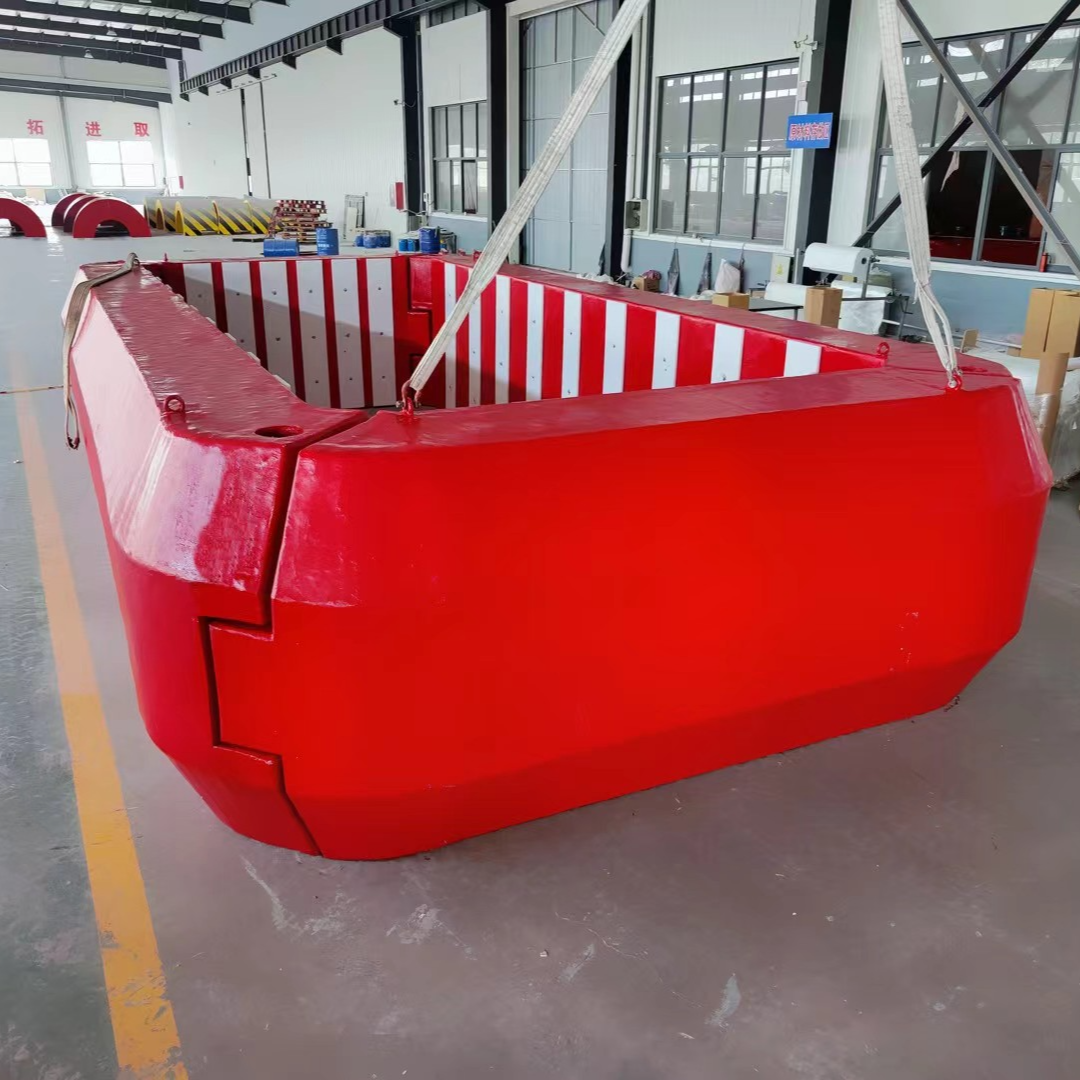
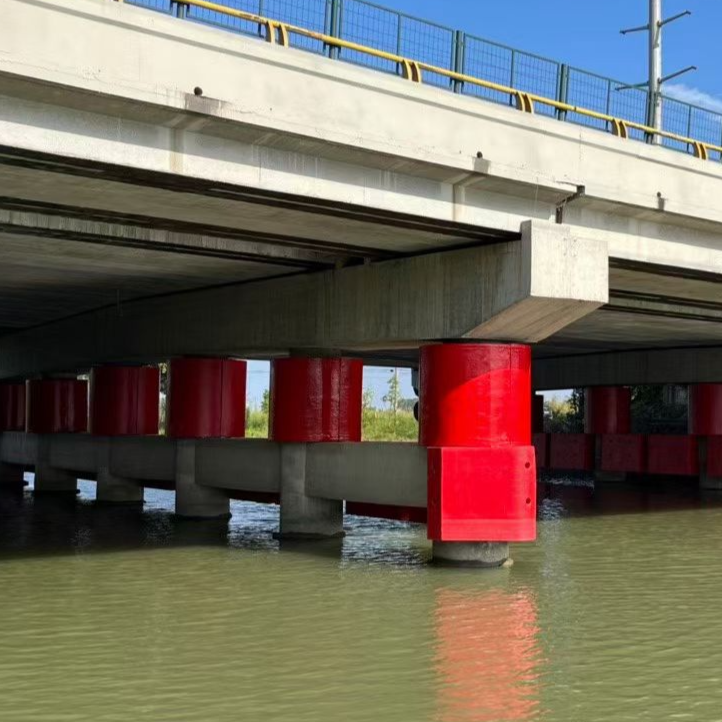
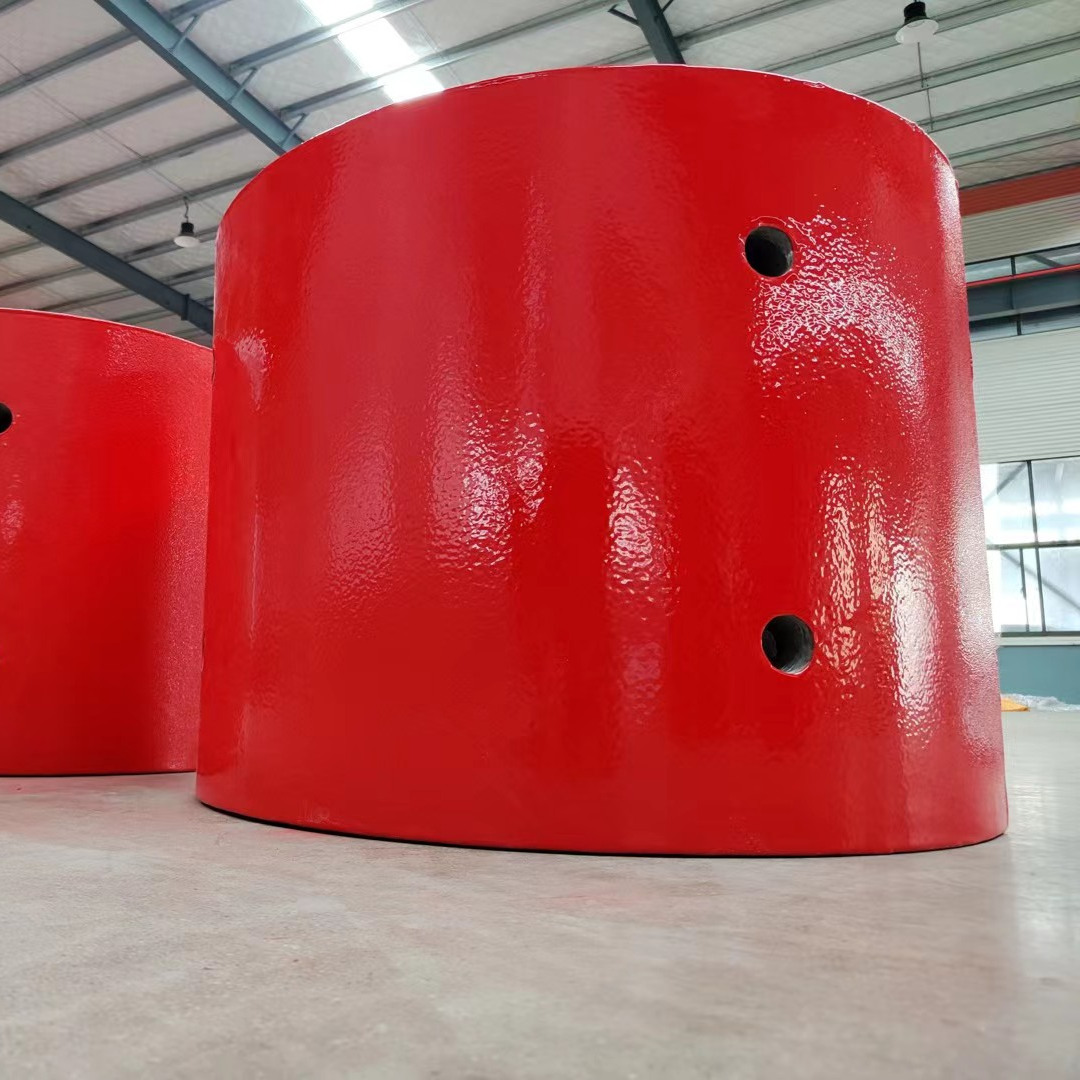
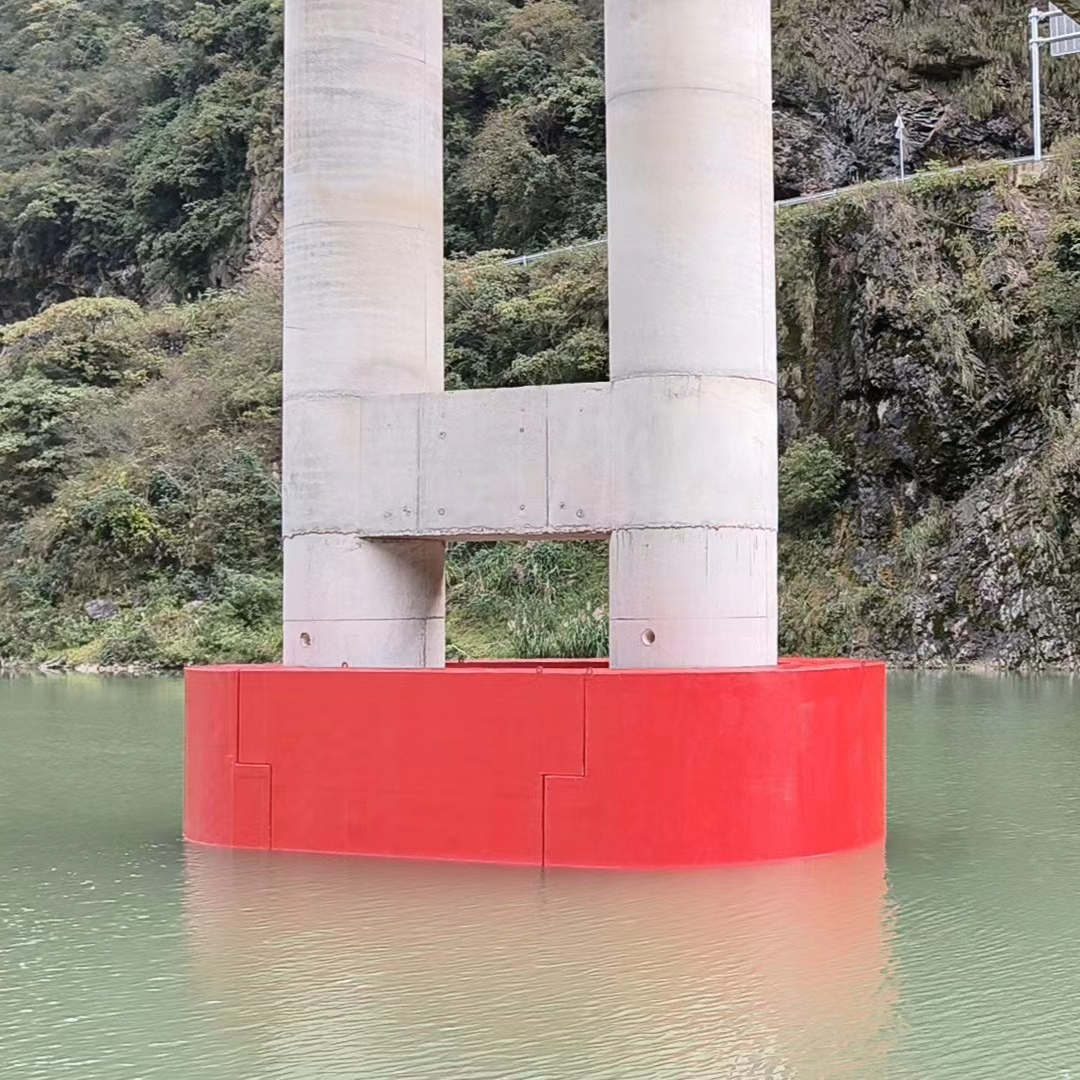
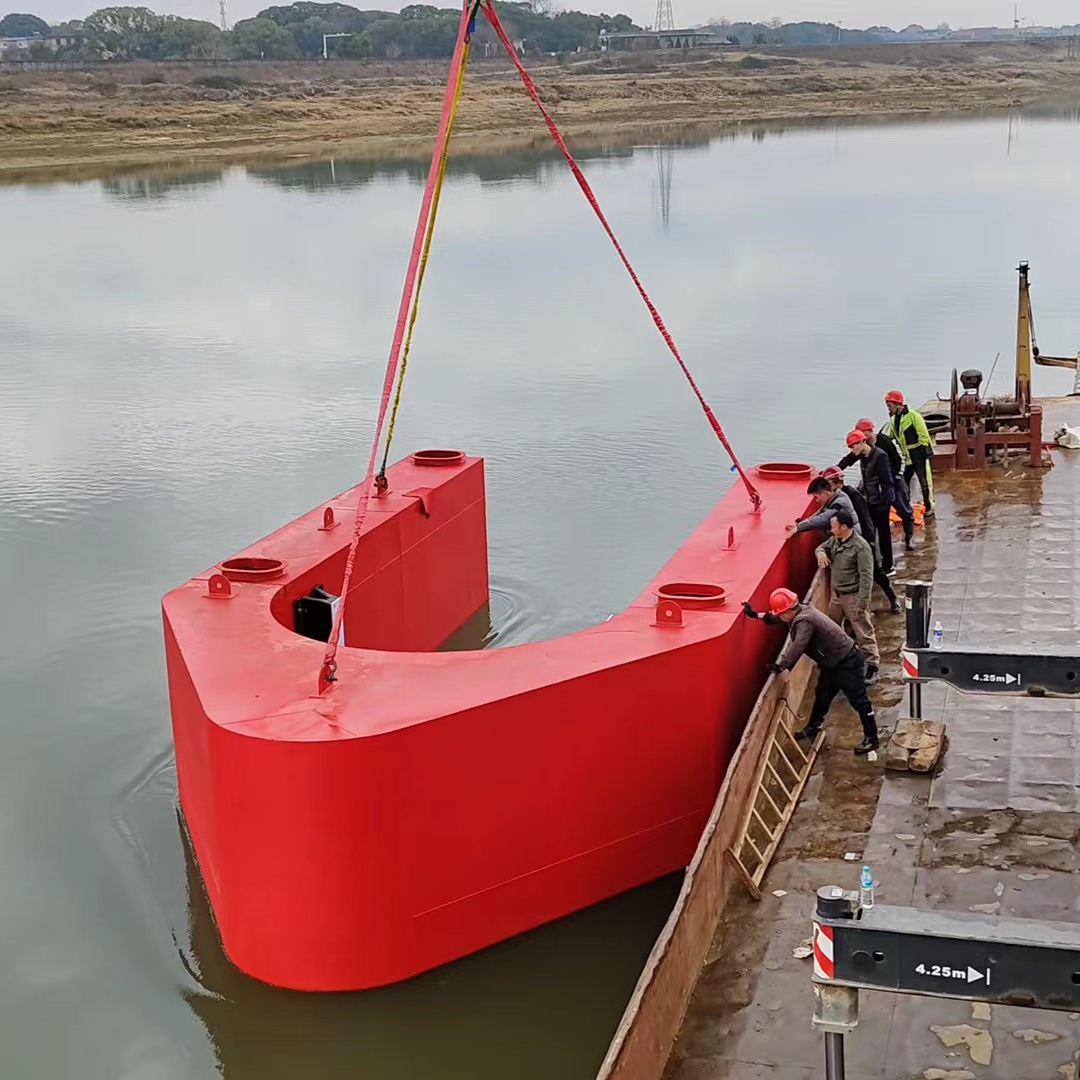
- Structural compositionThe core is composed of a fiber-reinforced shell, internal energy-dissipating lattice, closed-cell energy-absorbing material, and damping elements. It is assembled in sections using mortise and tenon joints or bolts, with each section weighing less than 10 tons.
- Core FeaturesFloating along the pier piling axis with the water level using its own buoyancy, it always matches the ship collision height; the internal damping element can prevent long-term fatigue from water flow, with convenient transportation, installation, and easy replacement after damage.
- Protection Effect and Application ScenariosThe shell deforms and the material crushes progressively upon impact to absorb energy, reducing the impact force by 25% to 35%. Simultaneously, the rounded corner structure guides the vessel's转向, providing dual protection for the bridge and the vessel, and is compatible with the protection of piers in navigable waterways.
II. Fixed Anti-Collision Device
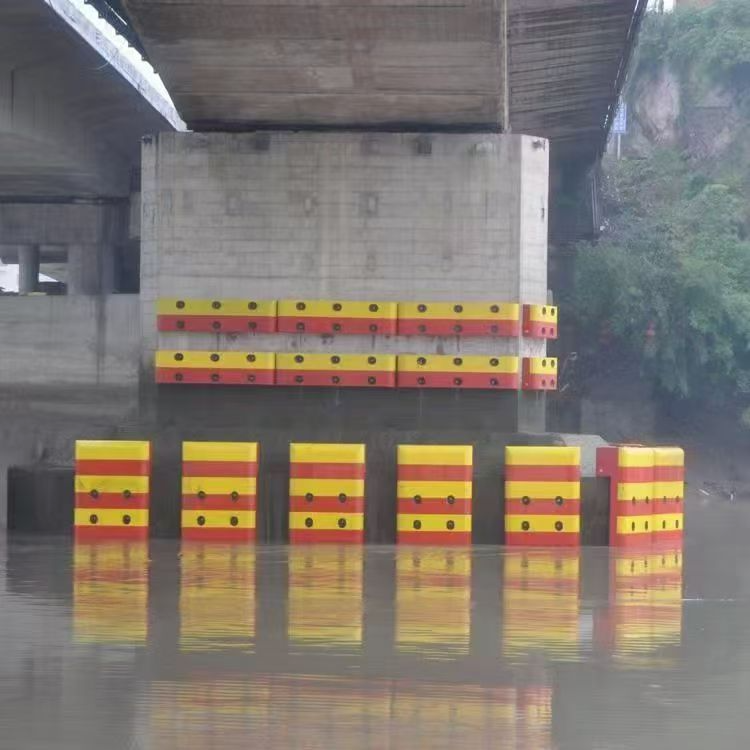
- Structural compositionBased on steel or composite materials, internally filled with high-performance closed-cell energy-absorbing material, with some sections utilizing steel-clad composite structures for increased rigidity, and secured in specific locations with bolts or rebated rebars.
- Core FeaturesSturdy installation with no risk of displacement, made from high-strength materials to withstand water flow and harsh weather erosion, durable with low maintenance requirements, and customizable for specific environments.
- Protection Effect and Applicable ScenariosSuitable for stable water level or key protection areas, such as highway pier protection, which can reduce the impact force of vehicles by over 60%, ideal for long-term fixed-point protection.
Section 3: Collision Protection Equipment with Steel Composite Materials
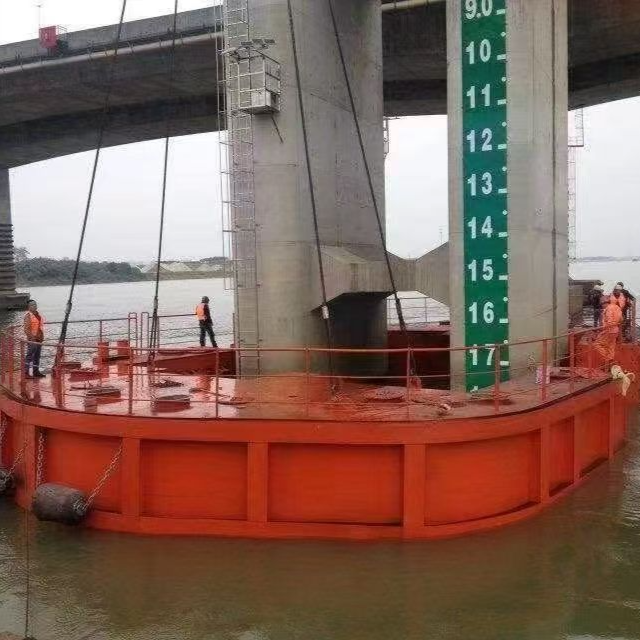
- Structural compositionCored with "Steel Base + Composite Coating," it includes steel-clad composite shells, reinforced webbing, closed-cell energy-absorbing cores, and damping elements, with UV absorbers added to the surface.
- Core FeaturesThe steel substrate ensures rigidity, while the outer composite material offers corrosion resistance, weather resistance, and impact resistance; weighing only 1/4 of pure steel equipment, it supports self-floating or fixed installation. Modular connections facilitate easy assembly and disassembly, and require no painting or maintenance.
- Protection Effect and Application ScenariosDuring impact, energy is gradually dissipated through shell deformation, core material crushing, and damping buffering. The fiber-reinforced structure can distribute loads and recover deformation, making it suitable for long-term protection in complex aquatic environments.











