











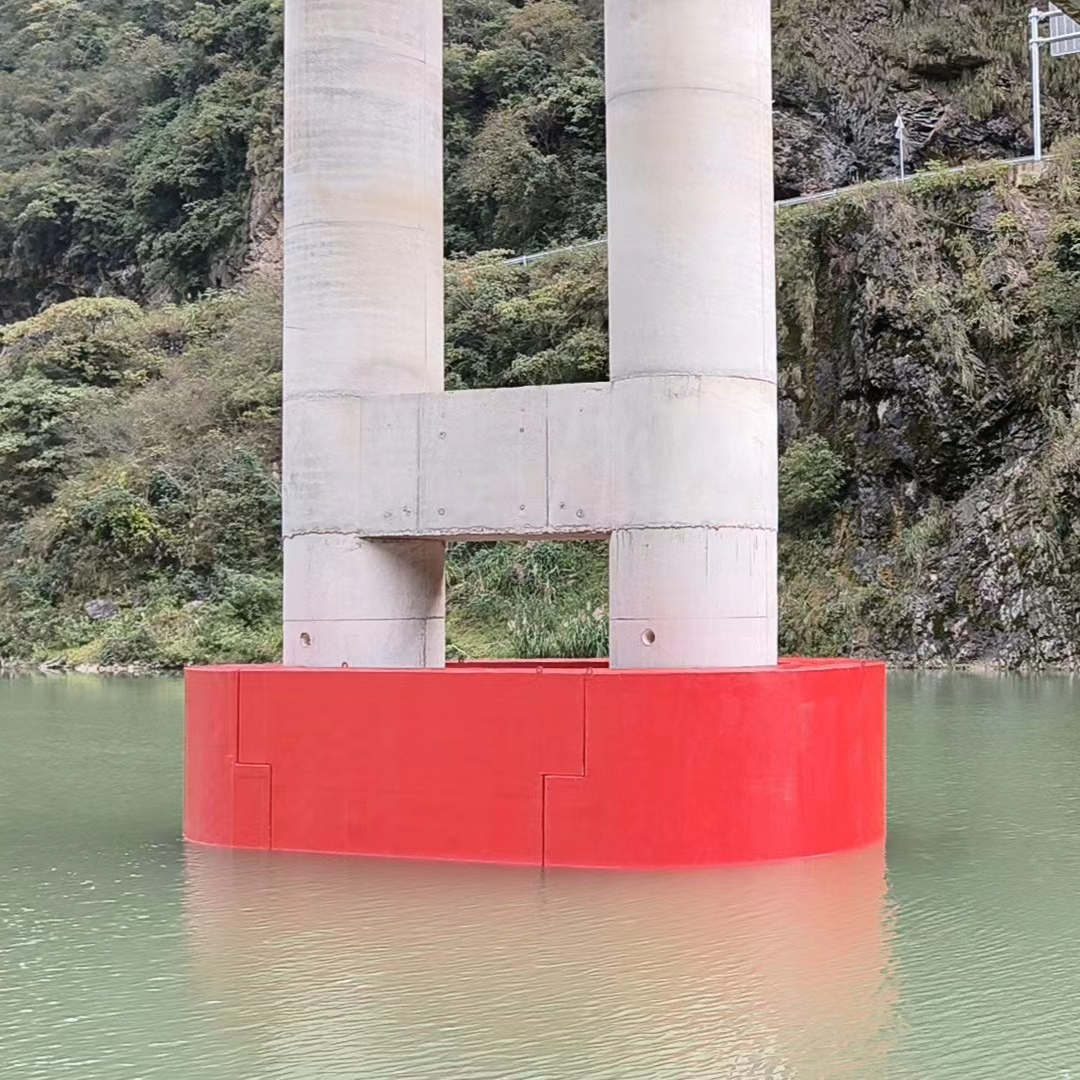
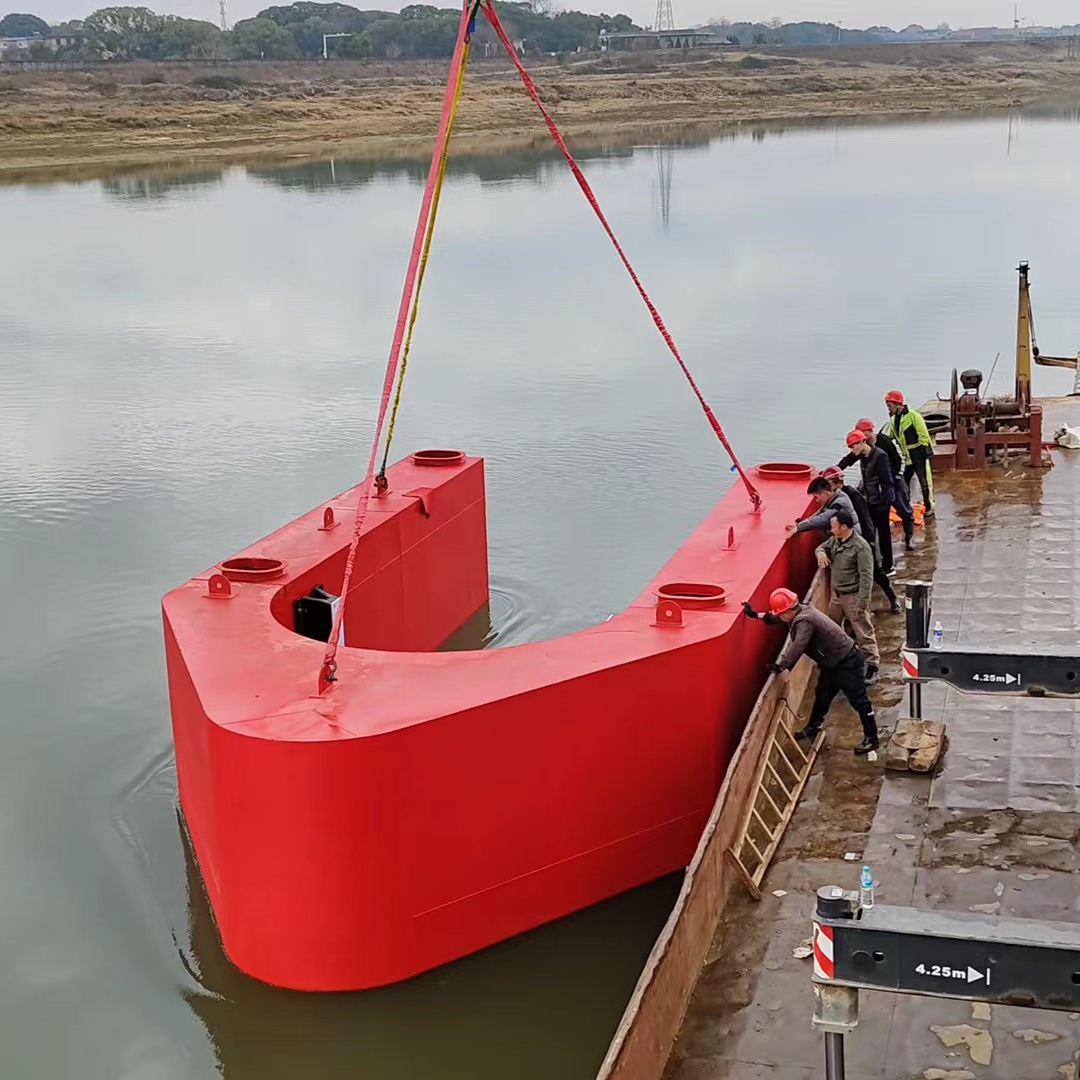
One, Buoyant Collision Protection Device
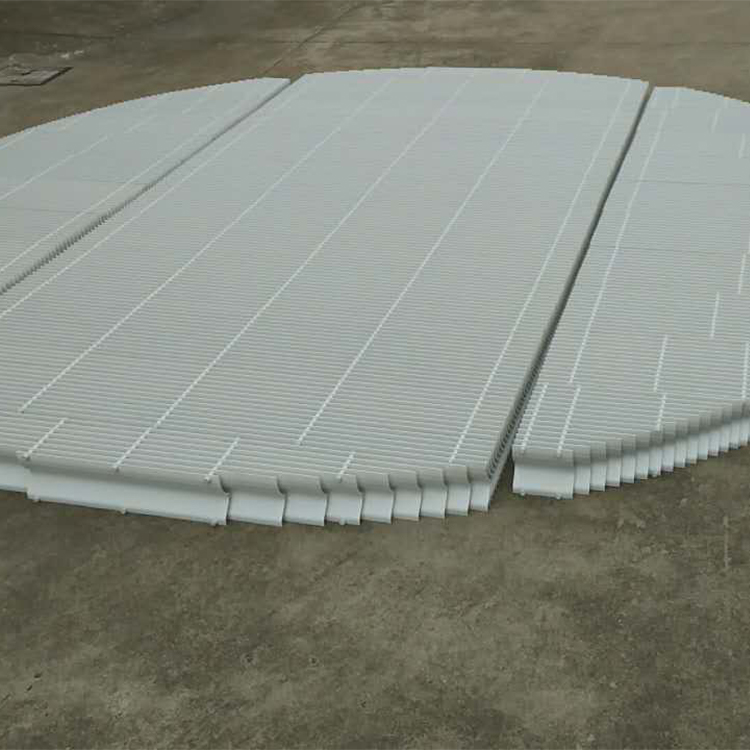
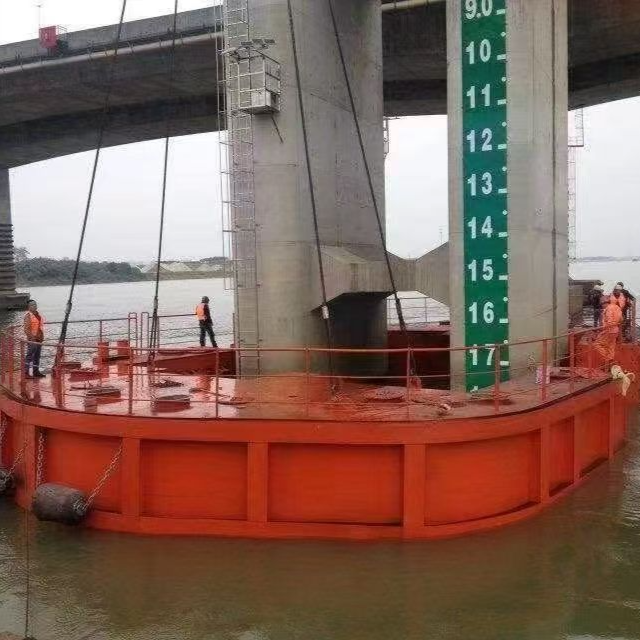
- Structural compositionThe core is composed of a fiber-reinforced shell, internal energy-dissipating lattice, closed-cell energy-absorbing material, and damping elements. It is assembled in sections using mortise and tenon joints or bolts, with each section weighing less than 10 tons.
- Core Features: Buoyant along the pier column axis with water level fluctuations, always matching the collision height of vessels; the inner damping element can prevent long-term fatigue from water flow, with convenient transportation and installation, and easy replacement after damage.
- Protection Effect and Applicable ScenariosThe shell deforms and the material crushes progressively during impact to absorb energy step by step, reducing 25% to 35% of the impact force. Simultaneously, the rounded structure guides the vessel's转向, providing protection for both the bridge and the vessel in both directions, and is compatible with the protection of bridge piers in navigable waterways.
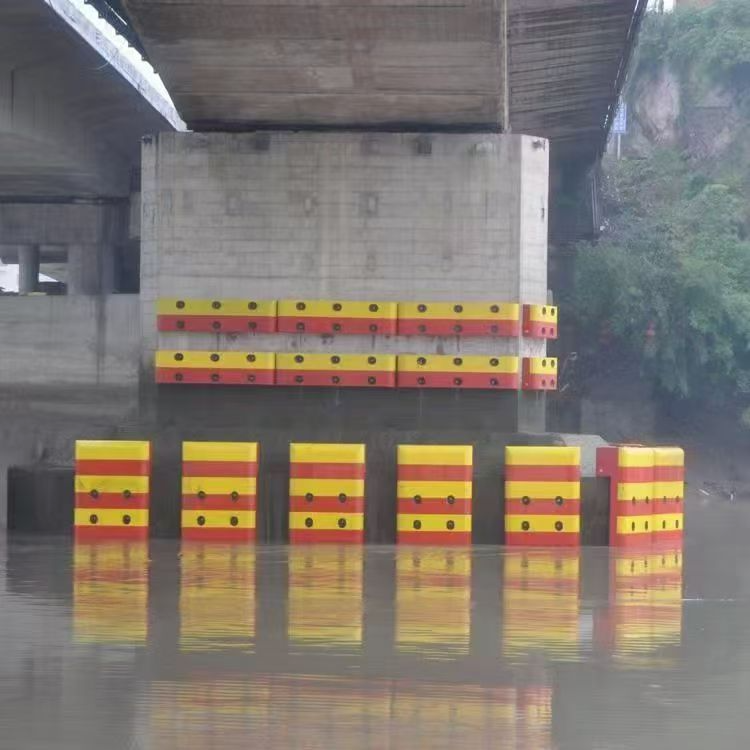
II. Fixed Collision Protection Device
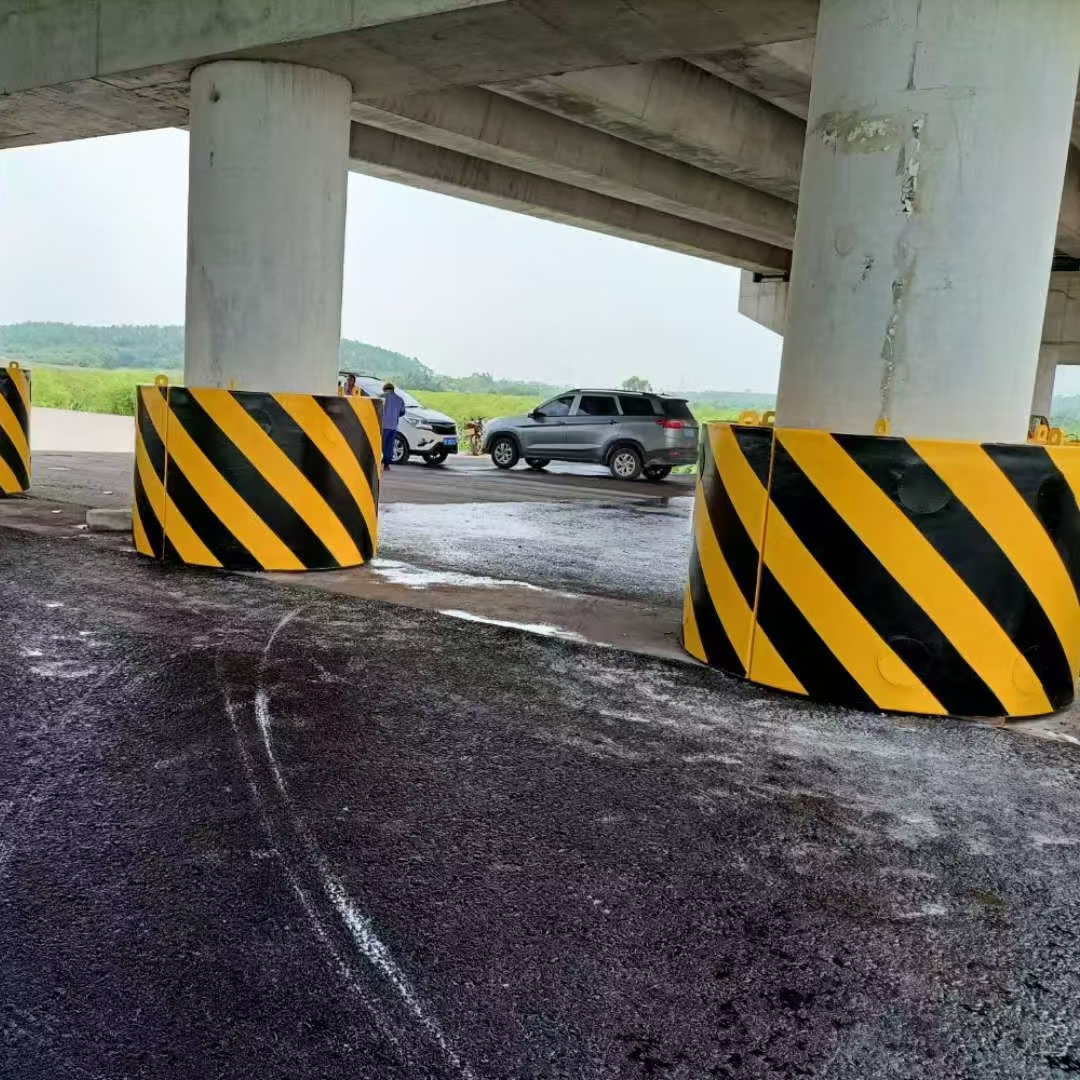
- Structural CompositionBased on steel or composite materials, internally filled with high-performance closed-cell energy-absorbing material, partially reinforced with steel-clad composite structures for increased rigidity, and secured in specific locations with bolts or anchored bolts.
- Core FeaturesSturdy installation with no risk of displacement, made of high-strength materials to withstand water flow and harsh weather erosion, durable with low maintenance requirements, and customizable for specific environments.
- Protection Effect and Application ScenariosIdeal for stable water level or key protection areas; such as road bridge pier protection, which can reduce vehicle impact force by over 60%, suitable for long-term fixed-point protection.
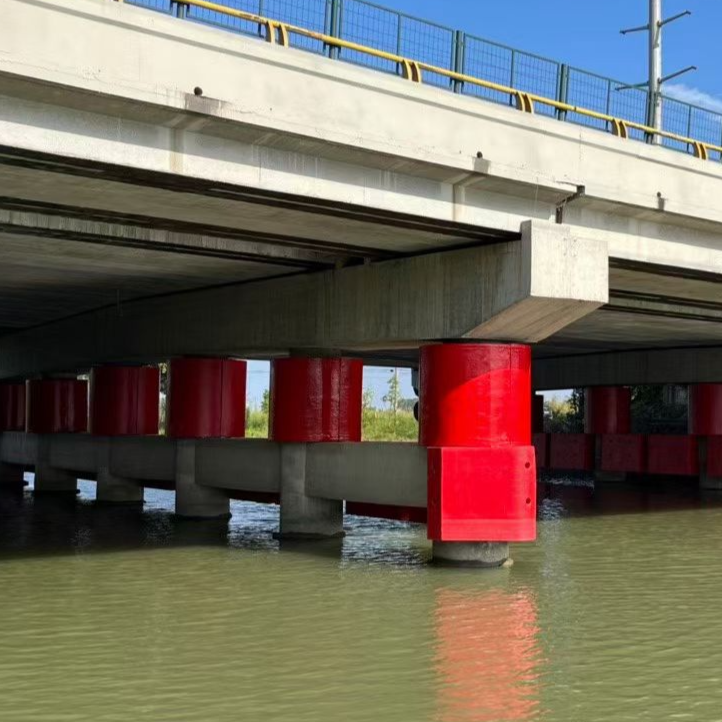
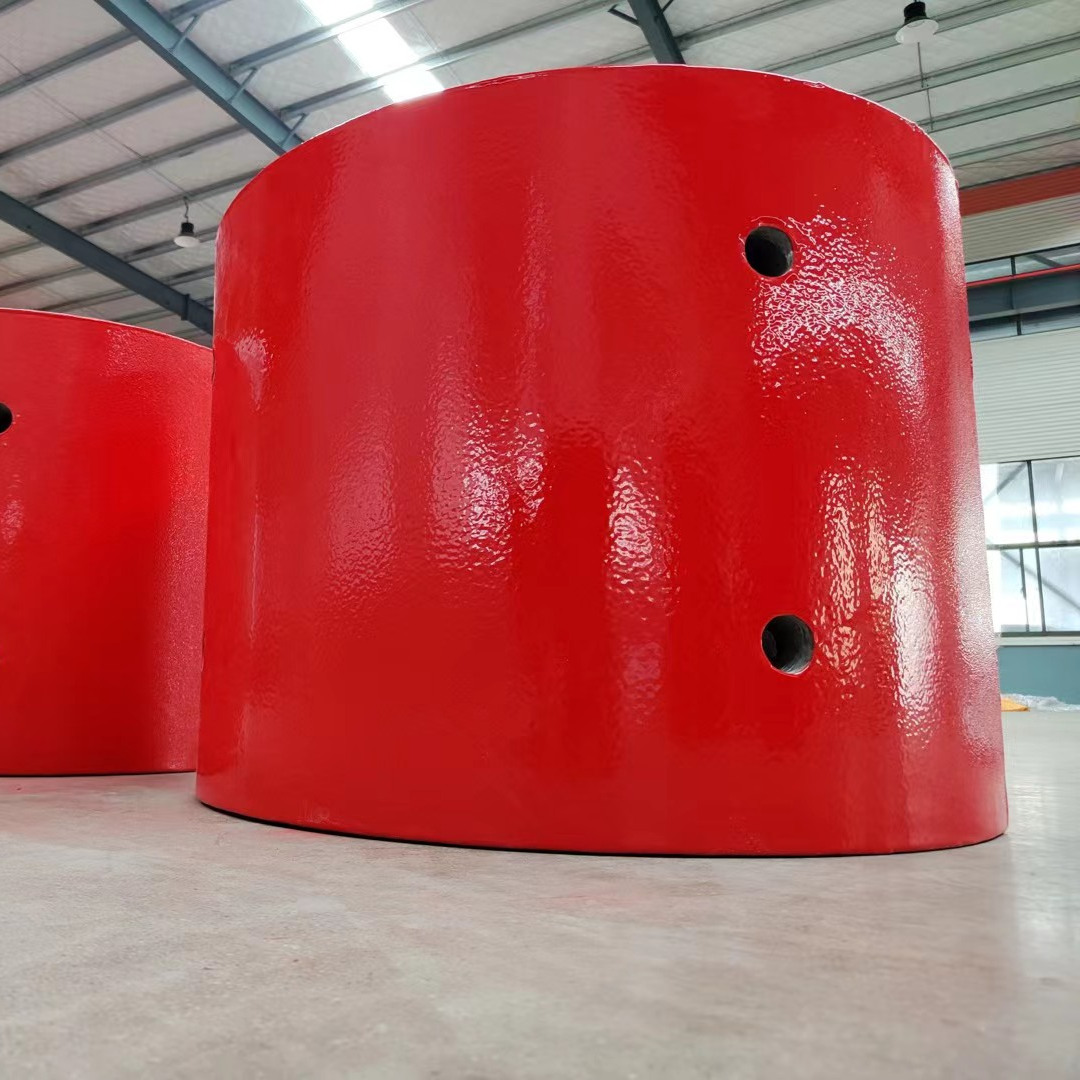
Section 3: Collision Protection with Steel Composite Material
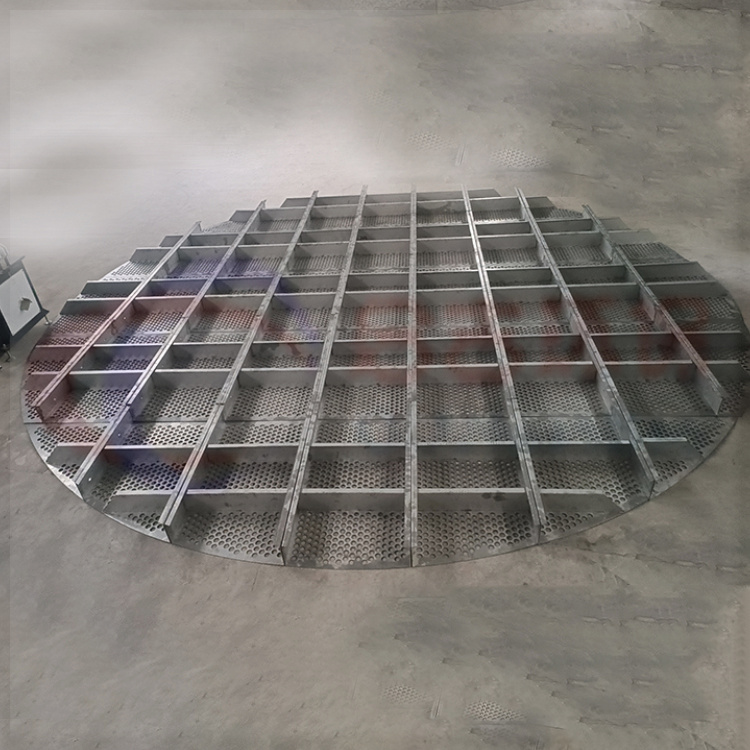
- Structure compositionAt the core, "steel base + composite coating" is featured, including steel-clad composite shells, reinforced web plates, closed-cell energy-absorbing cores, and damping elements, with added ultraviolet absorbers to the surface.
- Core FeaturesThe steel base ensures rigidity, while the outer composite material offers corrosion, weather, and impact resistance; weighing only 1/4 of pure steel equipment, it supports either floating or fixed installation, modular connections for easy assembly and disassembly, and requires no painting maintenance.
- Protection Effect and Application Scenarios: Energy is progressively dissipated through shell deformation, core material crush, and damping buffer during impact. The fiber-reinforced structure can distribute loads and recover deformation, suitable for long-term protection in complex aquatic environments.











