








Laundry Conveyor Introduction:
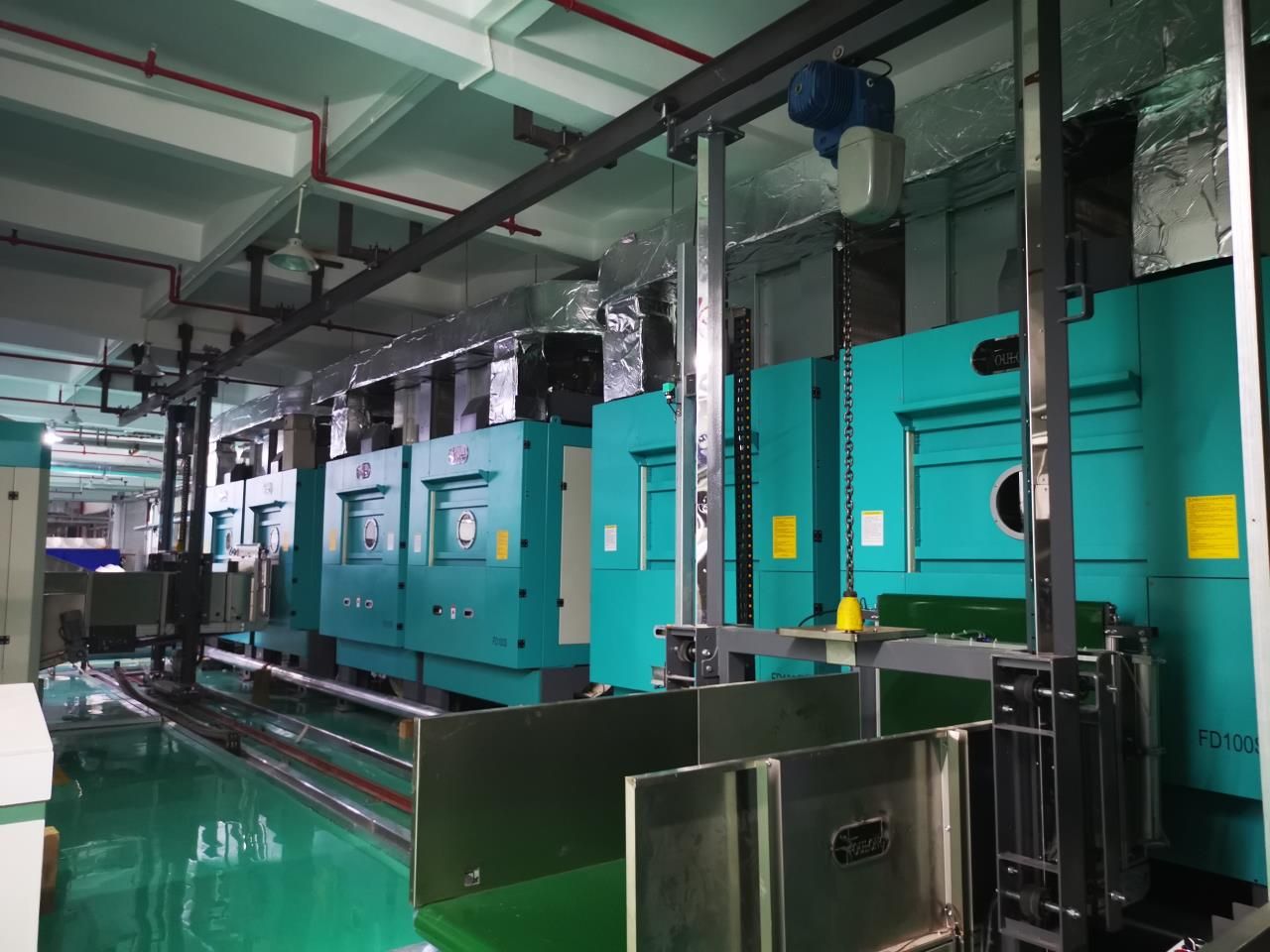
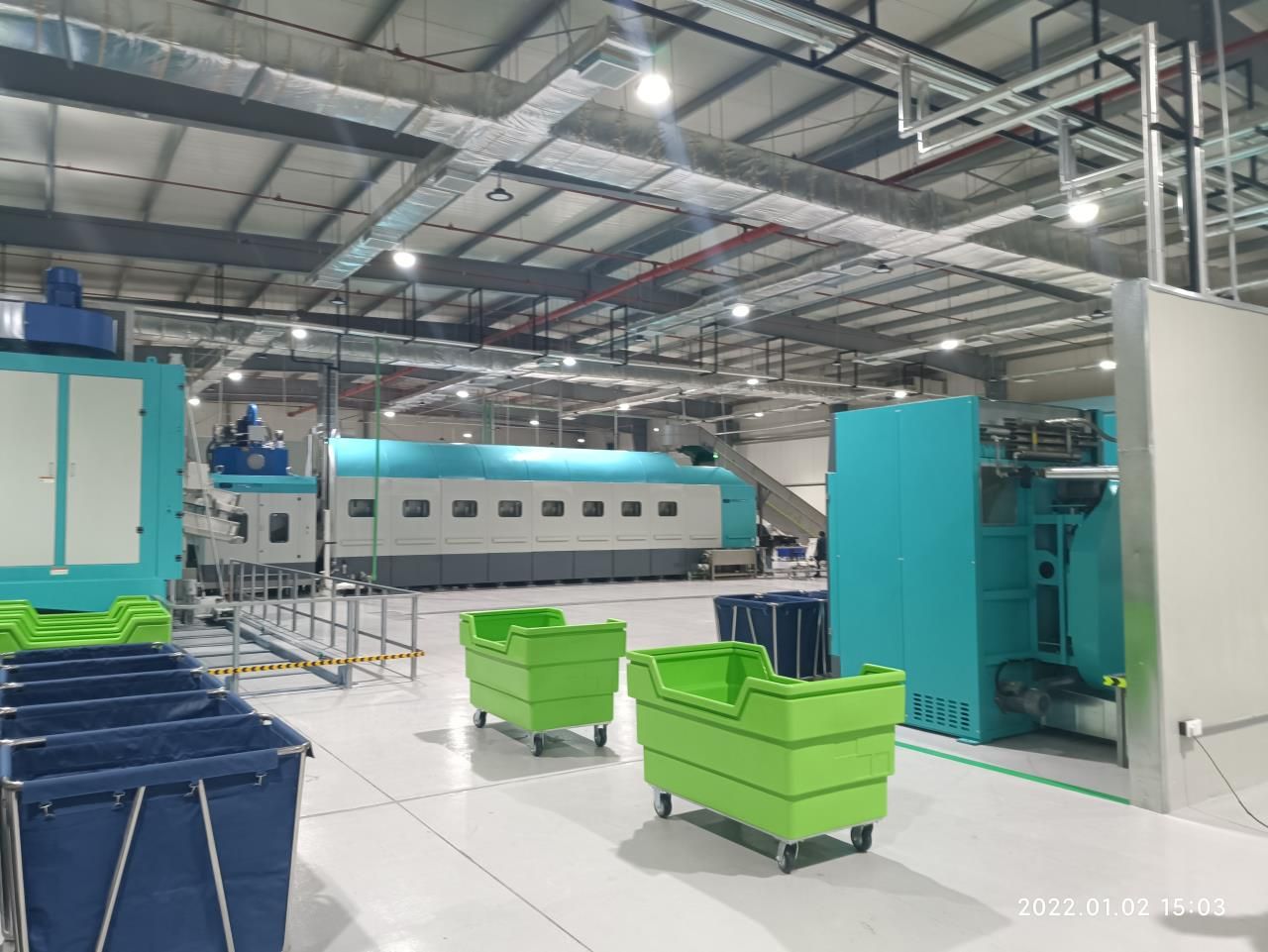
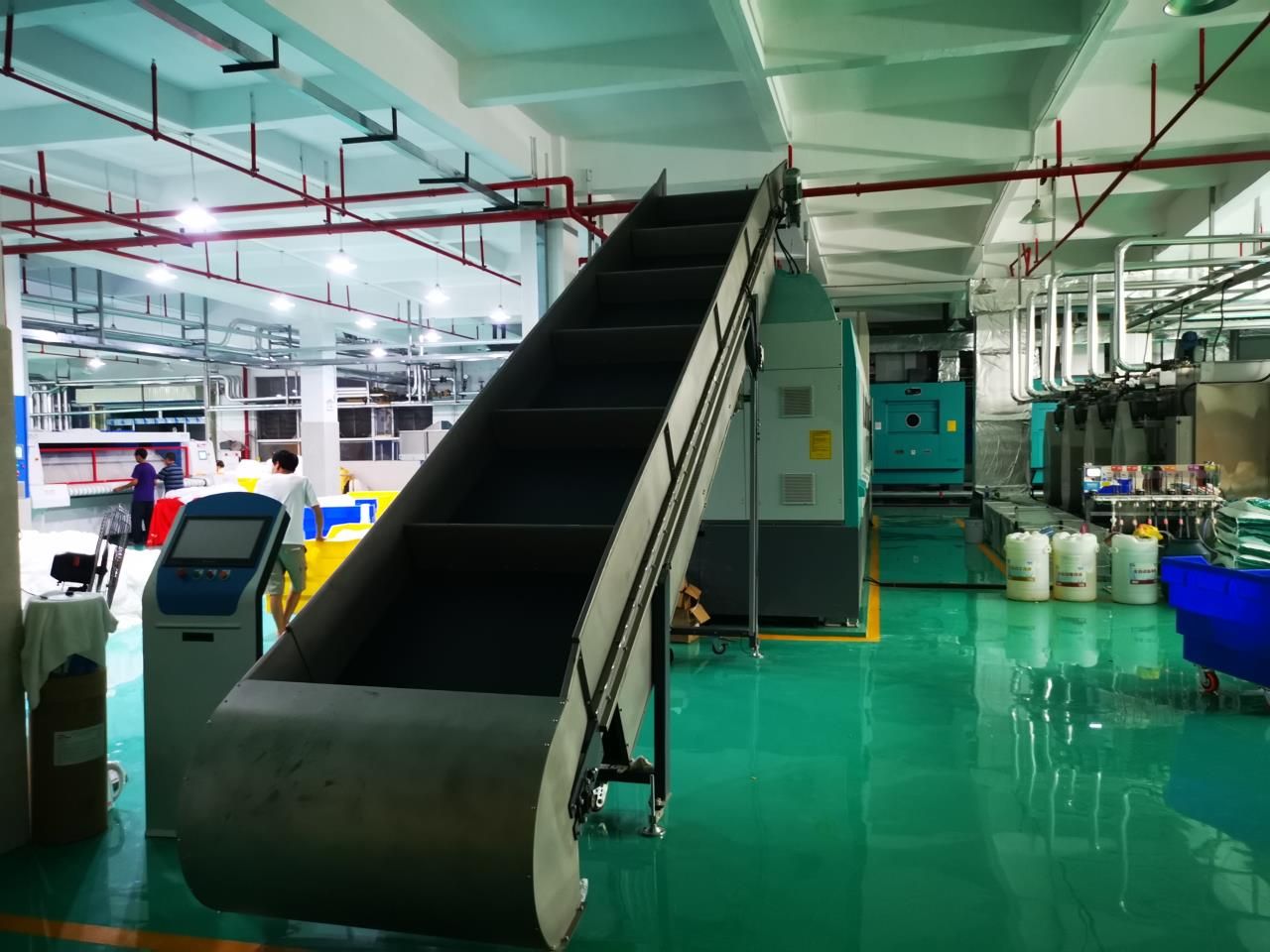
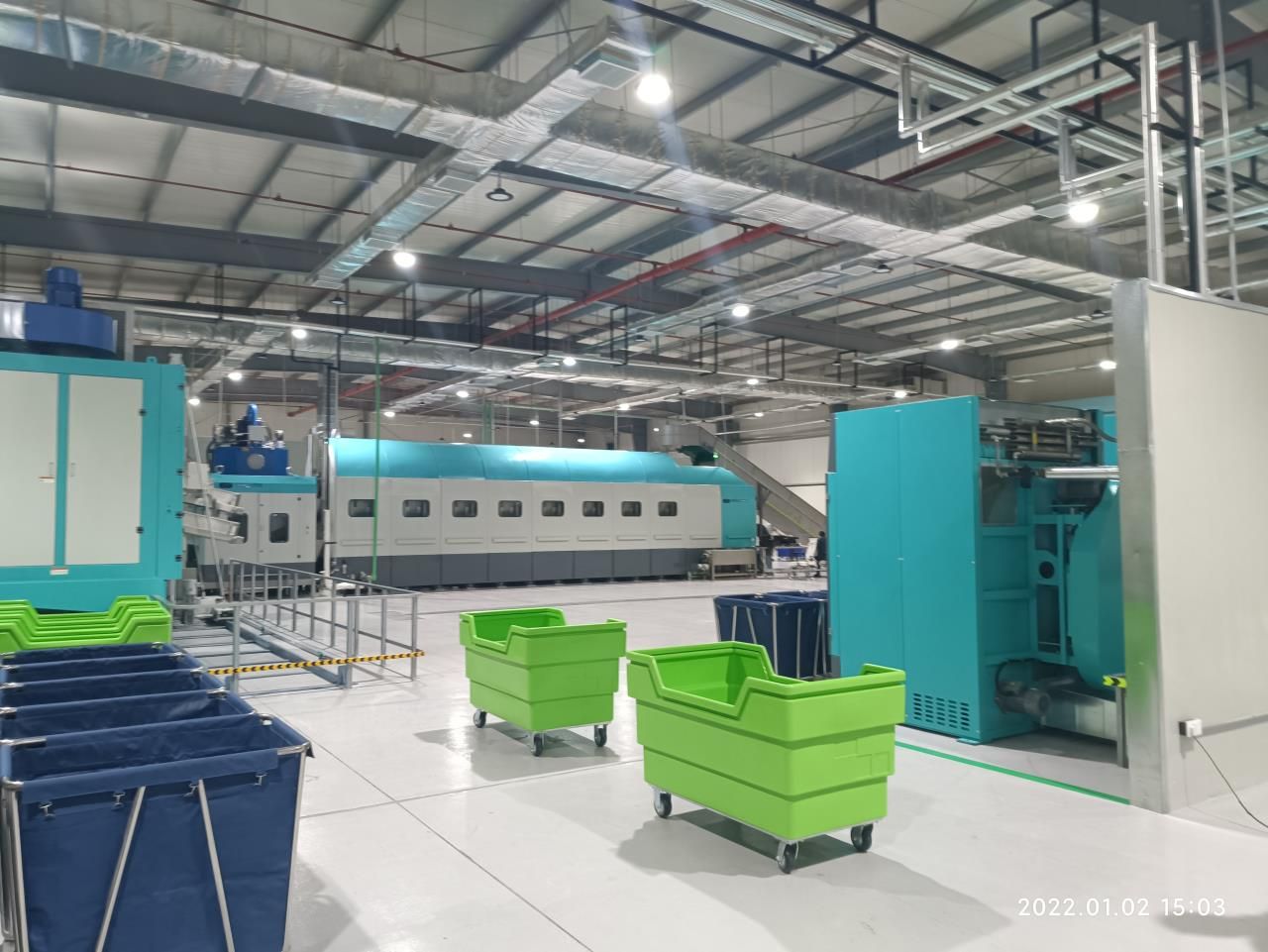
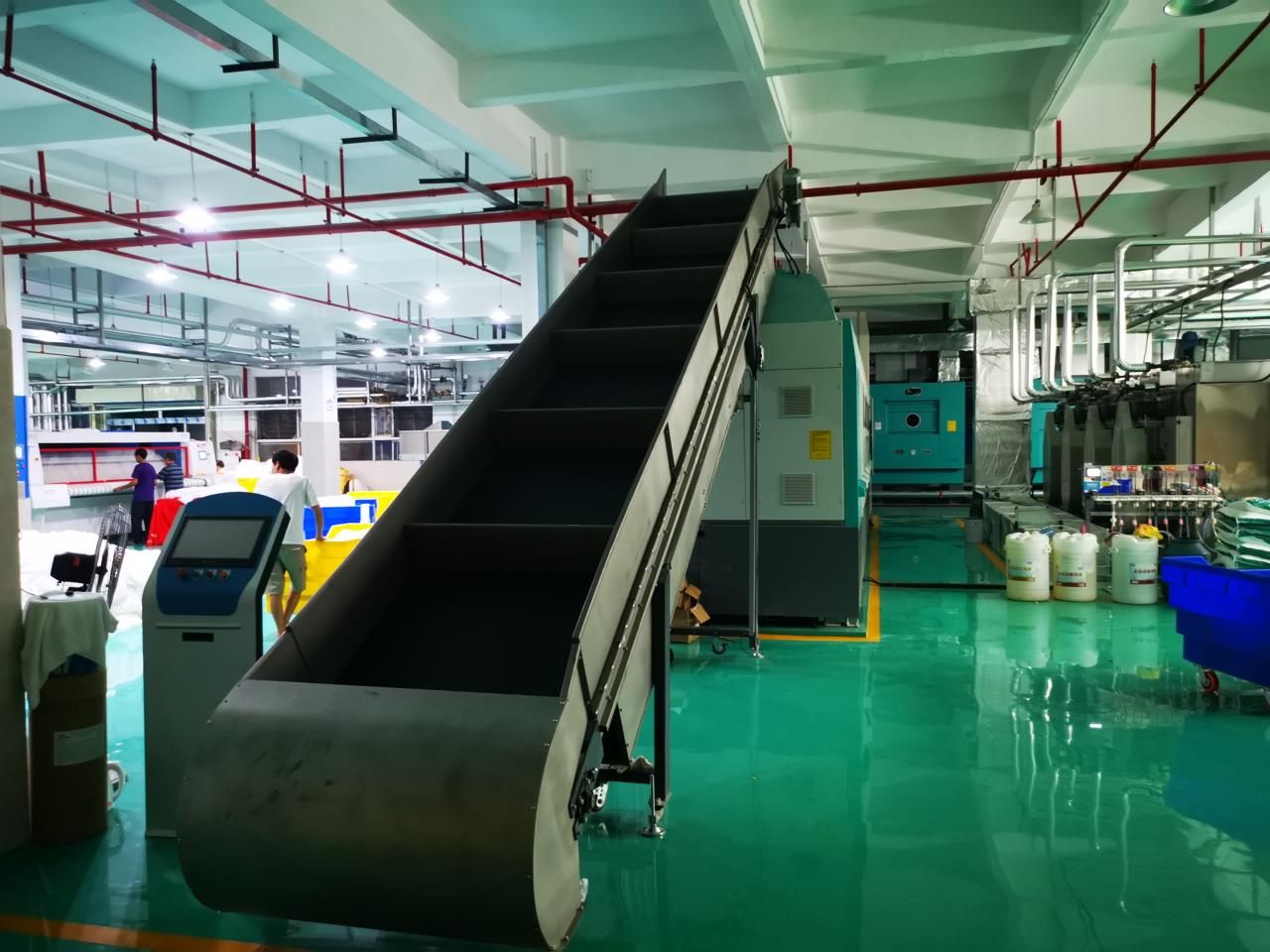
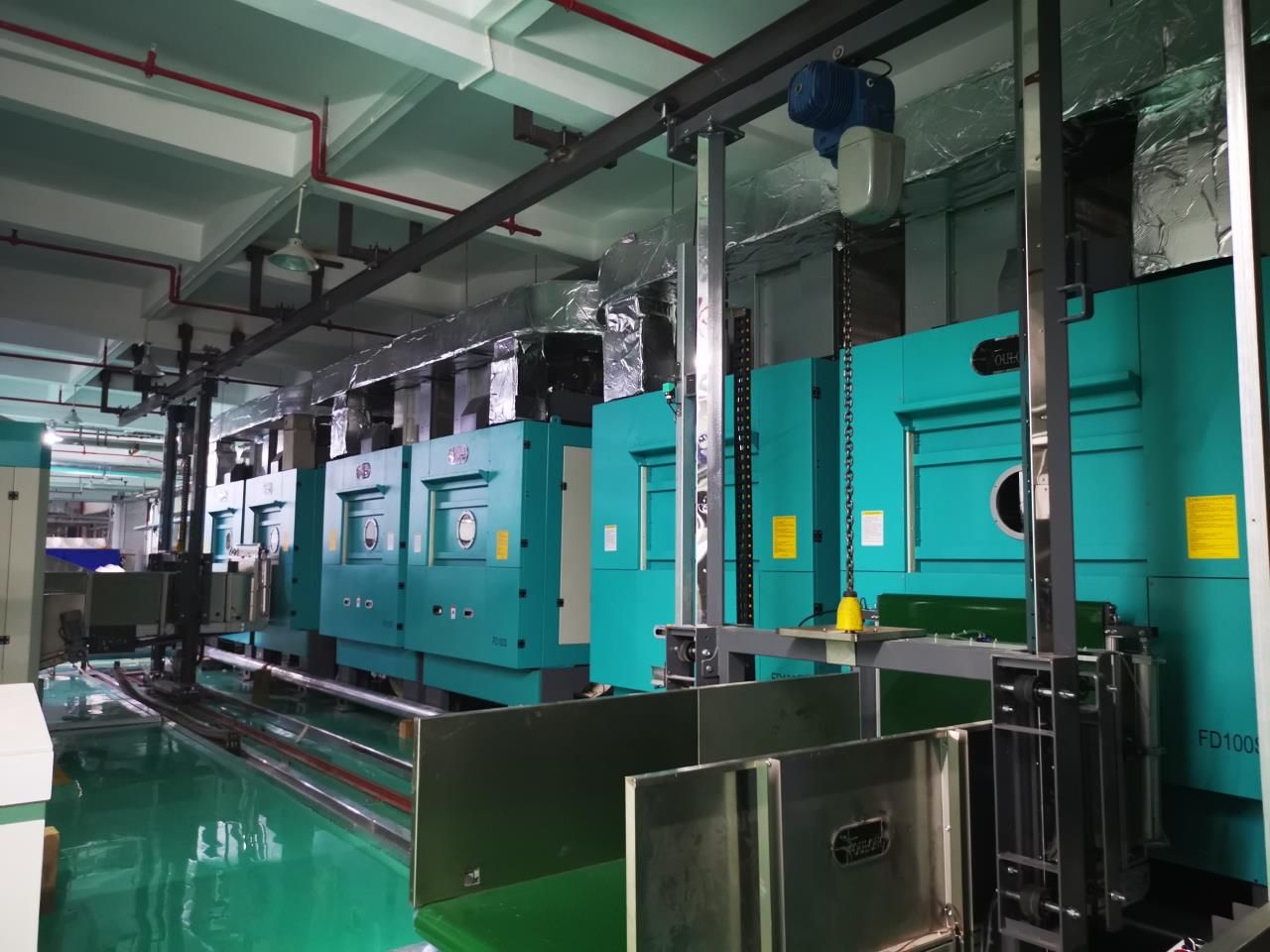
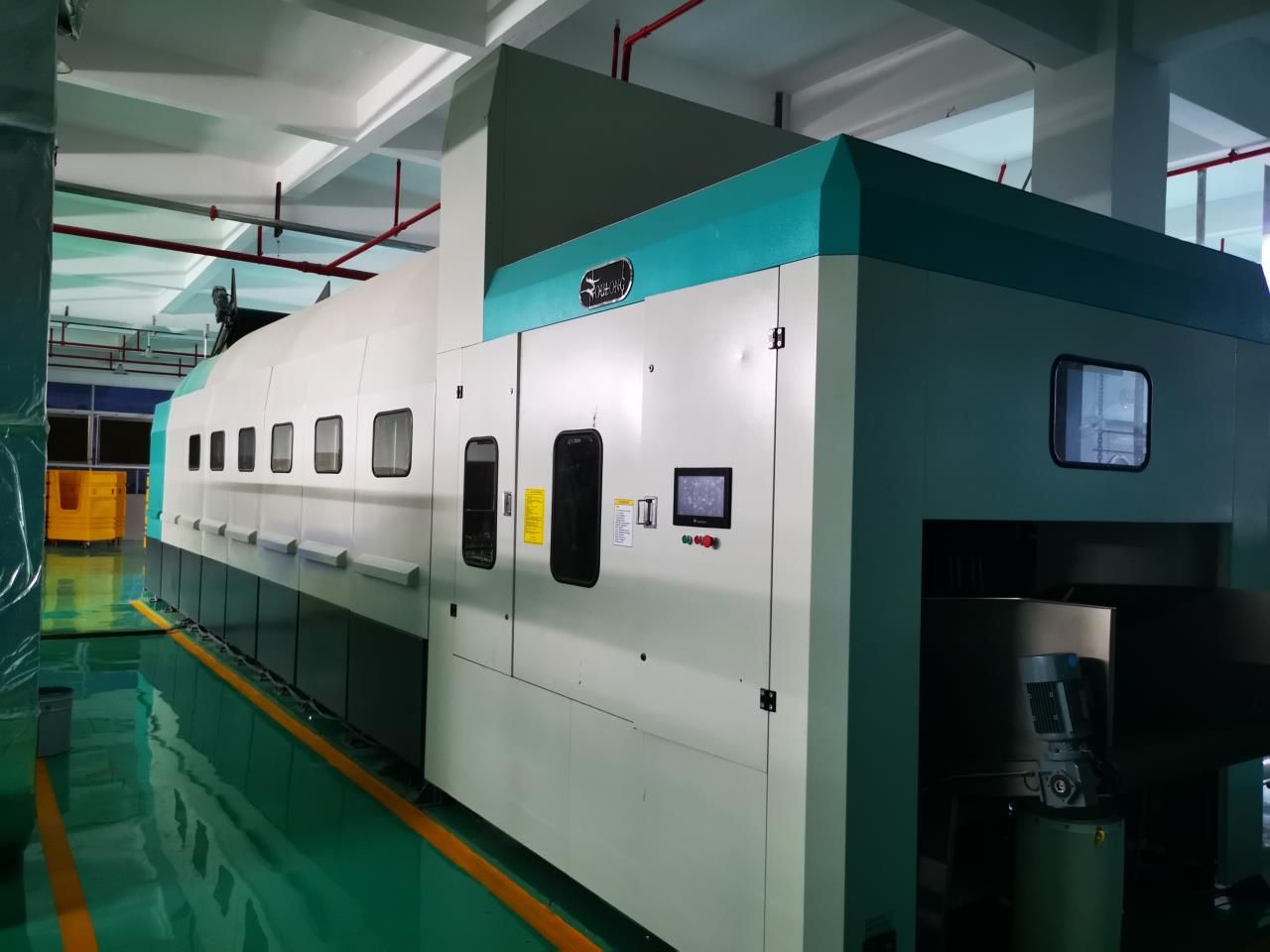
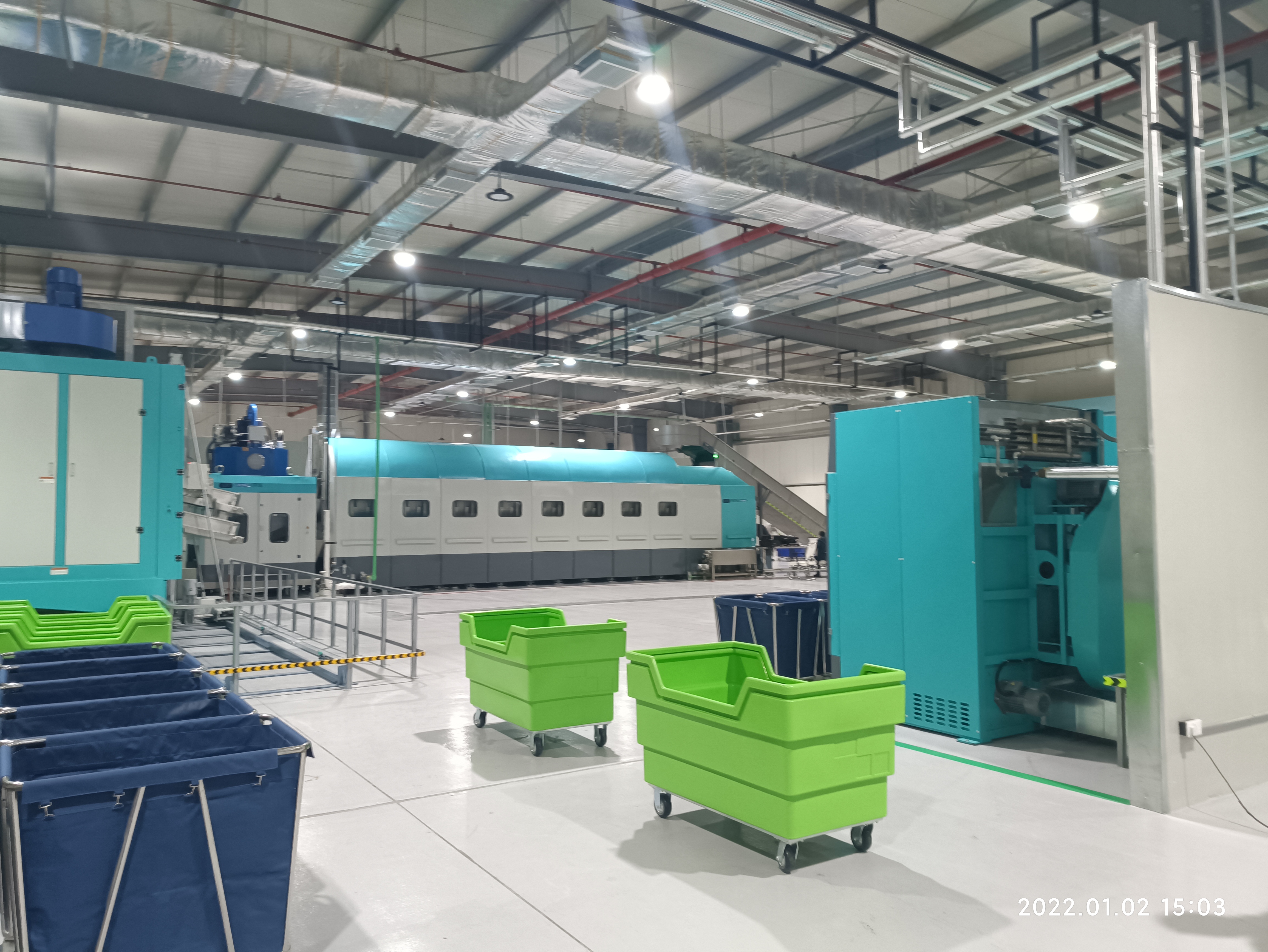
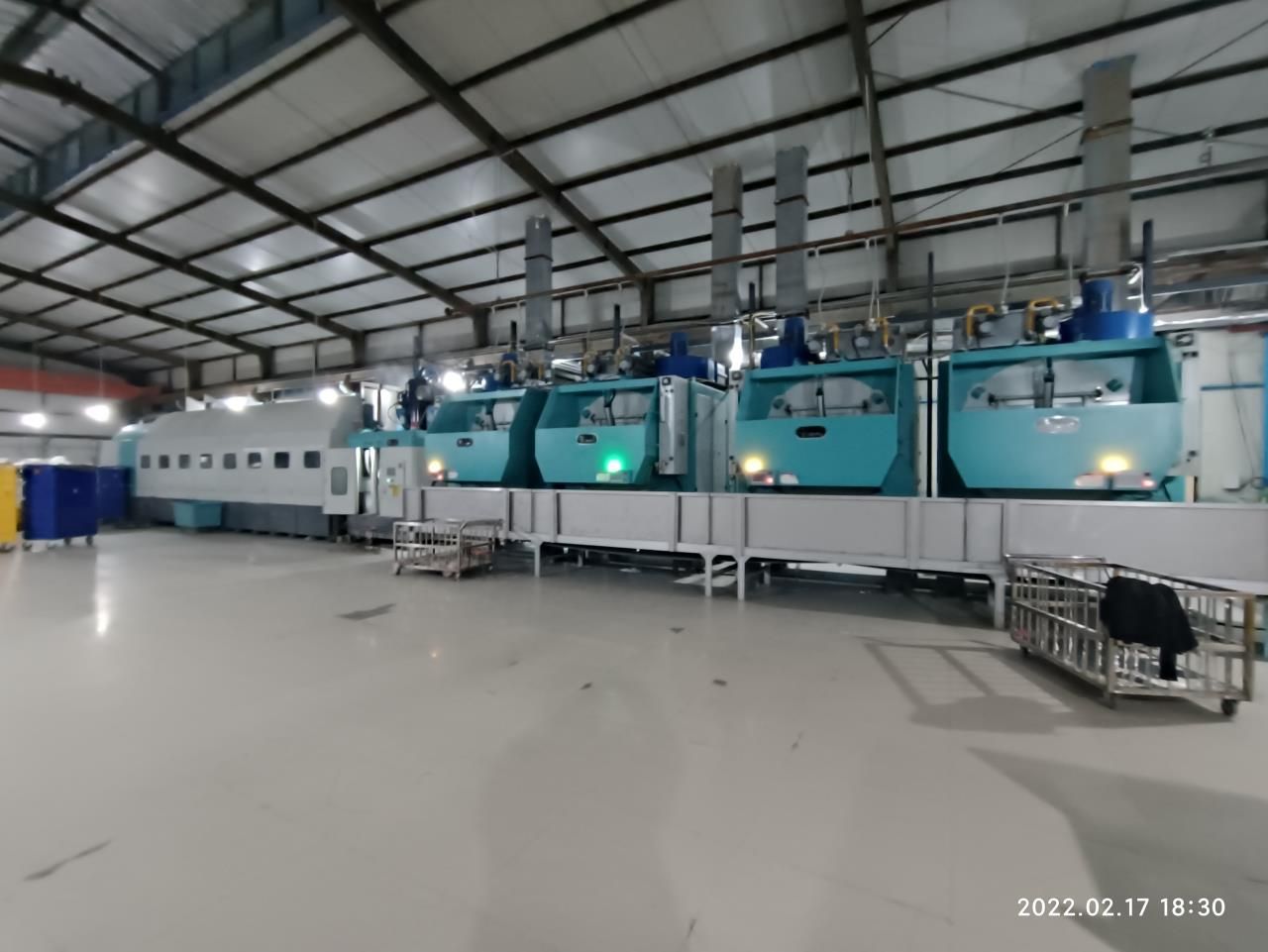
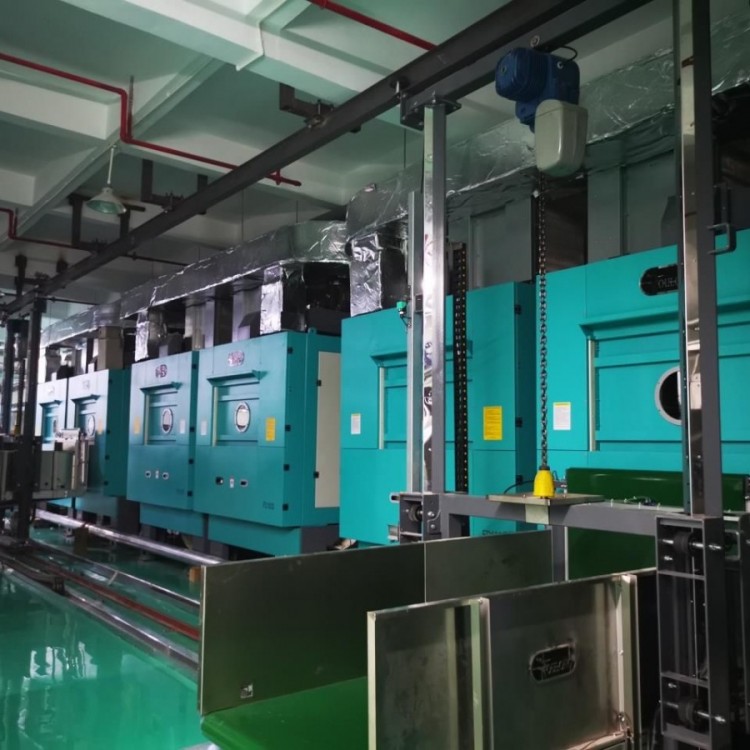
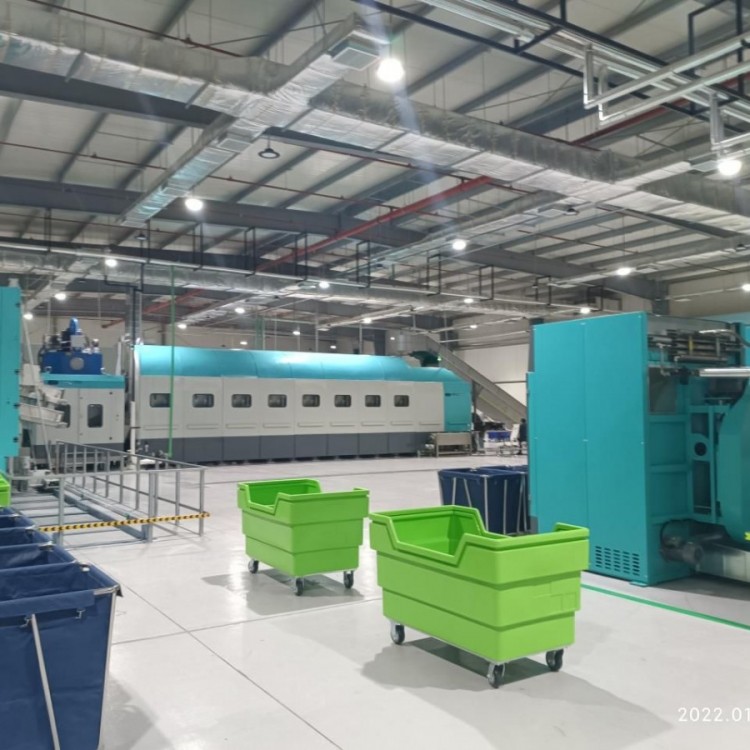
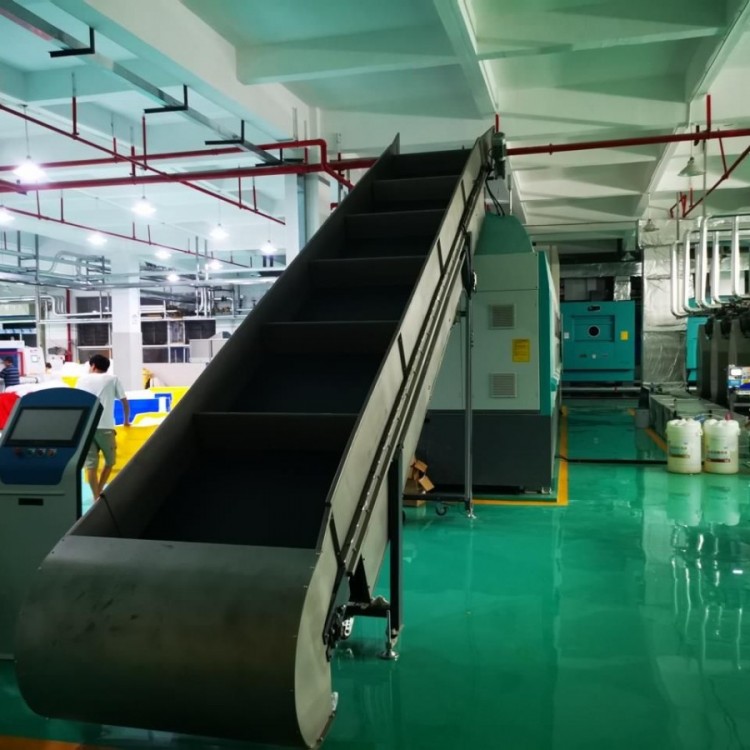
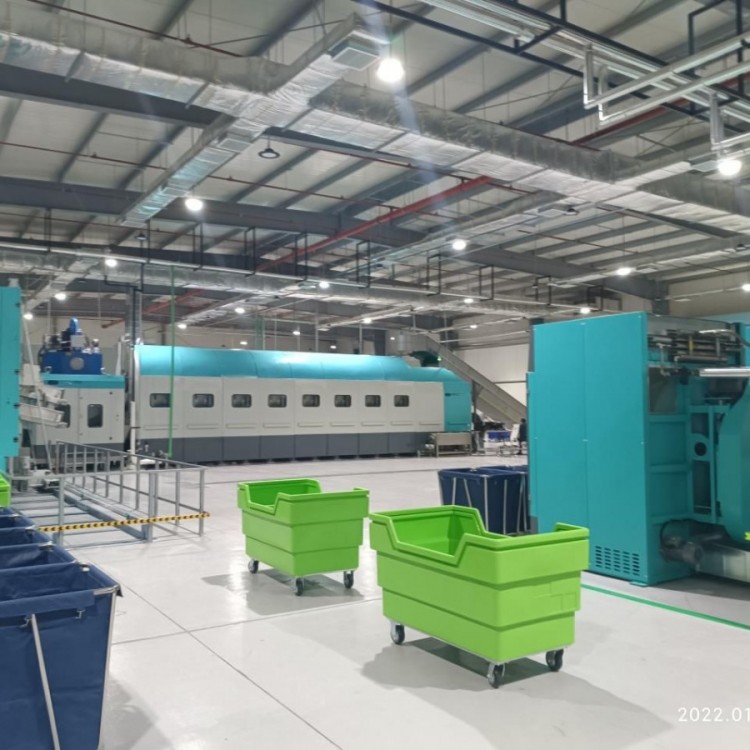
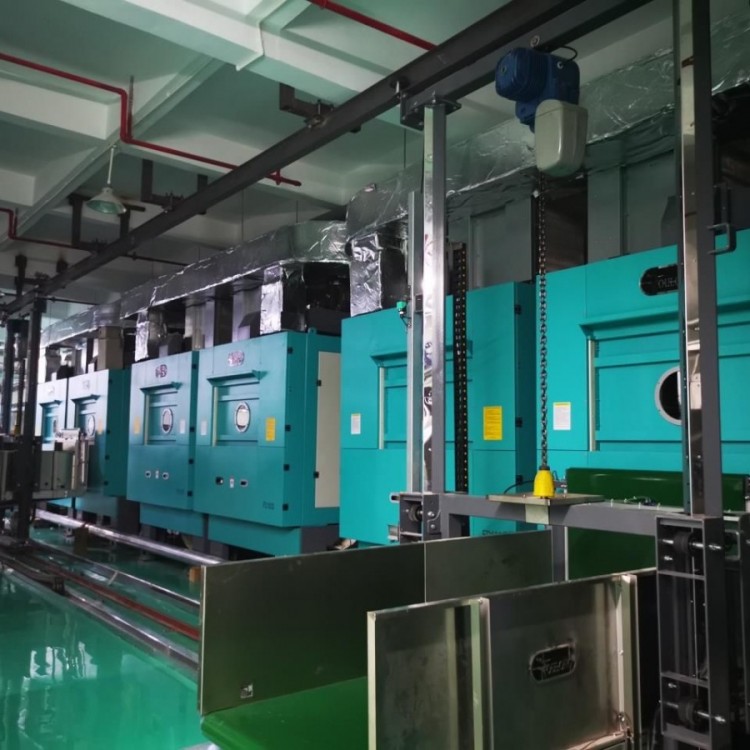
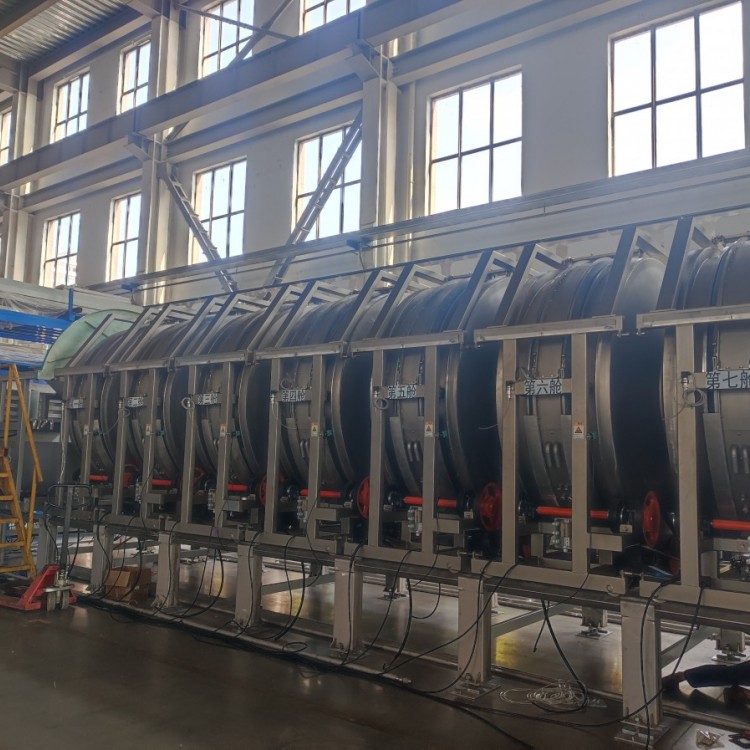
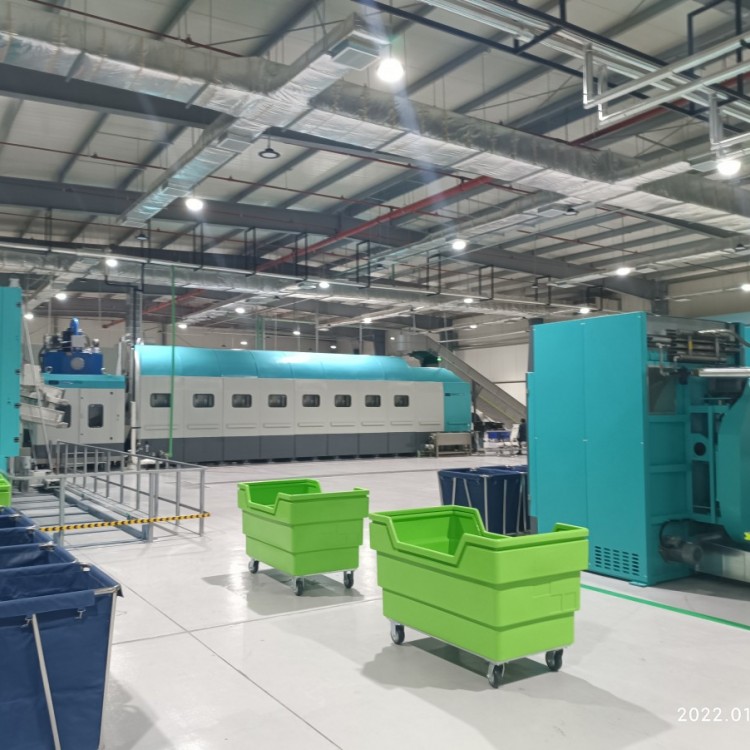
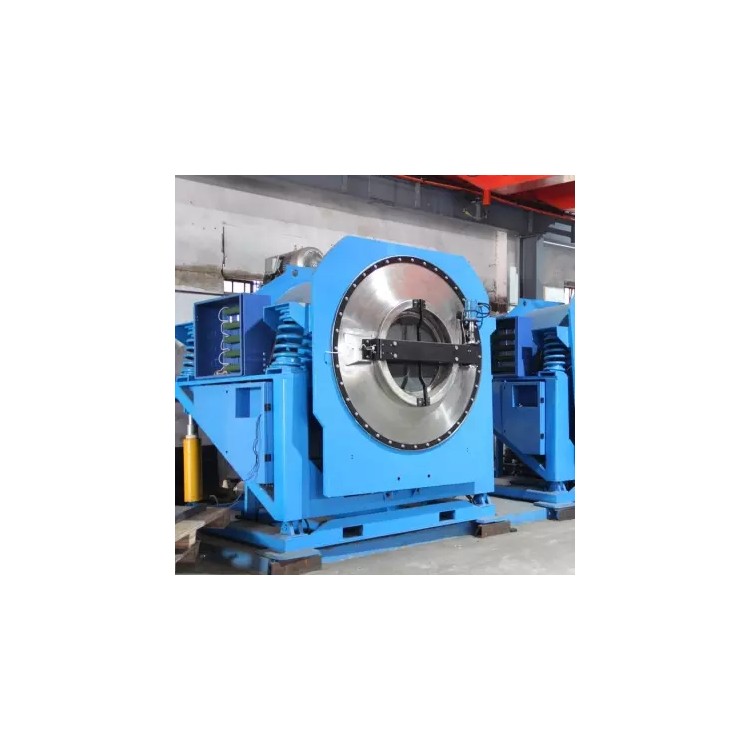
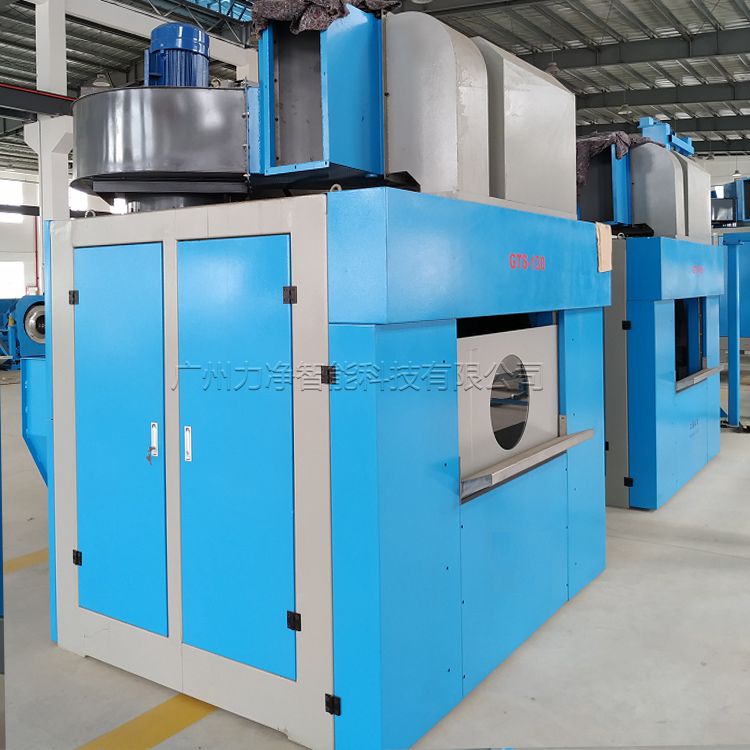
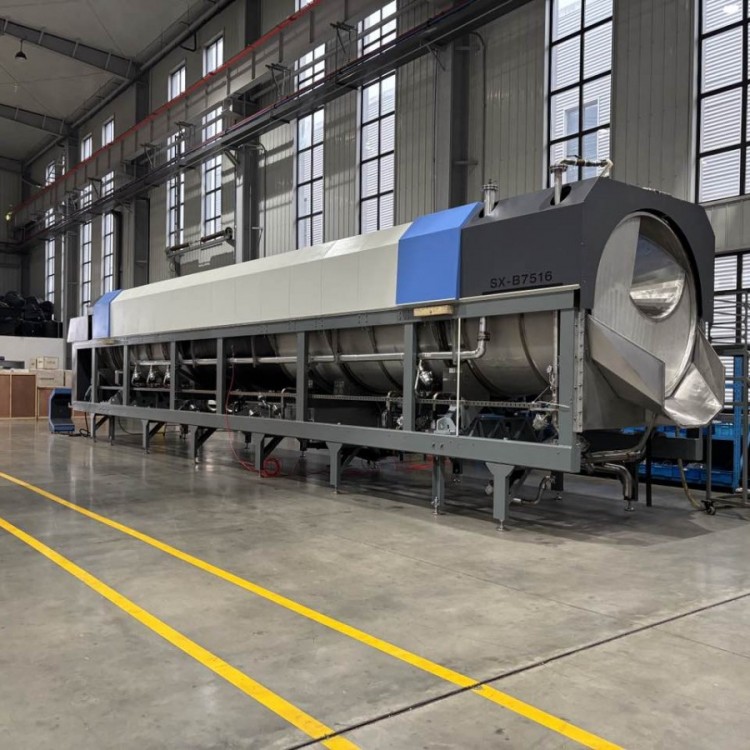
The laundry dragon, also known as the washing dragon or tunnel washing machine, is a type of washing equipment primarily used in large laundry rooms (or laundry factories). It is a comprehensive washing unit capable of performing washing, rinsing, and drying functions. It incorporates water recycling and filtration technology, significantly reducing water and steam consumption by up to 70% and 60% in electricity, respectively, and saves 80% of labor. The laundry dragon boasts superior performance and efficiency.
Laundry Dragon Features:
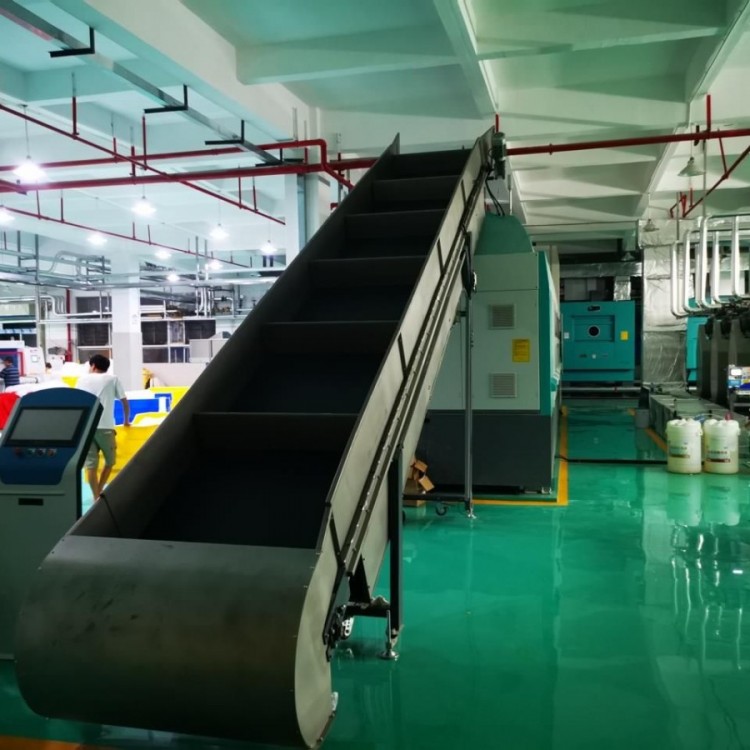
The features of the laundry conveyor mainly include:
Washing: The washing tunnel offers efficient washing, rinsing, and drying capabilities, significantly enhancing both the speed and quality of the cleaning process.
Automation: The laundry conveyor uses automated technology to automatically complete various steps in the washing process, such as filling with water, adding detergent, stirring, and rinsing, significantly reducing manual operations and labor costs.
Energy-saving and environmental protection: The laundry dragon employs energy-saving technologies such as water recycling and electrical energy utilization, significantly reducing energy consumption and environmental pollution.
High Performance: The laundry tunnel boasts high performance, utilizing superior materials and manufacturing techniques, ensuring long-term stable operation, reduced failure rates, and maintenance costs.
Adaptable: The laundry conveyor is suitable for various washing requirements and site environments, applicable in different locations and industries such as hotels, factories, commercial venues, etc.
In summary, the Laundry Dragon is an automated, energy-saving, environmentally friendly, high-efficiency washing equipment suitable for various washing needs and site environments.
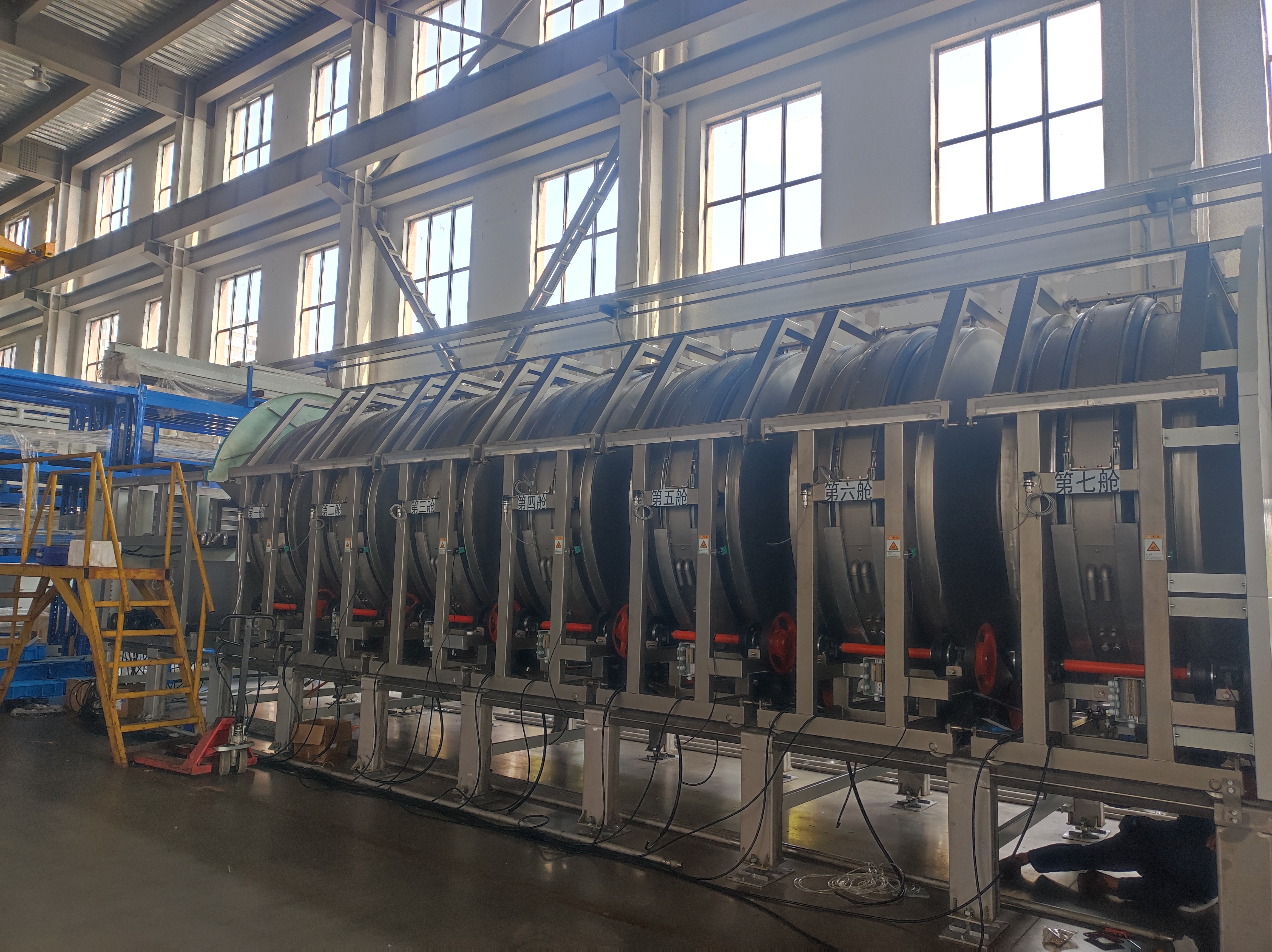
How many compartments does the laundry conveyor have?
The laundry conveyor comes in models with 4 to 10 chambers, catering to various scenarios, washing volumes, and investment budgets.
Laundry Conveyor Operation Process:
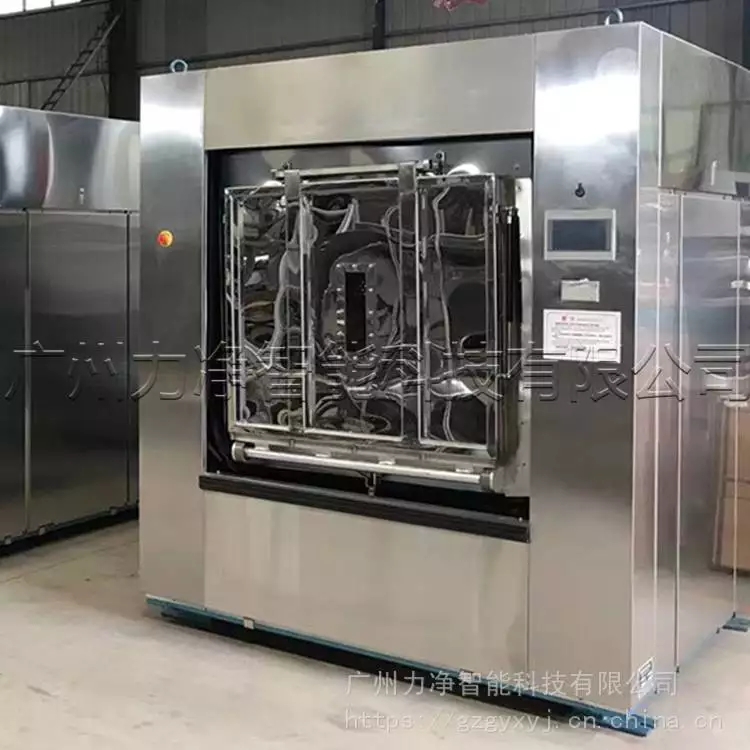
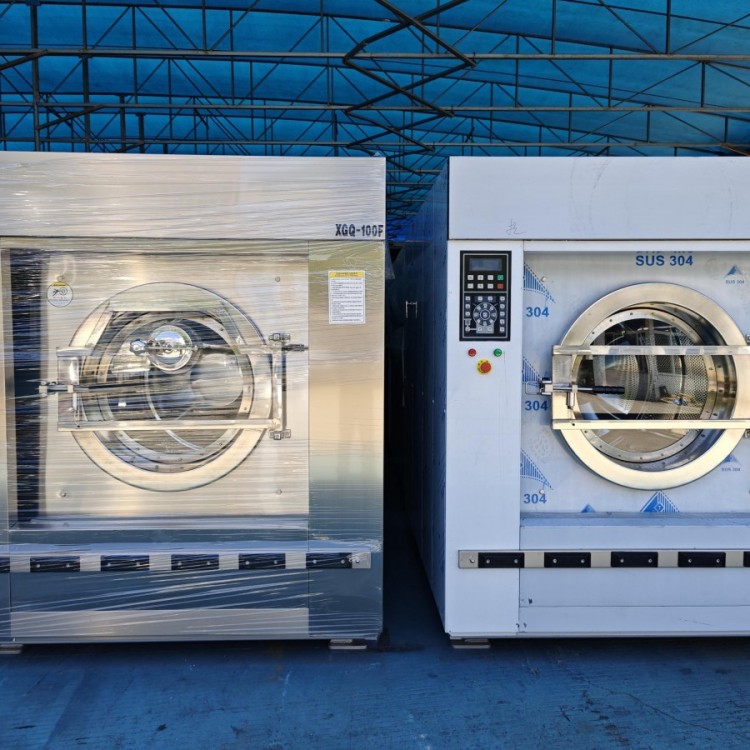
A tunnel washing machine is a type of washing equipment commonly used in large laundries or laundry factories. Below is the operation process of a tunnel washing machine:
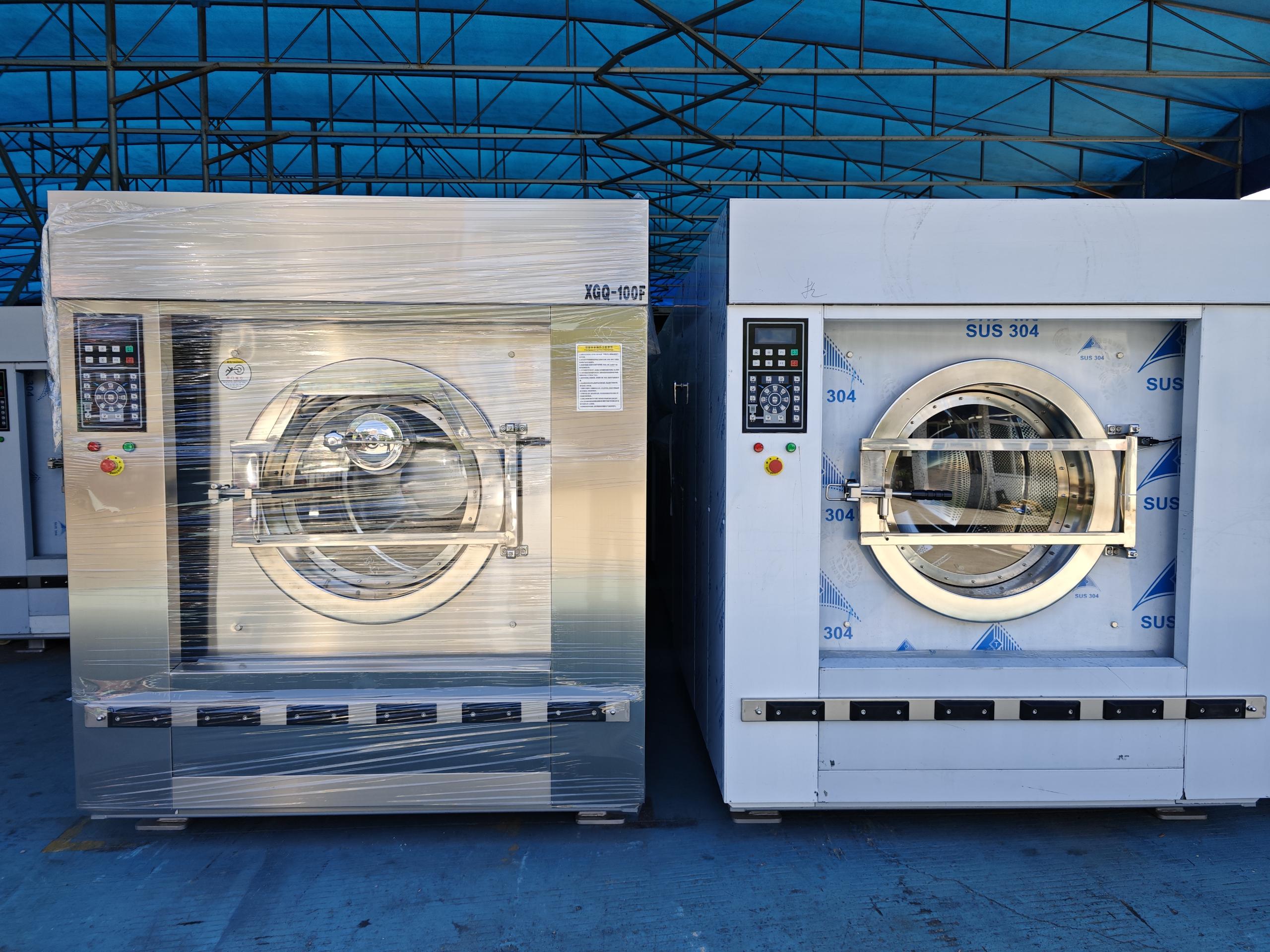
Place the laundry into the washing basket. The basket usually has a loading opening for inserting the clothes.
Close the washing basket door. Make sure it is securely closed to prevent water or suds from spilling during the washing process.
Open the washing cabinet's control panel. The control panel typically features various washing programs and setting options, allowing you to select the appropriate washing plan as needed.
Select the washing cycle. Laundry machines usually offer various cycles, such as normal wash, quick wash, and heavy-duty wash. Choose the appropriate cycle based on the type of clothing and the level of dirt.
Determine the amount of detergent and water to add, and set it according to the instructions on the control panel.
Start the washing cycle and wait for the washing to complete.
After washing, remove the clothes from the washing basket and proceed with subsequent drying, ironing, and other treatments.
Please note that the operation process of the tunnel laundry chain may vary due to model and specific usage. It is recommended to refer to the user manual or contact the equipment manufacturer to ensure proper operation.
Laundry conveyor application fields:
A laundry conveyor is a type of washing equipment, widely used in the following fields:
Industrial Sector: Laundry systems are widely used in the industrial sector, such as in hotels and factories. These locations often require substantial laundry services, and laundry systems offer automated washing solutions, significantly enhancing efficiency and quality. In summary, laundry systems have extensive applications across various fields, catering to diverse washing needs.
Laundry Conveyor Manufacturer
Manufacturers of laundry chains include Guangdong Guangyi, Guangzhou Lijin Intelligent, Vise, Sea Lion, Soft Dragon, and Hengxing, among others. Different manufacturers vary in product quality, pricing, and after-sales service. It's essential to choose a suitable manufacturer based on your specific needs and budget. It is recommended to consider factors such as the manufacturer's strength, product quality, cost-effectiveness, and after-sales service when making your selection, and to purchase through authorized channels.
WeChat Official Account

Scan to follow Official Account