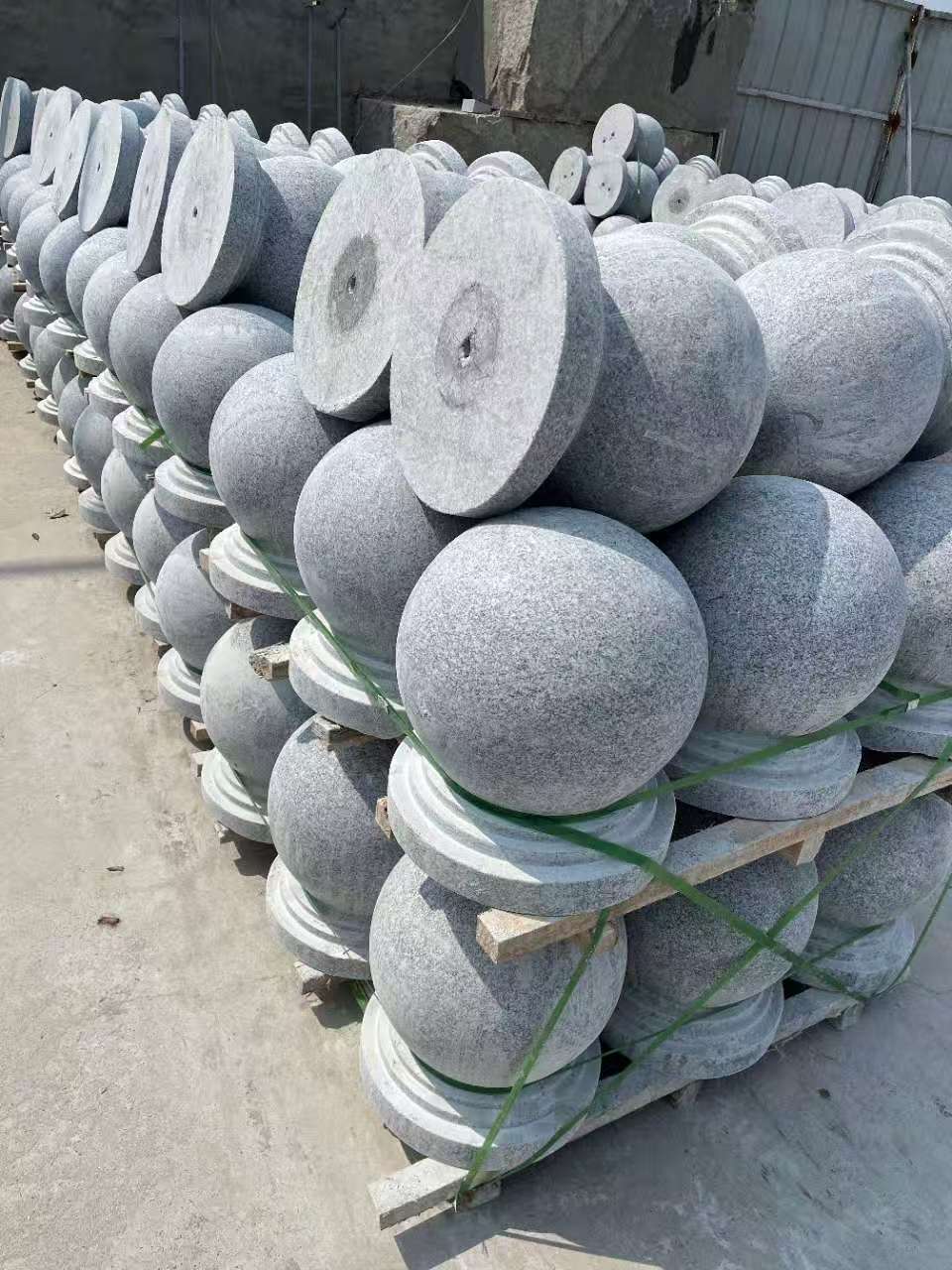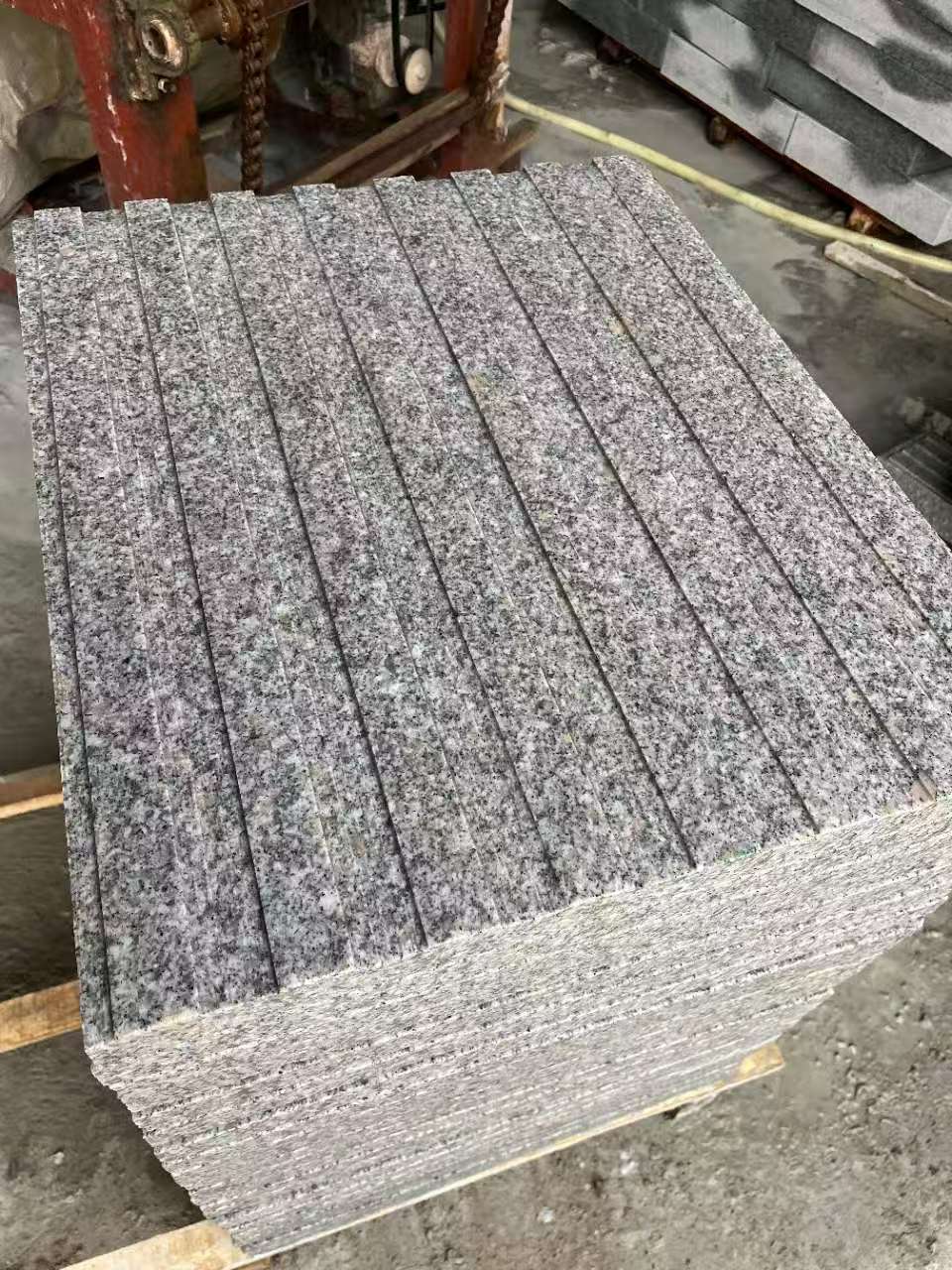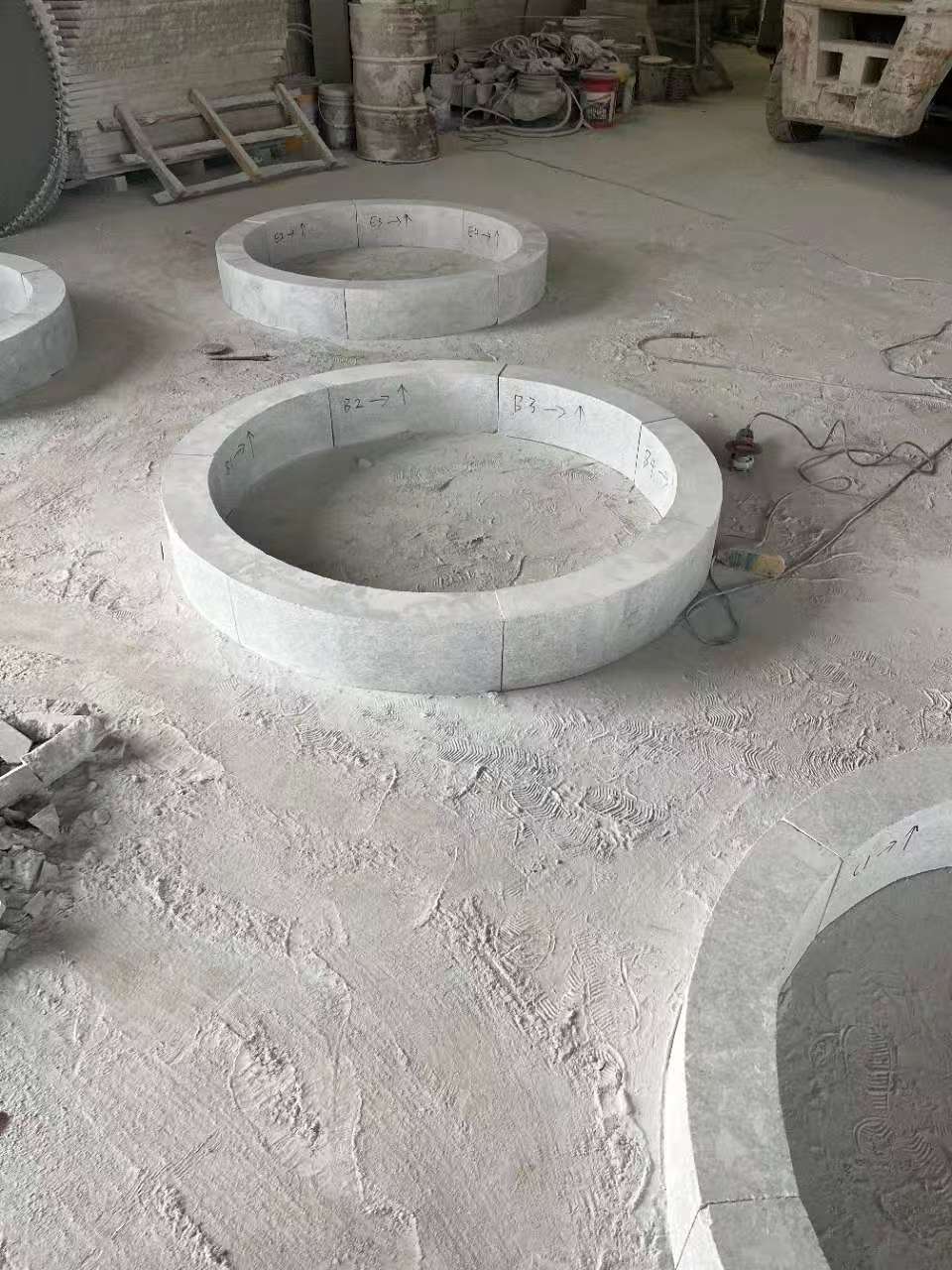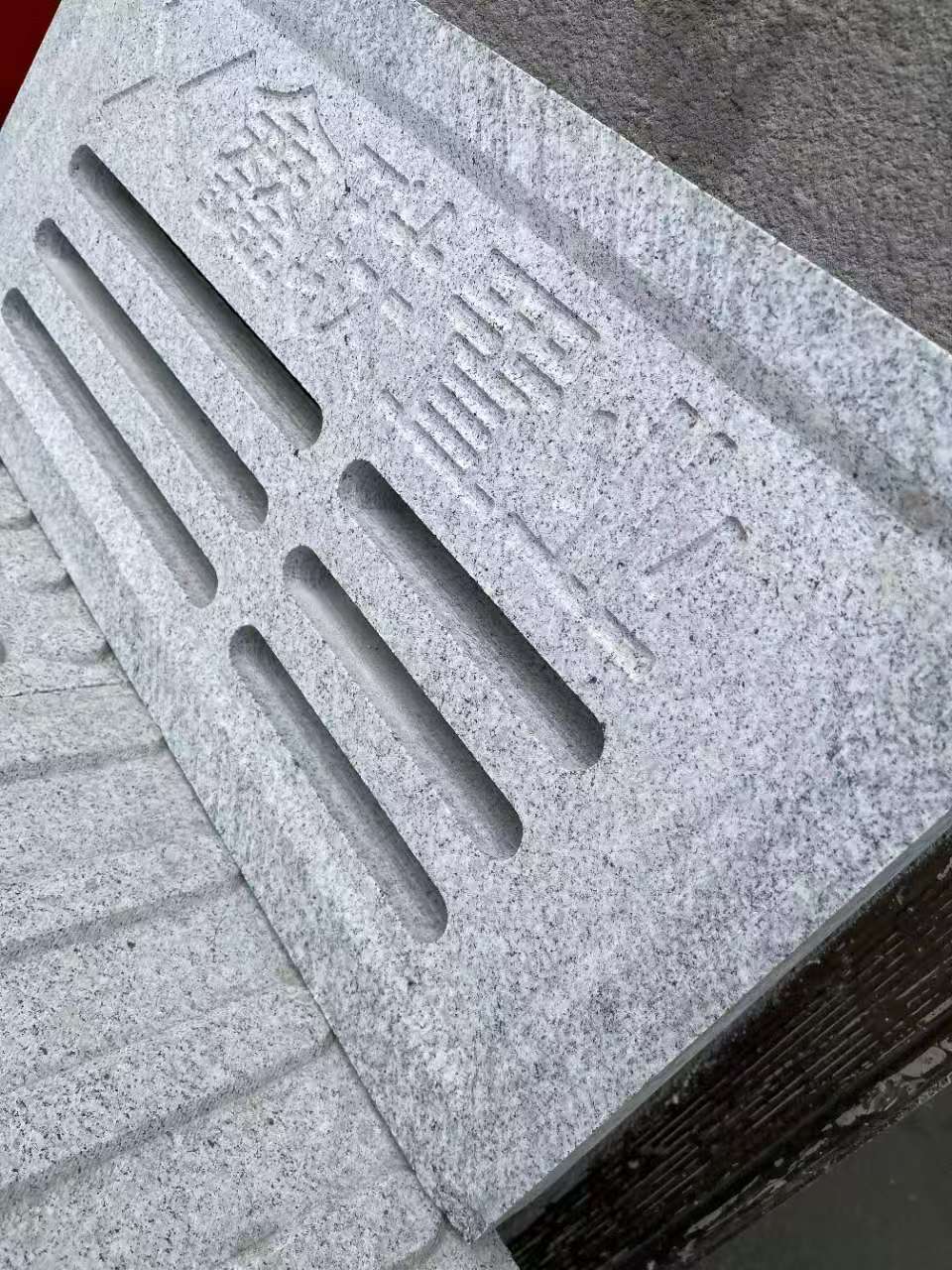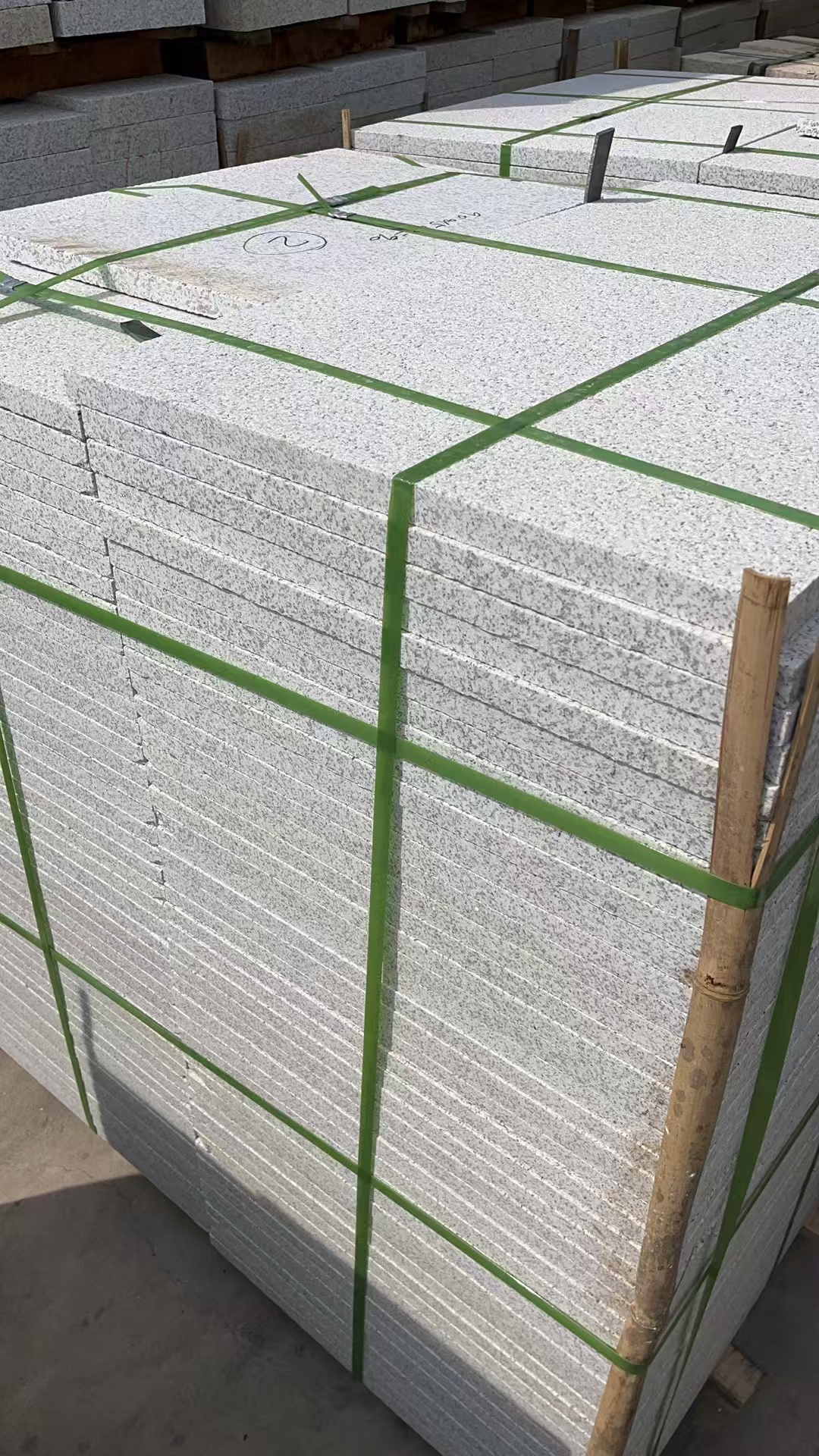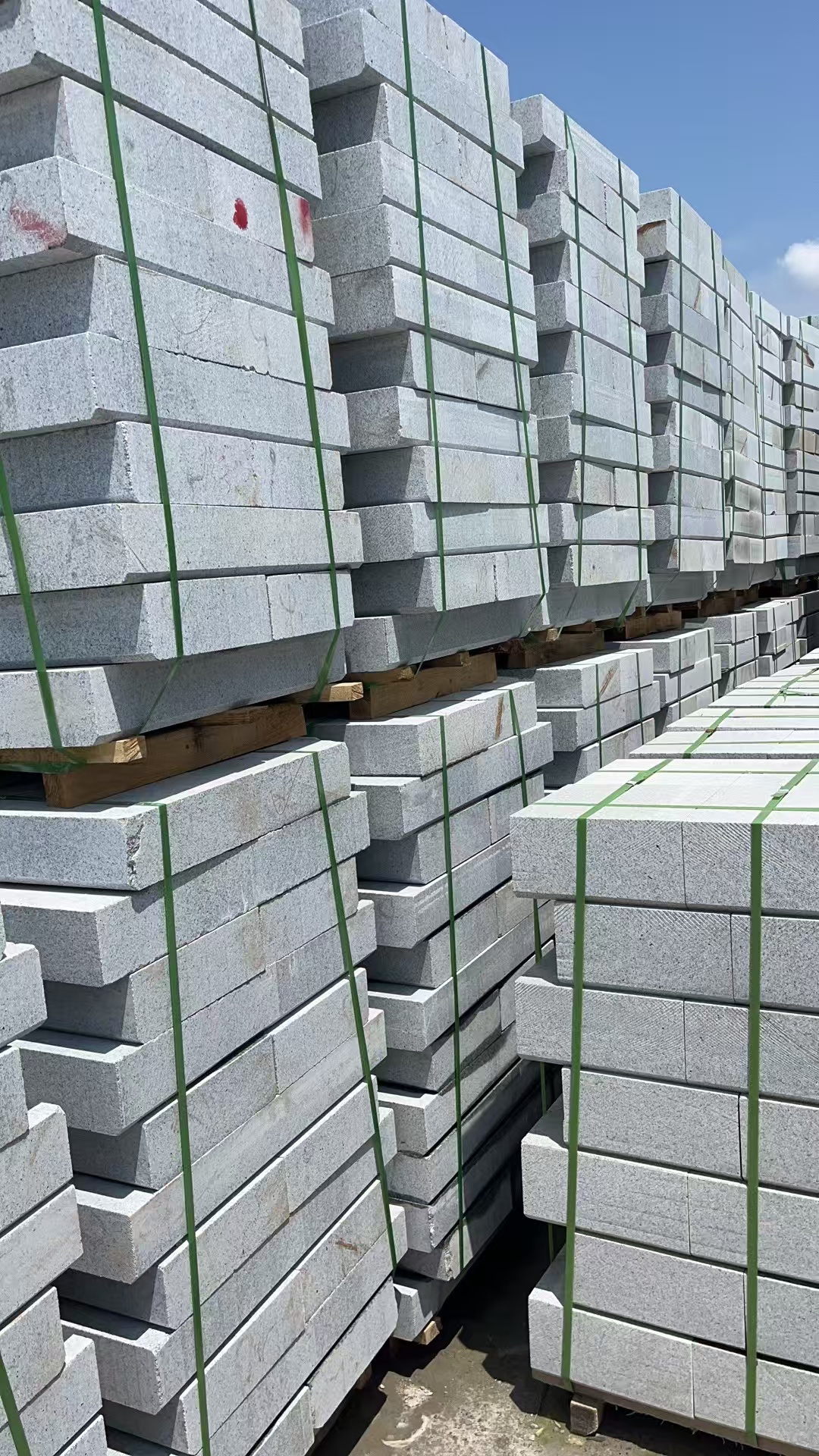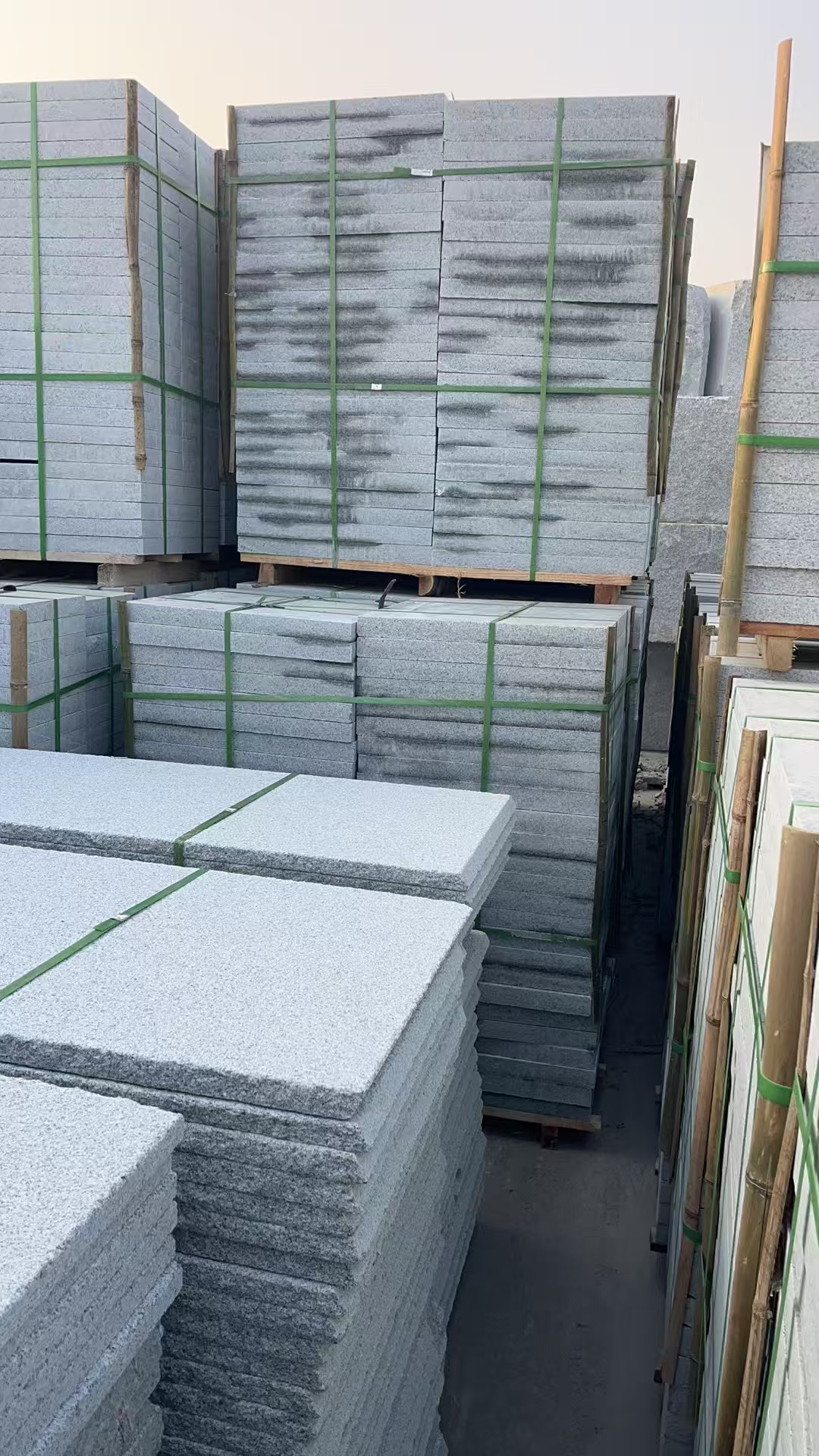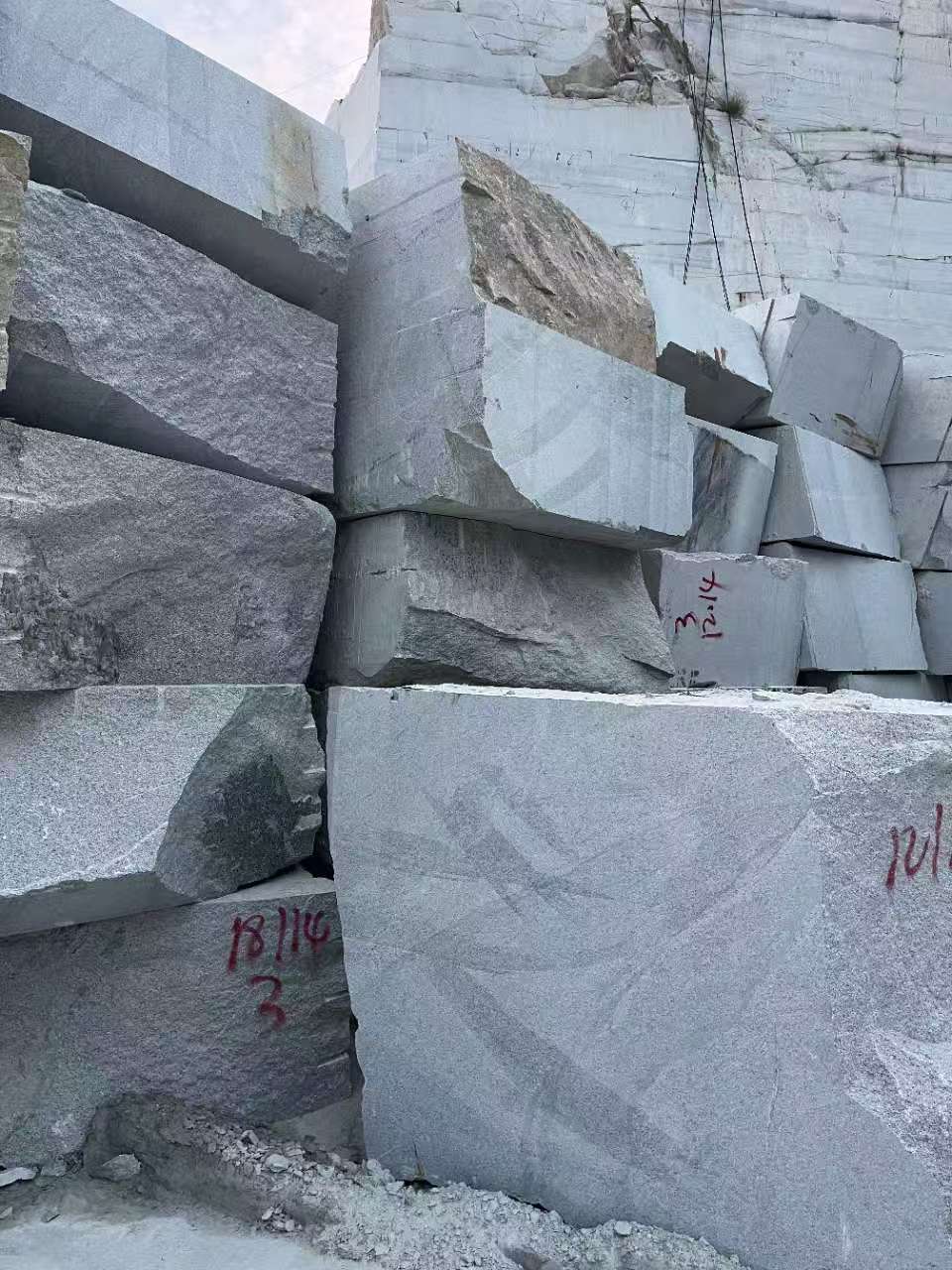

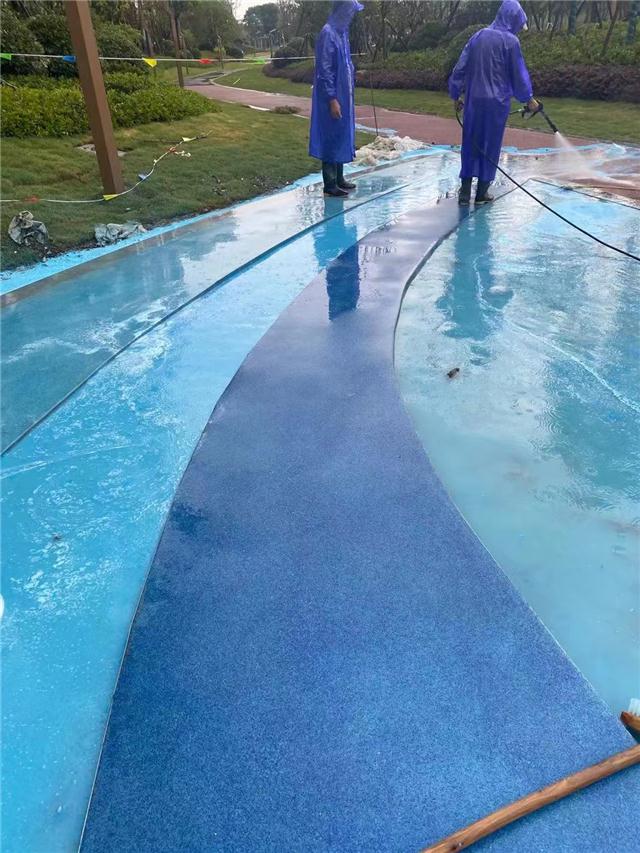


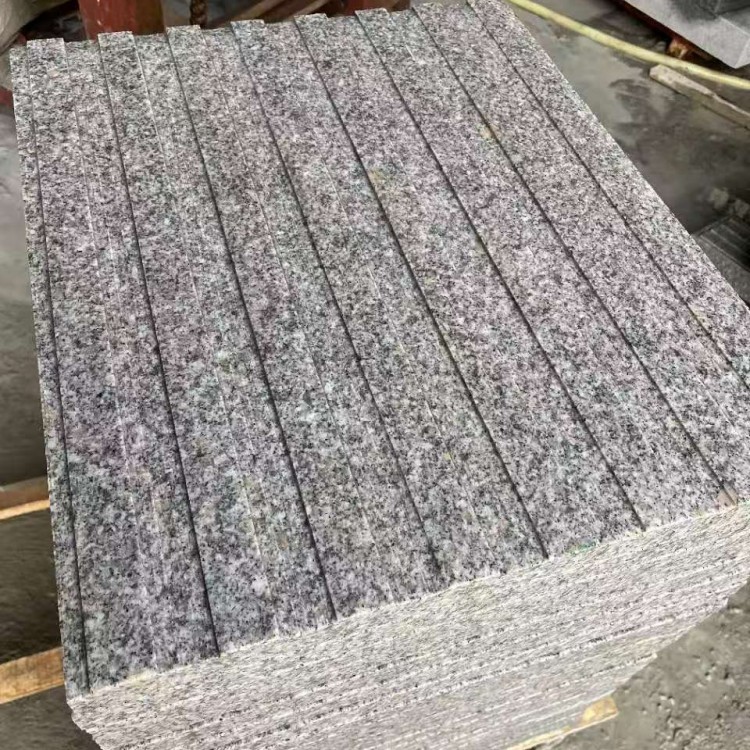







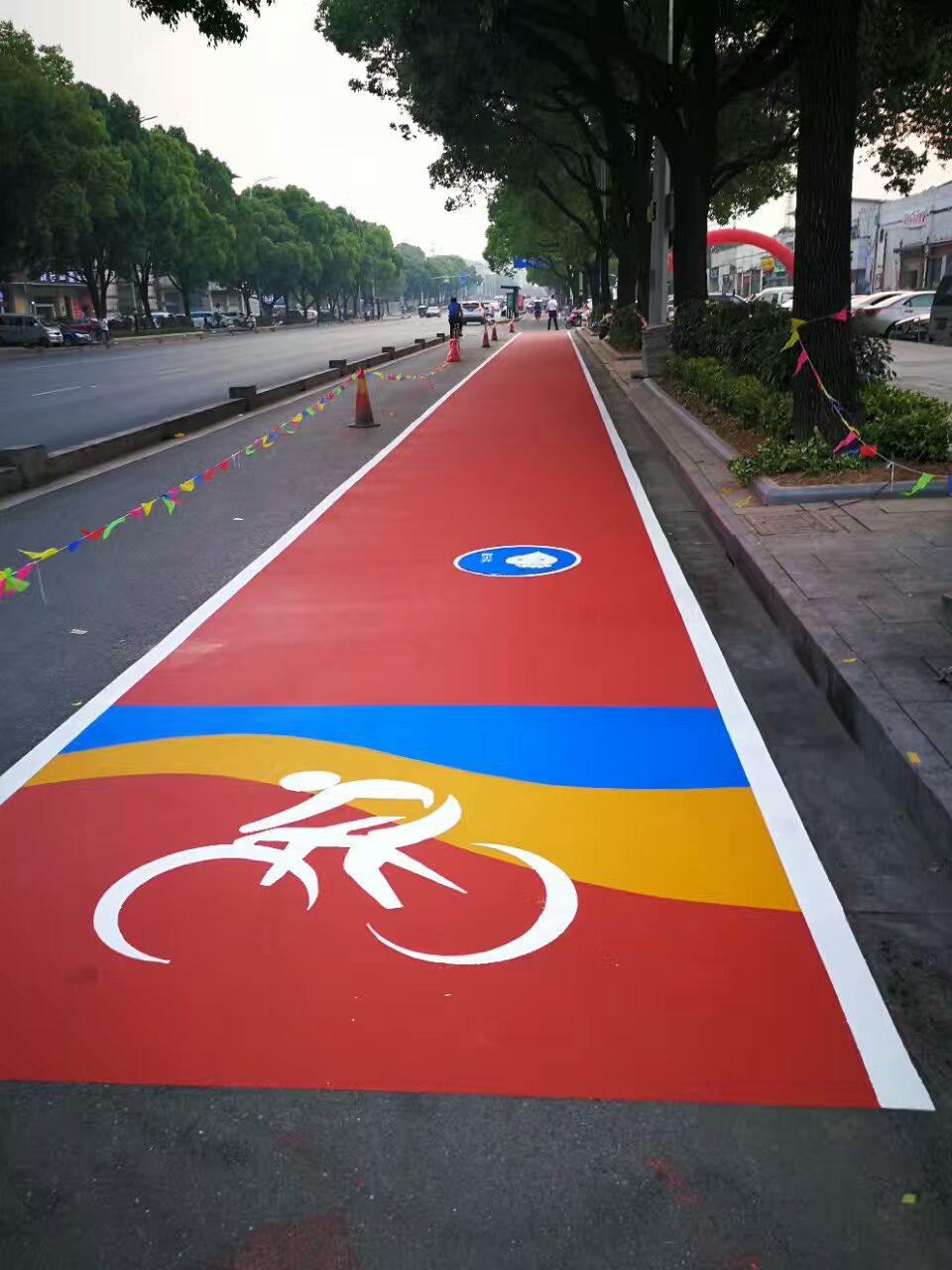
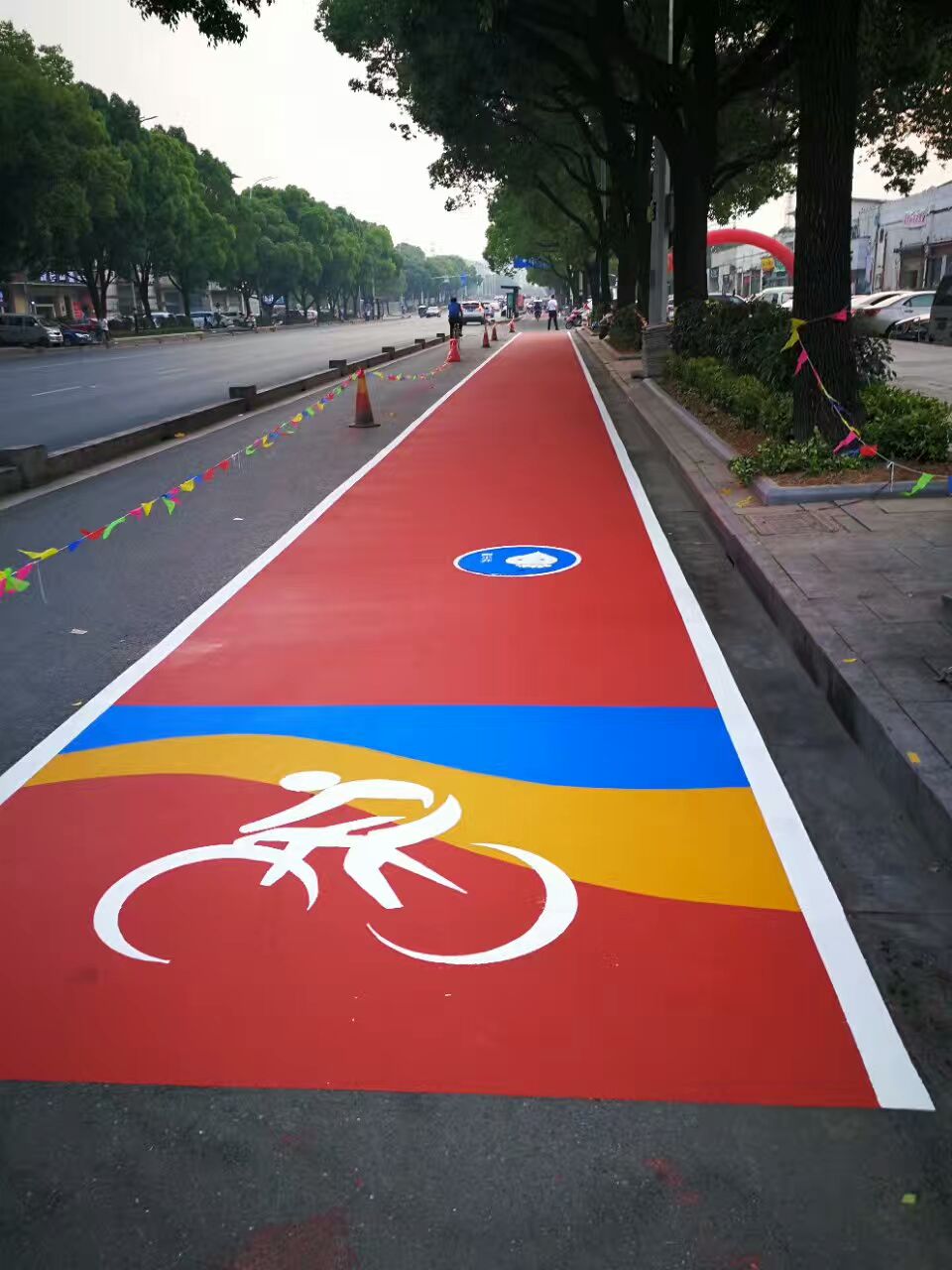
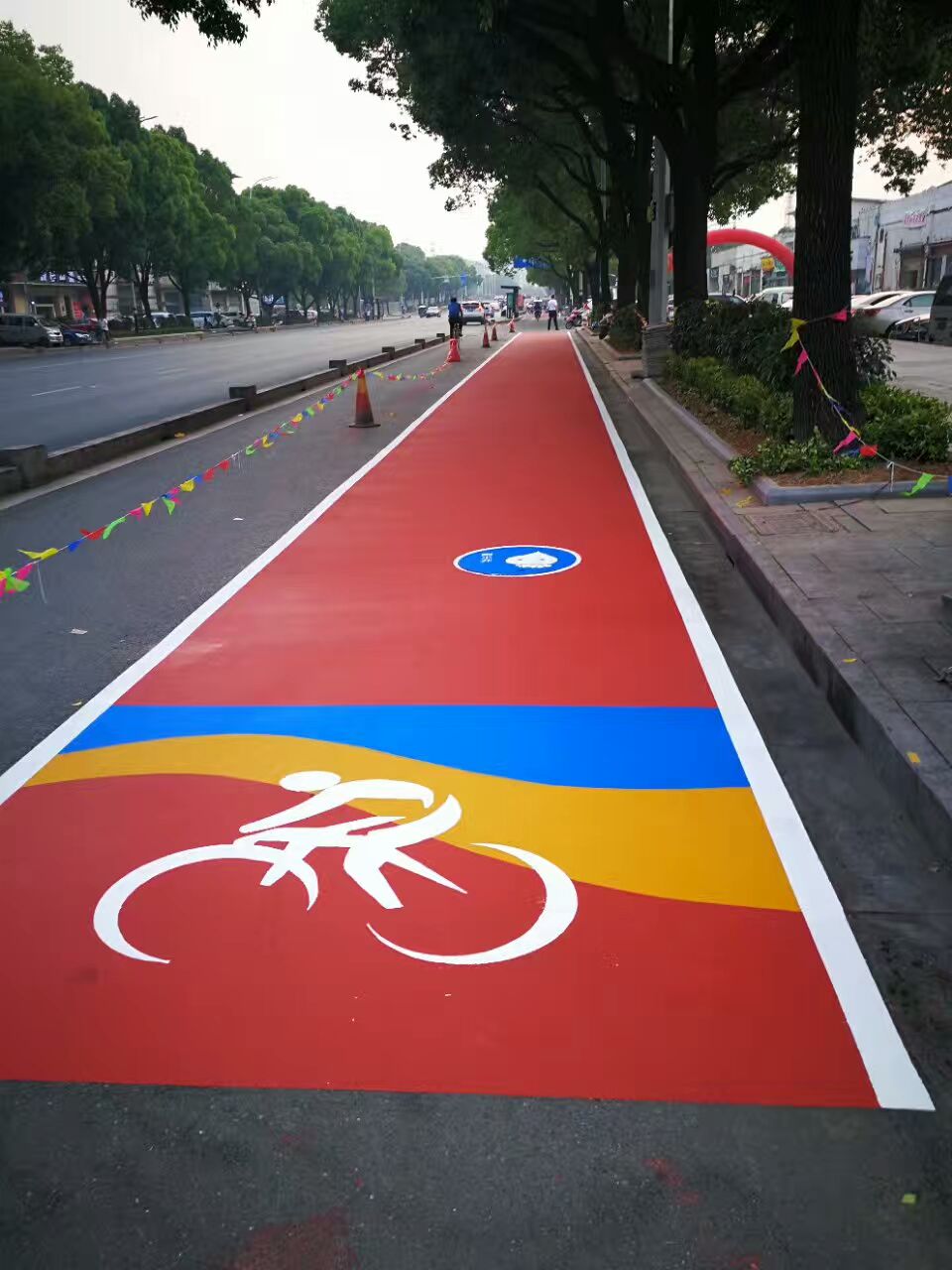
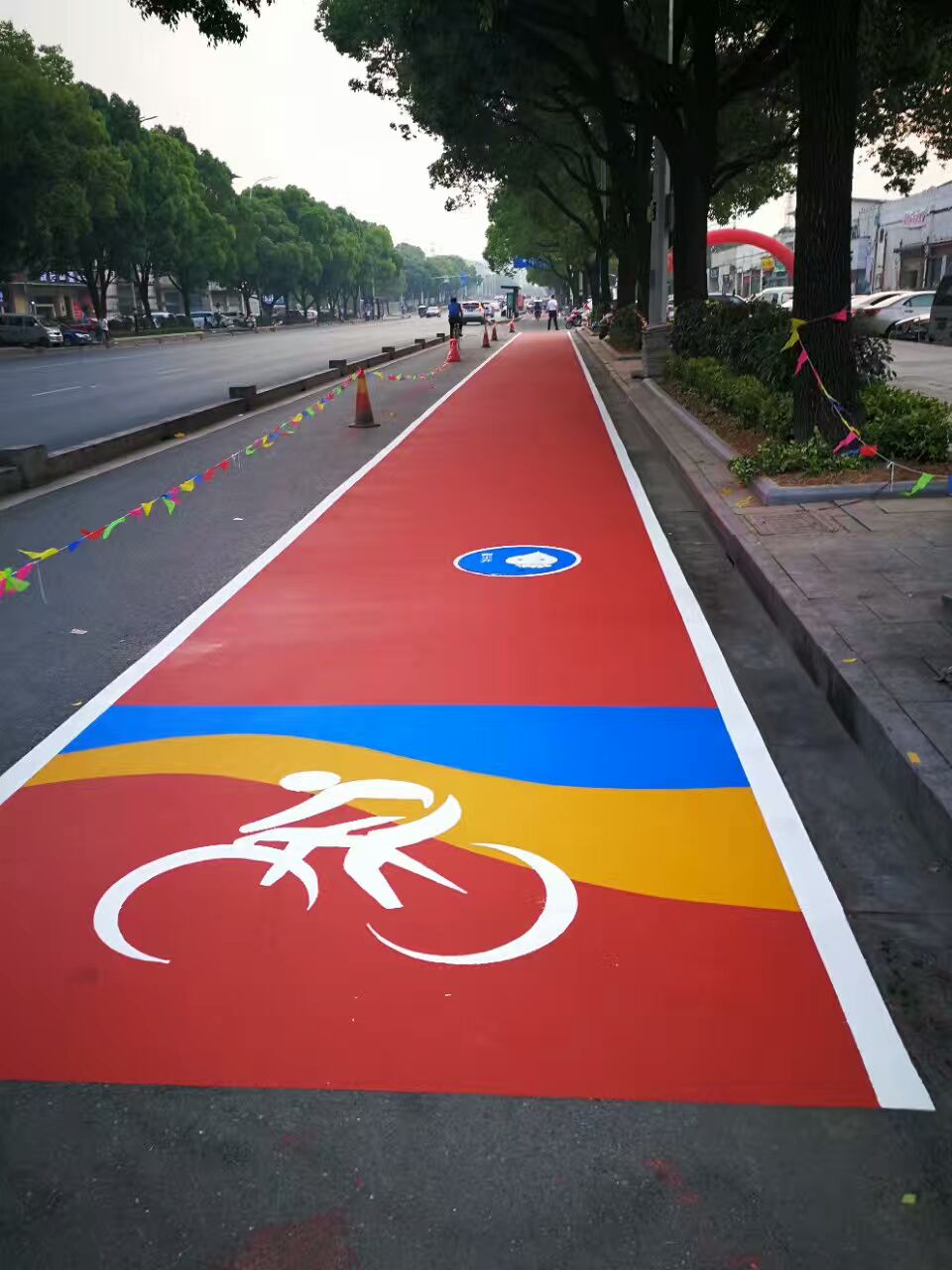
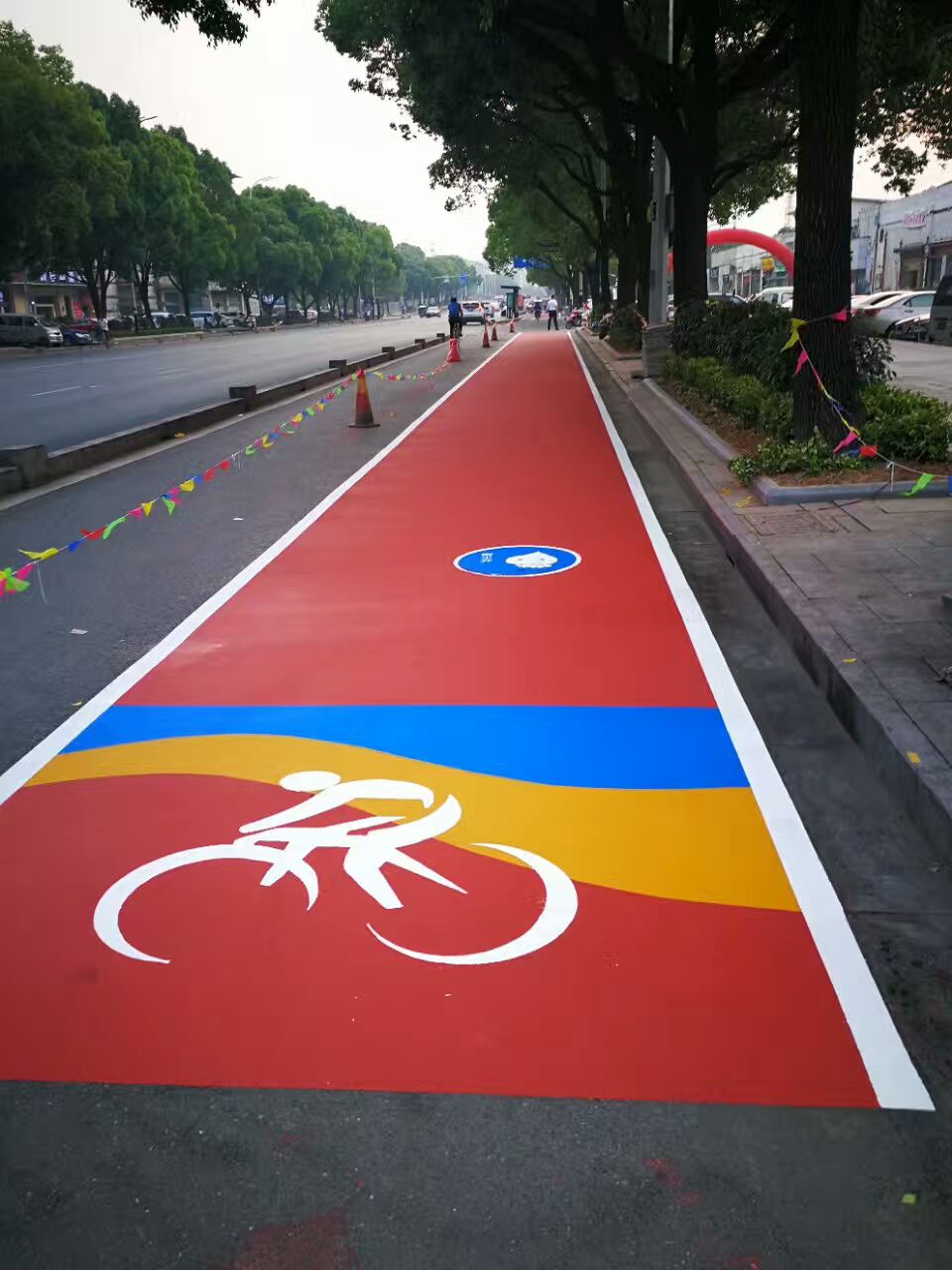
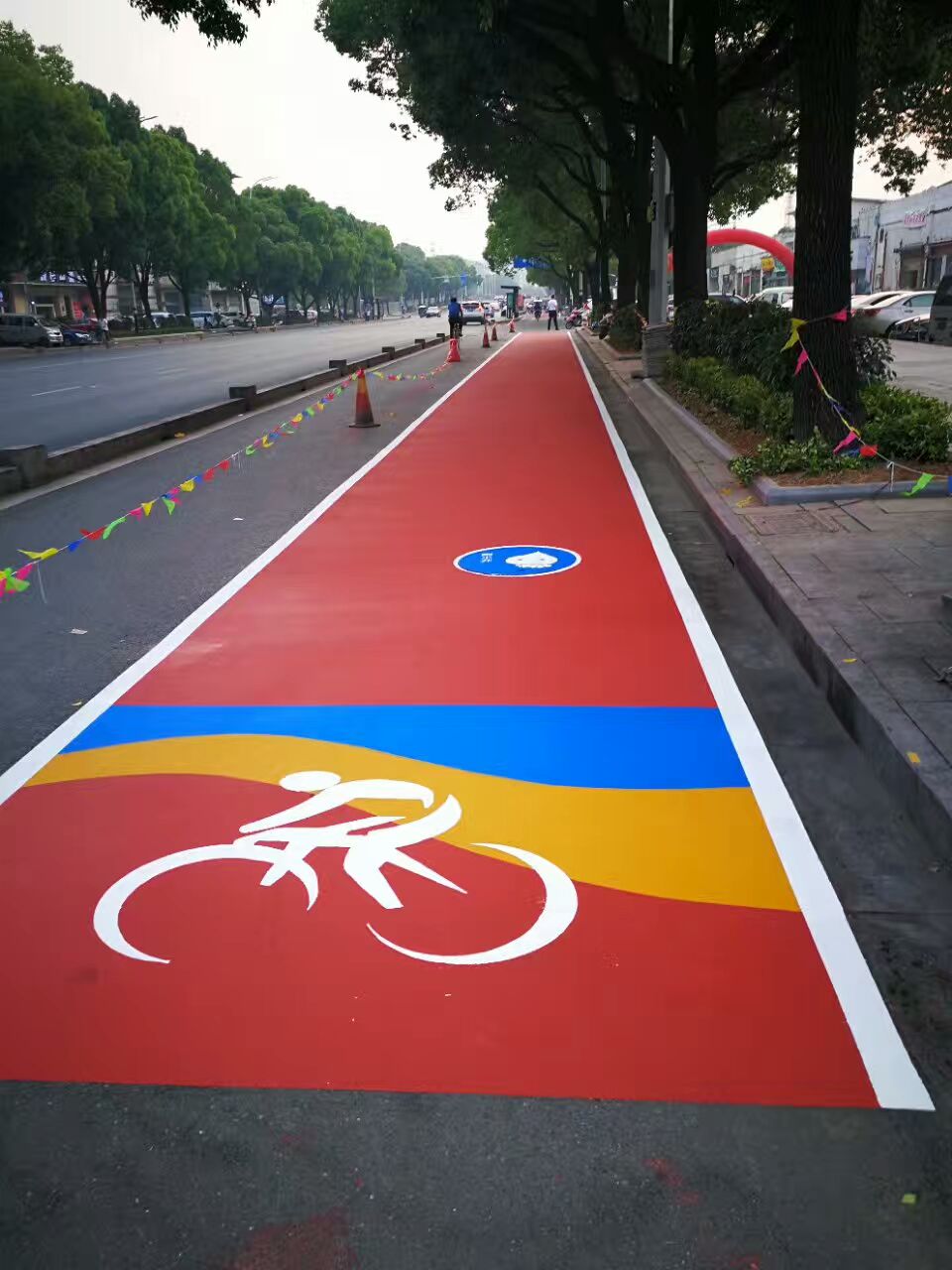
In landscape construction, paved gravel polymer complements and enhances the environment with its diverse forms and patterns, adding to the scenery of the garden. The gravel polymer surface serves as a decorative element for the pathways, and its patterns vary according to different locations. Some pathways paved with gravel polymer in straight or parallel lines can achieve an enhanced design effect for the ground.

Gravel polymer concrete flooring is a novel material for ground paving. The gravel polymer stone flooring consists of sequentially laid layers of plain soil, sub-base, and gravel polymer layers. The gravel polymer layer includes a base and a surface layer, which are integrated into an inseparable whole structure by embedding the surface layer within the base layer. This achieves the stone-like effect through cutting or grooving techniques. The gravel polymer stone flooring can be flexibly poured and laid according to different road conditions, avoiding the complexities and resource waste associated with cutting and joining stones in related technologies. Moreover, the on-site laying process is relatively simple and easy to operate.

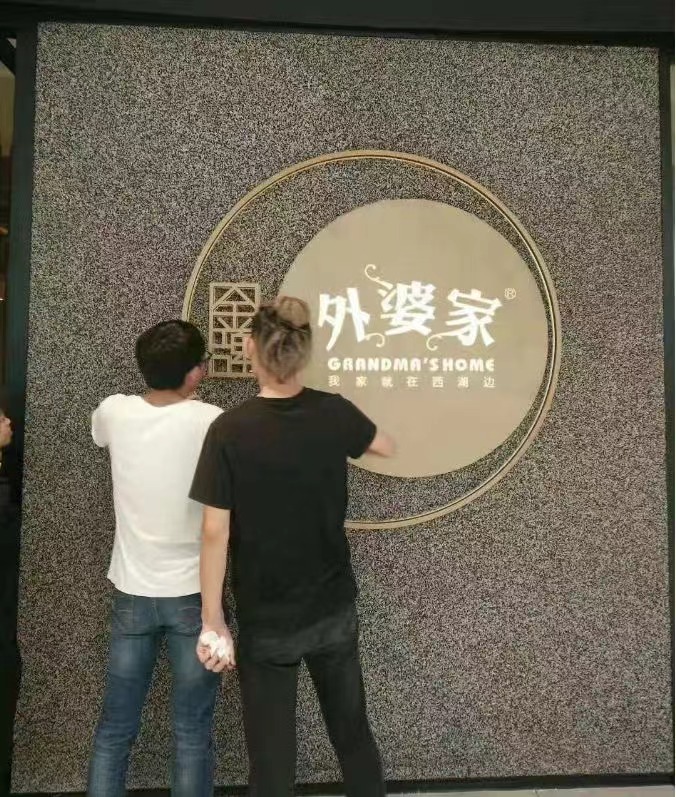
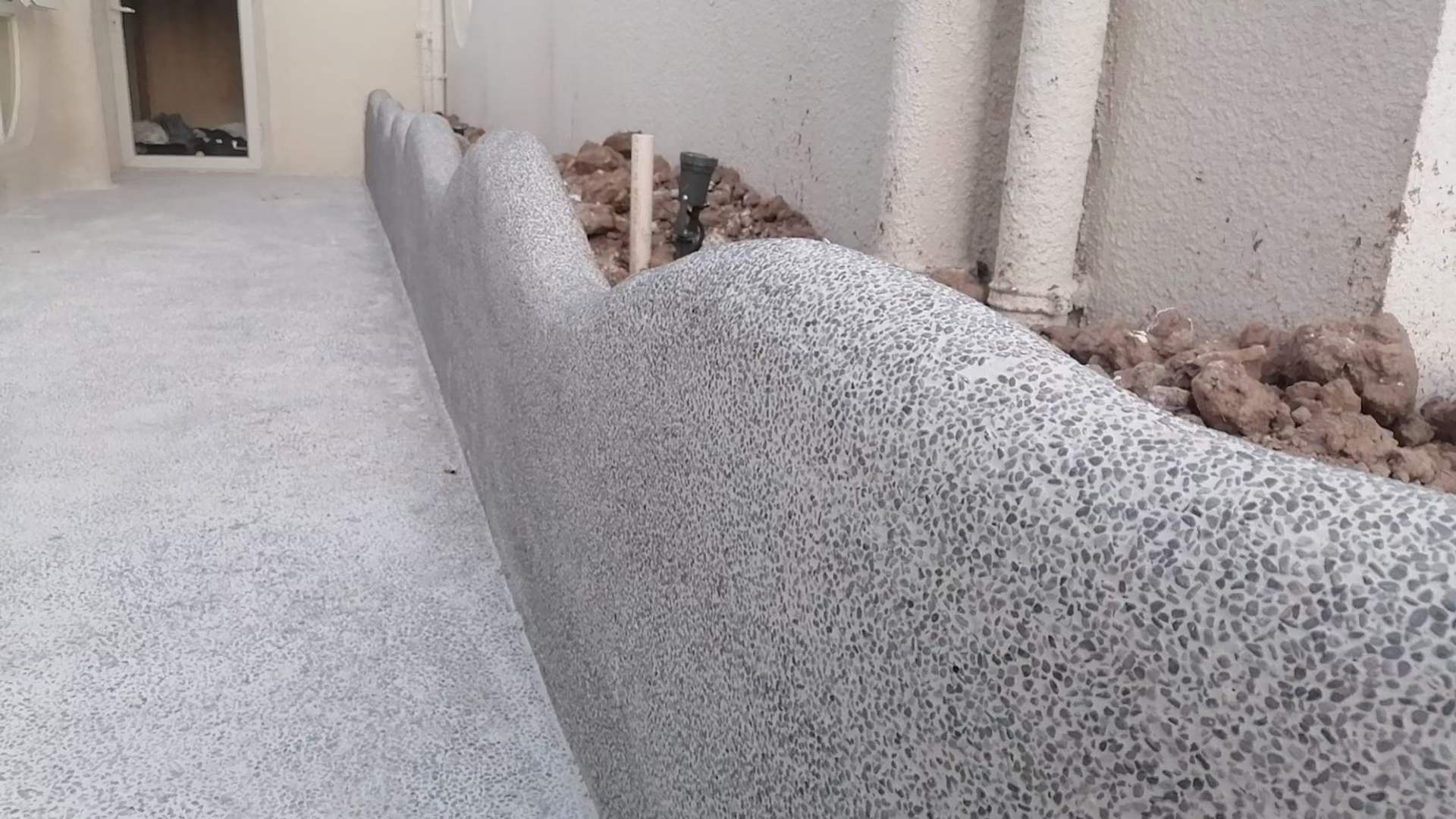
Water-washed stone is a construction technique that has gained popularity in recent years. It primarily involves mixing natural river or sea pebbles or gravels with cement in a proportionate manner and applying the mixture to the base. After leveling with a load-bearing tool, the surface adhesive is treated to reveal the original appearance of the stones. Due to the variety of colors and shapes in its raw materials, it can be used to decorate patterns of various shapes and designs. It is widely applied in interior decoration and outdoor landscape design. Some large-area exterior wall renovations also use water-washed stone, conveying a natural and simple feel.

Cautionary Notes:
1. Pay attention to the content of washed stone; too little affects the appearance, and too much may not bond securely. For instance, with particle sizes of 3-5mm, an ideal content per square meter is 18-20kg.
2. Mix gravel and cement thoroughly before adding water. Clean any debris from the concrete sublayer before laying to prevent loose gravel from causing cracks and poor adhesion.
3. The surface layer of washed stone can be joined with other paving materials using copper strips or PE separator strips, ensuring the完整性 of the washed stone edging.
4. When flattening, use a trowel to gently tap and smooth the mixed slurry repeatedly, ensuring thorough bonding between the slurry and the base layer for even stone distribution. Outdoor construction temperatures should not be below 4°C to prevent bonding and curing issues, which can lead to easy detachment.
5. Clean the surface with a sponge promptly when it's semi-dry and repair the stone granules.
6. Ensure timely protection of finished products, and after complete drying, apply water-based resin to achieve waterproof, stain-resistant, and brightening effects.