




《Grouting Materials and Construction Techniques》This book primarily introduces grouting materials, grouting theory, grouting design, grouting techniques, grouting equipment, and grouting project management. The editorial content simultaneously adopts the method of analyzing typical application cases, focusing on the selection of grouting plans and construction techniques in grouting reinforcement for mine tunnels, water blocking in oilfield, grouting reinforcement for highway and airport runway subgrades, hydraulic engineering projects such as dam foundations and reservoir culverts, and grouting reinforcement for road and subway projects and building foundations. Additionally, the book introduces some new grouting materials and techniques, as well as the latest research status and development trends at home and abroad. [1] It has been commonly believed that grouting is an empirical discipline, a craft, or even a technique. In reality, grouting is a science, akin to engineering geology, soil mechanics, rock mechanics, and hydrogeology. With the indispensable role of grouting technology in mining and geotechnical engineering, and with the advancements in the latest research on grouting materials, theory, and equipment, grouting technology has formed a relatively complete discipline system. The first to the seventh chapters of this book cover the basics of grouting materials and technology, mainly introducing the latest research developments in grouting materials and techniques, grouting theory, design, techniques, equipment, and project management. The eighth to the eighteenth chapters, utilizing the method of analyzing typical application cases, focus on the selection of grouting plans, construction techniques, and analysis of construction effects in grouting reinforcement for mine tunnels, water blocking in oilfields, grouting reinforcement for highway and airport runway subgrades, hydraulic engineering projects such as dam foundations and culverts, and grouting reinforcement for road and subway projects and building foundations.
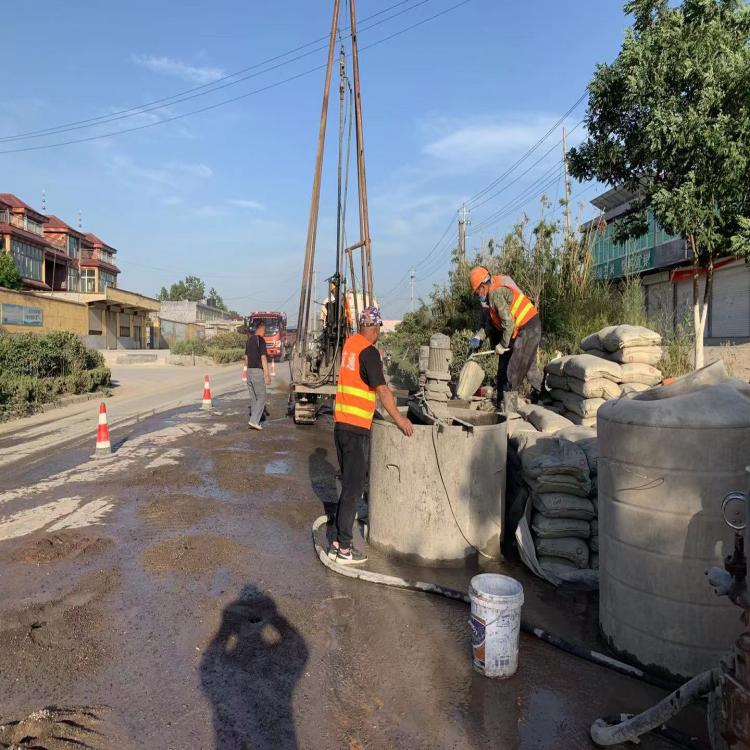
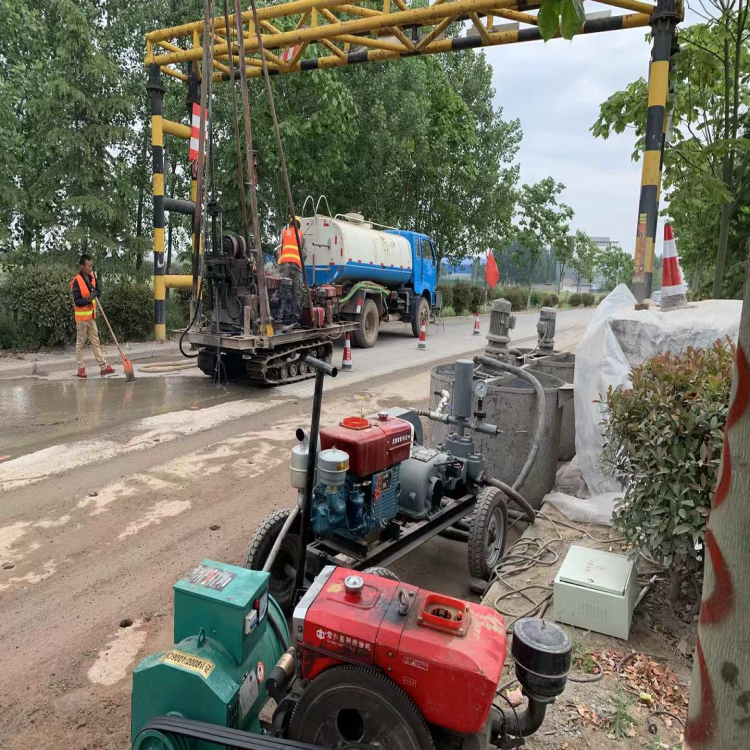
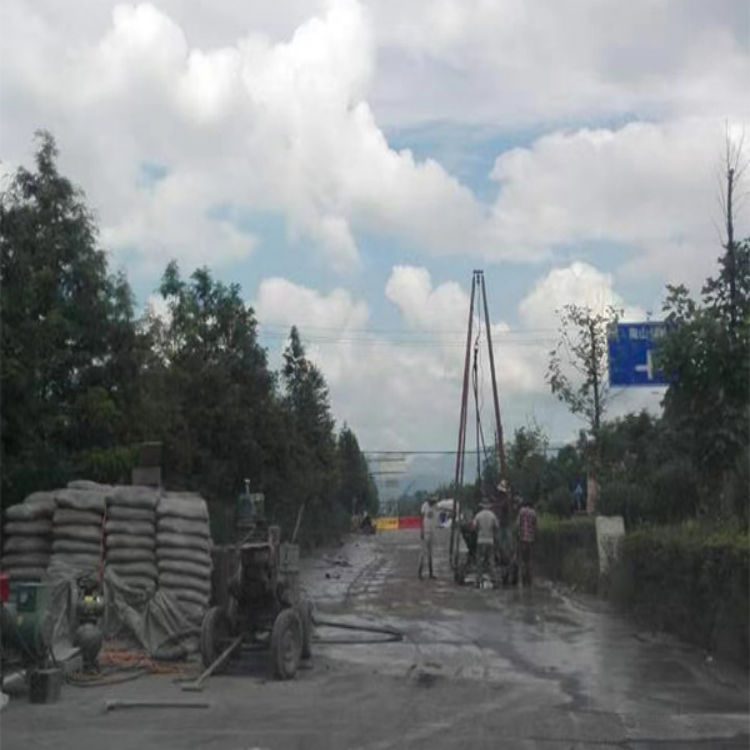
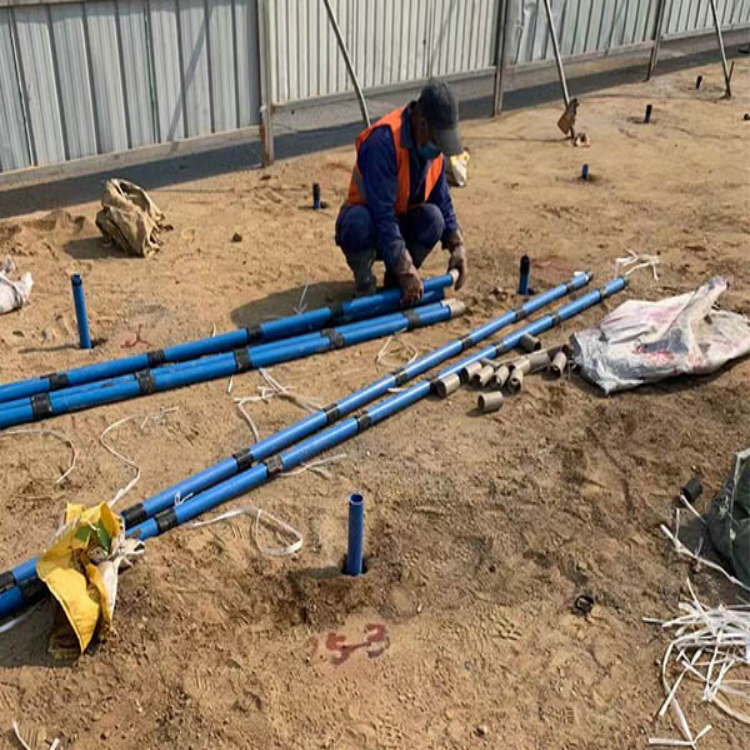
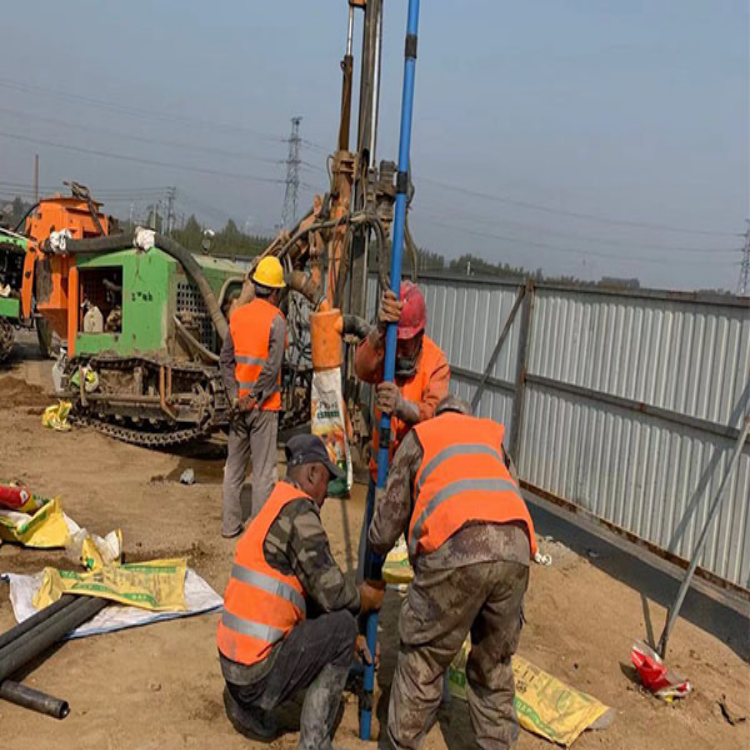
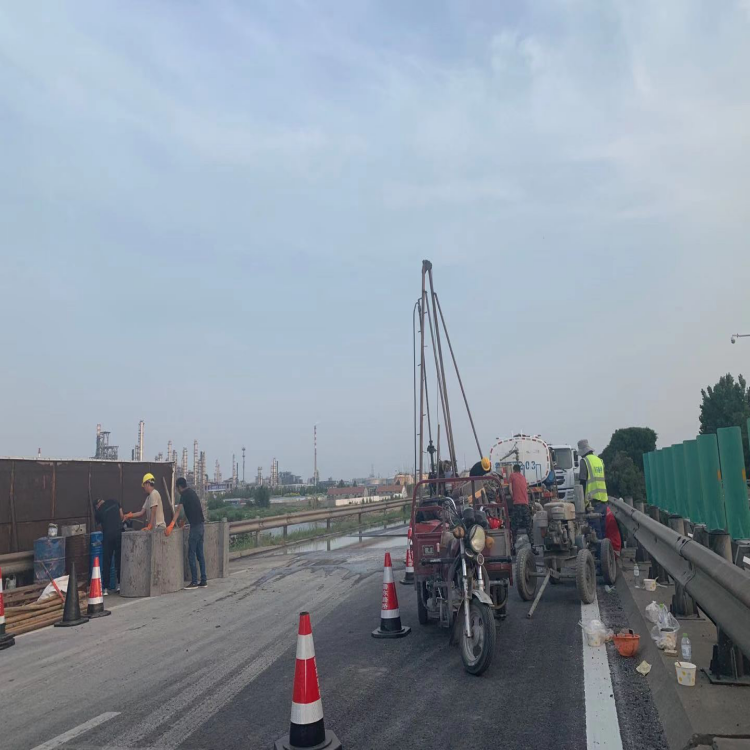
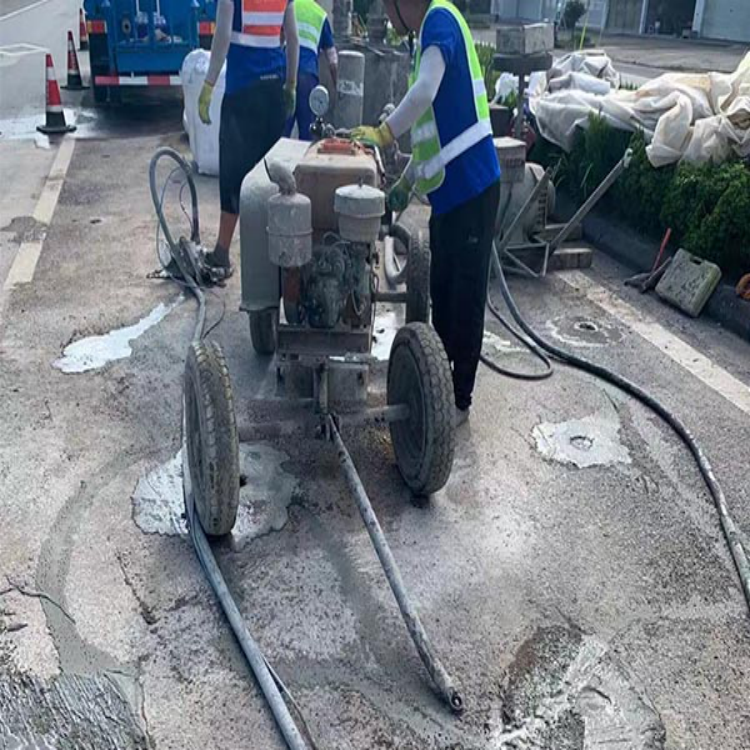
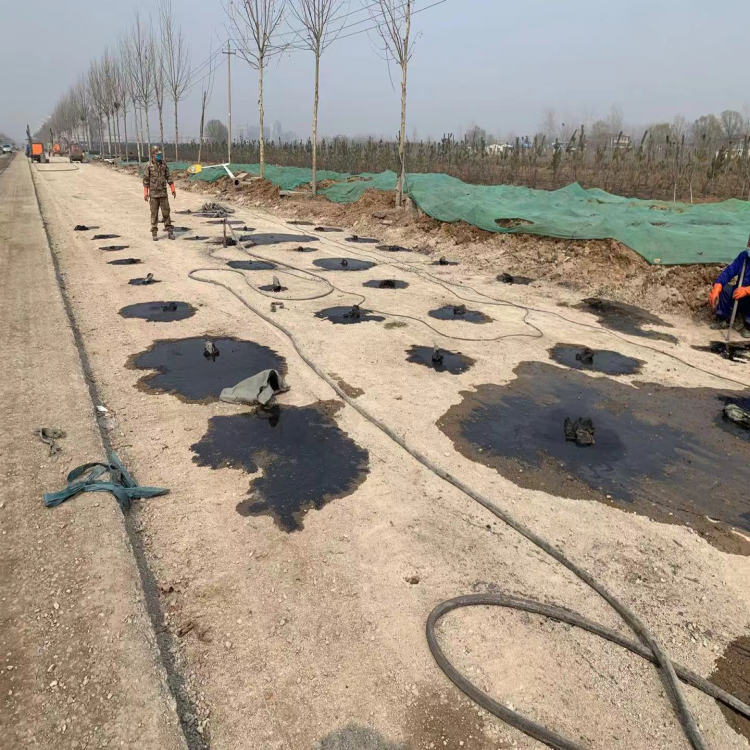
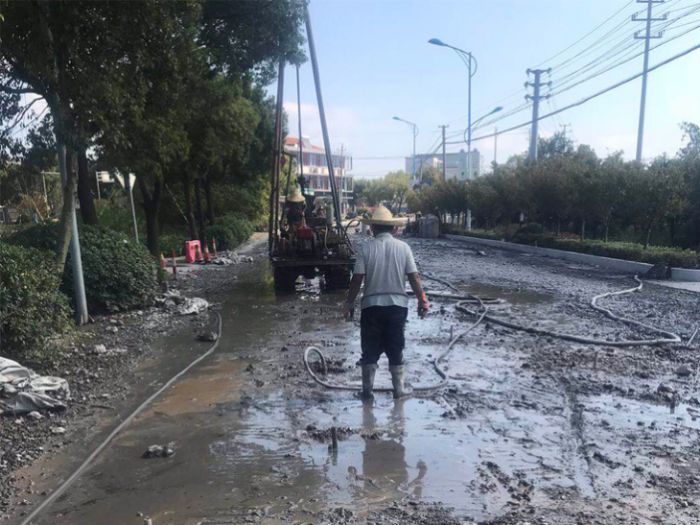
The subgrade grouting construction team explains that the so-called direct grouting method refers to the method of directly placing the grouting pipe into the soil mass using vibration or drilling and then performing the grouting. Depending on the different types of grouting pipes used, the direct grouting method can be categorized into grouting pipe grouting, flower pipe grouting, drill rod grouting, and plug grouting, among others.
Grouting through Grout Pipe: A method of grouting directly through the orifice at the bottom of the grout pipe; Grouting through Latticed Pipe: A method of grouting using a grout pipe (latticed pipe) with multiple grouting holes set in the side wall; Drilling Rod Grouting: A method of grouting directly through the drilling rod used for boreholes.
The construction steps for these three grouting methods are basically consistent:
(1) Lower pipe
Grouting pipes are generally inserted into the soil to the predetermined depth using a vibration method, with the option of pre-drilling to a certain depth first for greater depths. The drilling rod grouting method directly places the grouting pipe (drilling rod) into the soil through drilling.
(2) Gating
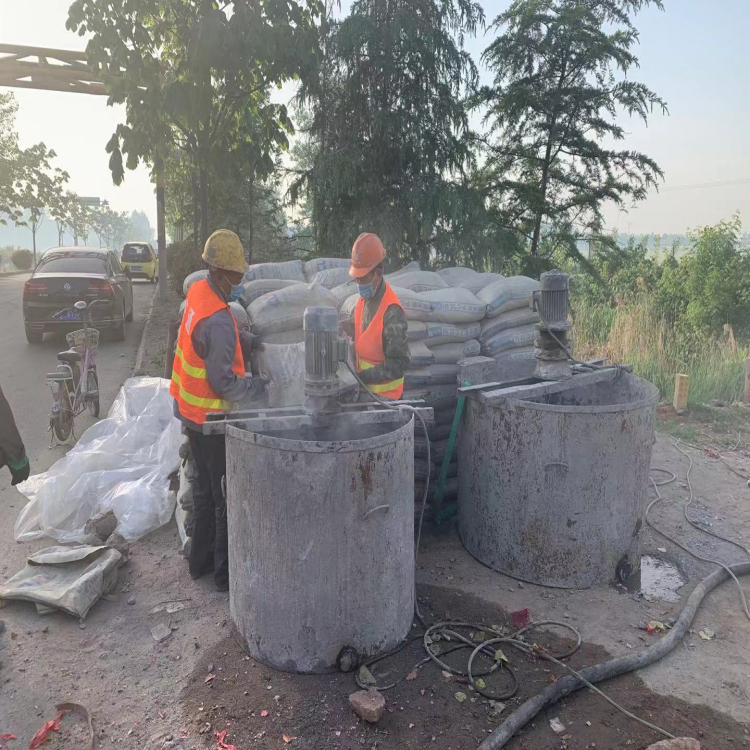
Connect the pulping equipment, grouting pump, and lowered grouting pipe. Pulping is carried out as required, and the slurry is injected into the soil through the grouting pump. After completing the grouting section, move the grouting pipe upwards or continue downwards as required to perform the construction of the next grouting section.
Grouting methods such as slurry grouting through casing pipes, slurry grouting through flower pipes, and slurry grouting through drill strings share a common drawback compared to sleeve valve grouting: they tend to leak along the pipe walls during grouting and have poor stratification effects, which are more pronounced when using slurry with better fluidity and longer initial setting time. Their advantages, however, lie in simple and flexible equipment and processes, good mobility, and rapid construction speeds, making them more suitable for situations requiring quick responses.
Grouting with plug-in stoppers is commonly used for grouting rock fissures, featuring stoppers on the grouting pipe to seal the upper section of the grouting area. The main construction steps are as follows:
(1) Grouting hole formation
Generally, a rotary drilling rig is used for boring. It is required that all grouting holes within the rock strata be cored to investigate the development and distribution of the rock fractures. The core recovery rate should reach 80-90% in hard rock formations and 70% in fractured rock formations. The cleaning fluid for boring is mainly fresh water, but if the rock is破碎ed and the borehole collapse is severe, dilute mud slurry can also be used as the circulating fluid.
The grouting holes are generally equipped with a 6-10m long hole mouth pipe at the opening to prevent possible cave-ins and serve as a guide during drilling. It is also used to install hole mouth sealing devices and prevent slurry leakage during grouting.
After drilling the grouting holes, install and lower the grouting tube, plug, and mixer, etc., into the holes.
(2) Pressure Test
Pressure testing involves injecting clear water into the grouting section using a grouting pump, primarily to:
Check the stopper tube head, especially the stopper plug's stoppage effect.
Push the fine rock powder and debris that have not been thoroughly cleaned, remain at the bottom of holes, or stick to the hole walls, outside the grouting area to enhance the bonding strength and impermeability of the grout mass with the fracture surfaces.
③Verify the permeability of the rock strata based on the measured water absorption of the boreholes, to determine the pressure and flow rate for grouting, as well as to establish the grout slurry and its initial concentration.
(3) Gating
Grouting can be divided into segmented descending, segmented ascending, and full-depth grouting methods based on the construction sequence along the stratigraphic depth. The segmented descending method starts from the ground, drills a hole from top to bottom, and grouts a section, then continues to drill and grout downwards in an alternating manner until the designed final grouting depth is reached, after which re-grouting is performed from bottom to top. The segmented ascending method involves drilling the grouting hole to the final depth in one go and then segmentally grouting from bottom to top using a plug. The full-depth grouting method is where the grouting hole is drilled to the final depth in one go, followed by a single grouting operation for the entire depth.
The plug-plugging method for stoping grouting employs stopper plugs that seal off the grouting boreholes, serving as the key device for segmental grouting. A good stopper plug should ensure normal operation under grouting pressures of 10MPa or higher. Currently, the stopper plugs used are categorized into two types based on their structure and working principle: mechanical and hydraulic expansion. The mechanical stopper plug is simpler and more reliable, and is therefore more widely used.