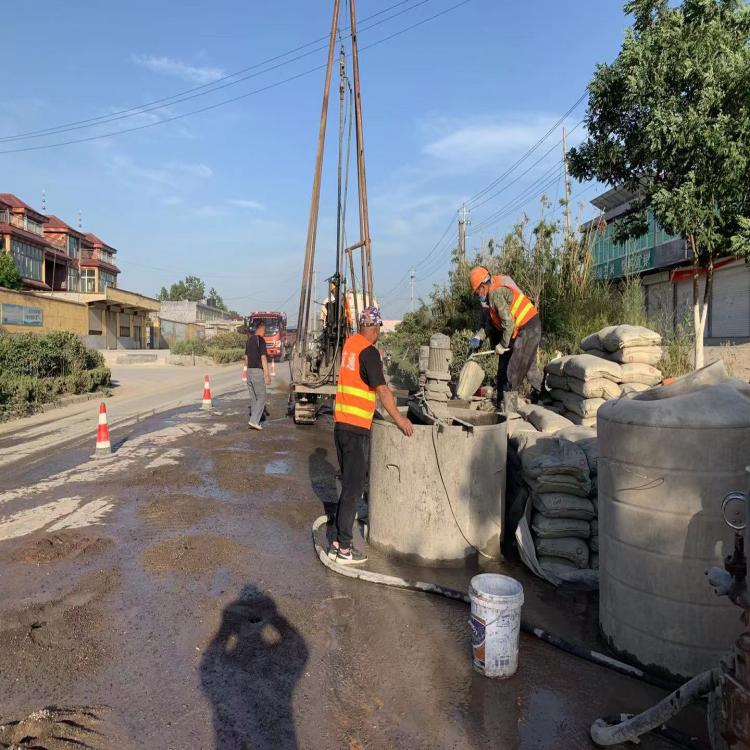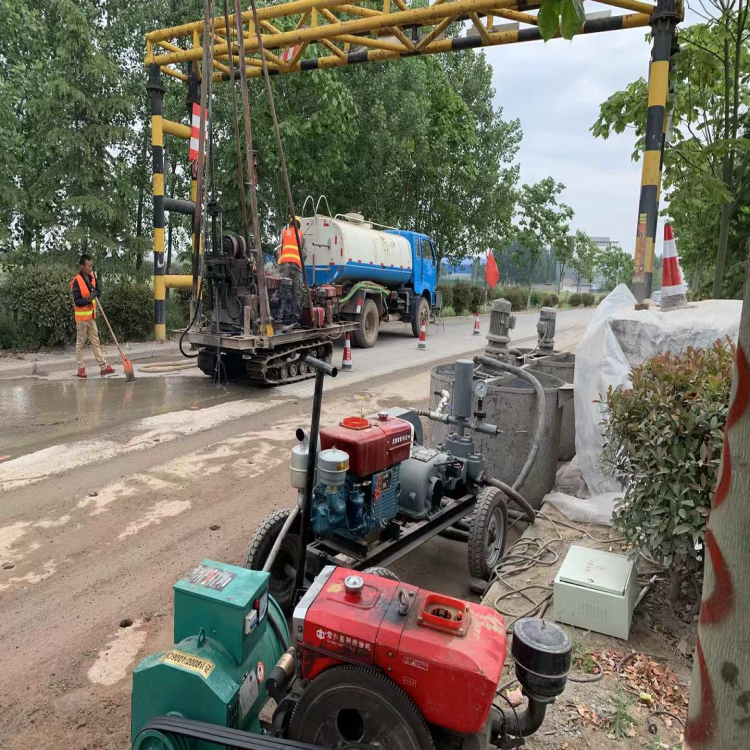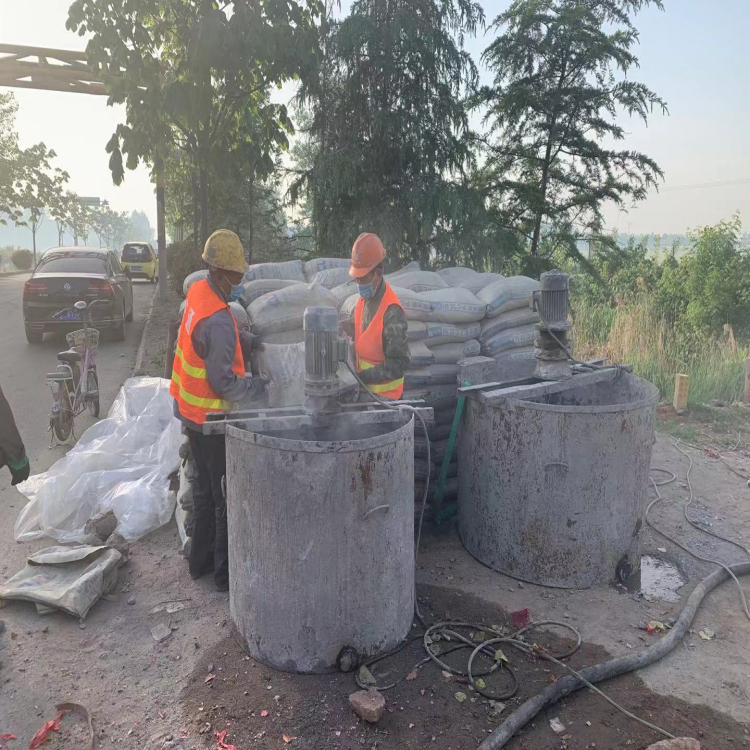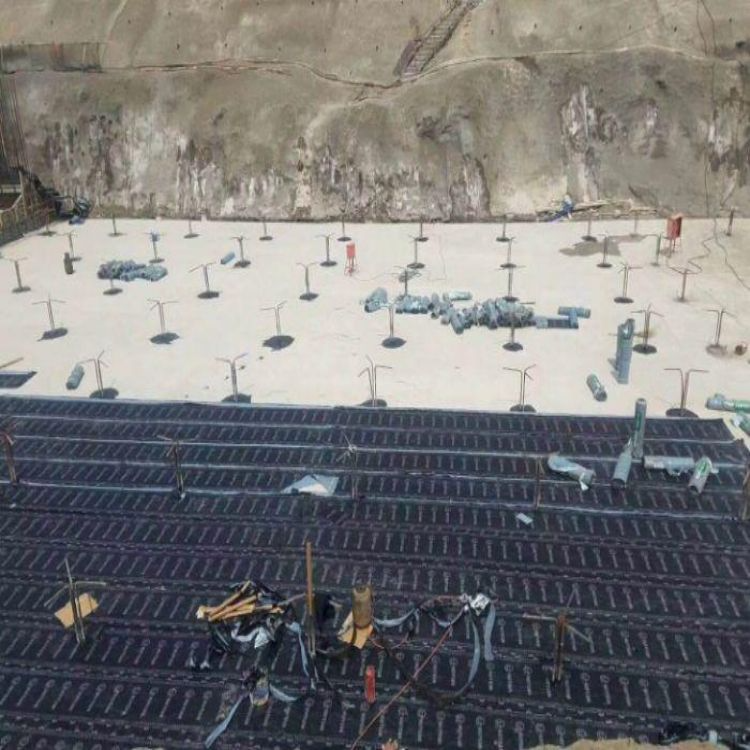


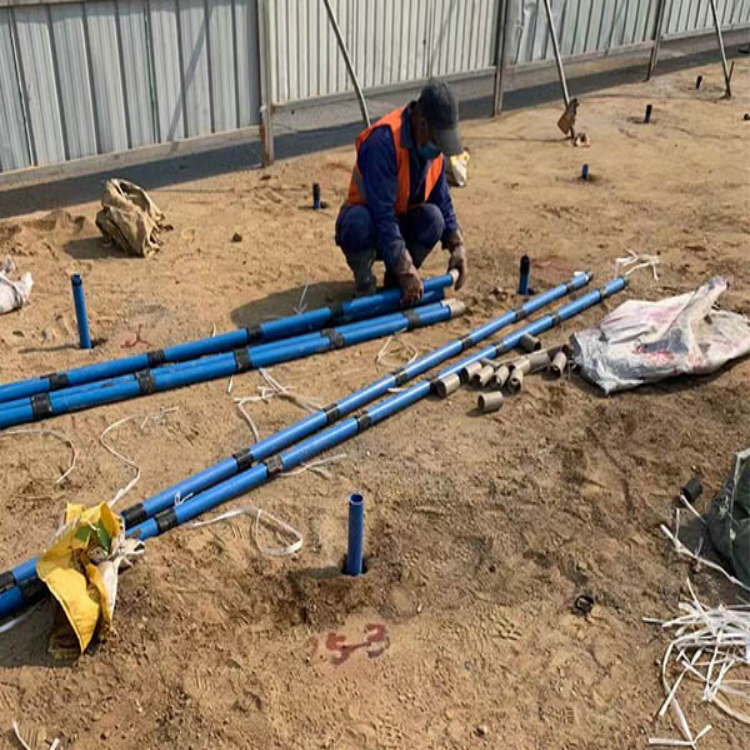
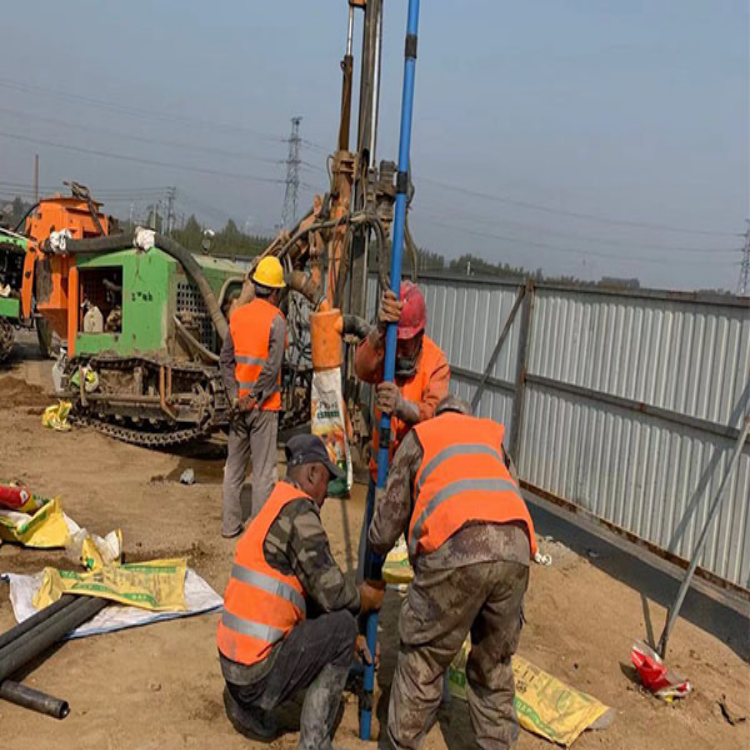
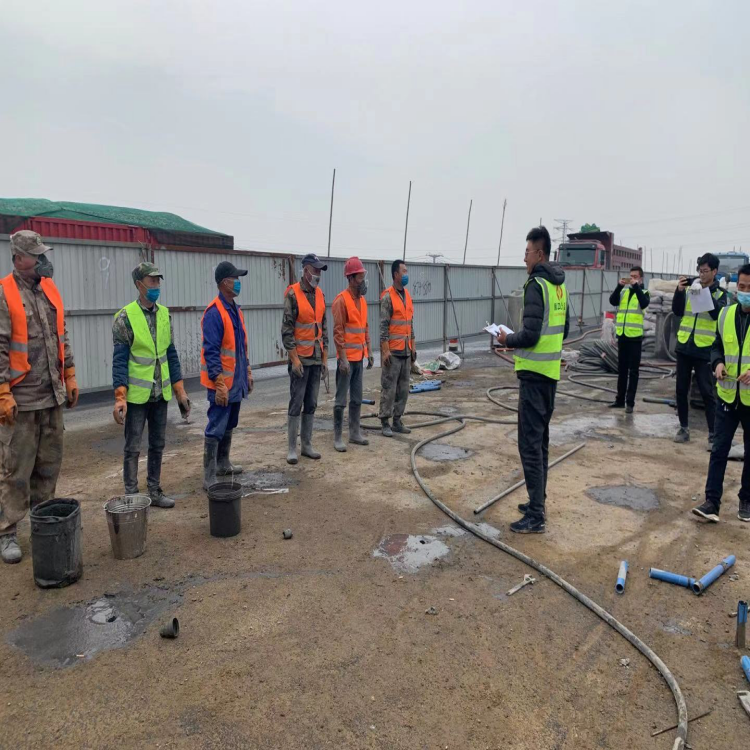
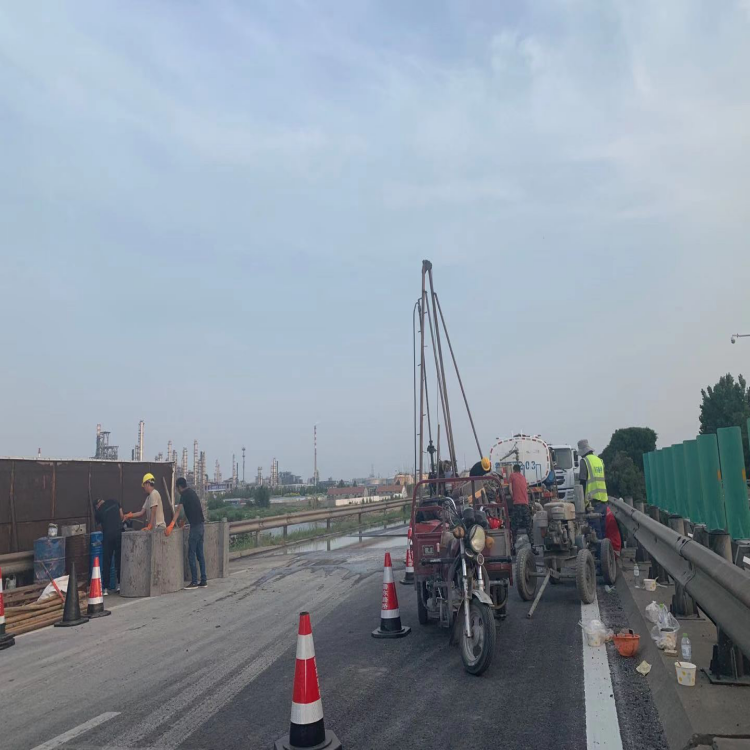
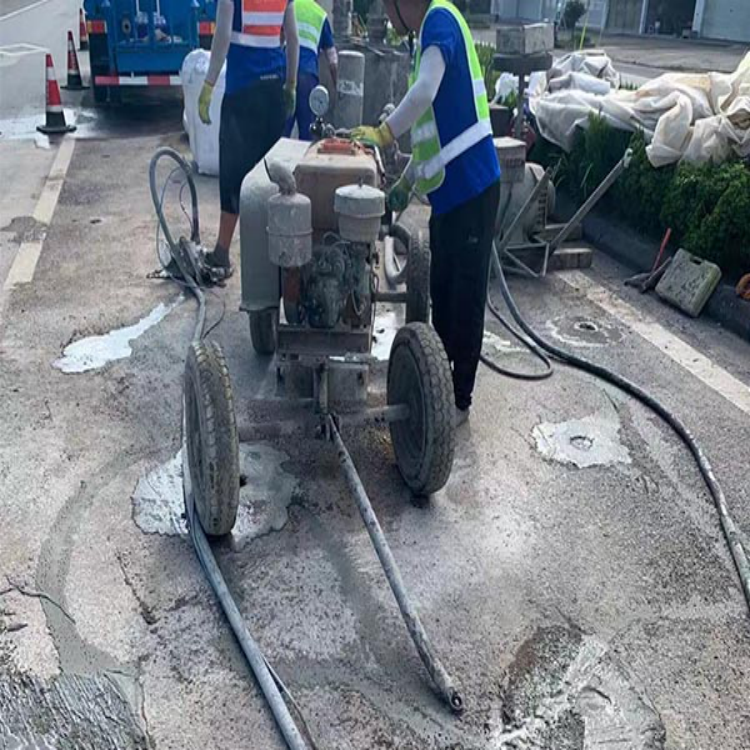





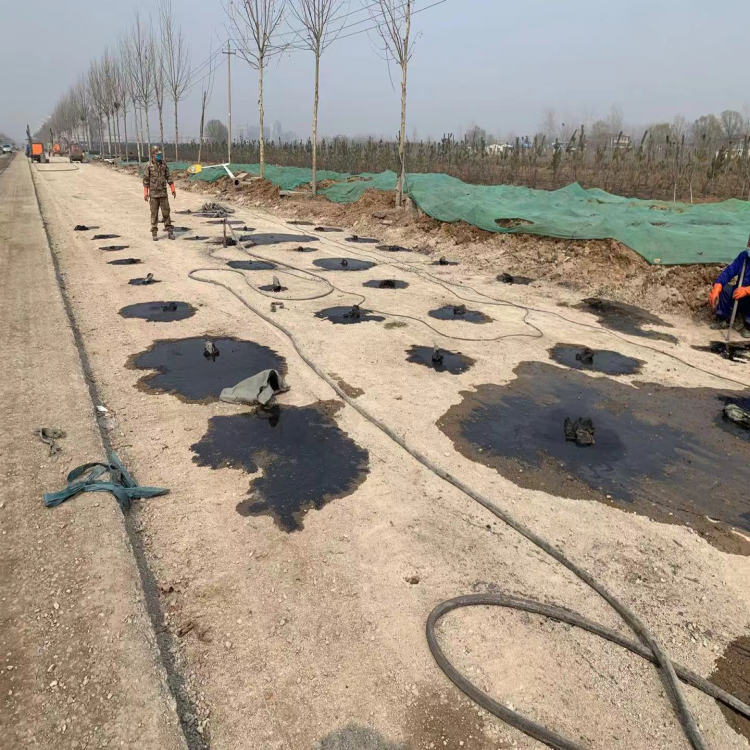
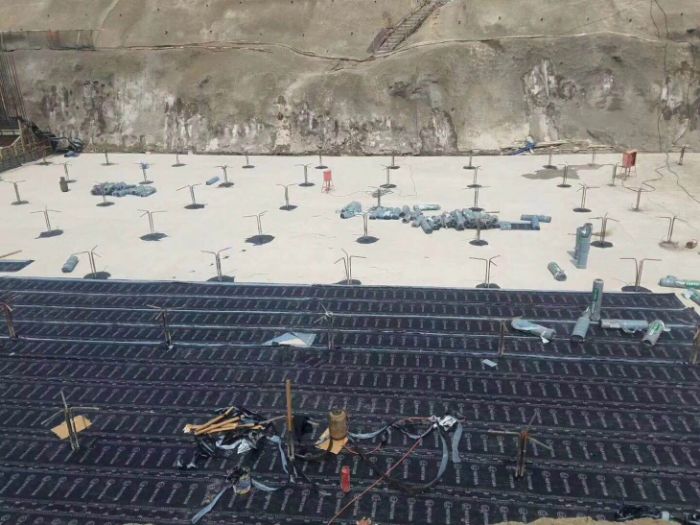
Anti-float anchor rods, also known as anti-float piles, are a type of anti-float measure for underground structures in civil engineering projects. Unlike general foundation piles, anti-float anchor rods possess unique properties, with the main difference being that foundation piles are typically designed for compression, with the load from the structure transmitted from the top to the bottom of the pile, and the force on the pile varies with the building load. In contrast, anti-float piles are designed to resist uplift forces, where the force is transmitted from the top to the bottom of the pile as well, but in response to changes in groundwater levels, and the mechanism of force transmission is exactly opposite.
Anti-float anchor piles refer to a general term for various pile types that resist upward displacement of buildings. Unlike common foundation piles, anti-float anchor piles have their unique properties and are specifically designed for resistance to uplift.
Anti-float anchor bolt applicable specifications
The draft for comments on the relevant specification "Technical Specification for Anti-Floating Technology of Underground Structural Buildings" has been released. The current specification "Technical Specification for Geotechnical Anchors and Shotcrete Support Engineering" (GB 50086 - 2015) provides detailed introductions to the design and construction of anti-floating anchors.
The "Rock Bolt Foundation" section in GB50007-2011 "Code for Design of Foundation of Buildings" and the relevant part about bolts in GB50330-2013 "Technical Specification for Slope Engineering of Buildings" can be referenced for estimation purposes. However, it's best to use them only for estimation. The characteristic value of the pull-out bearing capacity of bolts should be determined through on-site tests. Some construction methods for bolts can be referred to. For bolt estimation, it is recommended to use GB 50330-2013 "Technical Specification for Slope Engineering of Buildings," which provides detailed classifications of geotechnical materials and necessary parameters. Estimation of bolt pull-out force can also be done according to CECS22:2005 "Technical Code for Geotechnical Anchors (Cables)."
Calculation Content for Anti-Floating Anchor Rods
1) Anchor rod steel section area
2) Anchor rod grout length into soil layer
3) Anchor rod reinforcement and anchor grout bonding length
4) Soil or rock mass strength calculation
Anti-float anchor bolt precautions
1) Concentrated dot arrangement, the combination of anti-float anchor rods and rock anchor rods is preferable; pay attention to the influence of column bottom bending moment on the tensile force of the anchor rods, especially when the column bottom bending moment is significant.
2) Refer to the "Technical Specification for the Construction of Slope Engineering GB 50330-2013", and select the relevant content regarding permanent anchors.
3) Rock conditions (hard rock, relatively hard rock, relatively soft rock, soft rock, extremely soft rock) should be accurately differentiated; refer to Note 4 of Table 7.2.3-1 in "Code for Engineering Technology of Building Slopes GB 50330-2013."
4) The characteristic value of anchor rod tensile-bearing capacity should be determined through on-site tests, and can refer to Appendix C of "Technical Specification for the Construction of Slope Engineering" GB 50330-2013.
5) The determination of the anti-floatation design water level should be reasonable and reliable, generally provided by geological survey units, which are more reliable and persuasive. Water level observation wells should be set up, and there should be contingency measures for situations exceeding the anti-floatation design water level.
6) During the field test of the characteristic value of anchor rod tensile bearing capacity, since it is generally loaded with a single anchor rod, the influence of anchor rod spacing is not considered, especially when the anchor rod spacing is dense. When the weight of the soil within the influence range of a single anchor rod is greater than the tensile force of the anchor rod, the influence of anchor rod spacing can be neglected.
7) Since anchor bar reinforcement will penetrate the exterior waterproofing of the base plate, waterproofing measures for the anchor bar reinforcement are required.
8) The anchoring length of anchor bars and anchor solid should be the effective anchoring length. Due to the soil disturbance beneath the foundation slab caused by excavation, especially for excavation sites using blasting methods, an additional 300-500MM is generally required.
Anti-float anchor bolts: Advantages and Disadvantages
1) Pointed arrangement, usually located beneath columns; Advantages: Can fully utilize the vertical forces transmitted from the upper structure to counteract part of the buoyant force of water; Due to the concentrated arrangement of anchor bolts, it has strong resistance. Disadvantages: Requires anchoring in hard rock formations, not suitable for soft rock and soil; The destruction is often the failure of the anchored rock; Due to the dense local arrangement of anchor bolts, the construction of anchor bolts is not convenient; The reinforcing bars of the basement floor slabs are relatively large.
2) The arrangement is typically centralized in the underfloor beams of the basement; advantages: The concentrated arrangement of anchor rods provides strong resistance. Disadvantages: It cannot fully utilize the vertical forces transmitted from the upper structure to counteract part of the buoyant force (personally, I believe this approach leans towards being unsafe; for floor beams with a span-to-height ratio less than 6, it may be appropriate to consider the vertical forces from the upper structure to counteract part of the buoyant force), requires anchoring in harder rock formations, not suitable for soft rock and soil; the reinforcement of the basement floor slab is substantial.
3) Evenly distributed in a flat arrangement, beneath the basement floor slab; Advantages: Suitable for all soil and rock types; Smaller reinforcement required for the basement floor slab beams. Disadvantages: Cannot fully utilize the vertical forces transmitted from the upper structure to counteract some of the buoyant force (personally, I believe this leans towards being unsafe); Poor resistance in cases where individual anchor bolts have insufficient bearing capacity, as there are fewer anchor bolts to share the load; The relatively scattered arrangement of anchor bolts makes external waterproofing work beneath the basement floor slab more complicated.
4) Clustered dot arrangement is recommended for hard rock; clustered linear arrangement is recommended for hard and moderately hard rock; even surface distribution is recommended for all conditions!