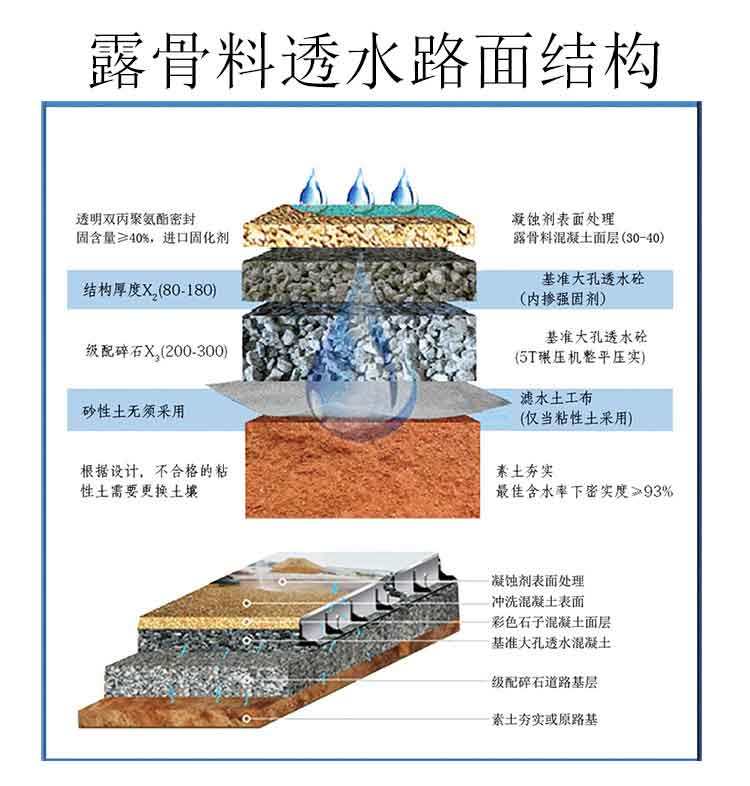



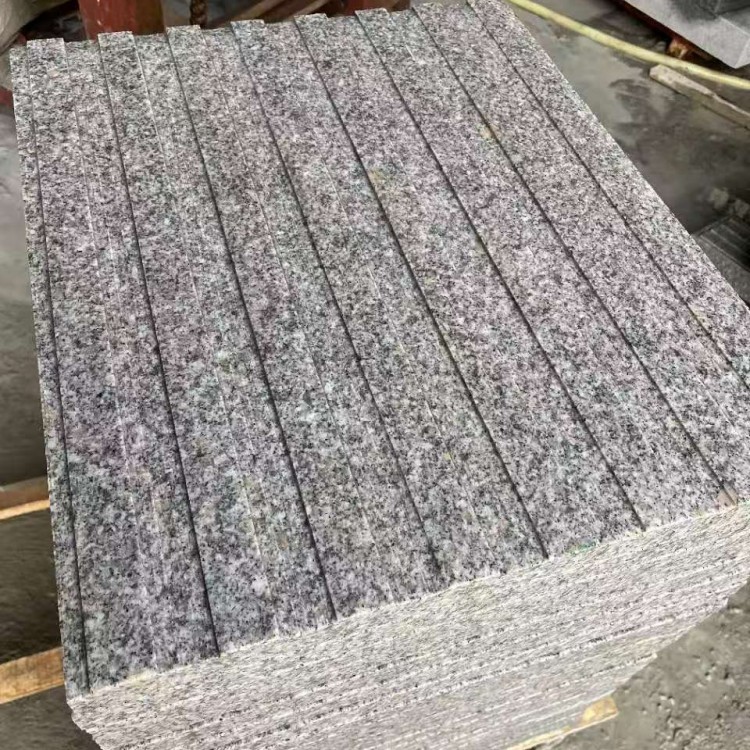







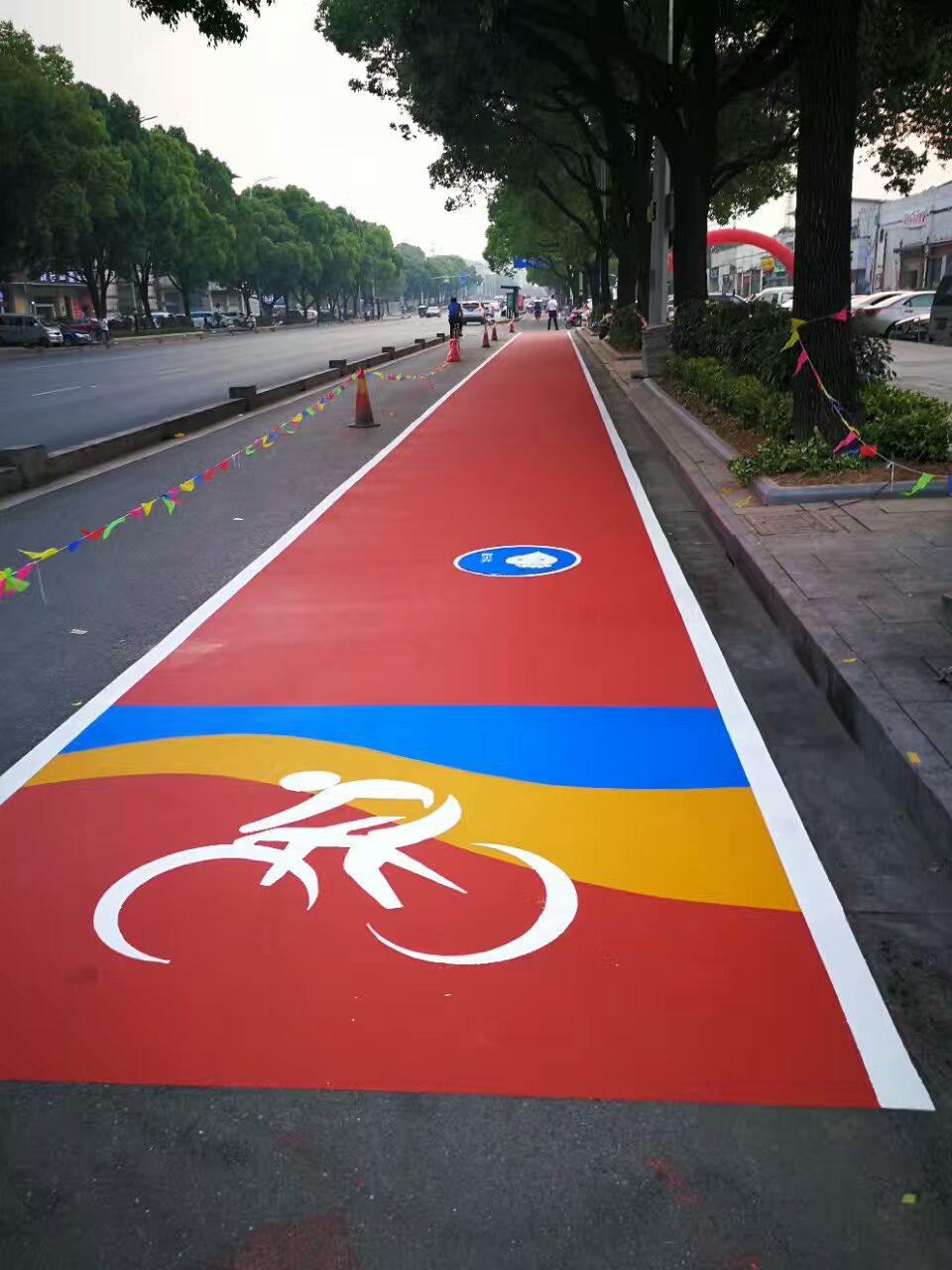
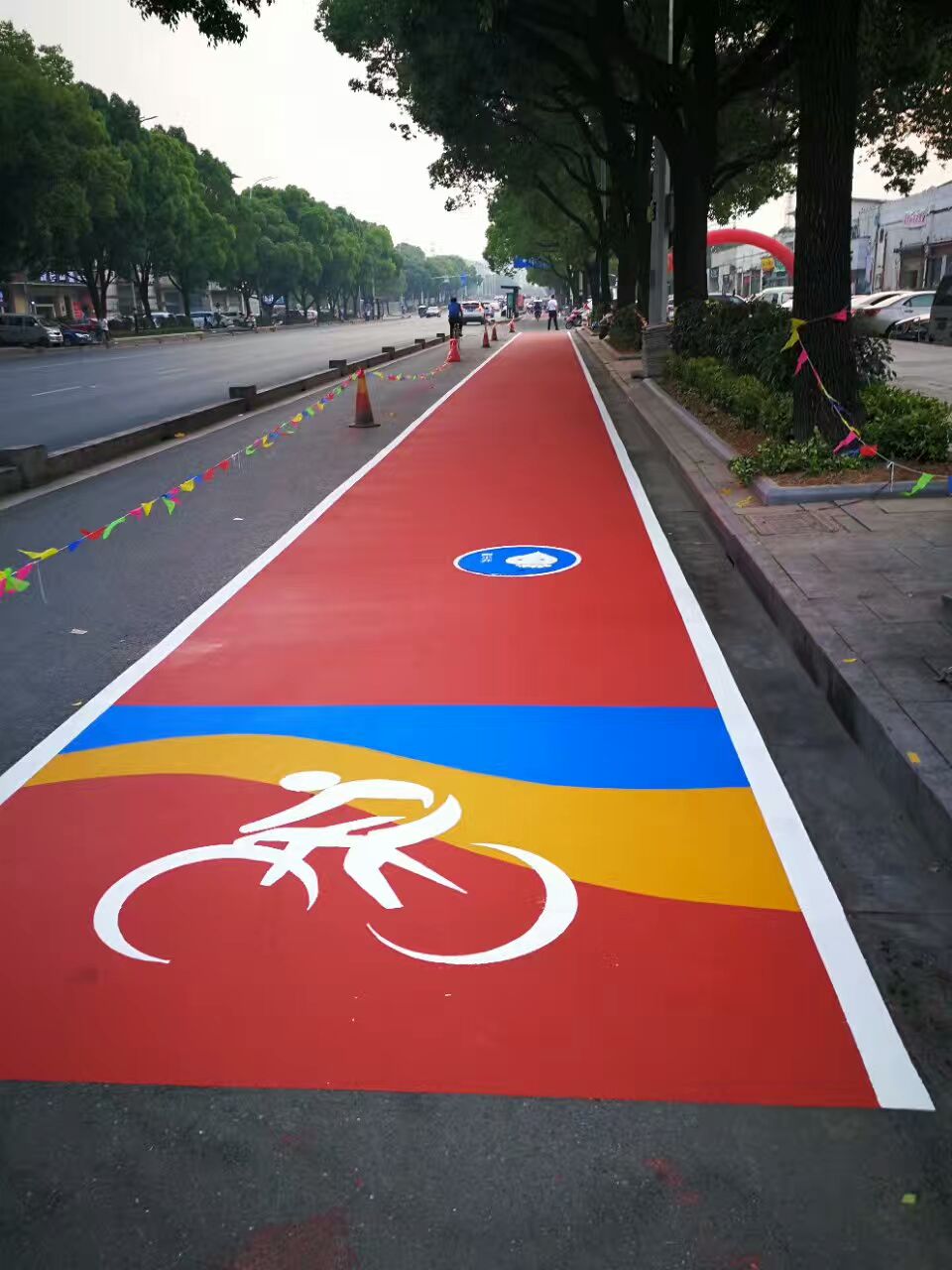
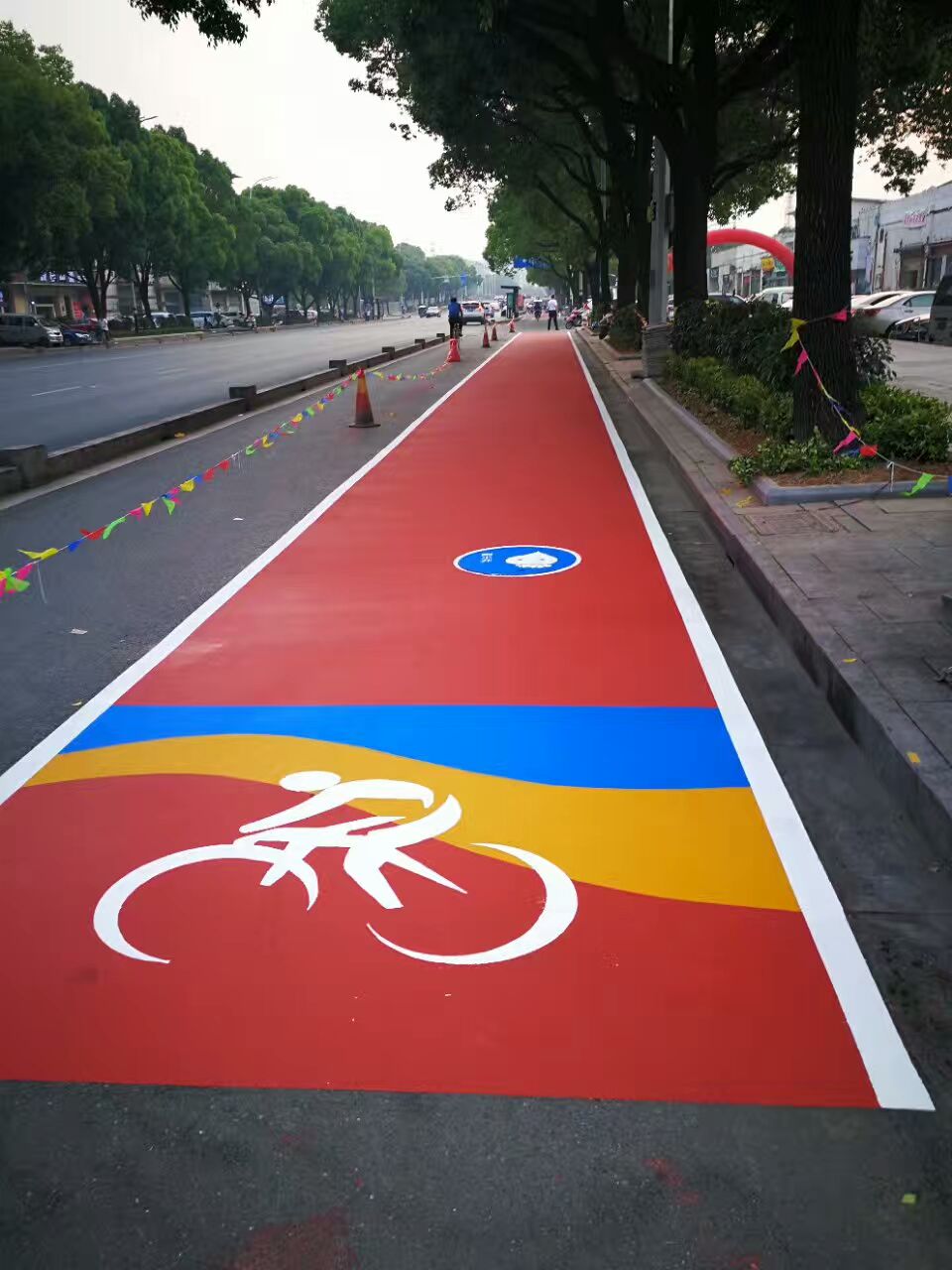
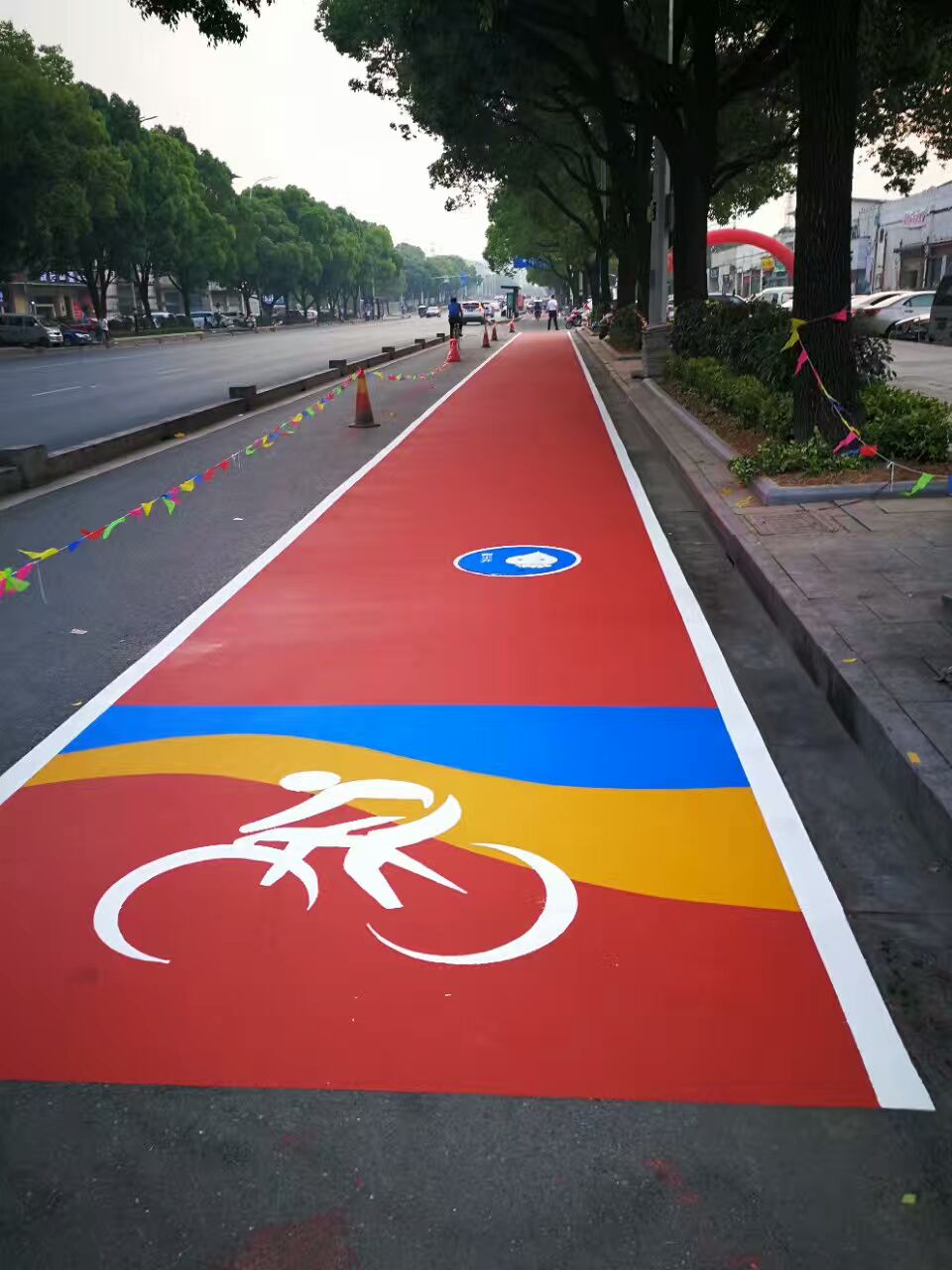
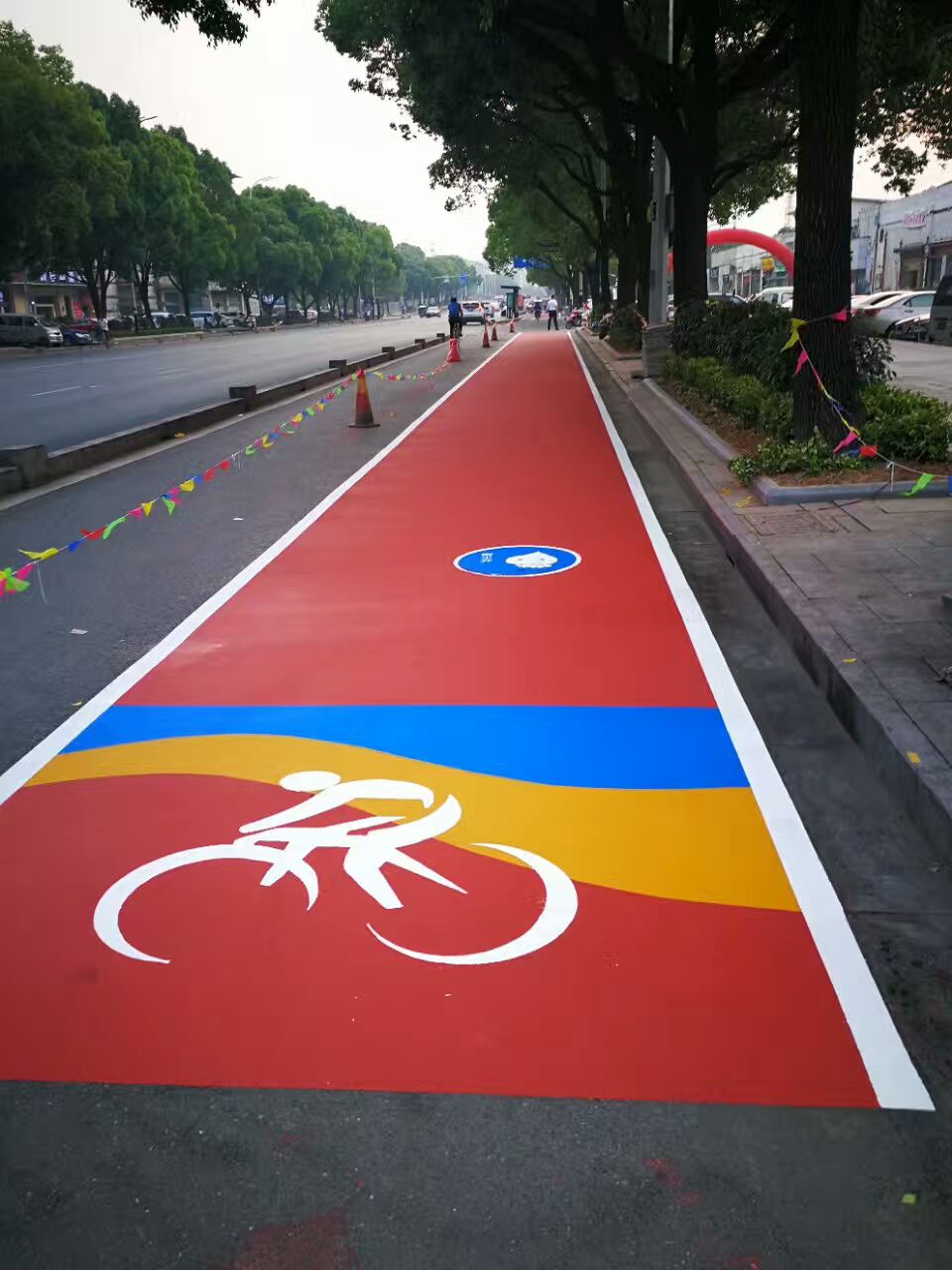
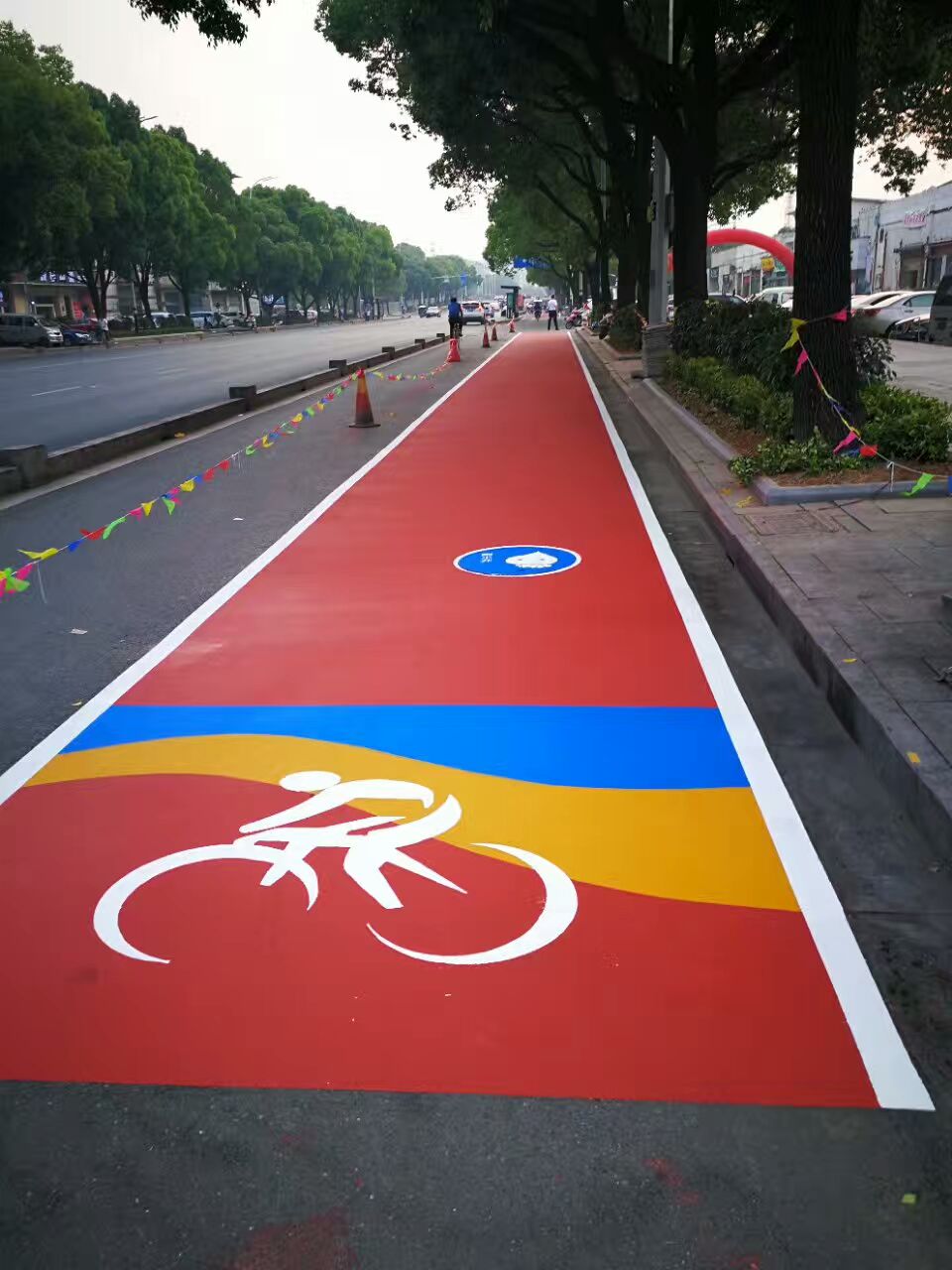
Porous permeable concrete surfaces are a type of lightweight concrete made by mixing aggregates, high-grade cement, admixtures, water-based resins, colored reinforcing agents, stabilizers, and water. They consist of a honeycomb-like structure with uniformly distributed voids, formed by a thin layer of paste coating the surface of the coarse aggregates, which allows for breathability, water permeability, and light weight. As an environmentally friendly concrete that reduces environmental load, the research and development of permeable paving surfaces are gaining increasing attention.

Permeable concrete pavement material is an eco-friendly material with high permeability, essential for sponge city construction. It serves as a new paving method that can partially replace urban paved surfaces, effectively improving the urban ecosystem. It revives the urban ground surface, allows rainwater to infiltrate the ground, effectively eliminates surface waterlogging, and is a green, environmentally friendly ground material that "breathes."

Permeable concrete colored aggregate surfaces possess the following characteristics:
(1) Utilize this permeable material to pave roads with drainage and permeability, enhancing walking comfort and safety, while also reducing the burden on road drainage systems during heavy rainfall seasons.
(2) Maximize the use of rainfall and snowmelt, increase the relative humidity of the surface, maintain soil moisture, and utilize the permeable subgrade as a "reservoir" to replenish the increasingly depleted groundwater resources in urban areas, improve the living conditions for urban surface vegetation and soil microorganisms, and adjust the ecological balance.
(3) This material possesses the characteristic of absorbing noise generated during vehicle operation, which is conducive to creating a quiet and comfortable traffic environment.
(4) Increase the permeable and breathable areas in urban areas, regulate urban climate, reduce ground surface temperature, and benefit the urban "heat island" phenomenon.
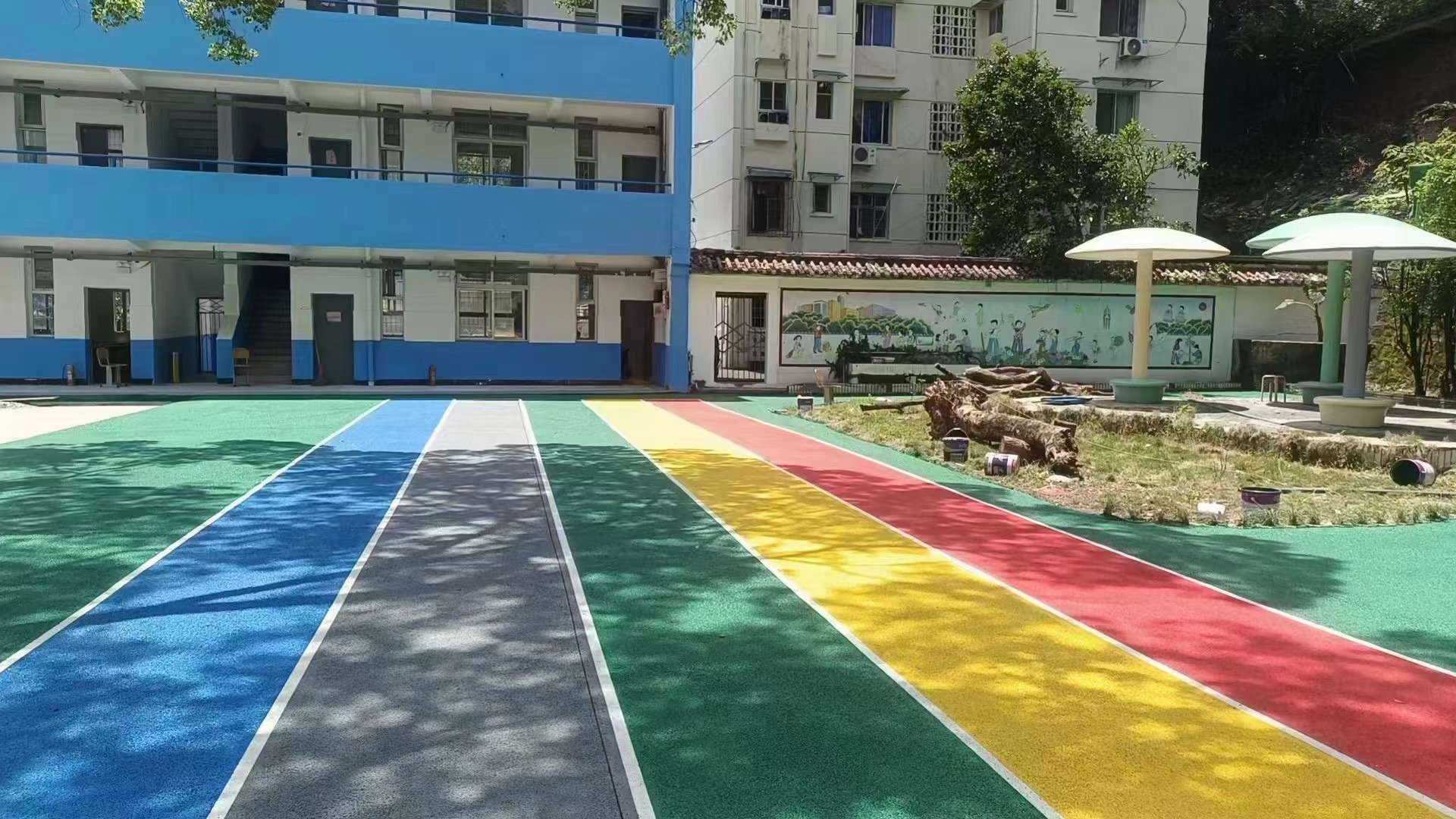
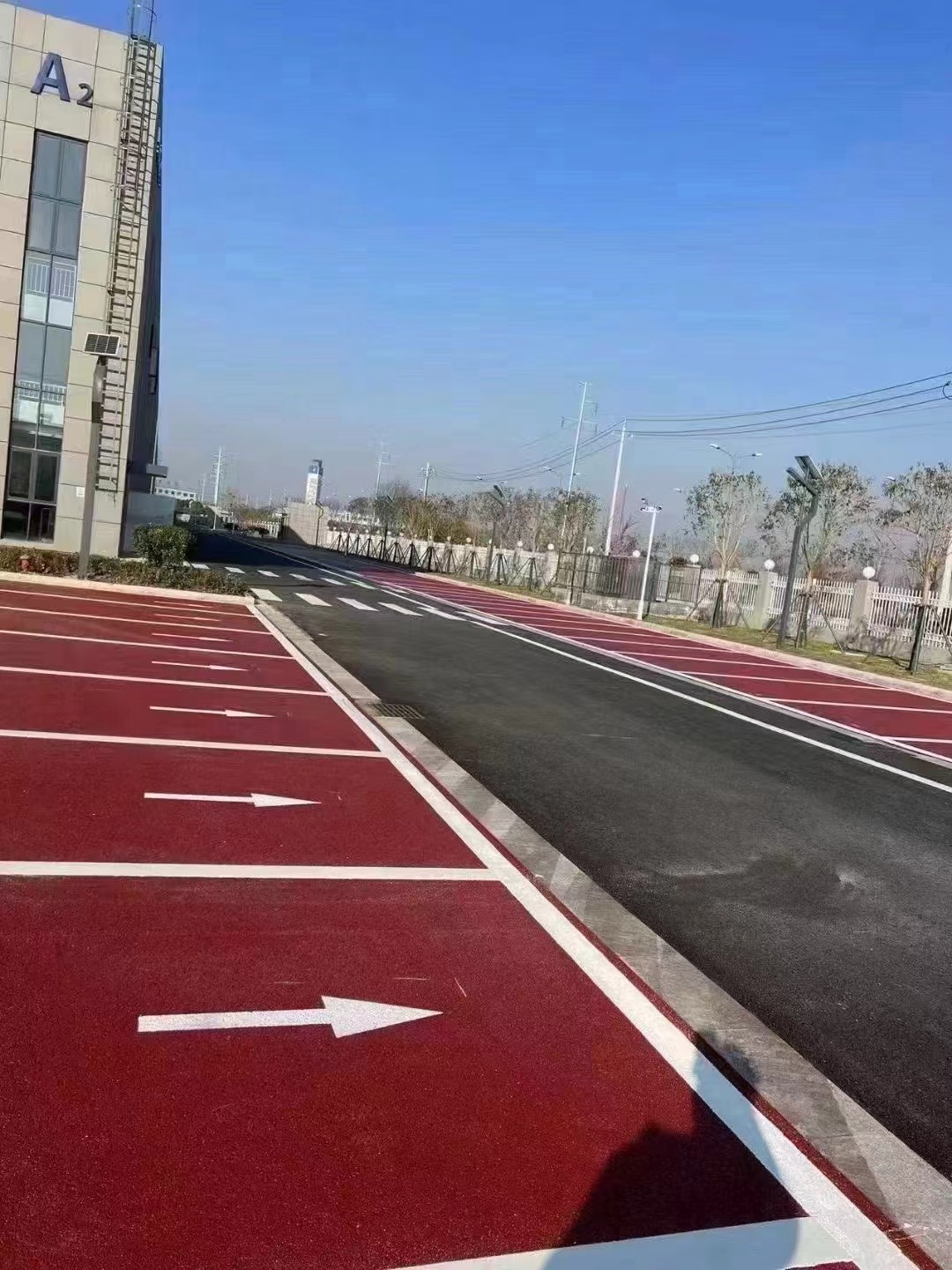
(5) Available in various colors and thicknesses. Patterns, colors can be designed according to environmental and functional requirements, fully integrating with the surrounding environment.
(6) Large voids can adsorb urban pollutants and dust, reducing dust pollution.