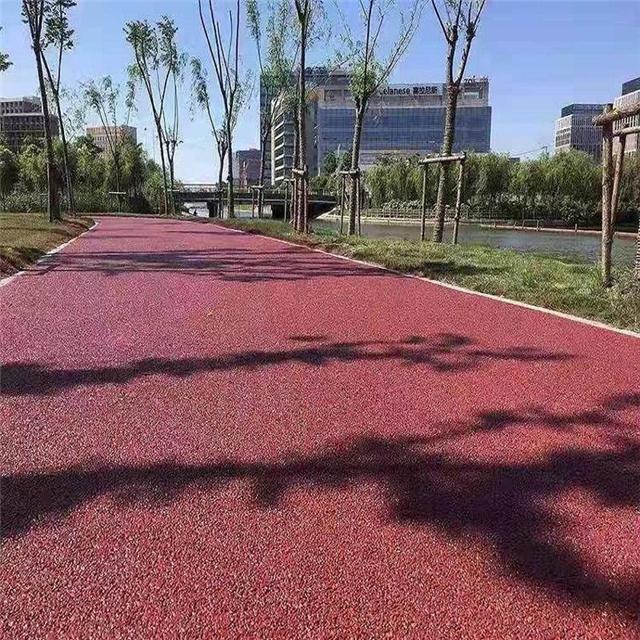



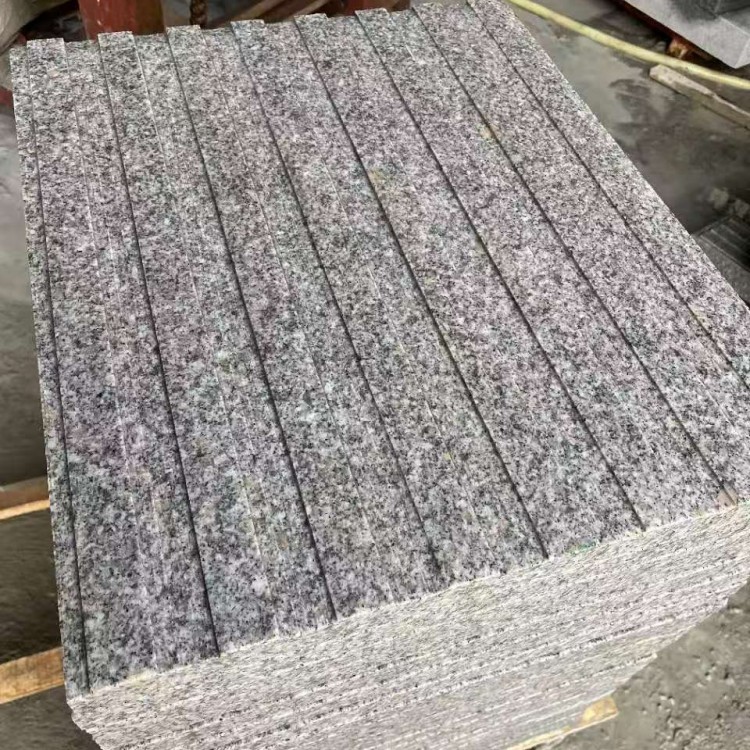







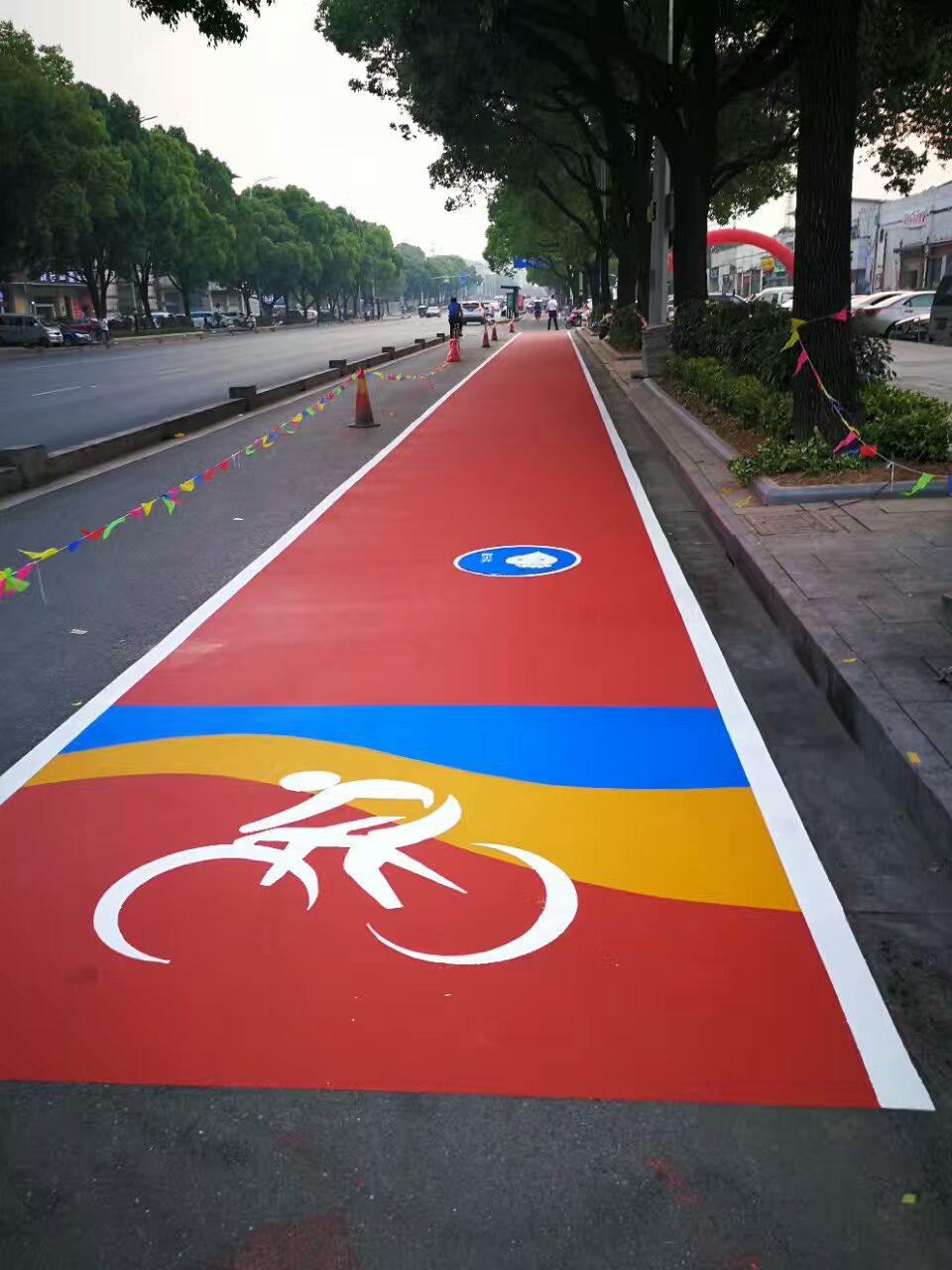
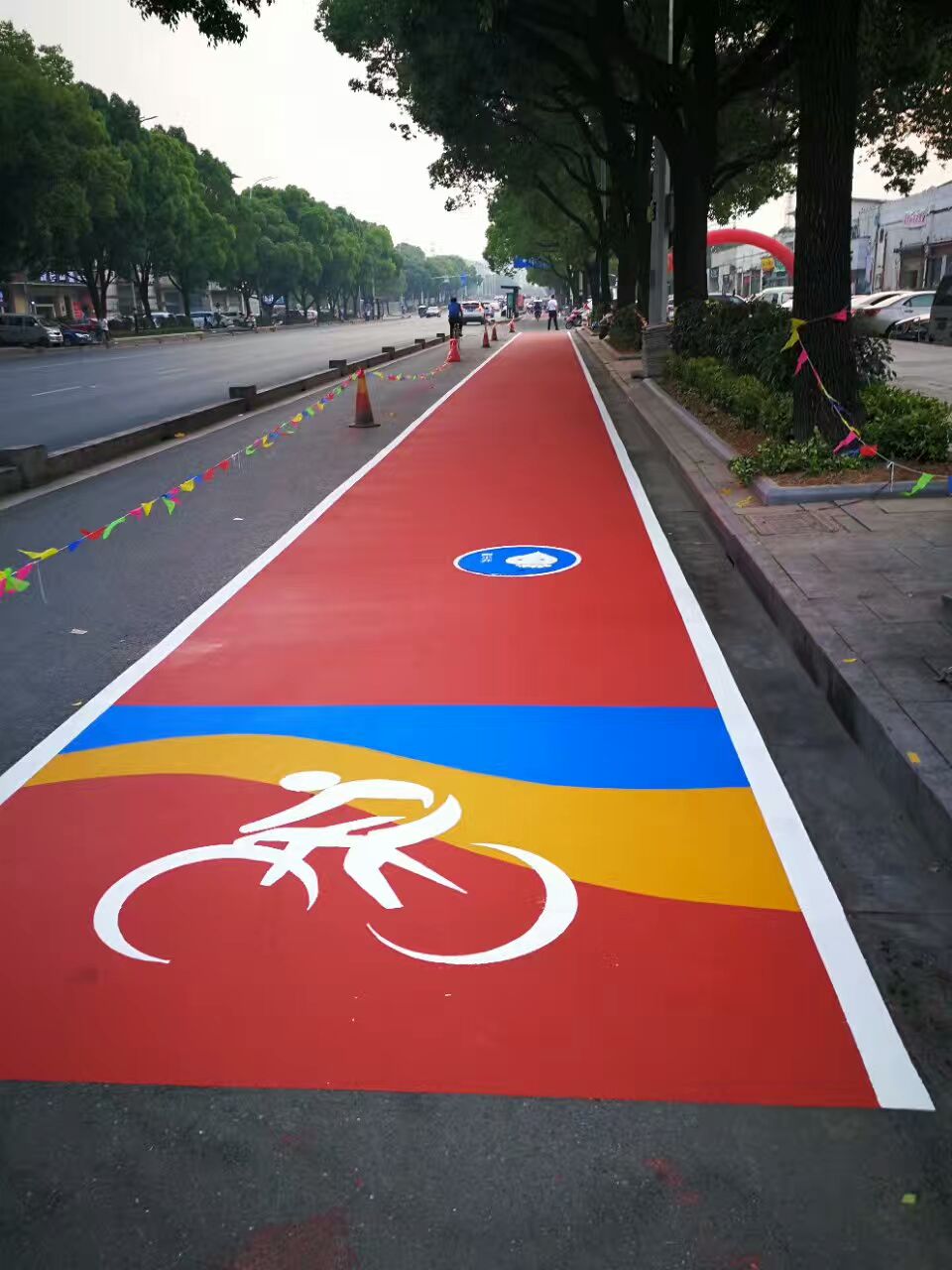
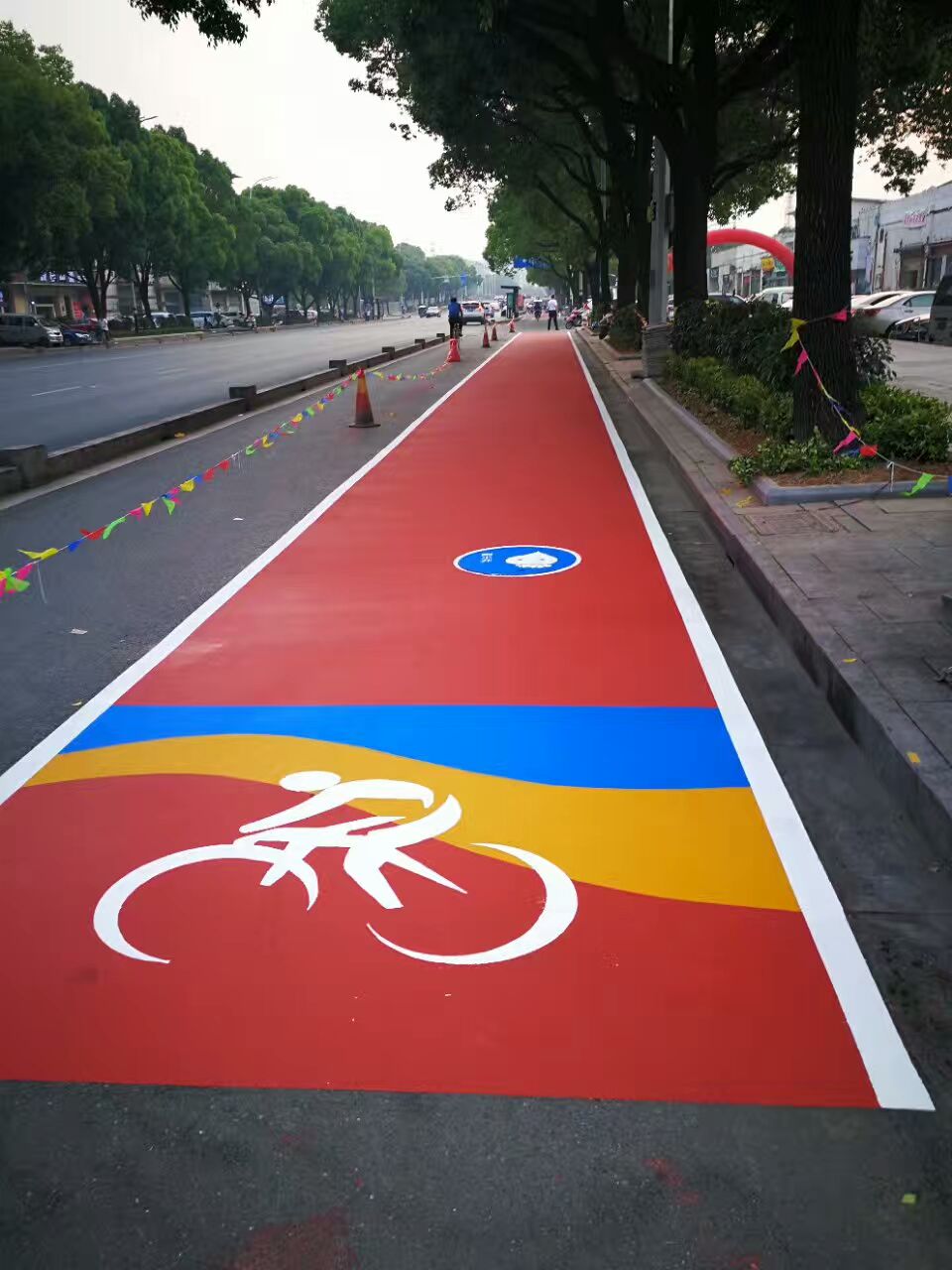
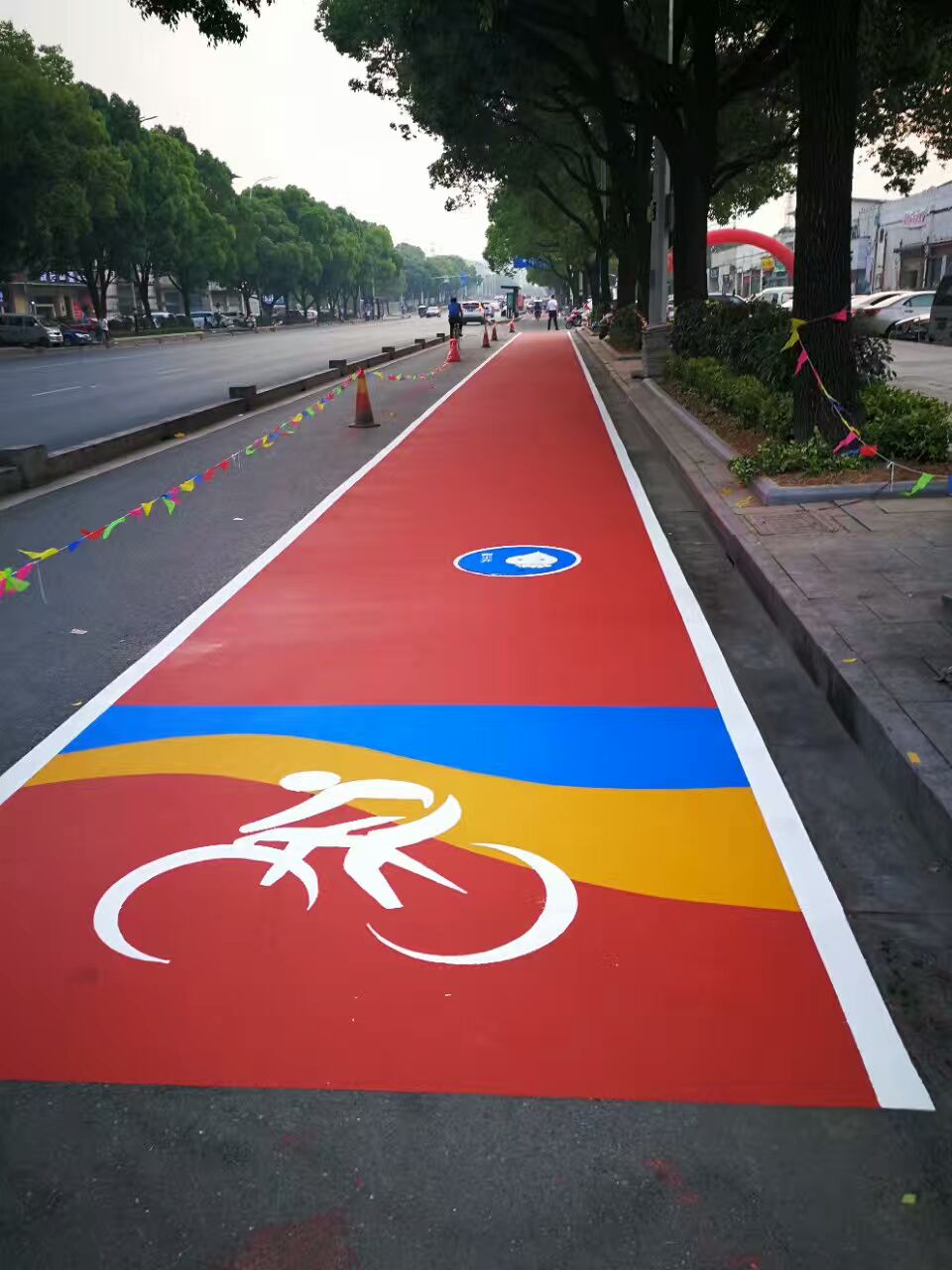
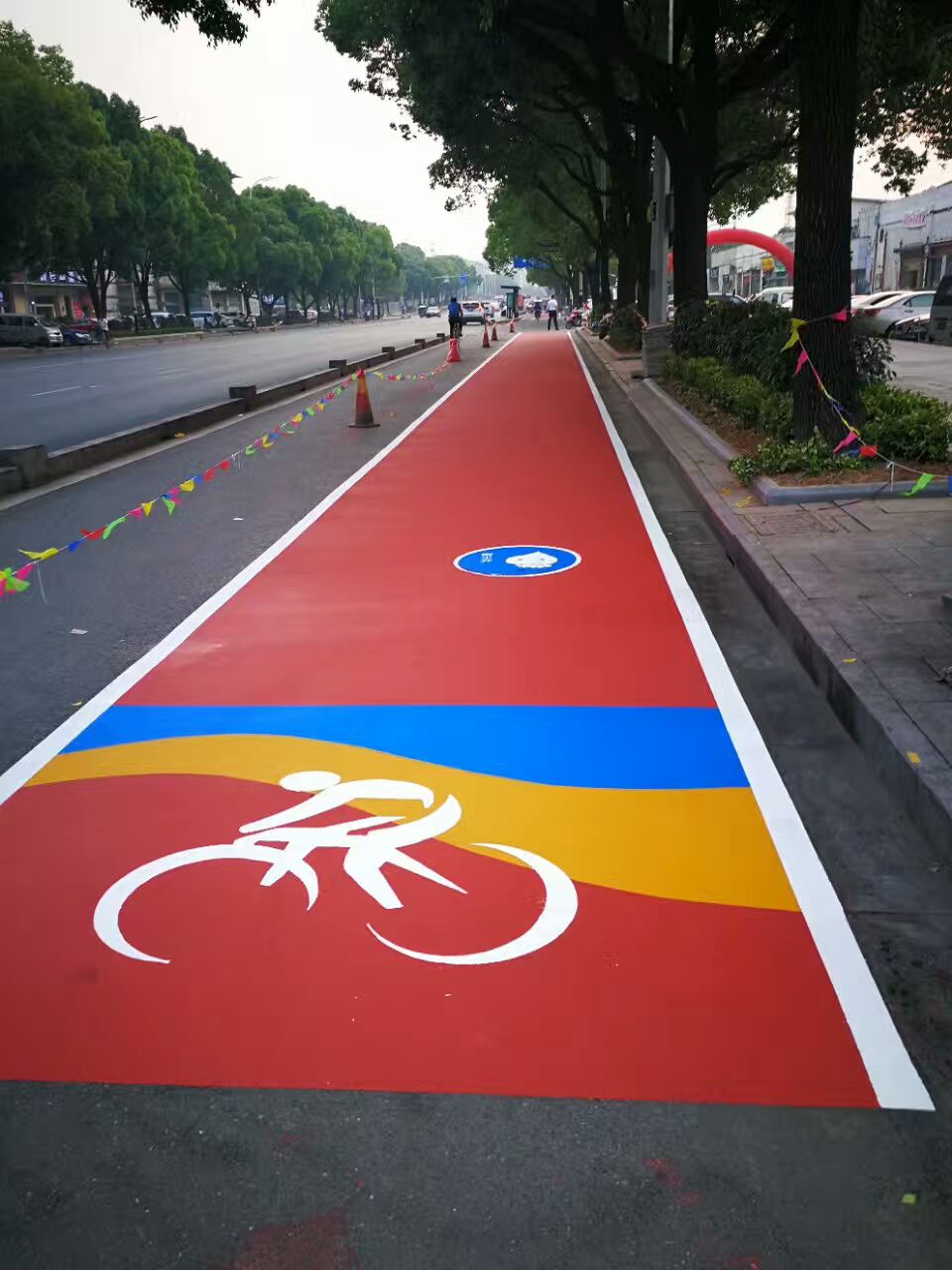
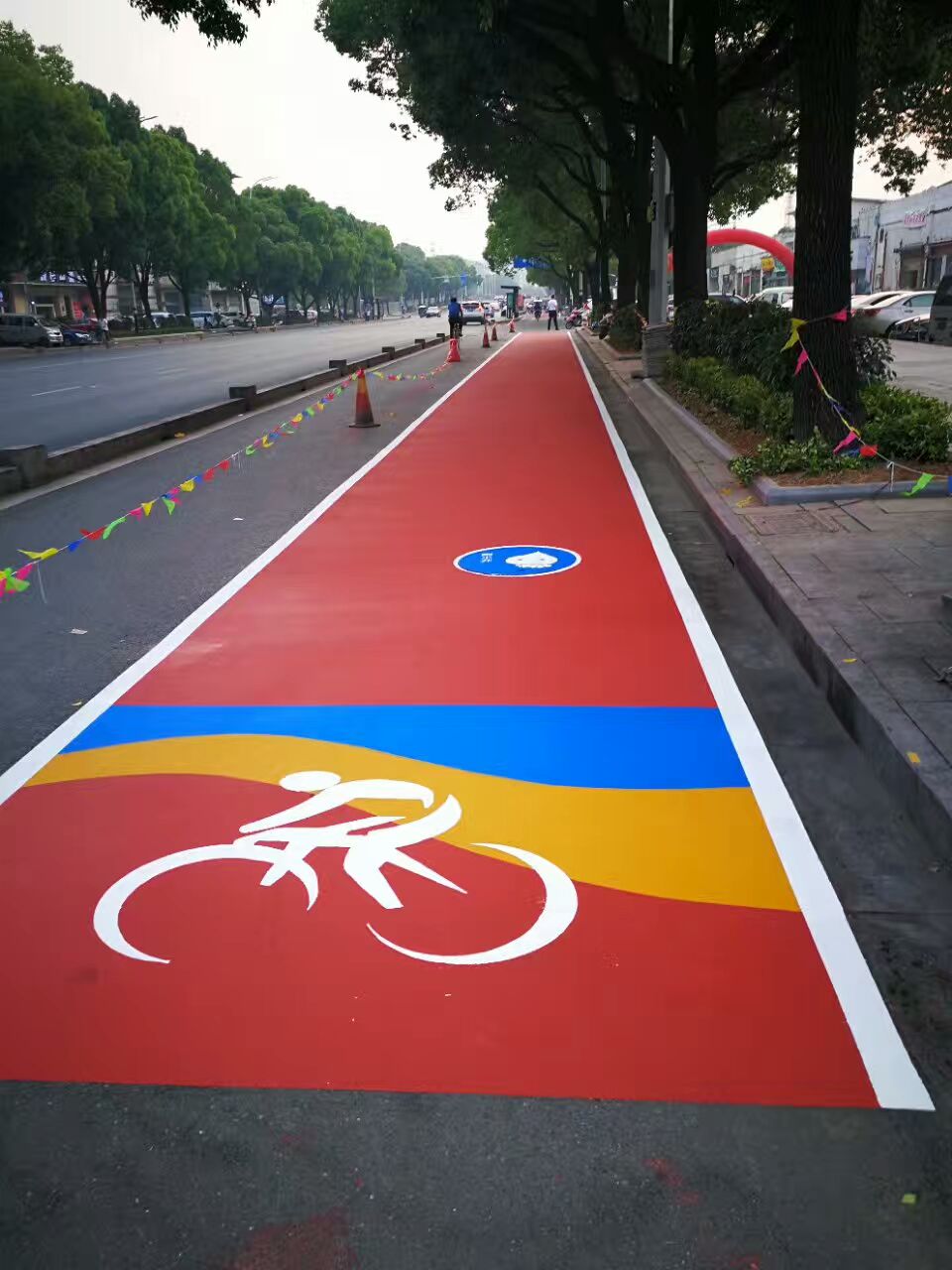
Porous pavements allow rainwater to quickly seep into the ground, effectively replenishing groundwater, alleviating urban heat island effects, and protecting natural urban water systems from damage, holding significant environmental value. Additionally, they address the issue of common roadways accumulating water, enhancing walking safety and comfort, and are crucial for improving living environments.

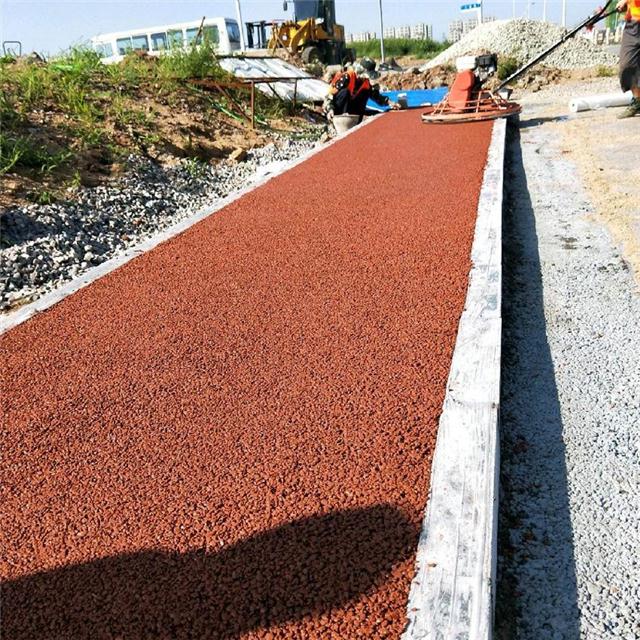
The construction of permeable concrete primarily includes laying, shaping, surface treatment, and joint treatment. It can be laid using either mechanical or manual methods; shaping can be done with flat vibrators, vibration leveling rollers, manual push-pull rollers, and vibration leveling beams; surface treatment is mainly to enhance the appearance, involving trimming or cleaning the shaped permeable concrete surface. The joint layout of permeable concrete pavements is similar to that of ordinary concrete, with contraction joints spaced evenly, not exceeding 6 meters in distance.

Permeable pavement environmental effects are manifested as:
(1) Increase the permeable and breathable areas in cities, enhance heat and moisture exchange between the surface and air, regulate urban climate, lower surface temperatures, and benefit in alleviating the "urban heat island" phenomenon.
(2) Maximize the use of rain and snowmelt, increase the surface relative humidity, replenish the increasingly depleted groundwater resources in urban areas, and utilize the permeable roadbed's "reservoir" function; improve the living conditions for urban surface vegetation and soil microorganisms, and adjust the ecological balance.
(3) Significantly reduces the burden on road drainage systems during the rainy season, and markedly lowers the pollution of urban water bodies from heavy rains.
(4) Absorbs noise generated by vehicle travel, creating a quiet and comfortable living and traffic environment, prevents road surface water accumulation during rain and reflects light at night.
(5) Prevents surface water accumulation and night-time road reflections, ensuring no black ice forms on the road during winter (a nearly invisible thin layer of ice formed by frost and fog, extremely dangerous), enhancing the comfort and safety of vehicle and pedestrian traffic.
(6) Large voids can adsorb urban air pollutant dust, reducing dust pollution.
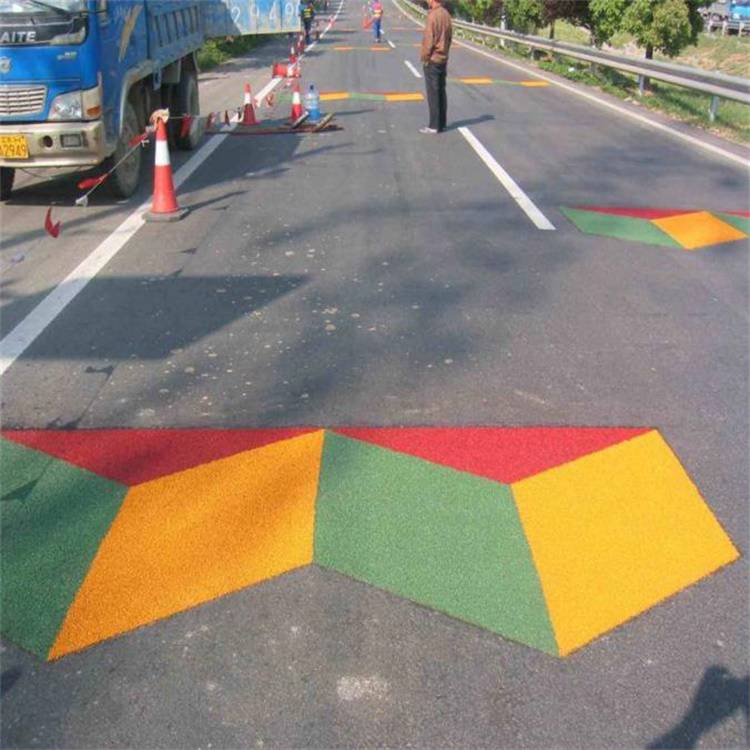
(7) Patterns and colors can be designed to suit environmental and functional requirements, fully integrating with the surrounding environment.