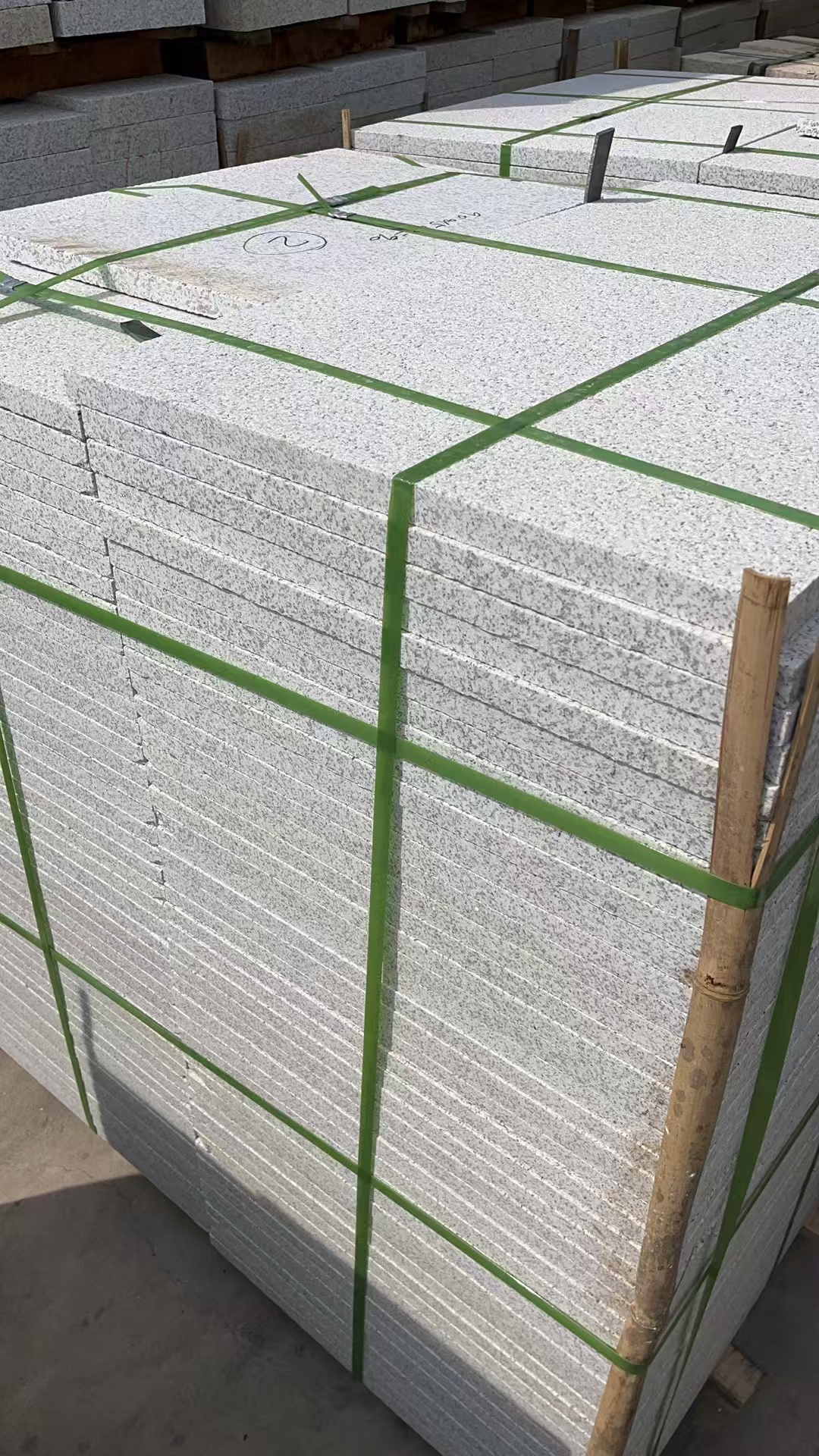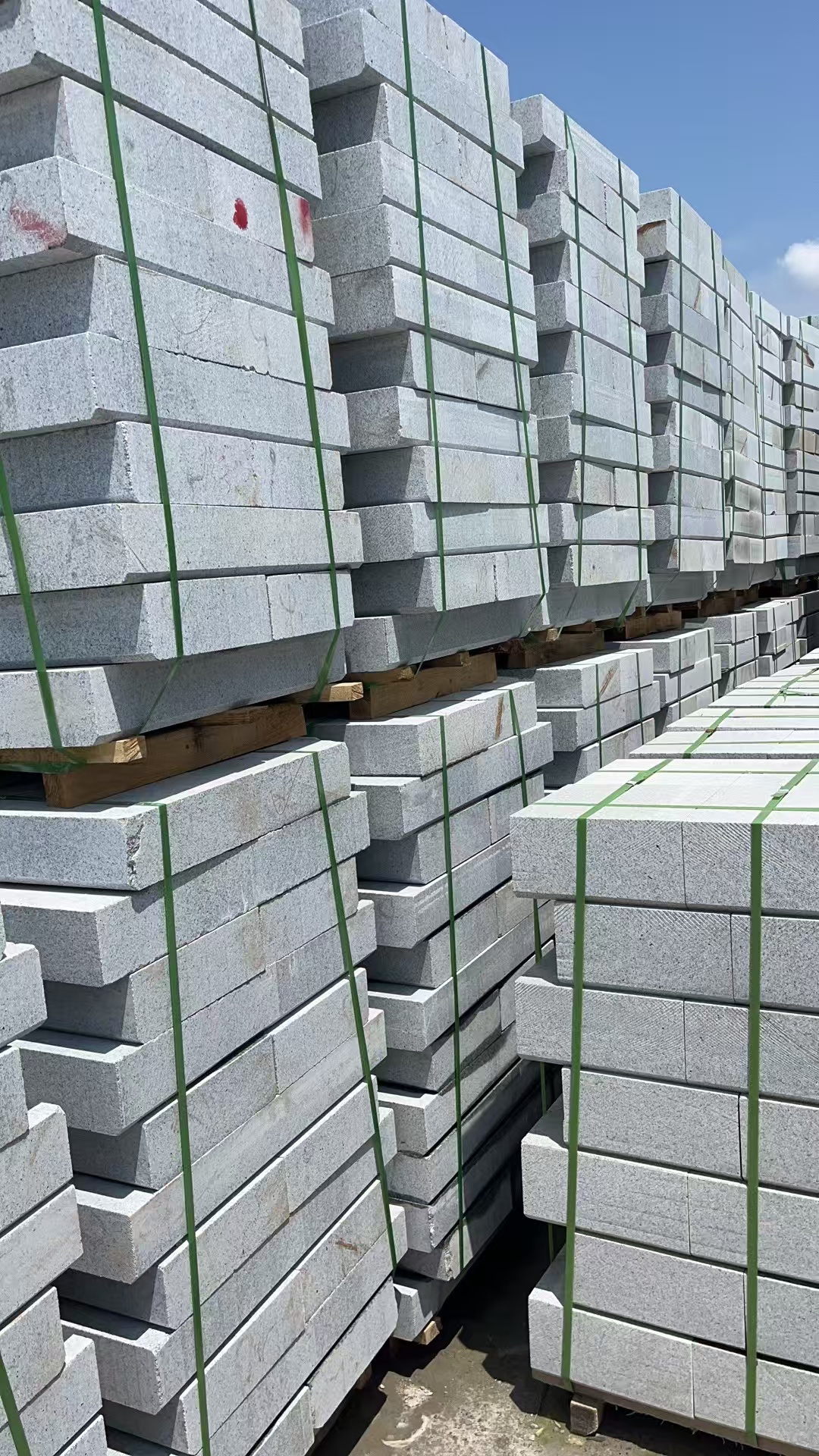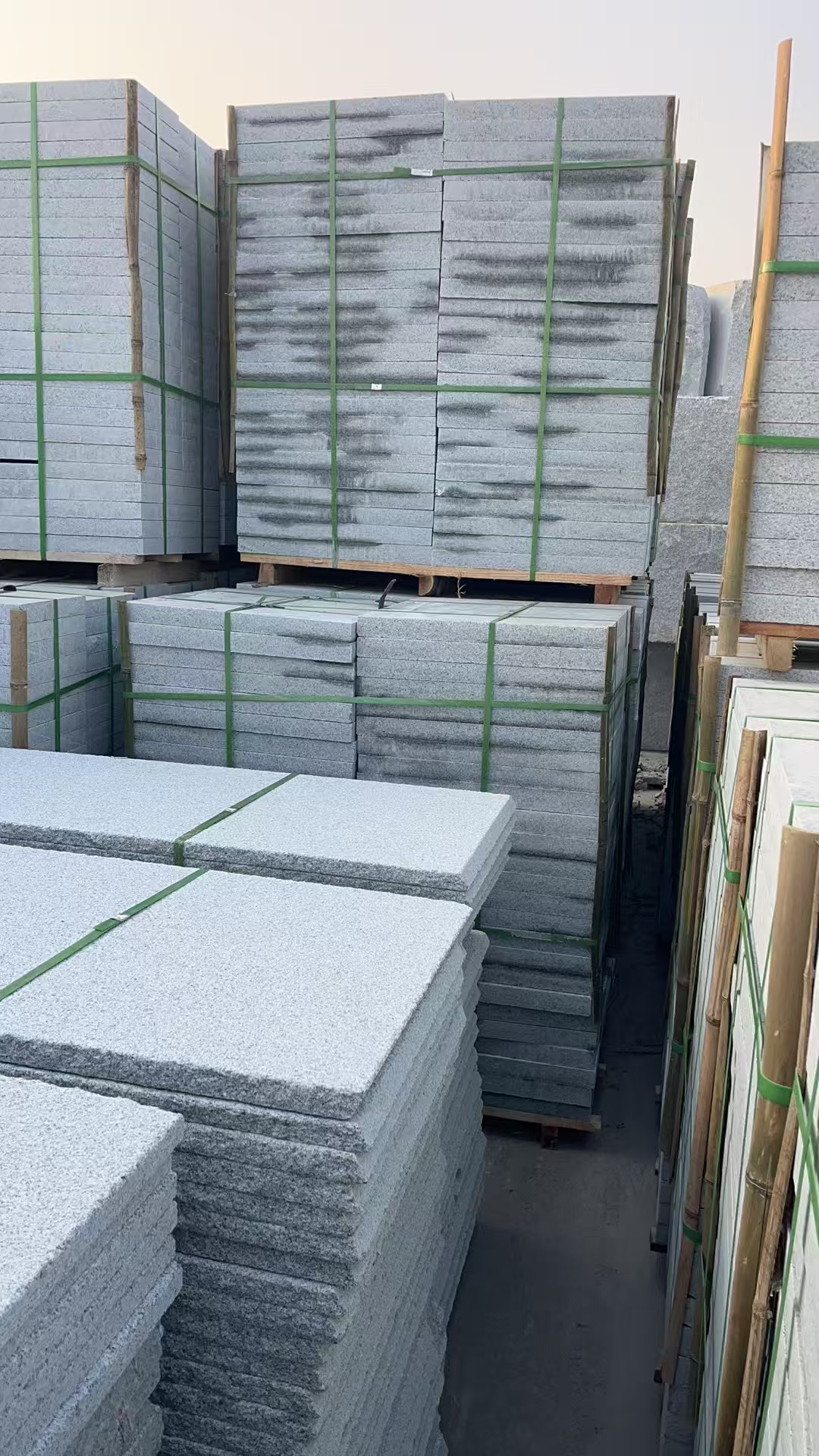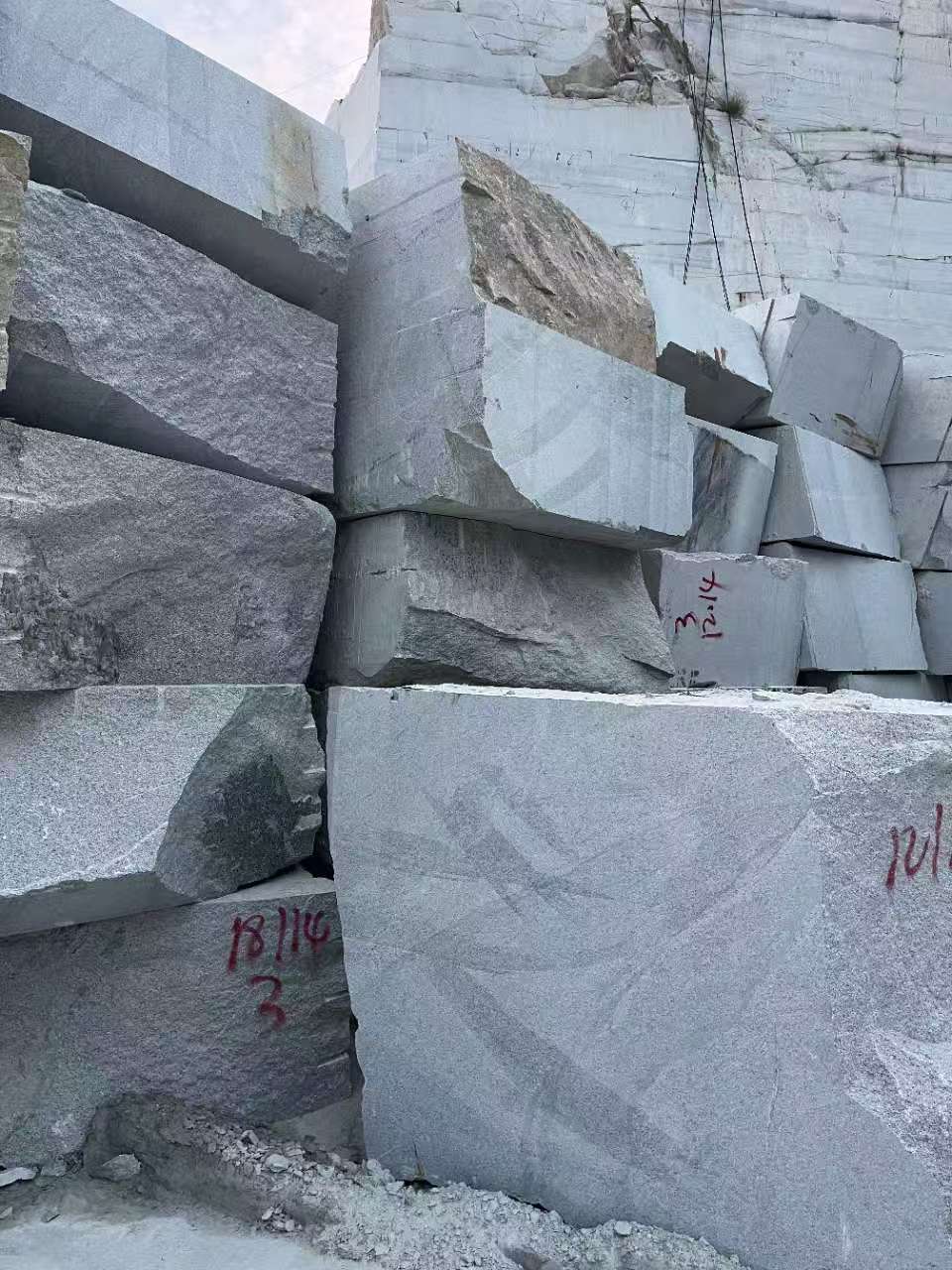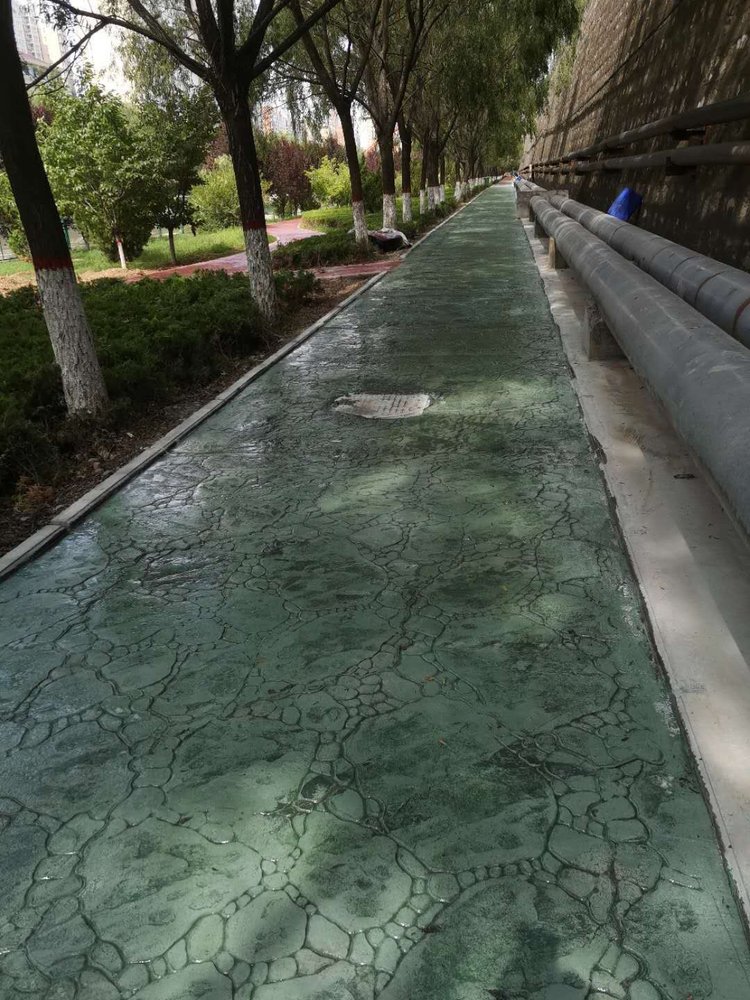

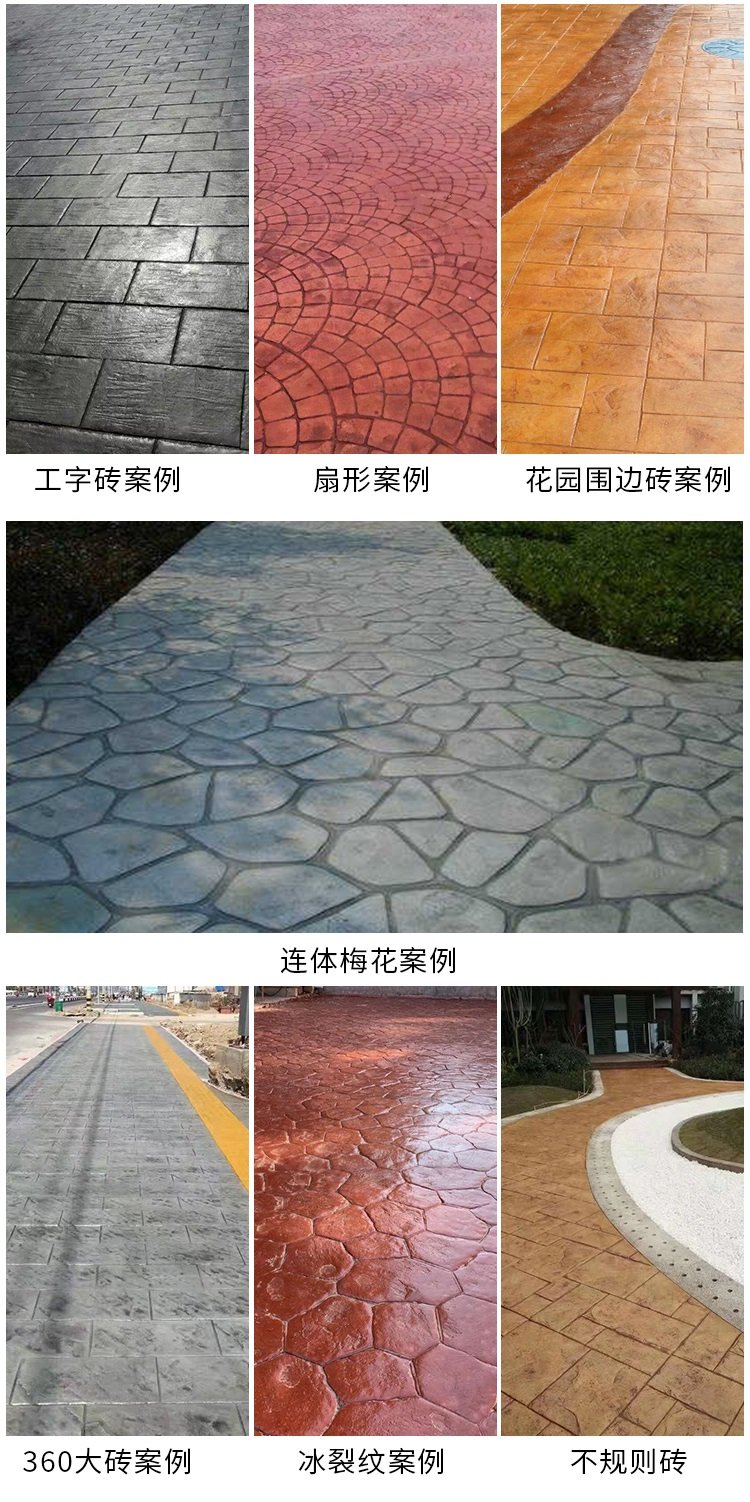
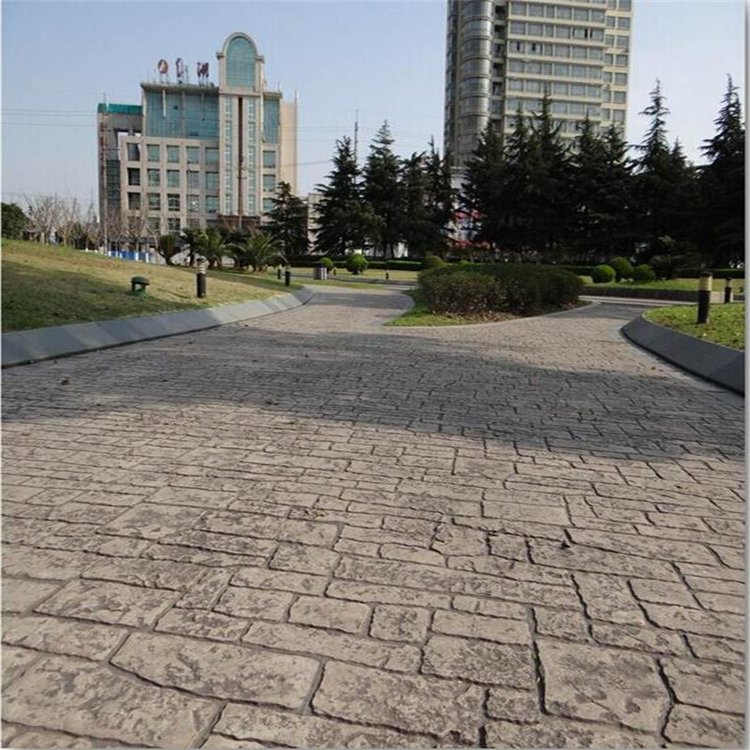


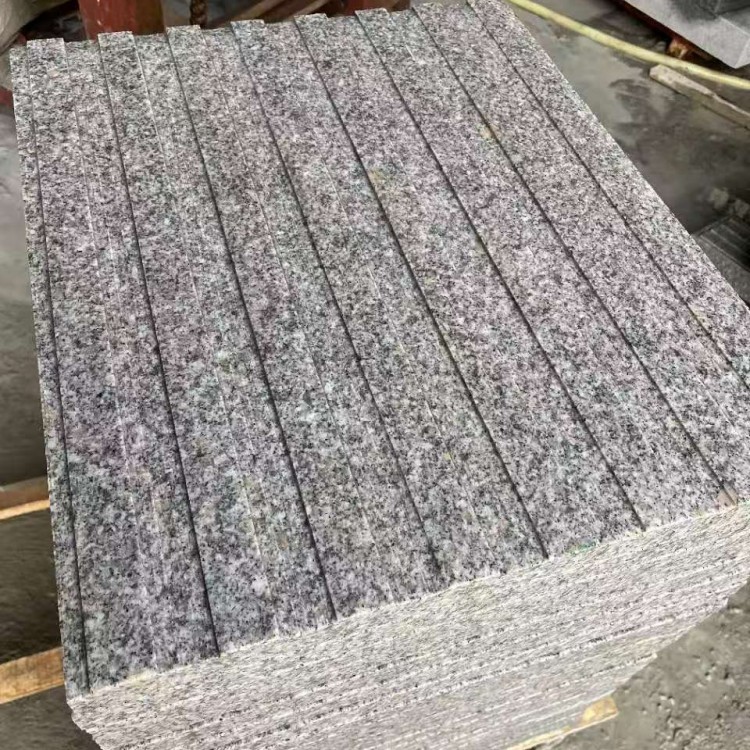













The complete set of engineering materials for precast flooring includes: multicolor reinforced powder, colorful demolding powder, various graphic molds, surface protectants, etc. We have developed a unique light color system and dual-color demolding powder, technically breaking through the bottleneck of traditional product colors that are dull and lackluster. The colors are vibrant, the tones are harmonious and naturally transition, complementing each other, elevating the quality to the effect of an artwork.

Raw materials include the following three types:
Color-Enhanced Reinforcement Material: Composed primarily of natural, environmentally friendly mineral aggregates and high-strength, abrasion-resistant cementitious materials.
Color Release Agent: A superfine colored powder, primarily used in the construction of artistic flooring systems to act as a separator between molds and concrete. Additionally, the remaining color release powder on the surface after washing can reflect the depth and color of the texture.
Sealant: The embossed artistic flooring is colored and strengthened on the laid concrete surface after the water on the surface has evaporated. This is done by sprinkling dry colored reinforcing agent (powder) onto the concrete surface. Then, a special tool is used to blend the colored reinforcing agent into the concrete surface. Once the surface moisture and luster have disappeared, uniformly sprinkle the colored demolding and curing agent (powder), and immediately press the pre-selected mold onto the concrete surface to achieve various design styles, textures, and colors.

Principle of molded flooring design:
(1) Overall Principle: The distinctive feature of the cement-molded flooring in the entire landscape project, along with the architectural characteristics, maintains a consistent main line, vivid landscape elements, and highlights key points and focal areas.
(2) Principle of Rationality: Demonstrated through reasonable layout on the plane, a reasonable combination of colored flooring with architectural style, and a rational construction of plant communities.
(3) Fashionable Humanistic Principles: The overall color scheme is vibrant yet elegant, captivating the viewer's visual senses, blending fashionable and humanistic elements to enhance the quality of life.
(4) Economic Principle: Allocate funds comprehensively within the budget, considering both the immediate effects upon completion and the long-term effects, while reducing future maintenance costs.
(5) Feasibility Principle: Ensuring the design's implementability, aligning with the overall development direction of the architectural style, to enhance the ground effects.