






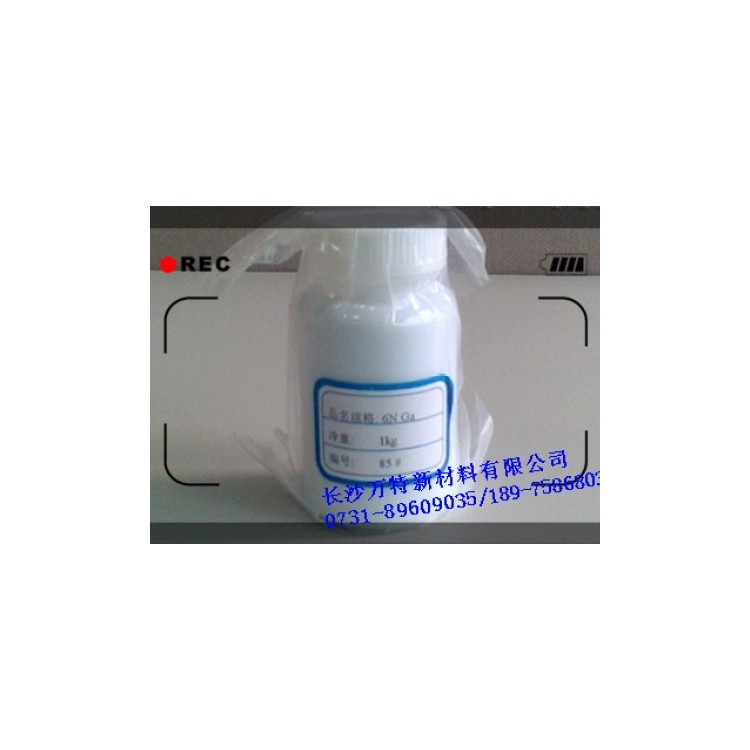
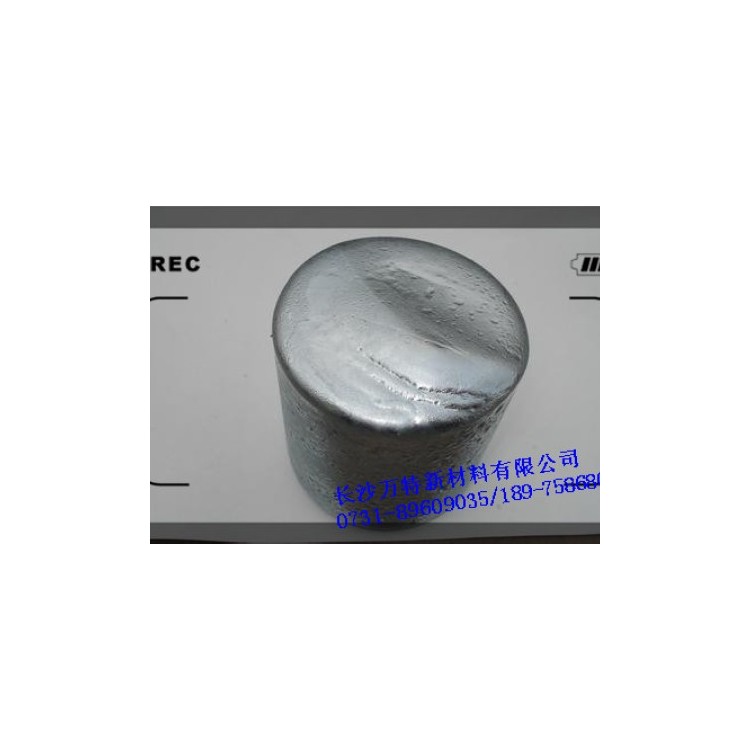
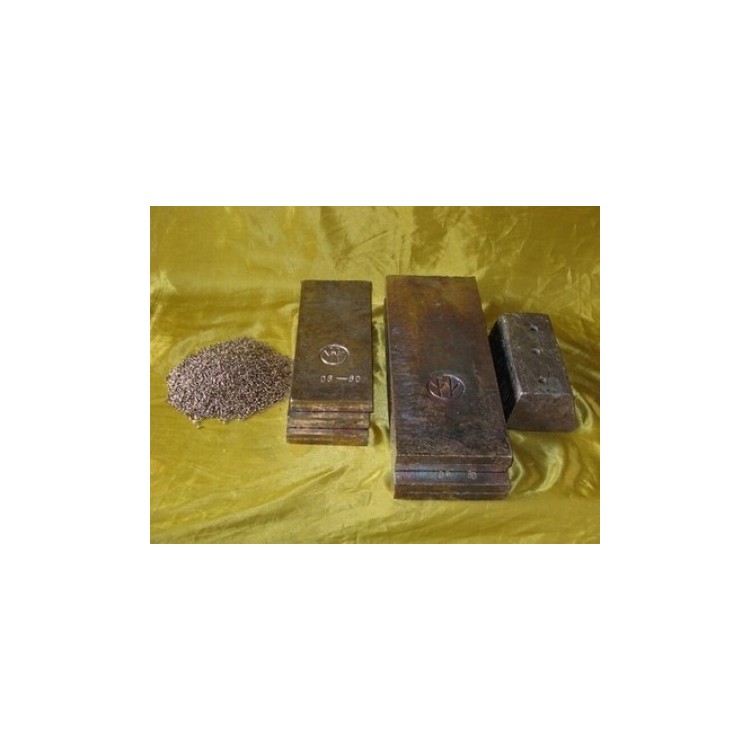
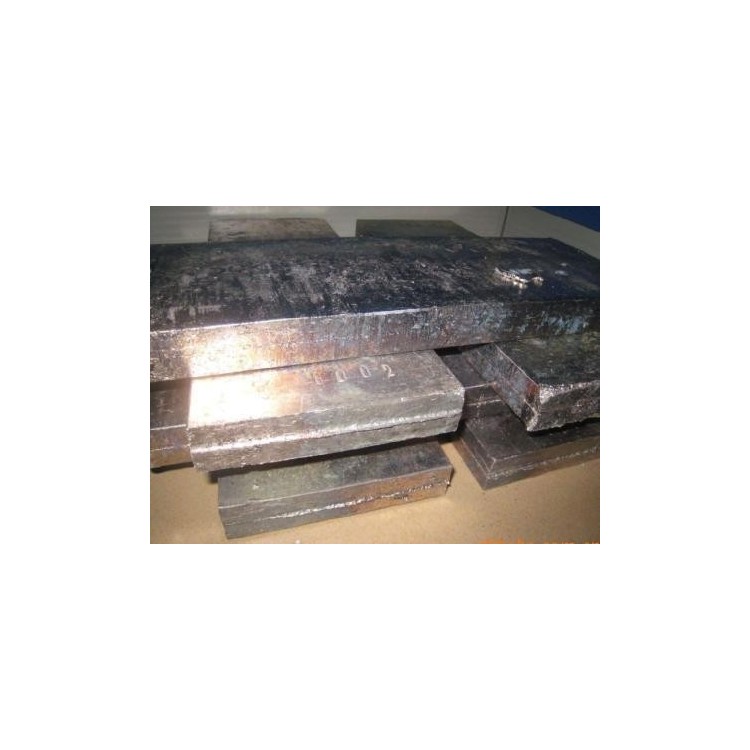
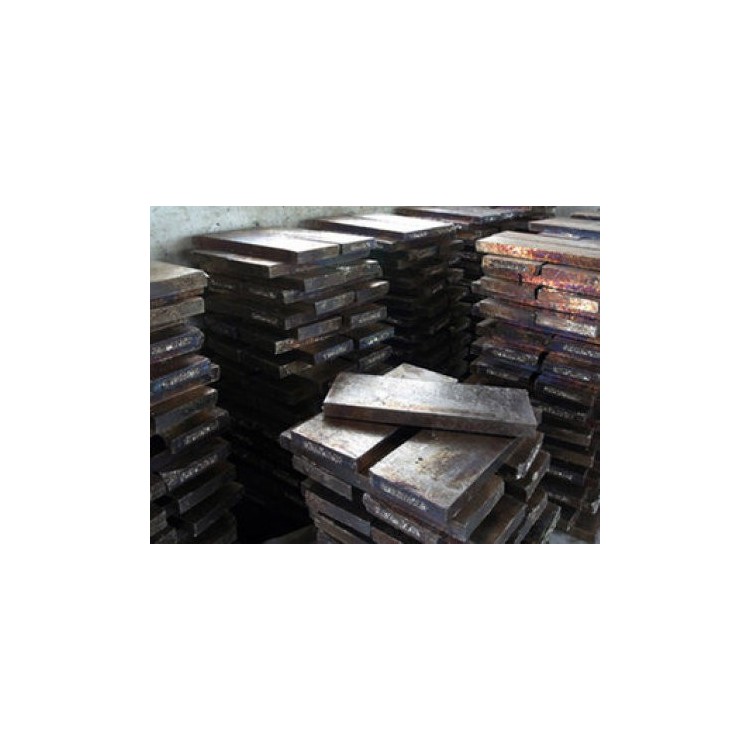
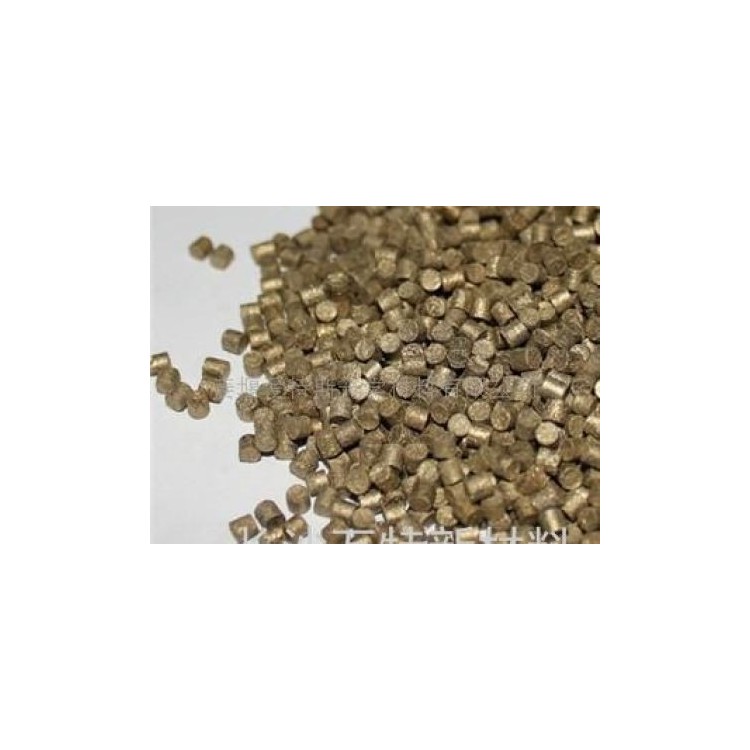
ProductName:Indium-Gallium-Sn intermediate alloyCu RE alloy |
FactoryHomeChangsha Wan特 New Materials Co., Ltd. |
SexCondition:Liquid Metal |
Liquid metal technology features a unique non-crystalline molecular structure in its liquid metal alloy materials, differing sharply from the crystalline structure of traditional metals. Beyond its characteristic of low melting point (hence the name liquid metal), its advantage lies in its ability to be shaped after melting. Due to the physical properties of its solidification process being completely different from those of ordinary metals, its casting process is more similar to plastic than metal, allowing for easier creation of various product shapes.
In addition to the convenience of casting, other characteristics of liquid metal include:
High yield strength
2. High hardness
3. Superior strength-to-weight ratio
4、chaoHigh elastic limit
5. Corrosion-resistant
6. High wear resistance
7. Unique Acoustic Characteristics
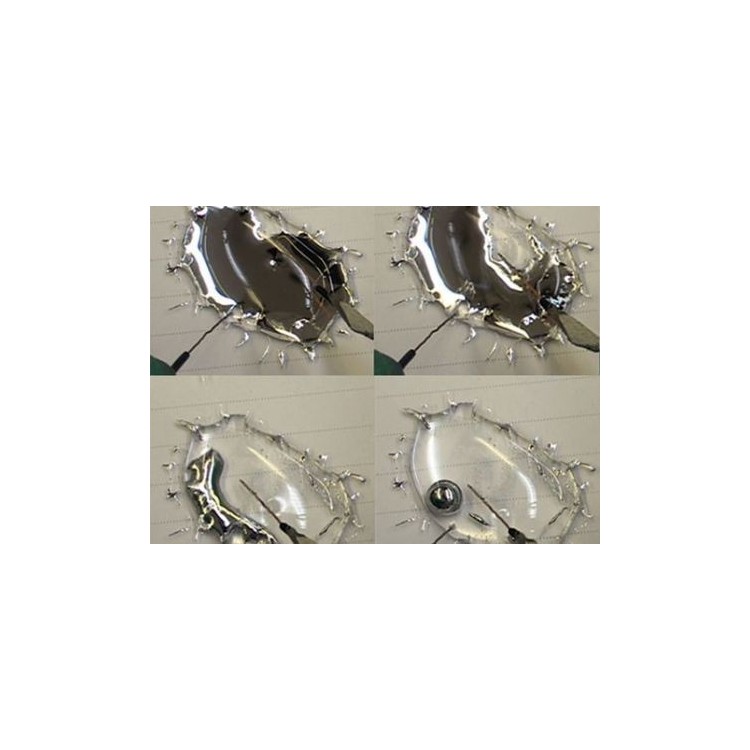
Gallium-based alloys in liquid state at room temperature
Relevant technical specifications
Product Name | Thermal conductivity | Resistivity | Kinematic Viscosity | Dynamic Viscosity | Surface Tension |
Gallium-based Alloys | 28W/M.K | 2.96x10⁻⁶Ω.m | 6.96×10⁻⁸m2/S | 0.448Pa.S | 0.563N/m |
I
Category Model | Please provide the Chinese content to be translated.Copy | Liquidus Line°C) | Solid Phase Line°C) | Density(g/cm3) | |
1 | GalliumIndium-Tin-Zinc | 7.6 | 6.5 | 6.5 | |
2 | Low-melting-point alloy | GalliumIndium-Tin | 10.7 | 10.7 | 6.5 |
3 | Low-melting point alloy | GalliumIndium | 15.7 | 15.7 | 6.35 |
4 | GalliumIndium | 25 | 15.7 | 6.15 | |
5 | Pure Metal | Gallium | 29.78 | 29.78 | 5.904 |
Excellent electrical and thermal conductivity
Alloys that are in a liquid state at room temperature have a high thermal conductivity coefficient, far exceeding that of non-metallic liquids. Therefore, these materials are used for thermal conductivity and/Or used for heat dissipation. Other advantages of these liquid alloys include high density and high electrical conductivity.
Wettability on metallic and non-metallic surfaces
By thoroughly removing the oxides from the substrate surface, these alloys can wet most metal surfaces. However, for certain metals, even at room temperature, bismuth is very unreactive. At high temperatures, bismuth dissolves most metals, but some metals, includingNa, K, Au, Mg, Pb, Ni, especially Hg, can slightly dissolve in bismuth at moderate temperatures.
As previously mentioned, palladium is corrosive to all metals except for rhodium and iridium. Rhodium and iridium are highly resistant to corrosion. Nickel, titanium, and molybdenum are also corrosion-resistant, but not as much as rhodium and iridium.2. Bismuth and its alloys, like tin, can wet many non-metallic surfaces such as glass and quartz. Gently rubbing bismuth alloys onto these non-metallic surfaces aids in wetting.
Note: These alloys form a thin, dull oxide layer on the surface, which can easily expand upon slight shaking. The unoxidized surface is bright and glossy.
HintGallium-based alloys exhibit corrosive properties on aluminum and its alloys (but corrosion can be prevented after anodizing treatment).
Utilize
Typical applications of these materials include thermostats, switches, barometers, heat transfer systems, as well as cooling and heating systems. A unique feature is their ability to conduct heat and electricity between non-metallic and metallic surfaces.
Packaging
Alloys are packaged in polyethylene bottles and transported in accordance with relevant regulations.
Storage and Shelf Life
Unopened, the product has a shelf life of one year. When the alloy is removed from the packaging bottle, it is recommended to fill the bottle with dry argon gas. If the alloy has solidified below its melting point during storage, it should be remelted, shaken thoroughly, and then used. Exercise caution when heating the alloy in its original packaging bottle. The temperature should not exceed65 degrees.