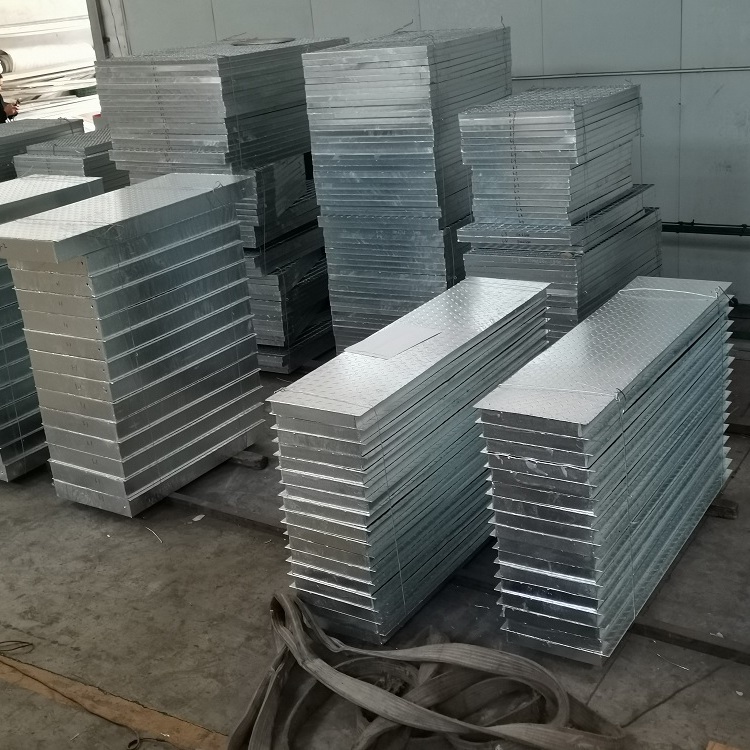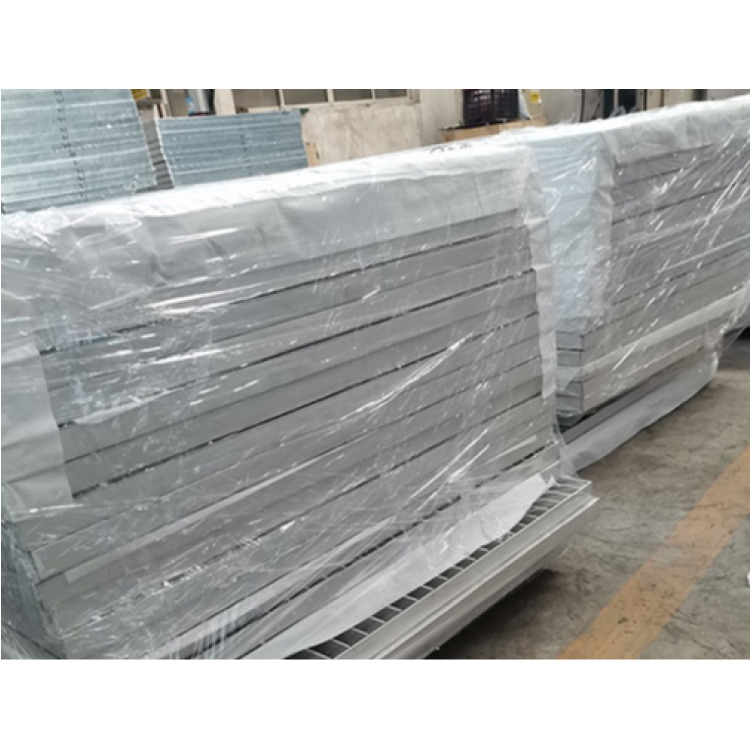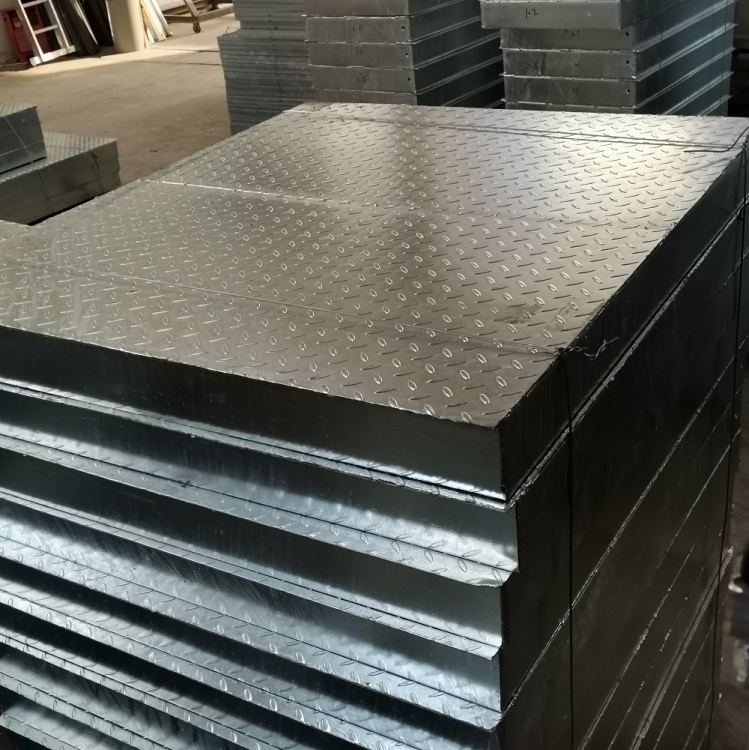













Composite steel grating is a common type of steel grating, and it can be found in many fields or industries. It is therefore necessary to familiarize and understand it comprehensively and specifically, in order to delve into it rather than just scratch the surface. With the requirements in place, let's act immediately and ensure everyone is on board in a timely manner.
Composite steel grating, what is its relationship with regular steel grating?
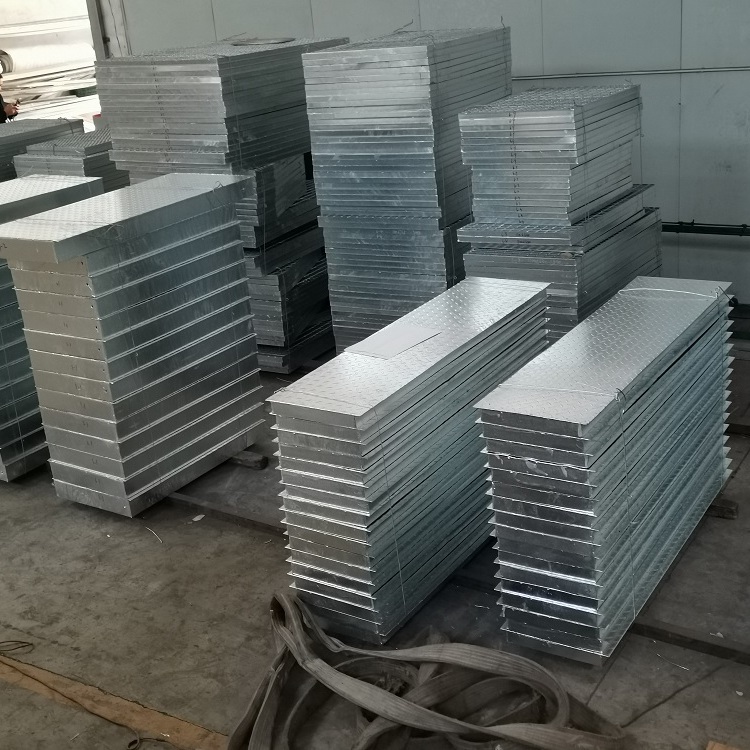
Composite steel grating, which is processed further from regular steel grating. Therefore, it can be seen as a reuse and development of regular steel grating. Specifically, it involves adding a layer of patterned steel grating on the surface of the regular steel grating, with a thickness of 3 to 6 millimeters.
2. How to interpret the specific representation of WP5 (WA323/1 P-G) this composite steel grating?

If the representation of composite steel grating is WP5 (WA323/1 P-G), its specific explanation is:
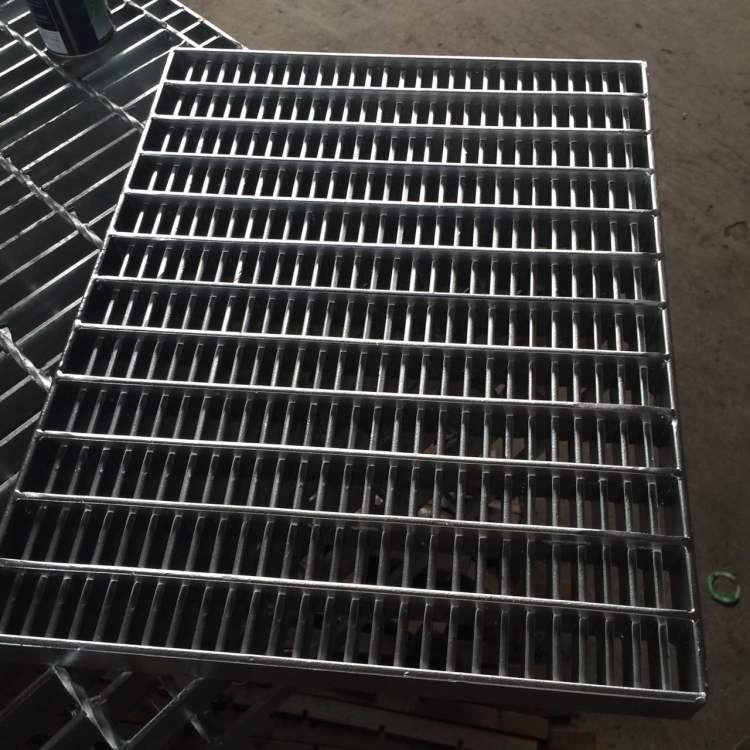
WP5 indicates the surface is 5mm thick patterned steel, WA323/1 denotes a 32*3 flat steel below, with a grid size of 30*100mm. The uppercase letter P signifies the flat steel is flat type, while G indicates it has been hot-dip galvanized.
3. Will deformation or warping of the composite steel grating affect its safety for use?
On composite steel grating panels, if there are issues determining the load-bearing capacity and span, it can lead to problems or discrepancies in selecting the specification and model of the grating. Consequently, during use, it may easily experience deformation or distortion and other such issues. If the degree of deformation or distortion in the composite steel grating is severe, it can affect the safe use of the product, significantly reducing its safety factor.