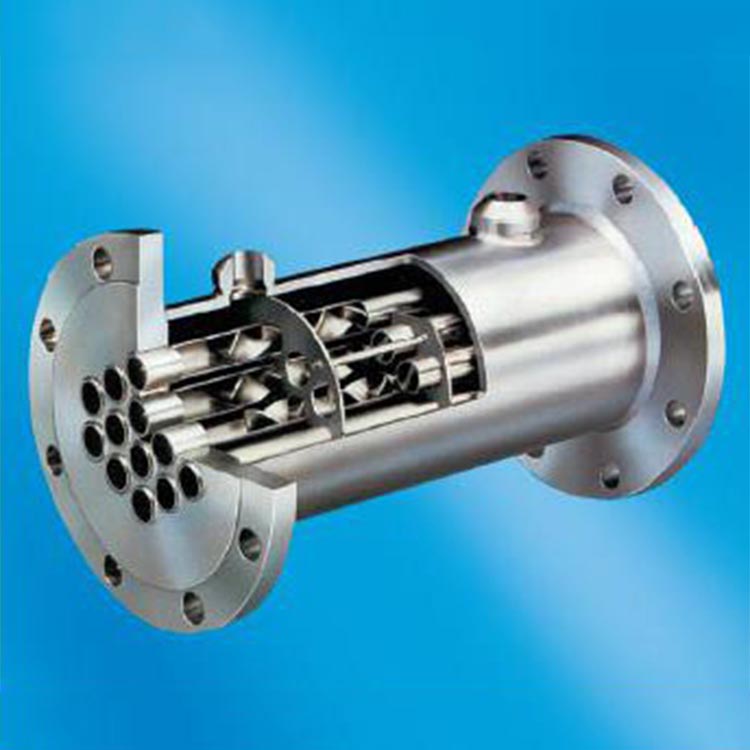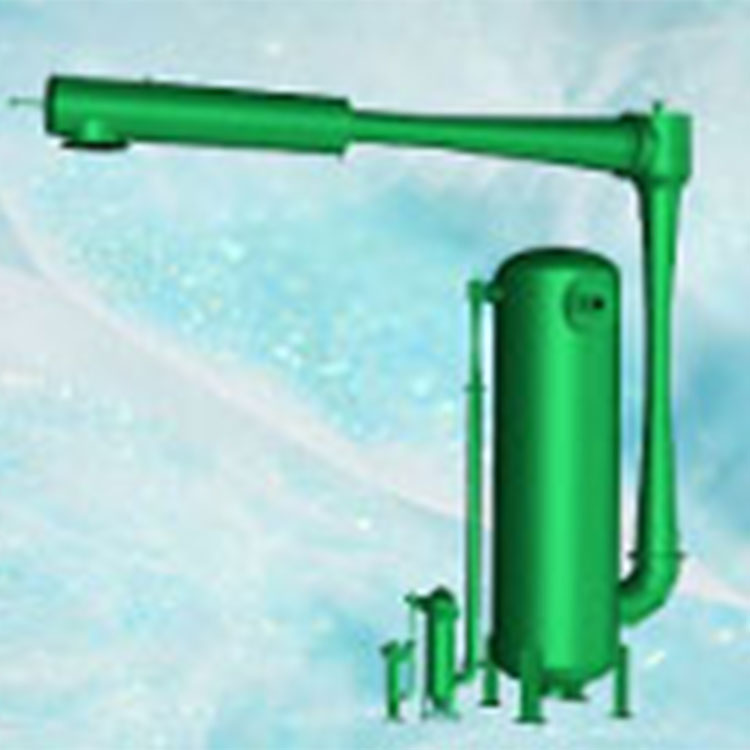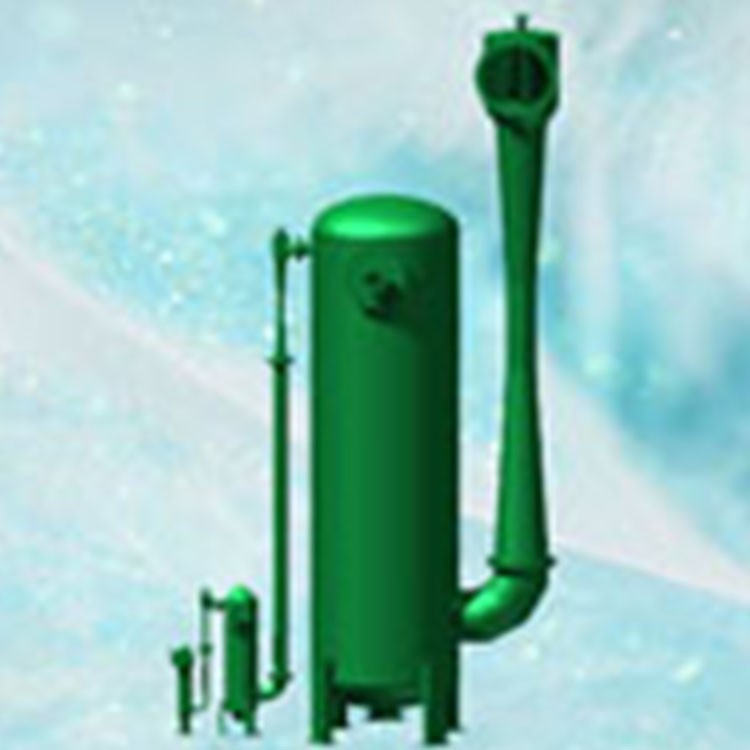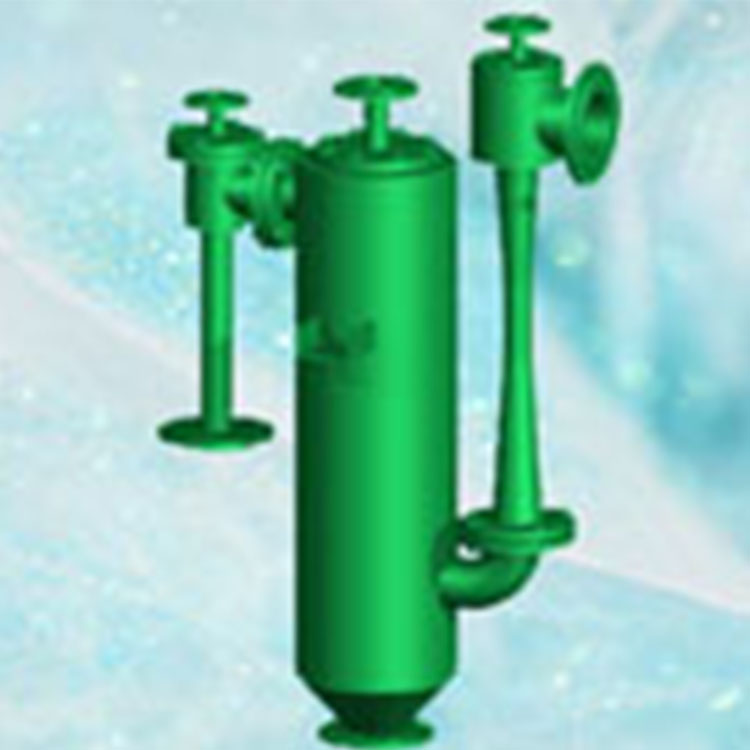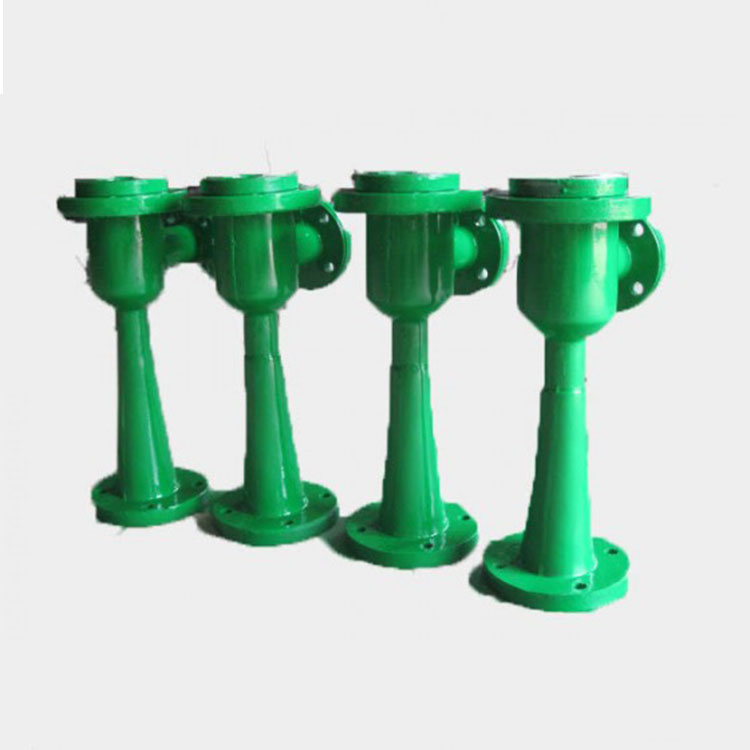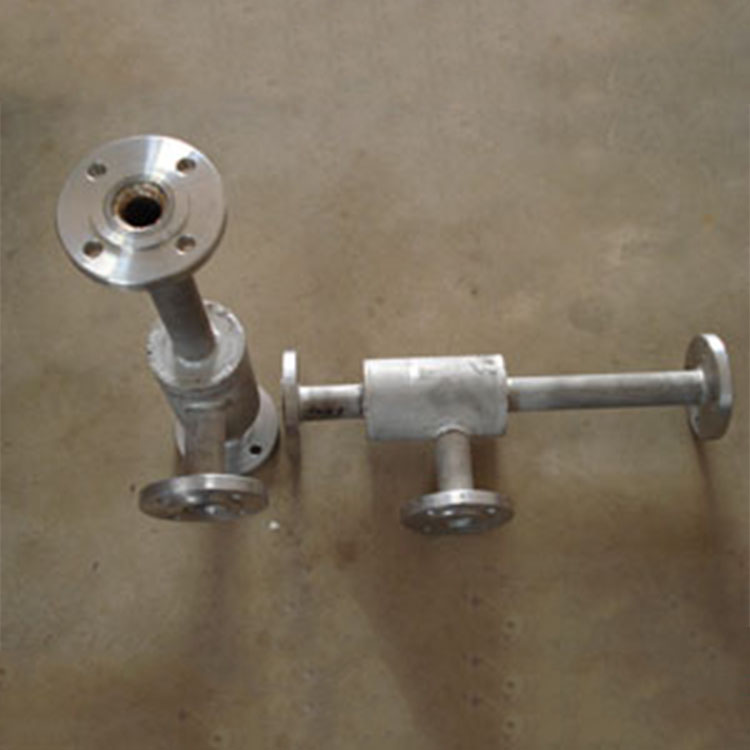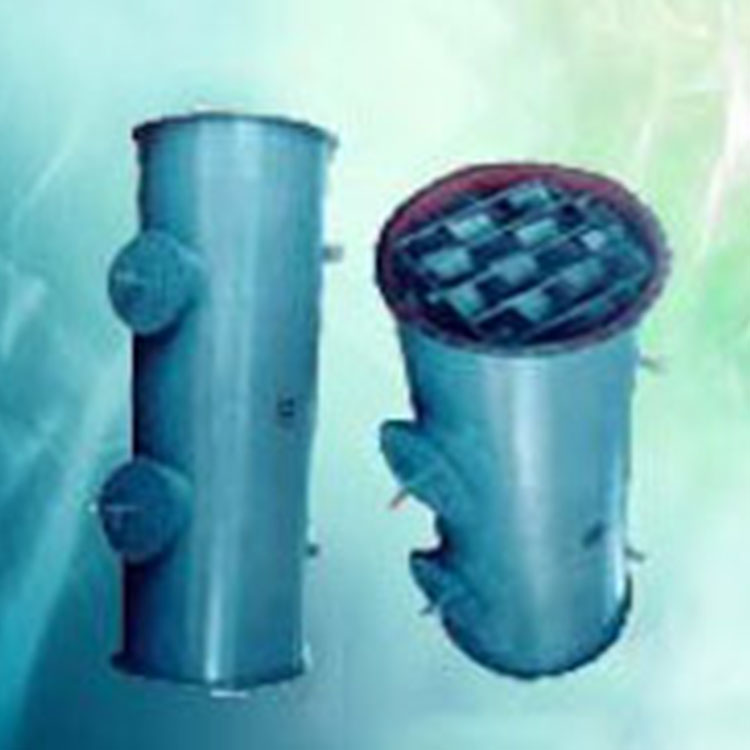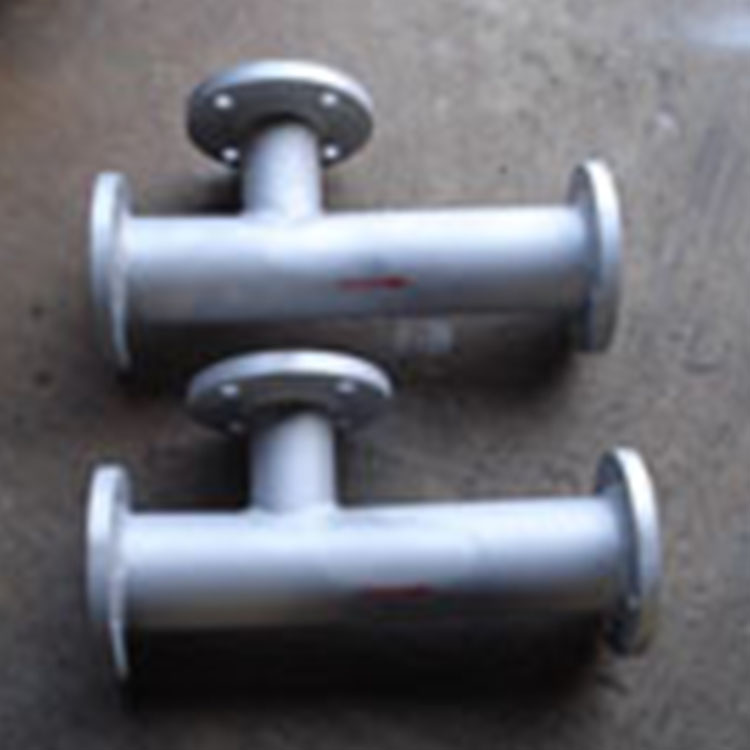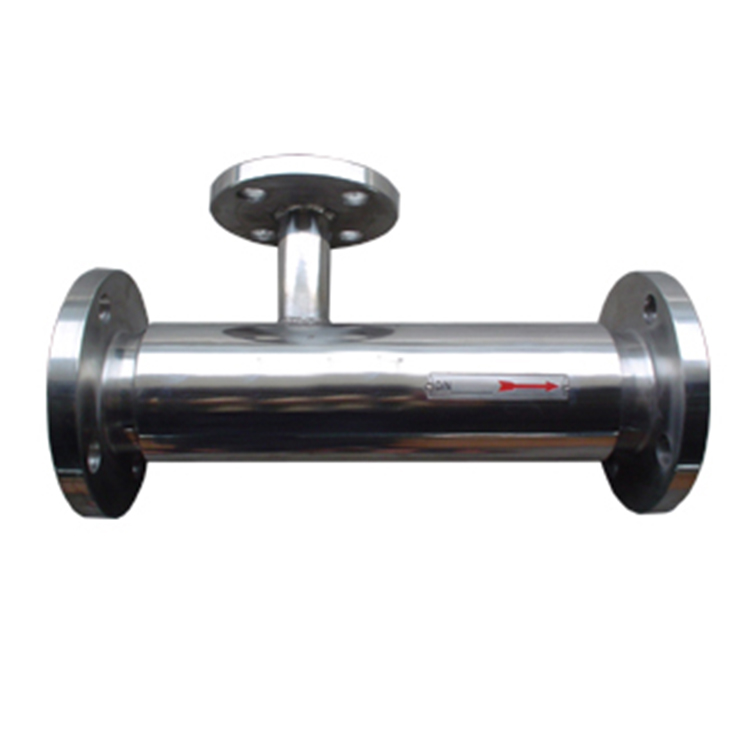

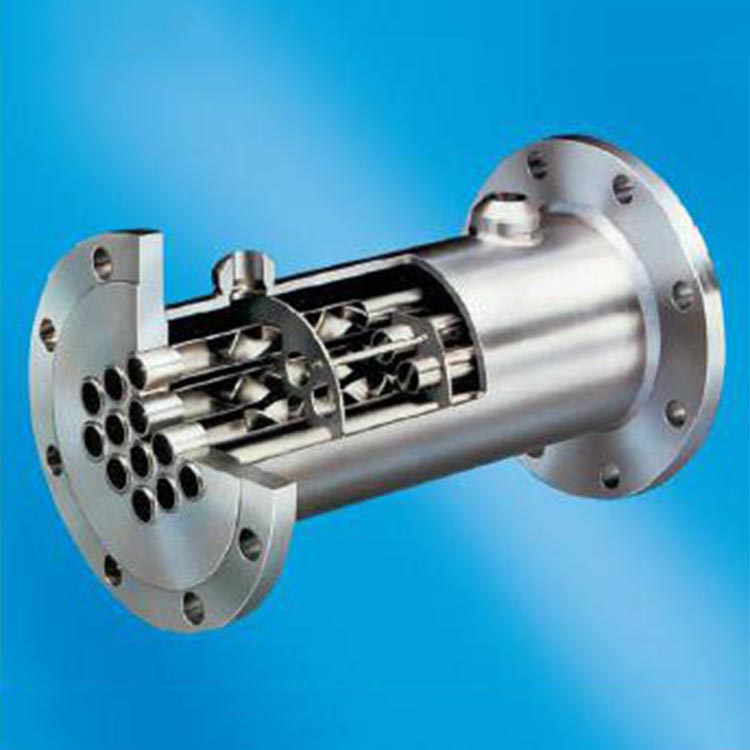

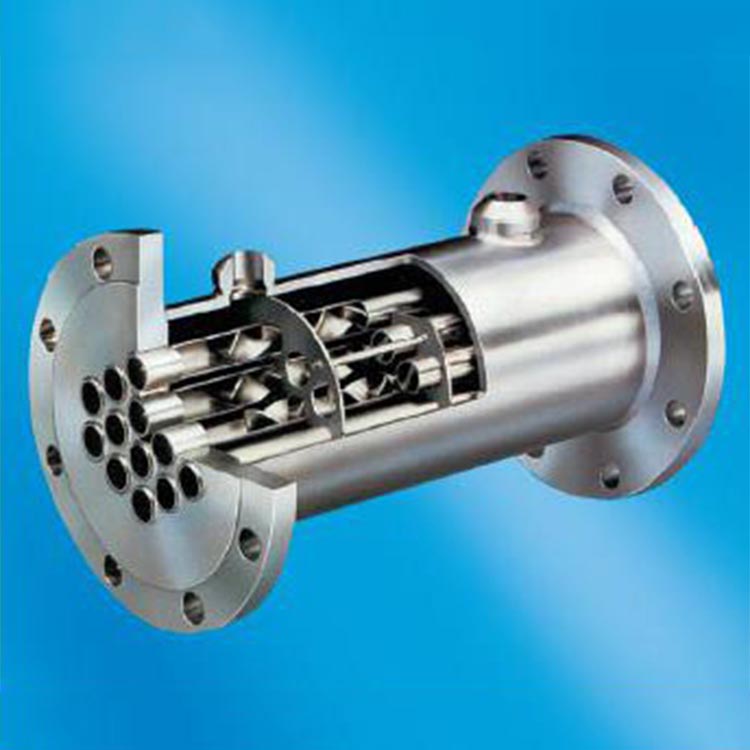


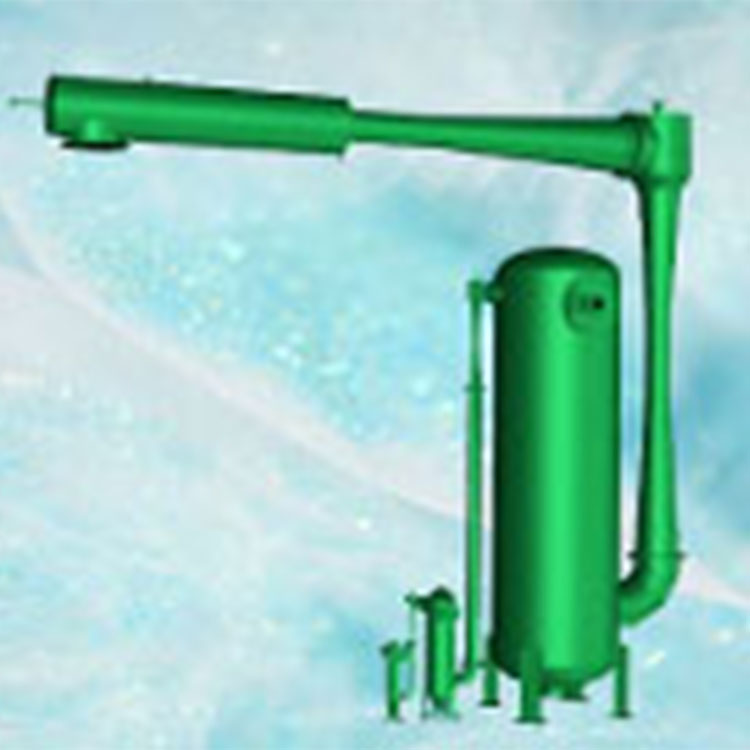
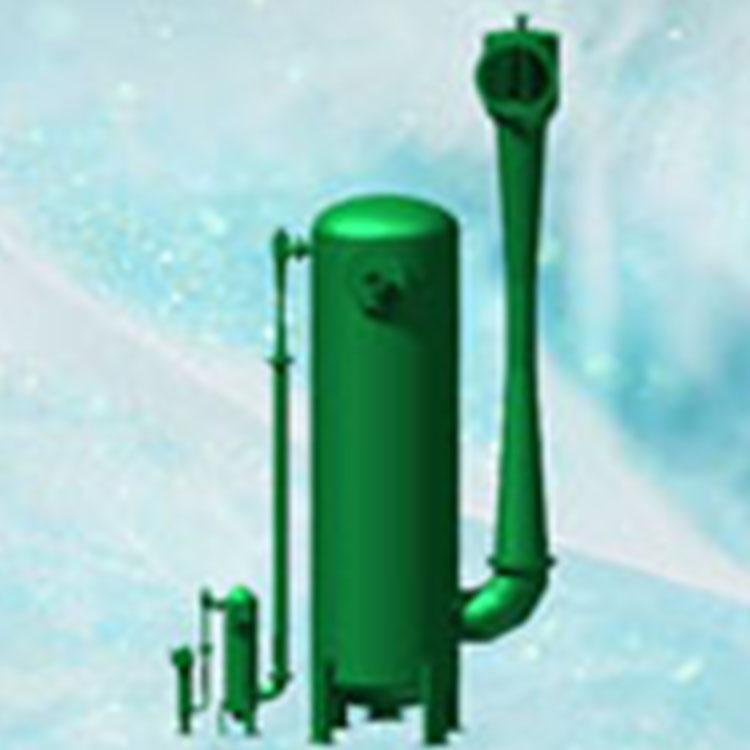
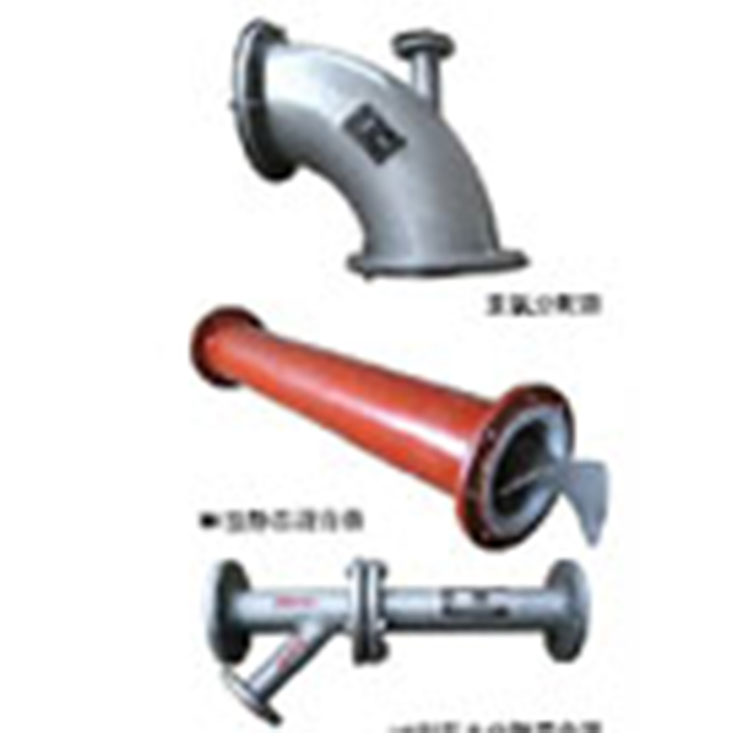





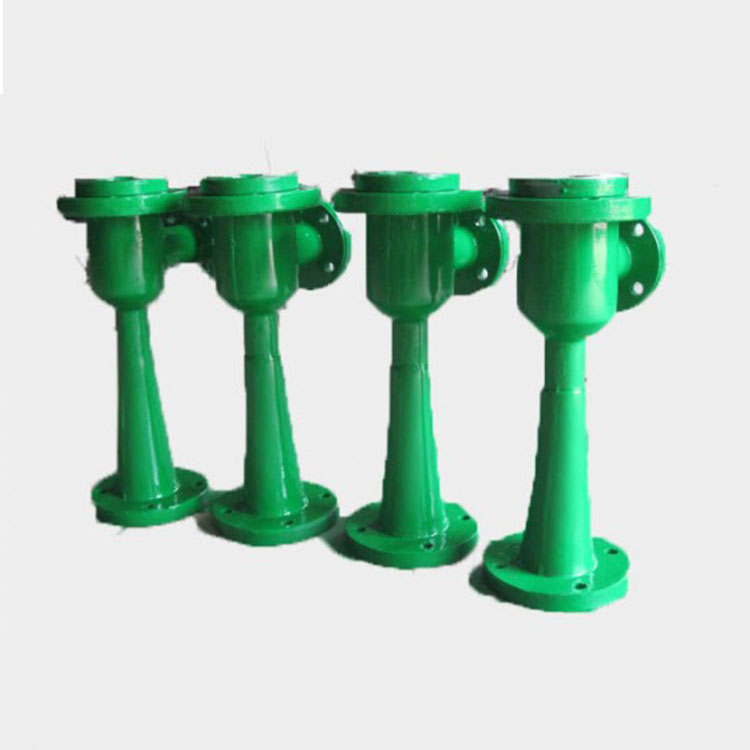
| I. [Structural Characteristics, Mixing Principle] The mixing process of the static mixer is conducted by a series of mixing units of different specifications installed in a hollow pipe. Due to the action of the mixing units, the fluid alternates between left and right rotations, continuously changing its flow direction. This not only pushes the central liquid towards the periphery but also pulls the peripheral fluid towards the center, thereby achieving an excellent radial mixing effect. At the same time, the rotational action of the fluid also occurs at the interfaces of adjacent components, creating a perfect radial circulation mixing action that ensures the uniform mixing of materials. This static mixer is designed, manufactured, and inspected in accordance with the industry standard JB/T7660-95 "Static Mixers." Static mixers can be used in processes involving liquid-liquid, liquid-gas, liquid-solid, and gas-gas mixing, emulsification, neutralization, absorption, extraction, reaction, and enhanced heat transfer. They are applicable across a wide range of viscosities and different flow patterns (laminar, transitional, turbulent) for both batch and continuous operations. Below, we briefly introduce the scope of different application scenarios. (1) Liquid-Liquid Mixing From laminar to turbulent flow, fluids with viscosities within the range of 106 mPa·s can achieve excellent mixing. The minimum diameter of the dispersed droplets can reach 1-2 μm, with uniform size distribution. Liquid-Gas Mixture Static mixers enable continuous renewal and thorough contact between liquid-gas two-phase components at their interface, and can replace bubble towers and sieve plate towers under certain conditions. (3) Liquid-Gas Mixture When a small amount of solid particles or powder (solid occupying about 5% of the liquid volume) is mixed with liquid under turbulent conditions, using a static mixer can force the solid particles or powder to disperse thoroughly, which can meet the requirements for liquid extraction or de-colorization. (4) Gas-Gas Mixture Mixable for cold and hot gases, blends of different gas components. (5) Enhanced Heat Transfer Due to the static mixer, the contact area of the fluid is increased, thereby enhancing the heat transfer coefficient. Generally, for cooling or heating gases, if a static mixer is used, the heat transfer coefficient can be improved by a factor of 8; for heating viscous liquids, the coefficient can be increased by 5 times; for gas condensation with a large amount of non-condensable gas, the coefficient can be enhanced by 8.5 times; and for heat exchange of high polymer melts, it can reduce the temperature and viscosity gradients across the melt's cross-section. II. [Cautionary Notes] Engineering designs typically achieve mixing through a single unit or a series of static mixers. When using two static mixers in parallel operation, the piping design should ensure uniform fluid distribution. When using the small-scale SV type, if the medium contains impurities, two parallel switchable filters should be set before the mixer. The mesh size of the filter screen is generally 40-20 stainless steel mesh. Avoid installing flow, temperature, and pressure indicators or detection points on the static mixer as much as possible. If special requirements are needed, please provide a drawing at the time of ordering. Please specify when ordering if heat exchanger jacket tubes need to be installed in the mixer housing. For SH series products, due to their high processing precision and difficulty in maintenance, the medium used must be clean or capable of being inverted for solvent cleaning, or the medium must be able to melt at high temperatures. For SV series products, in case of blockage due to unclean fluid, the detachable equipment can be cleaned by inverting with water (steam) or solvent, or the unit can be disassembled to remove the blockage. For SK series non-fixed unit products, the entire unit can be removed for cleaning, but avoid striking it when pulling out to prevent deformation. Typically, with proper selection of the product specifications, models, and materials to meet different usage requirements, our static mixers are designed to be maintenance-free. |
| Section 3: Product Model Marking |
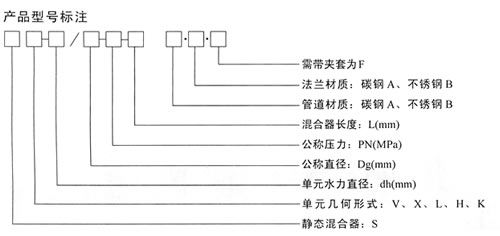
IV. Order Instructions
1. When selecting, please specify the flange standard, the working medium of the static mixer, and the working temperature.
2. If the product is jacketed, please provide design parameters such as the maximum working pressure inside the tube (container) and within the jacket.
3. For specifications and models other than this sample, we can offer customized designs and manufacturing of static mixers to meet special process requirements. Even for the tiniest details, we strive for perfection in providing solutions for you.
4. To better assist you in selecting a static mixer, please provide the following details:
a. Working Medium
b. Flow Rate kg/h
c. Working Pressure MPa
d. Working Temperature °C
e. Material Viscosity cp
f. Material Density kg/m³
g Allowable pressure drop MPa h Flange standard i Equipment material
5. Our factory's mixer进出口 flanges are available in standards such as HG, HGJ, JB/T, SH, ANSI, etc. Please specify the flange standard and size when placing an order.
Prices, all unmarked items are made according to HG20592-1997.