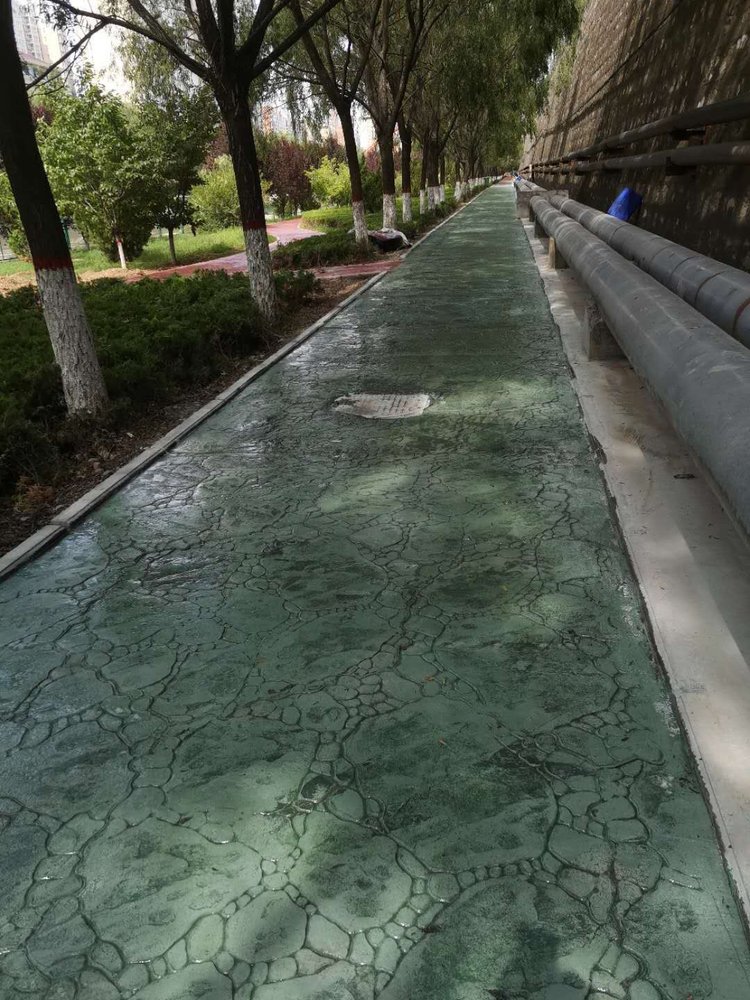

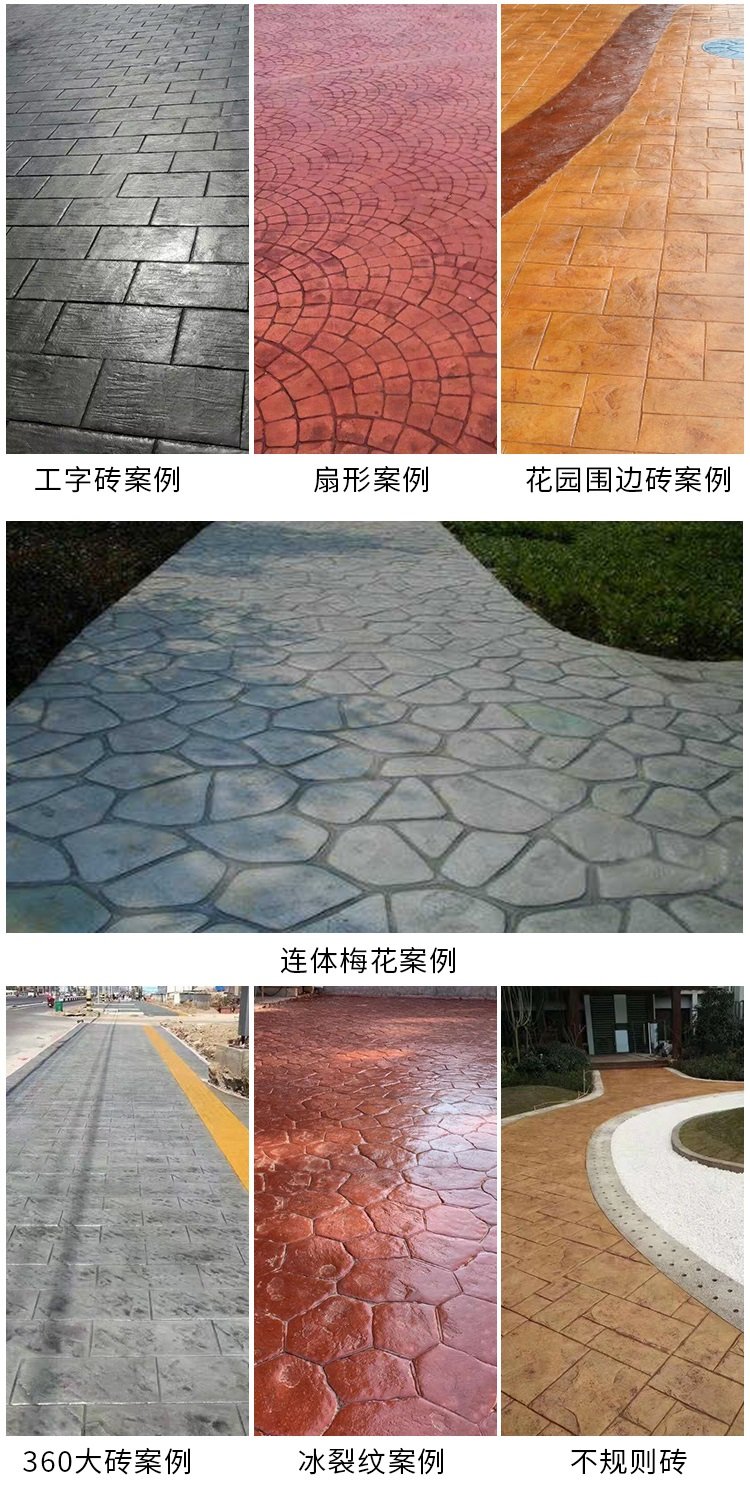
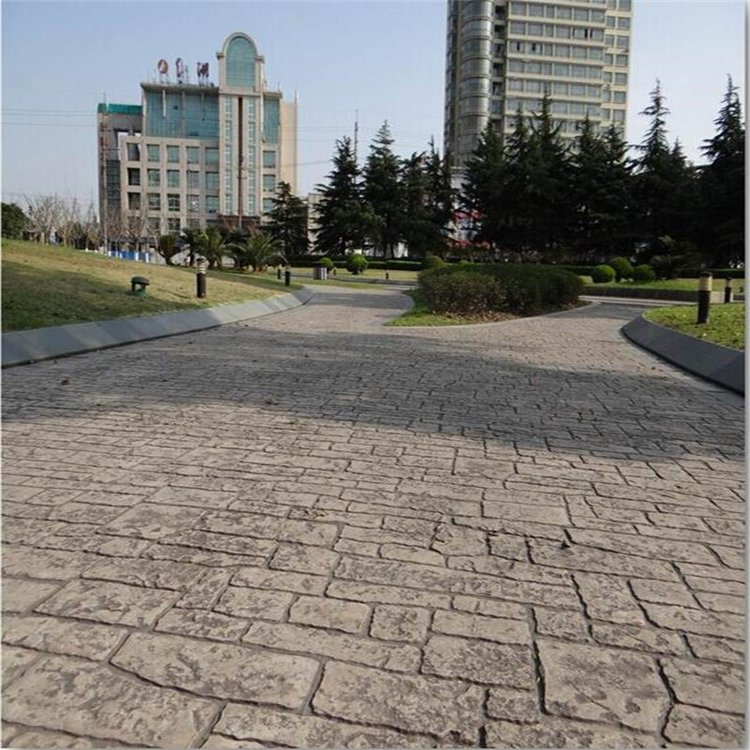


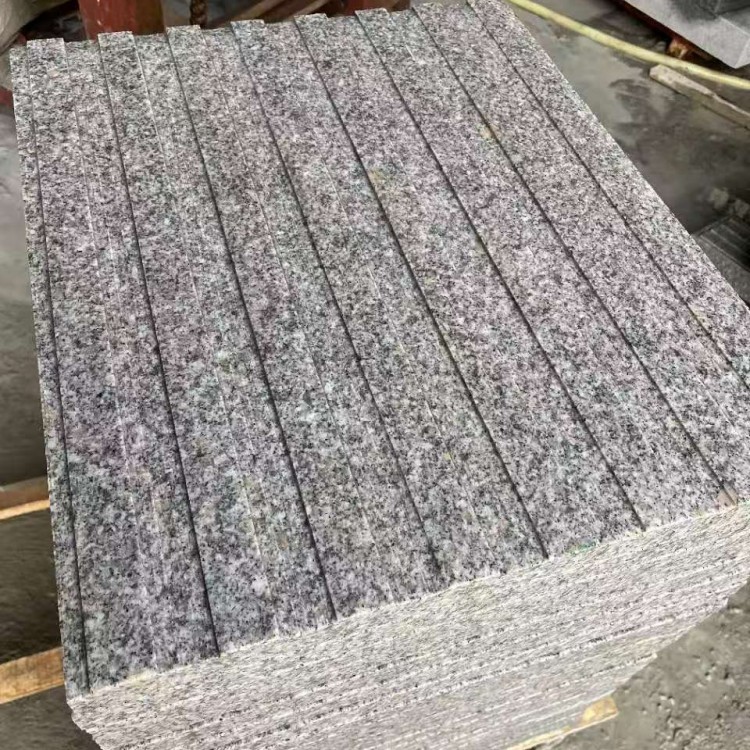







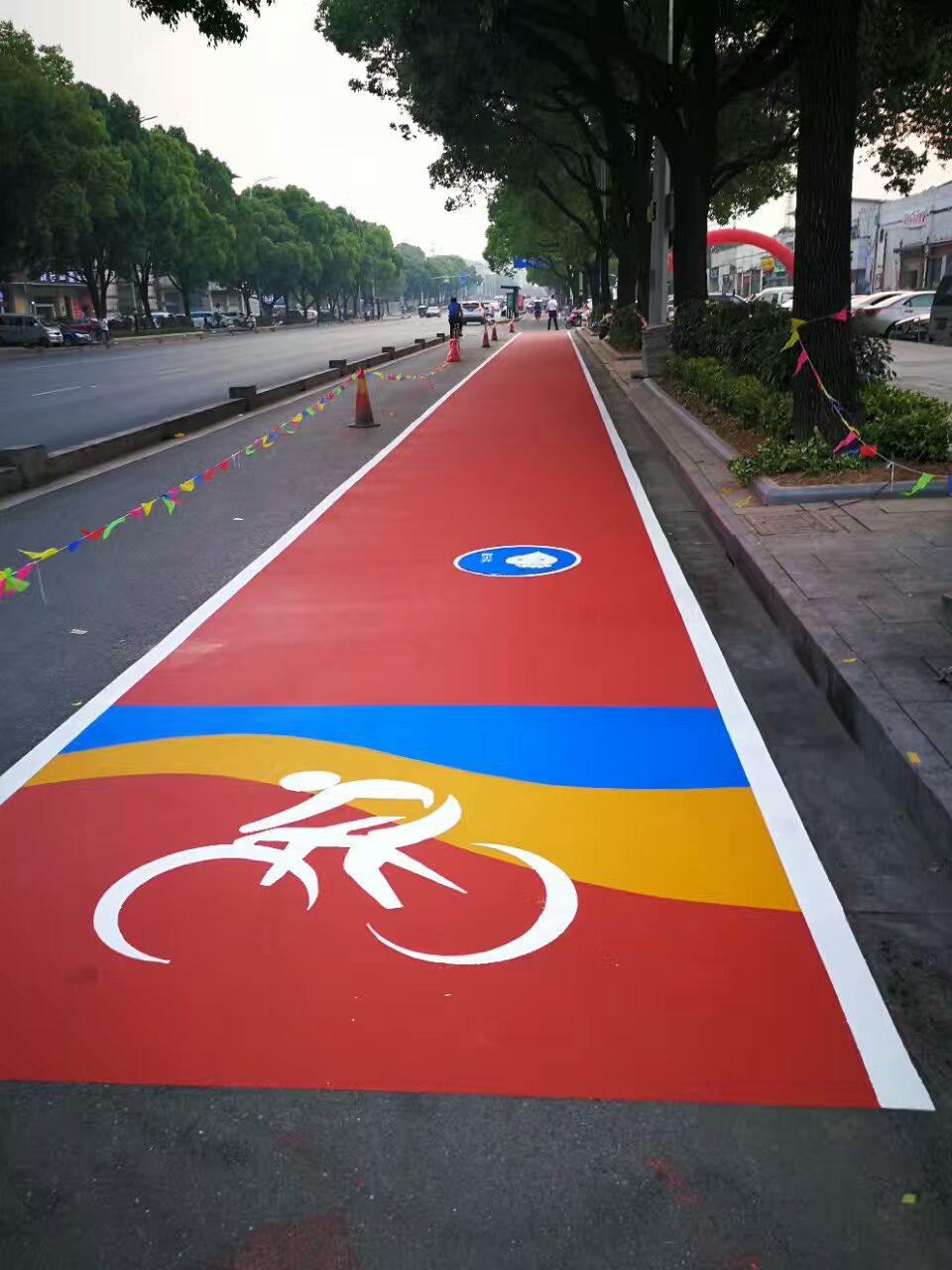
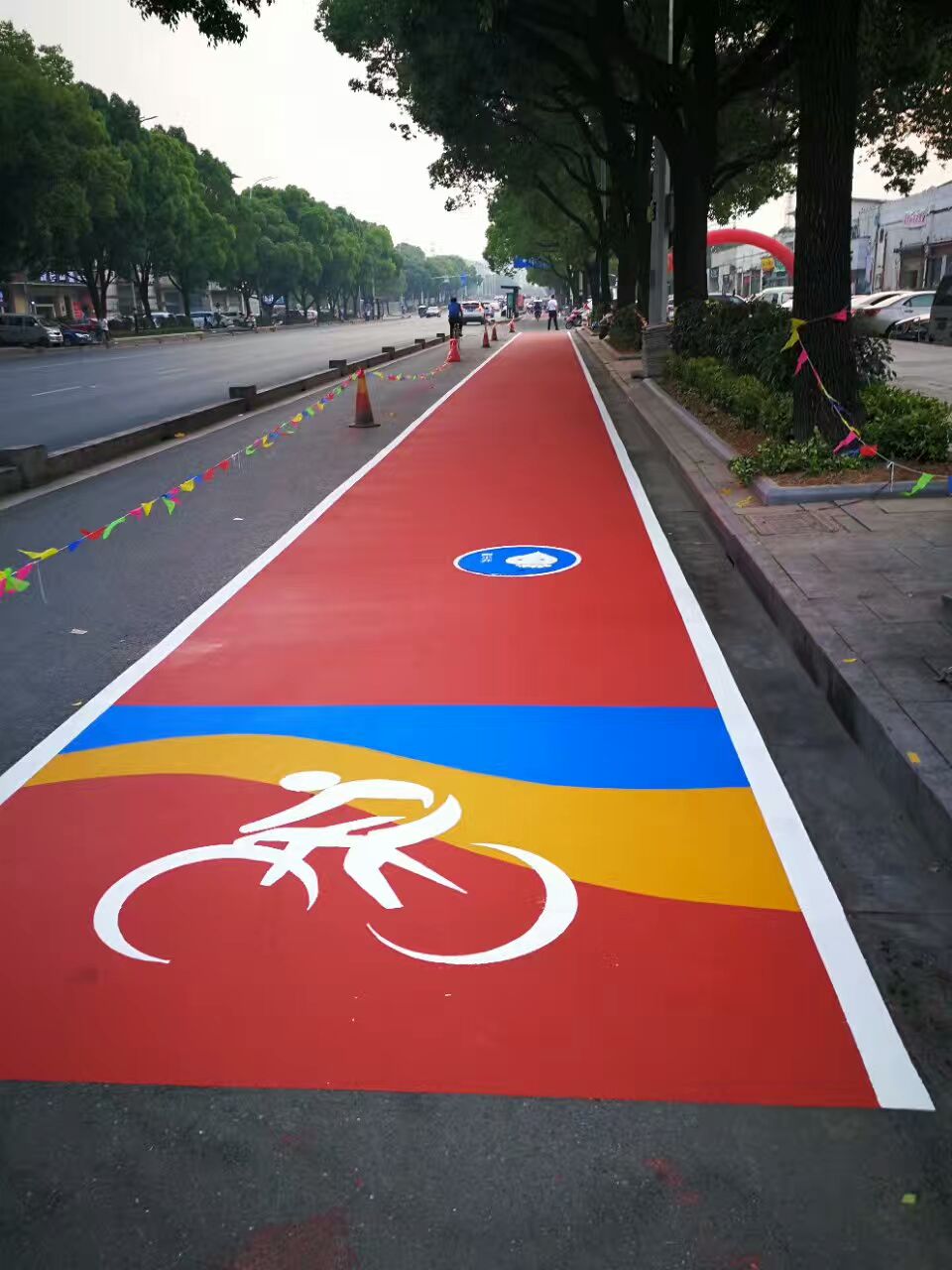
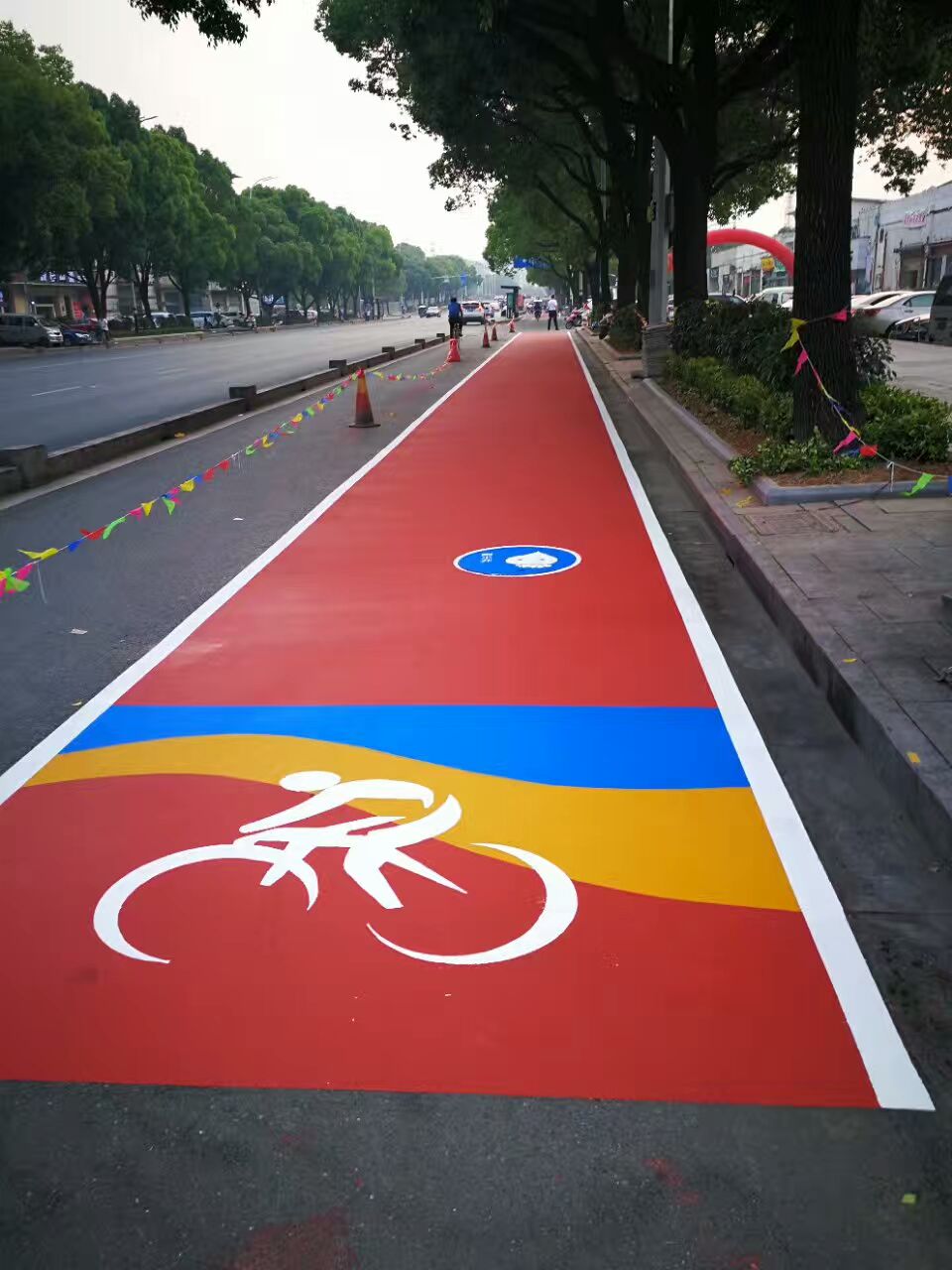
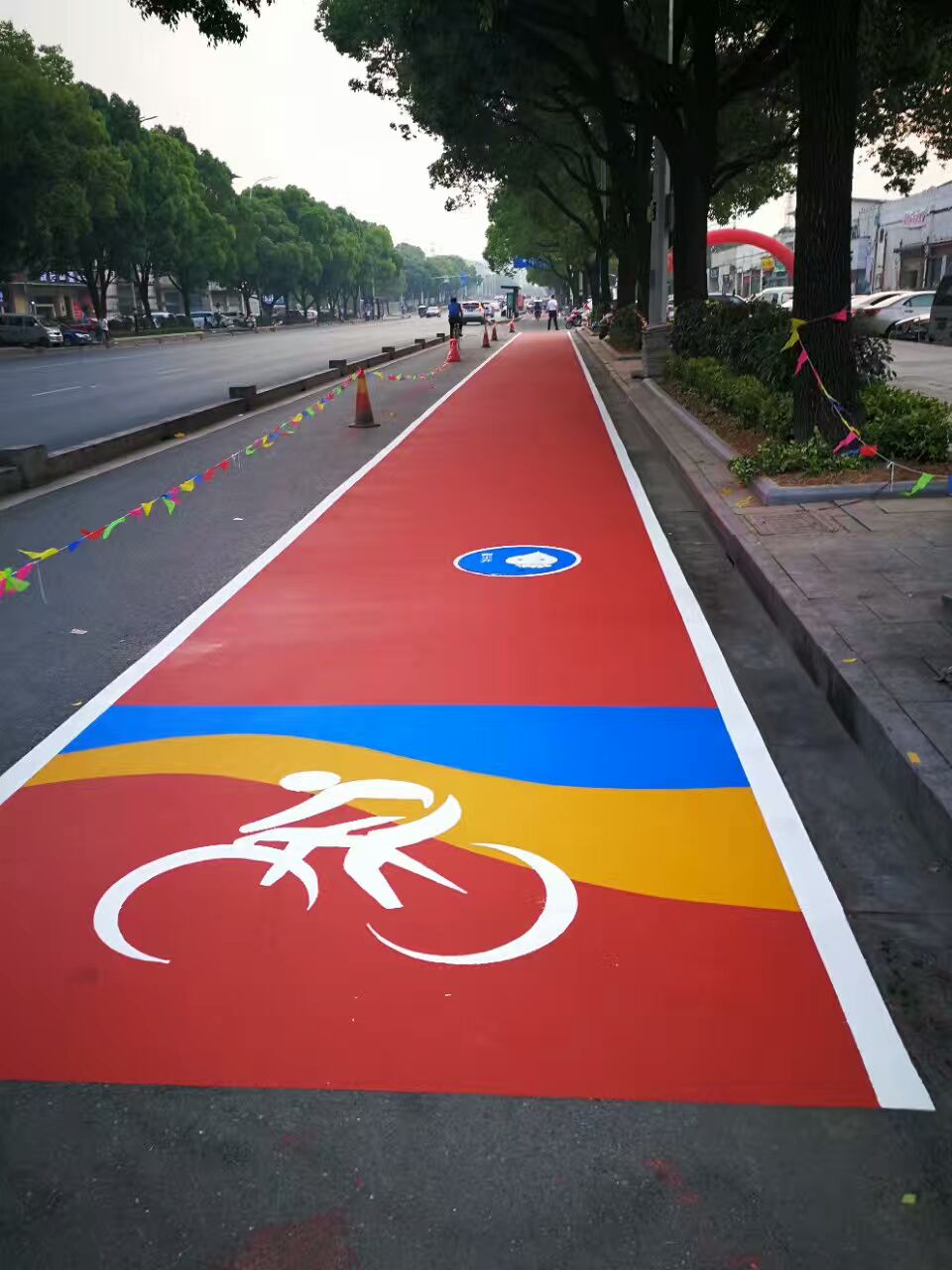
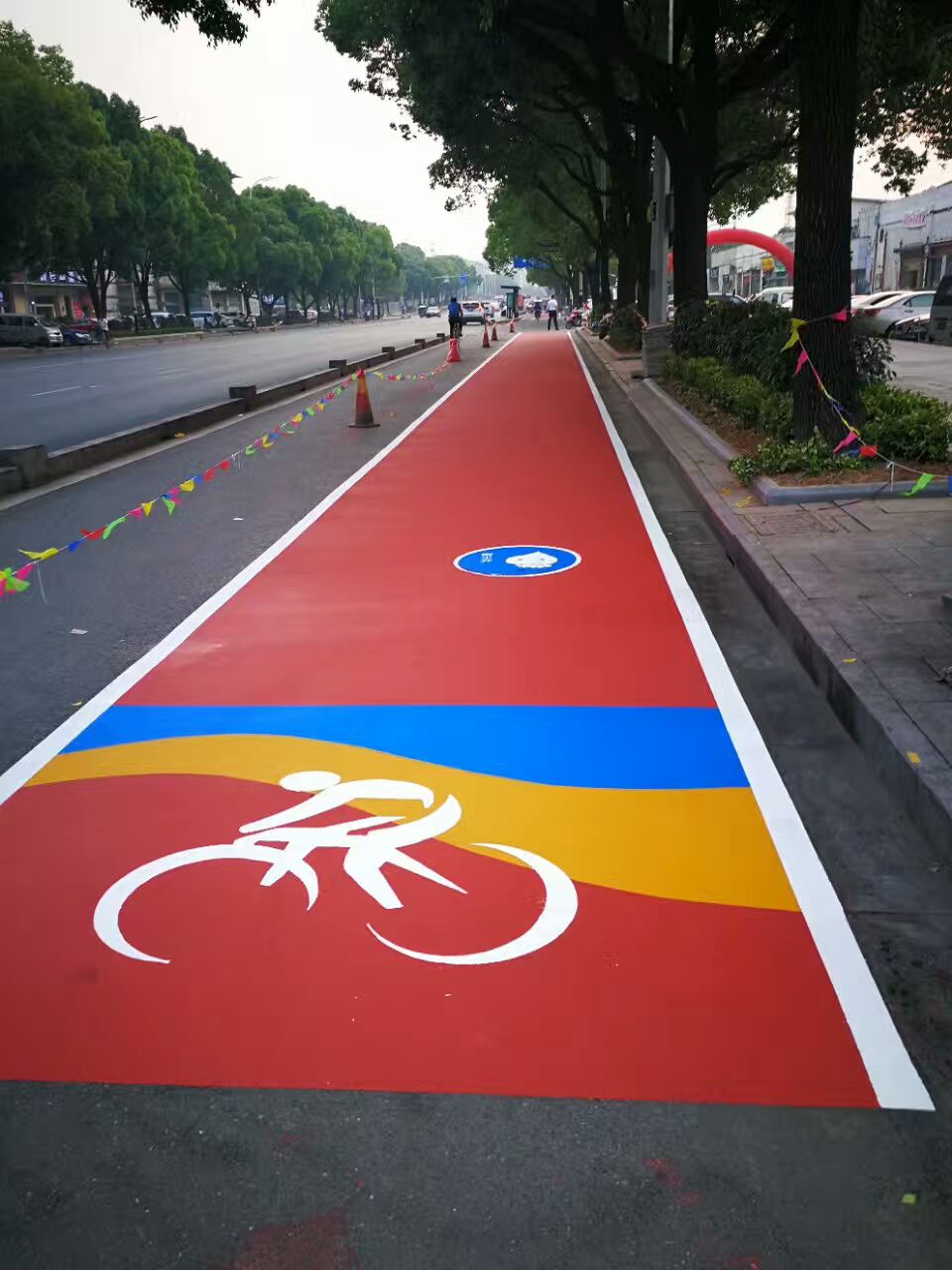
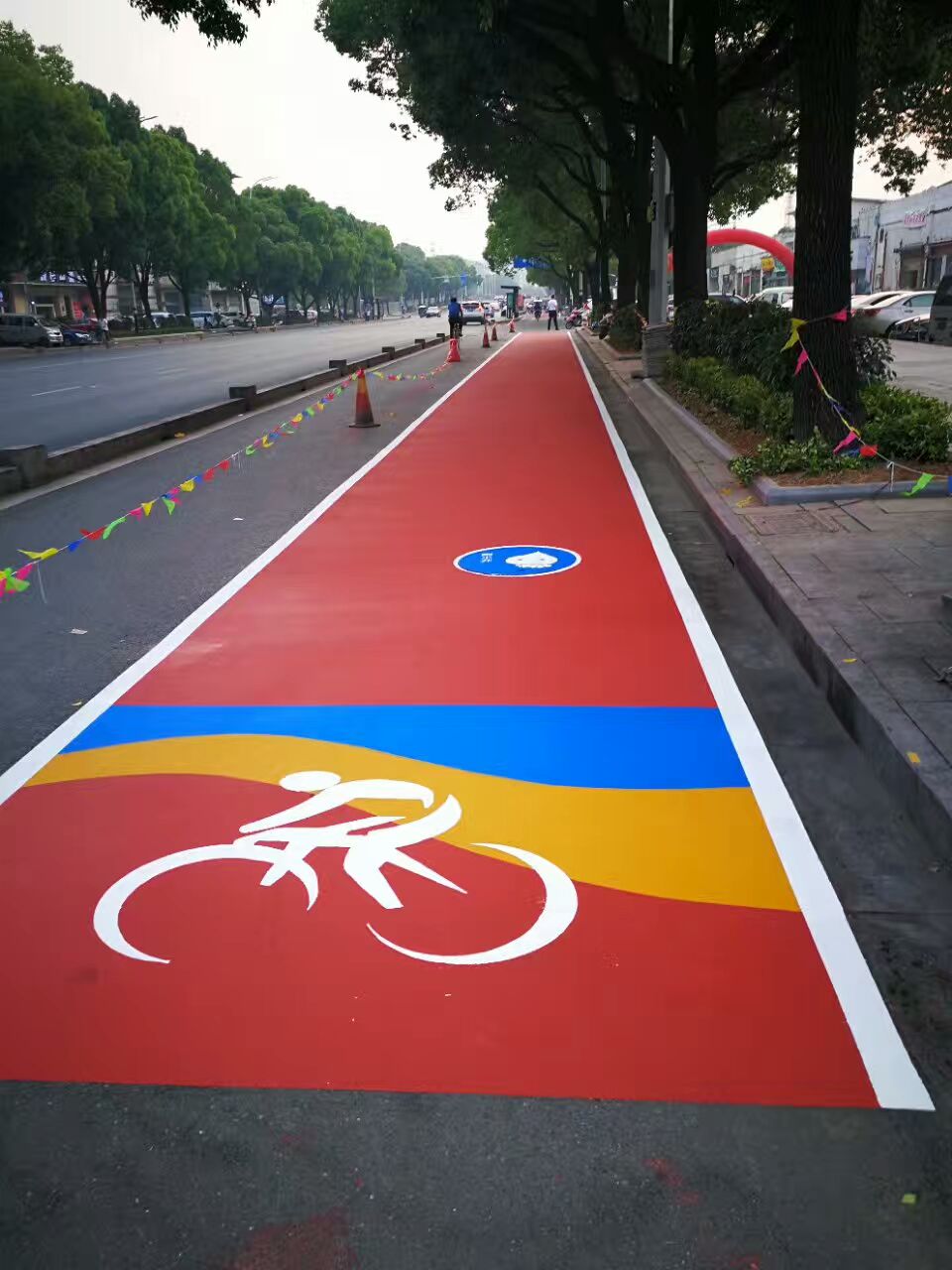
Stamped concrete, a durable decorative surface created by combining special wear-resistant mineral aggregates, high-grade cement, inorganic pigments, and polymer additives. It achieves a distinctive stone texture and rich coloration through processes such as stamping, finishing, and sealing.

The process of forming cement embossed flooring with wood grain patterns:
1. Concrete Surface Texturing: Apply a 1cm layer of cement slurry before the concrete sets, then use a hand iron plate to evenly spread and level the mortar on the concrete surface, creating a textured finish.
2. Apply hardening material: Evenly spread 2/3 of the specified hardener over the concrete surface in the initial setting stage, using a hand iron board to level and finish the first operation after the hardening material absorbs moisture. Once the hardening material has reached a certain stage of initial setting, proceed with the second operation by spreading the remaining 1/3 material, leveling, and finishing.
3. Leveling and Hardening Material: Perform at least three hand-finishing iron board leveling operations based on the concrete's hardening condition, with the finishing operations overlapping each other.
4. Apply Demolding Powder: During a certain initial setting stage of the hardening material, when the surface is dry and free of moisture, evenly spread a layer of demolding powder that is compatible with the hardening material.
5. Mold patterns, ensuring the mold remains flat and stationary. The pattern must be formed in a single pass without re-pressing.
6. Offer various design styles, textures, and colors, including interplay of multiple colors.

Artistic embossed flooring materials are suitable for indoor ground covering and decorative materials. Generally, we opt for traditional tiles or wooden flooring, but these materials are difficult to maintain and hard to match with suitable replacements once damaged. They are ground materials with strong artistic appeal and special decorative requirements. It is a highly wear-resistant material, instantly available, composed of special mineral aggregates, inorganic pigments, and additives.

Artistic embossed paving has the advantages of easy installation, one-time molding, long service life, quick construction, easy repair, and resistance to fading. It also addresses the shortcomings of common colored pavers, such as poor integrity, uneven surfaces, tendency to loosen, and short service life.

Artistic embossed paving is created by sprinkling colored composite powder on poured concrete and pressing out various textures with molds, achieving an effect akin to granite, marble, slate, wood, and bricks. It not only possesses the artistic expressiveness that traditional materials cannot replicate, providing designers with ample room for imagination, but also features anti-corrosion, anti-slip, and wear-resistant qualities that a single concrete surface lacks.