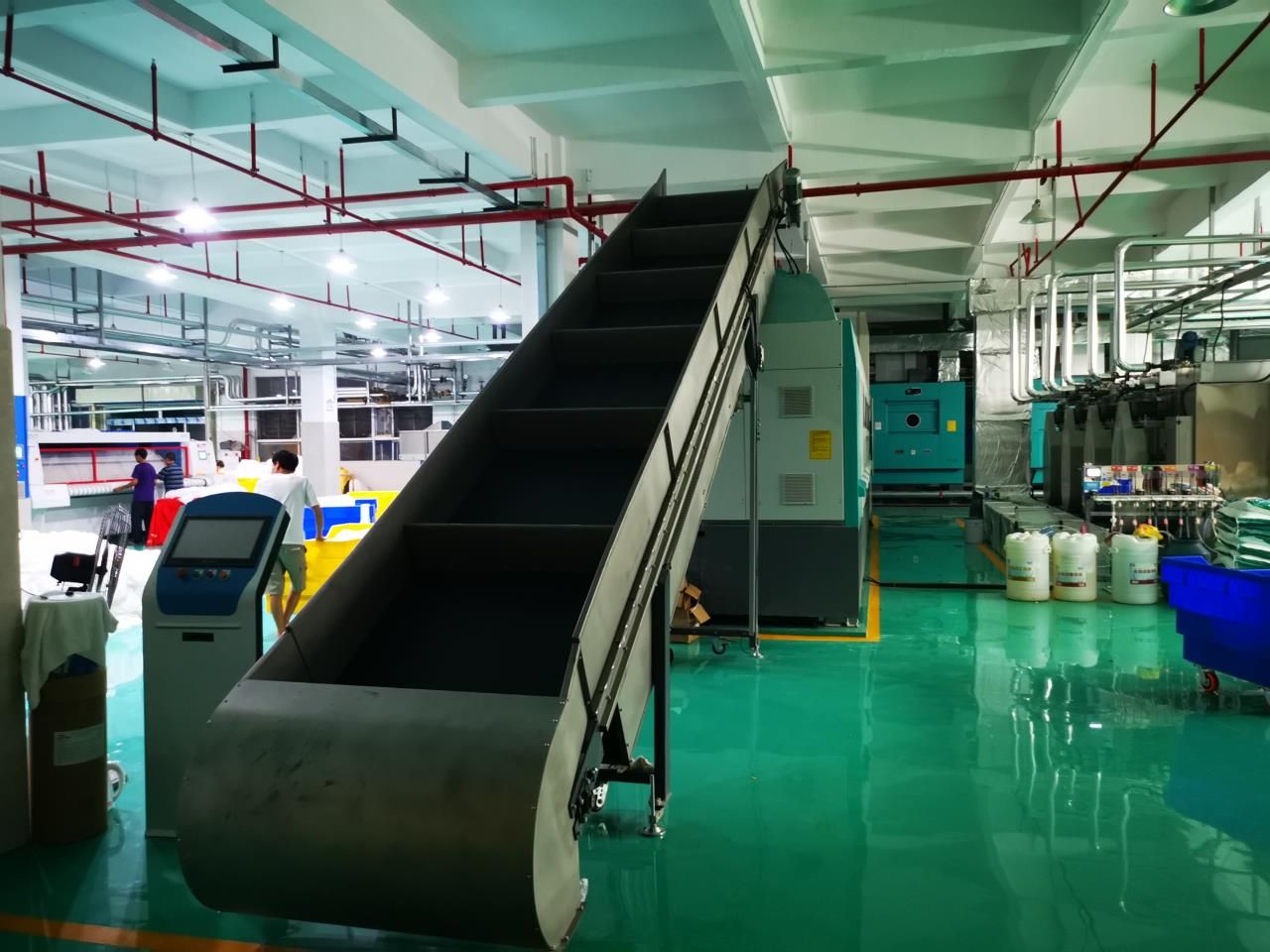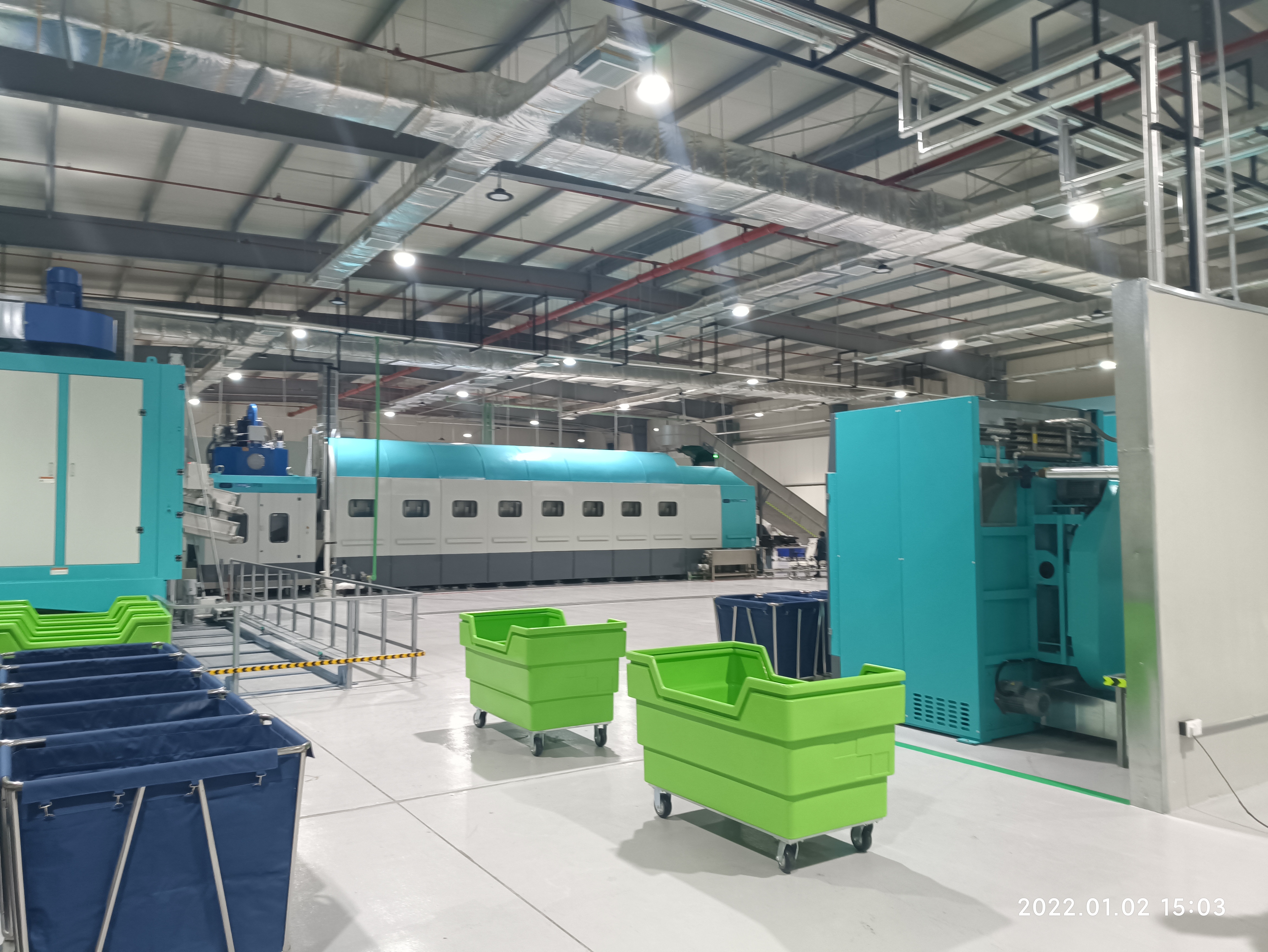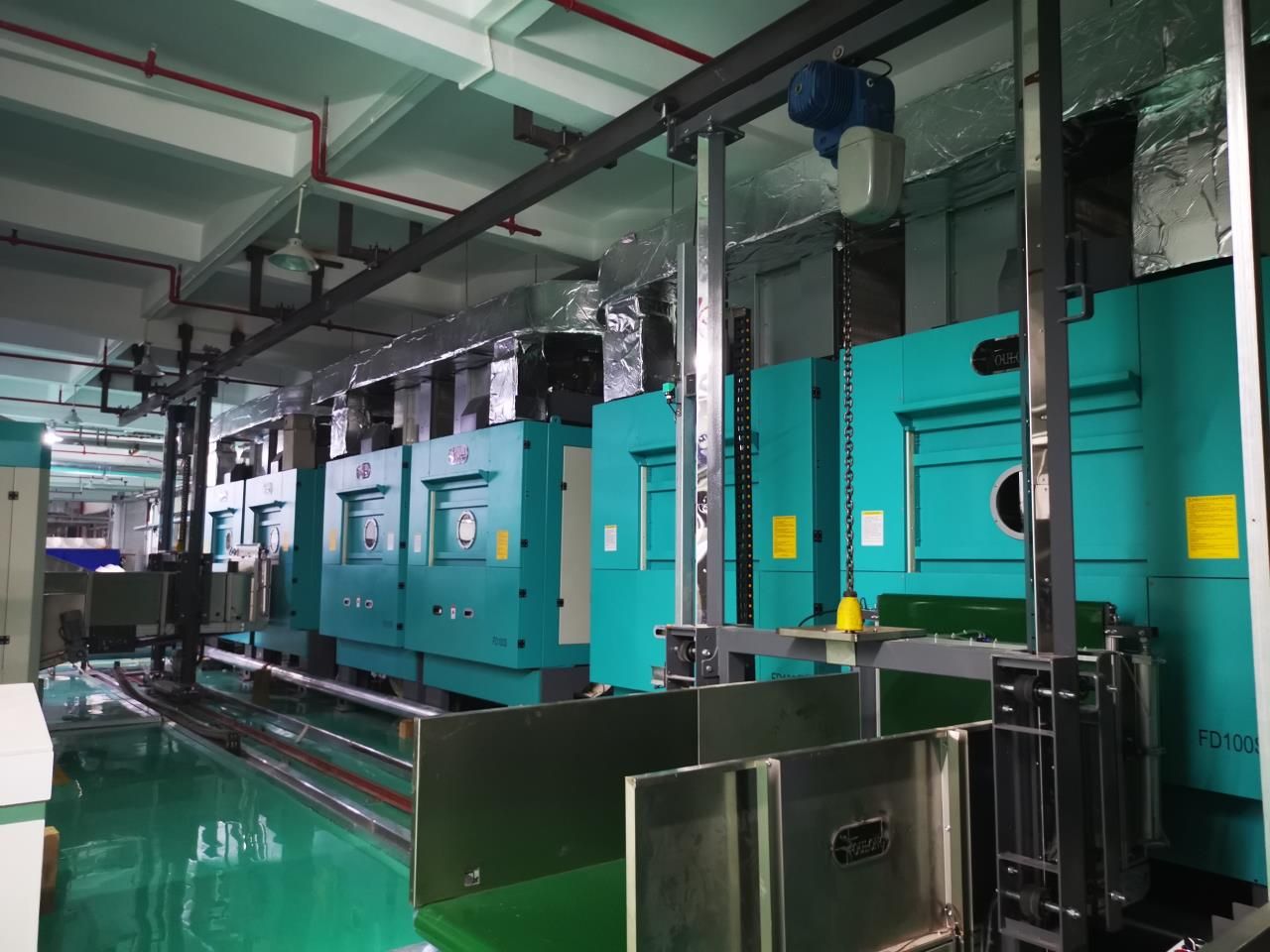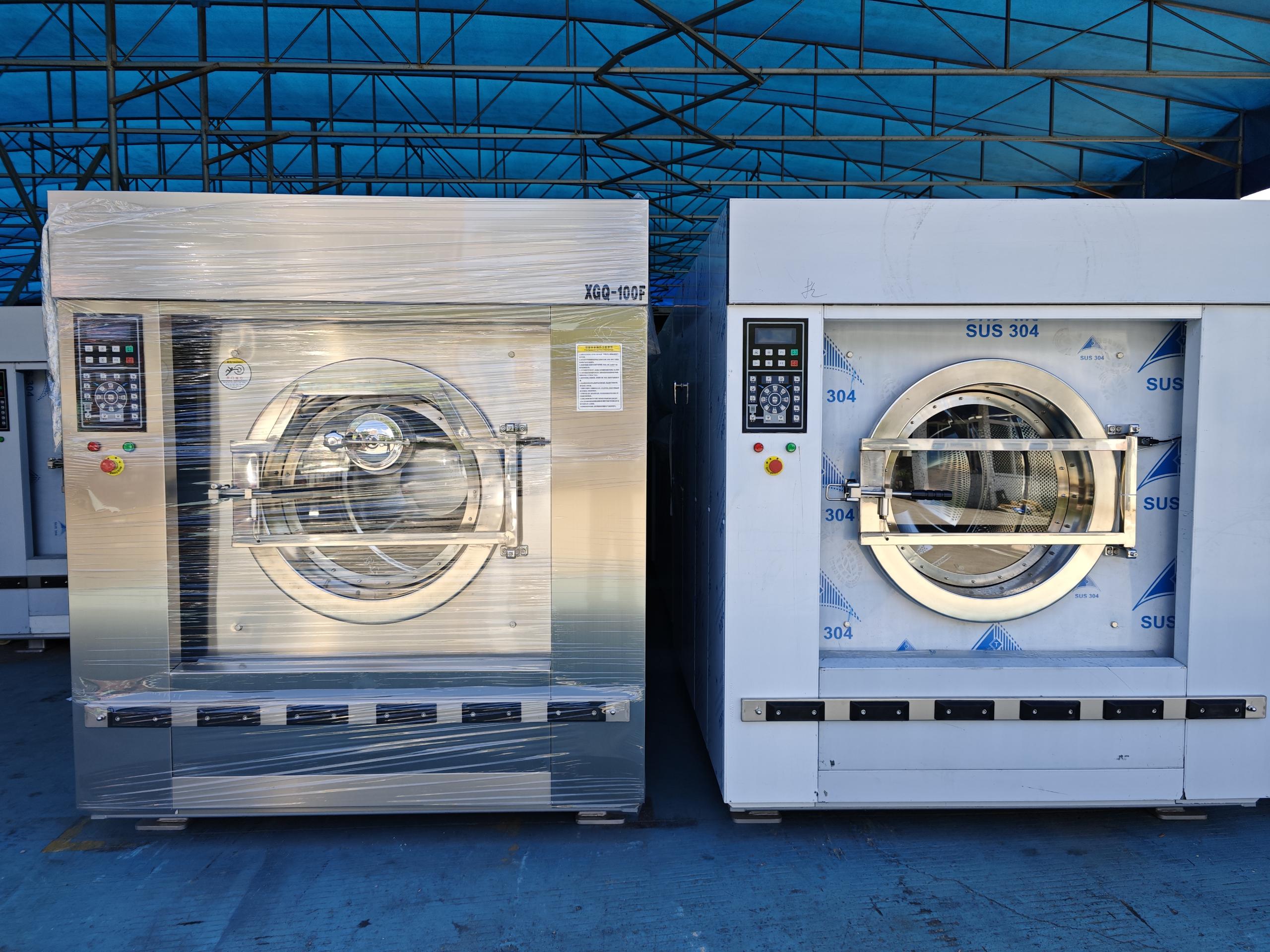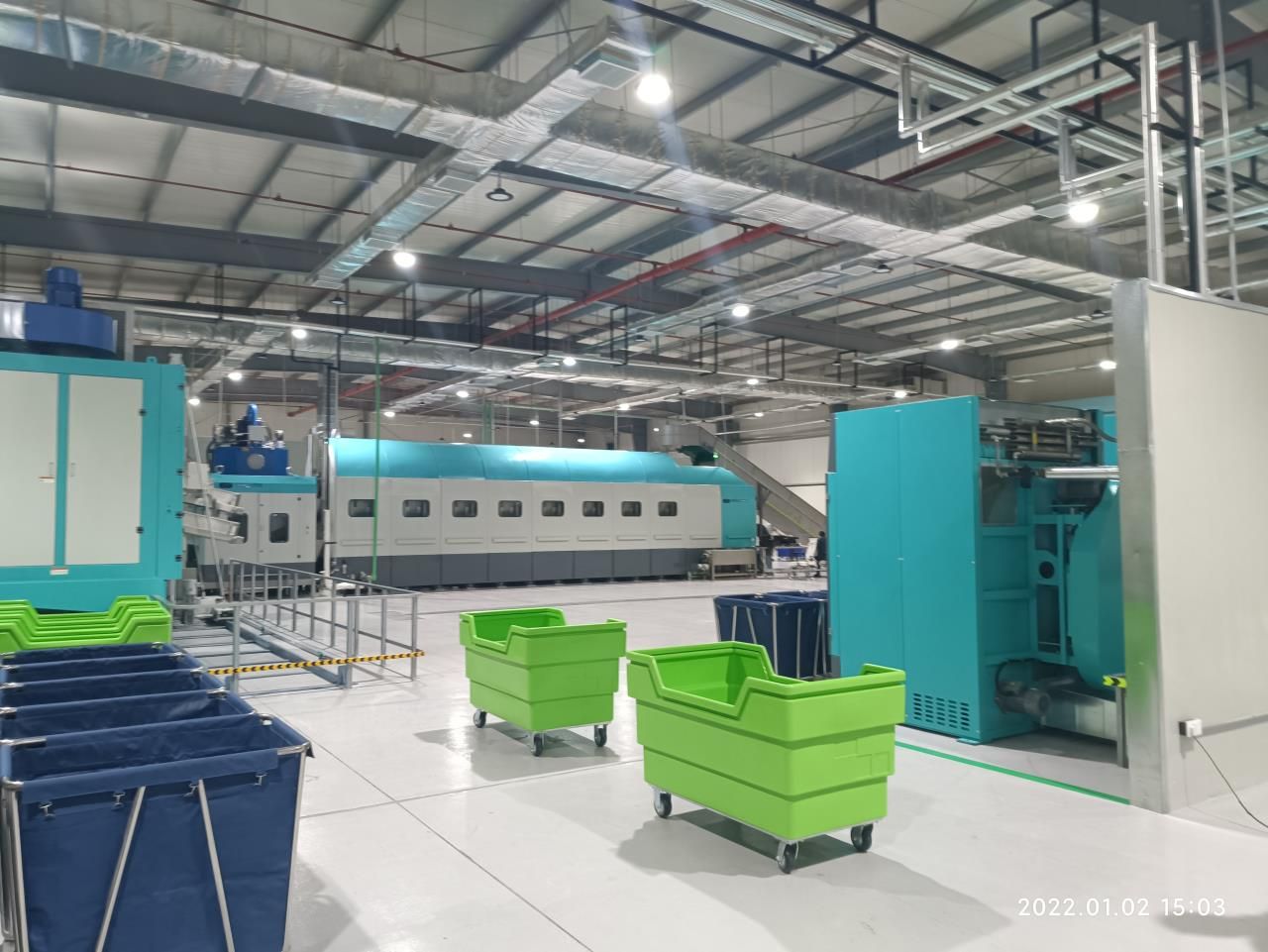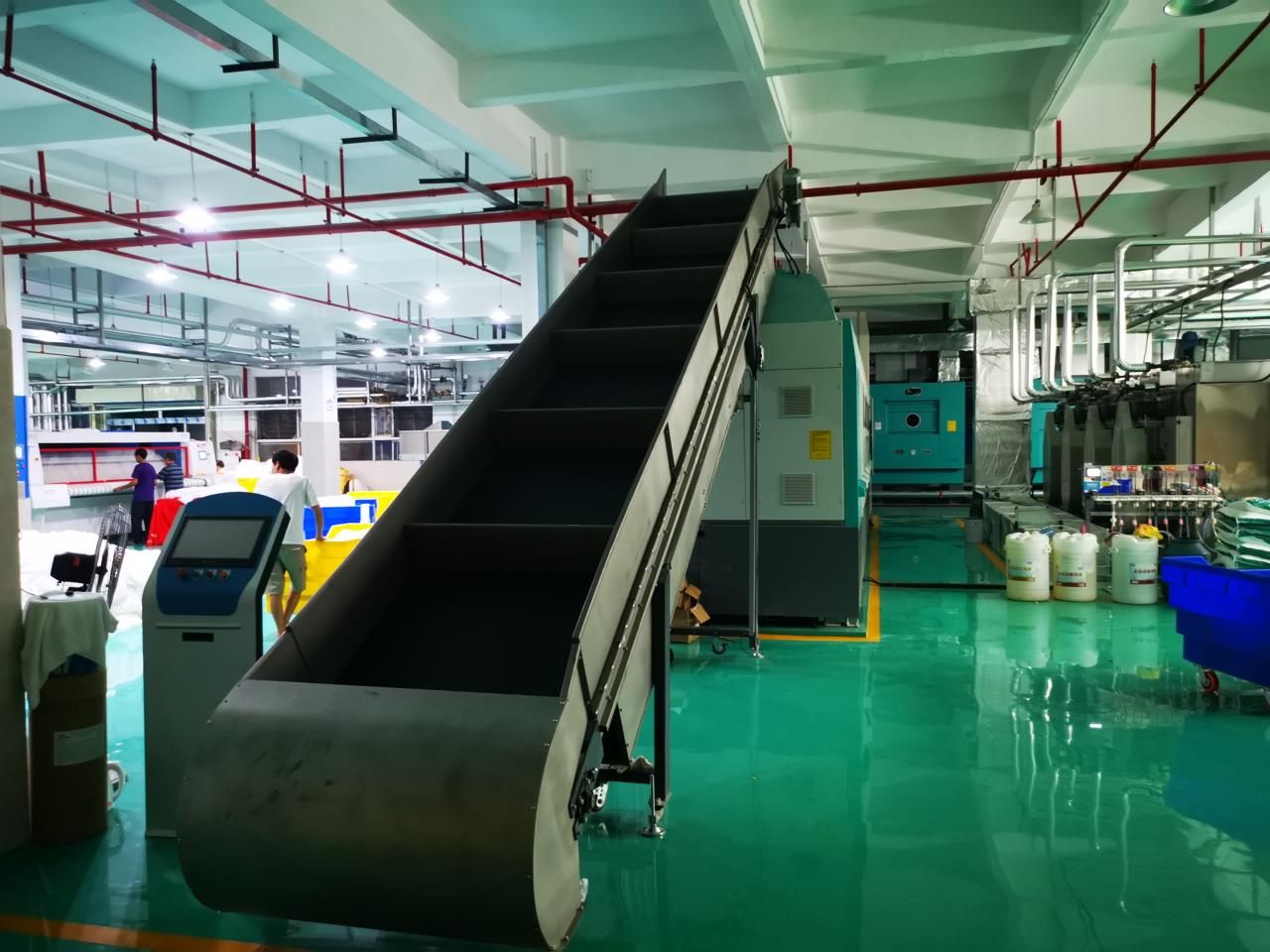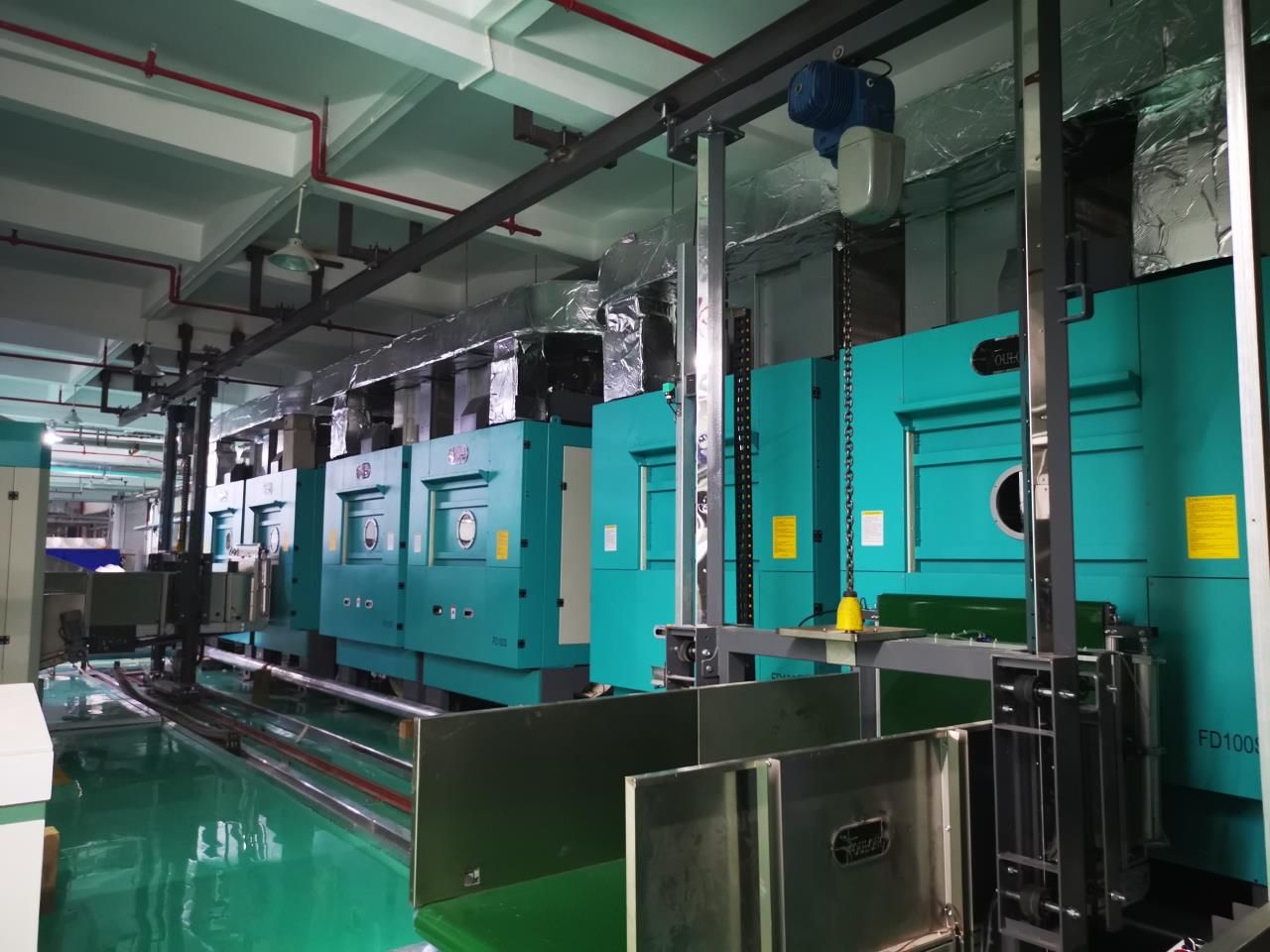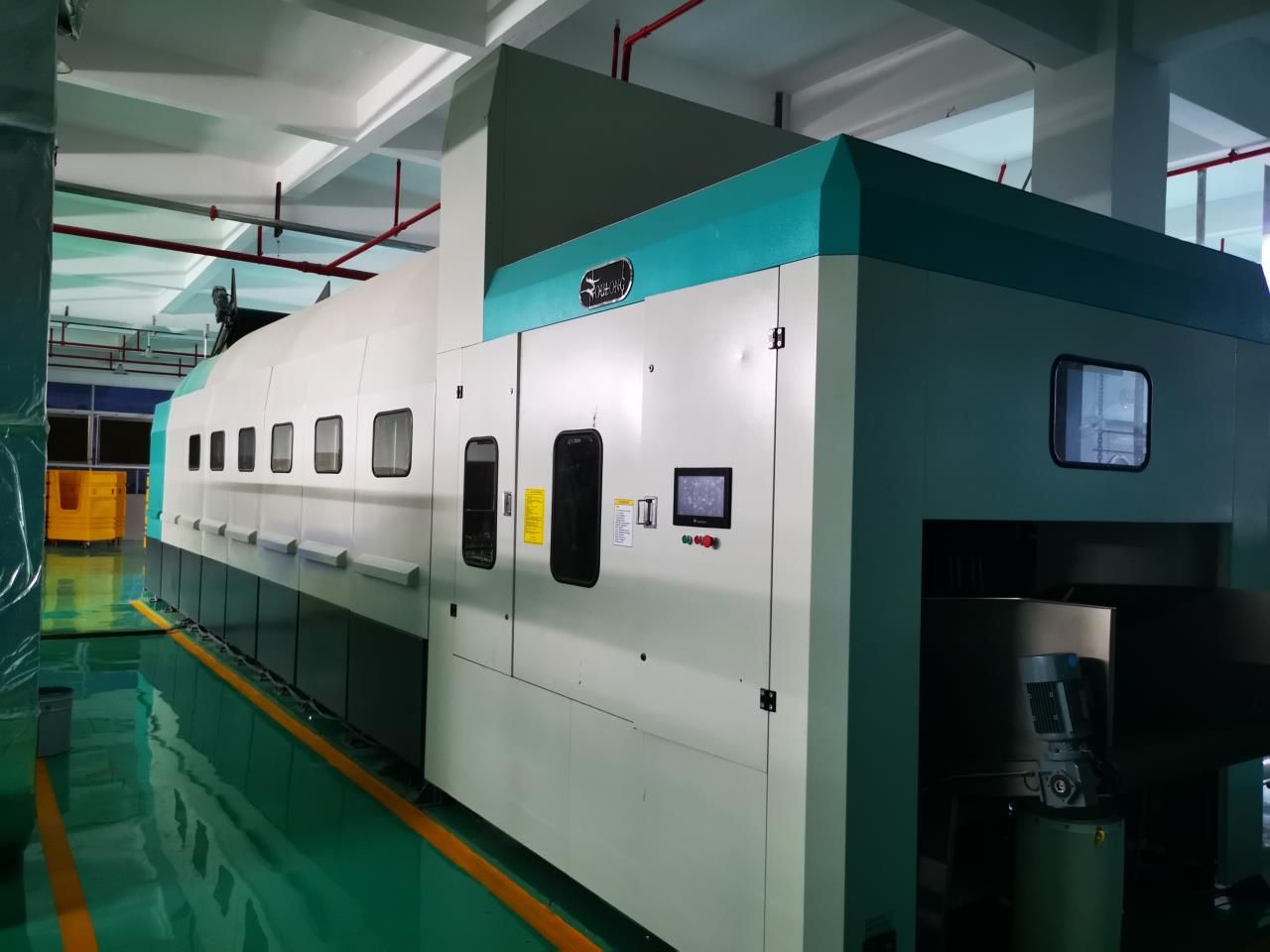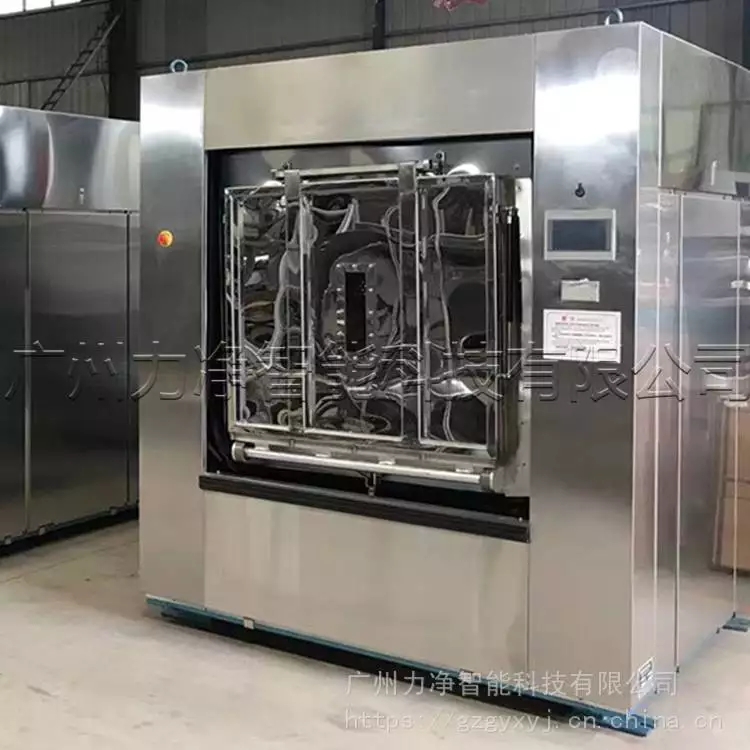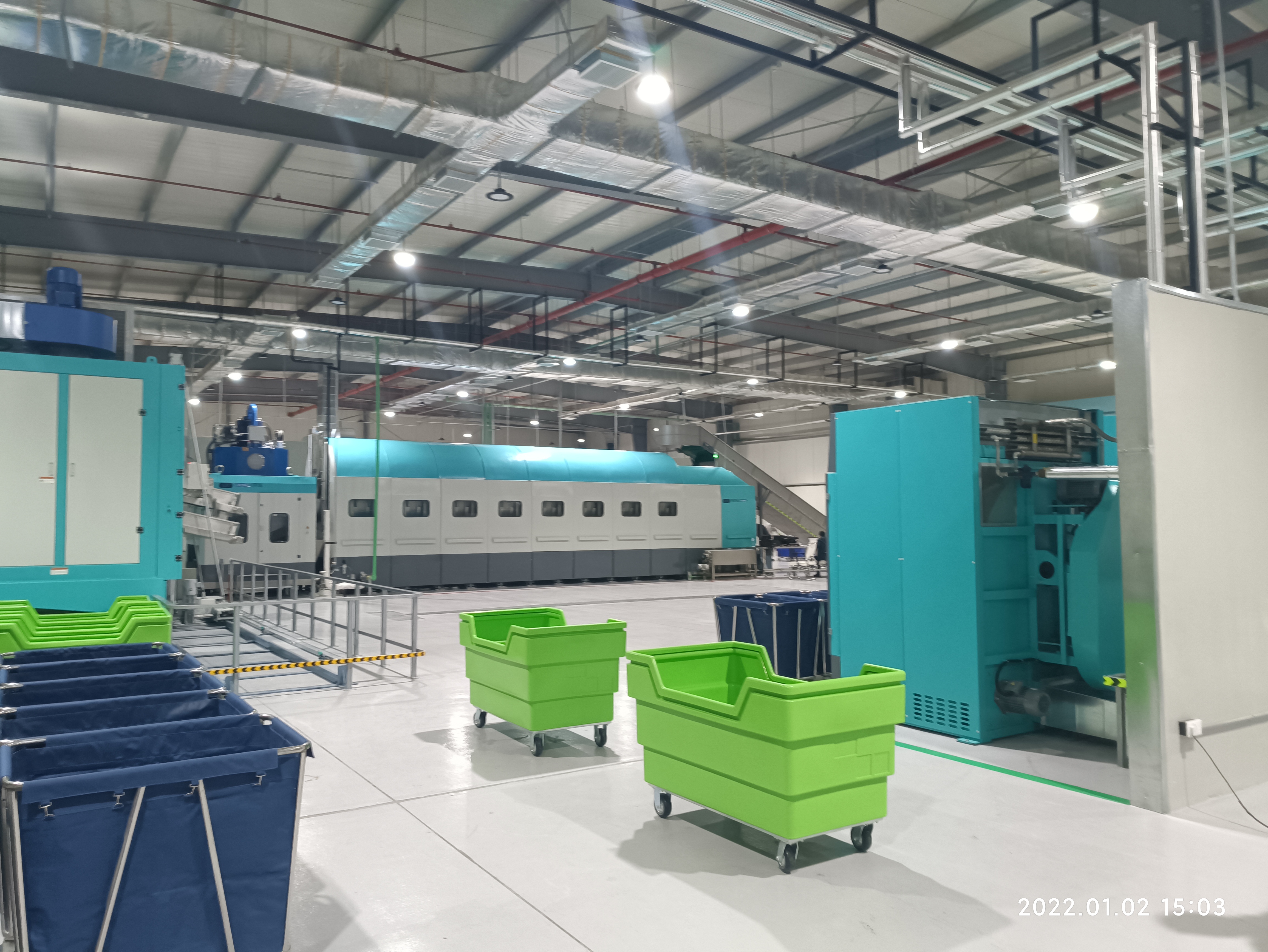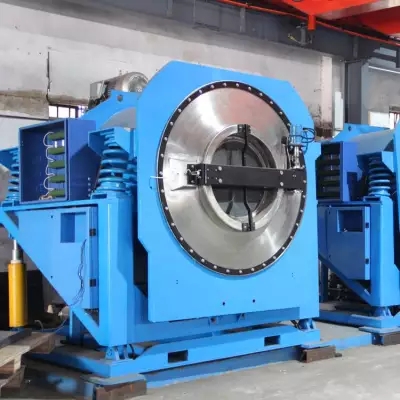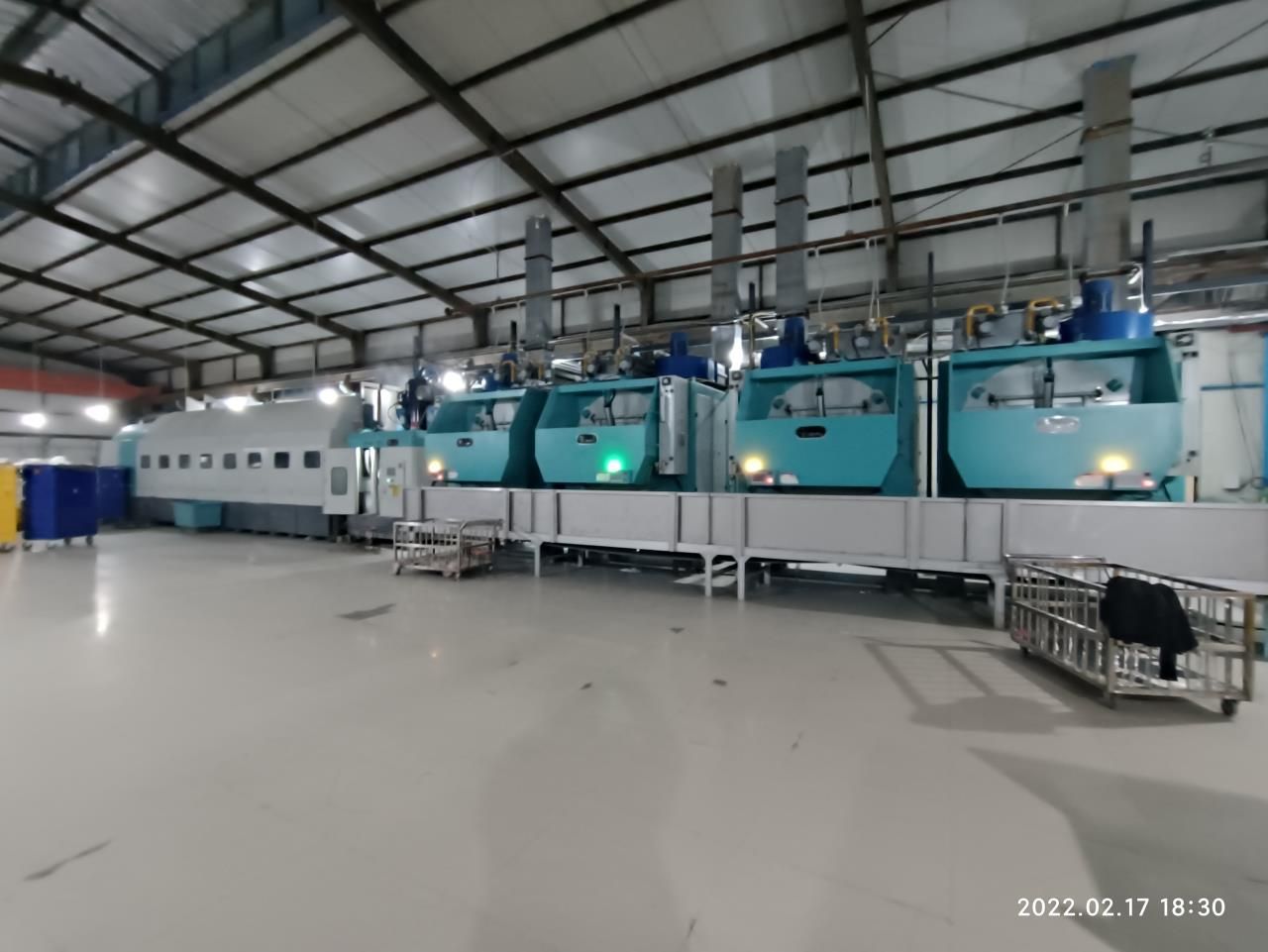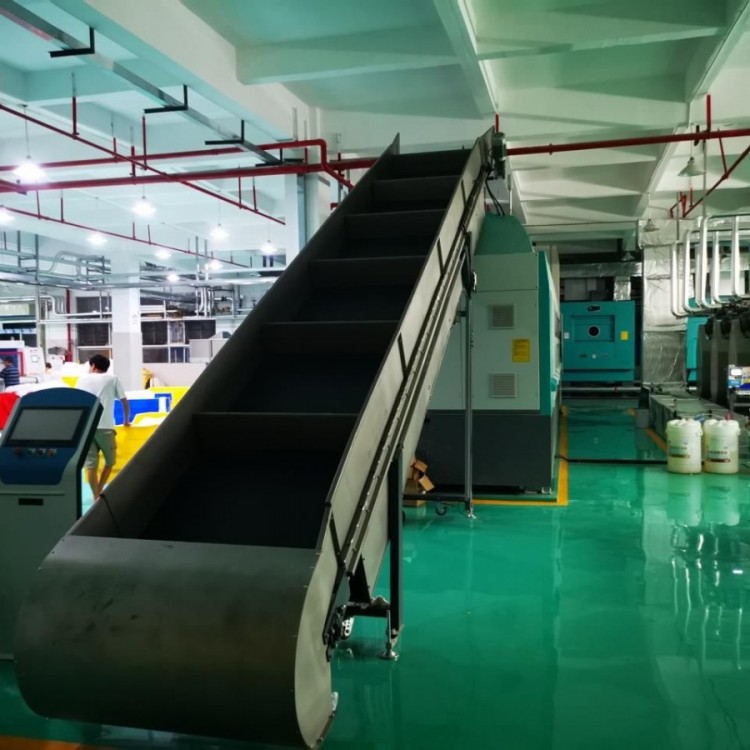

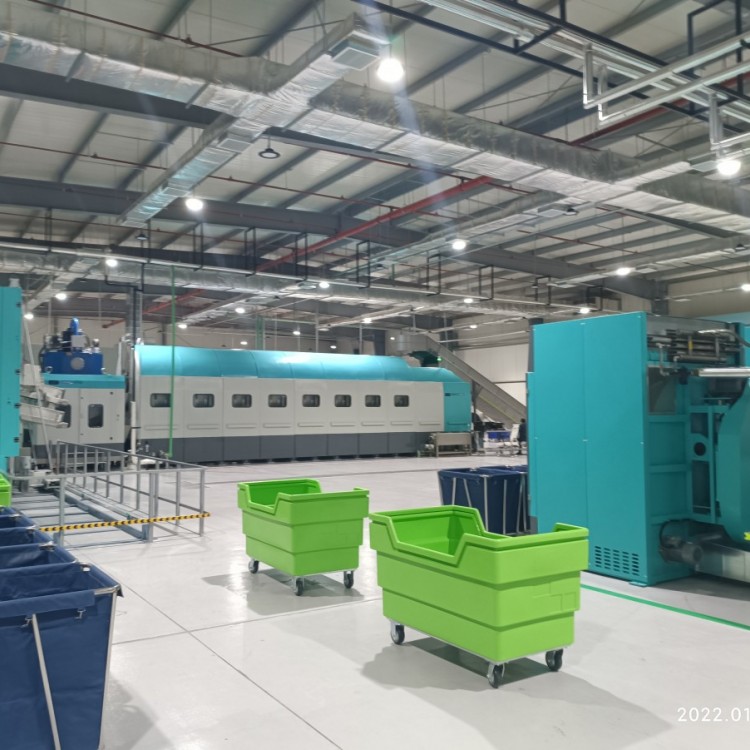








Laundry Conveyor Capacity:
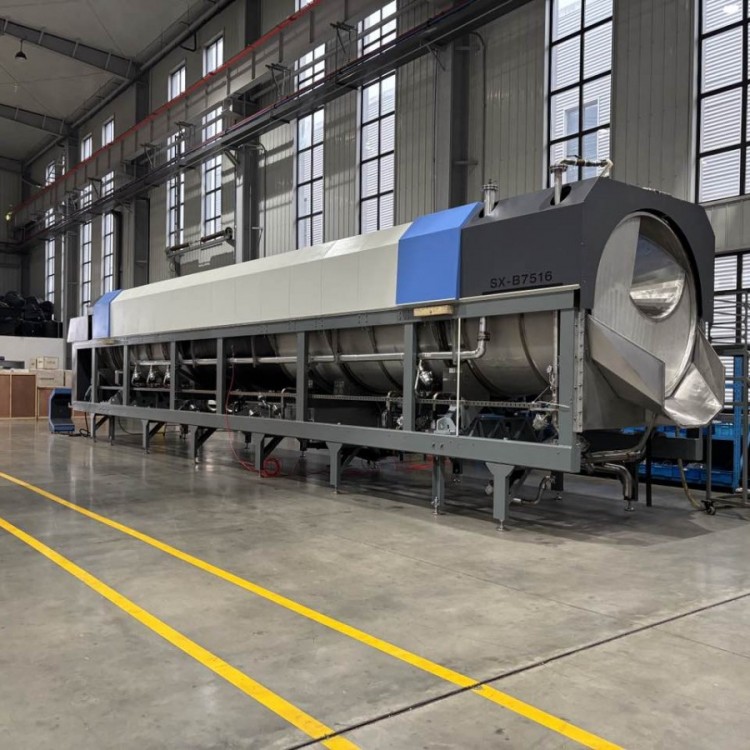
The washing capacity of the Laundry Dragon depends on various factors, including the model, specifications, and the set cycle time of the Laundry Dragon.
For example, with a 16-compartment washing dragon, at a 2-minute cycle time and given the loading capacity, the theoretical output can reach 1800 kg per hour; however, the actual figure may vary, typically around 1200-1500 kg.
Therefore, the specific washing line capacity requires referencing the parameters of the specific equipment and actual usage to determine.
Laundry conveyor operation process:
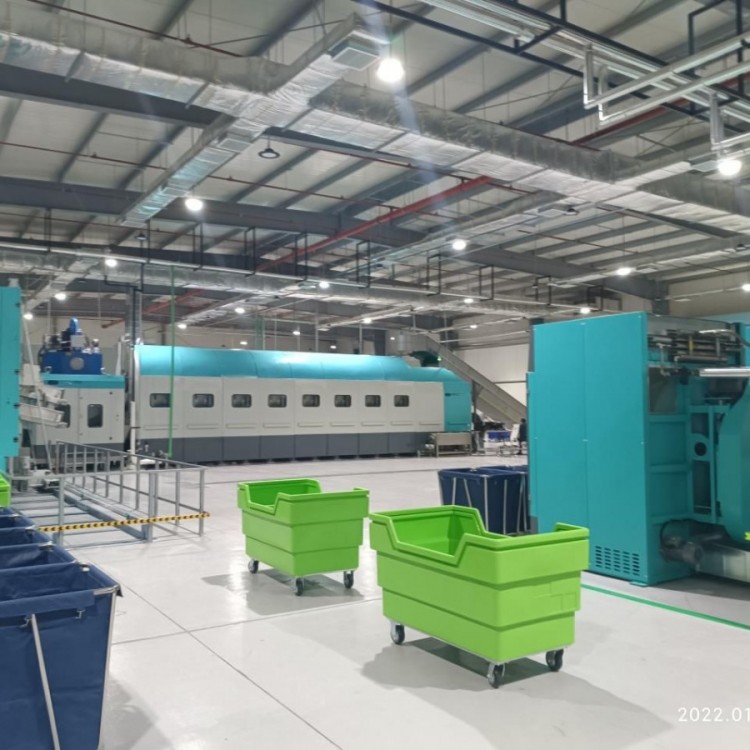
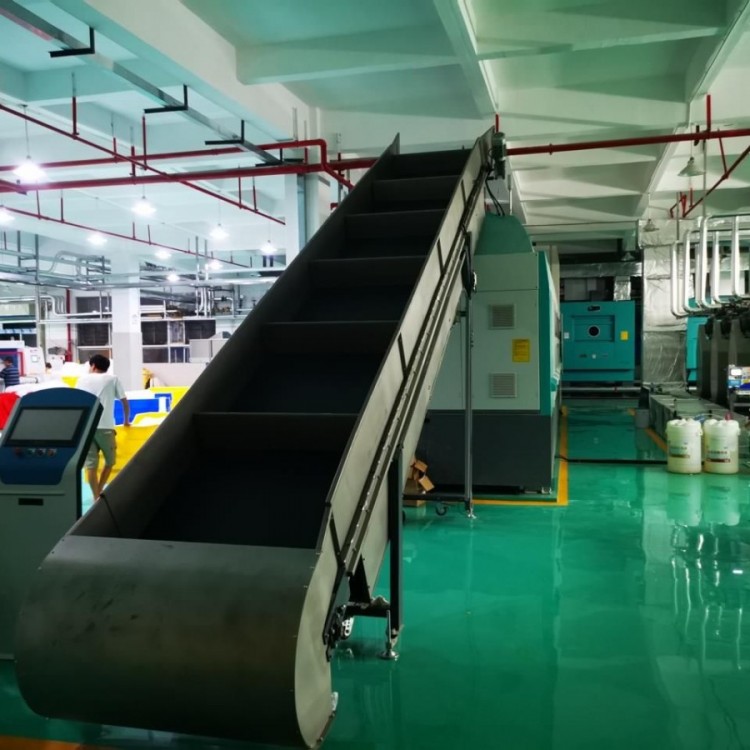
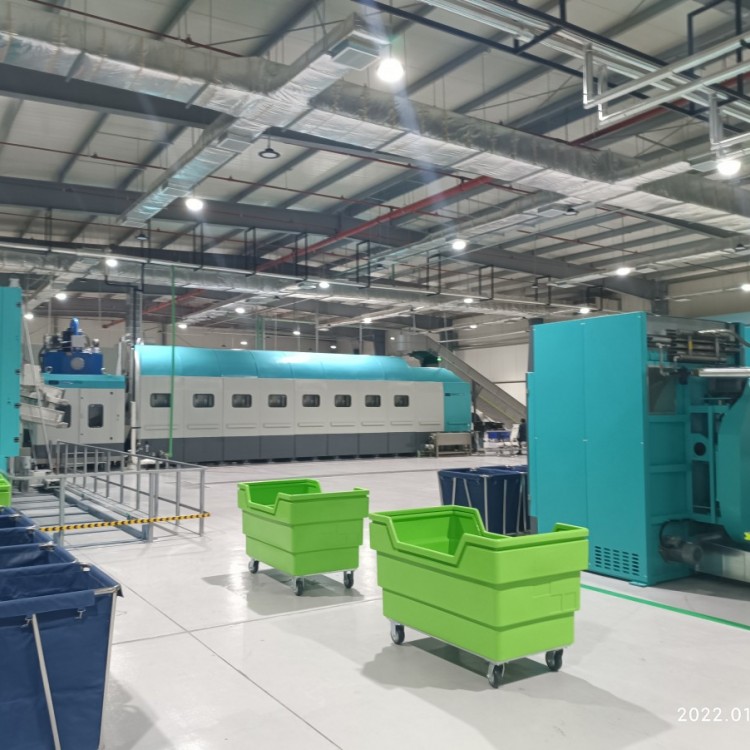
A Tunnel Washing Line is a type of washing equipment commonly used in large laundries or laundry factories. Below is the operation process of a Tunnel Washing Line:
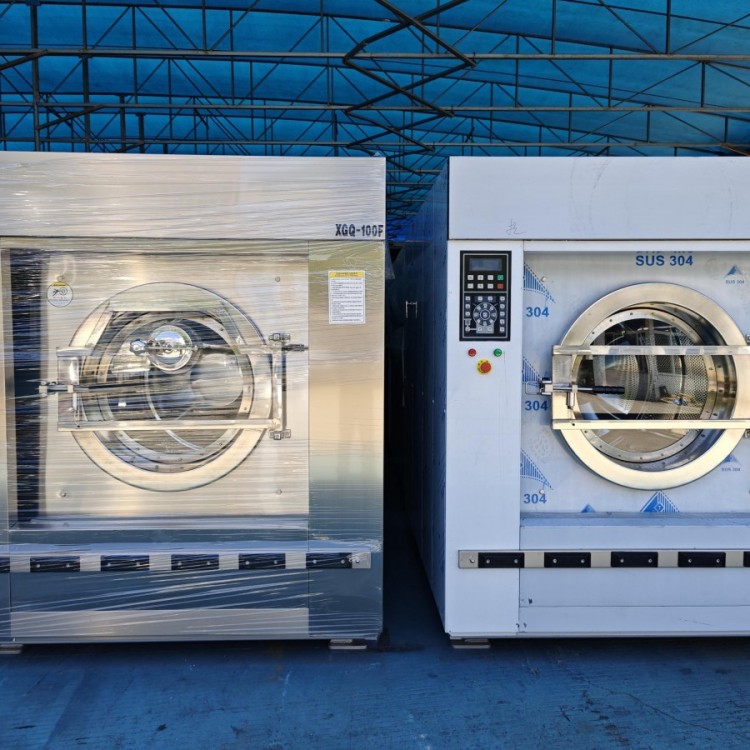
Place the unwashed clothes into the laundry hamper. The hamper usually has a loading opening for inserting garments.
Close the washing cabinet door. Make sure the door is securely closed to prevent water or foam from spilling during the washing process.
Open the washing basket control panel. The control panel usually features various washing programs and settings options, allowing you to select the appropriate washing solution as needed.
Select a wash cycle. Laundry baskets usually offer a variety of cycles, such as Normal Wash, Quick Wash, and Power Wash. Choose the appropriate cycle based on the type of clothing and the level of dirtiness.
Determine the amount of detergent and water to add, and set it according to the instructions on the control panel.
Start the washing cycle and wait for the washing to complete.
After washing, remove the clothes from the washing basket and proceed with subsequent drying, ironing, and other treatments.
Note that the operation process of the tunnel laundry chain may vary due to model and specific usage. When in use, it is recommended to refer to the user manual or contact the equipment manufacturer to ensure proper operation.
The Working Principle of the Laundry Dragon:
The washing dragon operates primarily by utilizing rotating water streams and friction to remove dirt and sweat stains from clothing. Water injected into the washing dragon creates a turbulent flow, and the rotating drum continuously rubs the clothes, while the chemicals in the detergent dissolve the dirt, releasing it from the fabric. Additionally, due to the surfactants in the detergent, dirt and water mix and flow more easily, speeding up the cleaning process.
Laundry Tunnel Configuration:
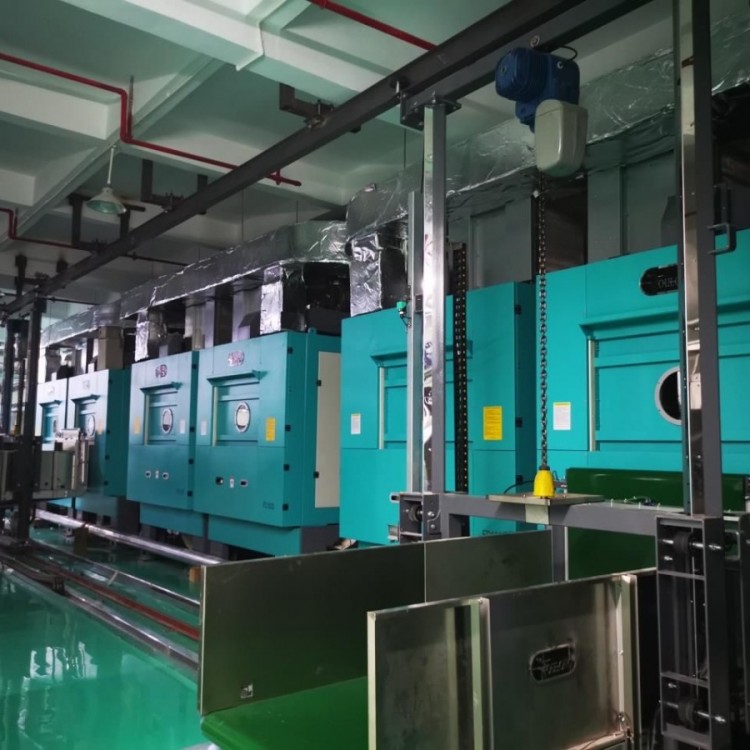
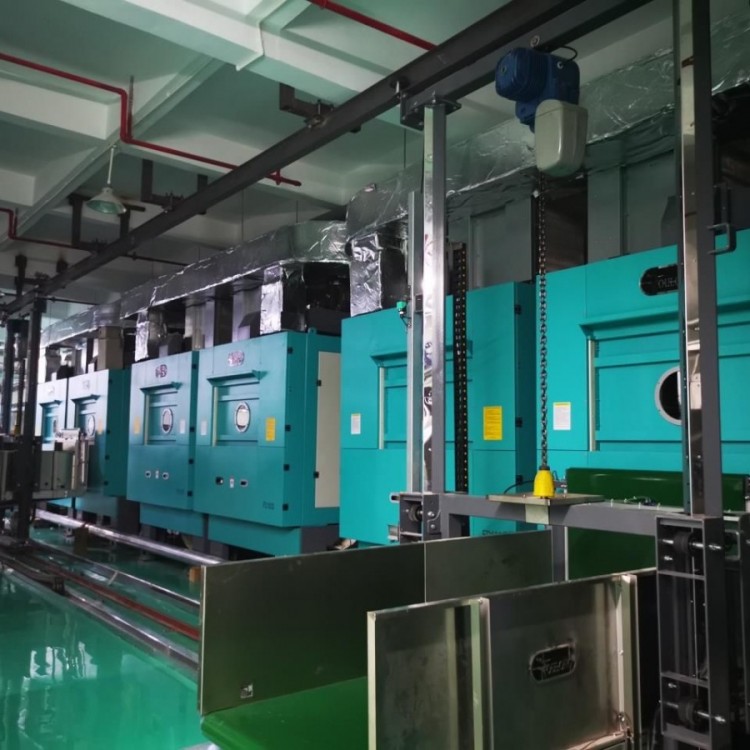
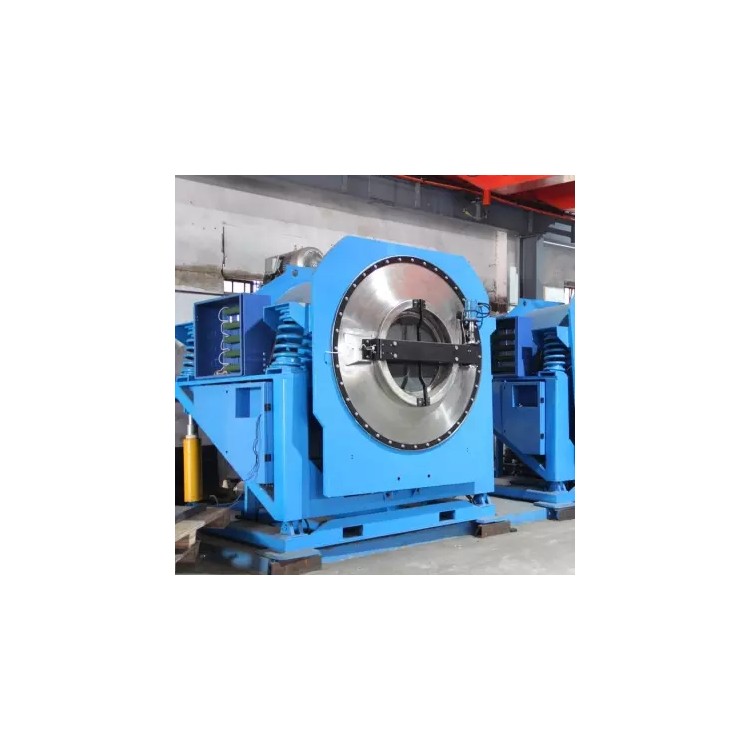
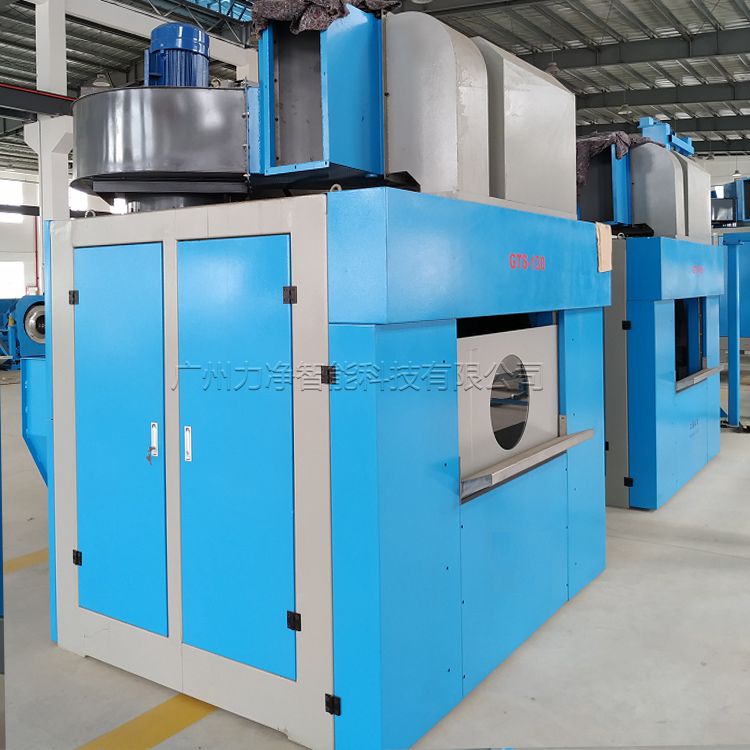
The configuration of the Laundry Dragon varies by model and specification, but typically includes the following components:
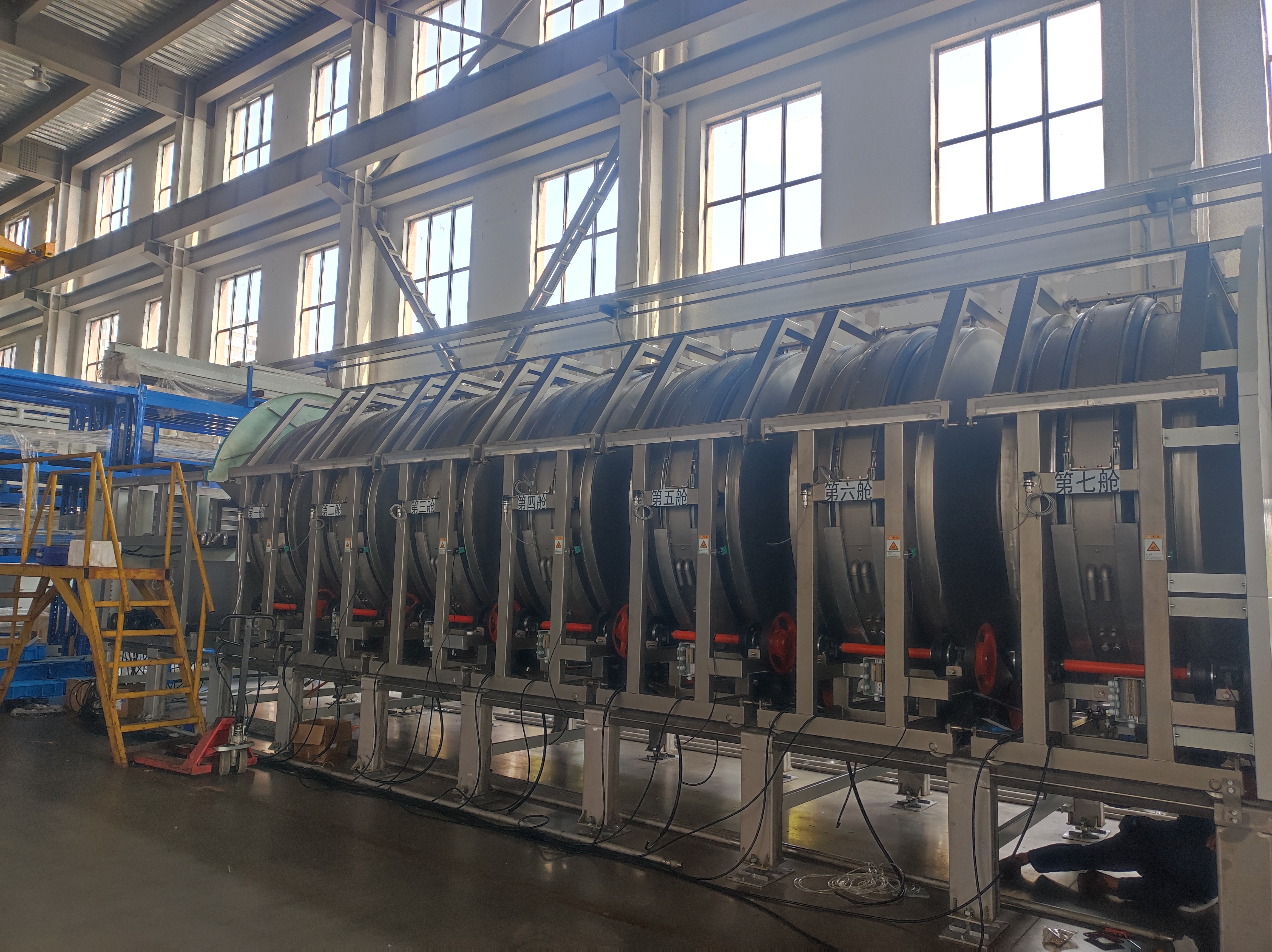
Washing Section: Comprises a sink filled with detergent and water, and a rotating drum.
Heating and cooling system: Used to adjust water temperature during the washing process.
Pumps and pipeline systems: Used for transferring water from one place to another, facilitating the washing process.
Control System: Parameters for controlling the washing process, such as temperature, time, water level, etc.
Maintenance and care tools: Used for regular maintenance and care of the laundry chain, ensuring its smooth operation.
Based on different models and specifications, the laundry conveyor may be equipped with additional devices and features, such as dryers, ironers, and folders. These devices can further enhance washing efficiency and quality, catering to various washing needs.
In summary, the Laundry Dragon's configuration varies by model and specification, but typically includes the basic washing section, heating and cooling systems, pump and piping systems, control systems, as well as maintenance and care tools.
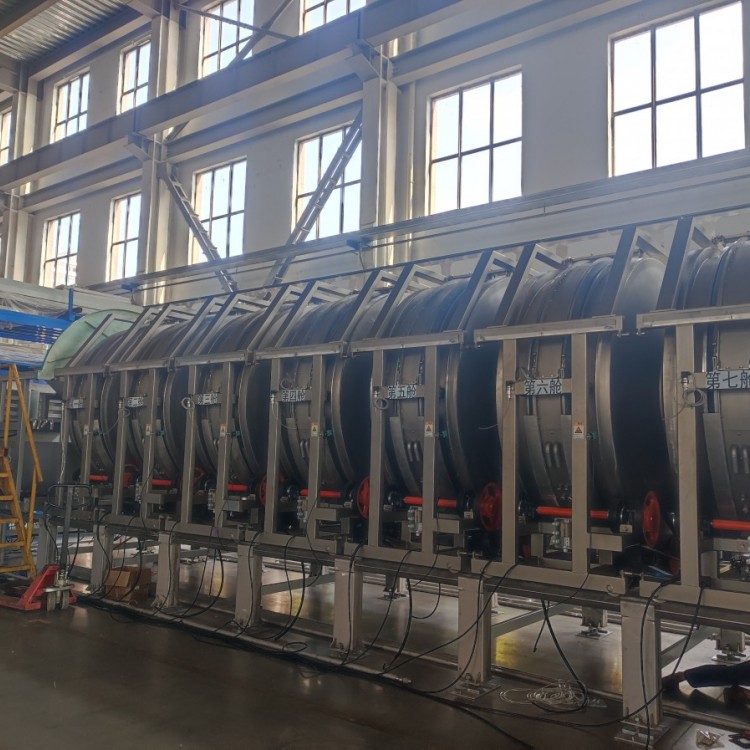
How many compartments does the laundry conveyor have?
The washing dragon comes in 4 to 10 compartment models, catering to various scenarios, washing volumes, and investment budgets.
Laundry Conveyor Maintenance and Repair
Maintenance and repair of Laundry Dragon mainly includes the following aspects:
Regular Inspections: Conduct regular inspections of all parts and systems of the laundry dragon, including the washing section, heating and cooling systems, pump and pipeline systems, and control systems, to ensure proper operation.
Replace Parts: Replace worn or damaged parts as needed, such as washing drums, pumps, valves, etc.
Cleaning and Maintenance: Regularly clean and maintain the internal and external parts of the laundry dragon, including the sink, drum, pump, and pipeline system, to ensure proper operation and hygiene.
Calibration and Adjustment: Regularly calibrate and adjust the washing dragon's control system to ensure accurate control of the washing process.
Maintenance Equipment: Regular maintenance is required for the equipment provided, such as dryers, ironers, and folders, which includes cleaning, lubrication, and maintenance.
In summary, regular maintenance is essential for Laundry Dragon to ensure its proper operation and prolong its service life. Safety precautions should be observed during maintenance to prevent accidents. For issues that cannot be resolved, it is recommended to contact a technician for inspection and repair.
WeChat Official Account

Scan to follow Official Account