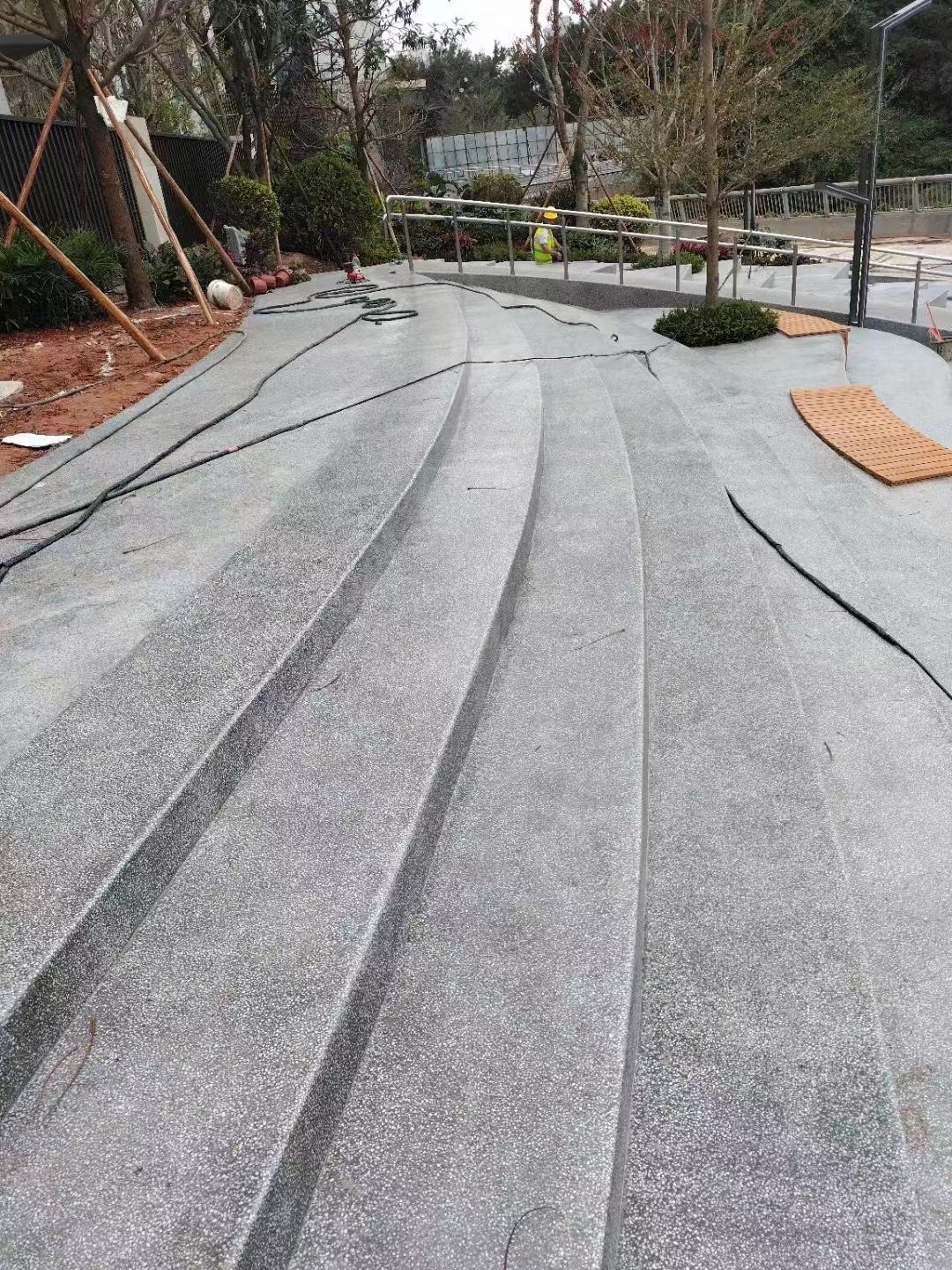

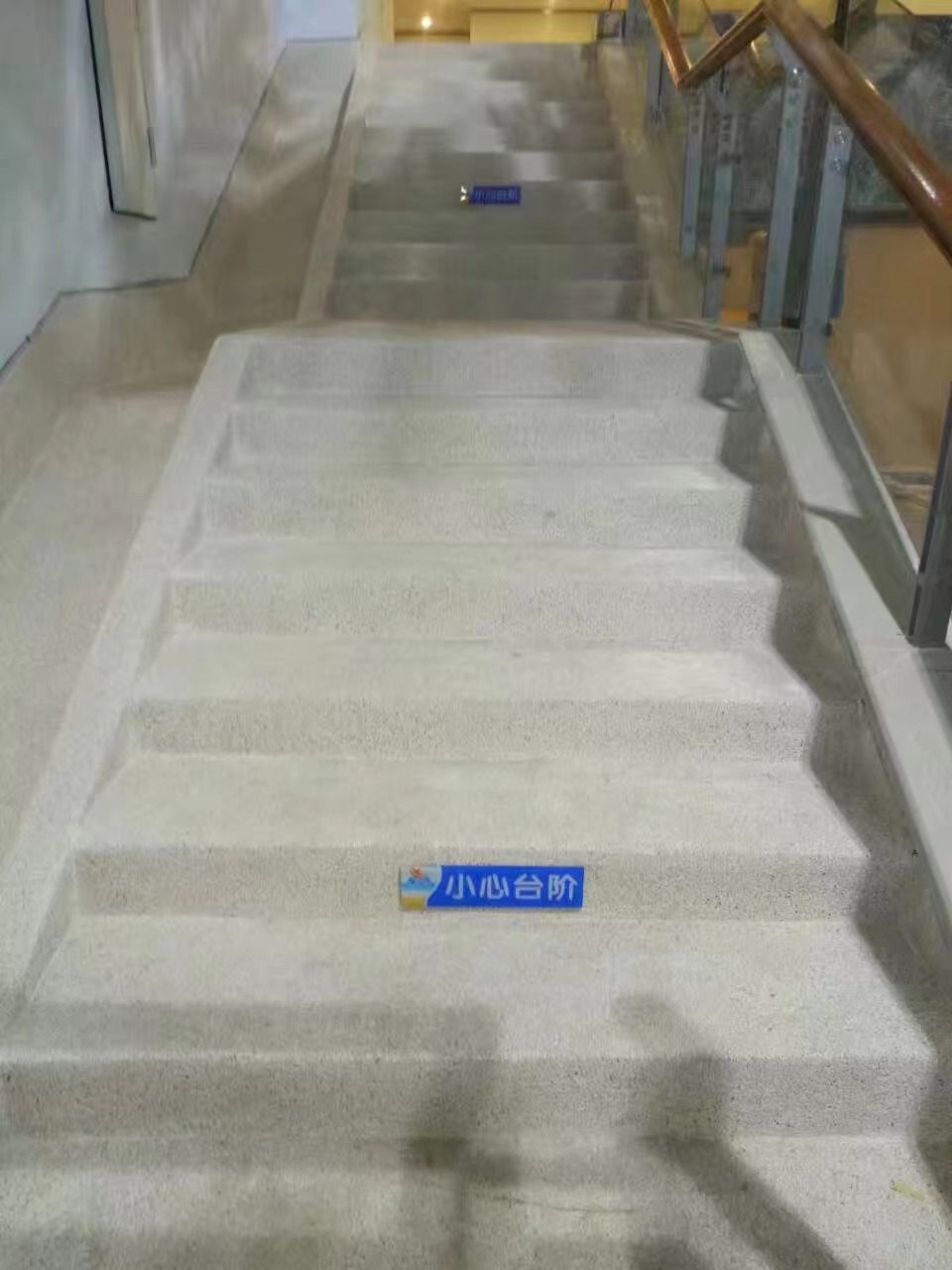
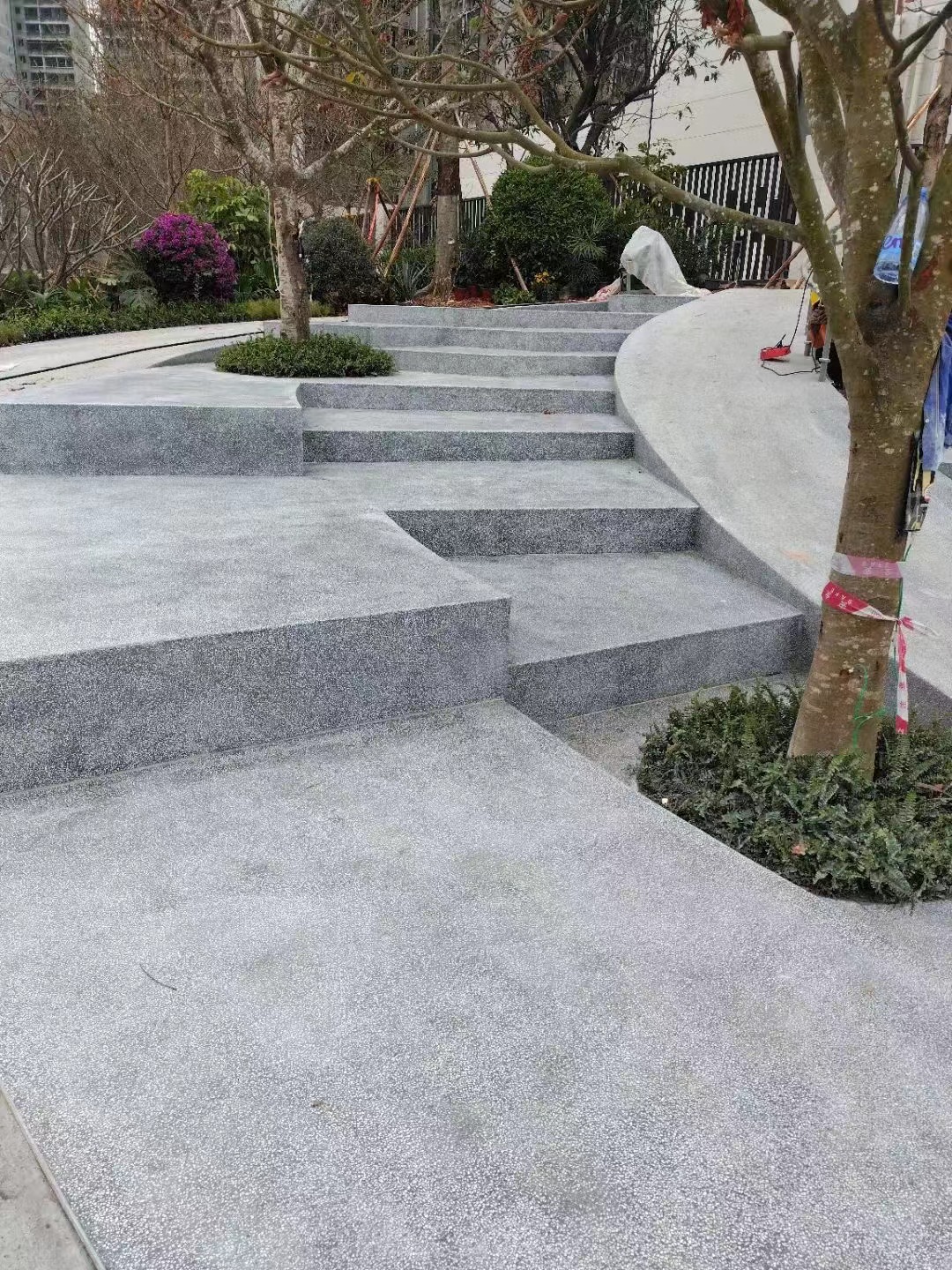


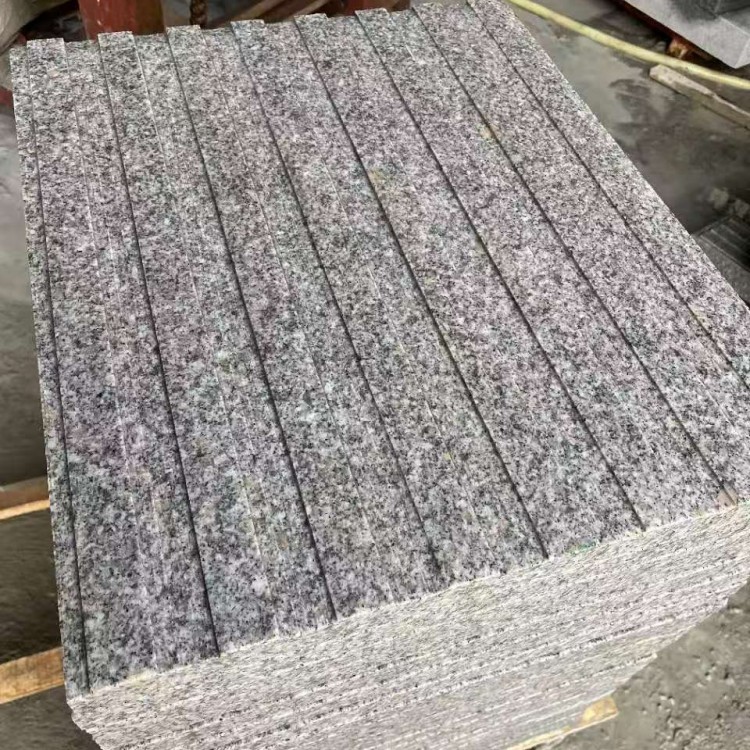







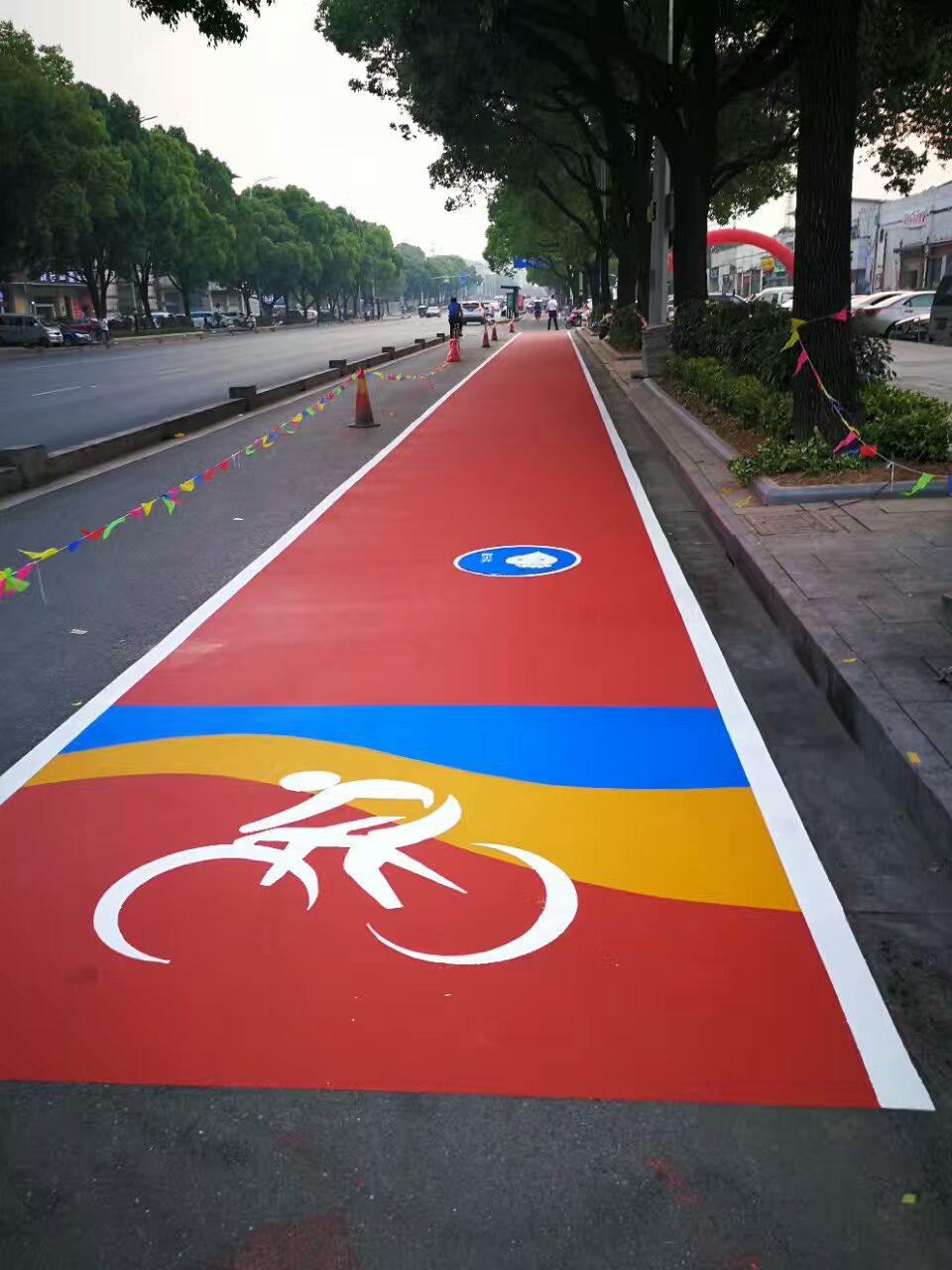
Water-washed stone is a construction technique that has become increasingly popular in recent years. It primarily involves mixing natural river or sea pebbles or gravels with cement in proportion, applying the mixture to the base, flattening it with a load-bearing tool, and then treating the surface to reveal the original appearance of the stones.

Due to the diverse colors and shapes of its raw materials, it can be used to create various patterns and designs, widely applied in interior decoration and outdoor landscaping. Some large-area exterior wall finishes also opt for the water-washed stone look, exuding a natural and simple feel.

Cautionary Notes:
1. Be mindful of the content of washed stone; too little affects the appearance, and too much can result in poor adhesion. For instance, with particle sizes of 3-5mm, the ideal content per square meter is between 18-20kg.
2. Mix gravel and cement thoroughly before adding water. Clean any debris from the concrete sublayer before laying to prevent loose碎石 from becoming unfastened or cracking.
3. The water-washed stone surface layer can be connected with other paving materials using copper strips or PE separator strips, ensuring the integrity of the water-washed stone edge line.
4. Flatten with a trowel by repeatedly gently tapping and smoothing the mixed paste, ensuring thorough bonding between the mixed paste and the base layer for even stone distribution. Outdoor construction temperatures should not be below 4°C, as this affects bonding and curing, making it prone to falling off.
5. Clean the surface with a sponge promptly when it is semi-dry, and repair the stone aggregates.
6. Ensure timely product protection measures. Once fully dried, apply water-based resin for waterproofing, stain resistance, and shine enhancement.

Water-washed stone is a construction technique that has been increasingly popular in recent years. Its essence is quite similar to the water-washed stone from the 1960s. While it's more challenging to work with on walls, the quality is easy to maintain. For ground applications, the difficulty is relatively low, but it's prone to cracking and localized settlement. Therefore, the design and construction of the foundation must ensure stability, and it's necessary to use reinforced concrete foundation slabs. Additionally, settlement joints should generally be set at intervals of 5 to 6 meters.