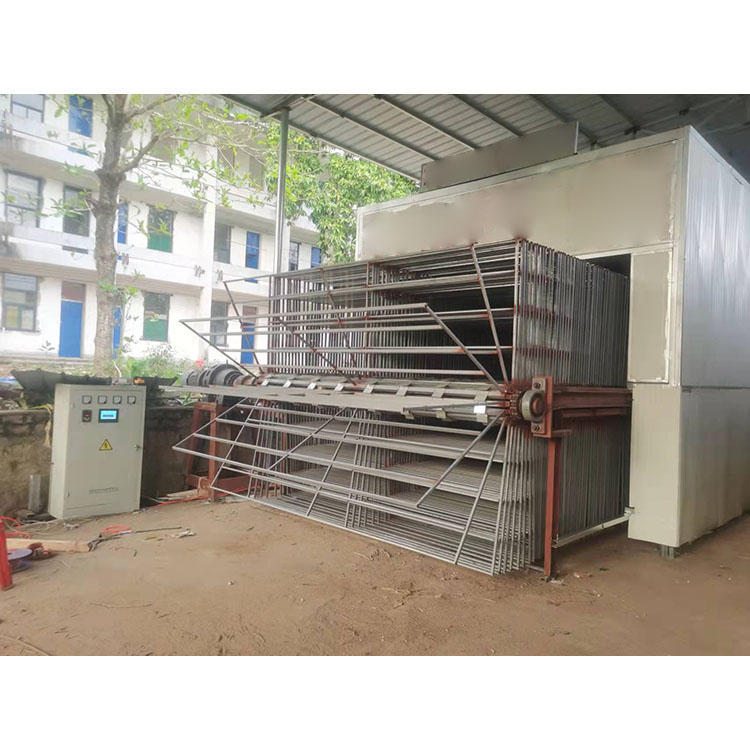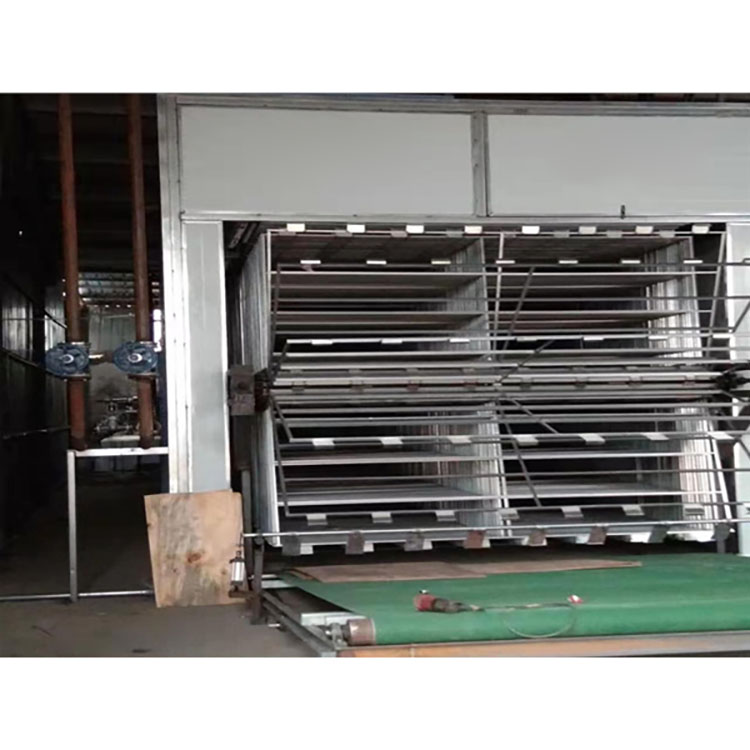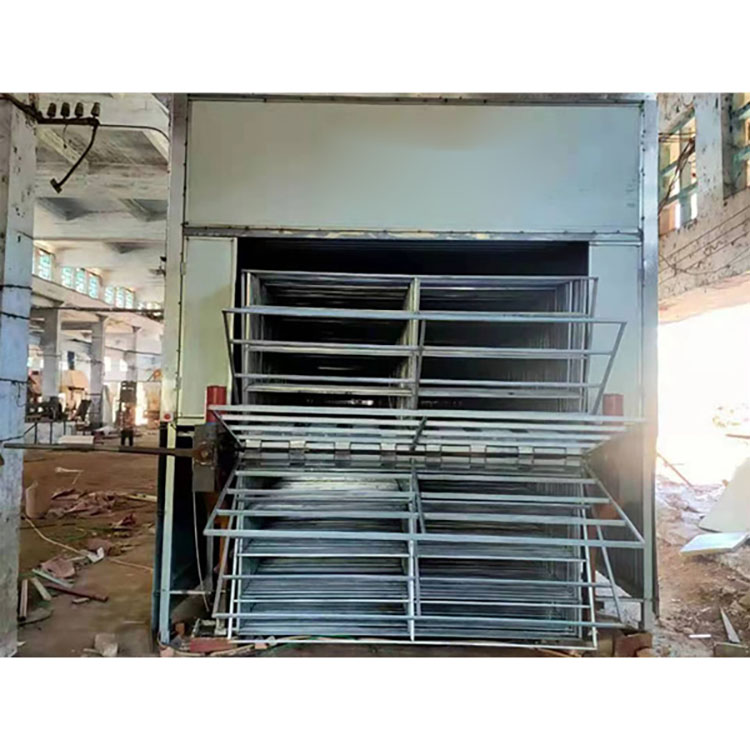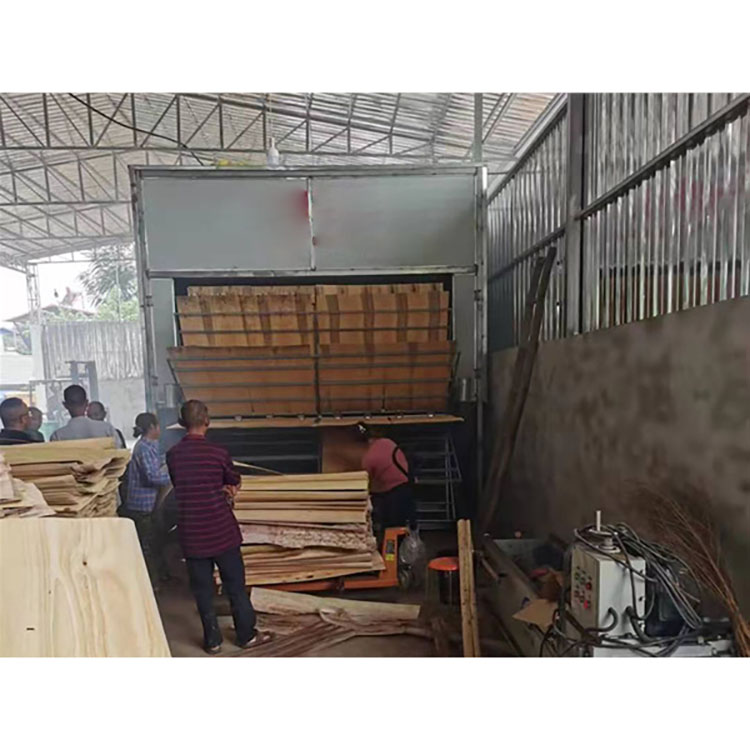

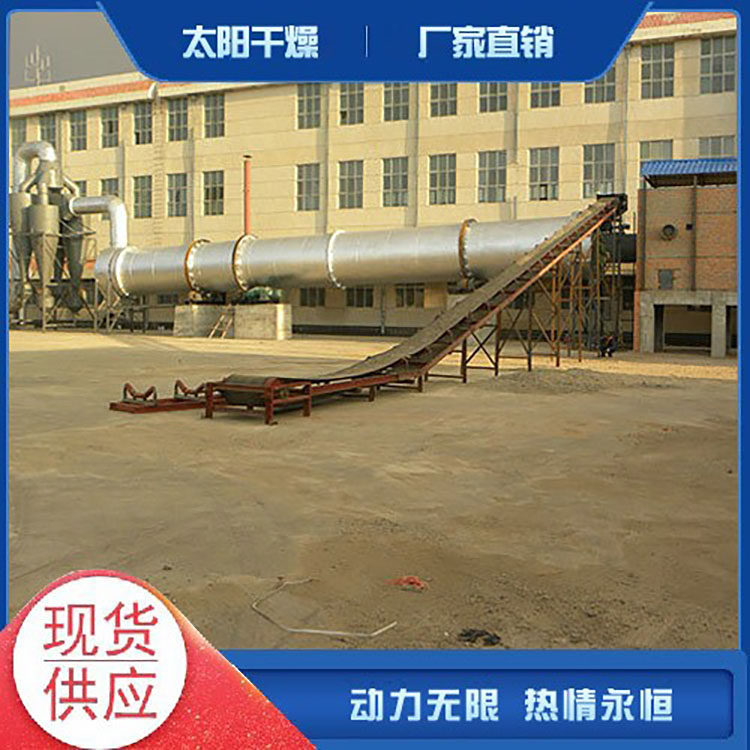

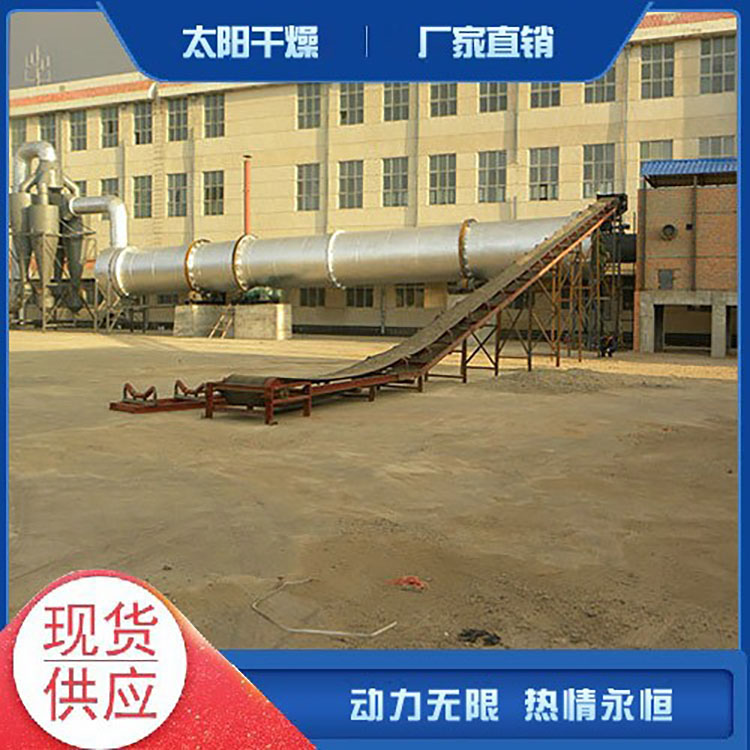


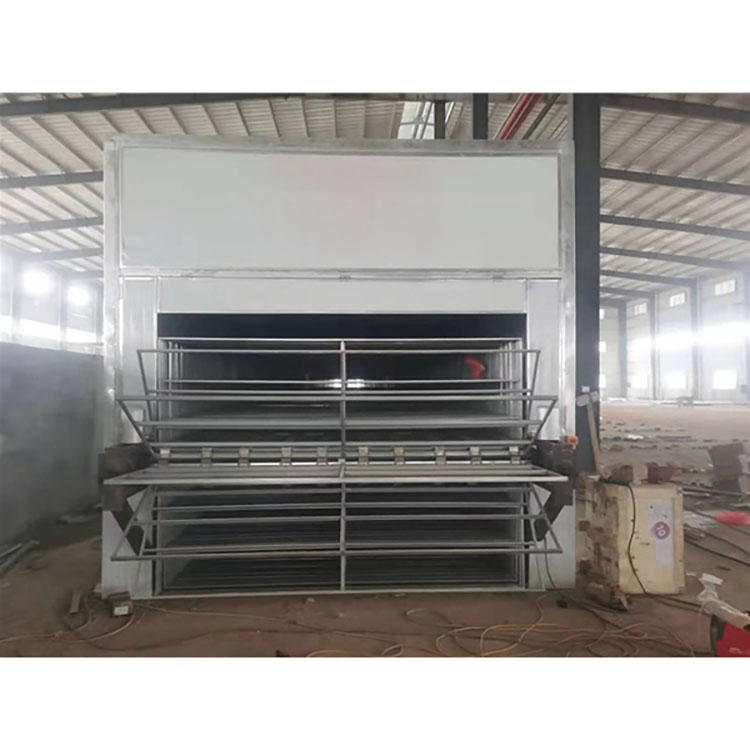
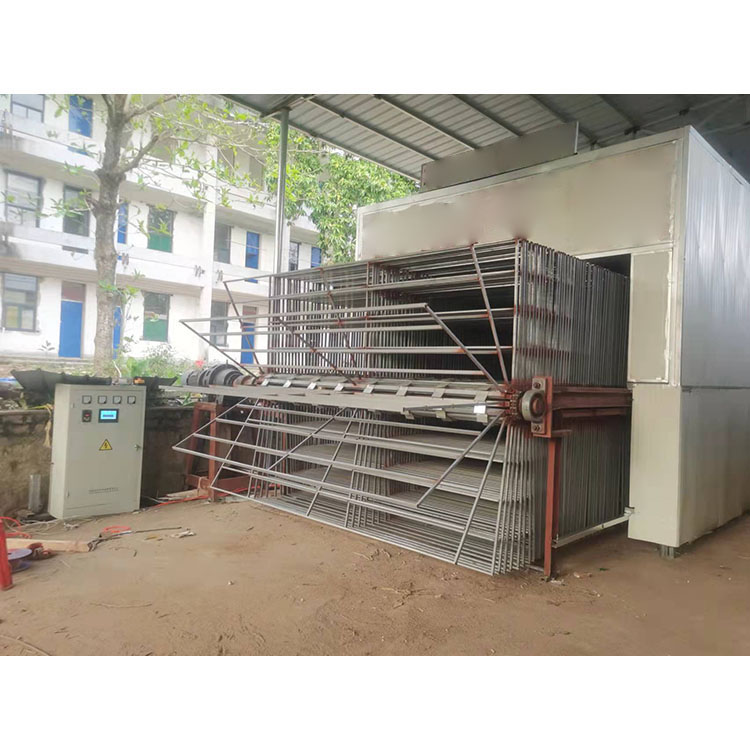
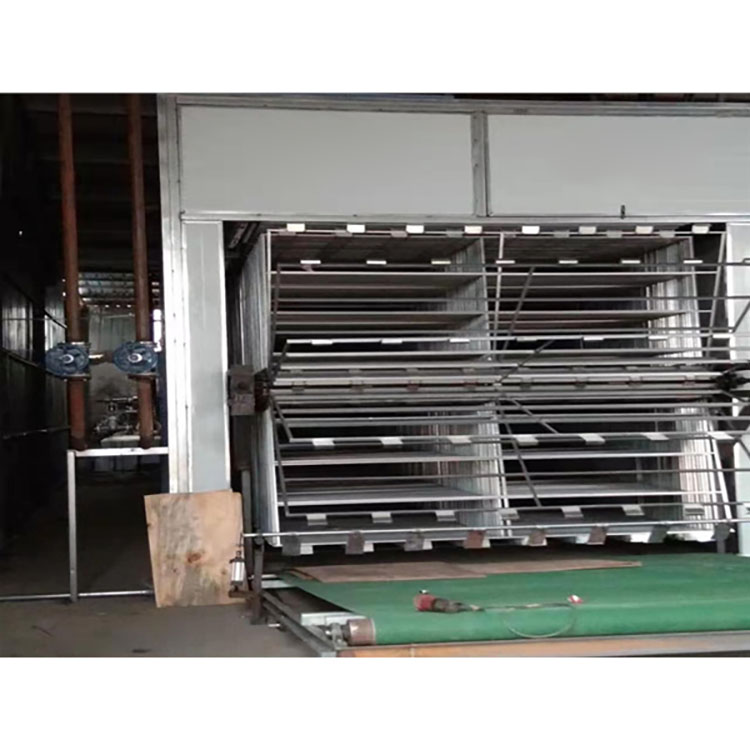





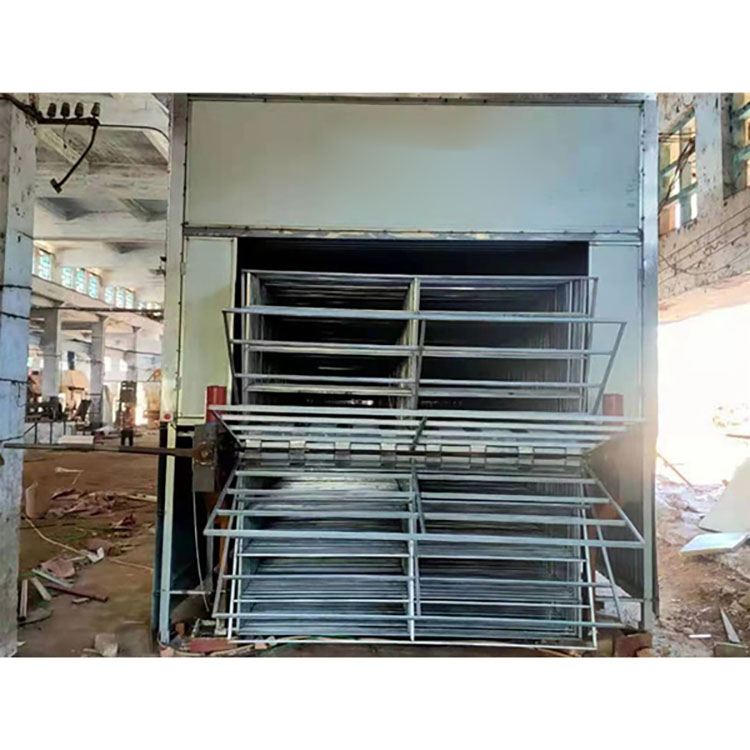
Lignite, also known as peat coal, is a low-grade coal with a degree of coalification. It is a brownish-black, non-glossy coal that falls between peat and asphalt coal. Due to its high volatile content, it burns easily and smokes. The original wood grain can be clearly seen in the cross-section. It contains humic acid that is soluble in alkaline solutions. Carbon content ranges from 60% to 77%, with a density of approximately 1.1-1.2 and volatile components exceeding 40%. It lacks a胶质 layer. The calorific value is about 23.0-27.2 MJ/kg (5,500-6,500 kcal/kg). It is usually brown or brown-black, with a relative density of 1.2-1.45.
Brown coal dryer technology
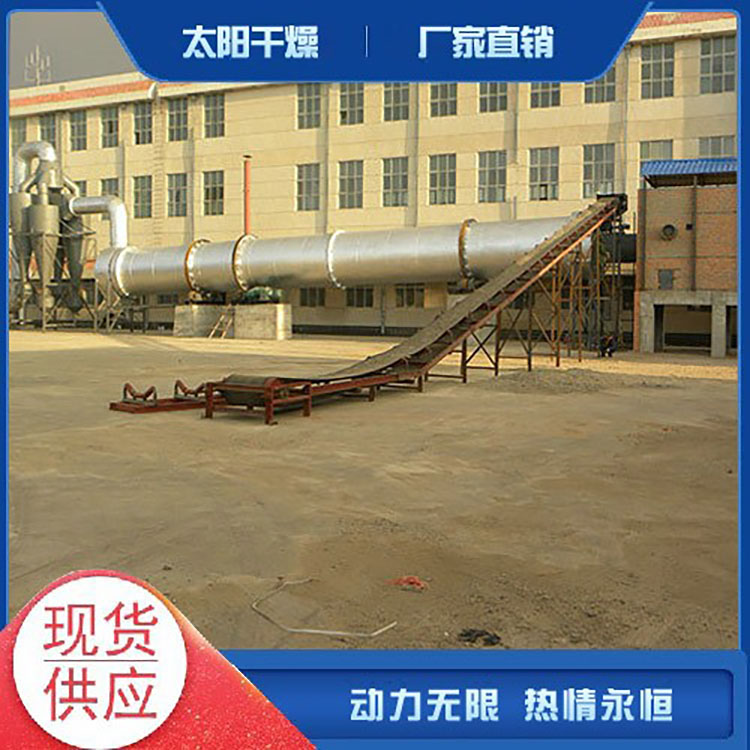
Historical drying methods typically employed centrifugal mechanical dewatering, which is expensive, has low production capacity, and achieves only a small degree of dehydration, usually around 10% in a single pass. This leaves 15-20% moisture content remaining. The rotary lignite drying machine introduces a new technology that first crushes and disperses the lignite before drying it thermally, enabling a continuous, industrial, and automated drying process. After the lignite drying process, the moisture content of the wet lignite can be reduced from 25-30% to below 13%, making it suitable as fuel coal. This enhances the coal washing process, offering good economic, social, and environmental benefits.
Rotary brown coal drying machine, utilizing a low-temperature four-stage drying process to evaporate the moisture of the brown coal to below 13% without altering the quality of the dried coal. The first drying zone, at high humidity, removes most of the moisture at 400°C, ensuring the chemical composition of the brown coal remains unchanged and is non-combustible; the second drying zone, at room temperature of 300°C, employs medium-temperature strong air flow for high-efficiency water removal, preventing carbonization of the brown coal; the third drying zone, with an indoor temperature of 120°C-210°C, uses the crushing device within the drum to repeatedly impact and disperse the material for continuous drying; and the fourth drying zone, a high exhaust zone, with an indoor temperature of 60°C-80°C, relies on the negative-pressure low-temperature hot air flow from the air induction system to expel moisture.
Briquette dryer specifications
| Product Specifications (m) | Processing Capacity (t/h) | Motor Model → Power (kw) | Gearbox Model | Moisture Content (%) | Fuel coal calorific value | Moisture content of the output (%) |
| Φ1.2x10 | 2.5-3 | M160M-6→7.5 | ZQ350Ⅱ-25 | 25±5 | ≥5500 | ≤13 |
| Φ1.5x14 | 7-9 | Y180L-6→15 | ZQ400Ⅱ-31.5 | 25±5 | ≥5500 | ≤13 |
| Φ1.5x18 | 9.5-12 | Y180L-6→15 | ZQ400Ⅱ-31.5 | 27±5 | ≥5500 | ≤13 |
| Φ1.8x14 | 12-15 | Y200L-6→18.5 | ZQ400Ⅱ-31.5 | 25±5 | ≥5500 | ≤13 |
| Φ1.8x18 | 14-18 | Y200L1-6→18.5 | ZQ400Ⅱ-31.5 | 27±5 | ≥5500 | ≤13 |
| Φ2.0x18 | 18-22 | Y200L2-6→22 | ZQ50Ⅱ-31.5 | 25±5 | ≥5500 | ≤13 |
| Φ2.0x20 | 18-23 | Y200L2-6→22 | ZQ50Ⅱ-31.5 | 30±5 | ≥5500 | ≤13 |
| Φ2.2x18 | 21-25 | Y200L2-6→22 | ZQ65Ⅱ-31.5 | 27±5 | ≥5500 | ≤13 |
| Φ2.2x20 | 22-25 | Y225M-6→30 | ZQ65Ⅱ-31.5 | 30±5 | ≥5500 | ≤13 |
| Φ2.4x20 | 25-29 | Y225M-6→30 | ZQ75Ⅱ-31.5 | 27±5 | ≥5500 | ≤13 |
| Φ2.4x22 | 26-30 | Y225M-6→30 | ZQ75Ⅱ-31.5 | 30±5 | ≥5500 | ≤13 |
| Φ2.6x20 | 28-33 | Y250M-6→37 | ZQ85Ⅱ-31.5 | 25±5 | ≥5500 | ≤13 |
| Φ2.6x24 | 29-35 | Y250M-6→37 | ZQ85Ⅱ-31.5 | 30±5 | ≥5500 | ≤13 |
| Φ3.0x20 | 45-50 | Y280S-6→45 | ZQ100Ⅱ-31.5 | 25±5 | ≥5500 | ≤13 |