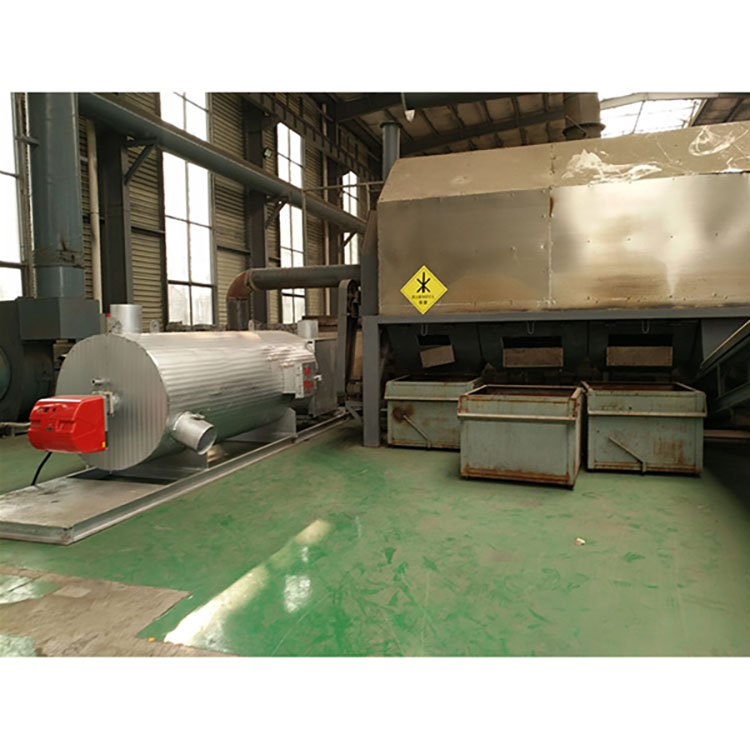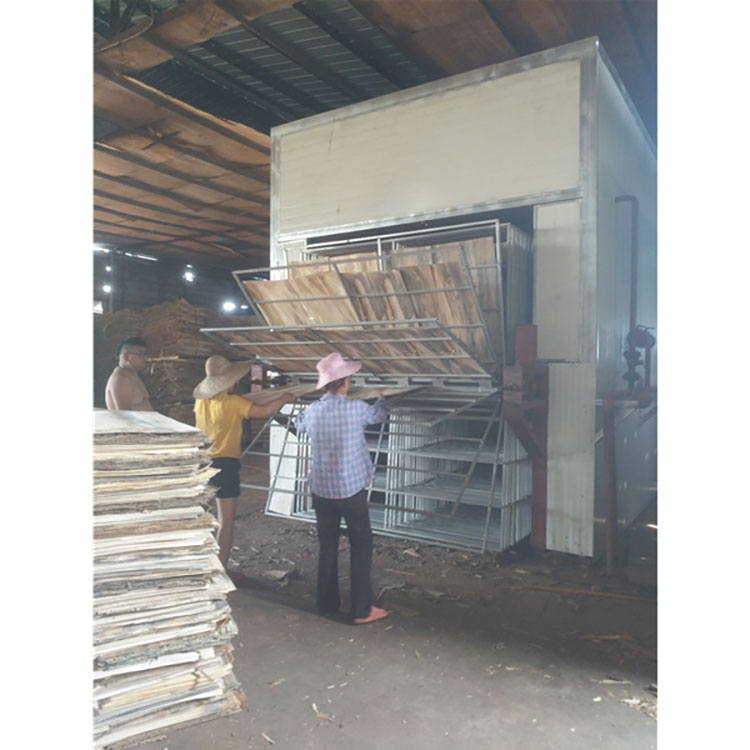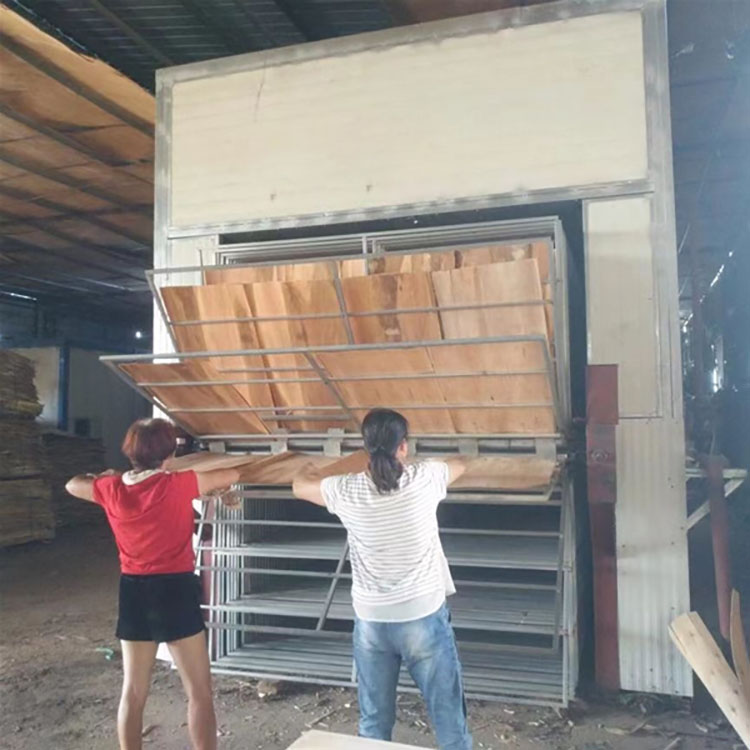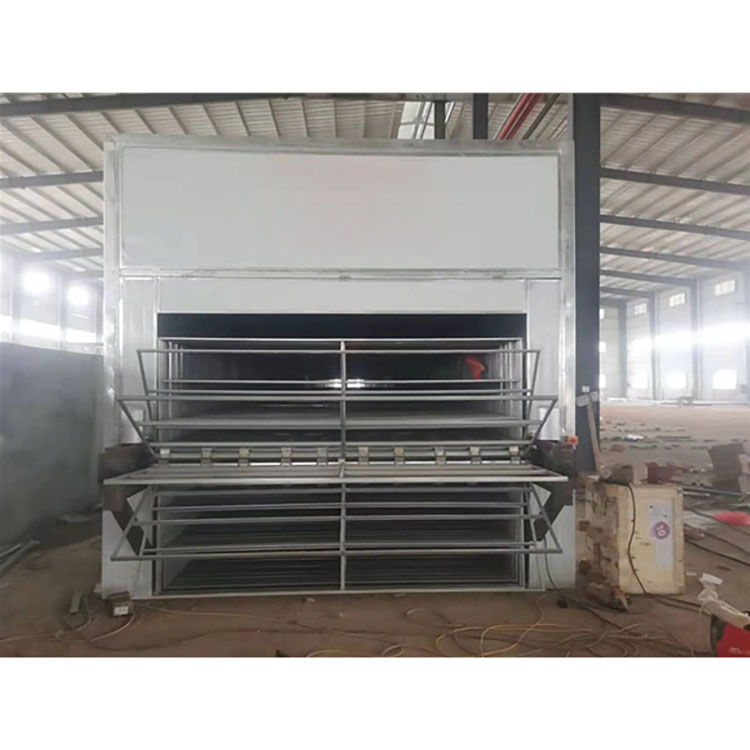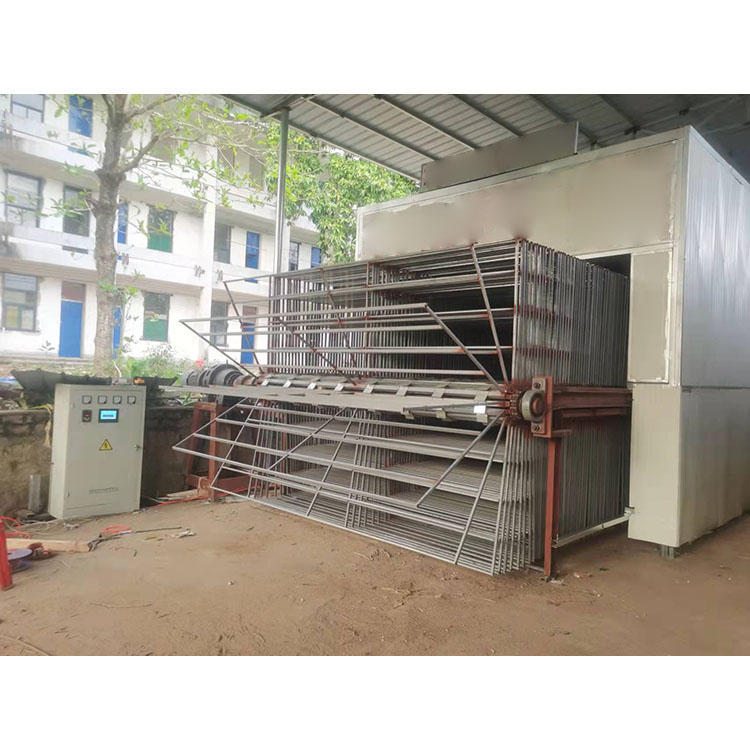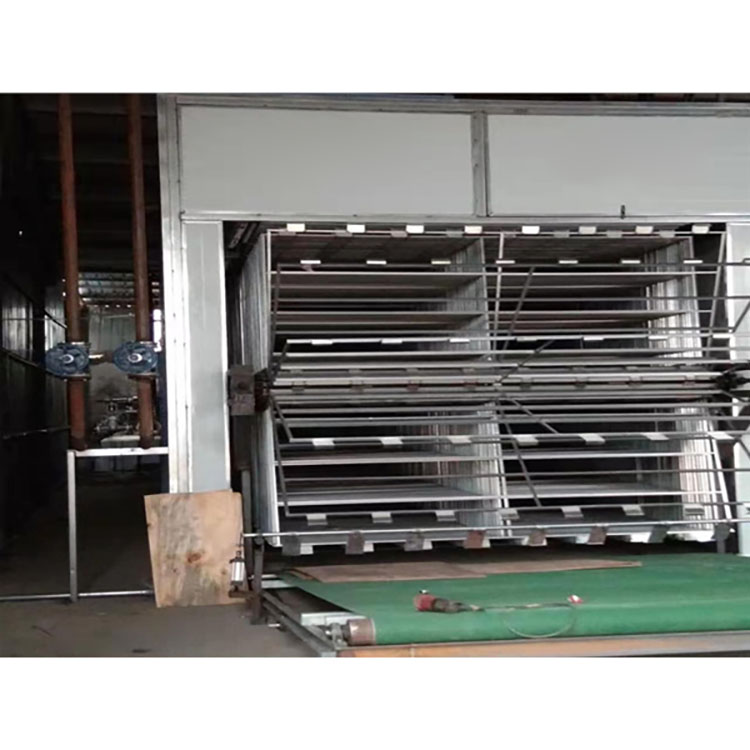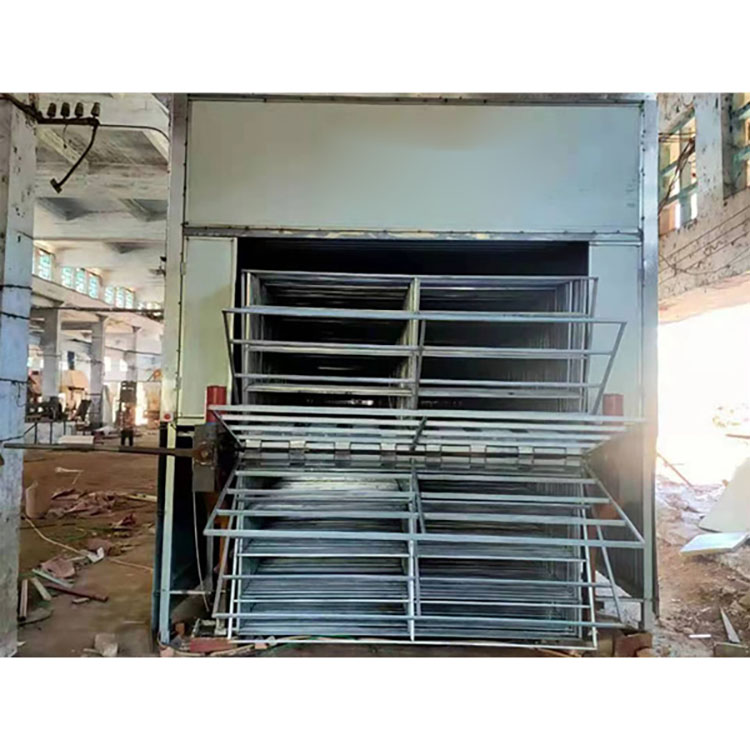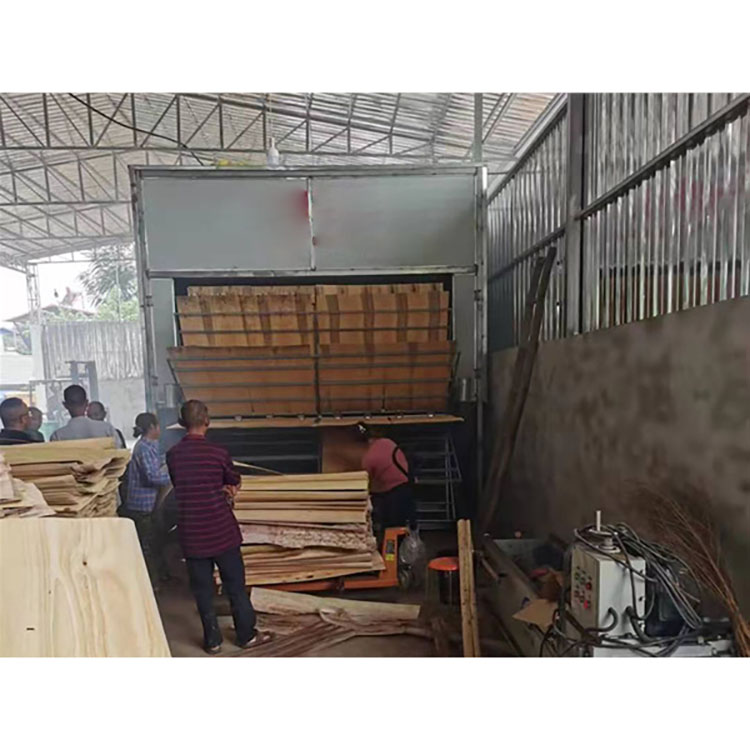

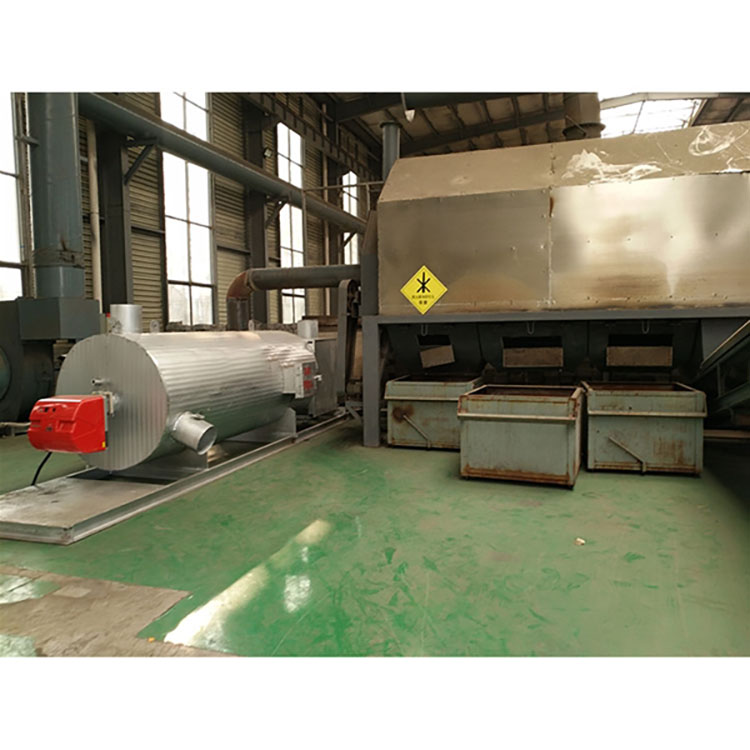

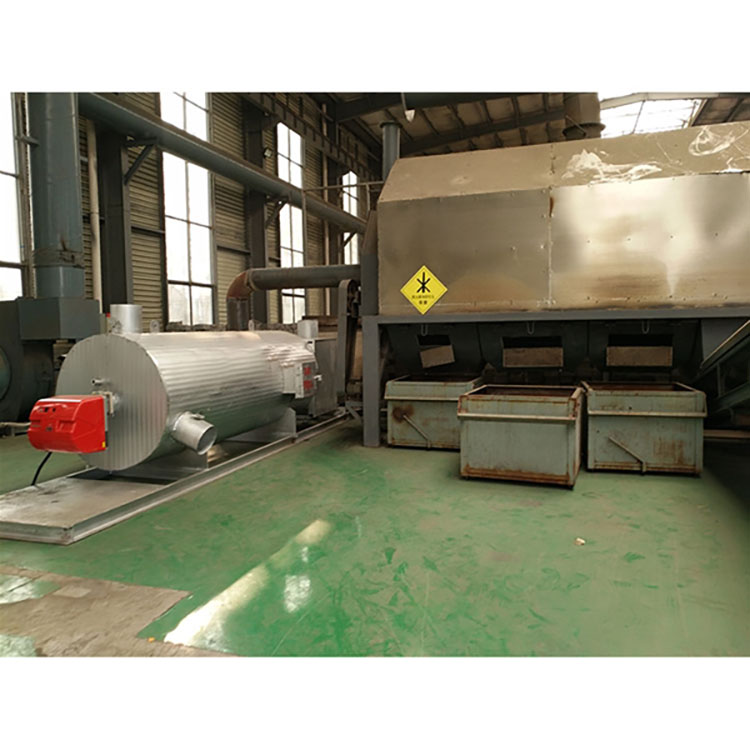


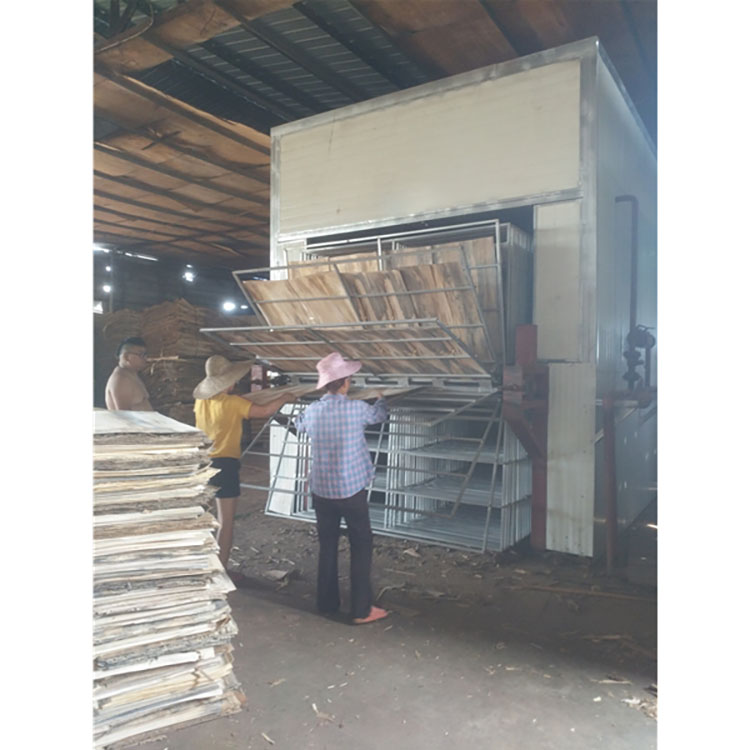
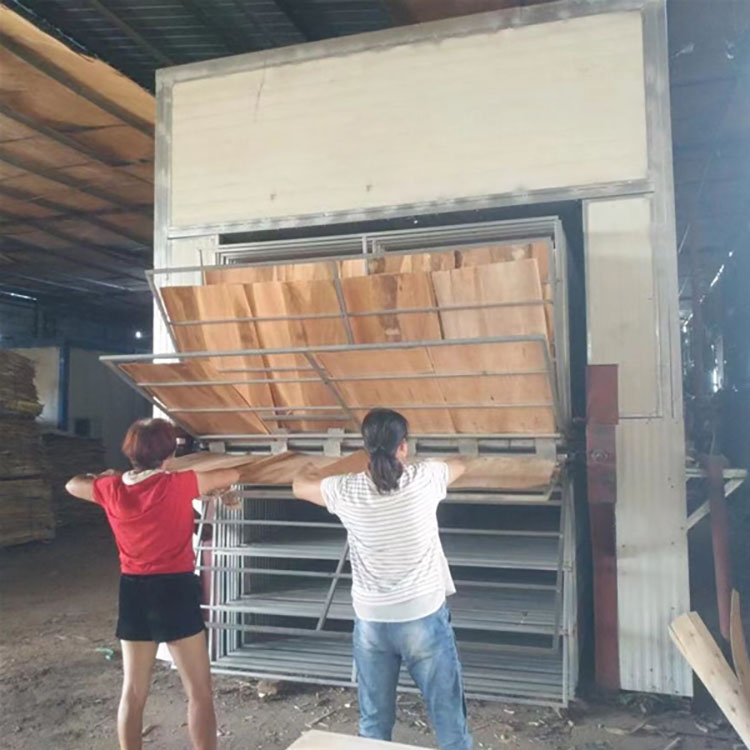
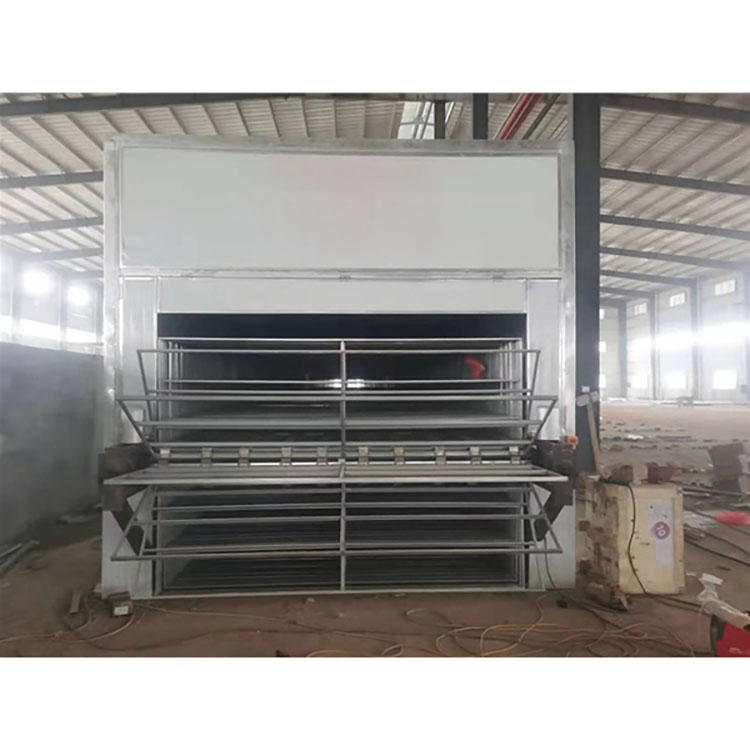
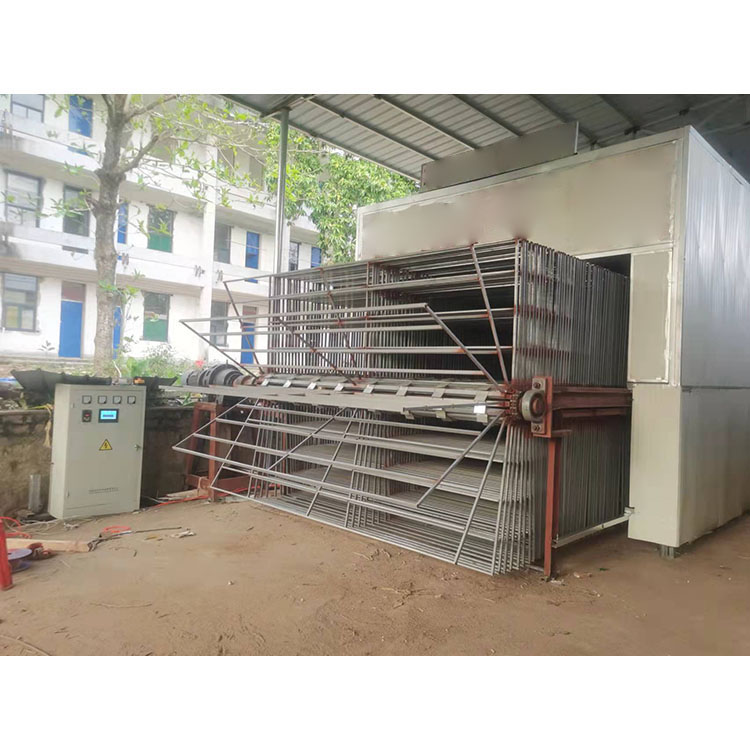
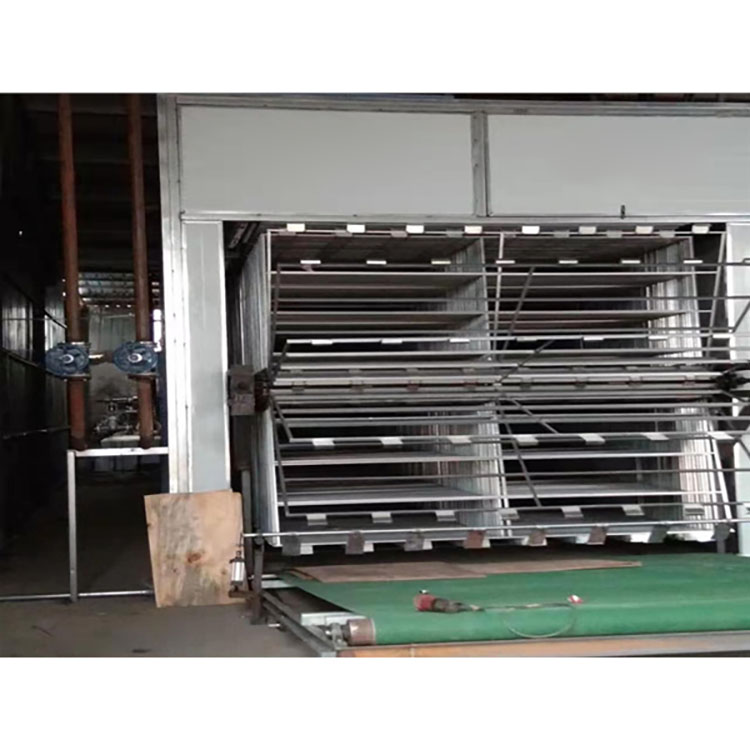





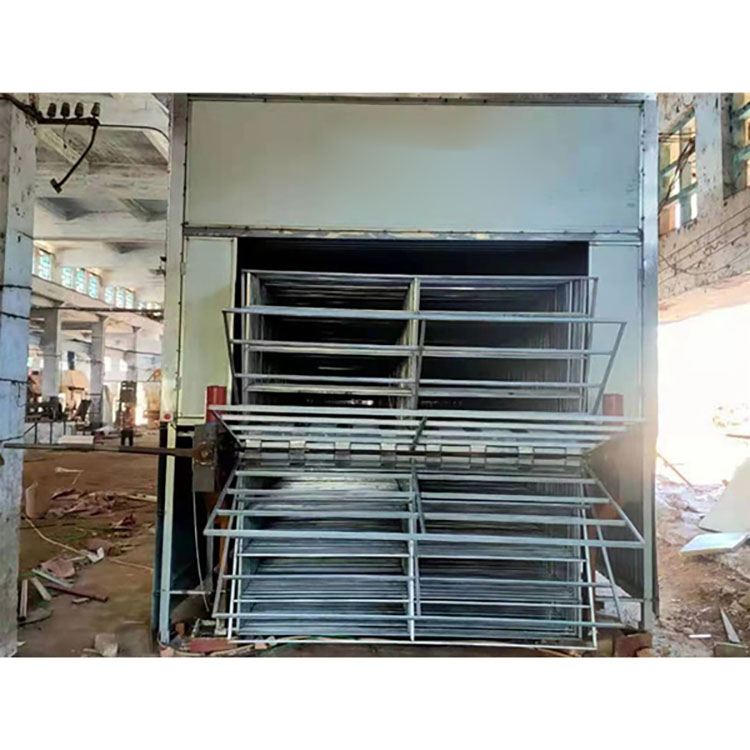
With the increasing demand for environmental quality, switching from coal to gas combustion has become one of the directions for controlling pollution. In recent years, our company has undertaken a large number of coal-to-gas hot air furnace projects, accumulating mature experience in furnace transformation. We can provide reasonable coal-to-gas hot air furnace solutions according to customer needs and offer one-stop services including production and installation.
Direct-fired gas hot air furnace
Primarily composed of valve components, burners, combustion chambers, secondary air distribution, and control systems.
Through the valve component, the burner nozzle is fully mixed with air for combustion, and a clean, high-temperature flame is directly sprayed into the combustion chamber for complete combustion, producing a clean, high-temperature flue gas at approximately 1000°C. This flue gas is then re-aerated and adjusted to the required temperature for production heat, which is then channeled through hot air ducts into the drying equipment (such as a drying room, oven, drum dryer, belt dryer, or fluidized bed dryer) to dry the material.
Hot air cleaning, high thermal efficiency, up to. Minimal auxiliary equipment, low investment cost; favorable operating environment; easy to operate, manual/automatic control available; features automatic ignition, load adjustment, flame detection, and alarm function.
2. Indirect heat exchange gas hot air furnace
Primarily composed of the combustion system, heat exchange system, control system, and exhaust system.
By burning through the burner, high-temperature flue gas is produced to heat the heat exchanger system. The heated air is then blown into the drying system by a blower. The thermal efficiency can reach 92%. When the temperature of the hot air inside the drying system reaches the rated upper limit, the burner will automatically stop burning or switch to a low flame. When the hot air temperature drops to the rated lower limit, the burner will reignite and resume operation or switch to a high flame. The rate of temperature increase can also be controlled by adjusting the inlet valve.
High heat exchange temperature, high heat utilization, compact size, stable hot air temperature, long lifespan, low maintenance cost.