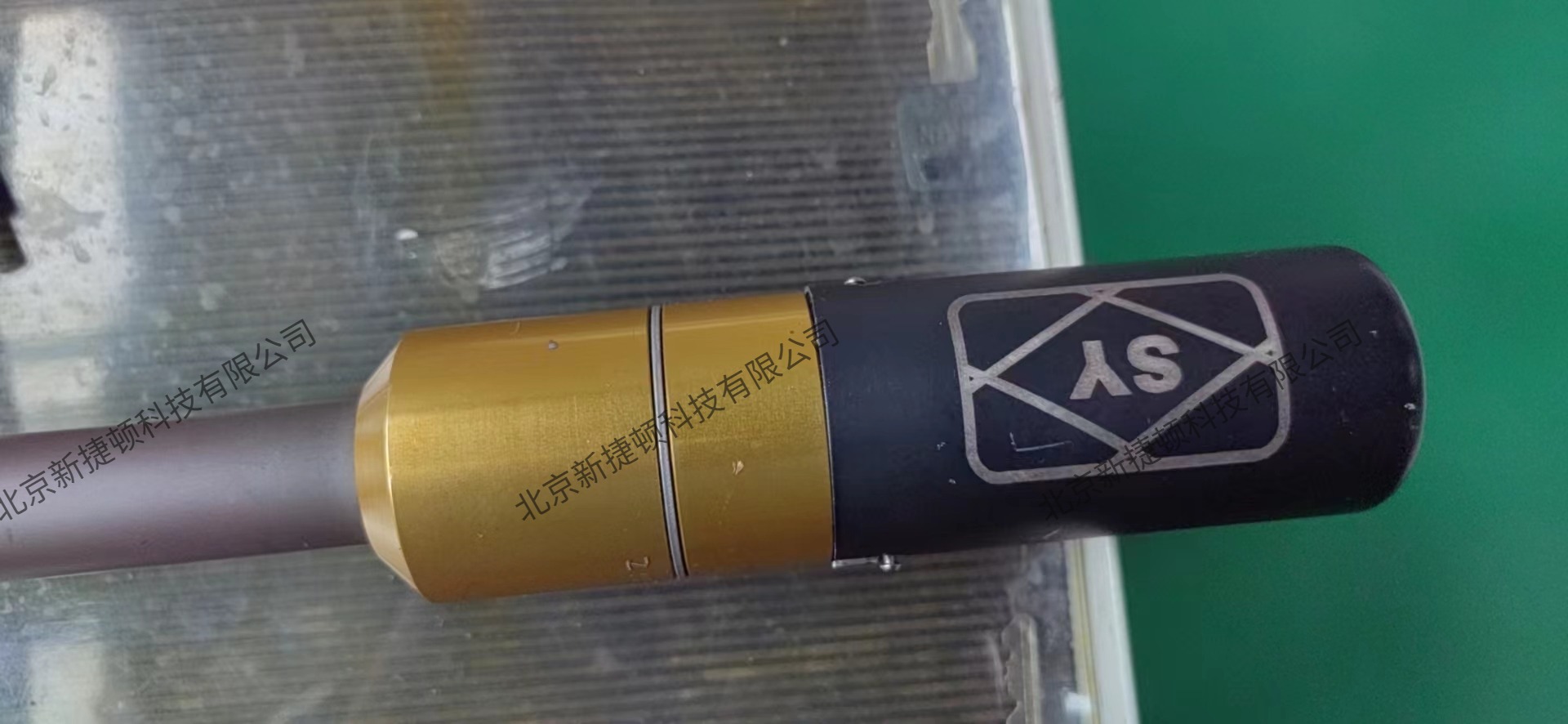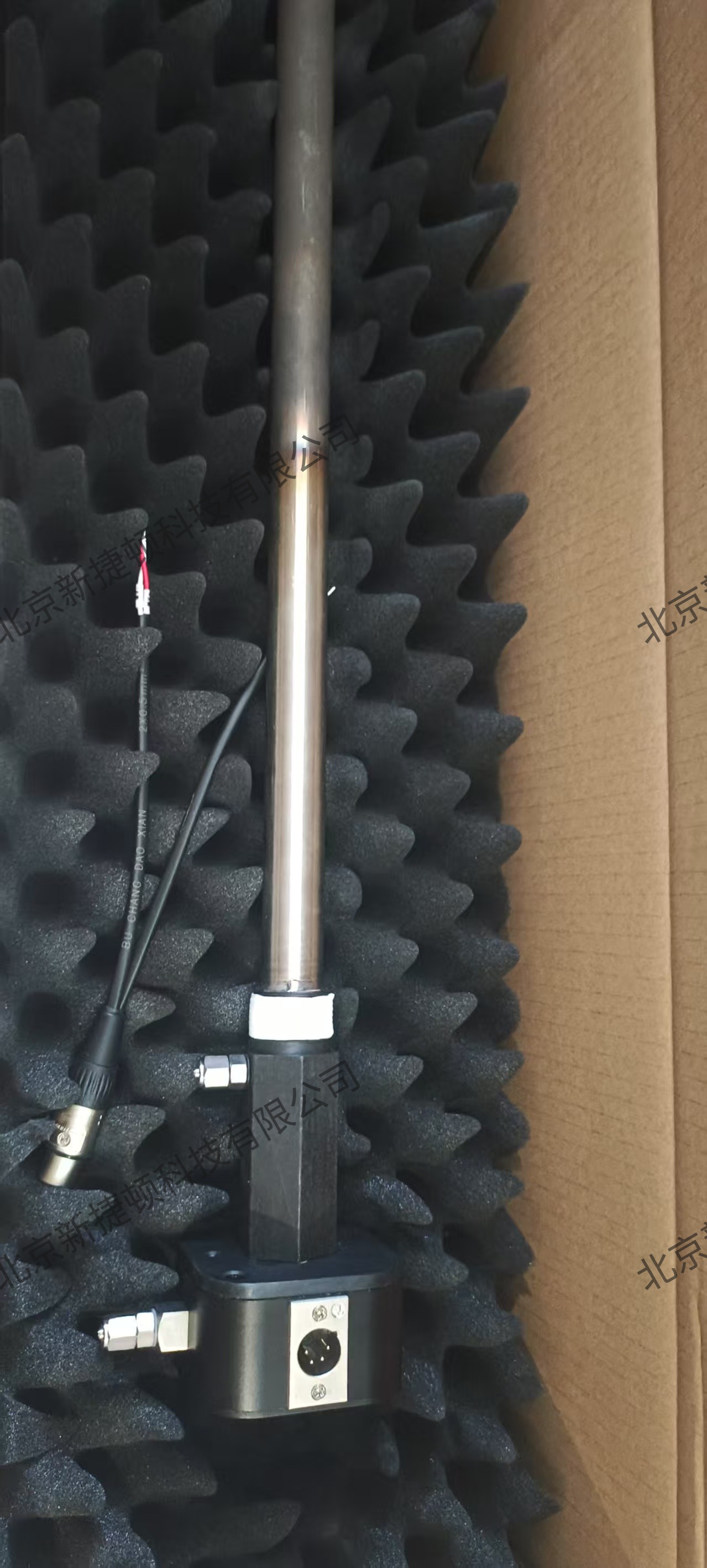

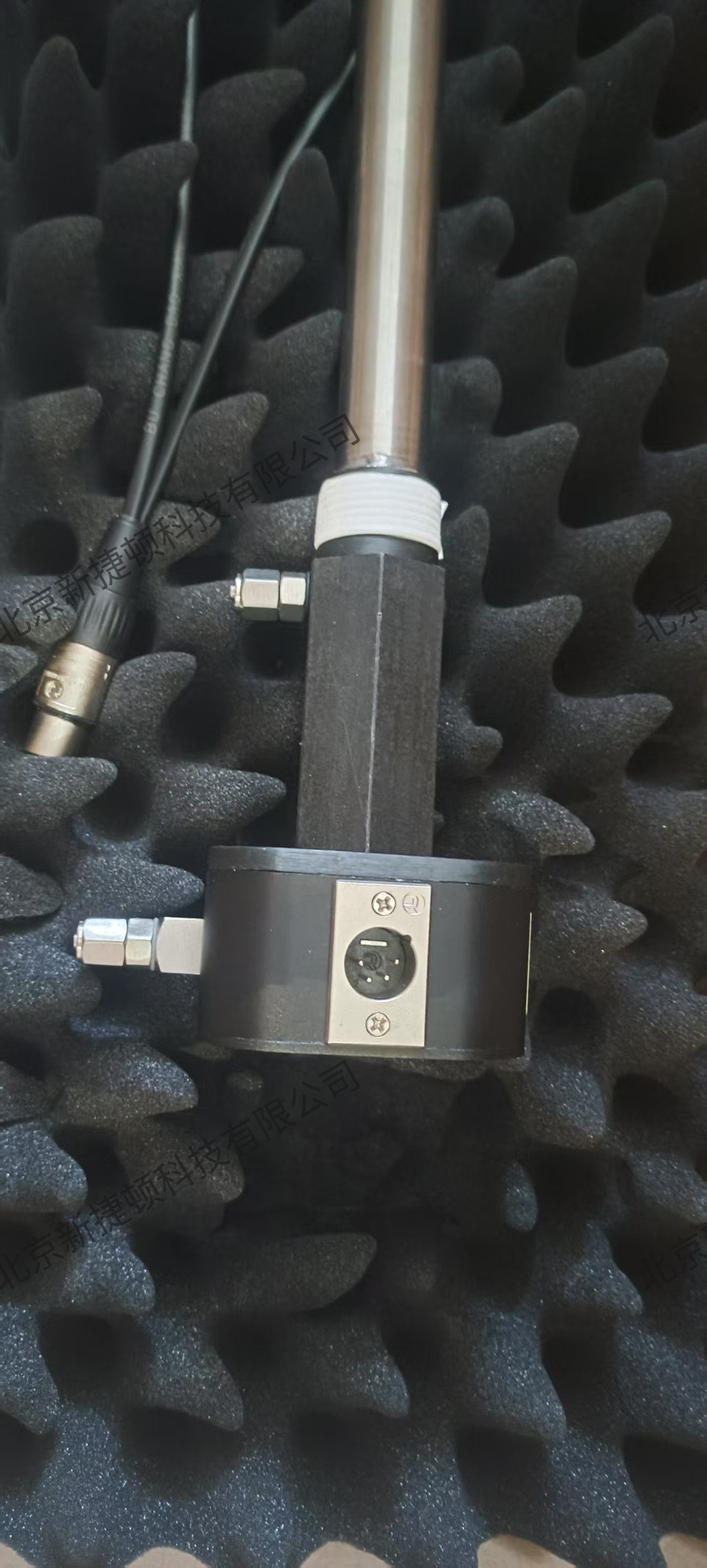
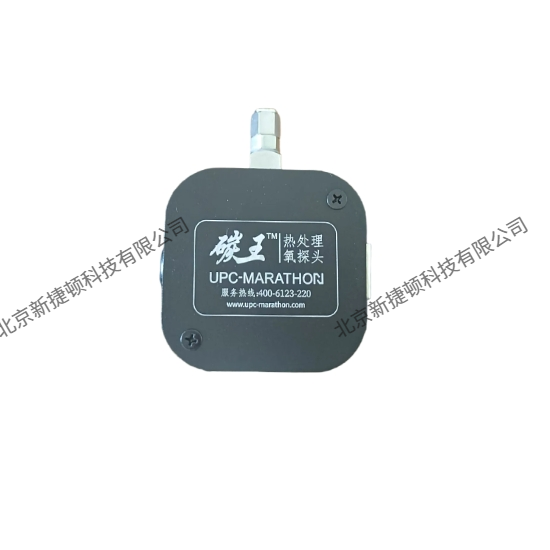


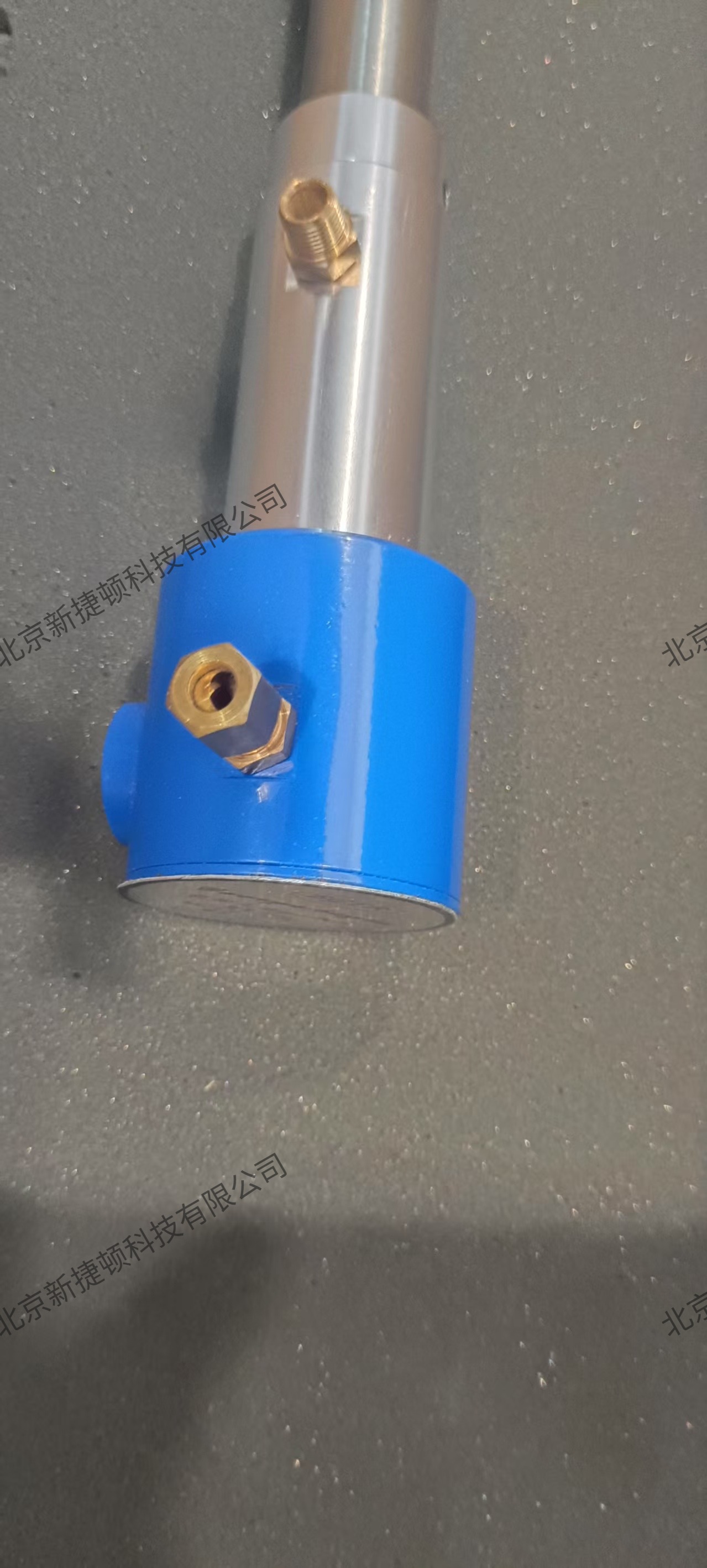
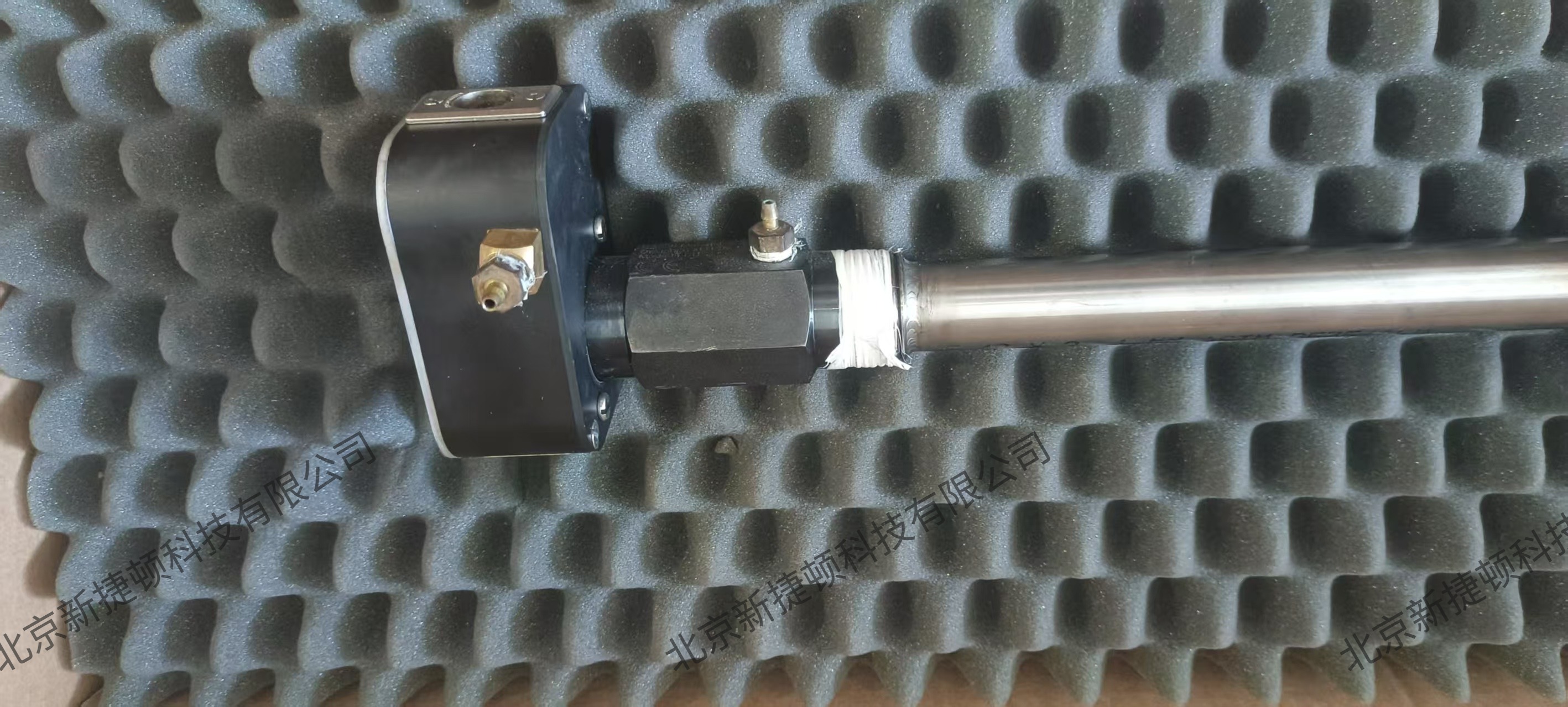
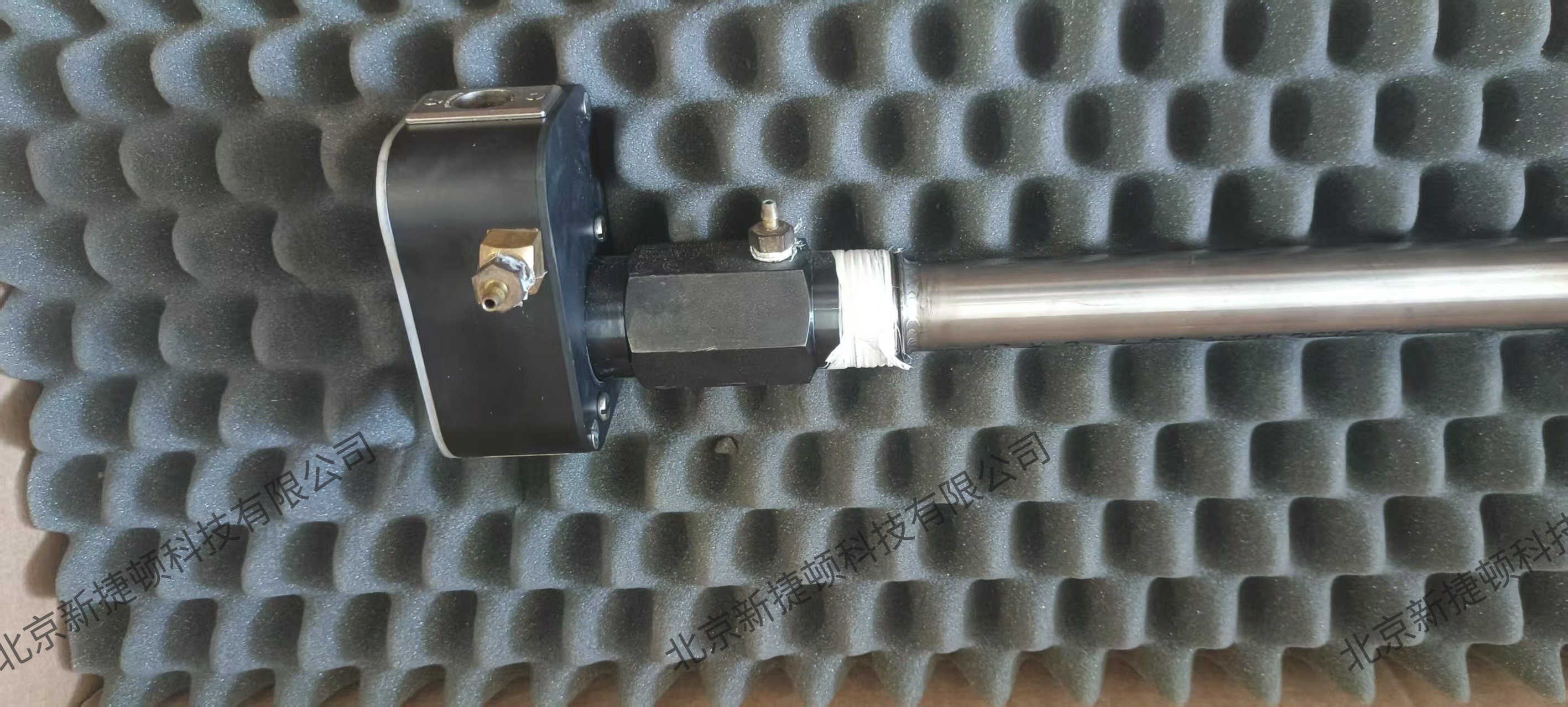
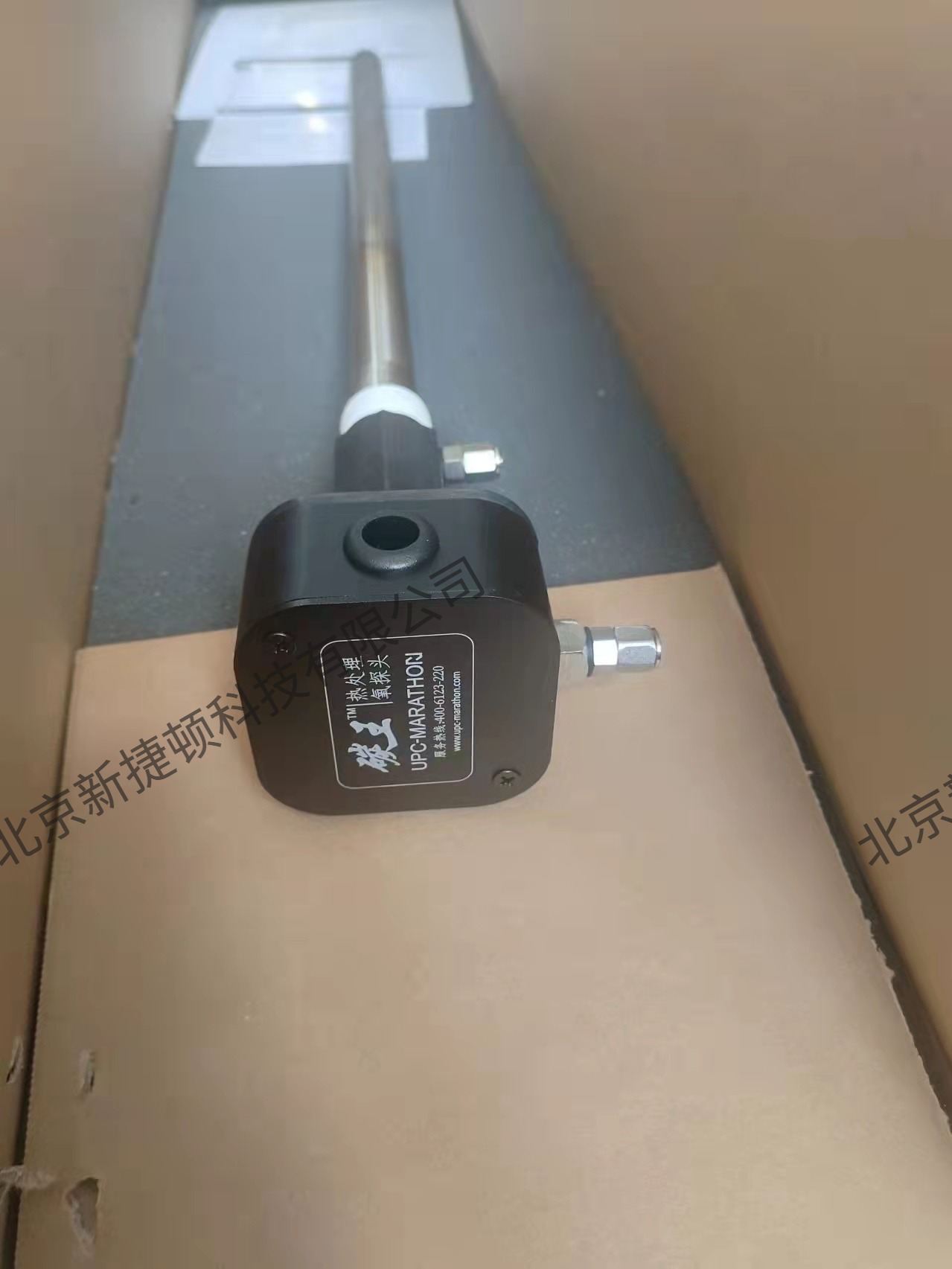
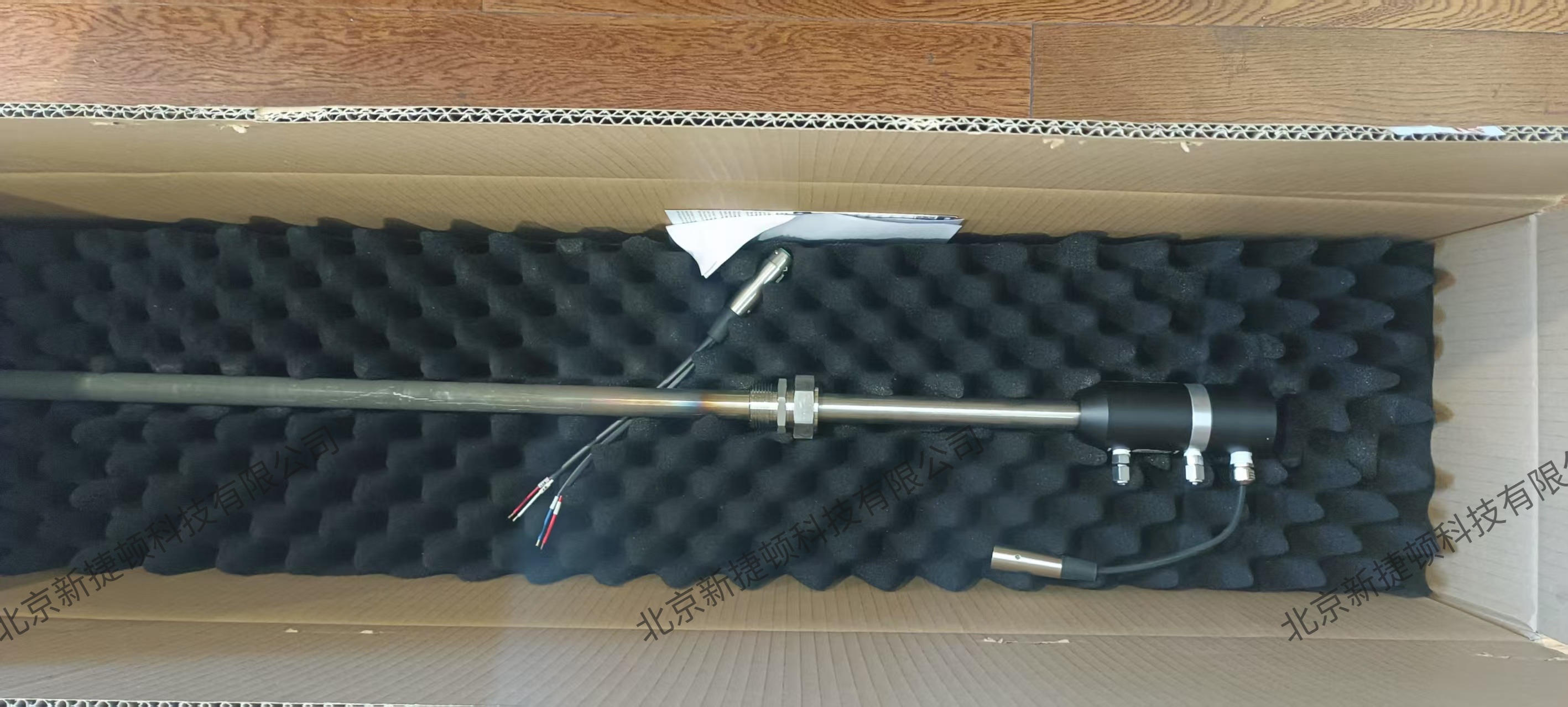





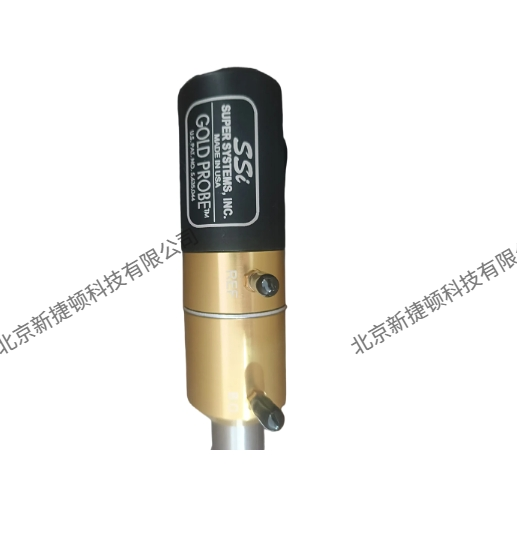
The core component of an electrochemical oxygen analyzer is an electrochemical oxygen sensor. Common electrochemical oxygen sensors consist of a sensing electrode (or working electrode) and a counter electrode, separated by a thin layer of electrolyte. The gas to be measured first passes through a small capillary sensor, then diffuses through a hydrophobic membrane before reaching the electrode surface. The sensor's structural design ensures a sufficient amount of gas enters to react with the sensing electrode, producing enough electrical signals, while also preventing the electrolyte from leaking out of the sensor. The gas diffusing into the sensor through the hydrophobic membrane undergoes an oxidation-reduction reaction at the sensing electrode, with a resistor connected between the electrodes. As a result, a current proportional to the oxygen concentration is generated between the cathode and anode. By detecting this current, the oxygen concentration in the gas is indicated.
WeChat Official Account

Scan to follow Official Account