










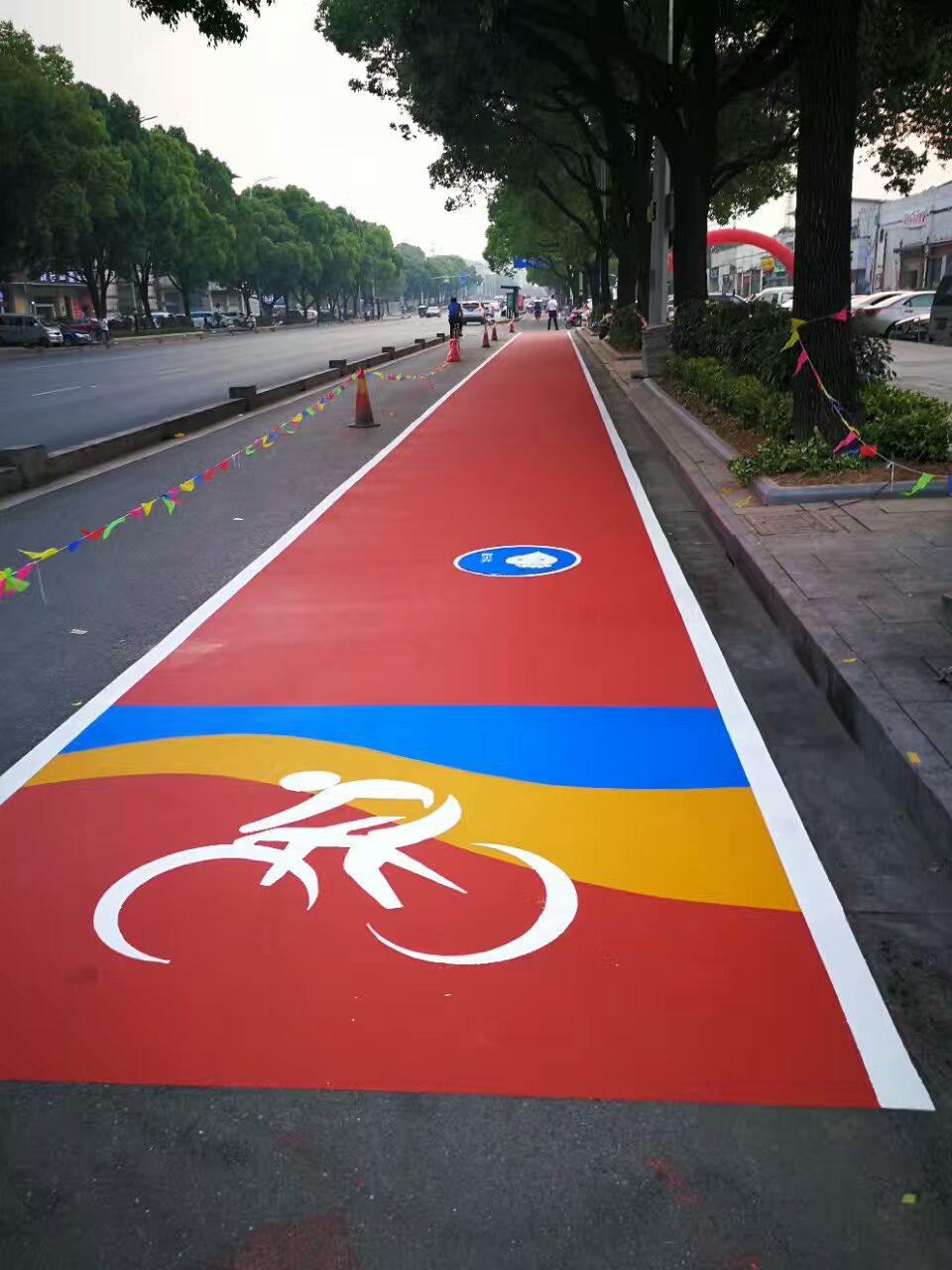
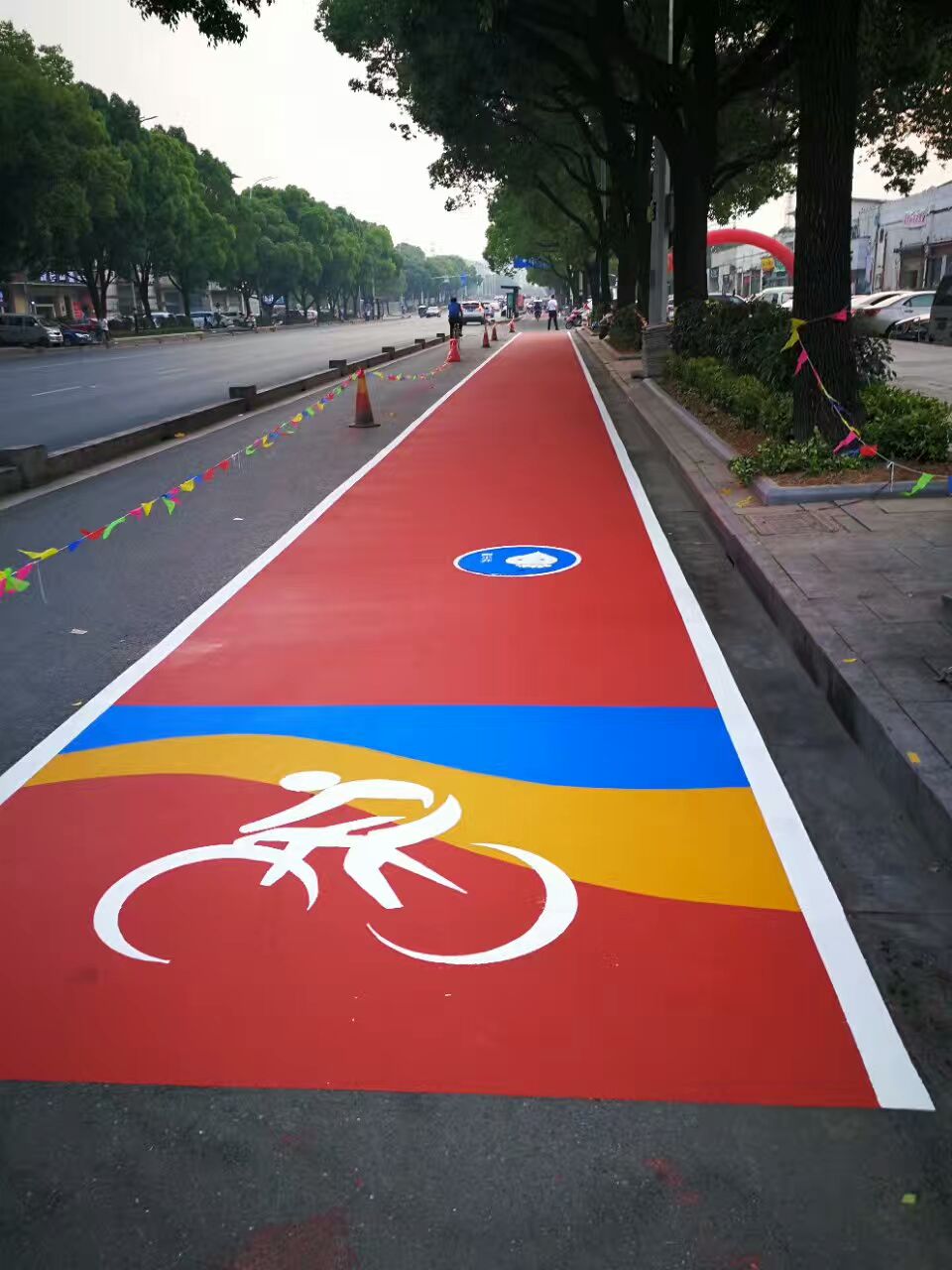
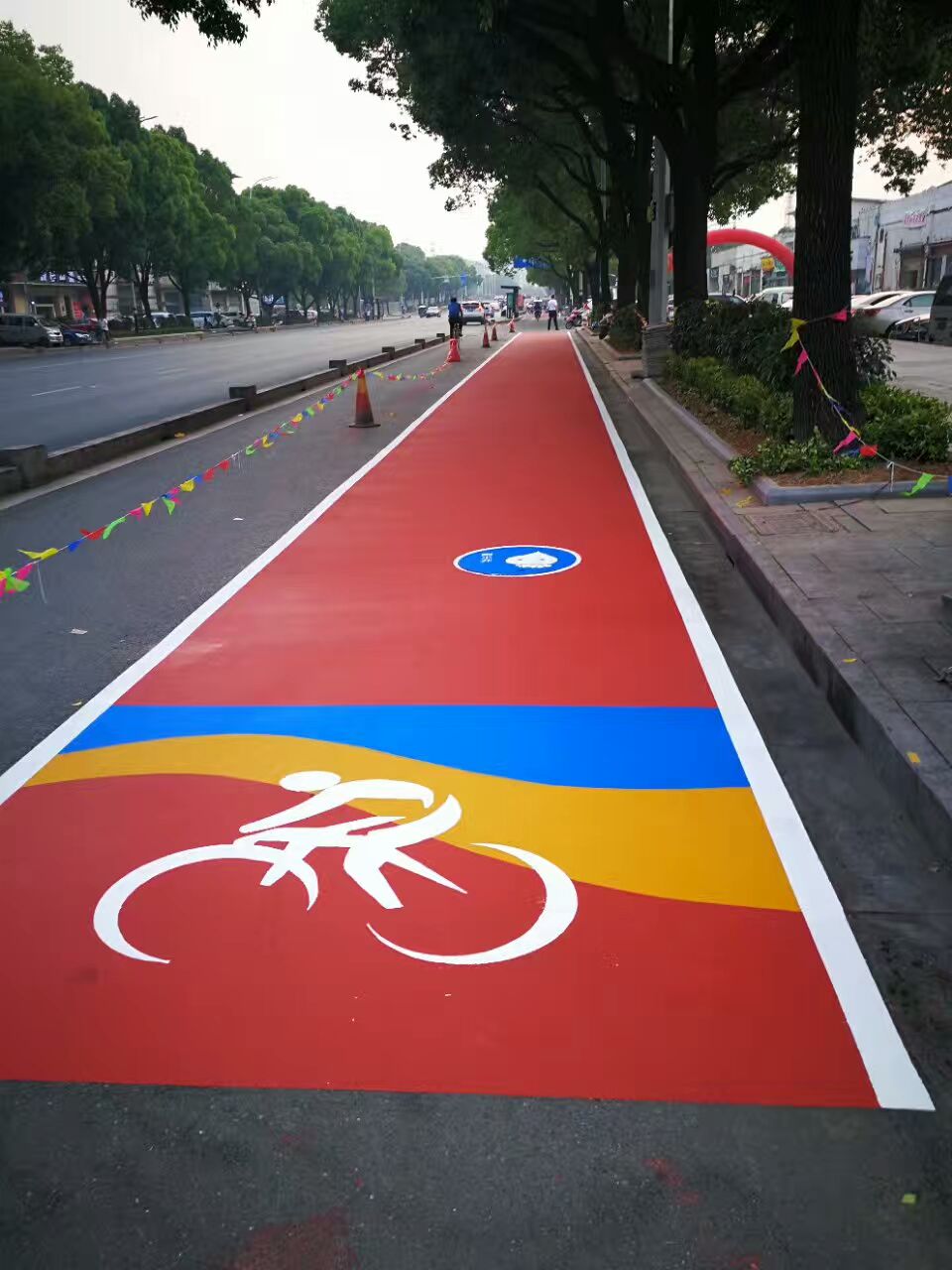
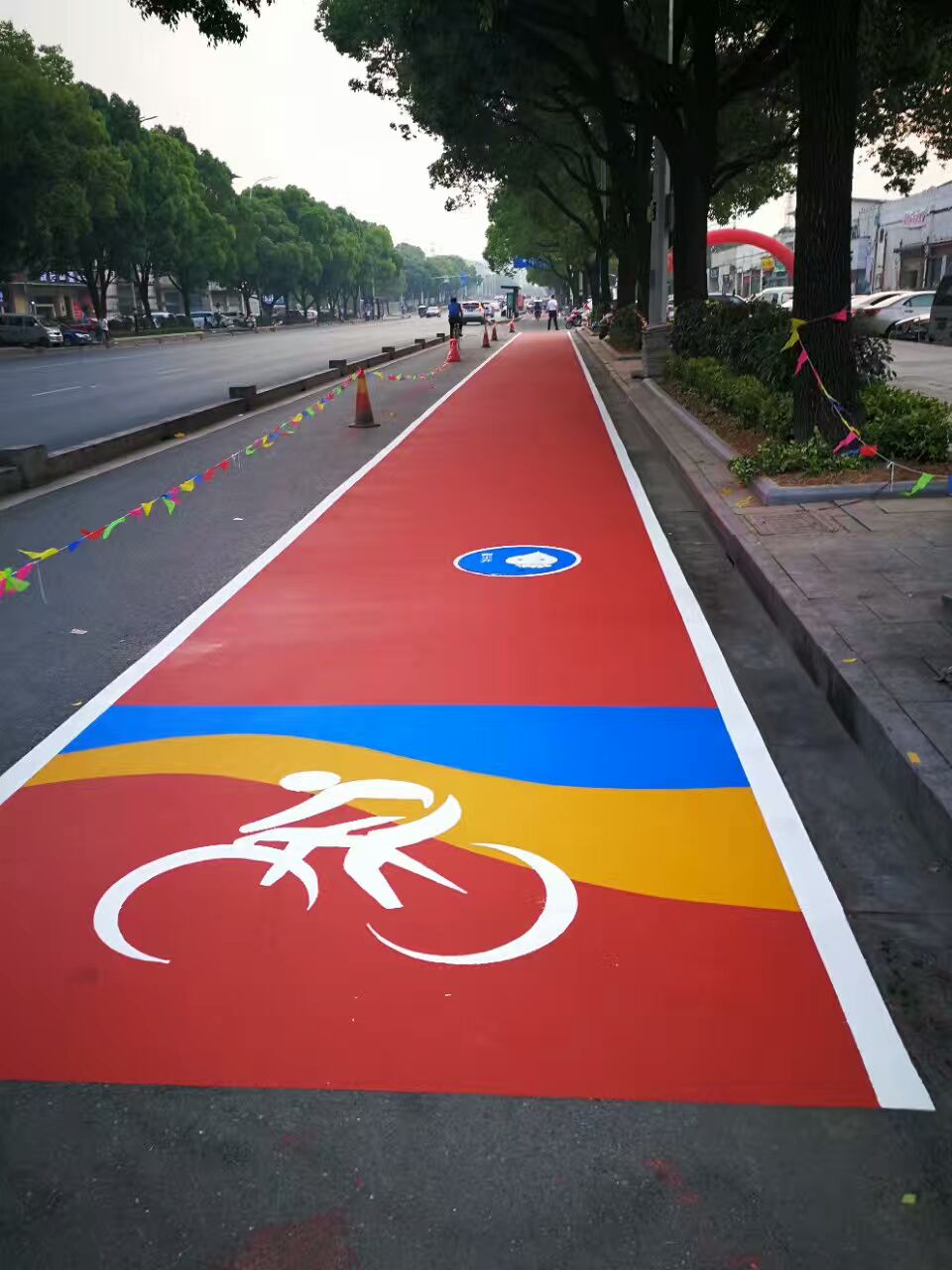
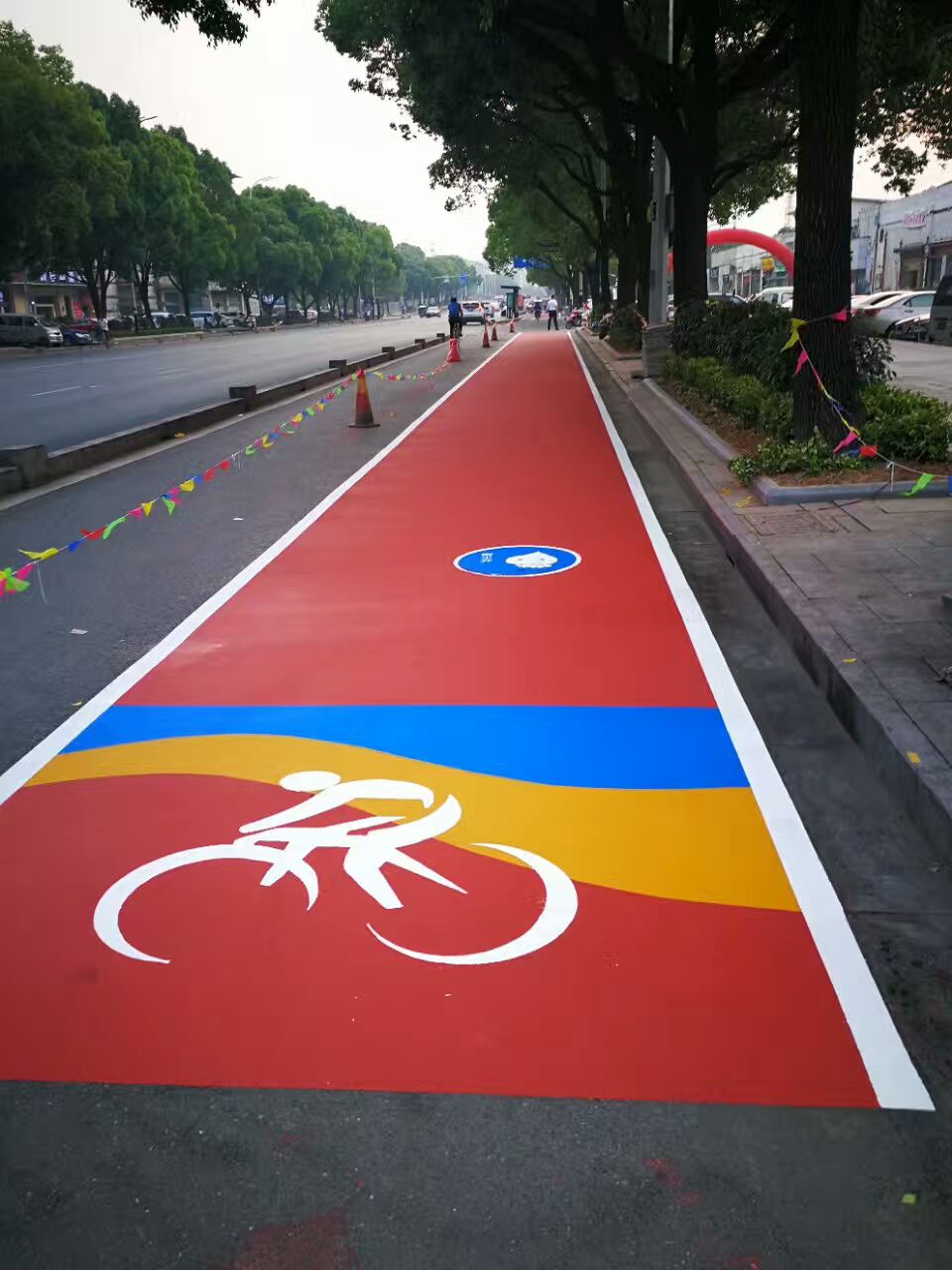
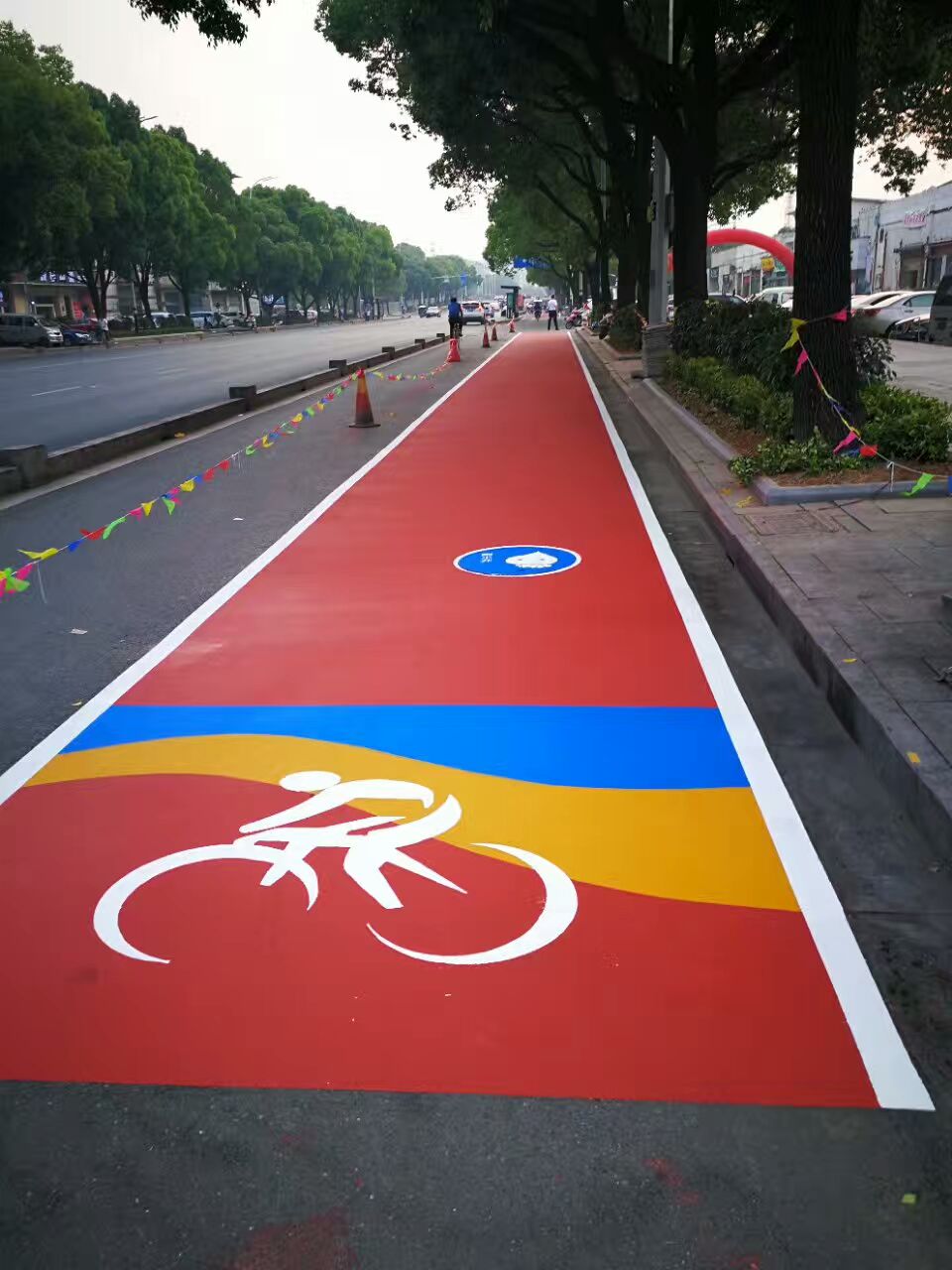
Porous permeable concrete is an advancement and improvement in permeable concrete technology. It is a type of lightweight, porous concrete composed of aggregates, high-grade cement, admixtures, water-based resin, reinforcing agents, stabilizers, and water. The permeable concrete is formed by a thin layer of slurry coating the surface of coarse aggregates, creating a honeycomb structure with uniformly distributed voids. This structure makes it breathable, permeable, and lightweight. The research and development of exposed aggregate permeable concrete are increasingly gaining attention.

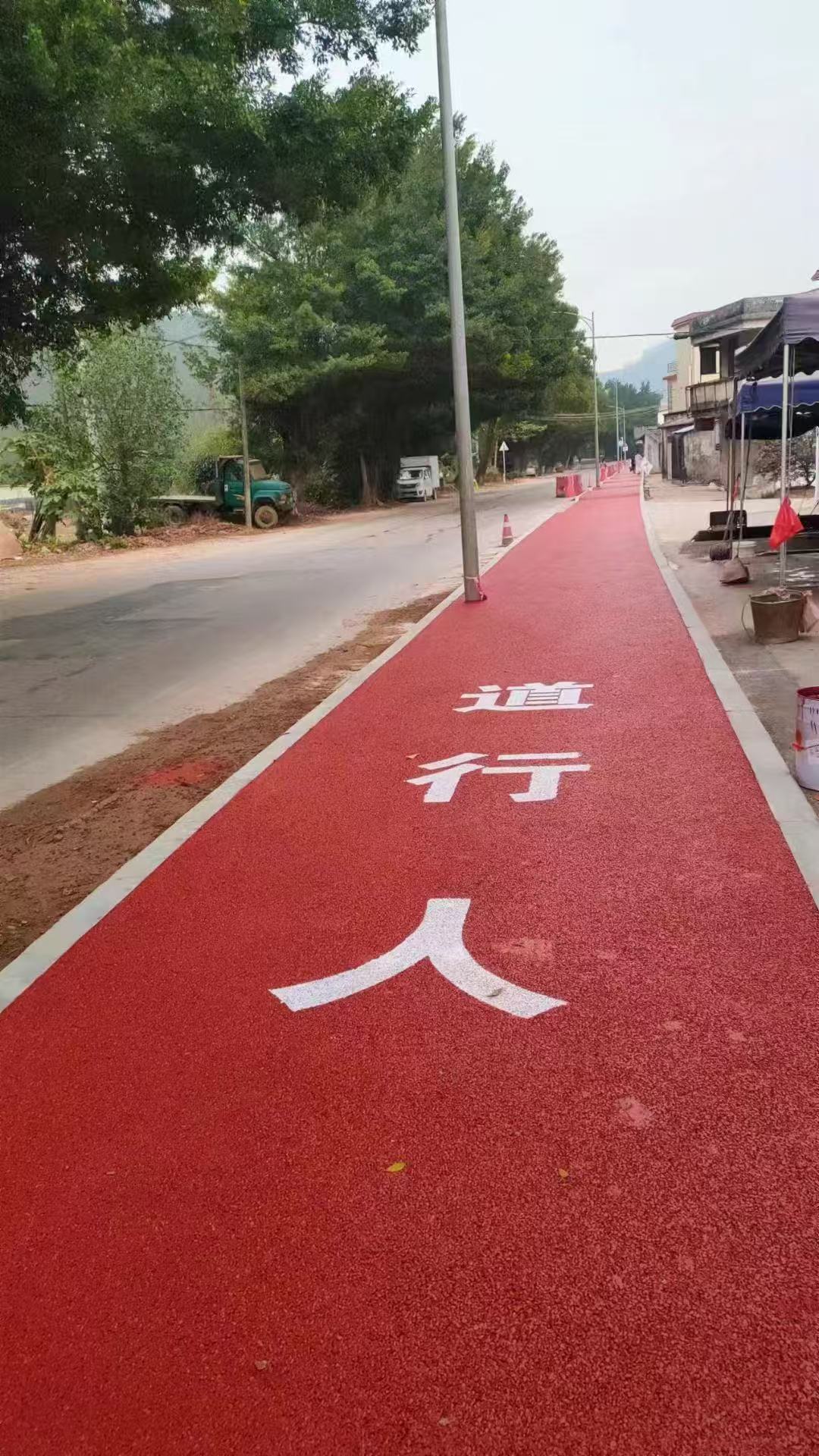
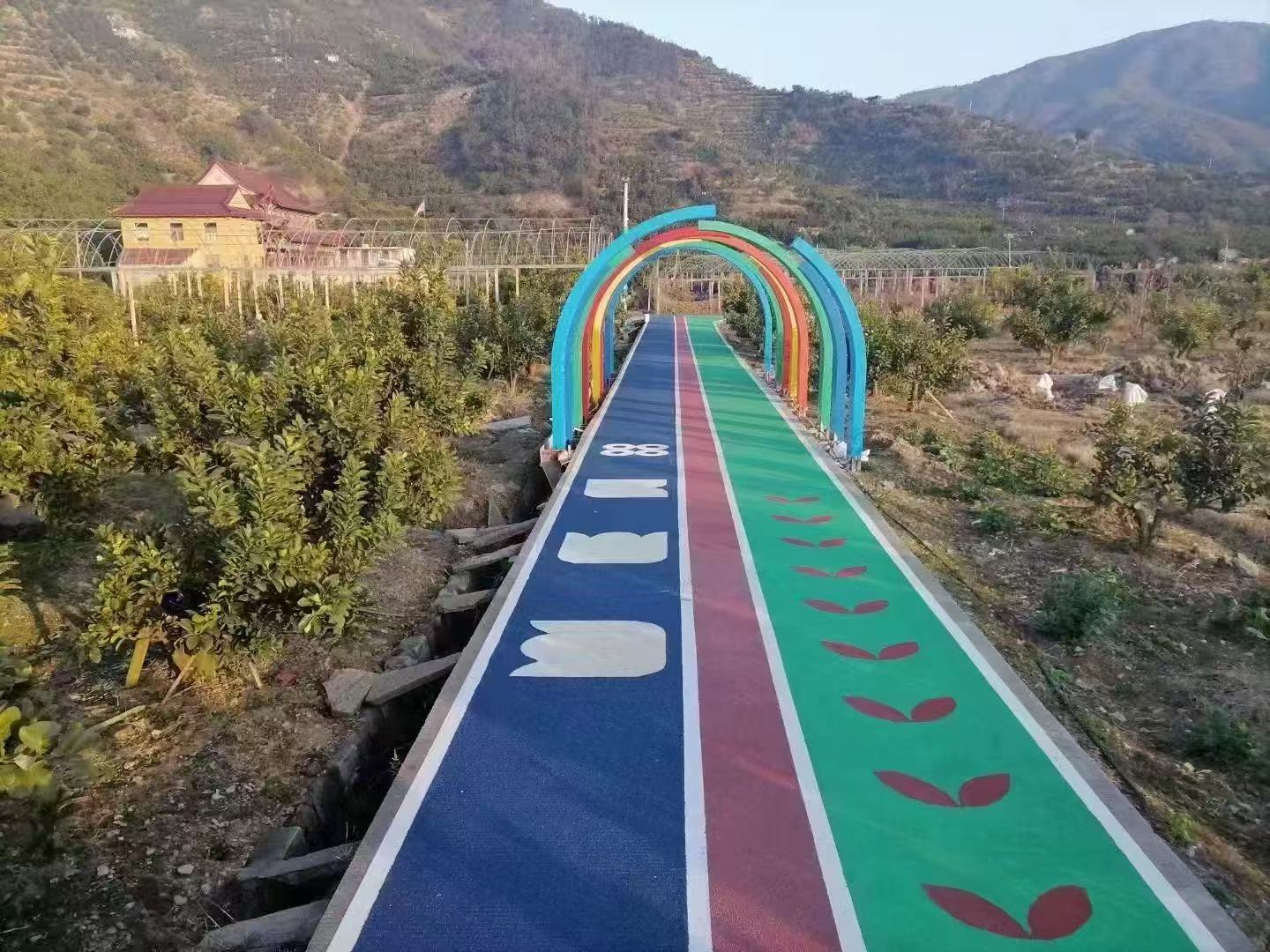
A porous paving surface formed by bonding granular aggregates with a binder, constructed on a base of permeable concrete. It features the natural colors, shapes, and ever-wet sheen of the stone, achieving a natural, unadorned paving effect on the surface aggregates.

Porous concrete increases the permeable and breathable areas in cities, facilitating heat and moisture exchange between the ground surface and air, regulating urban climate, reducing ground surface temperatures, and helping to alleviate the "urban heat island effect." Exposed aggregate porous concrete optimally utilizes rainfall and snowmelt, enhancing the relative humidity of the ground surface, replenishing the increasingly depleted groundwater resources in urban areas, and preventing land subsidence caused by groundwater depletion. It also serves as a "reservoir" function for permeable subgrade, improves the living conditions for urban surface plants and beneficial soil microorganisms, and adjusts the ecological balance.

Specific construction steps:
Porous concrete is based on the construction of permeable concrete roads. After the permeable concrete paving is levelled, a retardant is sprayed, and the surface cement paste can be washed clean with a rinse on the following day. This reveals the natural color, shape, and luster of the stone, achieving a natural, unmanicured paving effect for the surface aggregates. The construction of permeable concrete roadways is based on the same principles, with the added step of washing out the aggregates to expose them in the permeable concrete.

Briefly, it involves laying a crushed stone base, mixing aggregates, pouring a smooth surface, applying a cleaning agent, washing off surface mud, curing, applying a protective agent, and cutting expansion joints. The link points between aggregates decrease, with stricter details than required for permeable concrete. The key process in exposed aggregate permeable concrete is the application of the cleaning agent, which helps to alleviate the solidification time of the surface mud, allowing for surface cleaning with water the next day, thus revealing the aggregates.