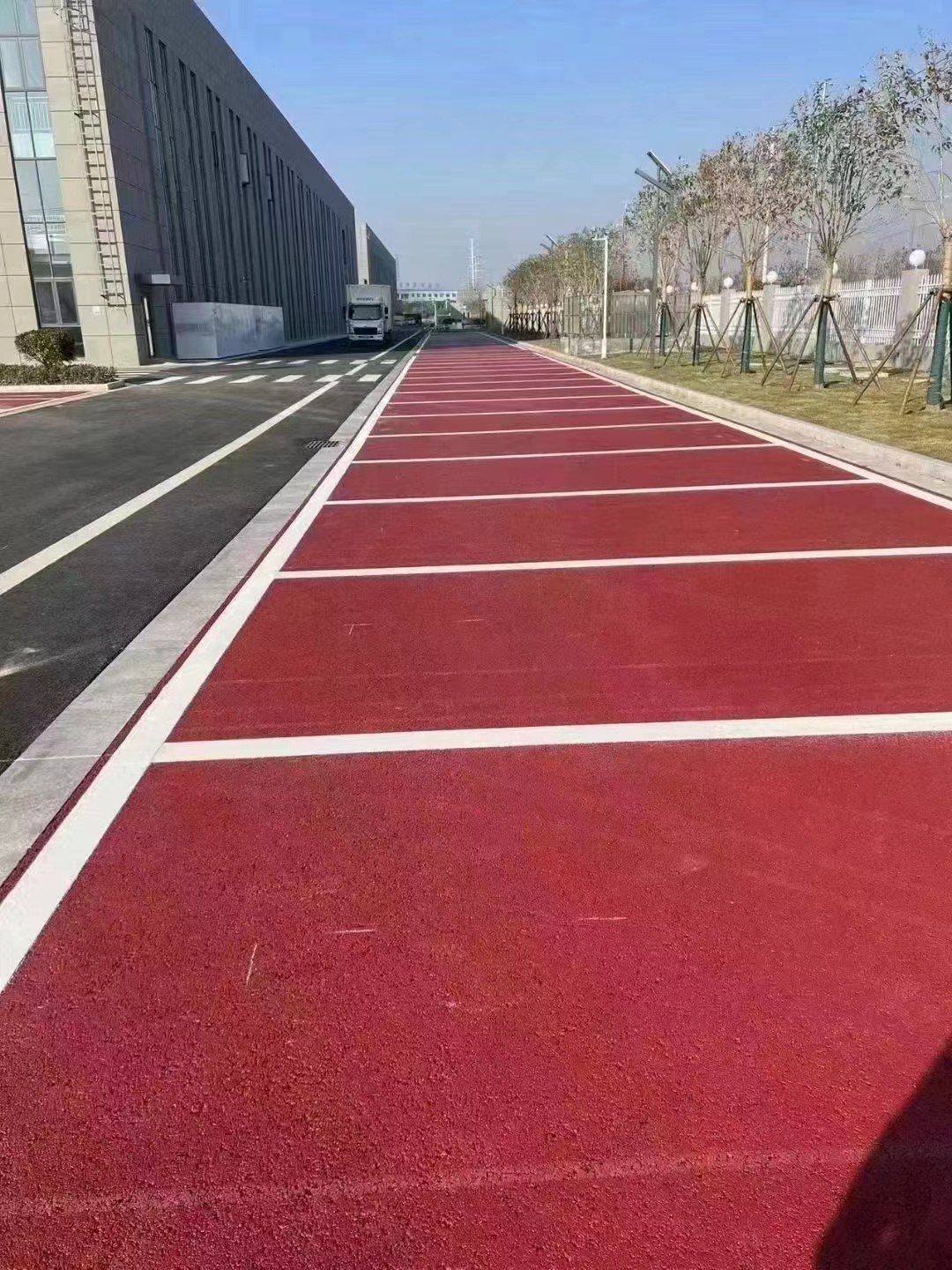

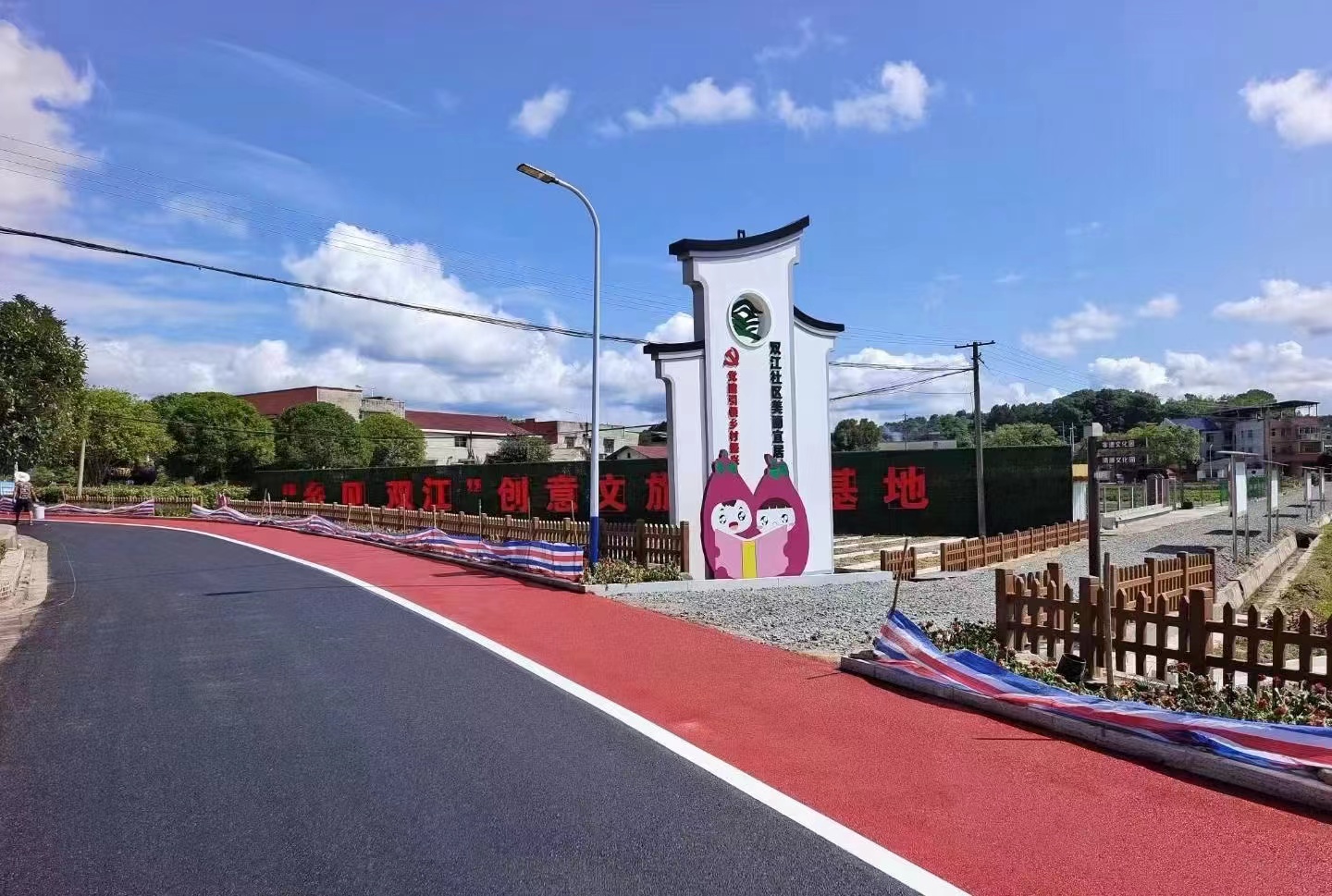


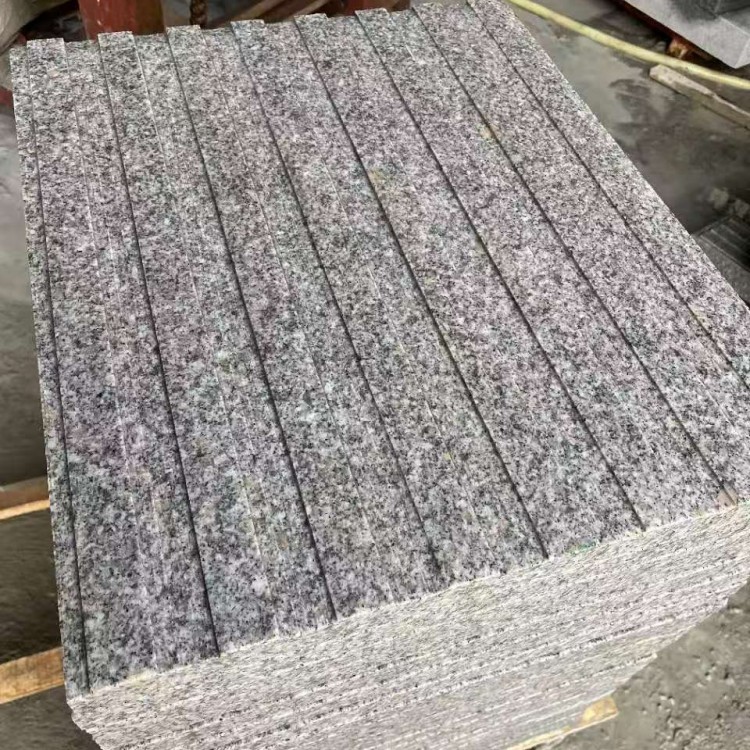













Permeable concrete ground has strong practicality, benefiting the positive development of the human living environment; it also plays a significant role in rainwater management and utilization, as well as in the prevention of water pollution. It is a "Key Promoted Project of Science and Technology Achievements in National Construction," widely used in pedestrian walkways, bike paths, light rail tracks, public squares, outdoor parking lots, and park walkways, as well as scenic roads.

Permeable Concrete Flooring Characteristics:
1. High permeability.
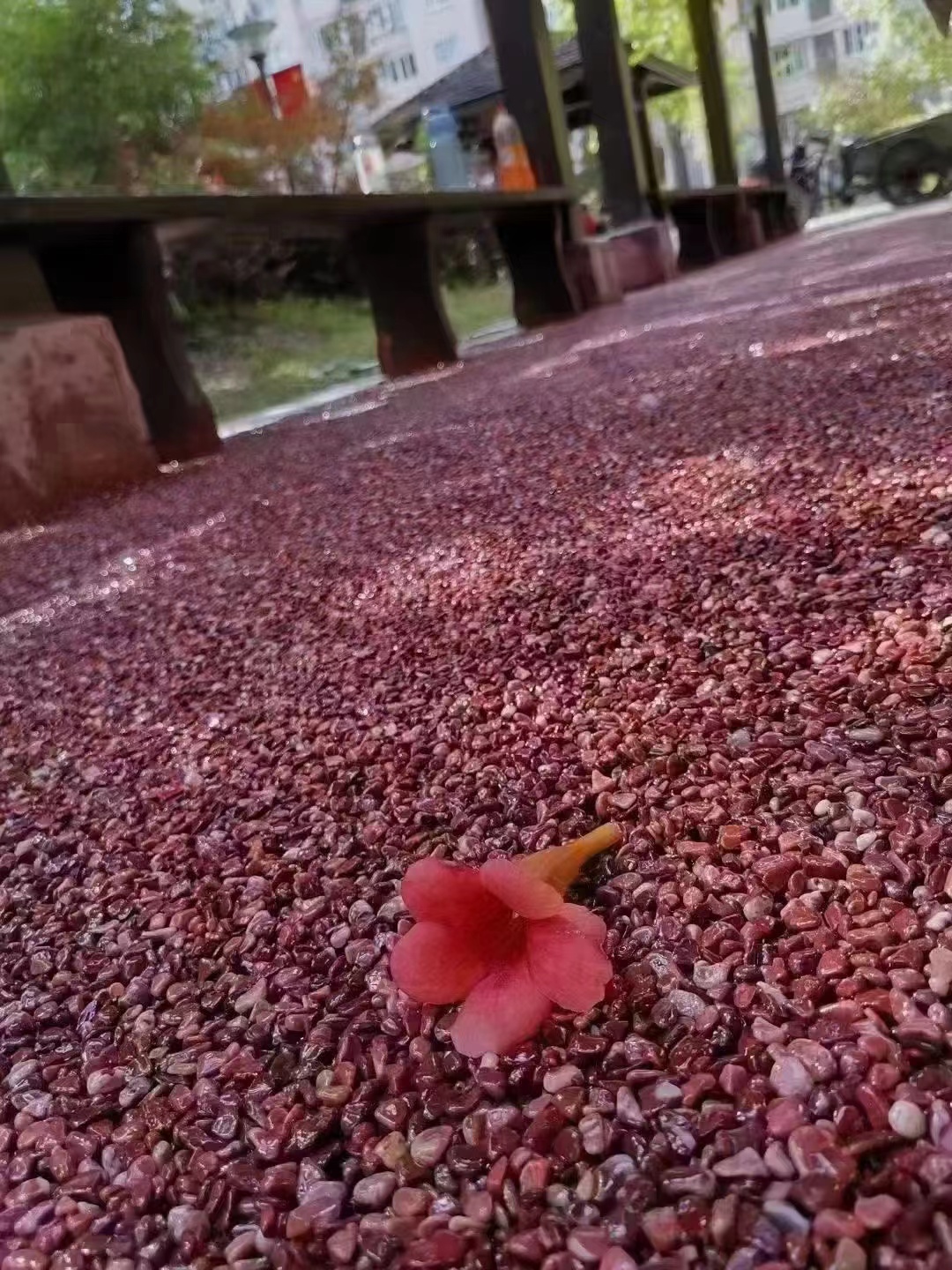
Porous paving has a porosity of 15%-25%, enabling a permeation rate of 31-52 liters per cubic meter per hour, significantly higher than the drainage rate of the most effective rainfall under the best drainage configuration.
2. High load-bearing capacity.
The permeable pavement has been certified by the national testing authority, with its bearing capacity fully meeting the standards of C25-C30 concrete, exceeding that of conventional permeable bricks.

3. Excellent decorative effect.
Porous pavement comes with color optimization formulas, allowing it to complement designers' unique creativity and achieve the decorative styles required for different environments and personalities, which is something that standard permeable bricks struggle to accomplish.
4. Easy maintenance.
Concerns about pore blockage are unwarranted; the unique permeable paving system allows for easy resolution with a simple high-pressure water wash.
5. Freeze-thaw resistance.
Permeable paving has superior frost-thaw resistance compared to regular concrete surfaces, as it won't crack due to frost-thaw effects because of its larger pores.

6. Durability.
The permeable pavement offers superior durability and abrasion resistance compared to asphalt, resembling standard flooring while avoiding the drawbacks of shorter lifespan and lack of cost-effectiveness typically associated with traditional permeable pavers.
7. High thermal conductivity.
The material's low density (10-15% voids) reduces its thermal storage capacity. Its unique pore structure allows for lower ground temperatures to pass through to the surface, thereby lowering the overall temperature of the paved area. These characteristics make the permeable paving system nearly equivalent to the heat absorption and storage functions of naturally vegetated ground.