













Based on the Nernst equation, the relationship between the oxygen electrode potential and the carbon activity (ac = Cp/Cs, where Cp is the carbon potential of the furnace gas and Cs is the saturated carbon content of the steel at temperature T), as well as the partial pressure of CO (Pco) and temperature, can be derived. Under equilibrium conditions, with Pco stable, the carbon potential can be determined by the oxygen electrode potential and temperature.
In unbalanced or N2-based atmospheres, fluctuations in Pco and PH2 render infrared and dew point methods ineffective. At this point, introducing an infrared meter to measure the actual Pco value and compensating for the Nernst equation allows the oxygen probe to still achieve carbon potential control, which is crucial for high-temperature, high-concentration carburization.
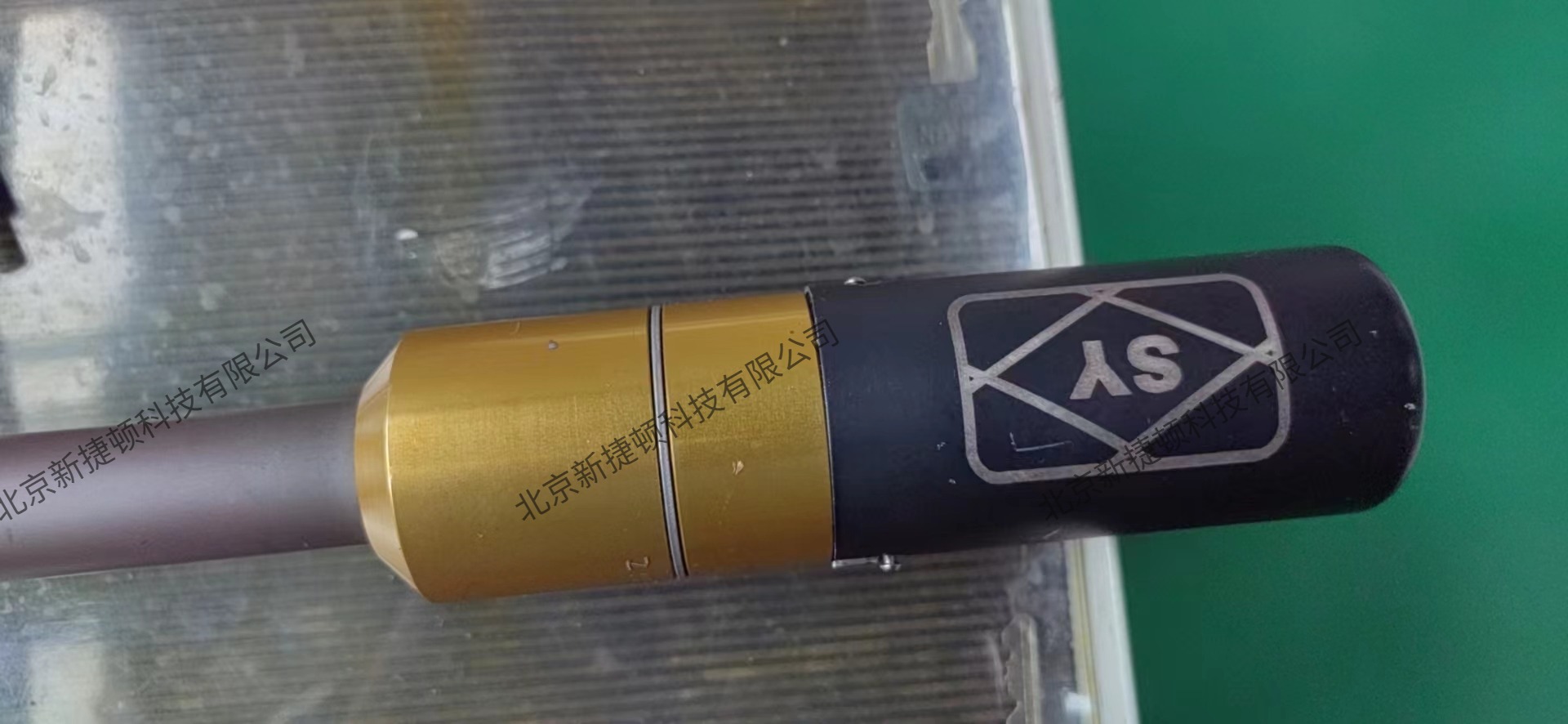
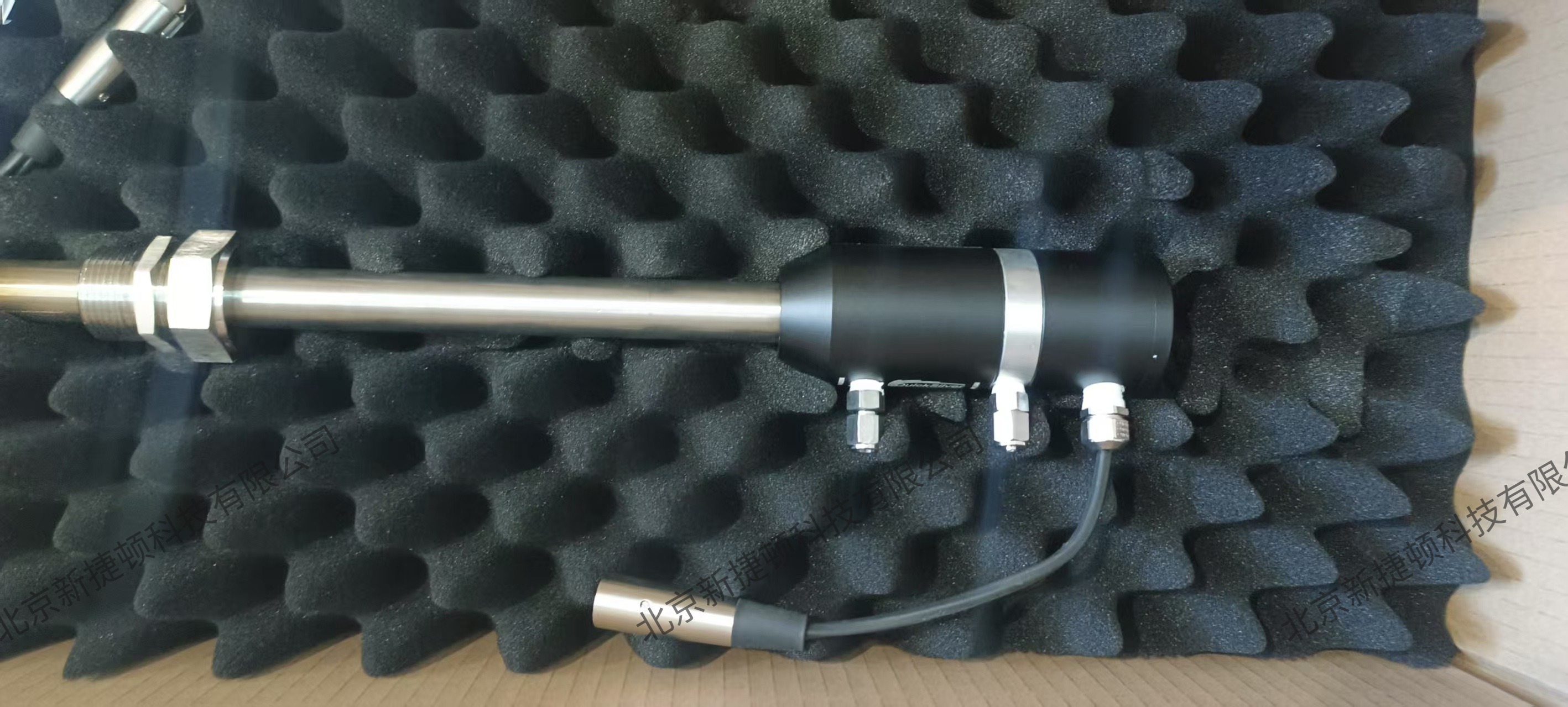
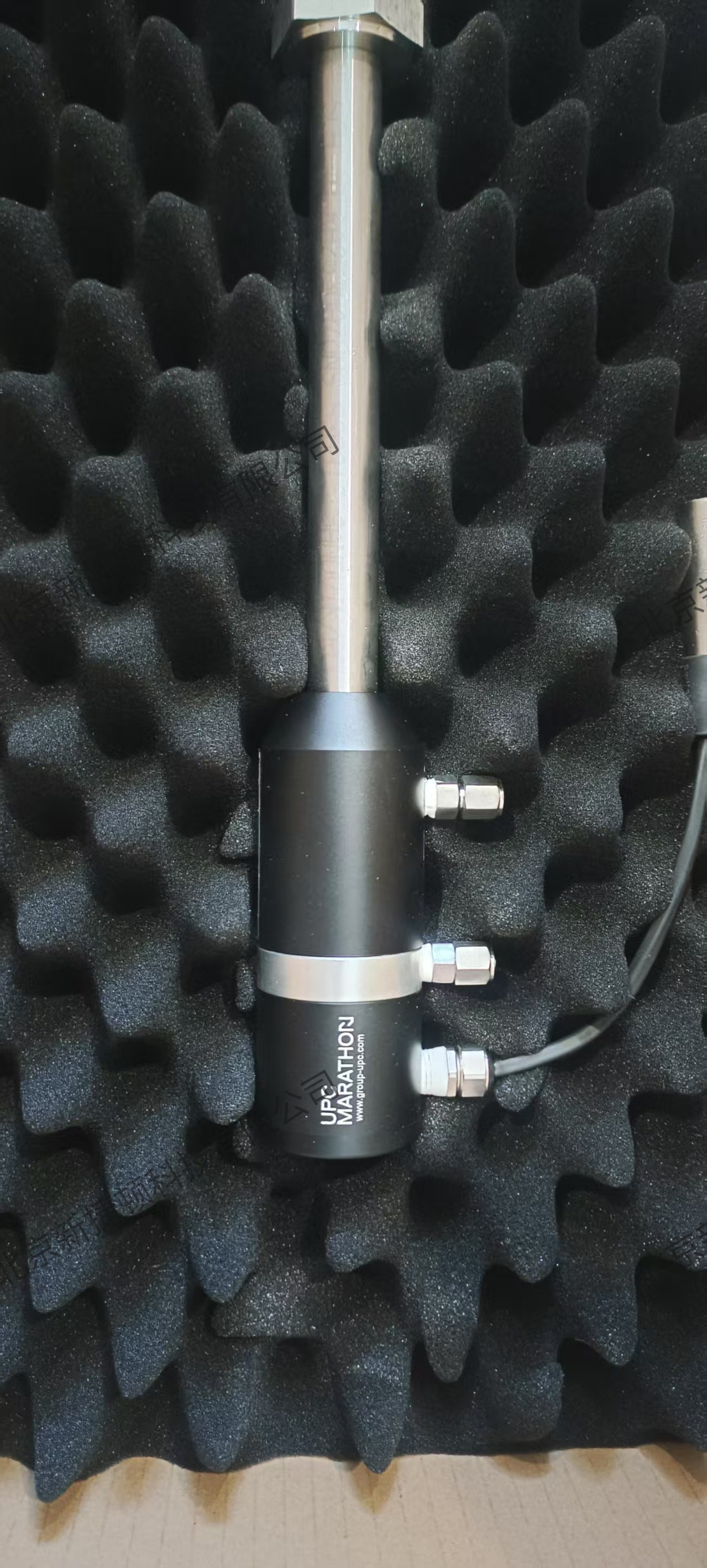
**Quicksilver Series Oxygen Probes**