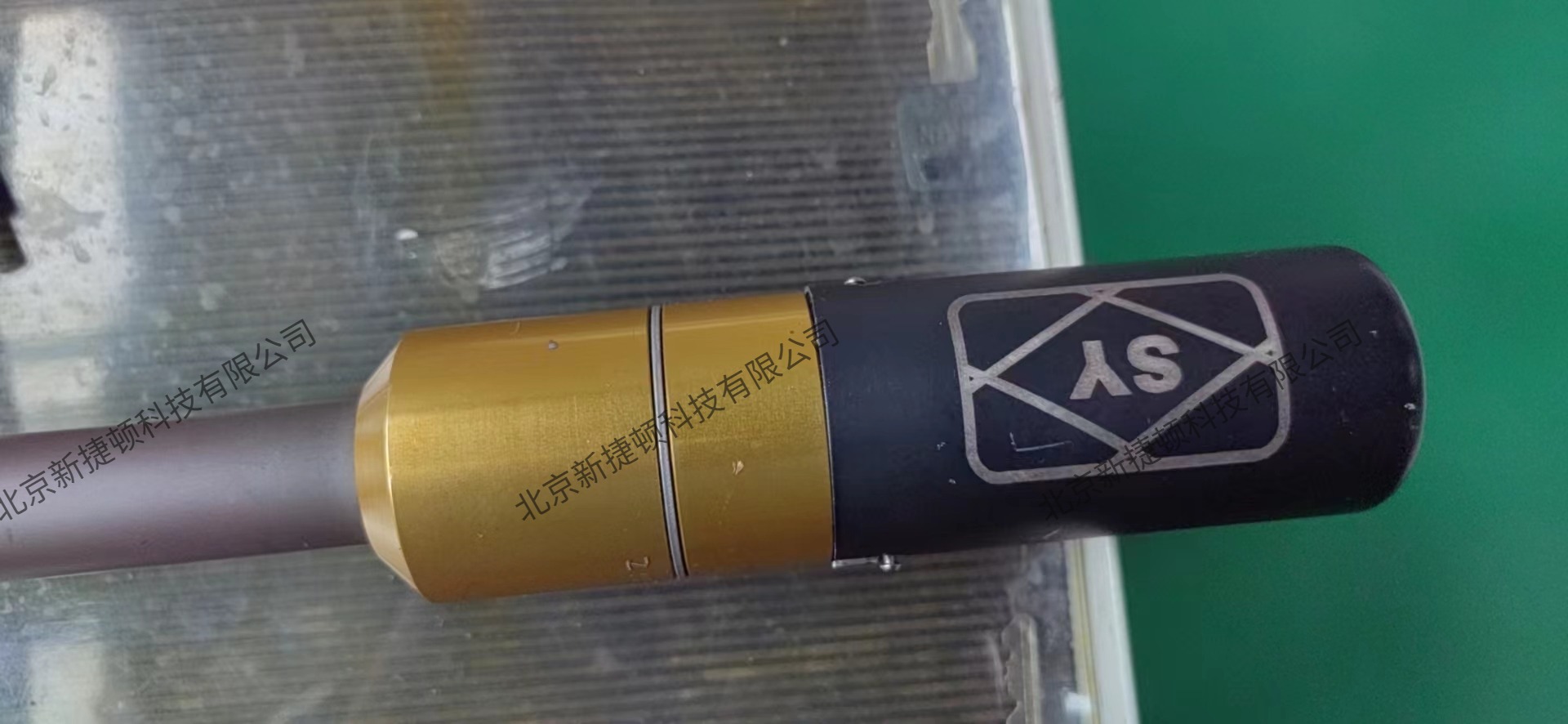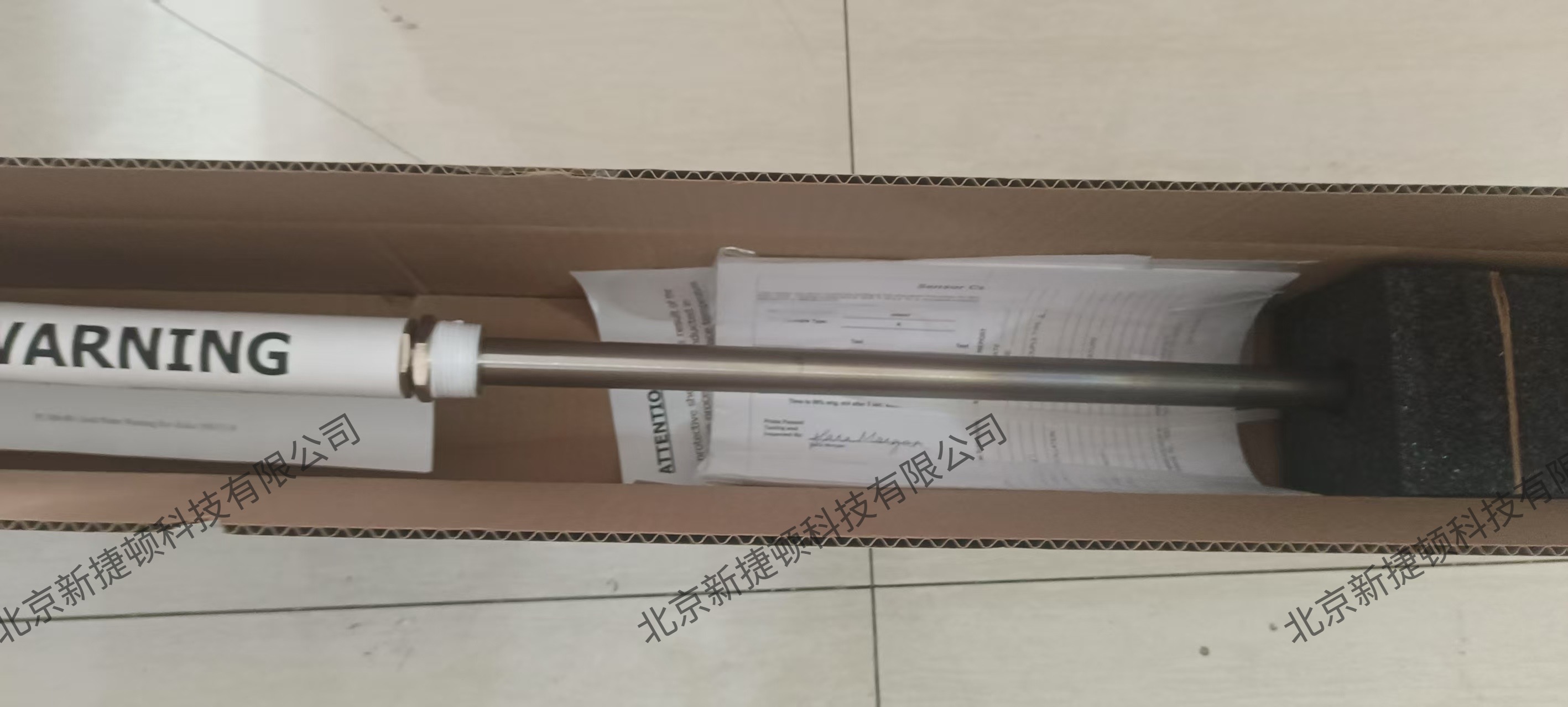

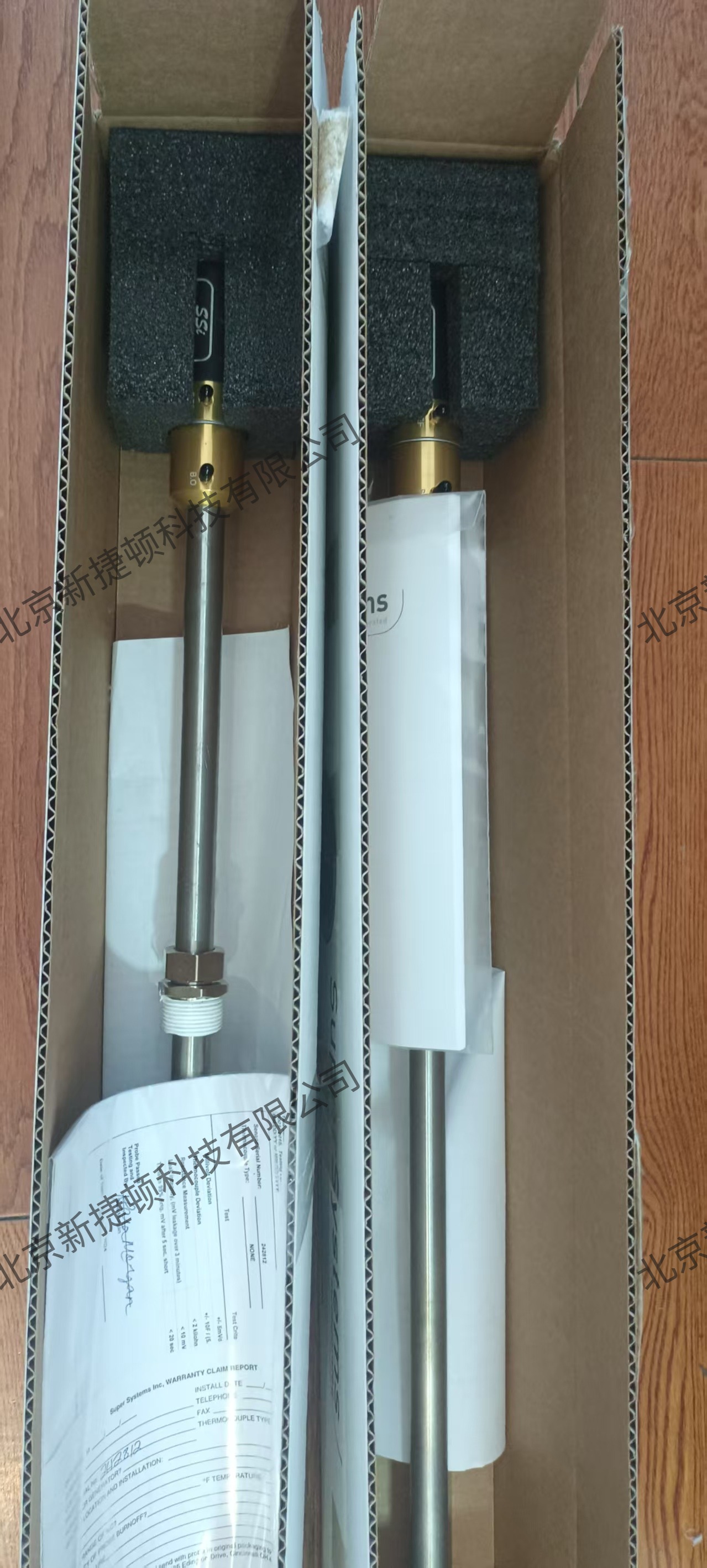
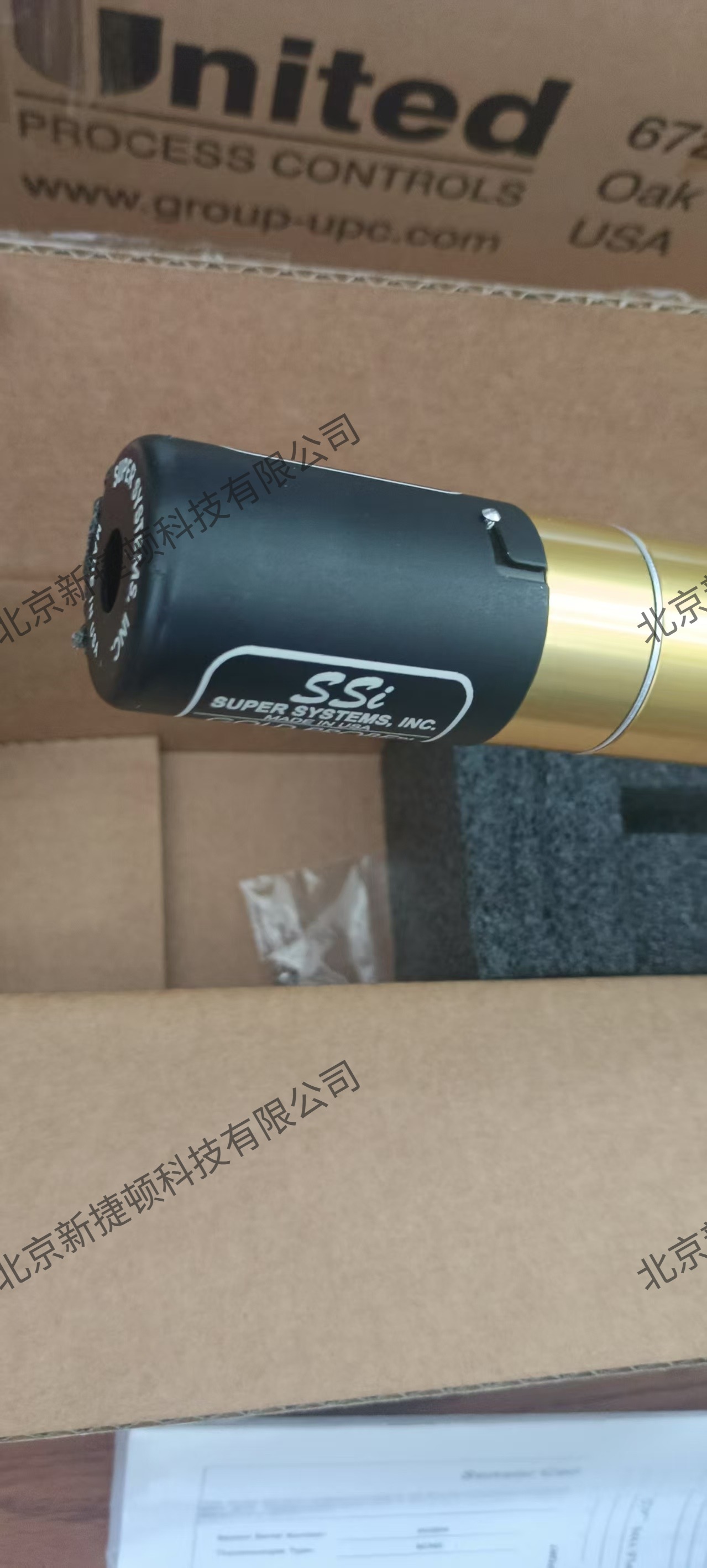


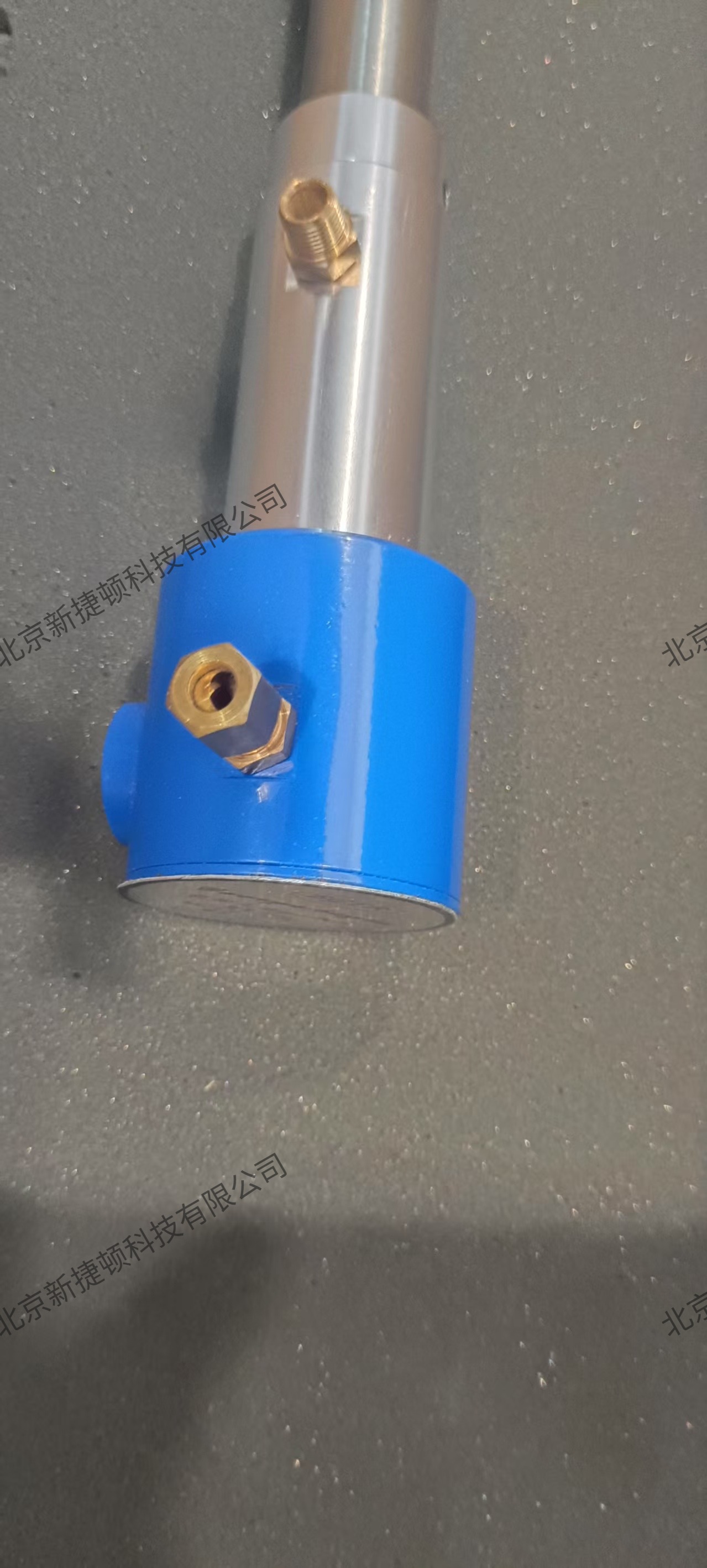
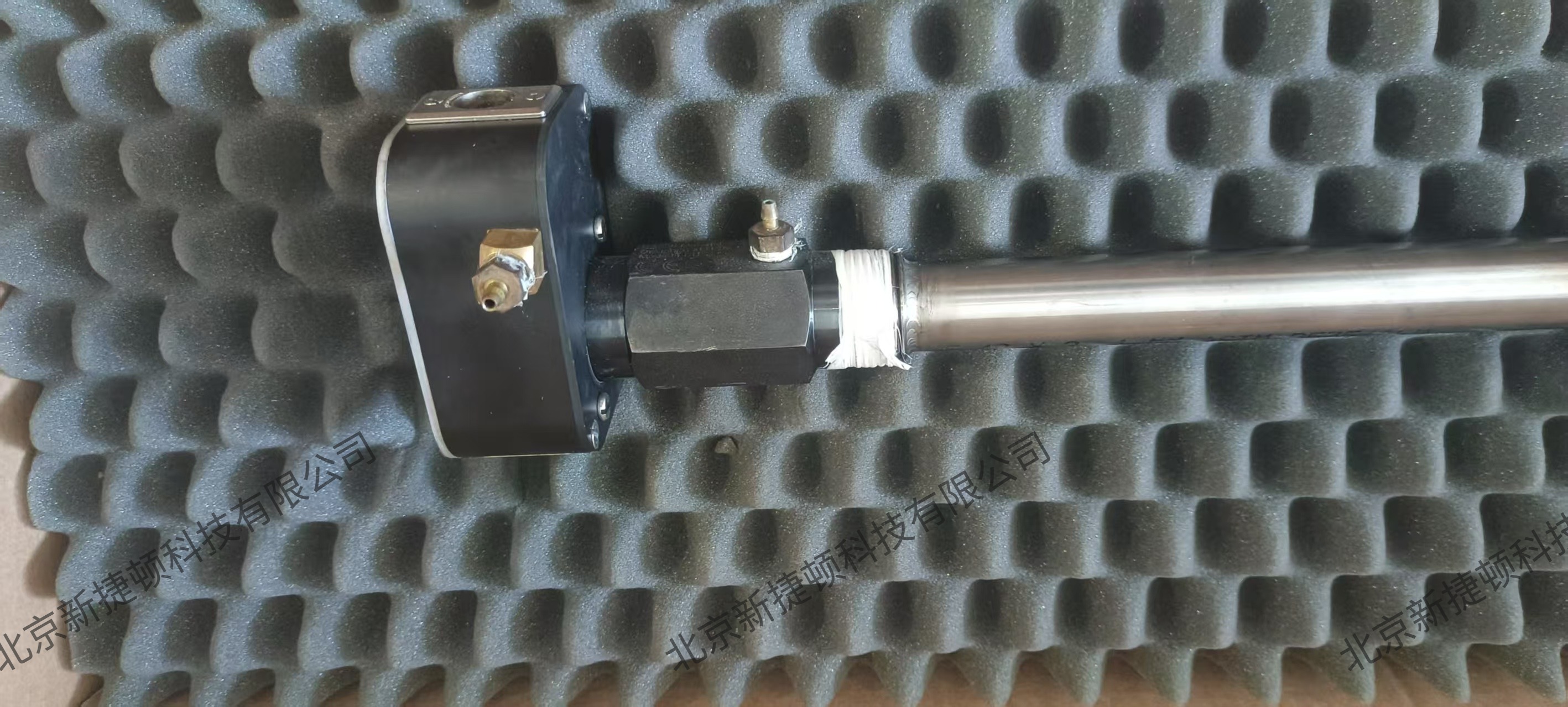
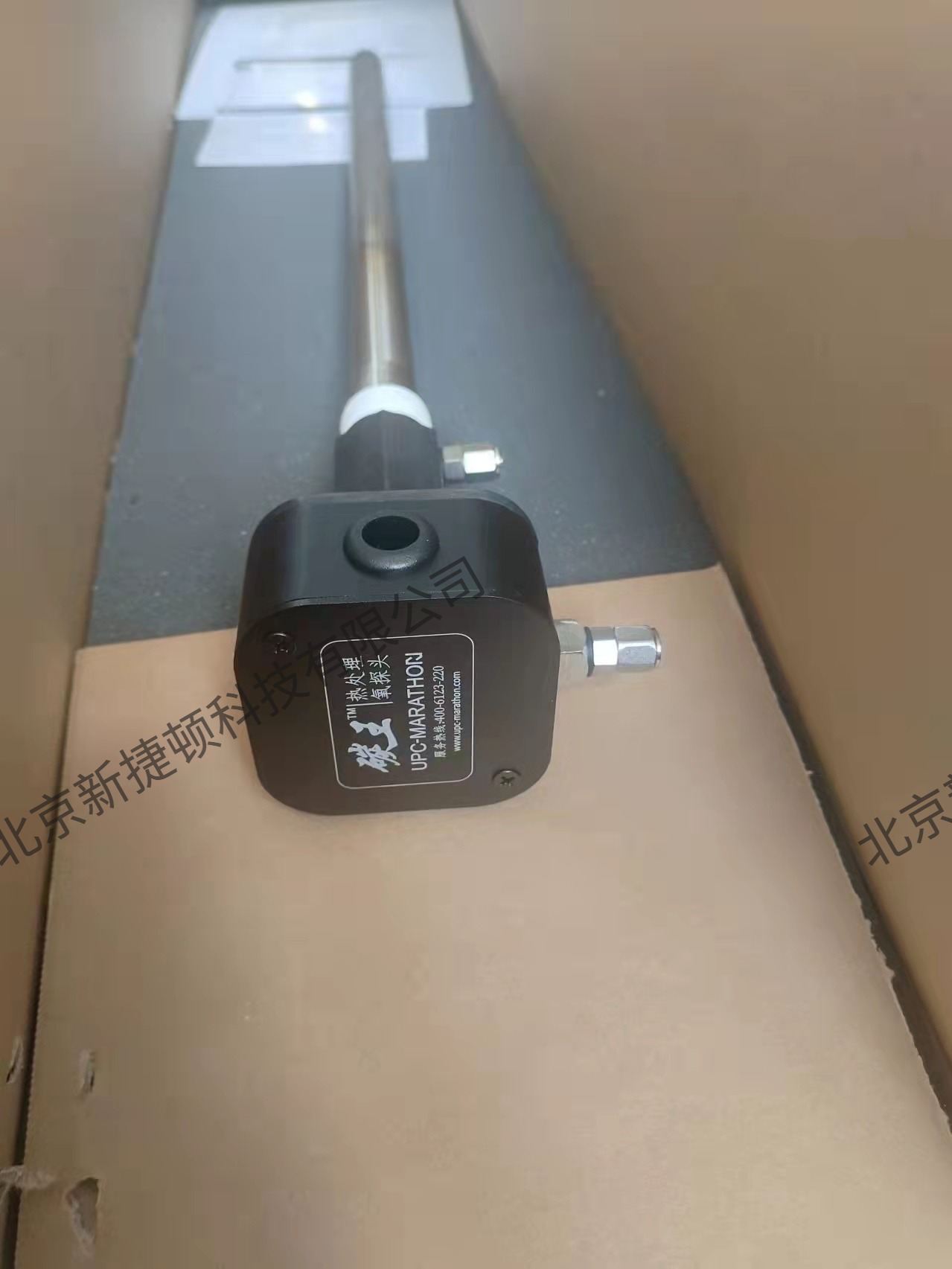
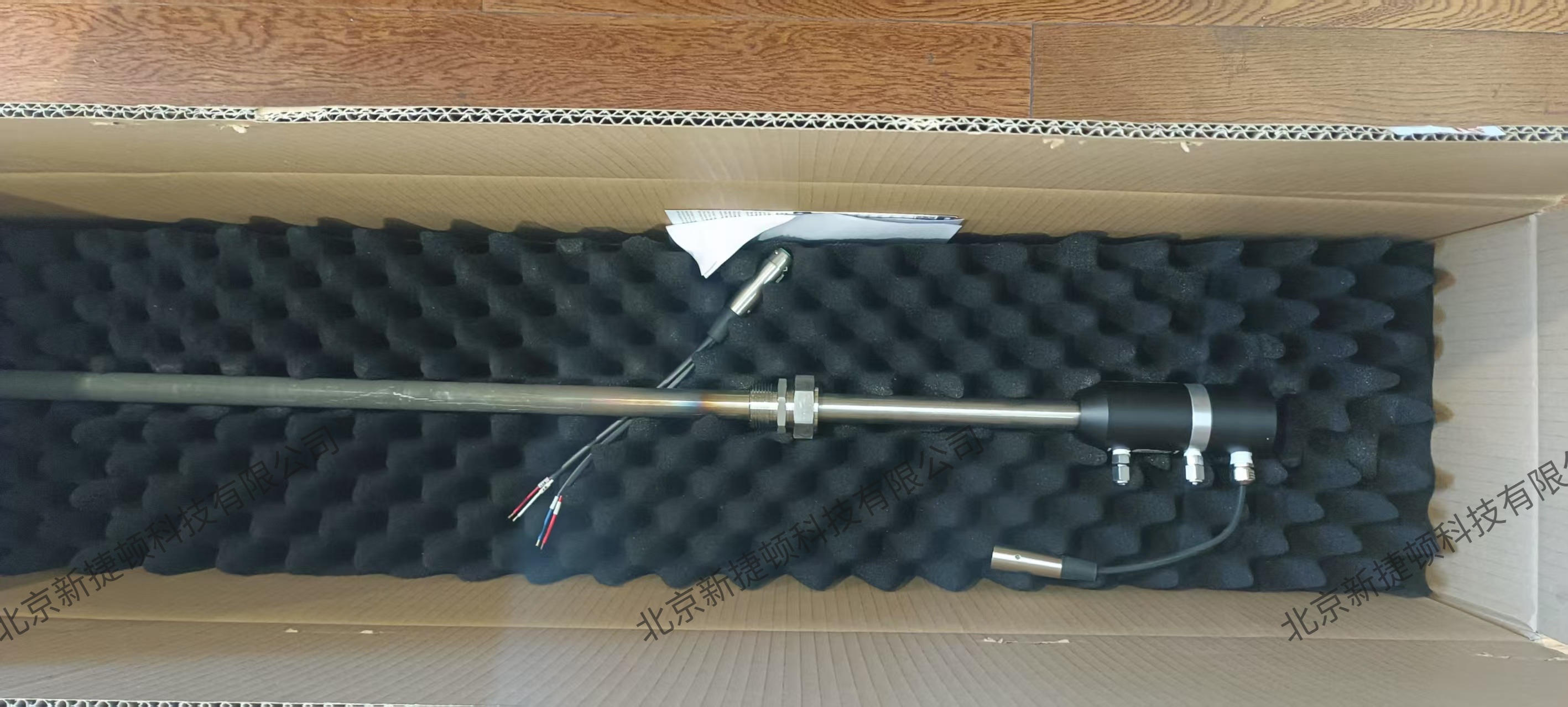





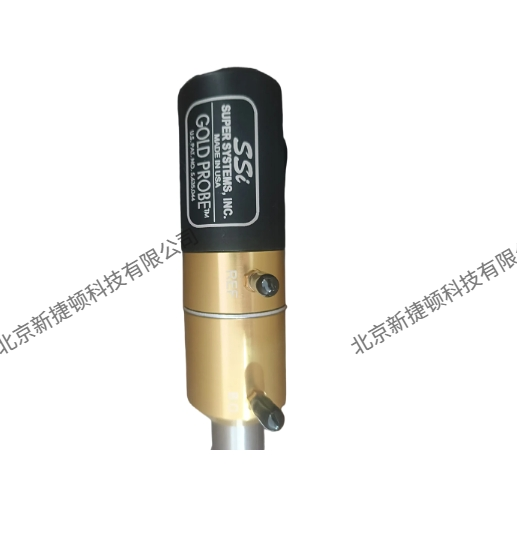
The working principle of the oxygen sensor is based on the conductivity of oxygen ions. Inside the sensor, there is an electrolyte membrane, typically made of stable zirconia material, with different metal electrodes applied on both sides. One side is in contact with the exhaust gas inside the exhaust pipe, while the other side is exposed to the atmosphere. When the oxygen concentrations on both sides differ, oxygen moves through the electrolyte membrane, generating a potential difference that is proportional to the difference in oxygen concentration in the gas. This potential difference is converted into an electrical signal by the internal circuit, reflecting the air-fuel ratio of the mixture. This characteristic of the sensor allows it to be used as a key component in automotive exhaust control systems.
Daily Motto: Love turns ordinary moments into miracles, forever etched in our memories.