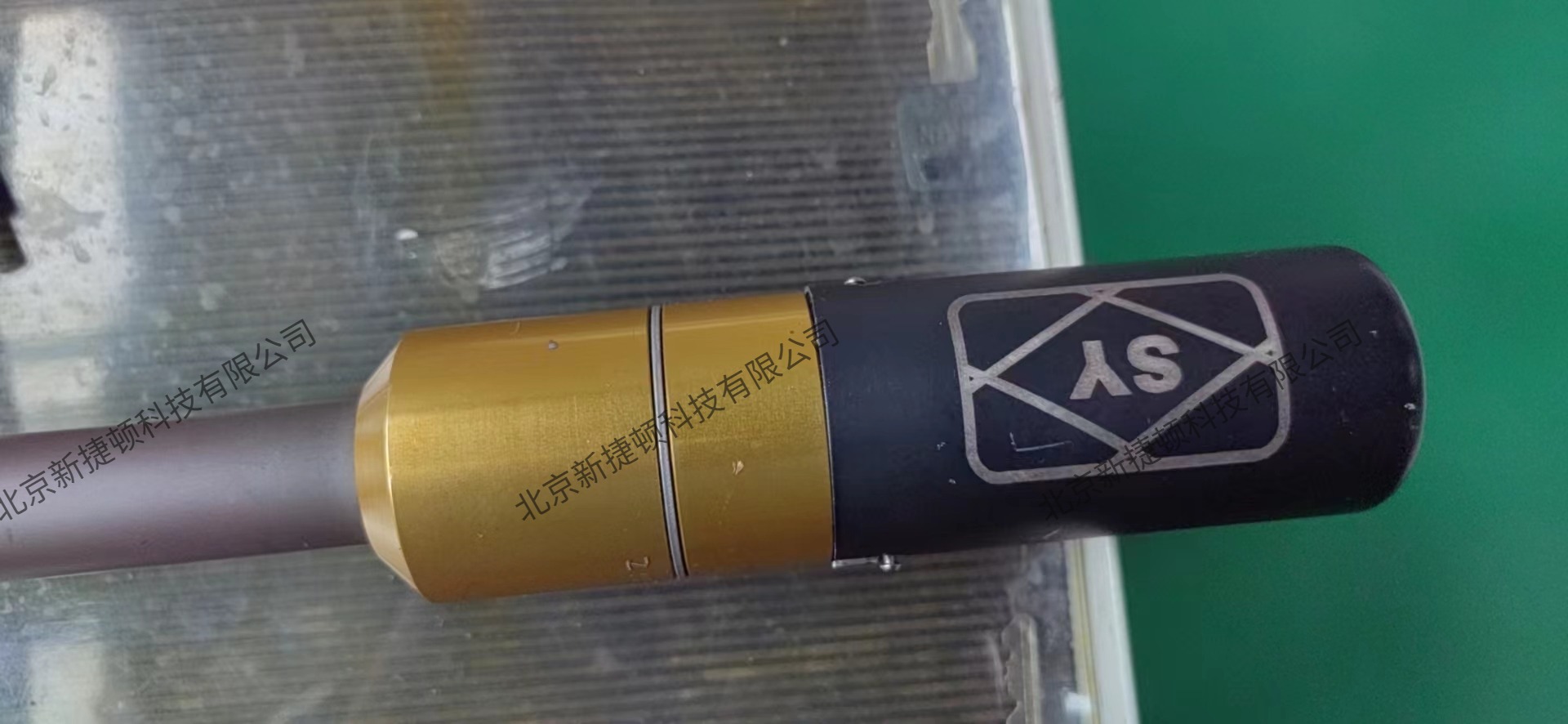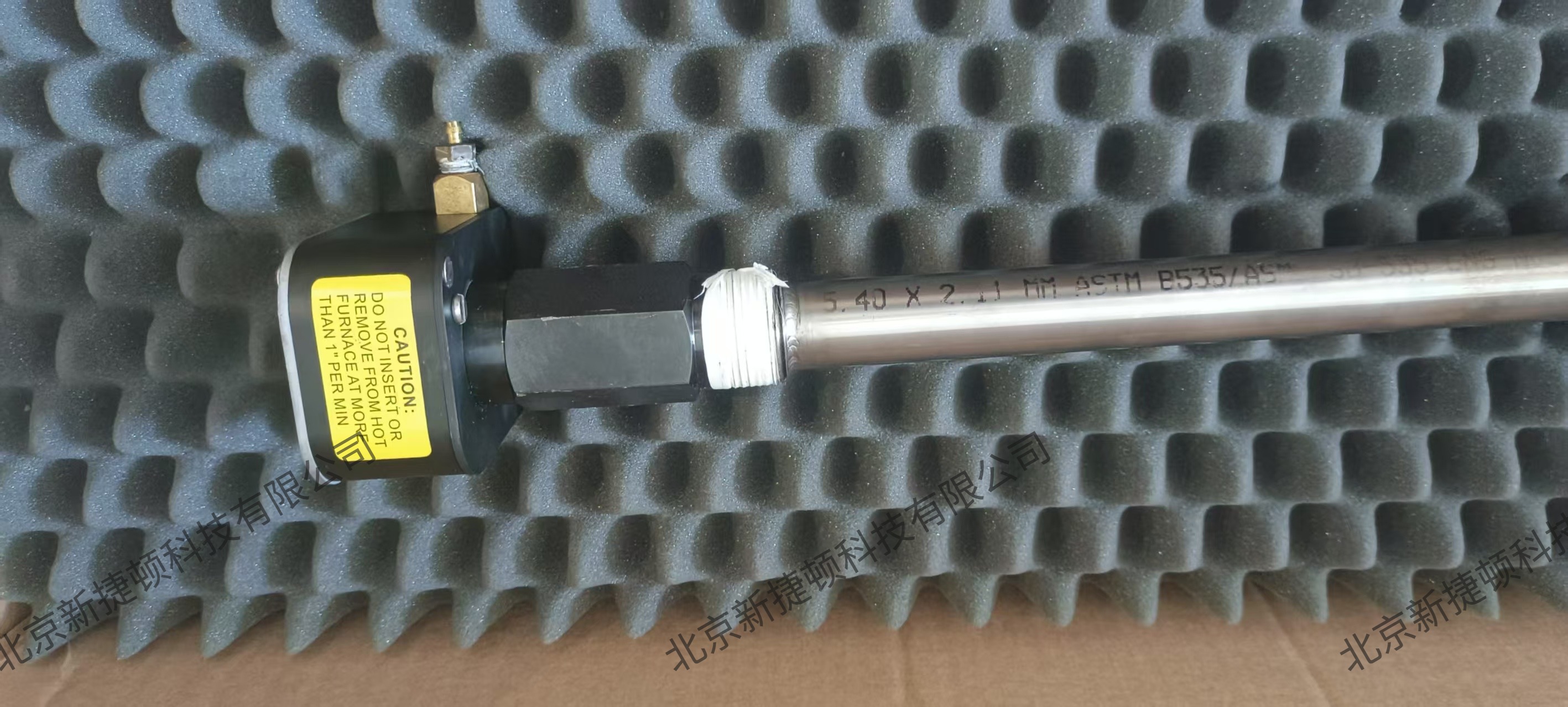









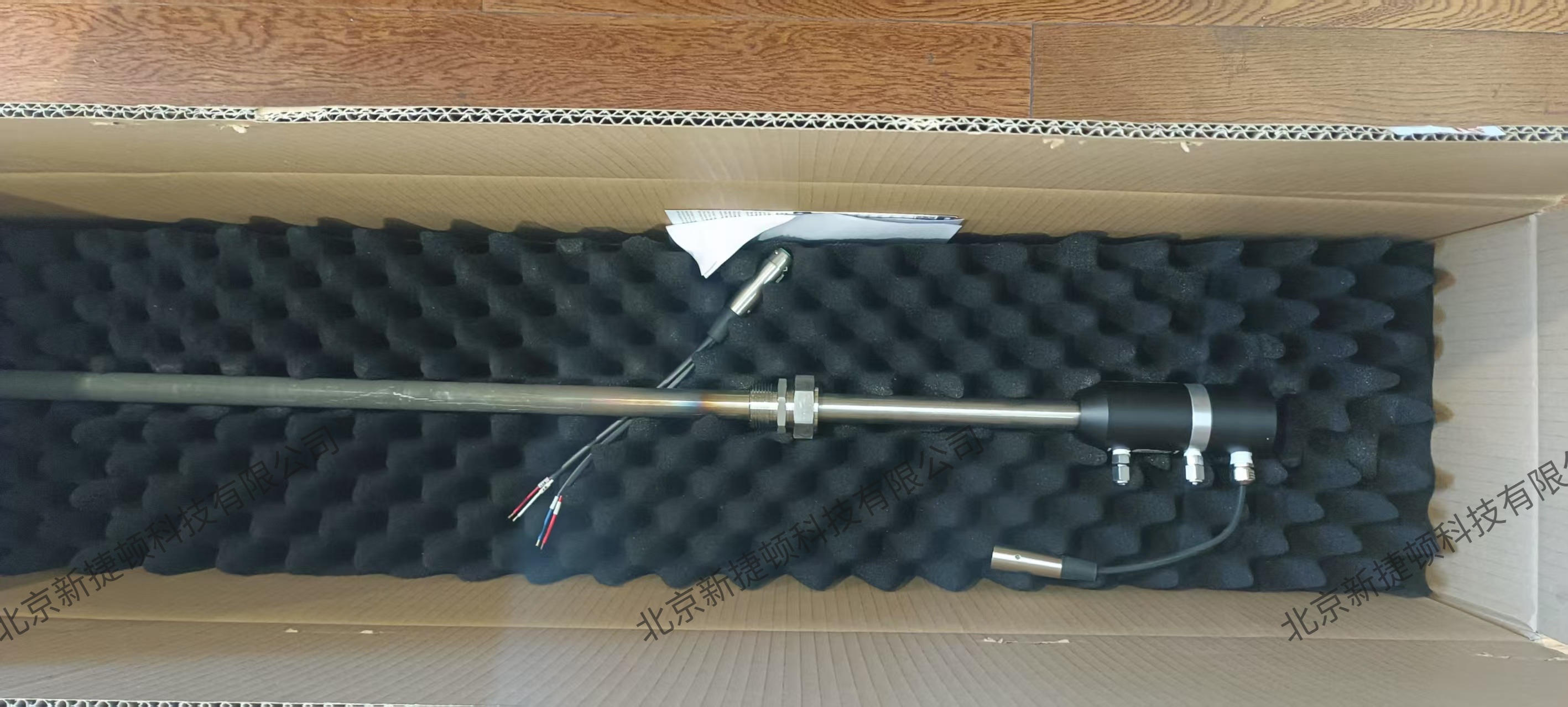






Operating temperature must be maintained between 600°C - 800°C (usually designed at 750°C or similar) for the probe to achieve ion conductivity and sensitivity. The actual operating temperature must be kept constant, usually requiring a matching heater or insertion into a high-temperature environment.
Platinum Electrodes: A very thin porous platinum (Pt) layer is coated on both the inner and outer surfaces of zirconia elements to serve as electrodes. Inner Electrode: Exposed to the reference gas (usually dry, clean air containing 20.95% O2). Air diffuses naturally into the inner reference gas chamber through calibrated holes. Outer Electrode: Exposed to the process gas to be measured (e.g., flue gas). The platinum electrodes not only provide a conductive path but also act as a catalyst in the process of oxygen molecules dissociating into oxygen ions (cathode) and oxygen ions combining to form oxygen molecules (anode).