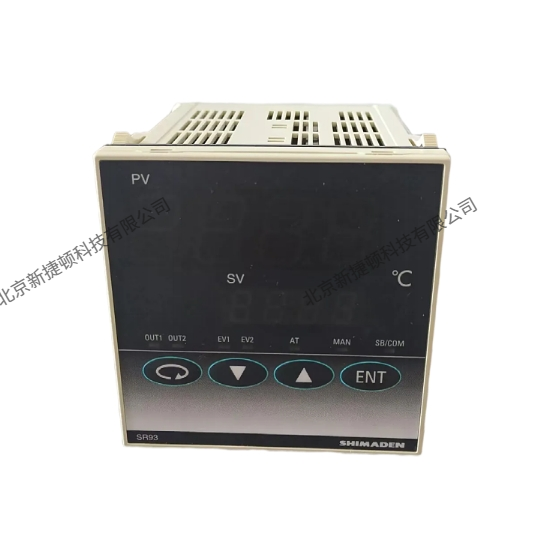

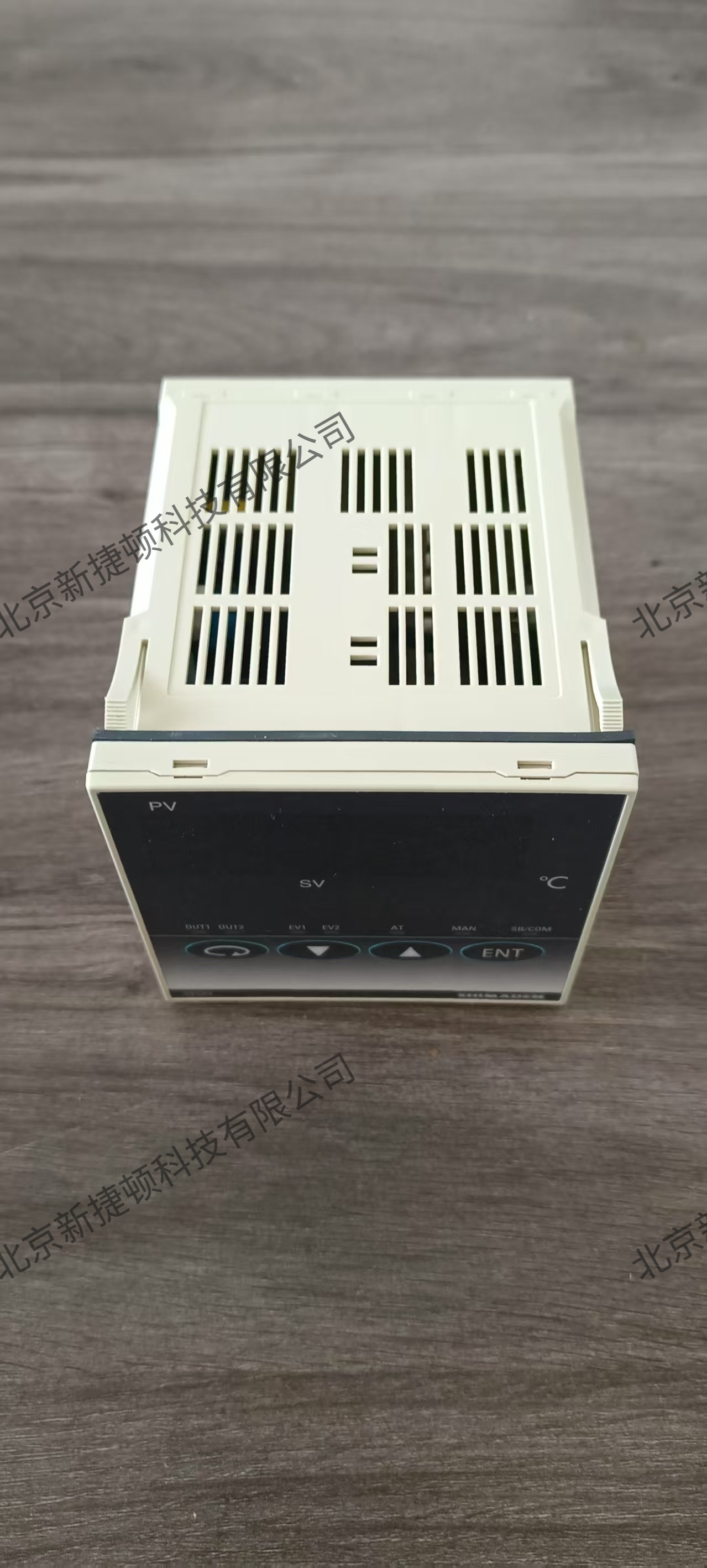
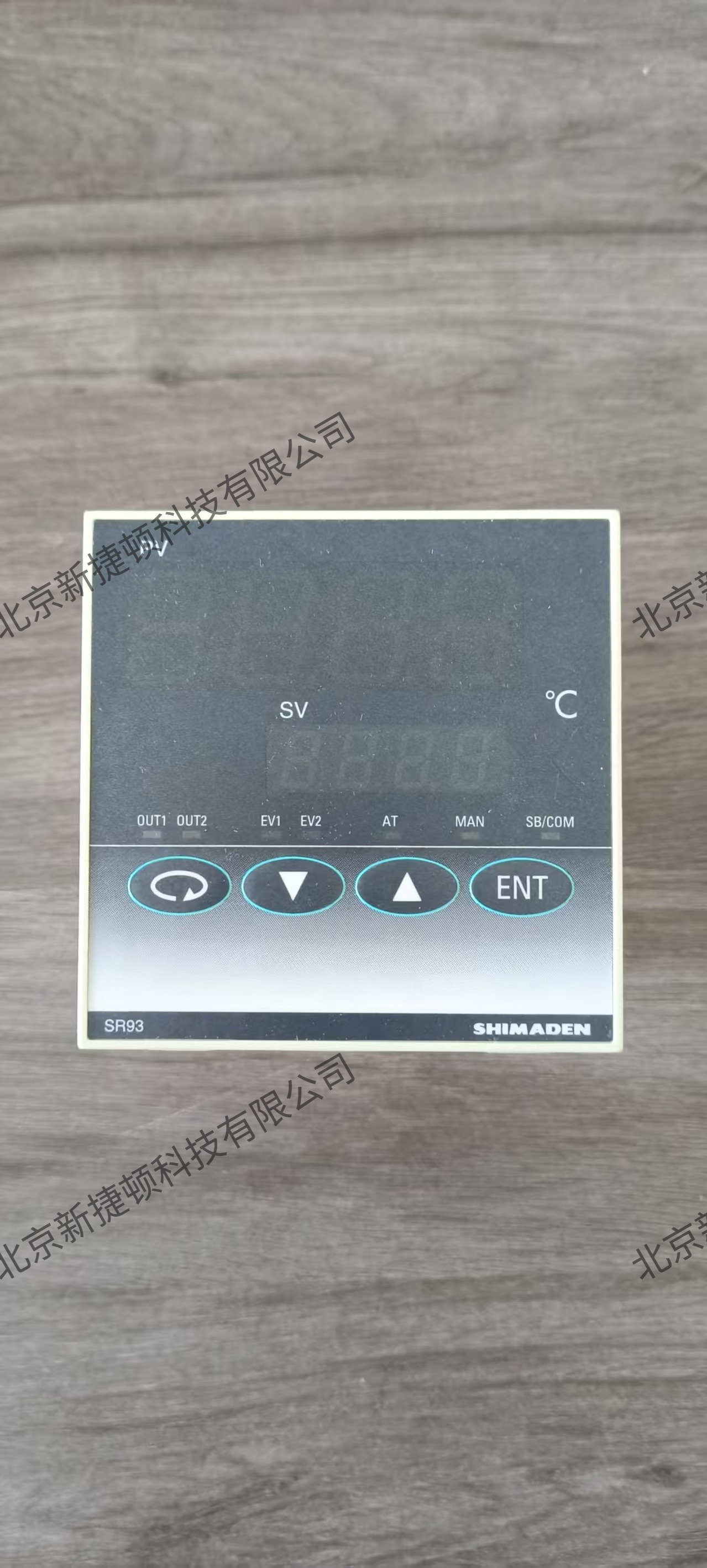









(Continuing from the PID control section) In industrial applications, PID control algorithms are often combined with adaptive control techniques. When the thermal inertia of the controlled object changes, such as during mold replacement on an injection molding machine or a change in the loading of a heat treatment furnace, a temperature controller with adaptive capabilities can automatically adjust the PID parameters to maintain ultra-high precision control at the ±0.05℃ level. Some models also incorporate fuzzy control algorithms, which use an expert database to predict temperature trends, achieving non-overshooting tracking of temperature curves in special scenarios like medical sterilization cabinets and semiconductor diffusion furnaces.
WeChat Official Account

Scan to follow Official Account