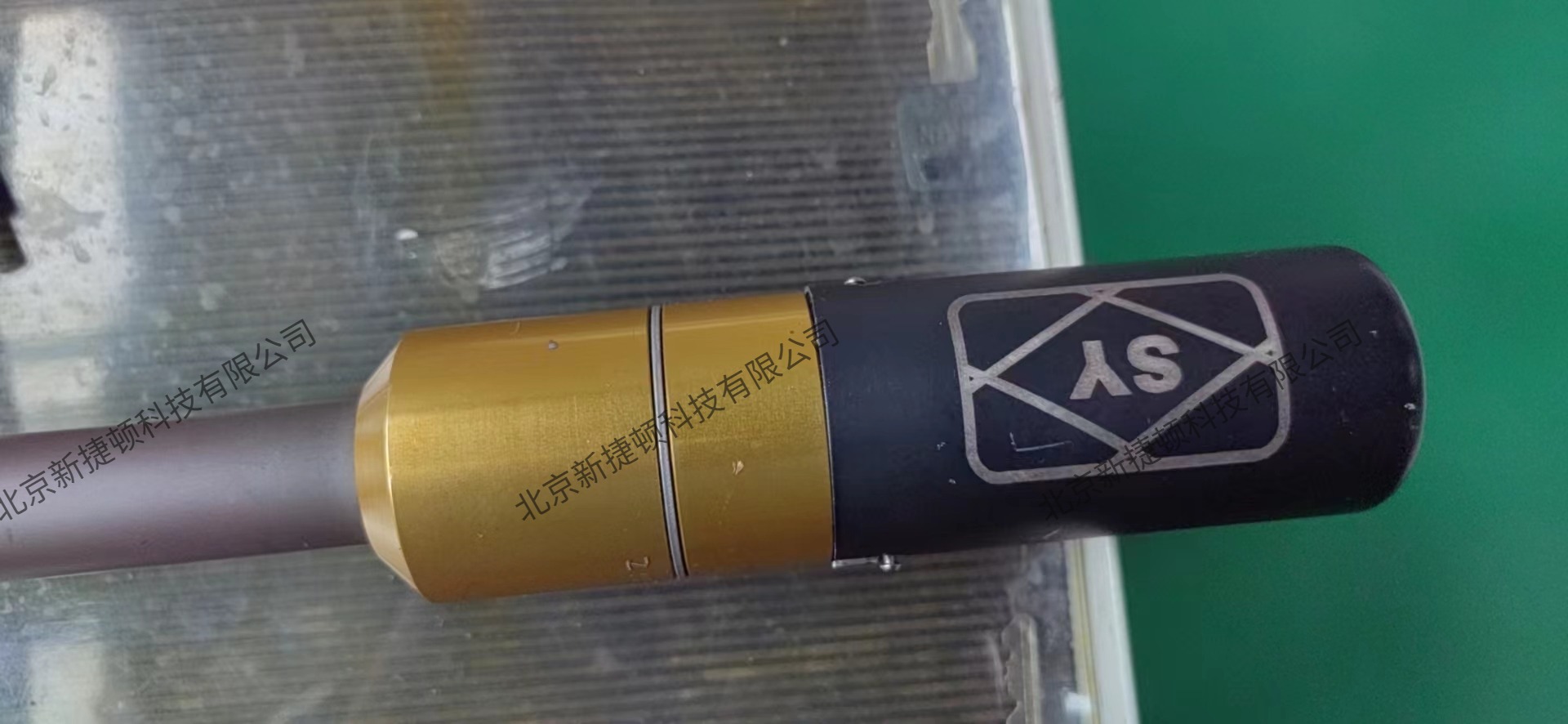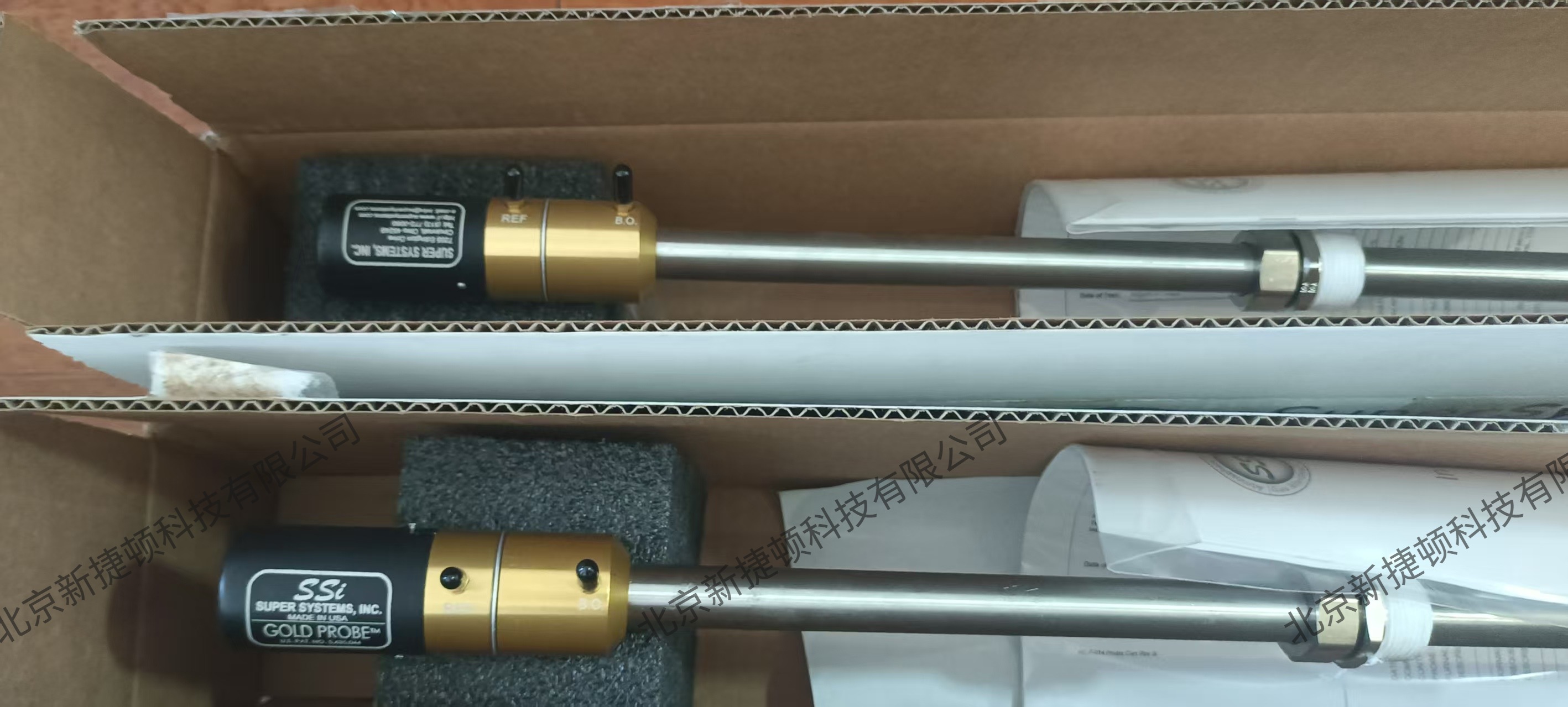

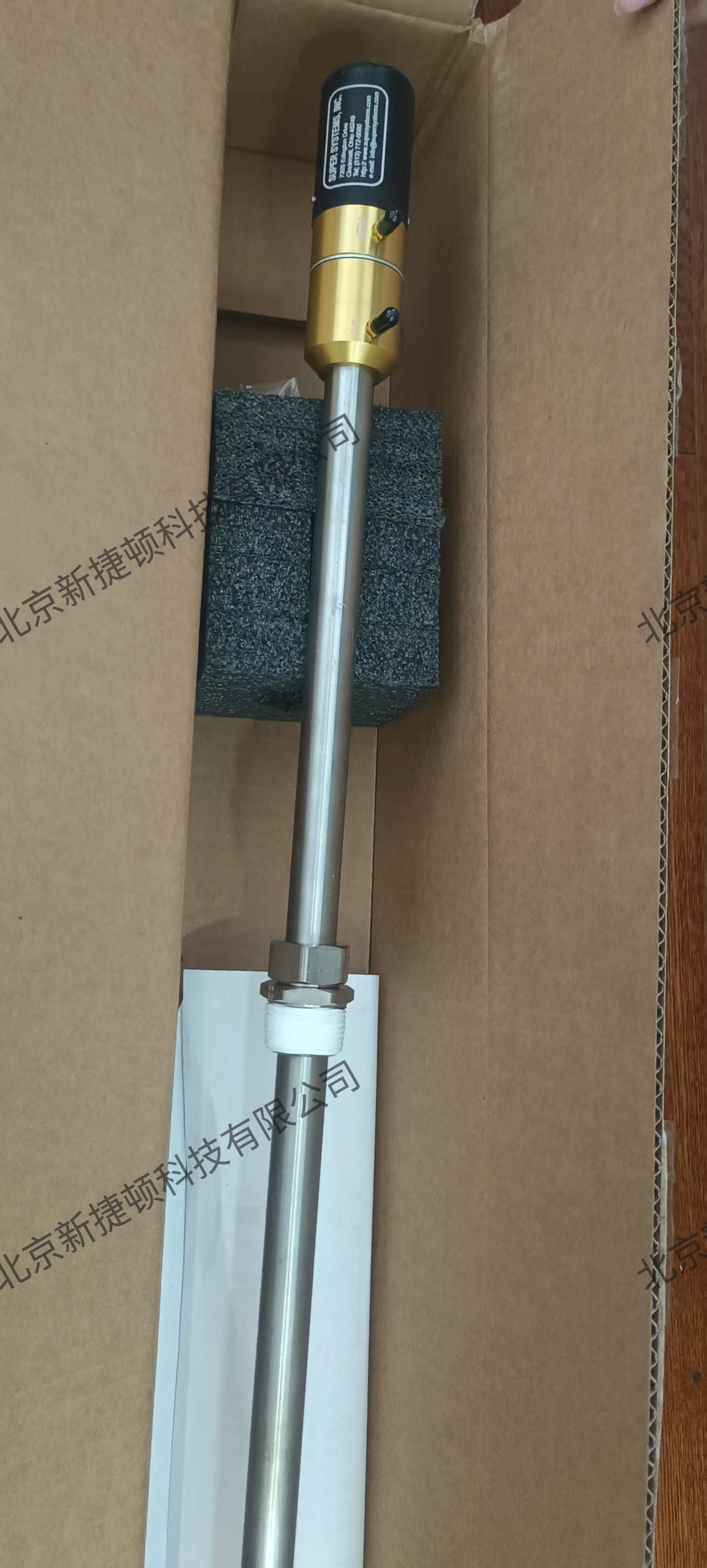
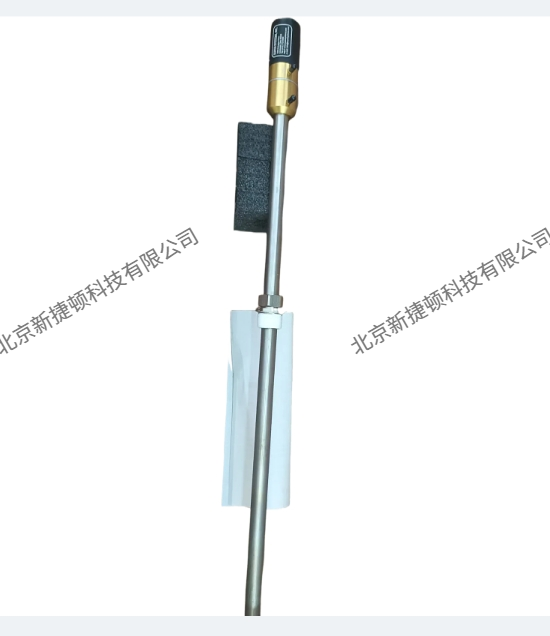


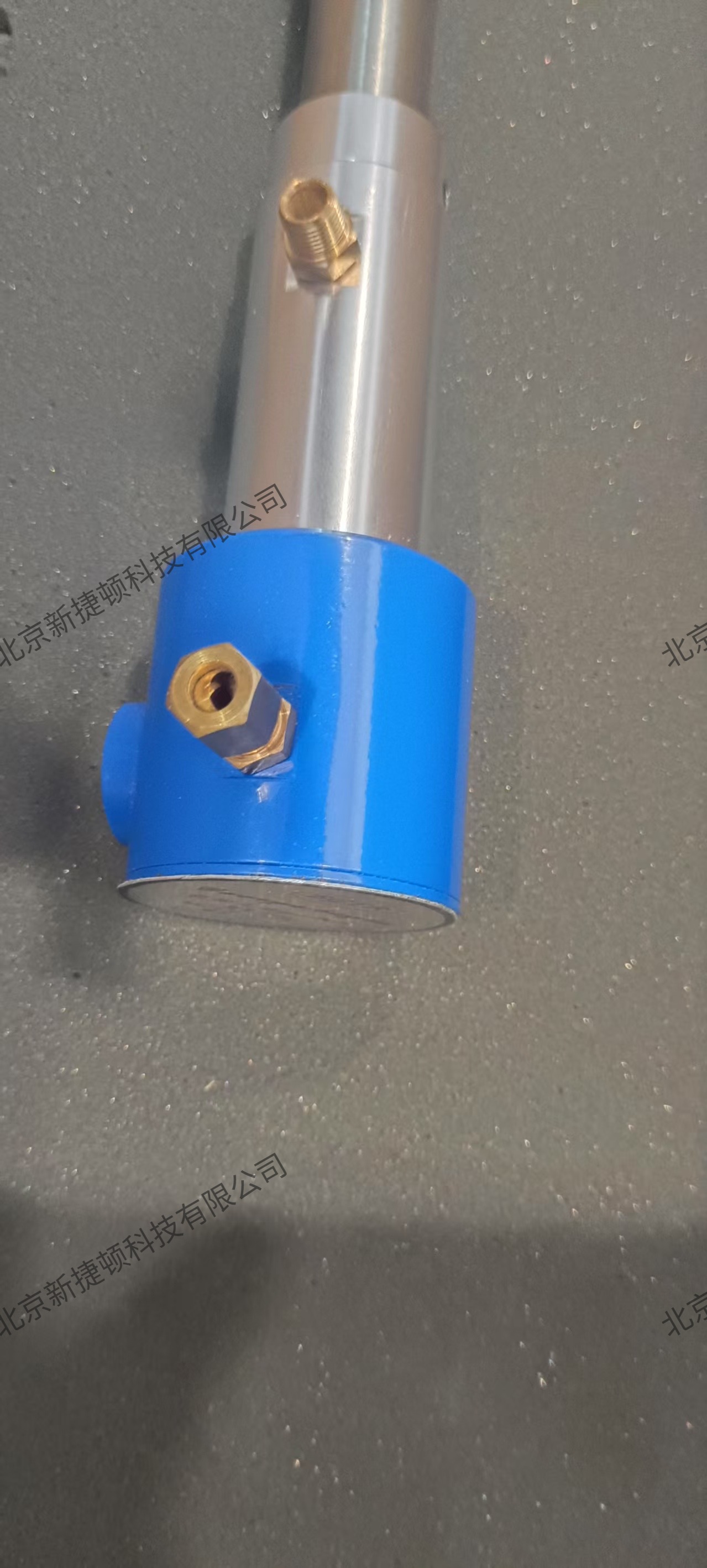
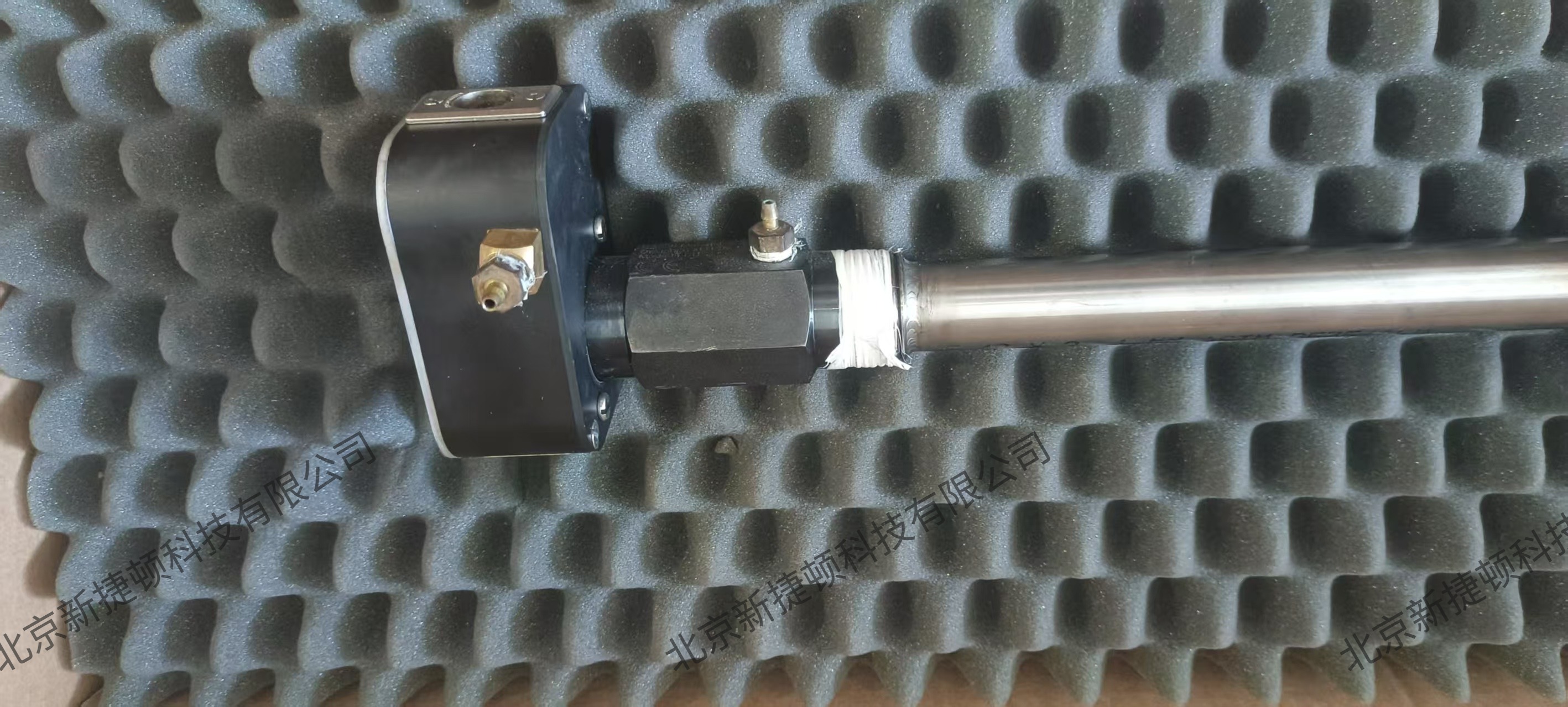
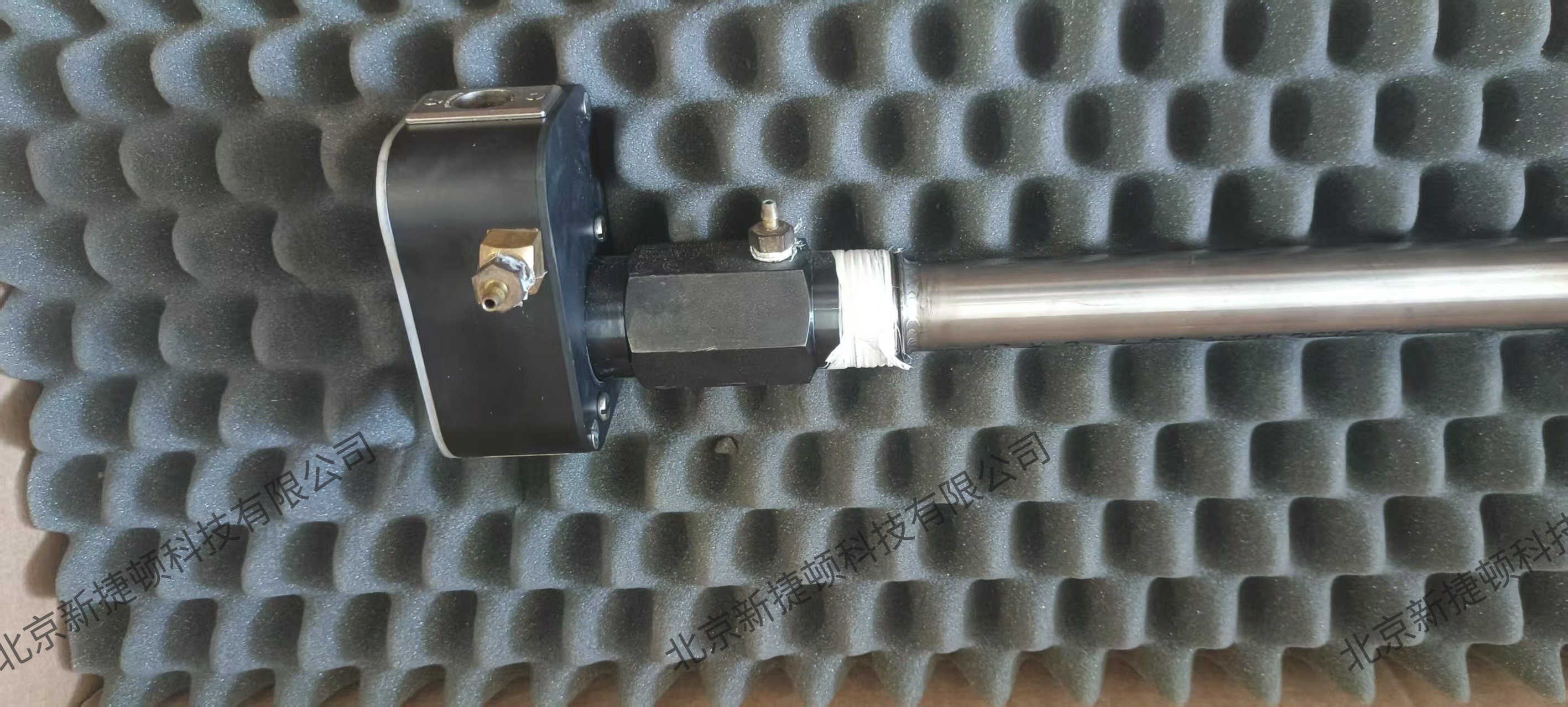
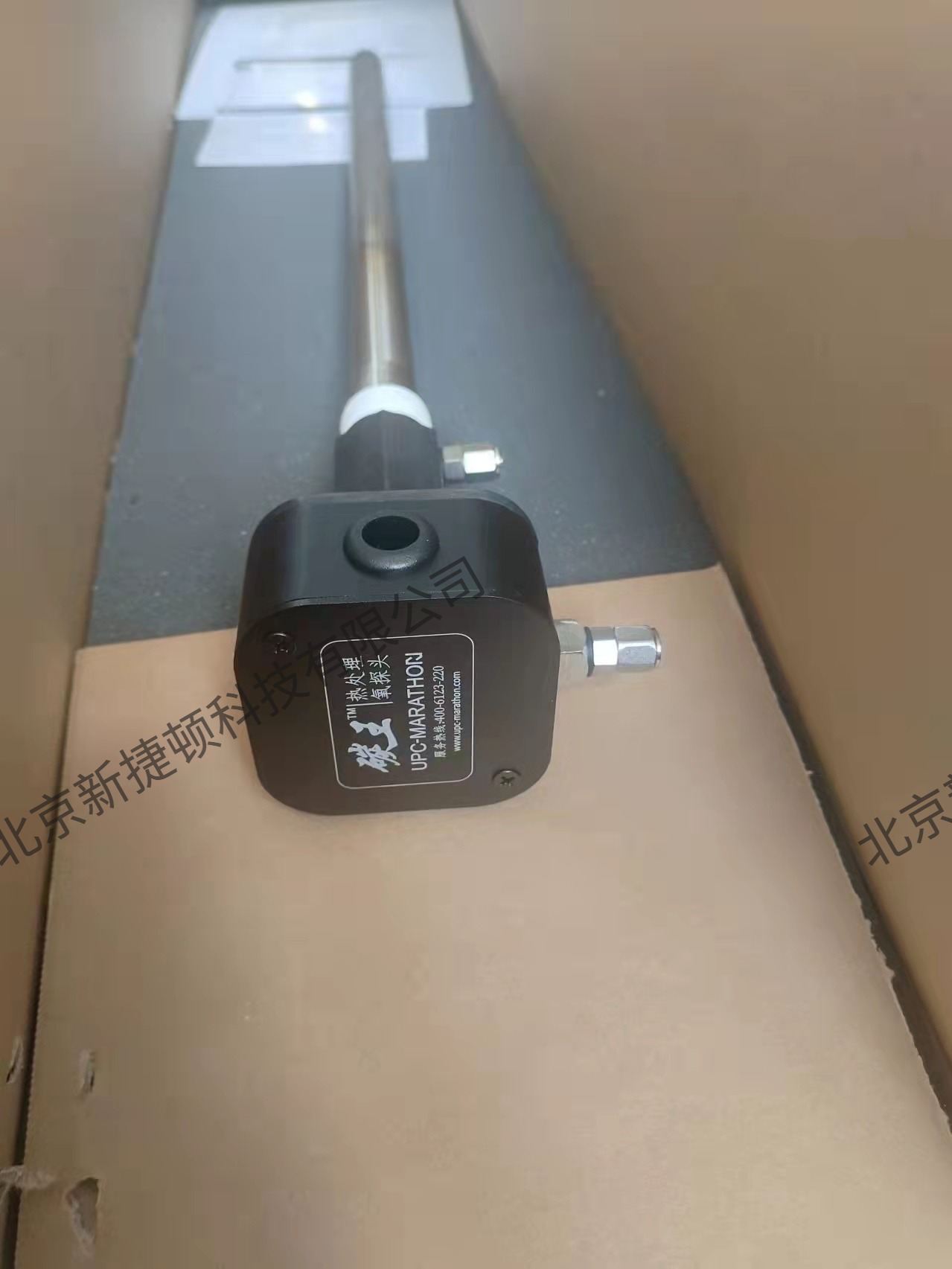
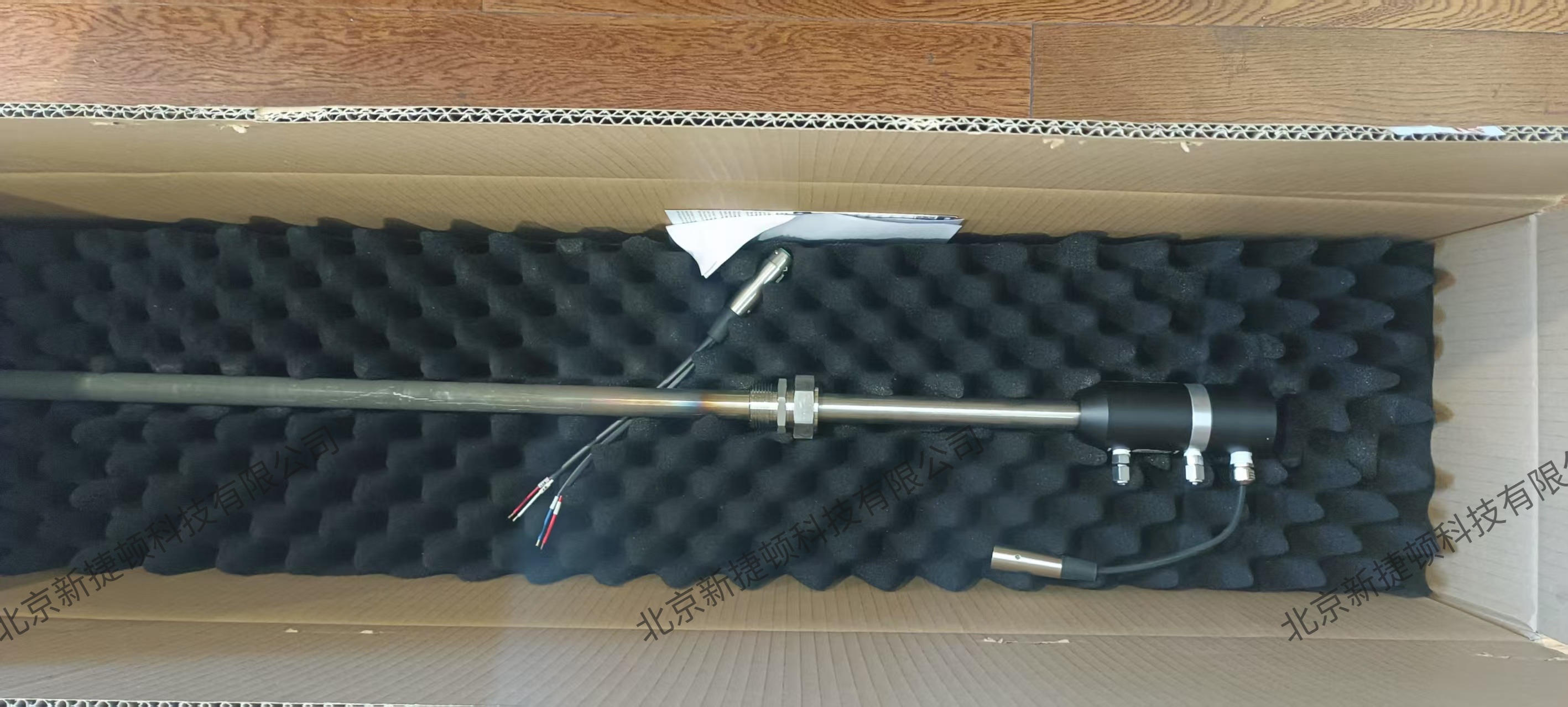





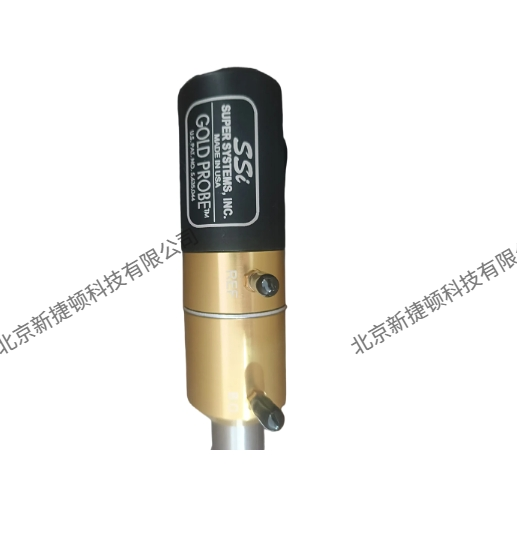
The measurement accuracy of the SSI oxygen probe varies with temperature changes. According to the information I found, the measurement accuracy of zirconia oxygen probes is good within a specific temperature range, but their performance is affected by temperature control. For instance, when temperature control is unstable or inaccurate, it can impact the migration rate of oxygen ions and the generation of potential difference, leading to measurement errors. Moreover, the operating temperature range of the SSI oxygen probe typically spans from 700°C to 1100°C (1290°F to 2012°F), where the probe's measurement accuracy is generally ±0.1mV (dependent on the accuracy of the detection instrument). However, if the temperature exceeds the recommended range, the probe's measurement accuracy may decrease.
The working principle of the oxygen sensor is based on the conductivity of oxygen ions. Inside the sensor, there is an electrolyte membrane, typically made of stable zirconia material, with different metal electrodes applied on both sides. One side contacts the exhaust gas within the exhaust pipe, while the other side is exposed to the atmosphere. When there is a difference in oxygen concentration on both sides, oxygen will migrate through the electrolyte membrane, creating a voltage difference that is proportional to the oxygen concentration difference in the gas. This voltage difference is then converted into an electrical signal by the internal circuitry, reflecting the air-fuel ratio status of the mixture. This characteristic of the sensor allows it to be used as a key component in automotive emissions control systems.