















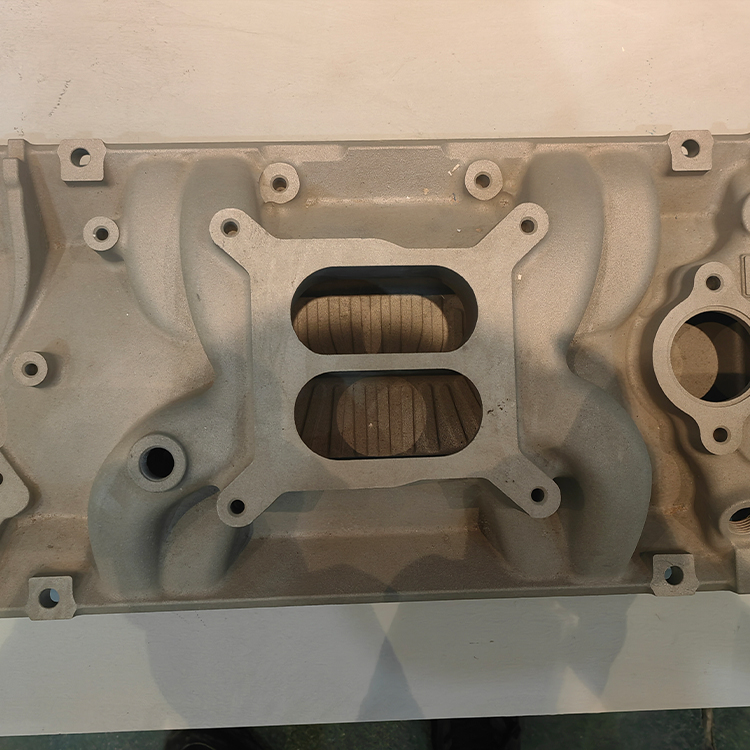
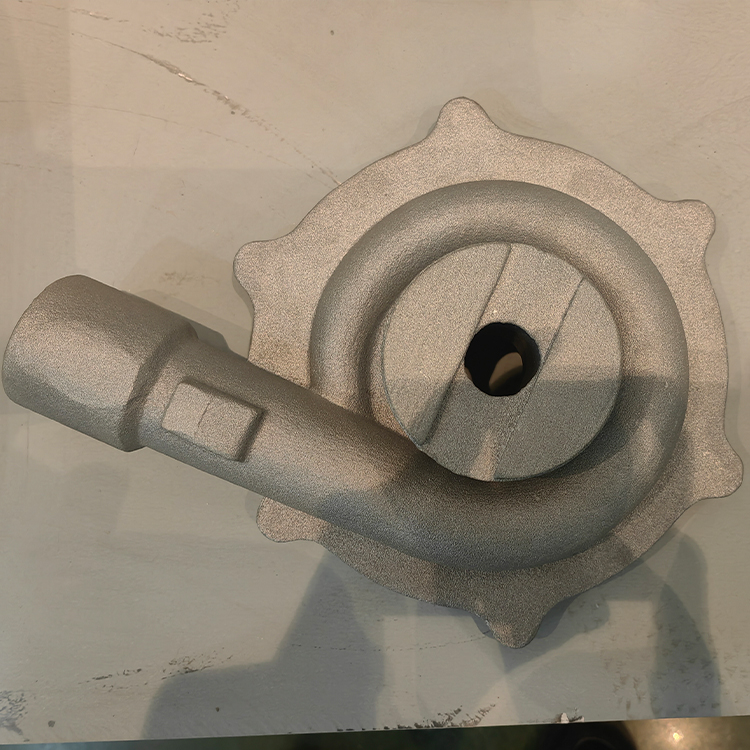
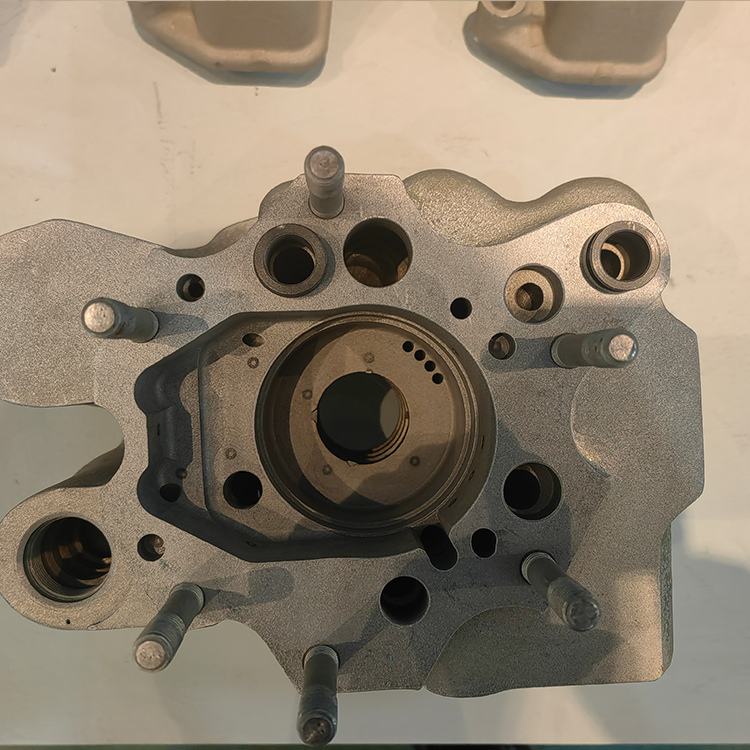
I. Technical Definition and Core Value
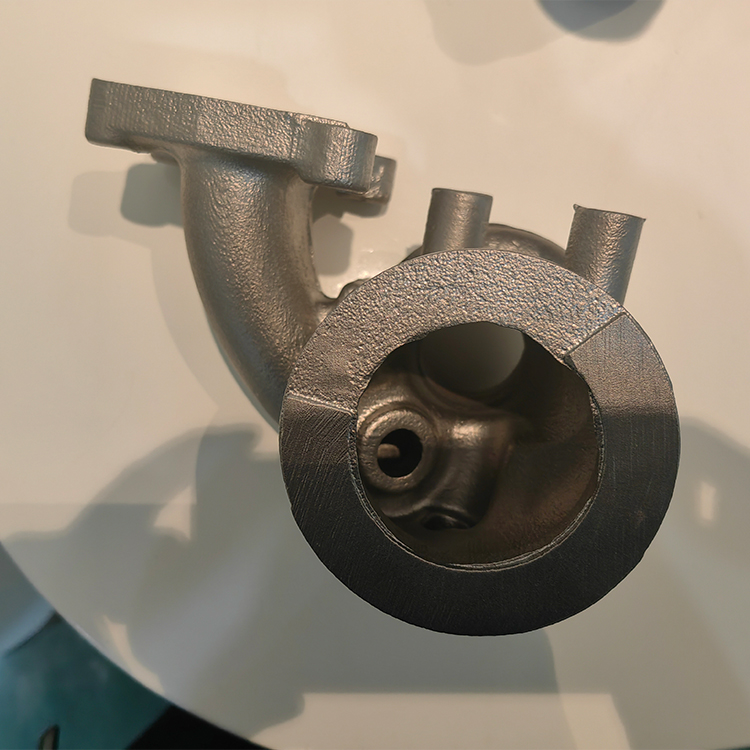
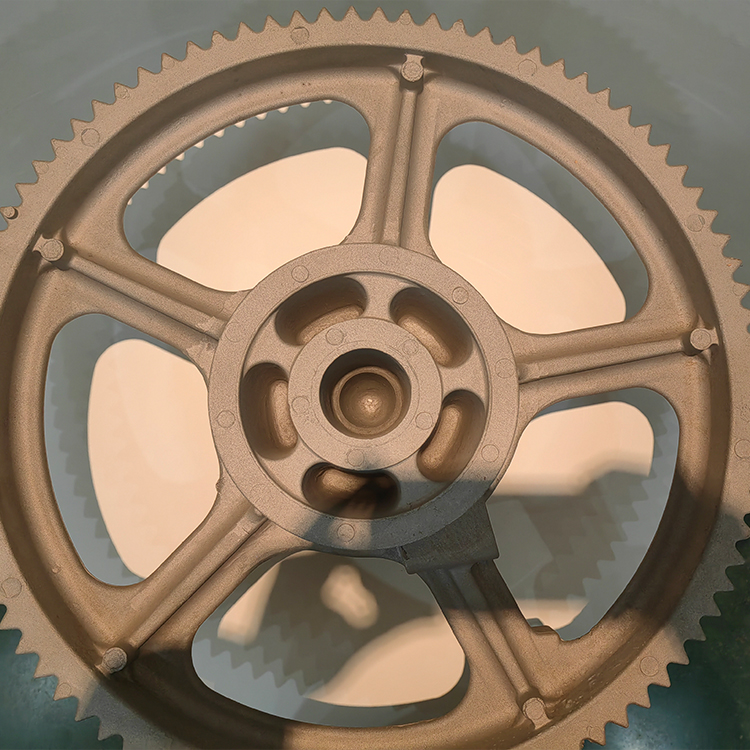
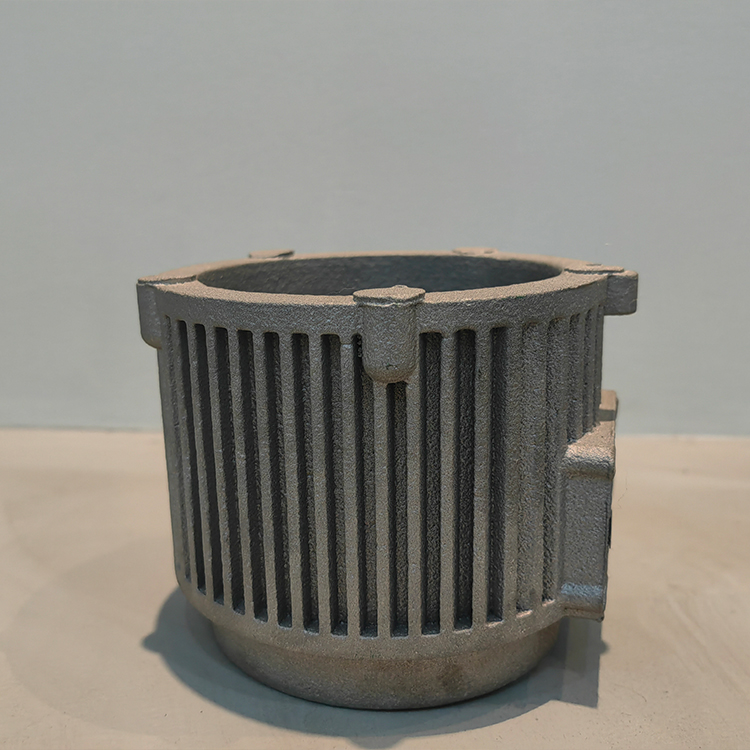
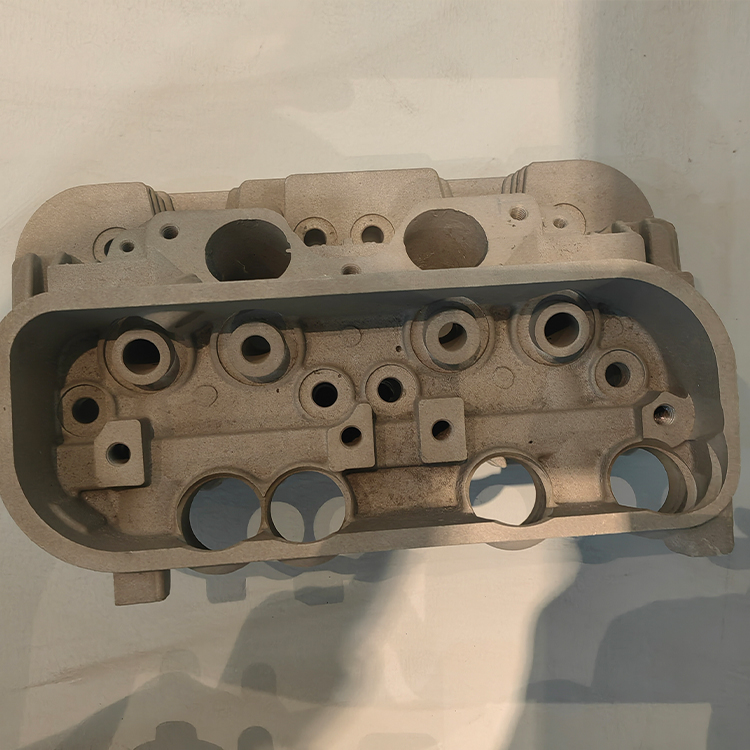
3D printed rapid prototypes, also known as rapid prototyping or product sampling, are physical entities manufactured directly from digital models, allowing for quick validation of product design feasibility without traditional molds. Their core value is reflected in three aspects:
- Design Validation Proactivity: Transform abstract CAD models into tangible prototypes, offering a clear view of appearance details and structural integrity. For instance, automakers can use 3D-printed body panels to identify surface joint defects early on, preventing millions in mold modifications costs later.
- Risk control cost optimization: Mold development costs typically account for 30%-50% of the total product cost, while the cost per single sample is only 1/50-1/100 of the mold cost. In the aerospace field, 3D printing is used to validate complex part structures, reducing the trial production cycle from 6 months to just 2 weeks.
- Market capture ahead of schedule: Market testing can be conducted through prototypes at the mold development stage. A certain consumer electronics brand initiated pre-sales three months ahead with 3D-printed samples, with the first month's order volume exceeding 500,000 units.
Section II: Key Parameters and Process Control
Core Process Parameter Matrix
Parameter Category Typical Range Dimension Affected Optimization Strategy Layer Thickness 0.05-0.3mm Surface Precision/Printing Speed Appearance Parts 0.05-0.1mm, Structural Parts 0.2-0.3mm Exposure Time 5-15 seconds (Photocuring) Curing Strength/Material Shrinkage Transparent Resin Requires 20% Extended Exposure Time Nozzle Temperature 190-250℃ (FDM) Material Flowability/Warping Risk ABS Material Requires 20-30℃ Higher Than PLA Support Structure Density 10%-30% Printing Success Rate/Post-processing Difficulty Automatically Generate Supports When Overhang Angle > 45° Material-Process Compatibility Model
- High-Precision Applications: Photosensitive resin (accuracy ±0.05mm) suitable for jewelry and dental models, requires pairing with a 405nm wavelength DLP projector.
- Functional Test Scenarios: Nylon PA12 (tensile strength of 48MPa) is used for validating automotive engine compartment components, requiring the SLS (Selective Laser Sintering) process.
- Rapid Iteration Scenario: PLA (cost 0.3 yuan/g) supports 24-hour rapid prototyping, paired with a 0.4mm nozzle for superior cost-effectiveness.
Section 3: Typical Application Scenarios and Cases
Consumer Electronics Sector
- Mobile Frame Verification: OPPO prints magnesium aluminum alloy frame samples using MJF (Multi Jet Fusion) technology, achieving 0.3mm wall thickness detection, reducing the traditional CNC verification cycle by 75%.
- Wearable Devices: The Xiaomi Band 7 has undergone anthropometric testing with a 3D-printed silicone strap prototype, optimizing the pressure distribution across 12 contact points.
2. Medical Customization
- Orthopedic Implants: Johnson & Johnson utilizes EBM (Electron Beam Melting) to print titanium alloy acetabular cups, achieving patient-specific fitting through CT scan data, with porosity controlled between 65%-75% to enhance osseointegration.
- Surgical Navigation Plate: Shanghai Ninth People's Hospital utilizes transparent resin to print cranial surgery navigation plates, keeping the positioning error within 0.2mm, reducing the operation time by 40%.
3. Industrial Manufacturing Sector
- Aerospace Engine Blades: GE Aviation prints single-crystal blade prototypes via DMLS (Direct Metal Laser Sintering) to verify the accuracy of cooling hole positioning, thereby increasing turbine efficiency by 3%.
- Wind Turbine Molds: Jin Feng Technology utilizes 3D printed sand molds to produce megawatt-scale blades, reducing mold weight by 60% and manufacturing costs by 45%.
IV. Standardized Operation Procedures
Pre-treatment phase
- Model Repair: Utilize Netfabb software to detect and repair errors such as holes and non-manifold edges, ensuring model watertightness.
- Directional Optimization: Place larger flat surfaces on the print platform to reduce the amount of support material needed. For instance, when printing an automotive dashboard, placing the curved side down can reduce support material consumption by 30%.
- Slice Parameters: Set 0.1mm layer thickness and 30°support angle using ChituBox software. Collision detection is required before generating the Gcode file.
2. Printing Execution Phase
- Equipment Calibration: Utilize a 0.05mm precision caliper to measure the levelness of the printing platform, with the error to be kept within ±0.02mm.
- Environmental Control: UV curing printers require a constant temperature of 25°C with humidity < 40%; FDM equipment should avoid ventilation to prevent uneven material shrinkage.
- Process Monitoring: Real-time monitoring of the first layer adhesion via camera; immediately pause and apply special adhesive if any lifting occurs.
3. Post-processing stage
- Support removal: Use diagonal pliers to cut the supports along the model edge at 45°, and sand the remaining parts until Ra < 3.2μm.
- Surface Treatment: Anodized samples require polishing with 600 grit sandpaper before being coated with water-based paint, while PLA parts can be smoothed with steam treatment.
- Dimension Inspection: Critical dimensions are measured using a 3-axis measuring machine, with tolerances conforming to ISO 2768-m grade standards.
V. Common Issues and Solutions
1. Interlayer Peeling
- Phenomenon: Step-like cracks appear on the side of the model
- Reason: Insufficient interlayer bonding (usually <5 MPa)
- Solution:
- Increase nozzle temperature by 10-15°C
- Reduce print speed to 40mm/s
- Switch to PC/ABS alloy material (interlayer shear strength increased by 80%)
2. Size Shrinkage
- The printed pieces are 2%-5% smaller than the design size.
- Reason: Material thermal shrinkage not compensated (PLA shrinkage 1.8%, Nylon PA12 shrinkage 1.2%)
- Solution:
- Enable shrinkage compensation feature in the slicing software
- Segmented printing and assembly structure for large-sized items
- Utilize low shrinkage materials such as PETG (shrinkage rate 0.3%)
3. Nozzle Clog
- The extruder is making a strange noise and no material is being extruded.
- Reason: Carbonization of material or impurities blockage (commonly due to incomplete material change)
- Resolve:
- Perform "cold drawing" operation: heat nozzle to 180°C, manually pull out remaining material
- Use a 0.4mm wire needle to clean the hot end
- Install a 0.2μm filter to prevent impurities from entering
Six. Technological Trend Development
- Multi-material fusion printing: The Stratasys J850 achieves simultaneous printing of 7 materials, capable of simulating a gradient transition from soft rubber to hard plastic.
- AI Parameter Optimization: Autodesk Netfabb 2025 integrates machine learning algorithms, capable of automatically generating optimal parameter combinations based on model features.
- Continuous Printing Technology: The Carbon DLS process achieves 24/7 production with an output capacity exceeding 1,000 units per day.
3D printing rapid prototyping technology is evolving from a "validation tool" to a "manufacturing engine," merging with digital twins and AI-generated designs to redefine the paradigm of product development. According to MarketsandMarkets, the global 3D printing prototyping market size is expected to reach $28.7 billion by 2030, with a compound annual growth rate of 21.3%.



















