















I. Introduction to 3D Printing Models
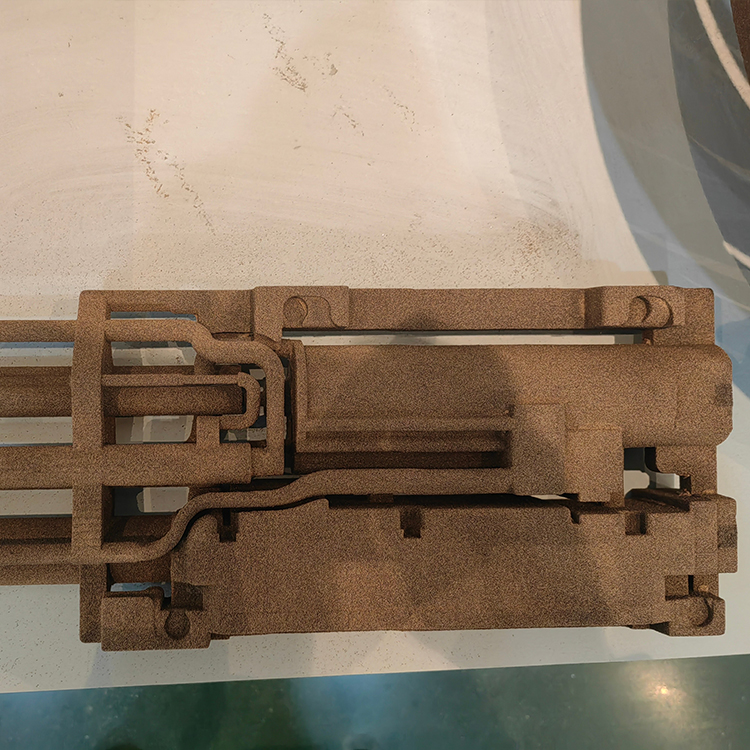
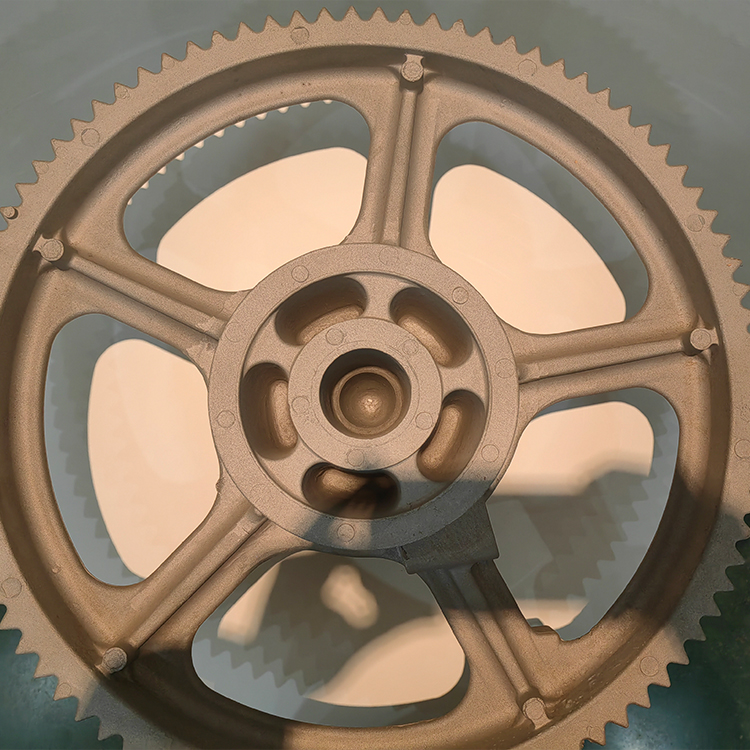
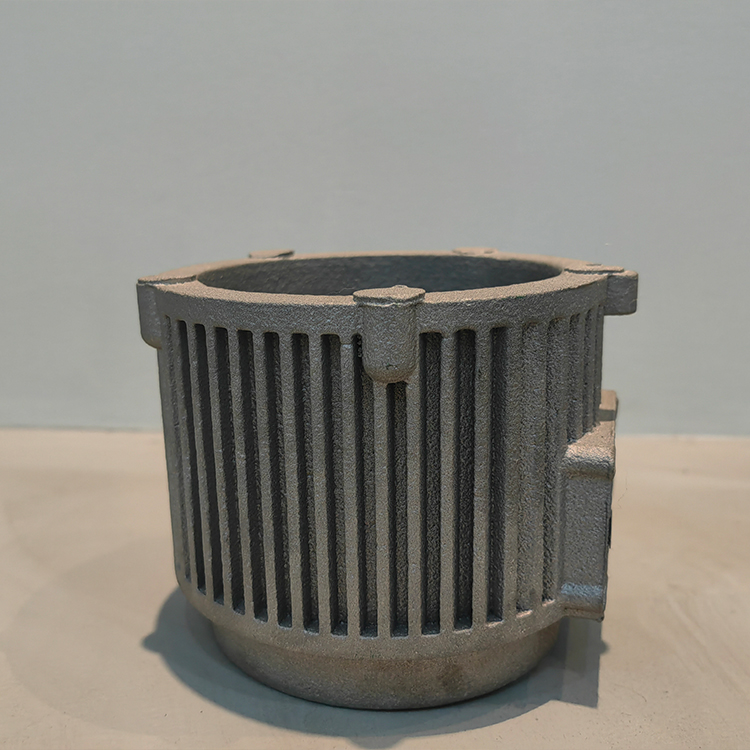
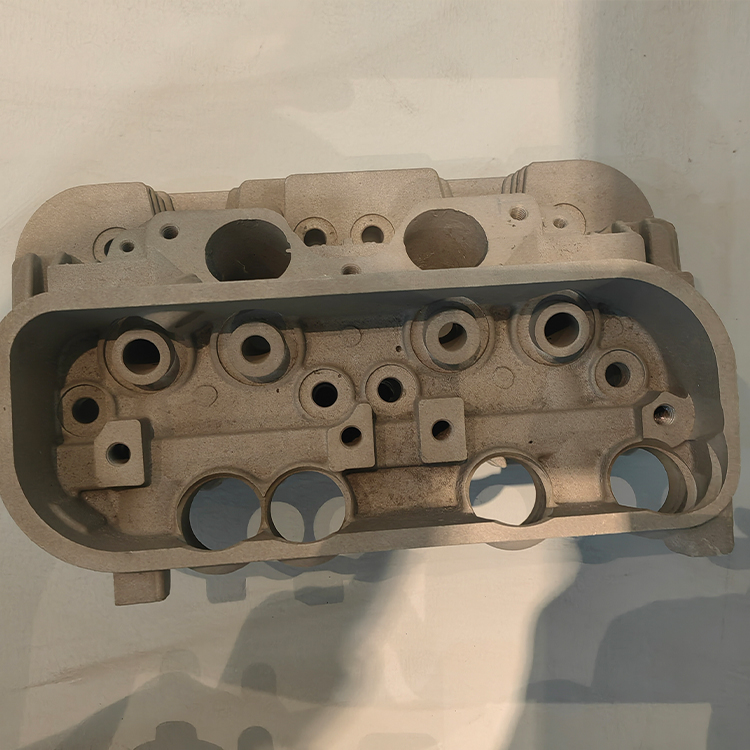
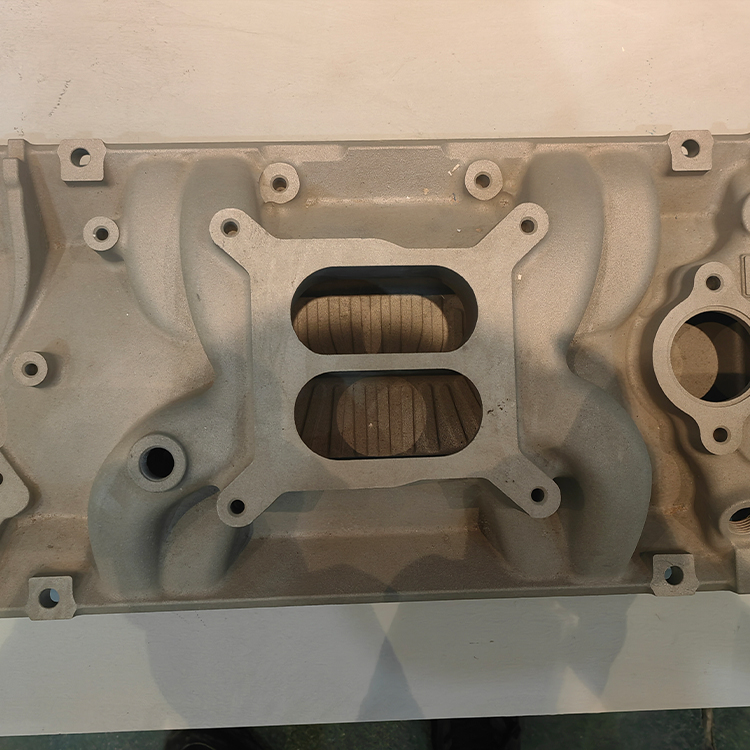
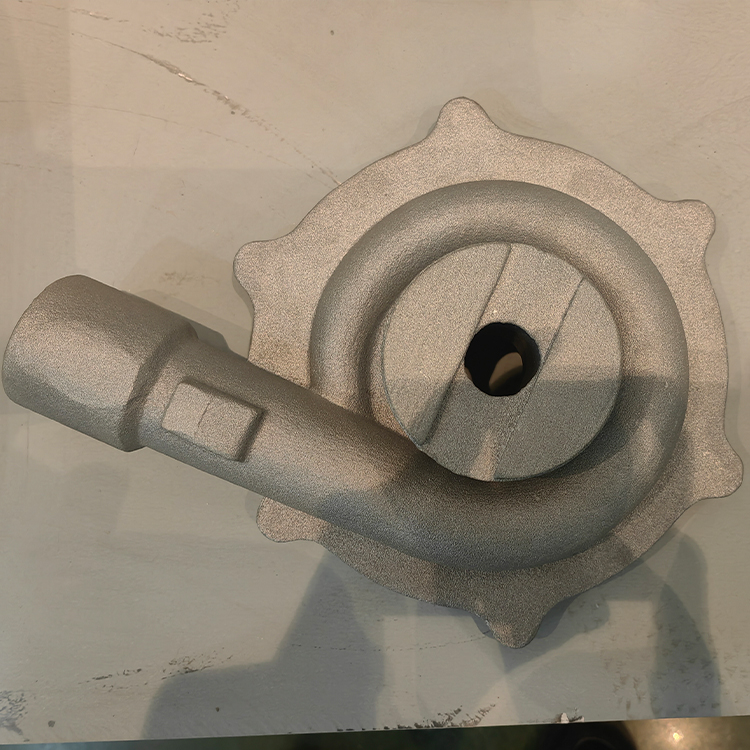
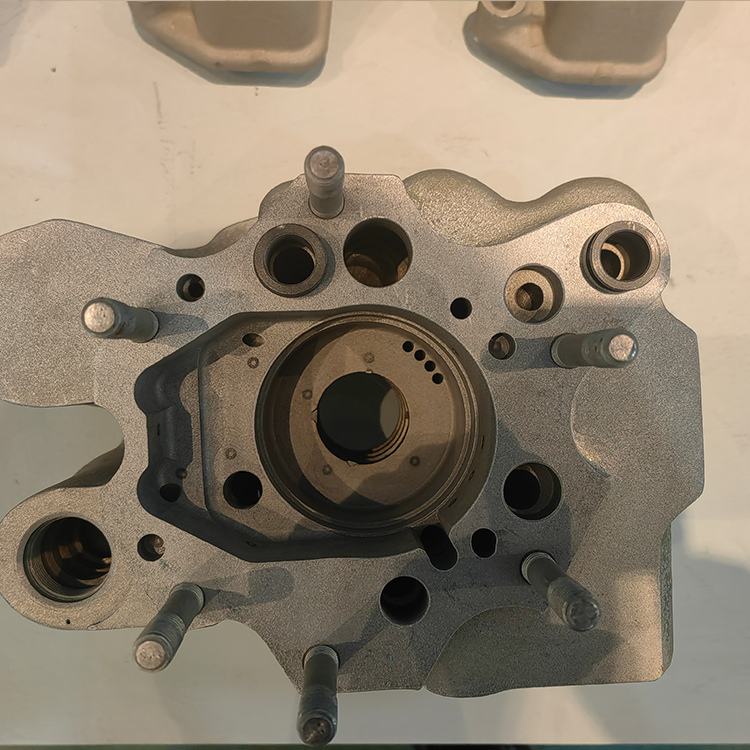
3D printed models are physical representations of 3D digital designs, constructed by layer-by-layer accumulation of materials such as plastic, resin, and metal. The core is the STL file format, which divides the 3D model into countless triangular facets, guiding the printer to print layer by layer. The model usually includes the following structures:
- Main Structure: The geometric shape of the model.
- Support Structure (Optional): Temporary支架 to prevent the collapse of suspended sections.
- Interface design: Such as threaded holes, clips, etc., for easy assembly or functional realization.
II. Key Parameter Explanation
- Layer Height
- Range: 0.05mm (high precision) ~ 0.3mm (fast printing)
- Effect: Lower ceiling height, smoother surface, but longer printing time.
- Infill Density
- Scope: 10% (lightweight) ~ 99% (solid)
- Application: 20% filling is suitable for daily models, while 50% or more is used for load-bearing parts.
- Print Speed
- Range: 30mm/s (Fine) to 150mm/s (High Speed)
- Balance Point: Excessive speed can lead to layer misalignment or loss of detail.
- Temperature Control
- Nozzle Temperature: PLA (190-220℃), ABS (230-260℃)
- Hot Bed Temperature: PLA (50-60℃), ABS (100-110℃)
- Critical: Insufficient temperature leads to warping; excessive temperature tends to clog the nozzle.
- Material Type
- PLA: Eco-friendly and easy to print, suitable for prototypes.
- ABS: Resistant to high temperatures; requires a sealed environment to prevent warping.
- Resin: High precision, suitable for stereolithography (SLA/DLP) printing.
- Nylon/TPU: Flexible material, suitable for mechanical components.
- Support Structure
- Type: Tree Support (Easy to Remove), Linear Support (Material Saving).
- Optimized: Minimize the contact area of the support to reduce post-processing difficulty.
Section 3: Application Scenarios
- Prototype Design and Rapid Manufacturing
- Industrial: Iterative testing of automotive parts and consumer electronics enclosures.
- Medical: Custom prosthetics, surgical guides.
- Education & Creativity
- School: 3D Modeling Education, Historical Relic Replication.
- Art: Sculptures, personalized jewelry customization.
- Consumer-grade applications
- Home Decor: Lampshades, vases, and other decorative items.
- Toys: Anime figures, assembly models.
- Industrial Manufacturing
- Aerospace: Lightweight component printing.
- Construction: 3D printed concrete house structures.
4. Usage Instructions
- Model Acquisition and Preparation
- Source: Downloaded from platforms like Thingiverse, Cults3D, or designed using Blender, Fusion 360.
- Fix: Check model errors (e.g., holes, non-manifold edges) with Netfabb or PrusaSlicer.
- Slice Software Settings
- Mainstream Software: Cura, PrusaSlicer, Simplify3D.
- Core Steps:
- Import STL File → Select Printer Model → Set Layer Height/Fill/Temp → Generate G-code.
- Printing Process
- Calibration: Level the heated bed, clean the nozzle.
- Monitor: Observe adhesion during the first layer print and add glue or adjust Z-axis offset if necessary.
- Post-processing
- Remove Support: Point-nose pliers or cutting knife.
- Surface Treatment: Sandpaper grinding, painting, immersion (epoxy resin), or chemical polishing (for resins).
V. Common Questions and Solutions
- Model cracking or interlayer separation
- Reason: Insufficient temperature, excessive height, and rapid cooling.
- Solutions: Increase nozzle/bed temperature, decrease print speed, and enable the "Smaller Layer Time" feature.
- Support that is hard to remove
- Reason: Excessive contact area between the support and the model.
- Solutions: Adjust "Support Contact Depth" in the slicing software or use water-soluble support material (such as PVA).
- Distinct surface texture
- Reason: Excessive height or uneven extrusion.
- Solution: Reduce the layer height, calibrate the extruder stepper motor (E-steps).
- Model warp
- Reason: Inconsistent hot bed temperature or material shrinkage.
- Solution: Enhance adhesion with masking tape or magnetic film, add a brim or a raft.
- Material is not compatible with printer.
- Reason: Nozzle diameter does not match wire diameter (e.g., using a 1.75mm wire with a 0.4mm nozzle).
- Resolve: Confirm equipment specifications to avoid mixing different material wires.
Six. Summary
3D printed models, with their flexible parameter adjustments and broad application scenarios, have become a core tool from personal creation to industrial manufacturing. Mastering model design, parameter optimization, and post-processing techniques can significantly enhance print success rates and product quality. When encountering issues, it's recommended to gradually troubleshoot by combining printer logs with slicing software preview features. Accumulating experience will greatly improve efficiency.



















