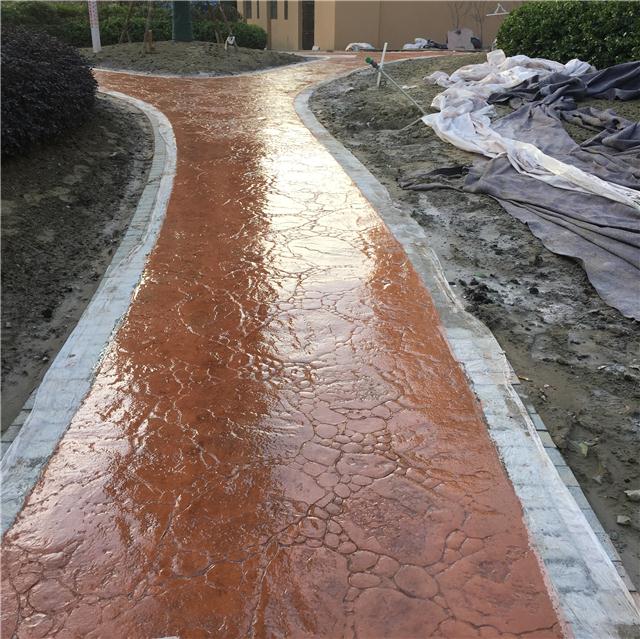

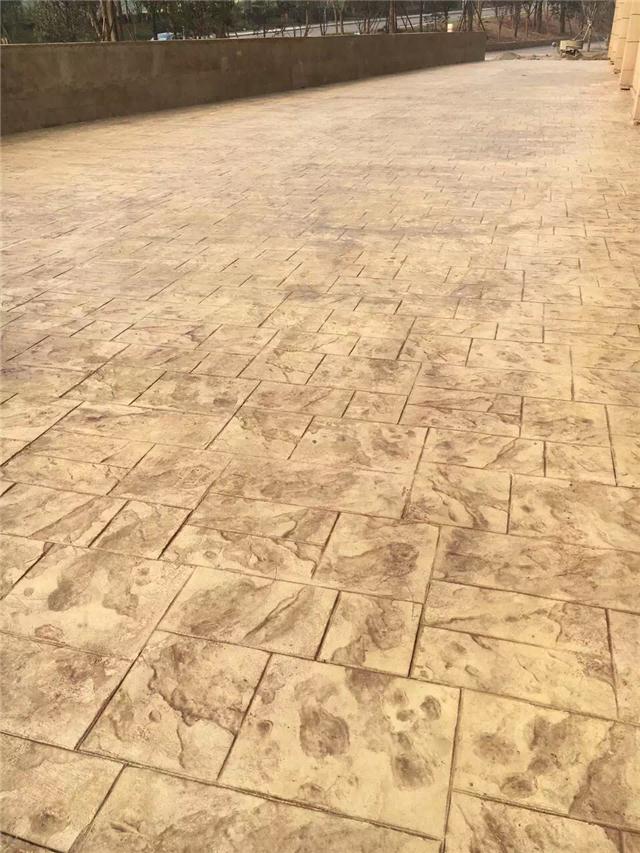
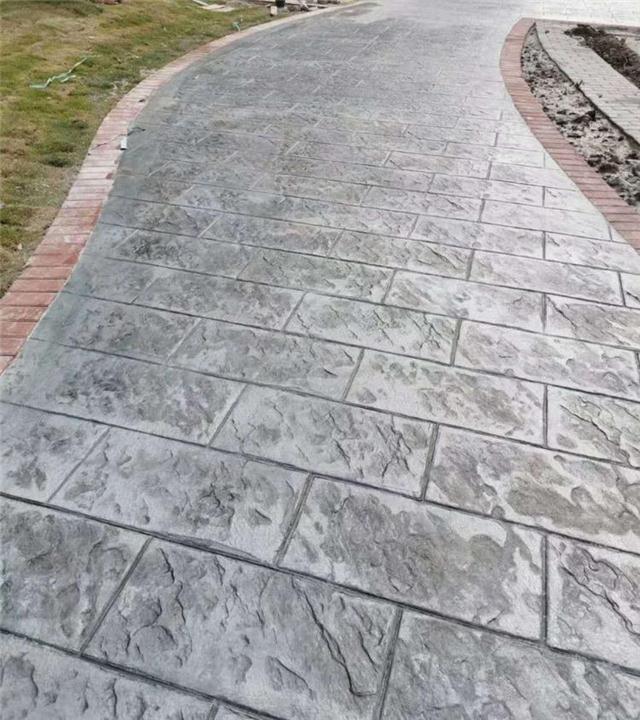


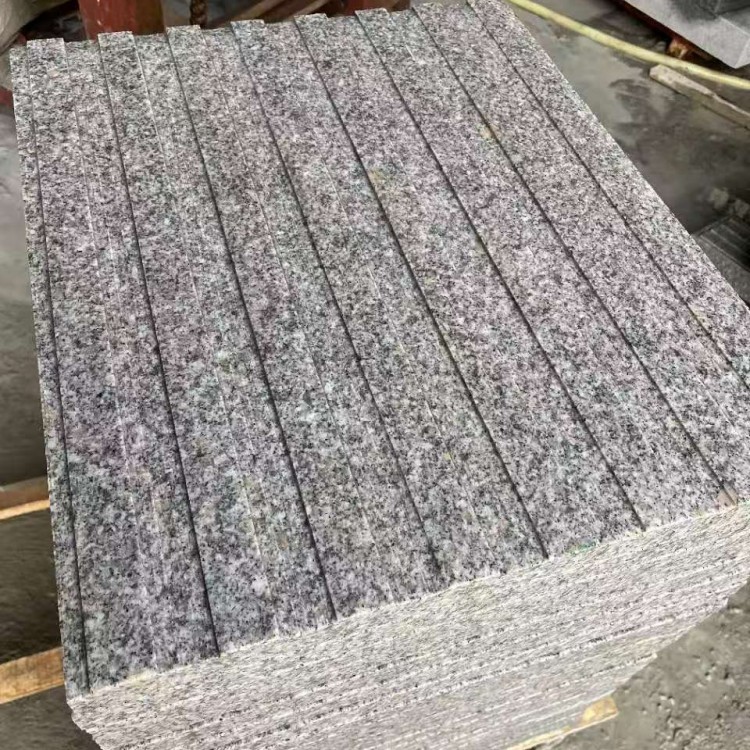







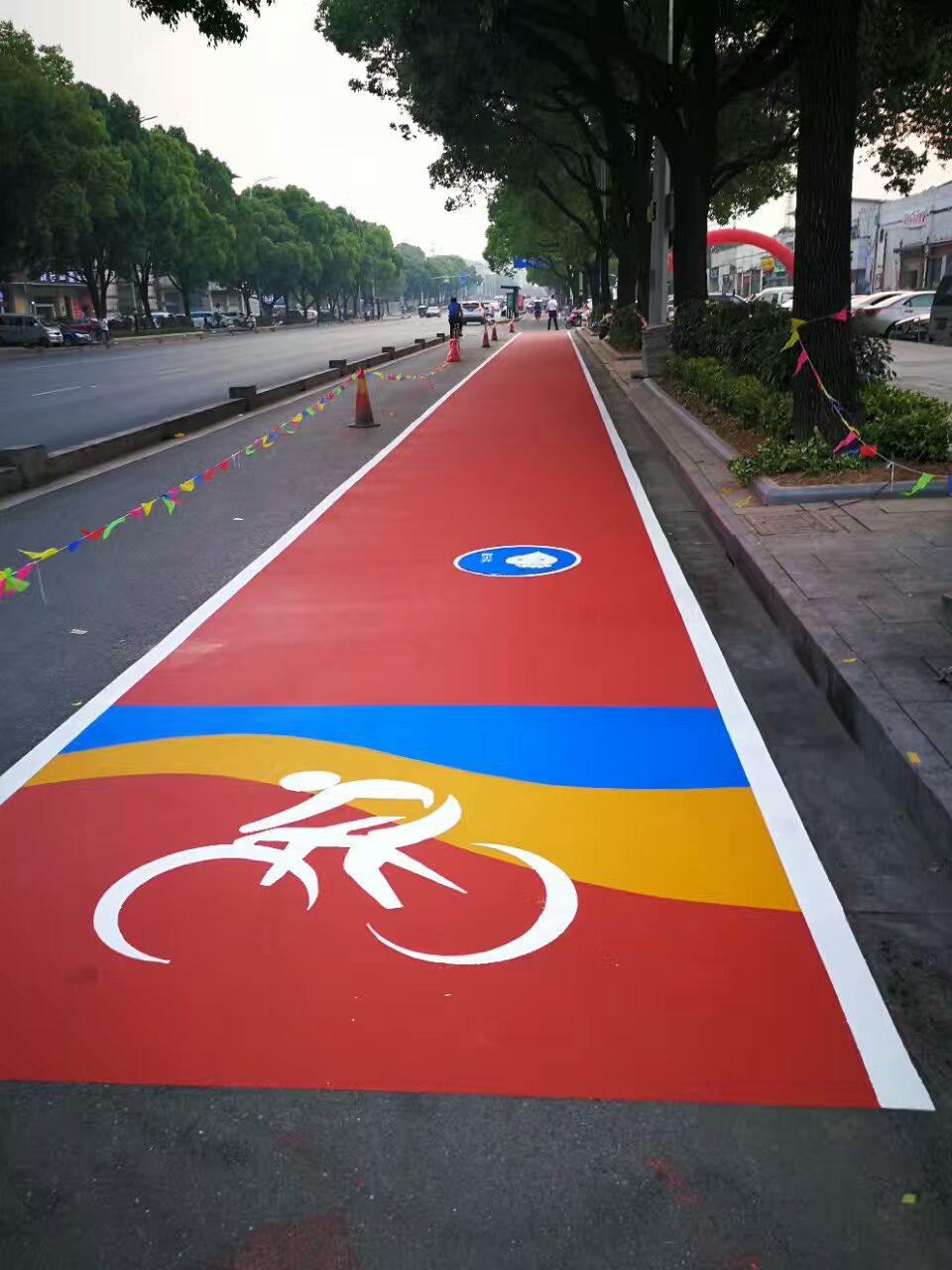
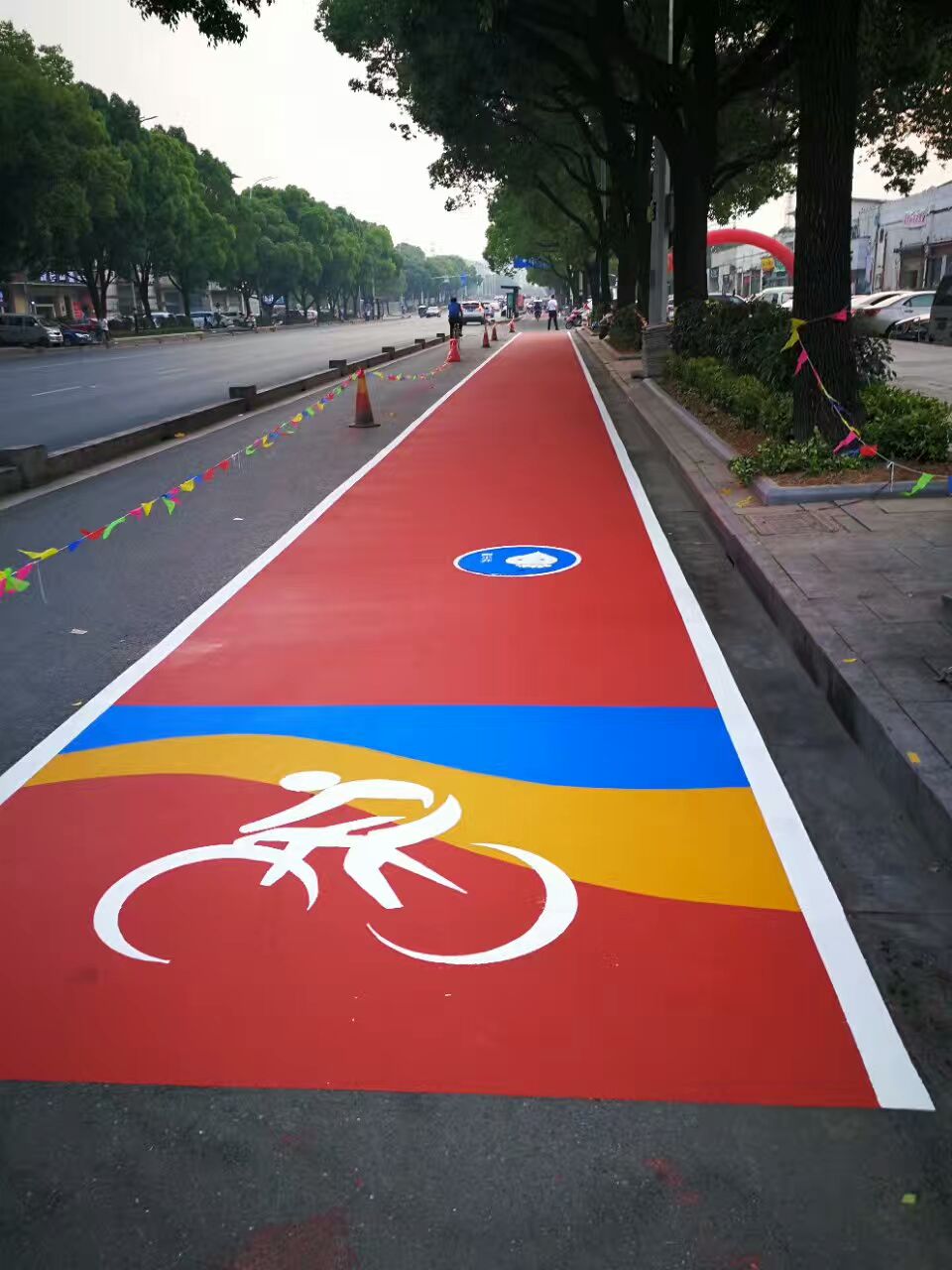
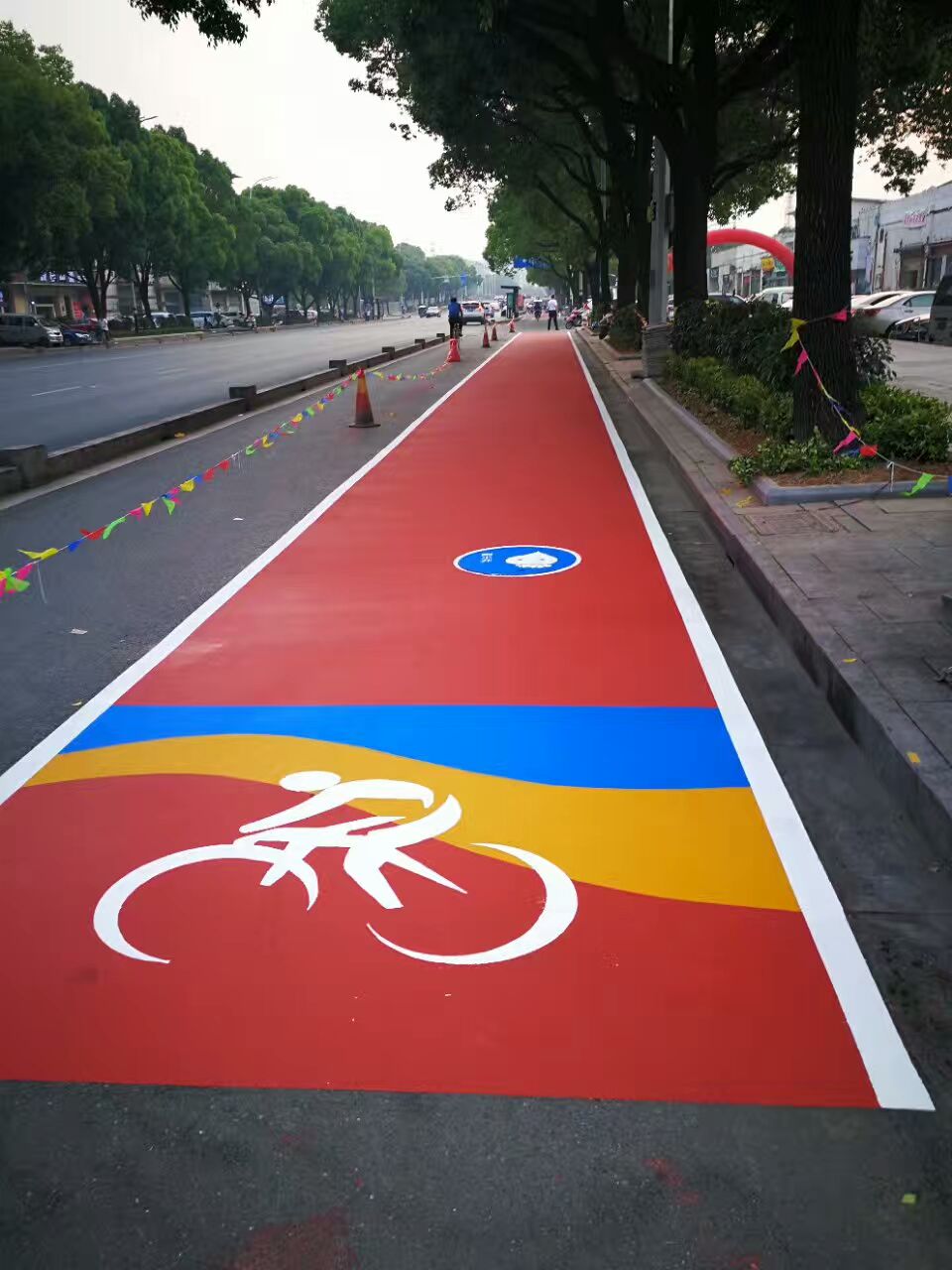
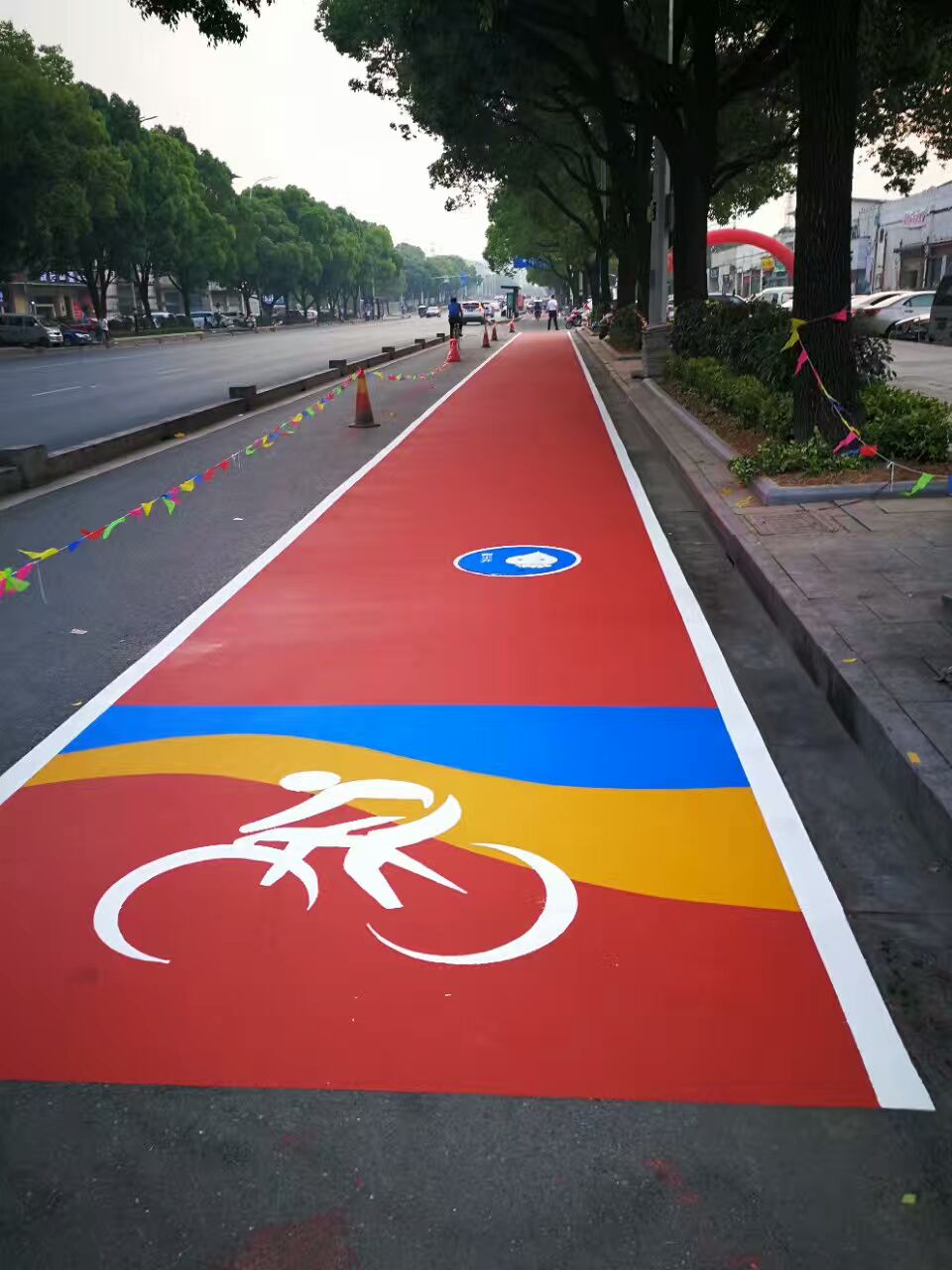
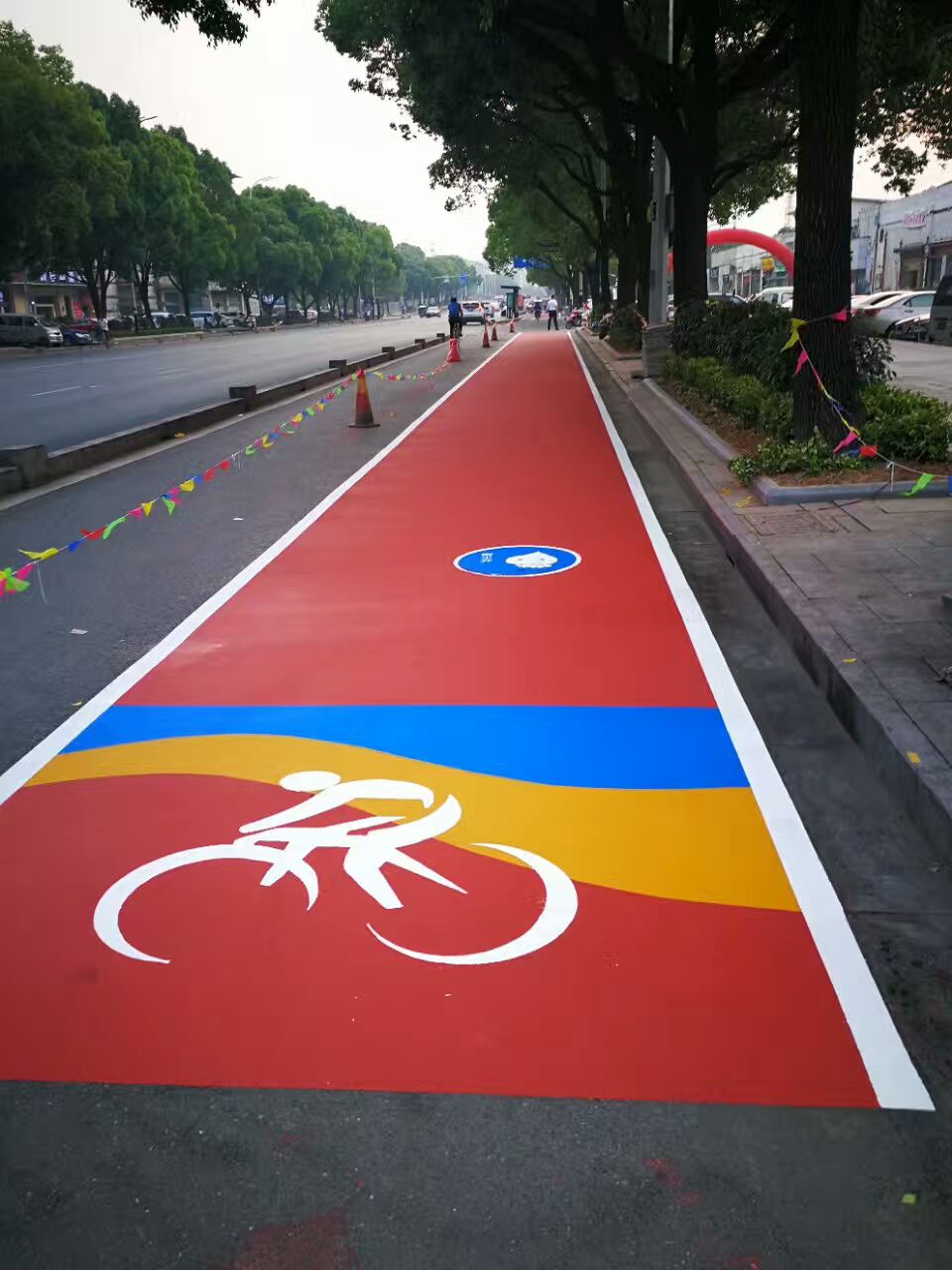
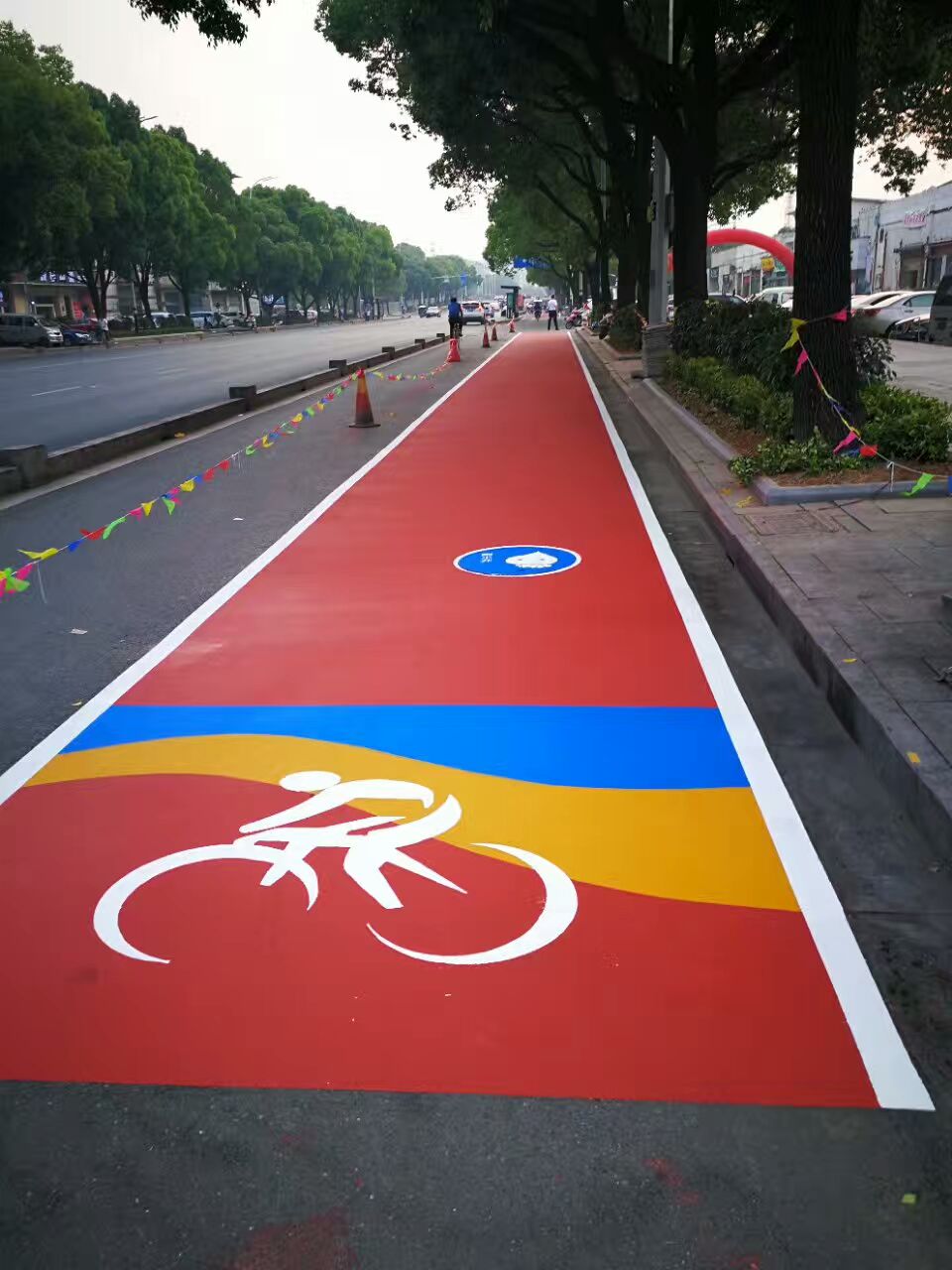
The complete set of engineering materials for embossed paving includes: multicolor reinforced powder, colorful demolding powder, various graphic moldings, surface protectants, etc. We have developed a unique light color system and bi-color demolding powder, technically breaking through the bottleneck of color monotony in traditional products. The colors are vibrant, the tones blend naturally, complementing each other, elevating the quality to the level of art.

Color Stamped Concrete Pavement Construction Technique
1. After the concrete is properly spread at the site, it is vibrated and frothed. Then, a color intensifier (dry powder) is evenly sprinkled on the concrete surface, creating a colored layer of about 3 millimeters. Using professional tools, the intensifier is smoothed into the concrete surface, blending it seamlessly, and then the surface is polished.
2. Begin to evenly sprinkle (colored) demolding powder when the surface starts to solidify but has not yet hardened.
3. Mold the surface with the selected rubber mold to finish the surface pattern treatment.
4. After 4-7 days of maintenance, perform acid washing on the flooring surface; remove the release agent color from the protruding parts, and complete the surface color treatment.
5. Apply an invisible protective agent to the surface for anti-pollution, anti-slip treatment, and sealing reinforcement of the cement stamping flooring. At this point, the concrete base has fully cured into one with the colored hardener surface layer, and its surface strength and wear resistance are three times higher than that of ordinary concrete.

Comparison of Embossed Pavement and Traditional Concrete Pavement Data
Technical Specifications, Traditional Pavement, Patterned Pavement
Floor Thickness: 5cm, 3-4cm
Compressive Strength 40Mpa 90.9Mpa
Flexural strength 5.0 Mpa, 14.7 Mpa
Wear resistance ratio 122% 558%
Coefficient of Friction — 0.67
Freezing point resistance: Construction at temperatures below 5℃ can result in freezing, peeling, and cracking. However, work can be carried out at temperatures no lower than 2℃ without cracking.