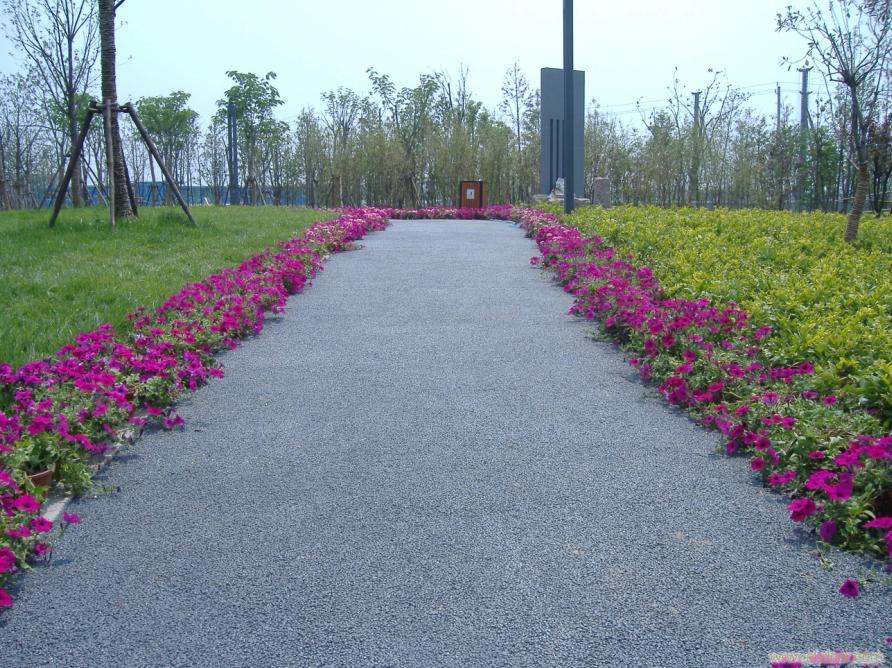

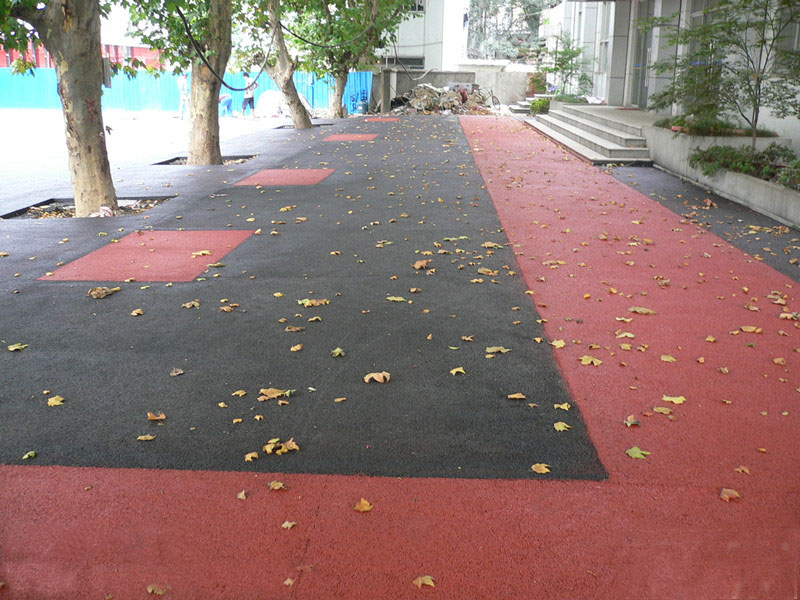
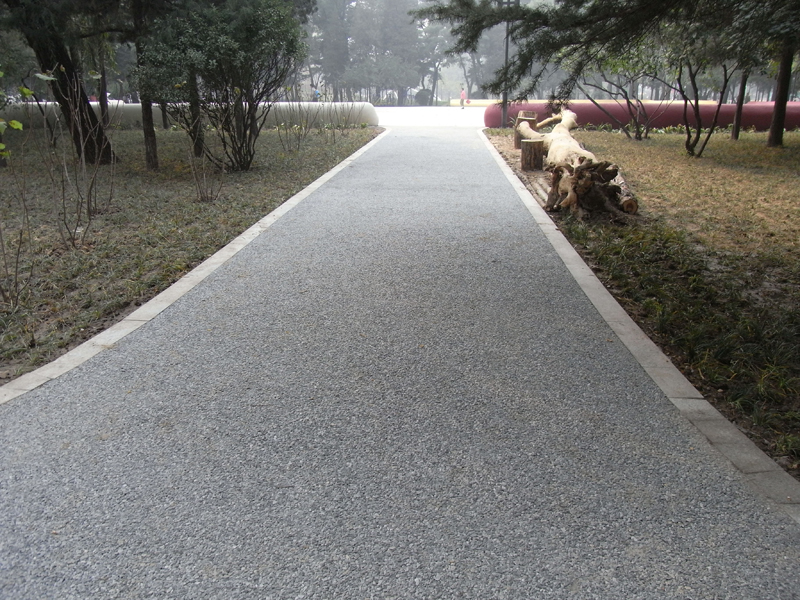









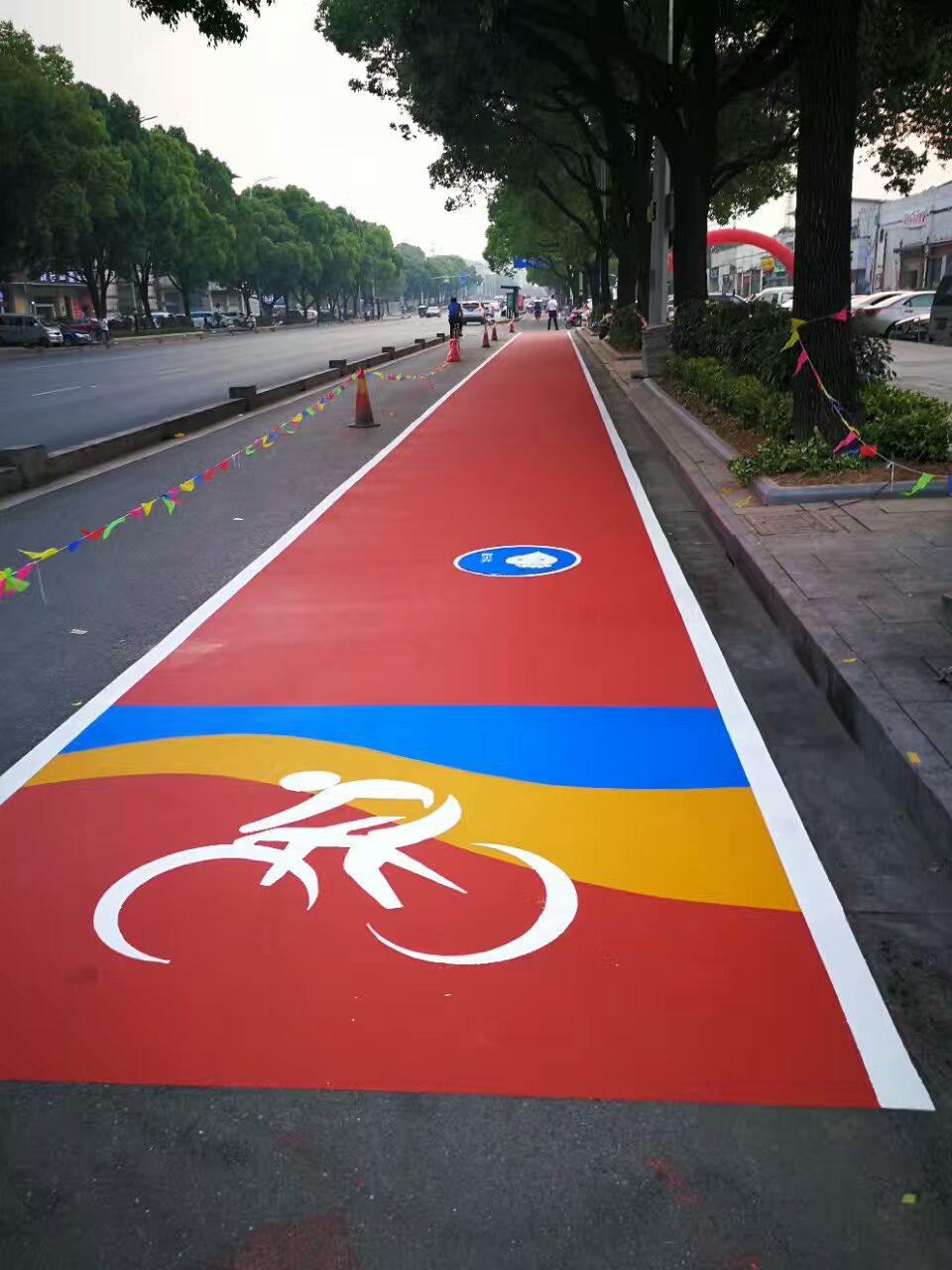
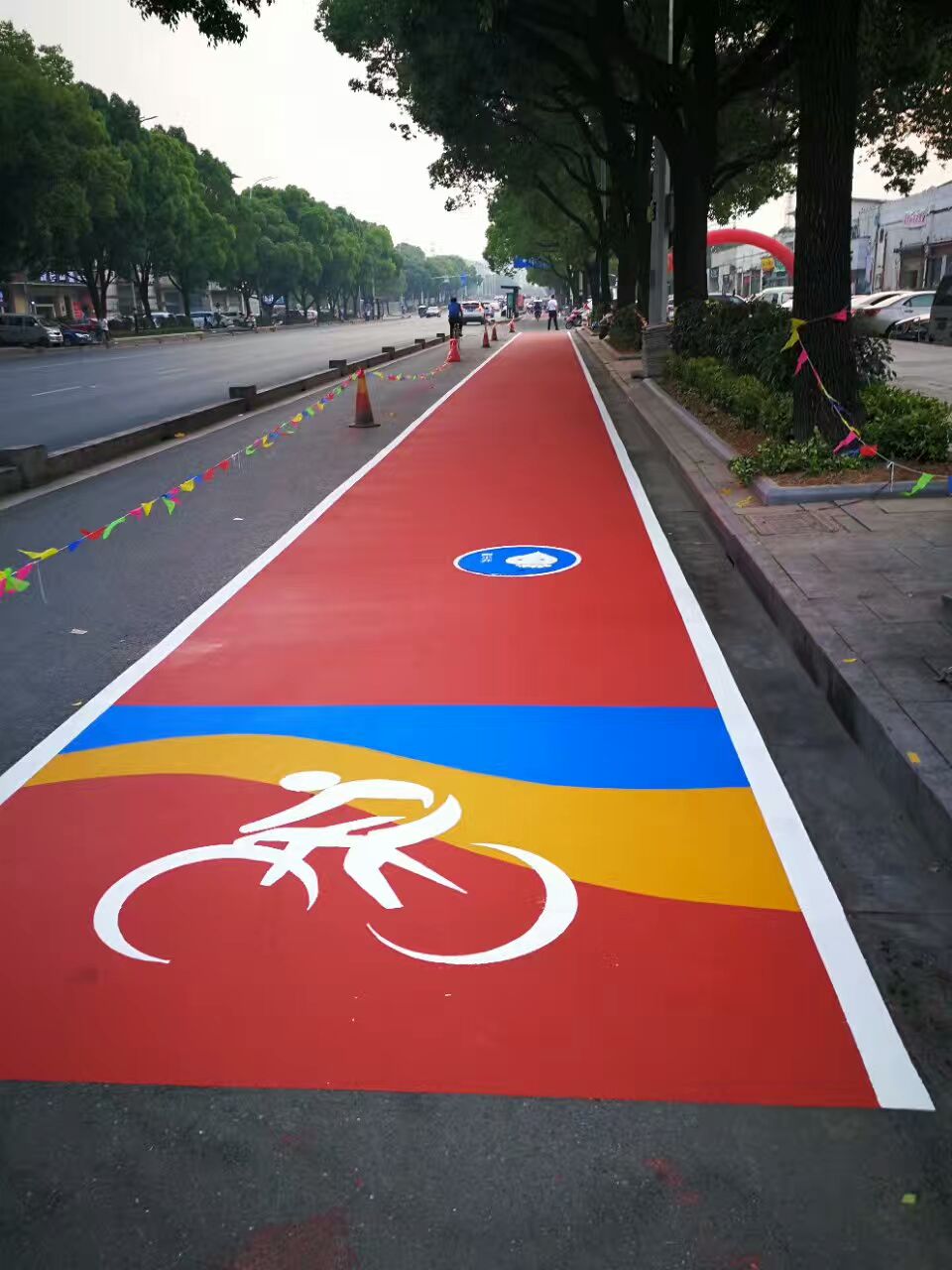
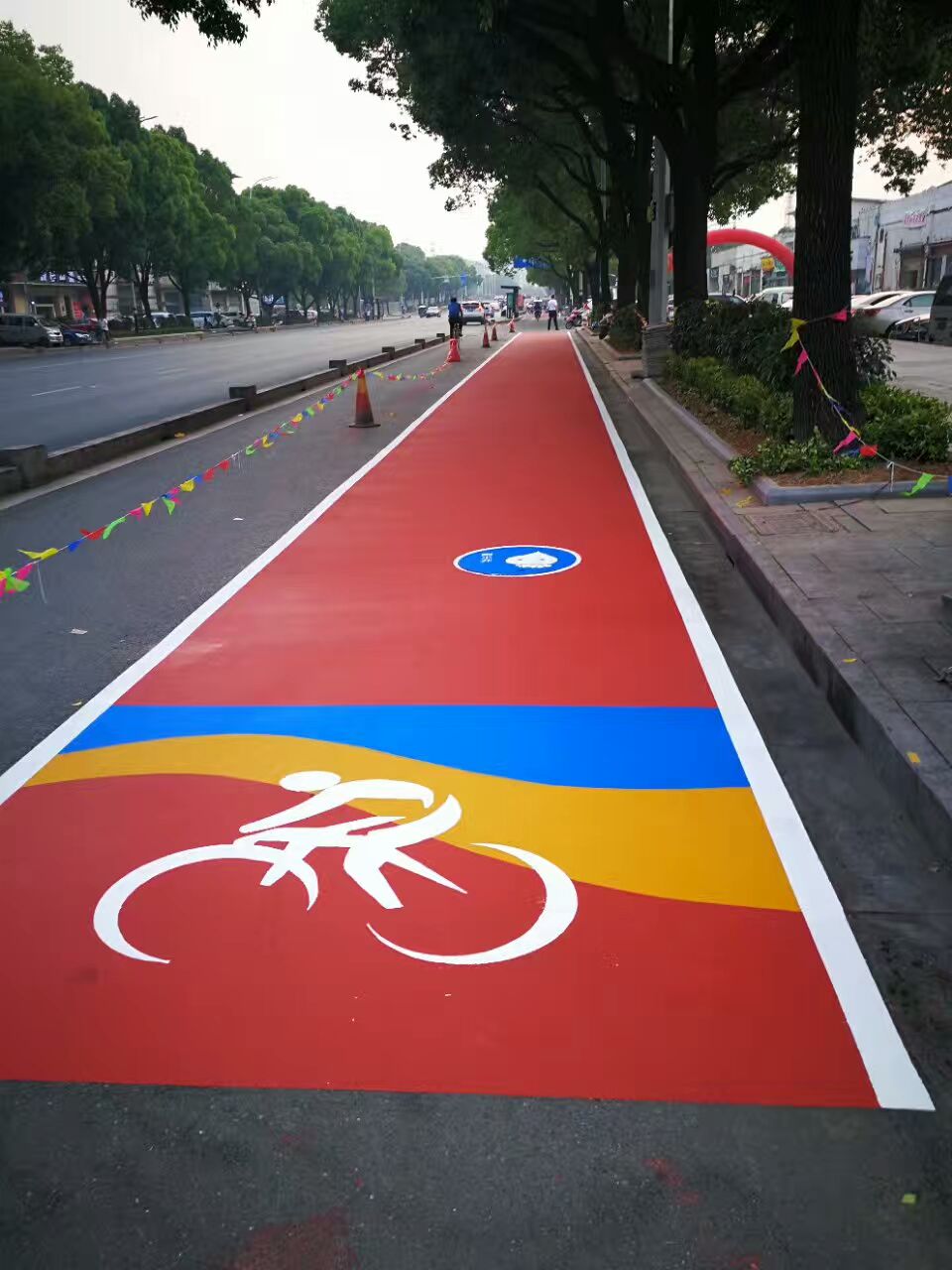
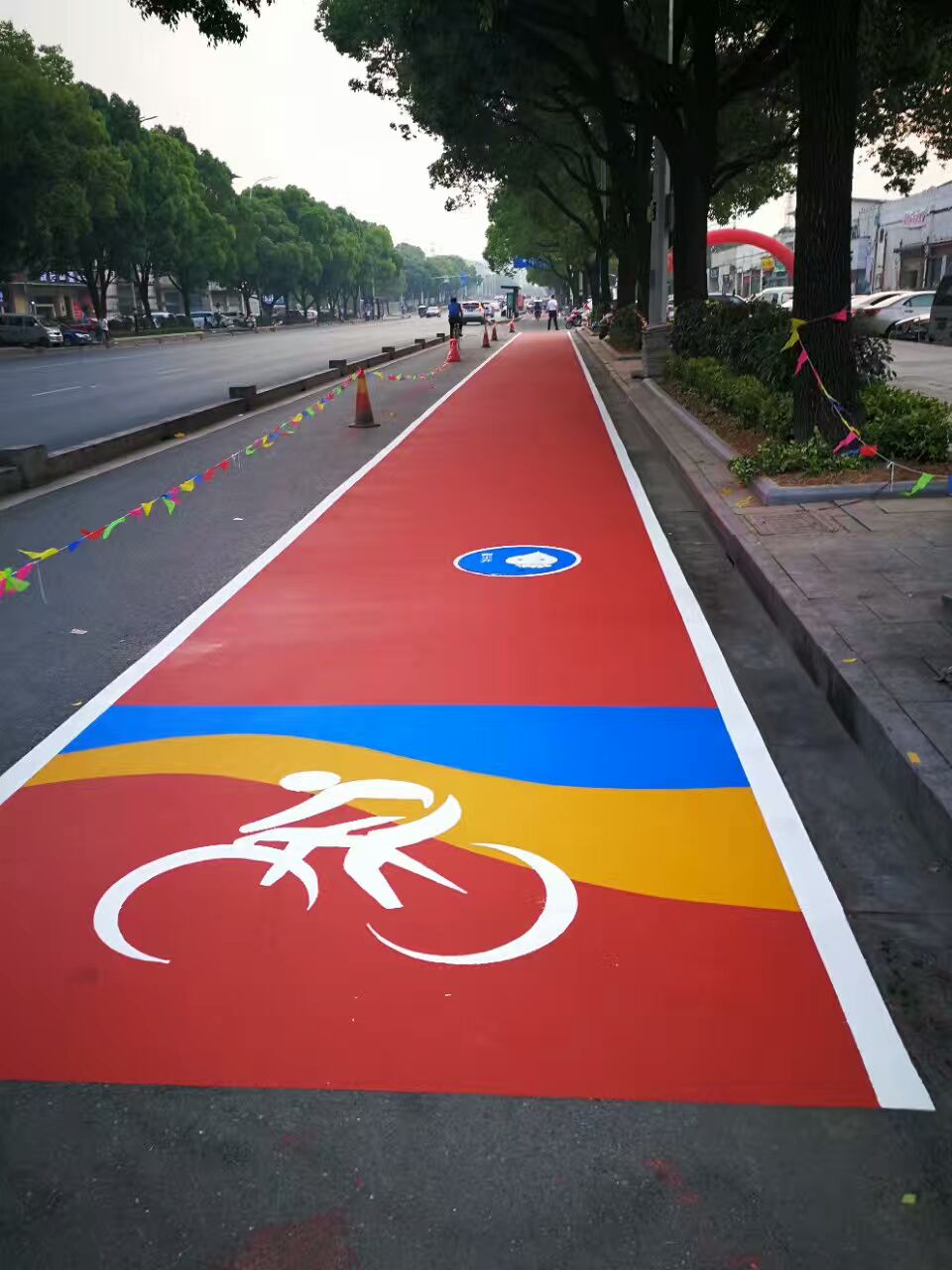
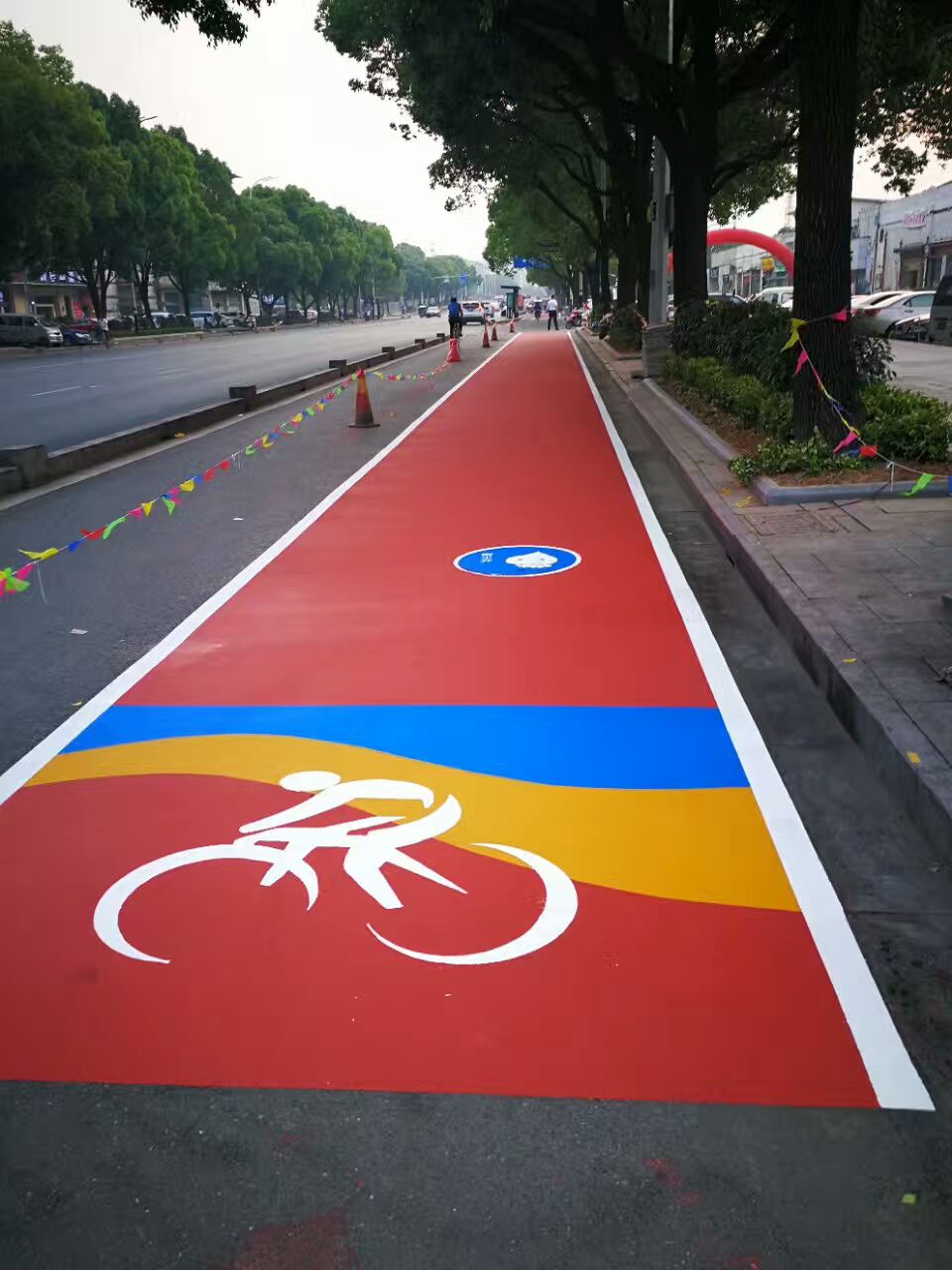
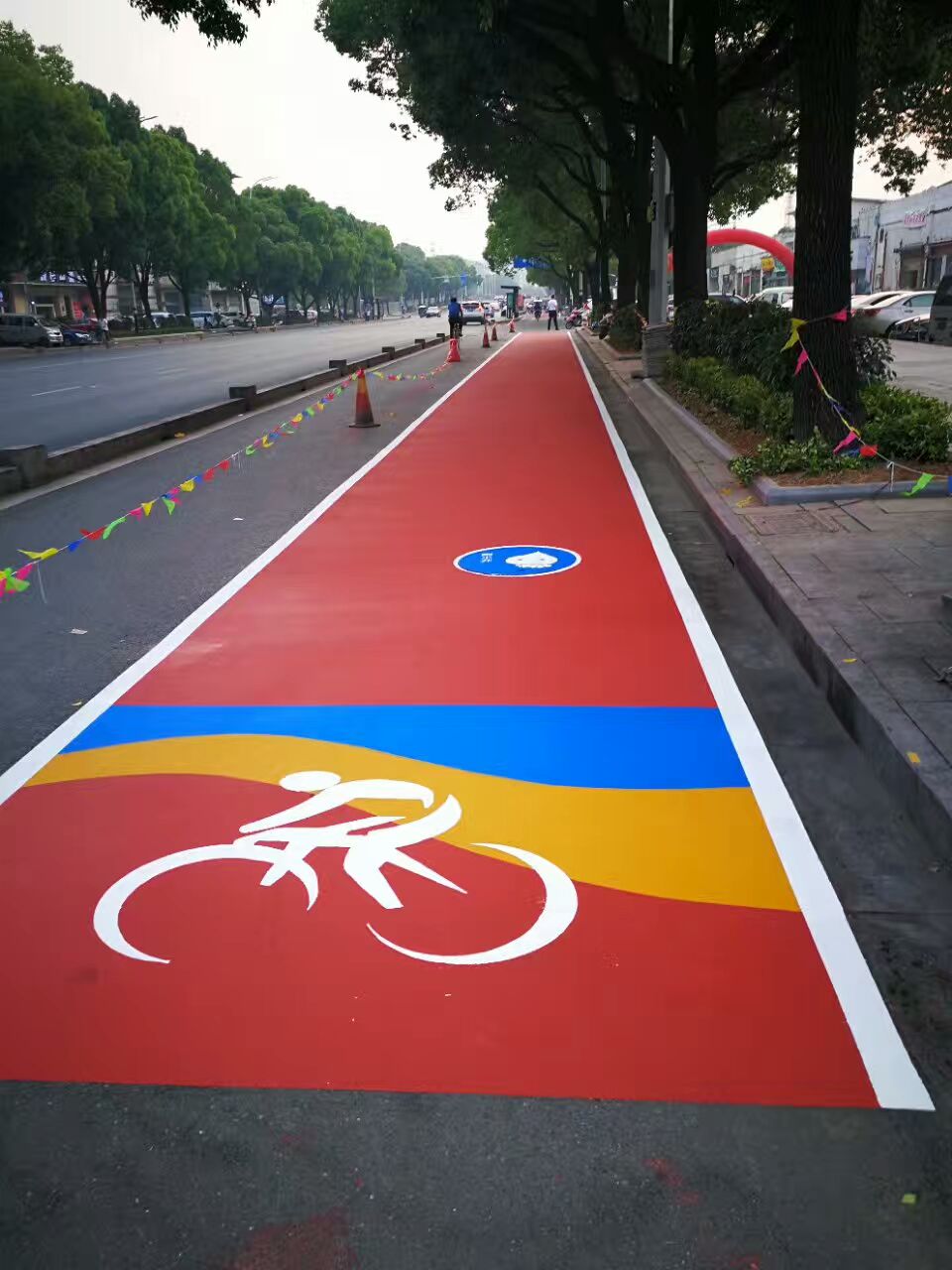
Porous concrete pavement is a lightweight, fine aggregate-free concrete mixture made from cement, special additives, aggregates, and water in a specific ratio. It is superior, ecological, and environmentally friendly compared to other ground paving materials, and falls under the fully permeable category. Its key features are: permeability, water retention, and breathability.

Porous concrete, as an environmentally friendly load-reducing concrete, not only offers excellent permeability and sufficient rainwater collection, but also provides sound absorption and noise reduction, flood resistance, and alleviation of urban "heat island effect."

Porous concrete pavement material is an eco-friendly, high-permeability material used in sponge city construction. It serves as a new paving method for urban ecosystems, partially replacing urban paved surfaces. It revives the vitality of urban surfaces, allows rainwater to infiltrate the ground, effectively eliminates surface water accumulation, and is a green, environmentally friendly ground material that "breathes."

The permeable pavement structure, from top to bottom, is sequentially compacted natural soil, graded crushed stone, and 60~120mm permeable concrete. Detailed as follows:
Porous concrete construction primarily includes: laying, shaping, surface treatment, and joint treatment.
1) Laying: Can be done by mechanical or manual methods.
2) Molding: Construction can be carried out using flat vibrators, vibration leveling rollers, manual push-pull rollers, and vibration leveling beams.
3) Surface Treatment: Primarily for enhancing the surface appearance, involves trimming or cleaning the formed permeable concrete surface.
4) The setting of joints in permeable concrete pavement is basically the same as that of ordinary concrete, with contraction joints evenly spaced, the spacing not to exceed 6 meters.