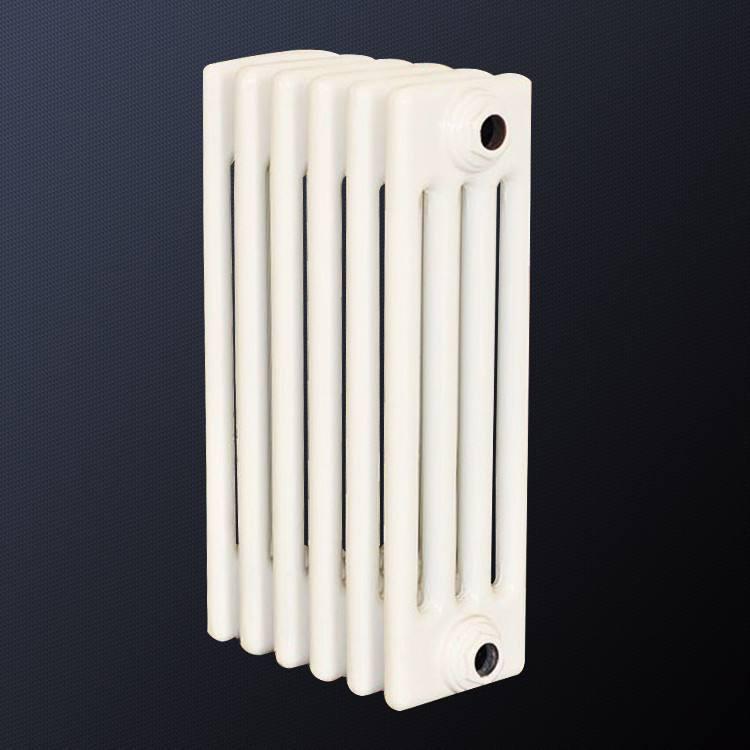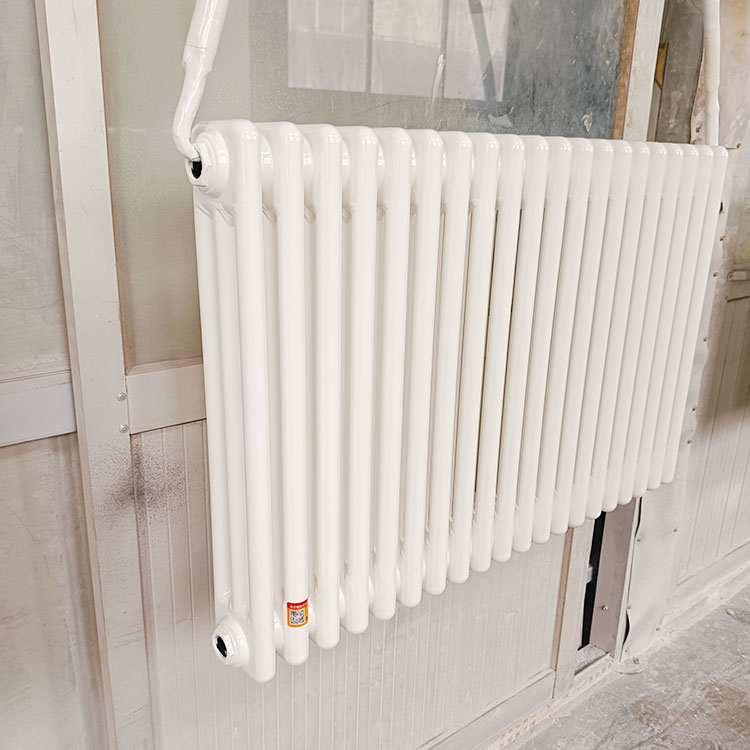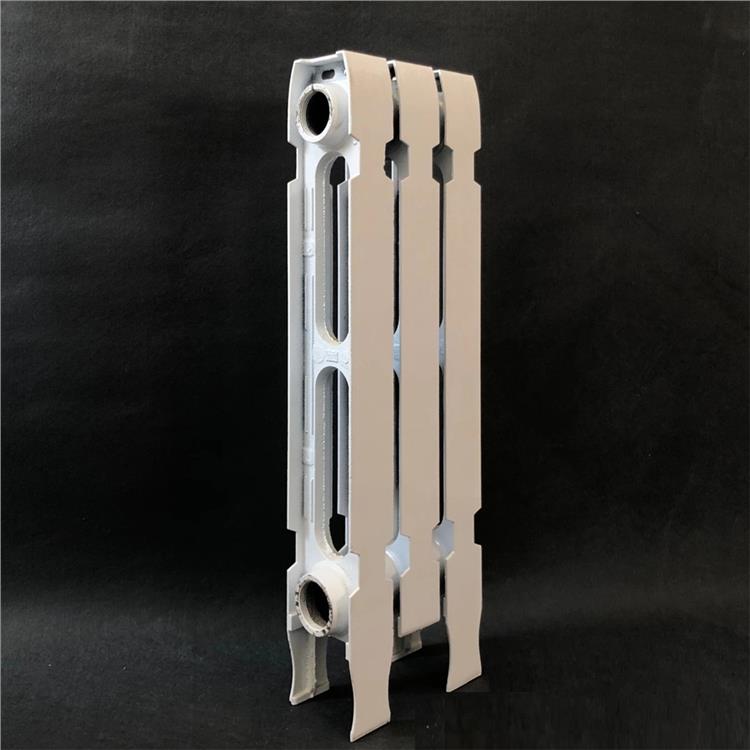

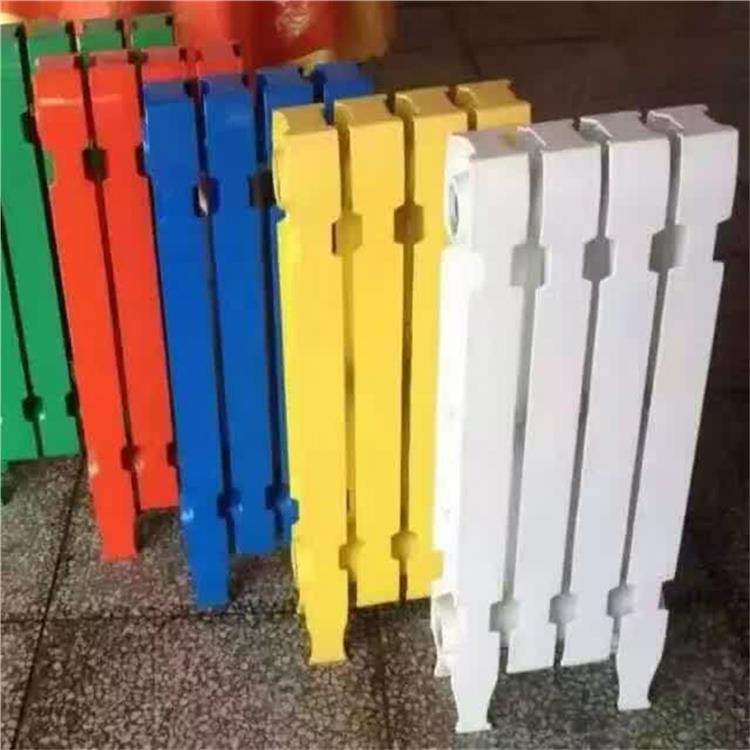
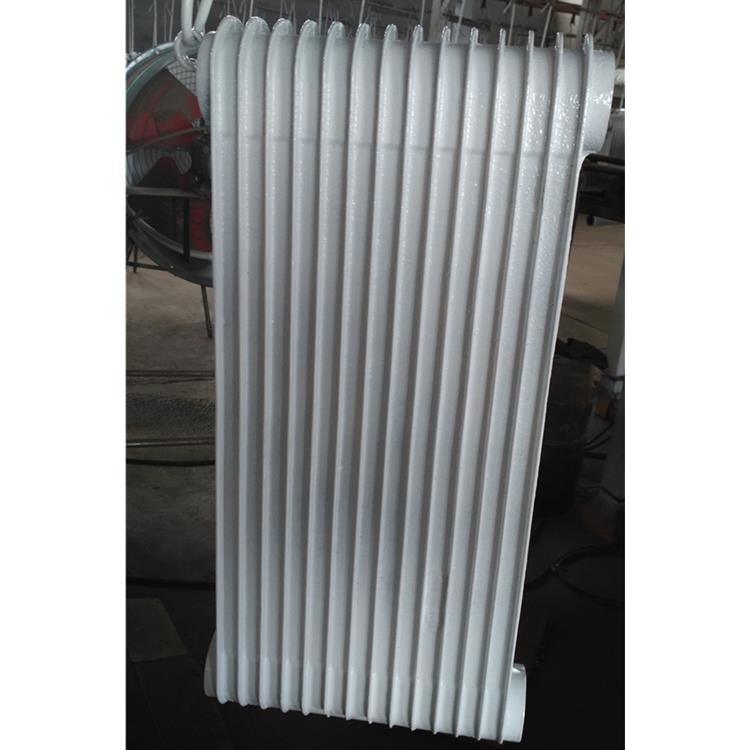


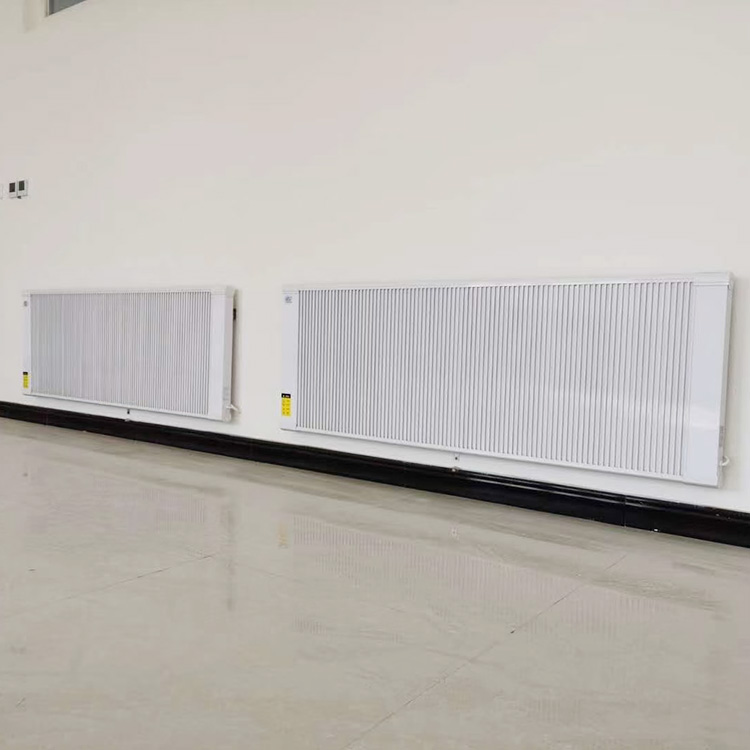
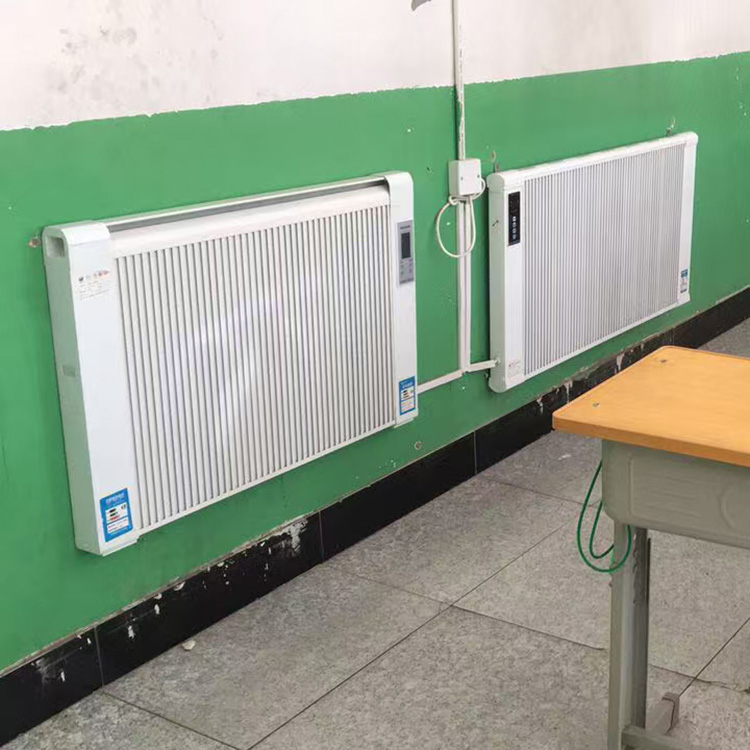
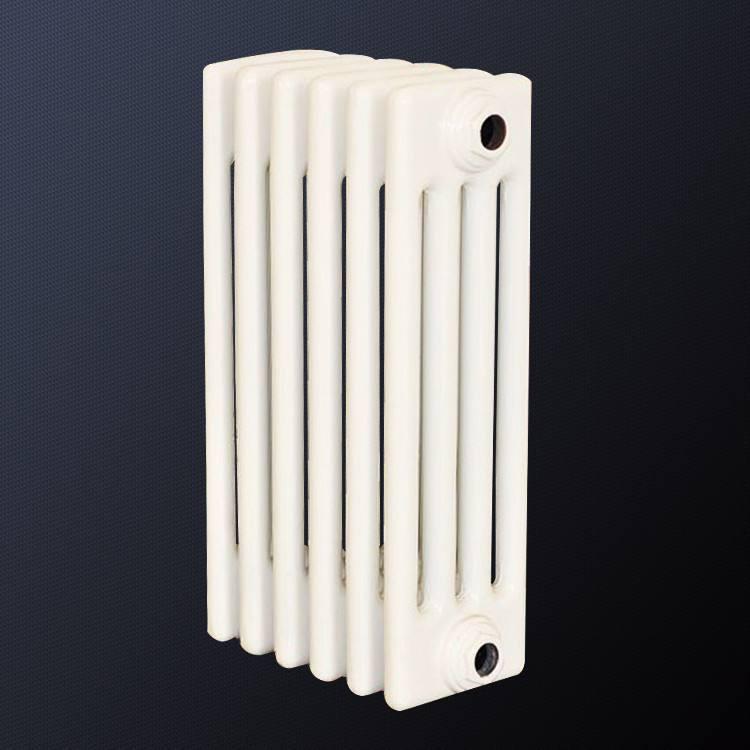
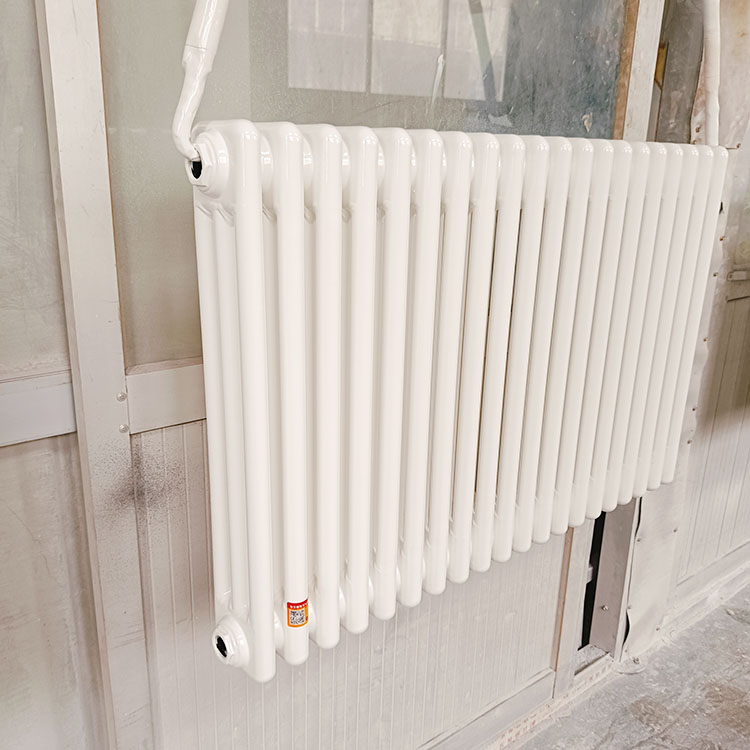





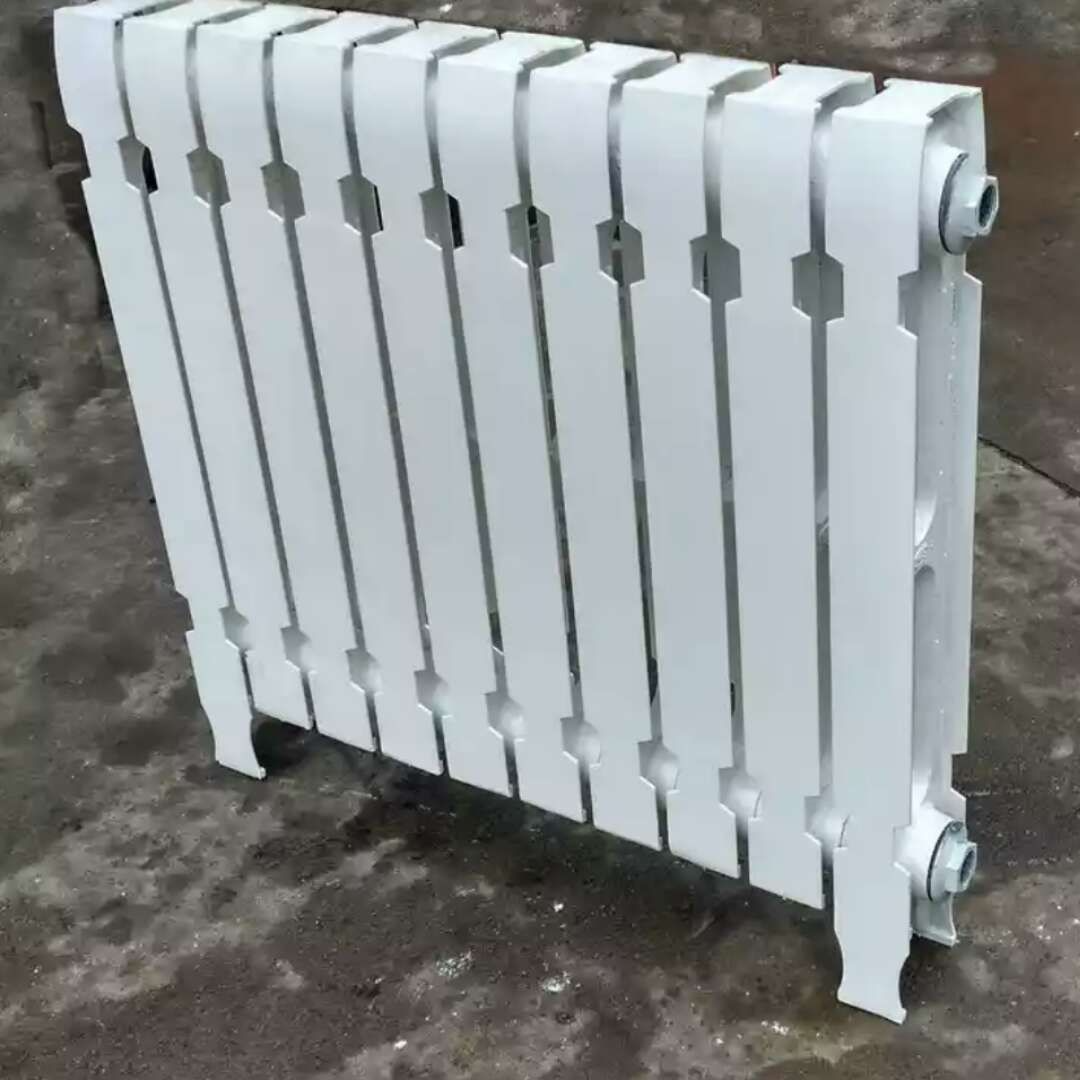
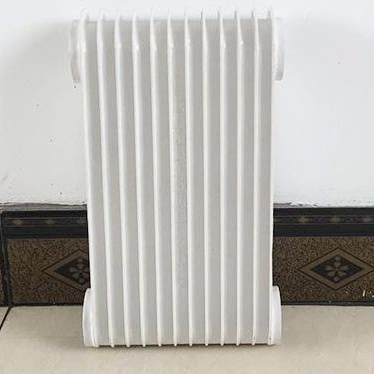
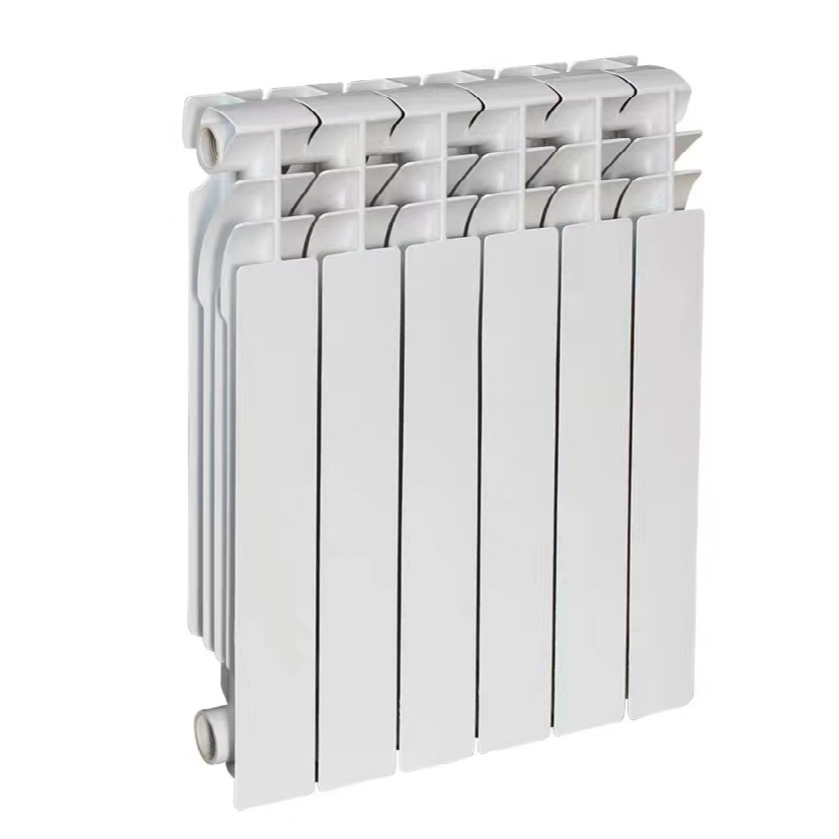
Cast iron radiators are primarily used in heating systems to distribute heat throughout indoor spaces by circulating hot water or steam, thereby raising the room temperature. Common applications include:
1. Residential Heating: Installed in homes, apartments, and other living spaces, providing winter warmth.
2. Commercial Buildings: Heating systems for offices, schools, and other public spaces.
3. Industrial Facilities: Used in industrial environments requiring insulation, such as factories and warehouses.
4. Historical Building Restoration: Often used for heating renovations in old buildings or retro-style renovations due to their traditional appearance.
5. High Durability Application Scenarios: Suitable for environments requiring long-term stable operation or corrosive conditions (such as humid areas).
Features include strong heat retention, long lifespan, and corrosion resistance, but it is heavy and warms up slowly.
Cast iron radiators are a traditional heating device with the following features:
1. High durability: Cast iron material is corrosion-resistant with a long service life, typically exceeding 50 years.
2. High thermal inertia: Excellent heat storage capacity, continues to dissipate heat after heating is stopped, providing good insulation effect.
High-pressure resistance: Suitable for high-rise buildings and high-pressure heating systems.
4. Heat Dissipation Stability: Even heat dissipation, minimal room temperature fluctuations.
5. Versatile: Not picky about water quality, suitable for heating water.
6. Easy Maintenance: Durable structure, less prone to damage, low maintenance cost.
7. Diverse Appearance: Traditional designs are aesthetically pleasing, suitable for vintage decor styles.
8. Heavy weight: Requires reinforced support during installation and is more difficult to handle.
9. Lower thermal efficiency: Warms up slower compared to new radiators.
10. Moderate Pricing: Low initial investment, but higher transportation and installation costs.
These features make cast iron radiators still have certain application value in specific situations, but they are gradually being replaced by lighter radiators.

Cast iron radiators are a common heating equipment, mainly used for indoor heating. Their functions include the following aspects:
1. Radiant Heating: Cast iron radiators transfer heat to the surface by circulating hot water or steam internally, then dissipate the heat into the room through convection, thereby increasing the indoor temperature.
2. Maintain Stable Room Temperature: Cast iron has a high heat capacity, allowing it to store a significant amount of heat. Even during heating breaks, it can slowly release heat, contributing to the stability of indoor temperatures.
3. Durable: Cast iron radiators are corrosion-resistant and able to withstand high pressure, ensuring a long service life and are suitable for long-term use.
4. Versatile: Suitable for various heating systems, such as centralized heating and vertical boiler heating, with relatively low water quality requirements.
5. Decorative Function: Cast iron radiators come in various designs, some featuring a retro or decorative look, which can complement the interior decor style.
In summary, cast iron radiators primarily provide a comfortable indoor environment through heat dissipation and stable temperature retention, while also offering durability and decorative functions.

An old cast iron radiator is a traditional heating device, primarily used to transfer heat into indoor spaces through the circulation of hot water or steam. Its core functions encompass the following aspects:
1. Heat Dissipation: Cast iron material boasts excellent thermal conductivity and heat storage capacity, allowing for continuous and stable heat release, ensuring uniform temperature rise indoors.
2. Durable: The cast iron structure is robust, corrosion-resistant, and has a long service life, suitable for long-term use.
Wide compatibility: Suitable for various heating systems such as centralized heating and vertical boilers, capable of working in conjunction with hot water or steam systems.
4. Easy Maintenance: The structural design facilitates cleaning and repair, resulting in lower daily maintenance costs.
5. Decorative: Some vintage cast iron radiators have a retro appearance, combining utility with decorative features, suitable for specific styles of interior design.
In summary, old cast iron radiators provide a reliable heating solution for indoor spaces with stable heat conduction and long-lasting durability.

An old-fashioned cast iron radiator is a traditional heating device, primarily used to disperse heat into indoor spaces by circulating hot water or steam, thereby increasing room temperature. Its functions include the following aspects:
1. Radiant Heating and Cooling: Hot water or steam circulates within the radiator, releasing heat into the air through the heat conduction and convection of the metal surface, thereby raising the indoor temperature.
2. Durable: Cast iron material is corrosion-resistant and long-lasting, not easily damaged even after long-term use, suitable for old buildings or places requiring stable heating.
3. Excellent heat retention: Cast iron has a high specific heat capacity, allowing it to slowly release stored heat after the heating is stopped, maintaining a relatively stable indoor temperature.
4. Versatile Compatibility: Compatible with various heating systems (such as central heating, vertical boilers, etc.) and has low requirements for water quality.
5. Decorative: Some old-style cast iron radiators feature retro patterns, combining practicality with aesthetic appeal, particularly suitable for nostalgic interior designs.
Note that these radiators heat up slowly, are heavy, and although modern types (like steel or aluminum) are generally more energy-efficient and lightweight, cast iron radiators are still used in specific situations due to their stability.
Old cast iron radiators are suitable for the following scenarios:
1. Traditional Architecture: Ideal for vintage or historical buildings, featuring a harmonious appearance with the architectural style.
2. High heating demand: Cast iron has strong heat storage capacity, suitable for places requiring long-term stable heating.
3. Standalone heating systems: Compatible with coal, gas, and other heat sources, commonly found in rural areas or standalone heating households.
4. Moisture-Resistant: Highly corrosion-resistant, suitable for bathrooms and other high-humidity areas.
5. Budget Limited: Long service life (up to 50 years), low maintenance costs, excellent long-term economic performance.
6. Large-Space Heating: High single-column heat output, suitable for large areas such as living rooms, factories, etc.
Note: Pay attention to its characteristics of heavy weight and slow heating, and reserve a load-bearing structure for installation.