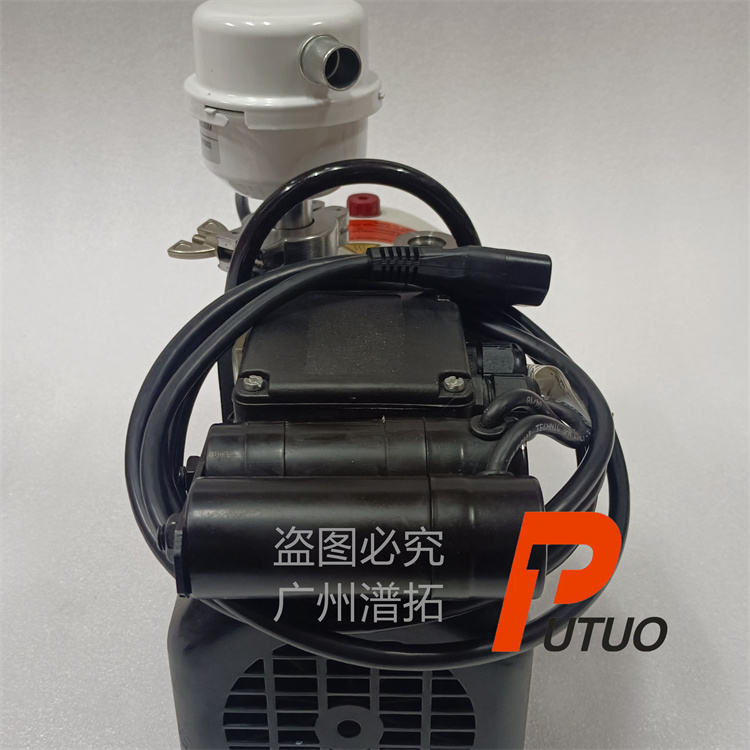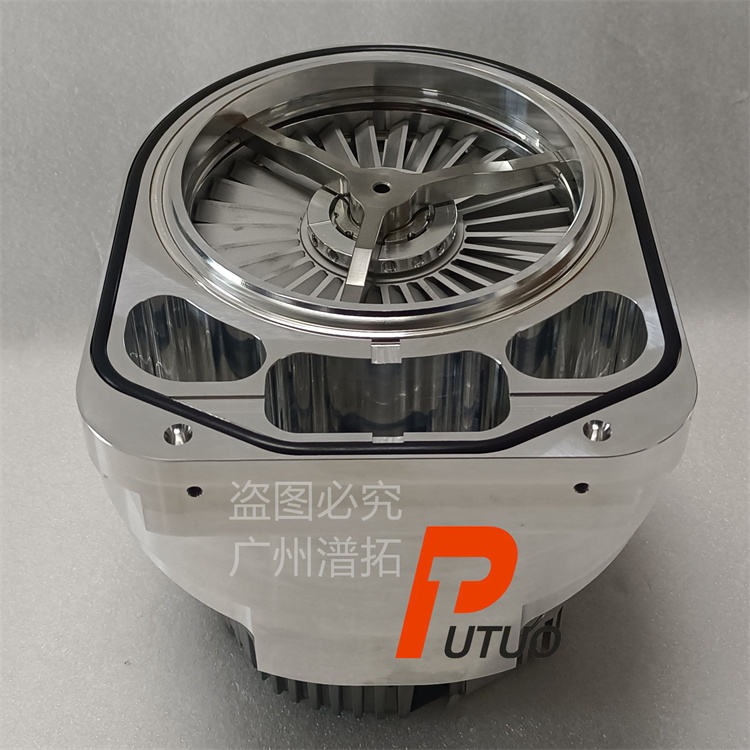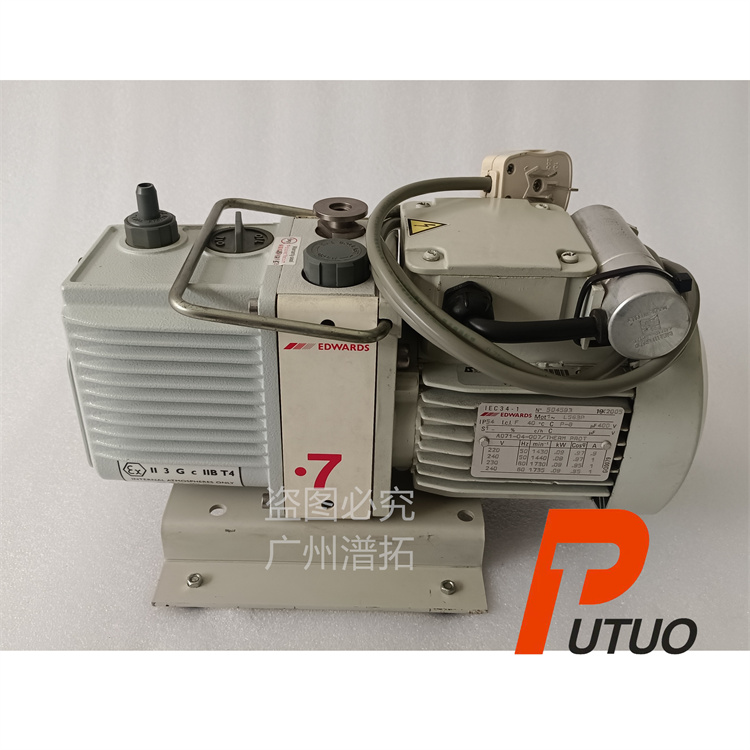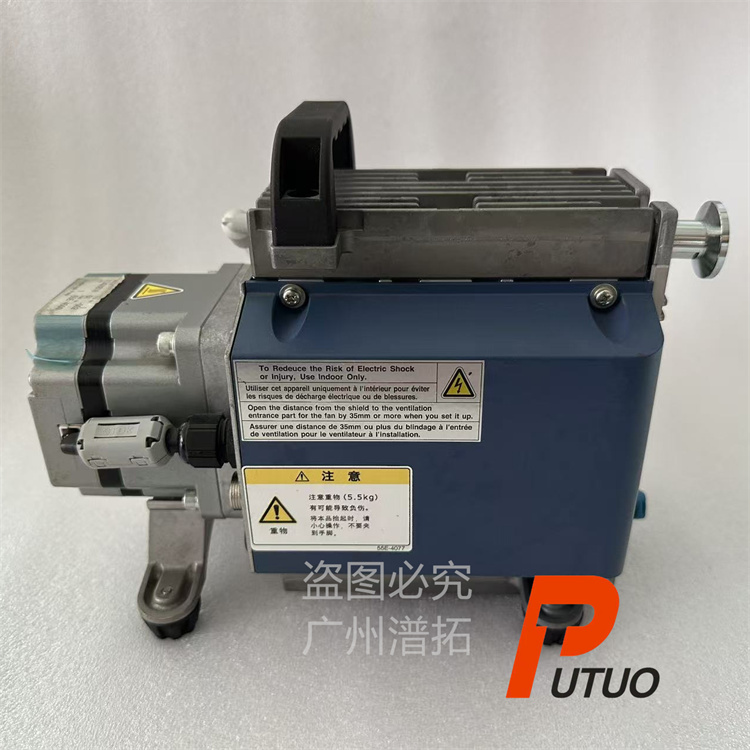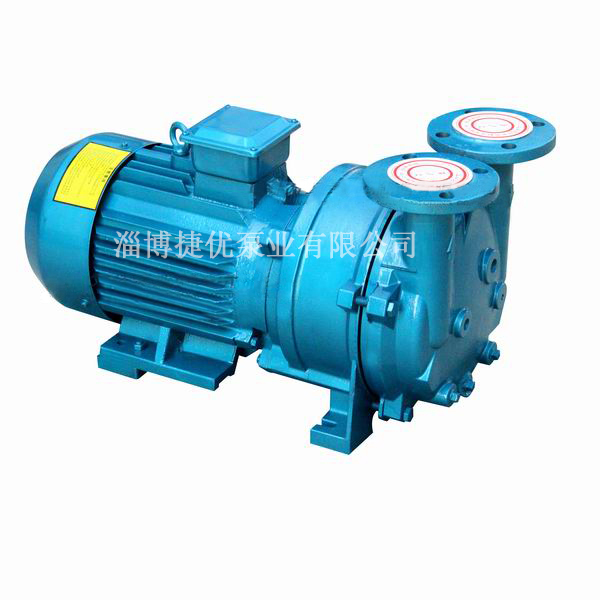


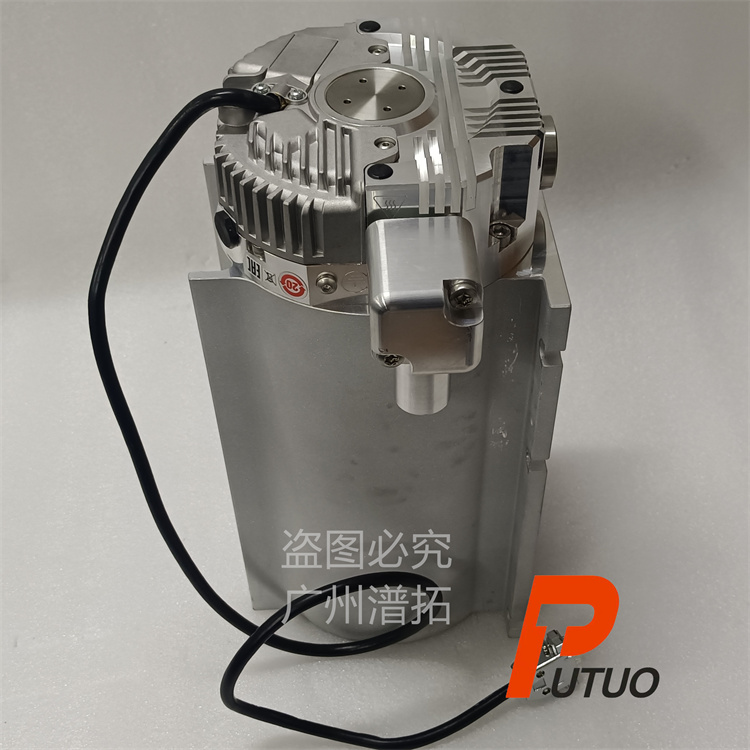
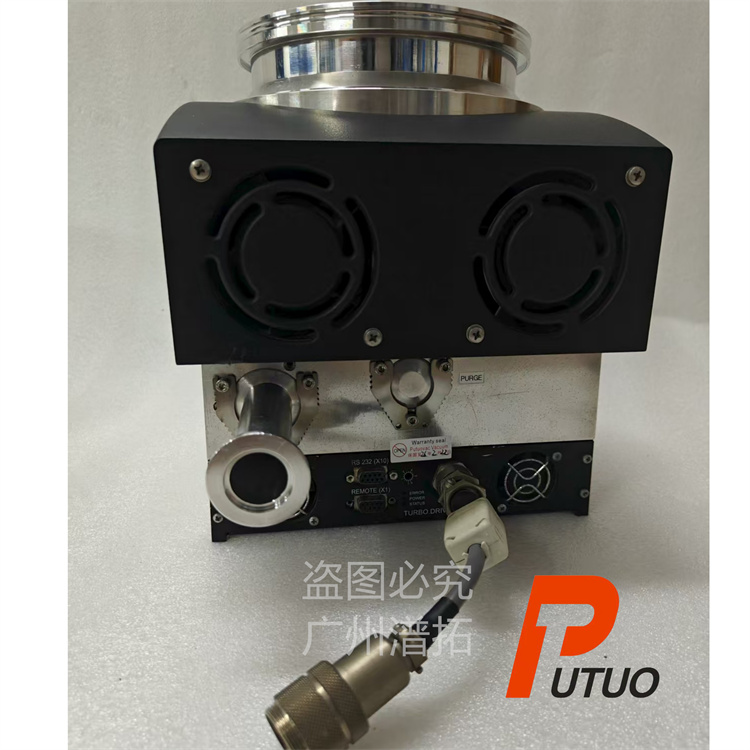
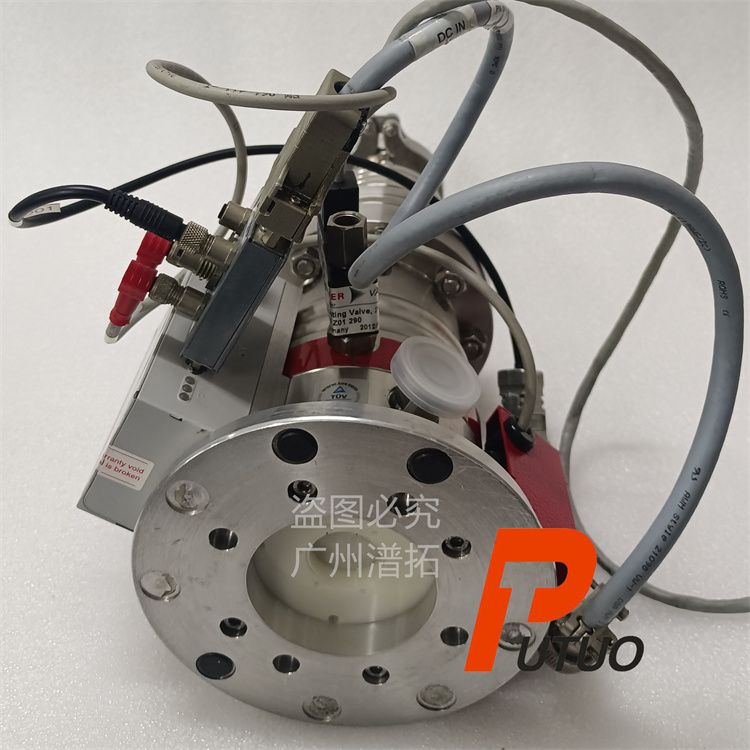
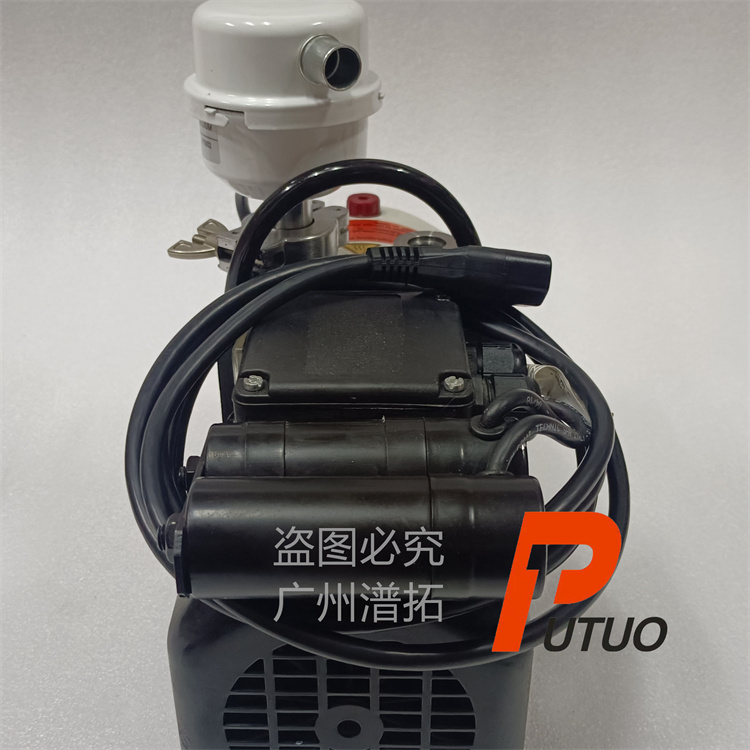





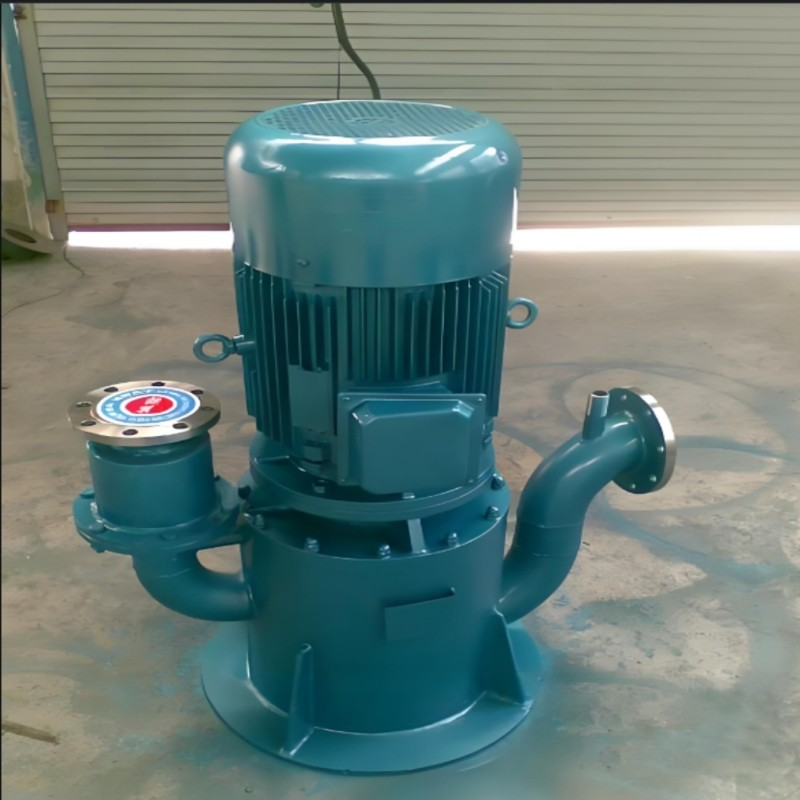
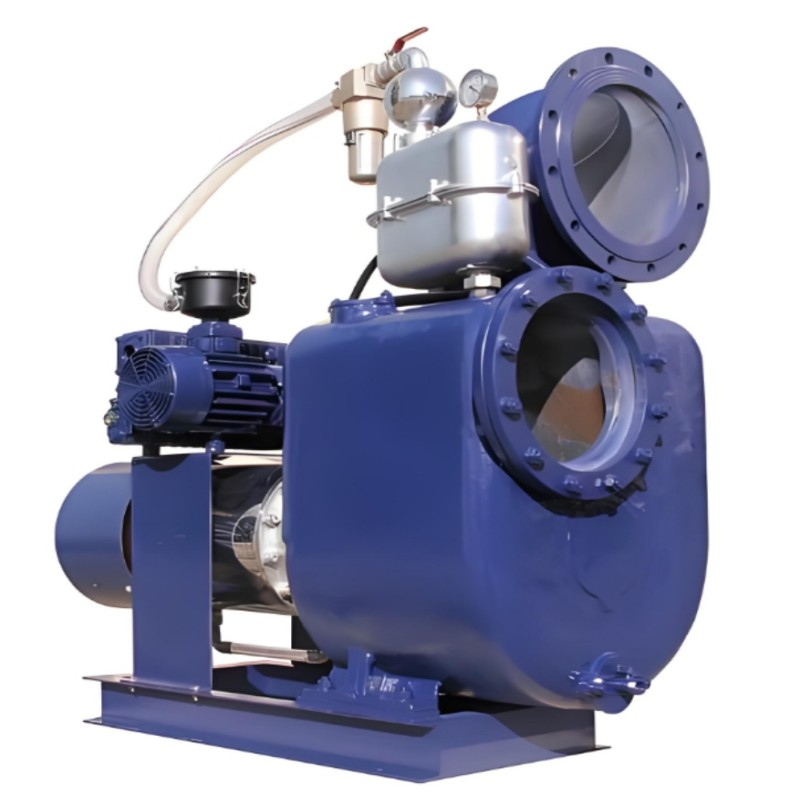
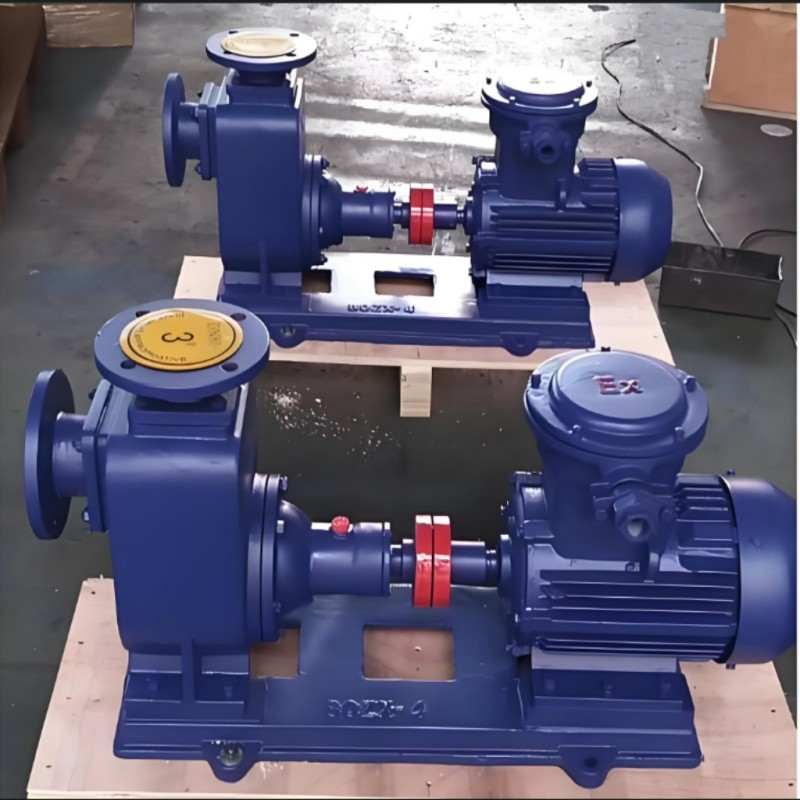
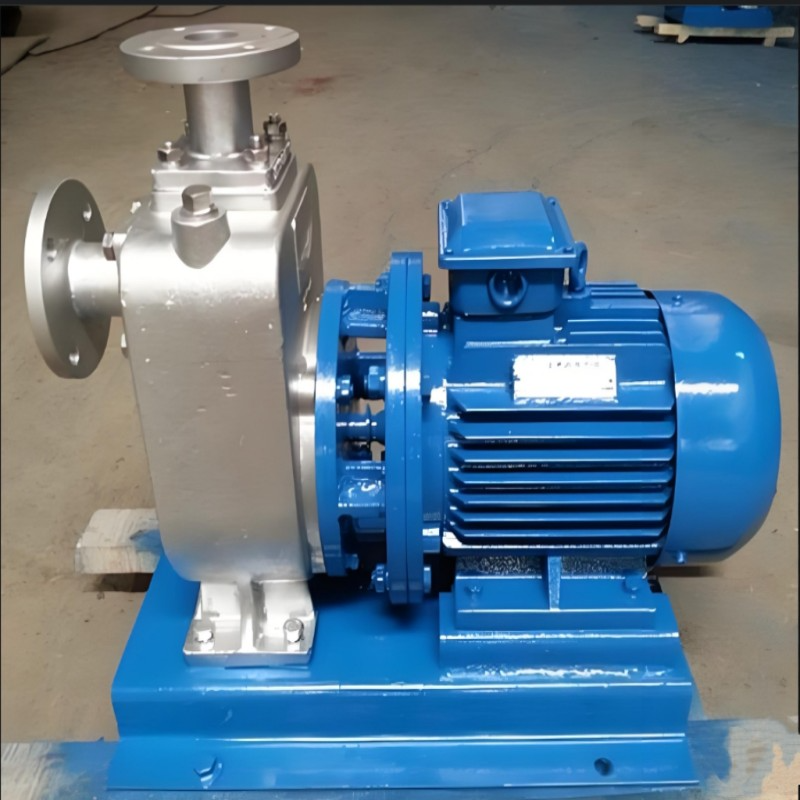
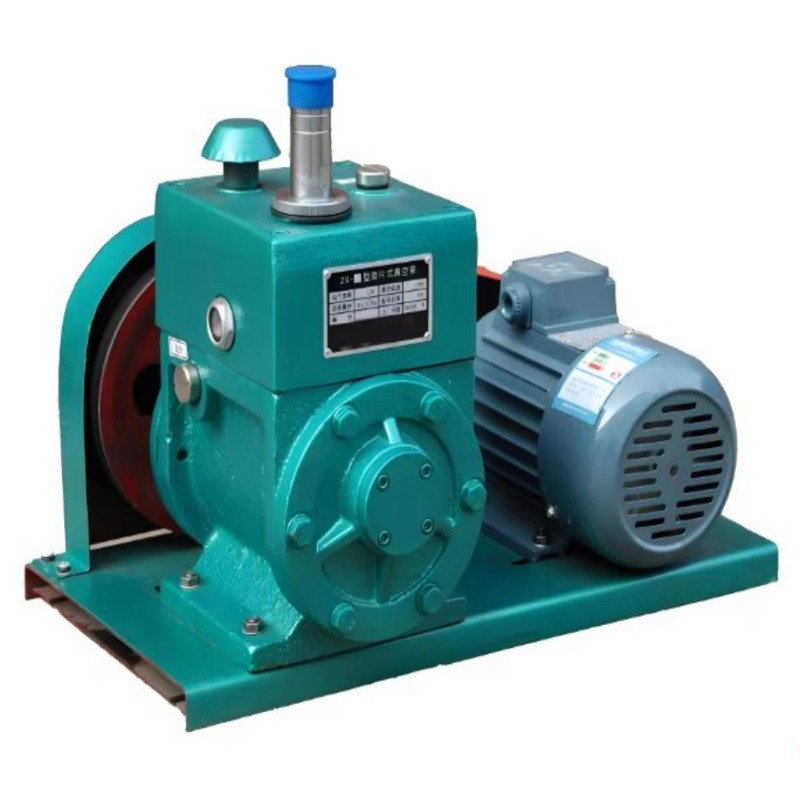
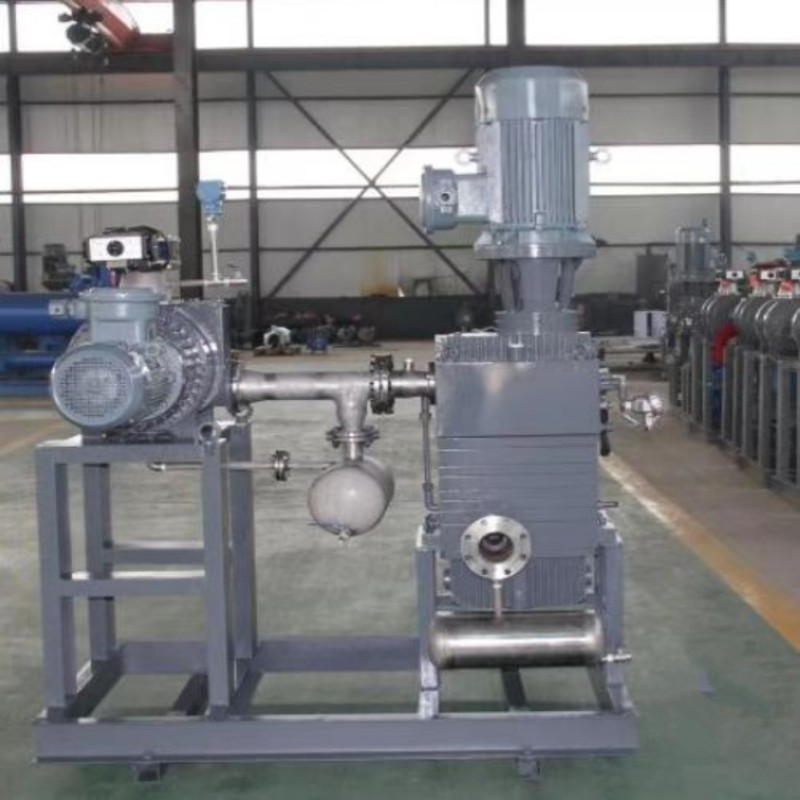
Product Introduction: The 2BV series water ring vacuum pump is a single-stage pump with an integrated structure—axial alignment of the motor and pump. It features a mechanical seal for shaft sealing, offering simplicity in design, easy installation, oil-free operation, and reliable safety.
The 2BV series water ring vacuum pumps are suitable for extracting gases and moist steam, with an aspiration pressure capable of reaching 33mbar absolute pressure (97% vacuum). When the 2BV water ring vacuum pump operates under an aspiration pressure below 80mbar for an extended period, it should be connected to an erosion protection pipe to safeguard the pump. If equipped with an atmospheric jet ejector, the aspiration pressure of the 2BV water ring vacuum pump can reach 10mbar. The ejector can be directly mounted on the vacuum pump's aspiration port and used as a compressor, with a maximum pressure of up to 0.26MPa (absolute pressure).
The 2BV series of water ring vacuum pumps and compressors are widely used in the oil, chemical, pharmaceutical, food, and sugar industries. Due to the isothermal compression process during operation, they are less prone to explosion when compressing and extracting flammable and explosive gases, making their applications even broader.
Working Principle:
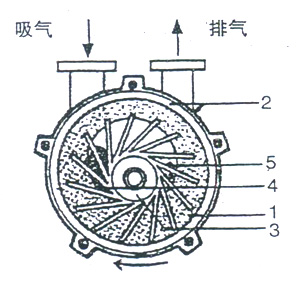
The impeller 3, as shown in Figure (1), is eccentrically mounted within the pump housing. Upon startup, water of a certain height is injected into the pump. As the impeller 3 rotates, water is subjected to centrifugal force, forming a rotating water ring 1 on the inner wall of the pump. The lower inner surface of the water ring is tangent to the hub and rotates in the direction of the arrow. During the first half of the rotation, the inner surface of the water ring gradually detaches from the hub in the 2BV water ring vacuum pump, creating a sealed space between the impeller blades and the water ring. As the impeller rotates, this space gradually expands, lowering the pressure of the gas within. The gas is then drawn in through the disk suction port. During the second half of the rotation, the inner surface of the water ring gradually approaches the hub, and the space between the blades decreases, increasing the pressure of the gas. When this pressure exceeds that of the exhaust port, the gas between the blades is expelled through the disk exhaust port. With each full rotation of the impeller, there is one intake and exhaust cycle in the space between the blades. Many such spaces operate continuously, allowing the 2BV water ring vacuum pump to continuously and continuously suction or discharge gases.
The 2BV water ring vacuum pump generates heat during operation, which can cause the working water ring to overheat. Additionally, some water and gas are expelled together. Therefore, it is necessary to continuously supply water to the pump during operation to cool and replenish the water consumed within the pump, ensuring the pump meets its operational requirements.
When the gas discharged from the 2BV water ring vacuum pump is not reused, a gas-liquid separator is connected at the exhaust outlet of the 2BV water ring vacuum pump. After the waste gas and the associated water are discharged into the gas-liquid separator, the gases are released through the exhaust pipe, and the remaining water is supplied back to the pump through a return pipe for continued use. As operating time extends, the working water temperature continually rises. At this point, cold water must be supplied through the water supply pipe to lower the working water temperature, ensuring the pump meets the required technical specifications and performance standards.