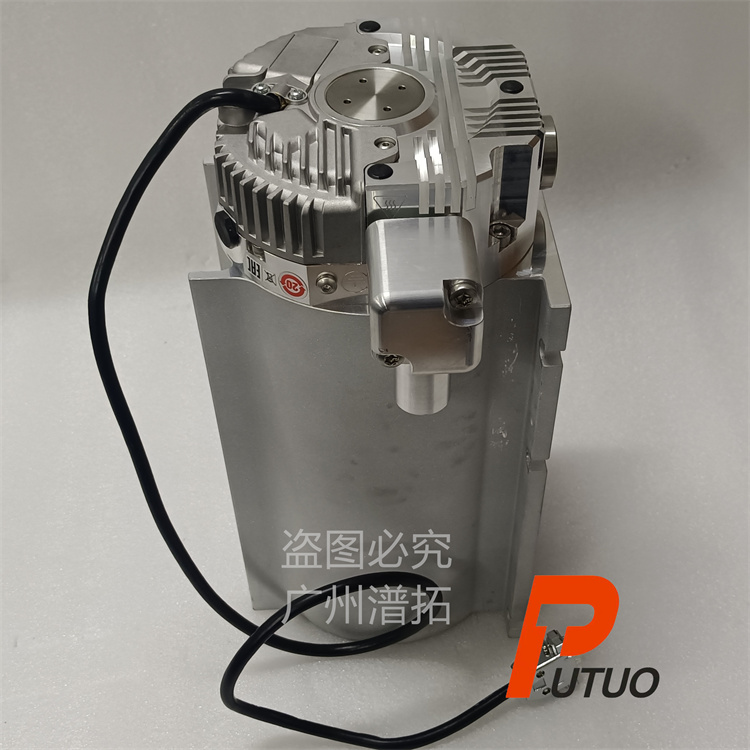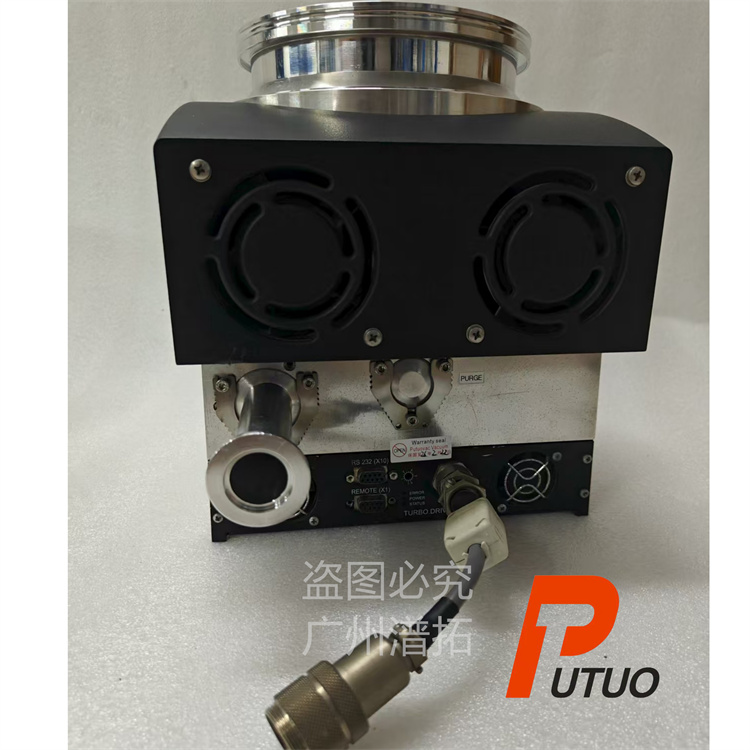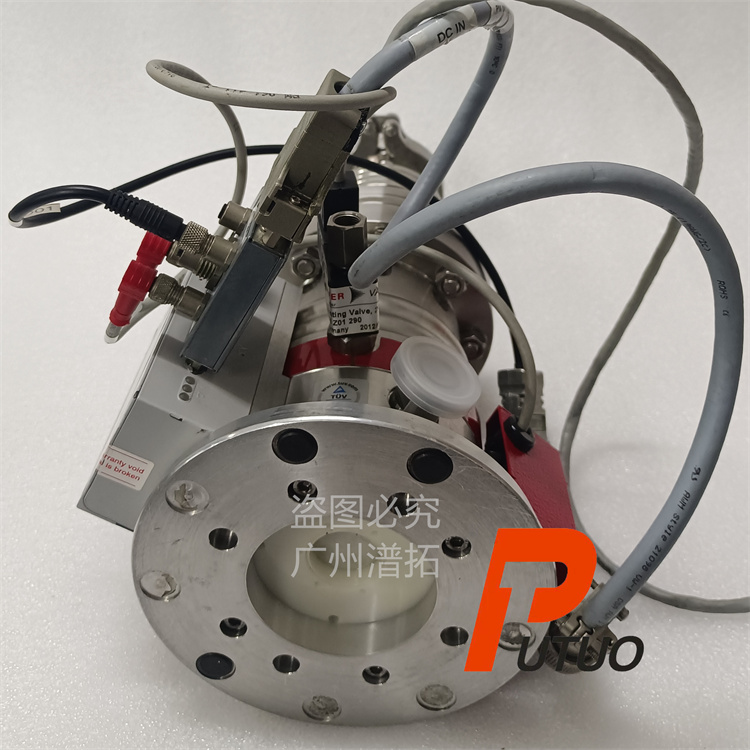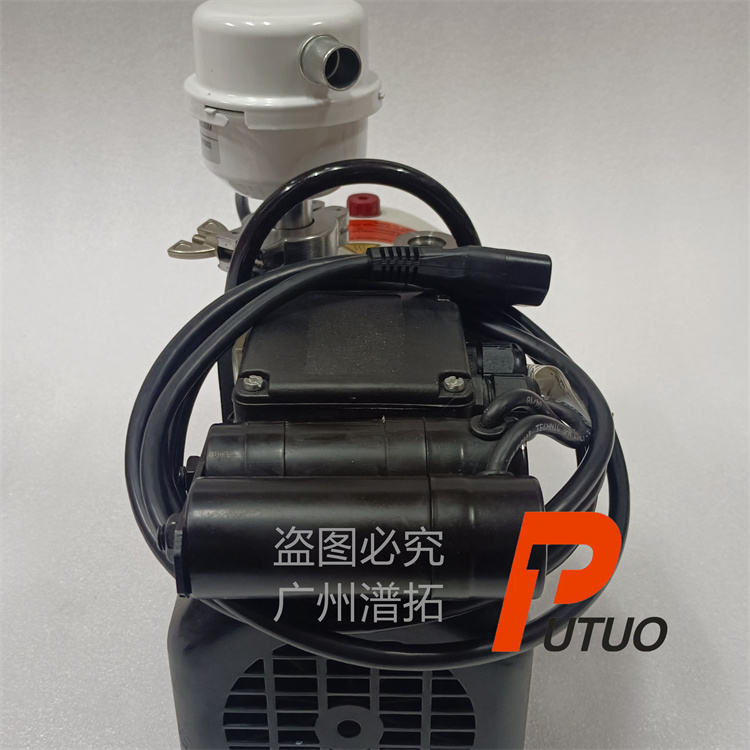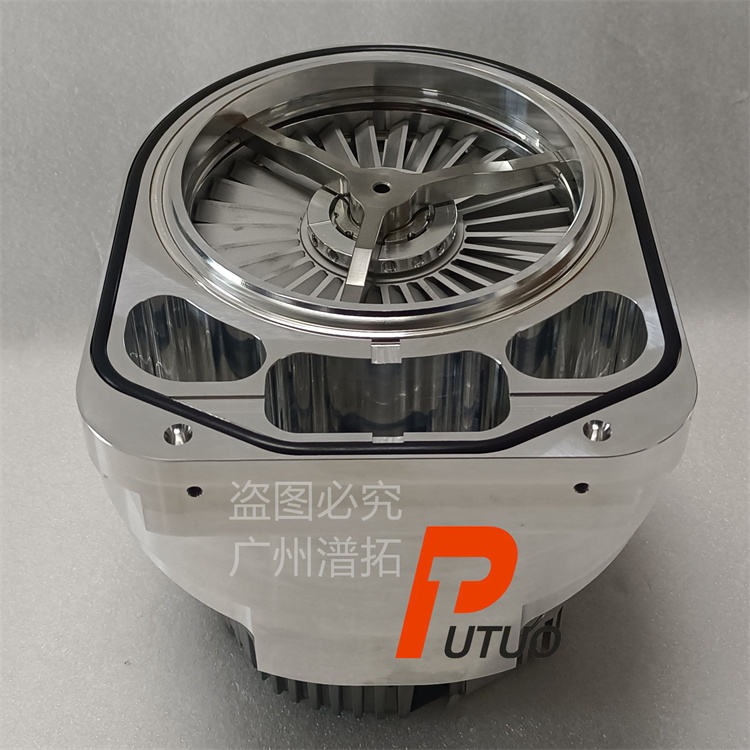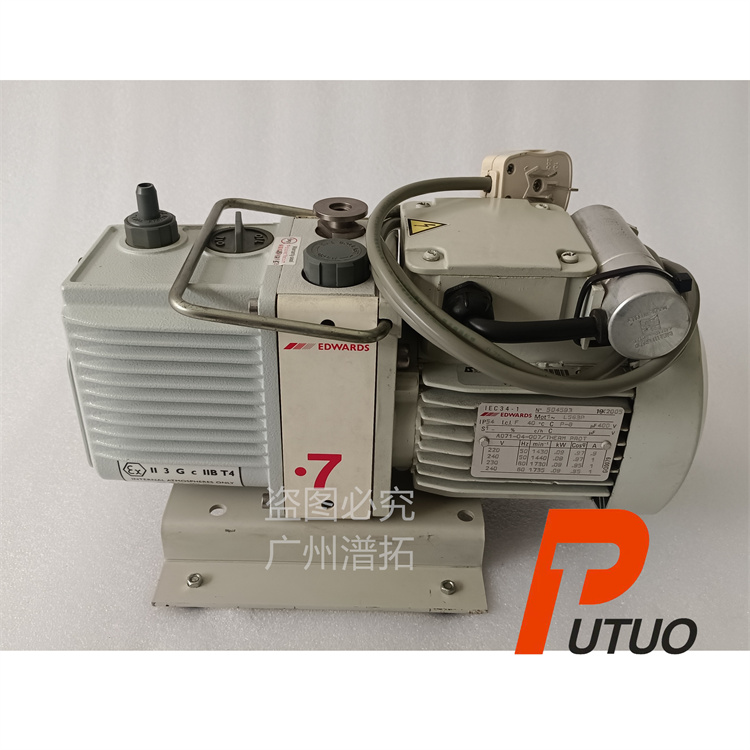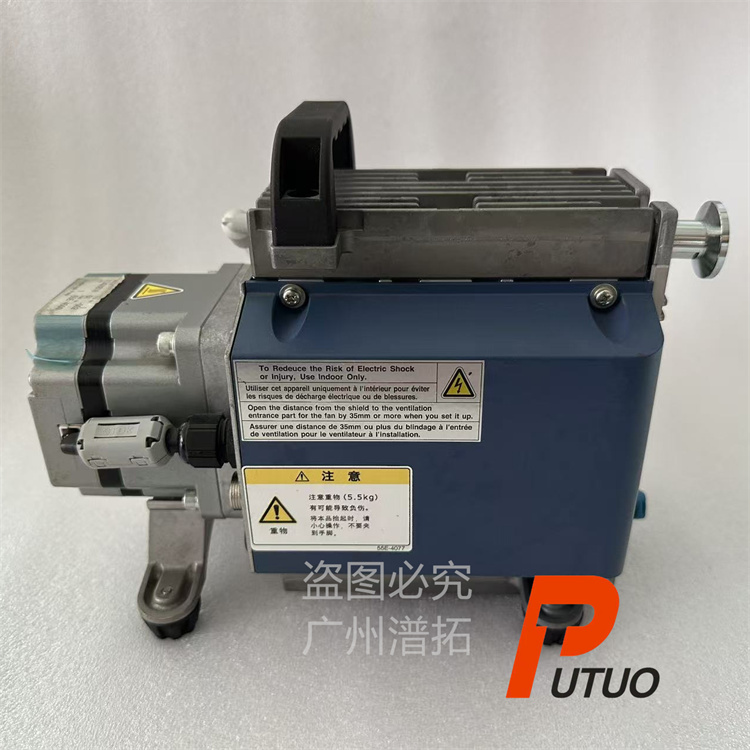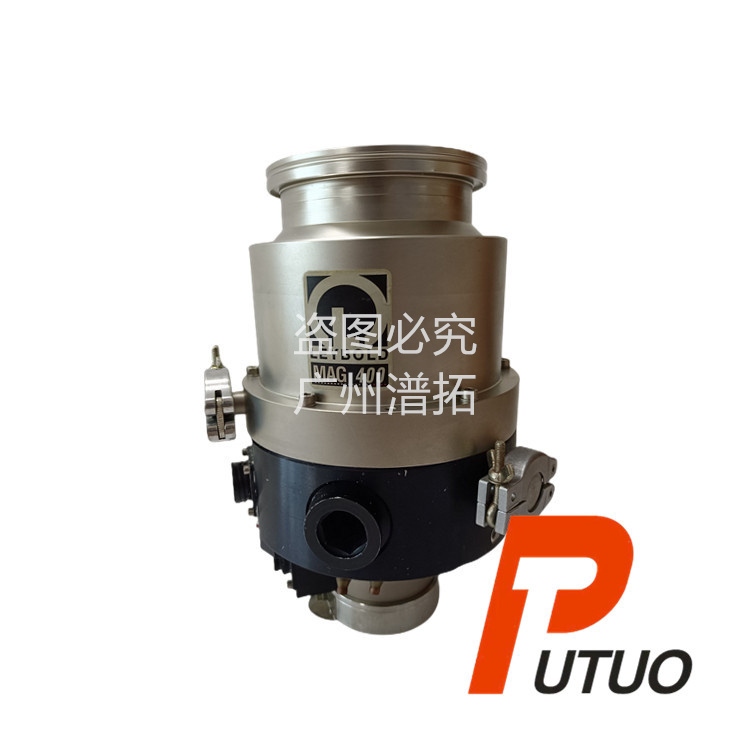


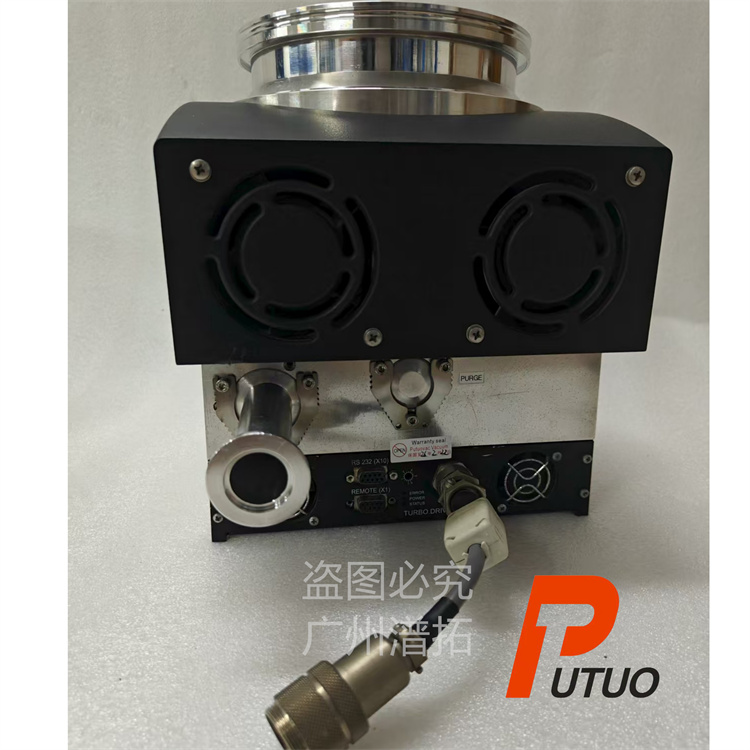
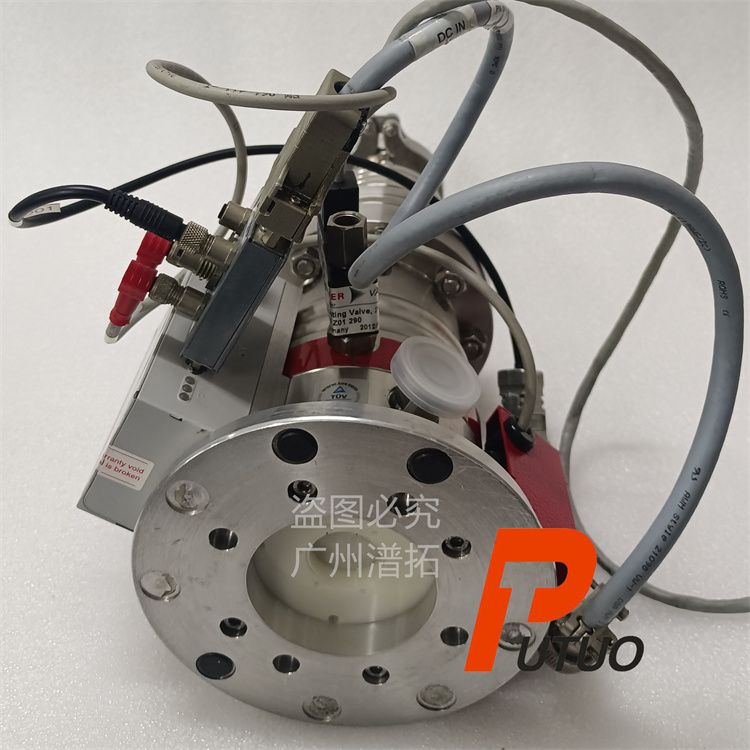
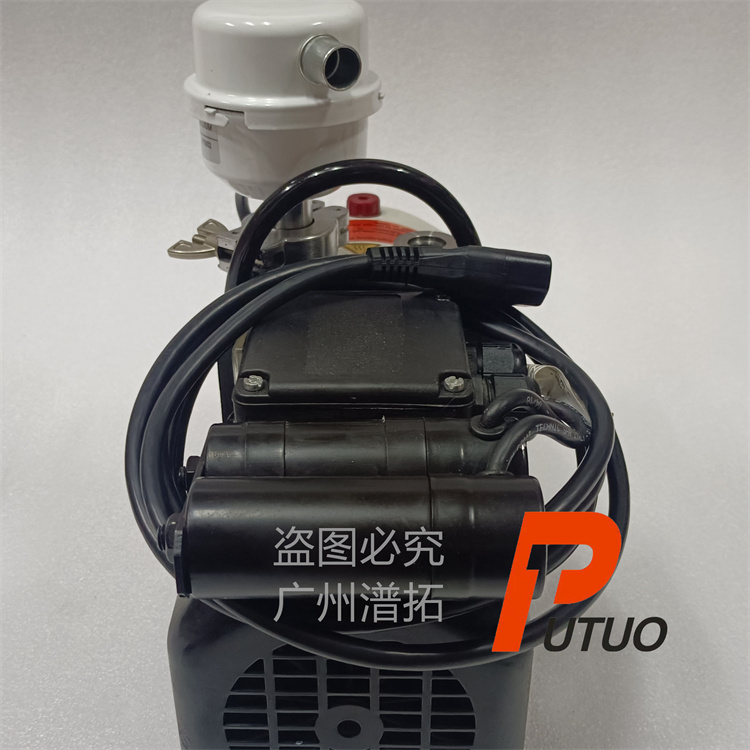





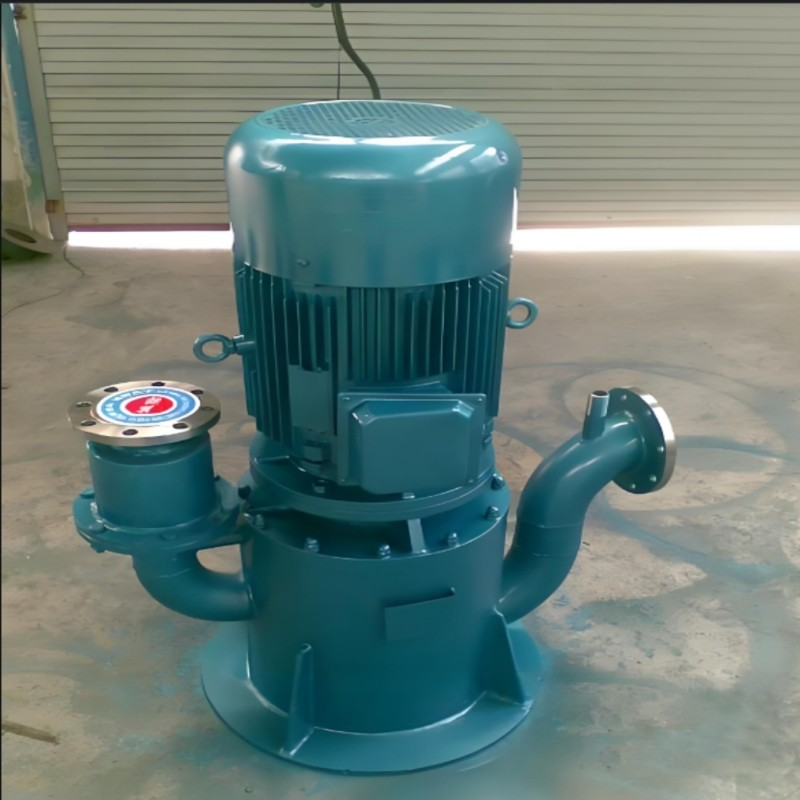
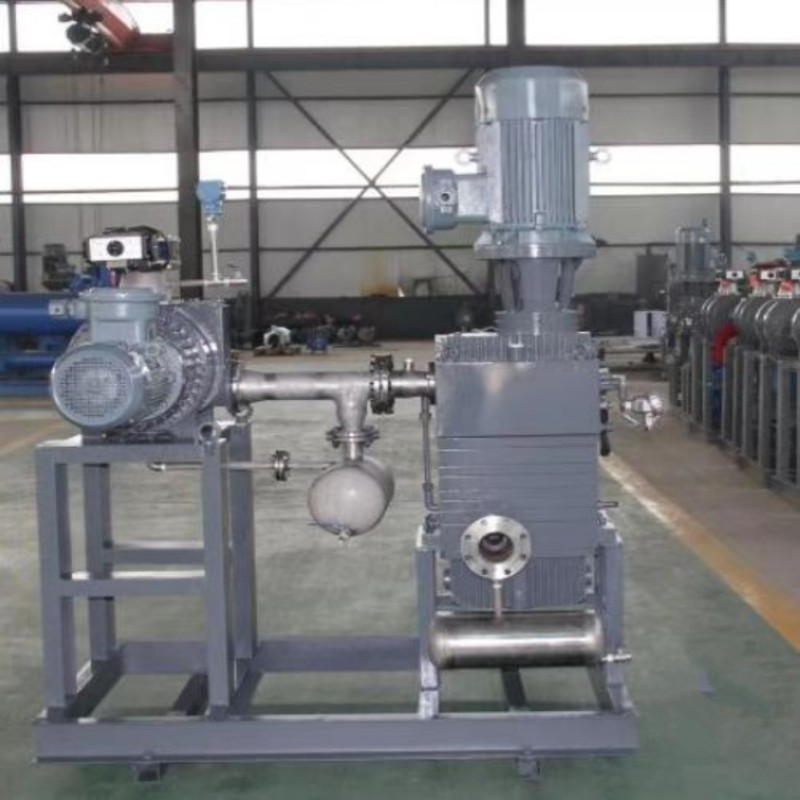
I. Product Applications and Usage Range of the 2X Type Diaphragm Vacuum Pump:
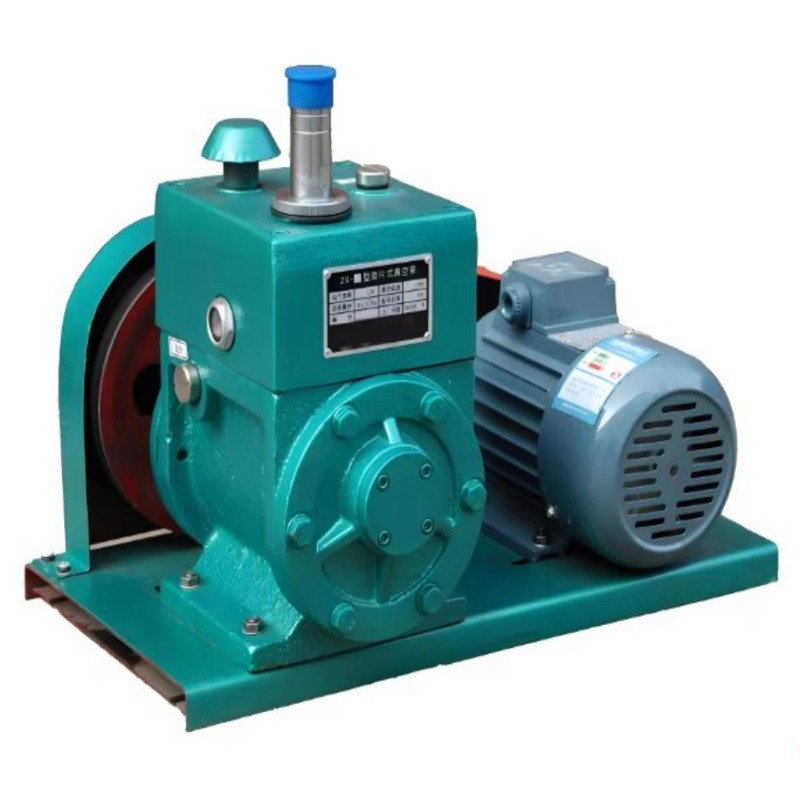
1. The 2X type scroll vacuum pump is a fundamental equipment used to evacuate gases from specific sealed containers, enabling the container to achieve a certain vacuum level. With the significant advancement of modern science and technology, vacuum pumps are extensively applied across various scientific fields and institutions, catering to the needs of research and production as well as teaching in organizations such as metallurgy, chemical industry, light industry, petrochemical industry, medical, pharmaceutical, dyeing and printing, electrical, electronic vacuum, semiconductor, food, atomic energy, and textile research agencies, colleges and universities, and industrial and mining enterprises.
2. Due to the precision and construction from black metal, the operation of the scroll vacuum pump is interconnected as a whole. Therefore, it is not suitable for removing corrosive gases containing high oxygen levels, toxic, explosive, or those that chemically react with vacuum oil, and it should not be used as a compressor or a conveying pump. Pumps with gas-venting devices can remove certain amounts of condensable vapor.
3. Scroll vacuum pumps can be used to directly achieve vacuum levels below 10-3 torr for vacuum operations, as well as for配合 other vacuum operations.
4. Scroll vacuum pumps are generally used in an environment with an ambient temperature not lower than 5°C and relative humidity not exceeding 90%.
Section 2: Structure and Principle of 2X Type Scroll Vacuum Pumps:
Figure 1 illustrates the working principle of a scroll vacuum pump. Rotors 3 and 7 are tangent to the high vacuum exterior 1 and low vacuum interior 6, rotating in the direction of the arrows. This movement drives the scroll vanes sliding within the rotor slots. Due to the force of spring 9 and centrifugal force, the outer ends of the vanes slide tightly against the inner surfaces of the high and low vacuum chambers. This separates the crescent-shaped space between the intake port 2 and exhaust valve 5, and from the over-pressure pipe 4 to exhaust valve 10, forming two or three volumes that periodically change in size. As the scroll vacuum pump continues to rotate as shown, volumes A and C gradually increase, drawing the gas into the pump through the intake port, while volumes B and D decrease, increasing pressure. Subsequently, the exhaust valves 5 and 10 are opened, expelling the gas into the vacuum exterior. The gas passes through the oil surface and is released into the atmosphere, as the oil covers the exhaust valves, preventing the gas from returning to the vacuum chamber. When the suction pressure is high, both valves in the high and low vacuum chambers exhaust, functioning like a single-stage pump. When the vacuum level is high, all gas enters the vacuum chamber and is then expelled through exhaust valve 10, at which point the two-stage series becomes a two-stage pump in operation.