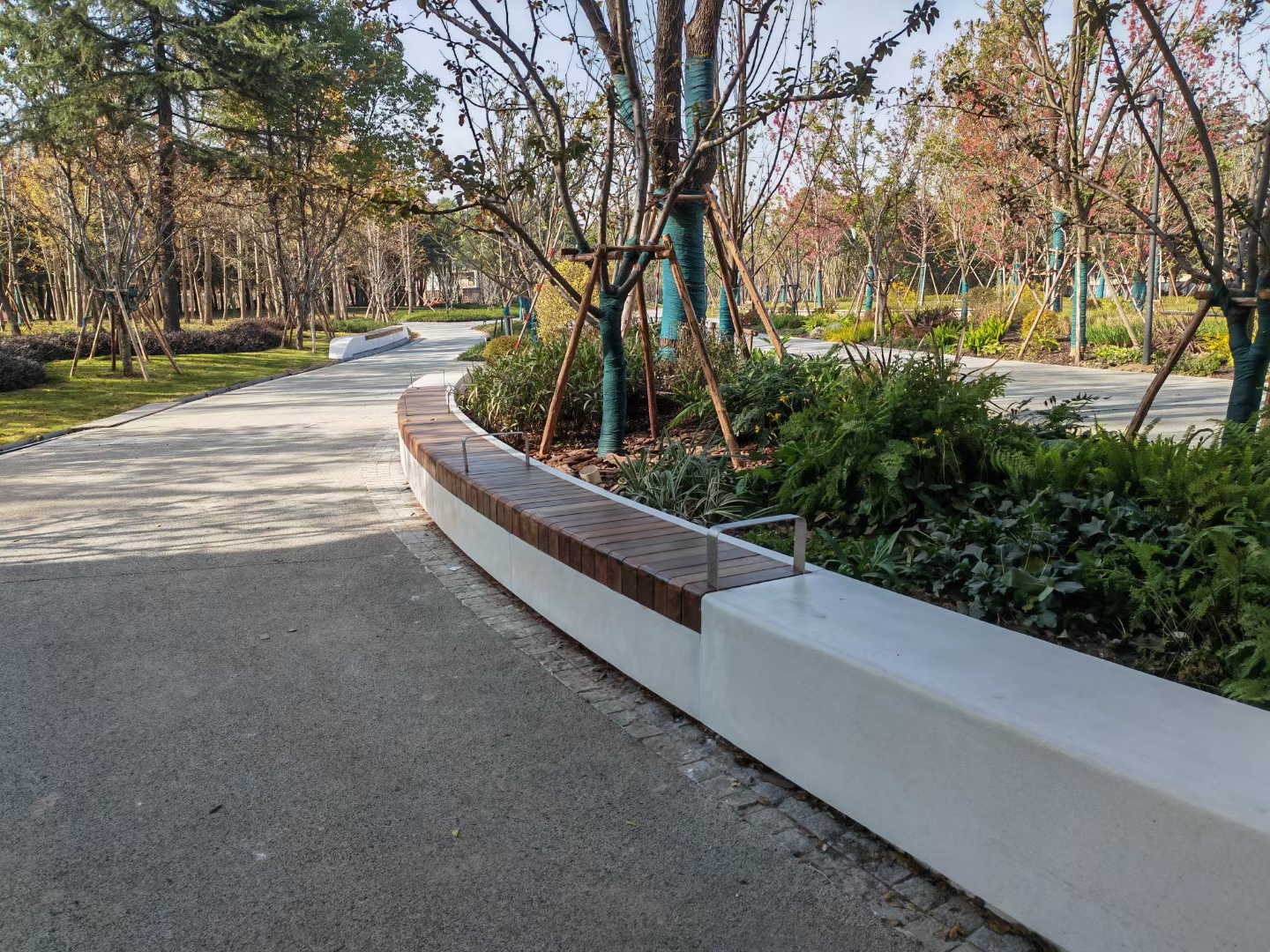

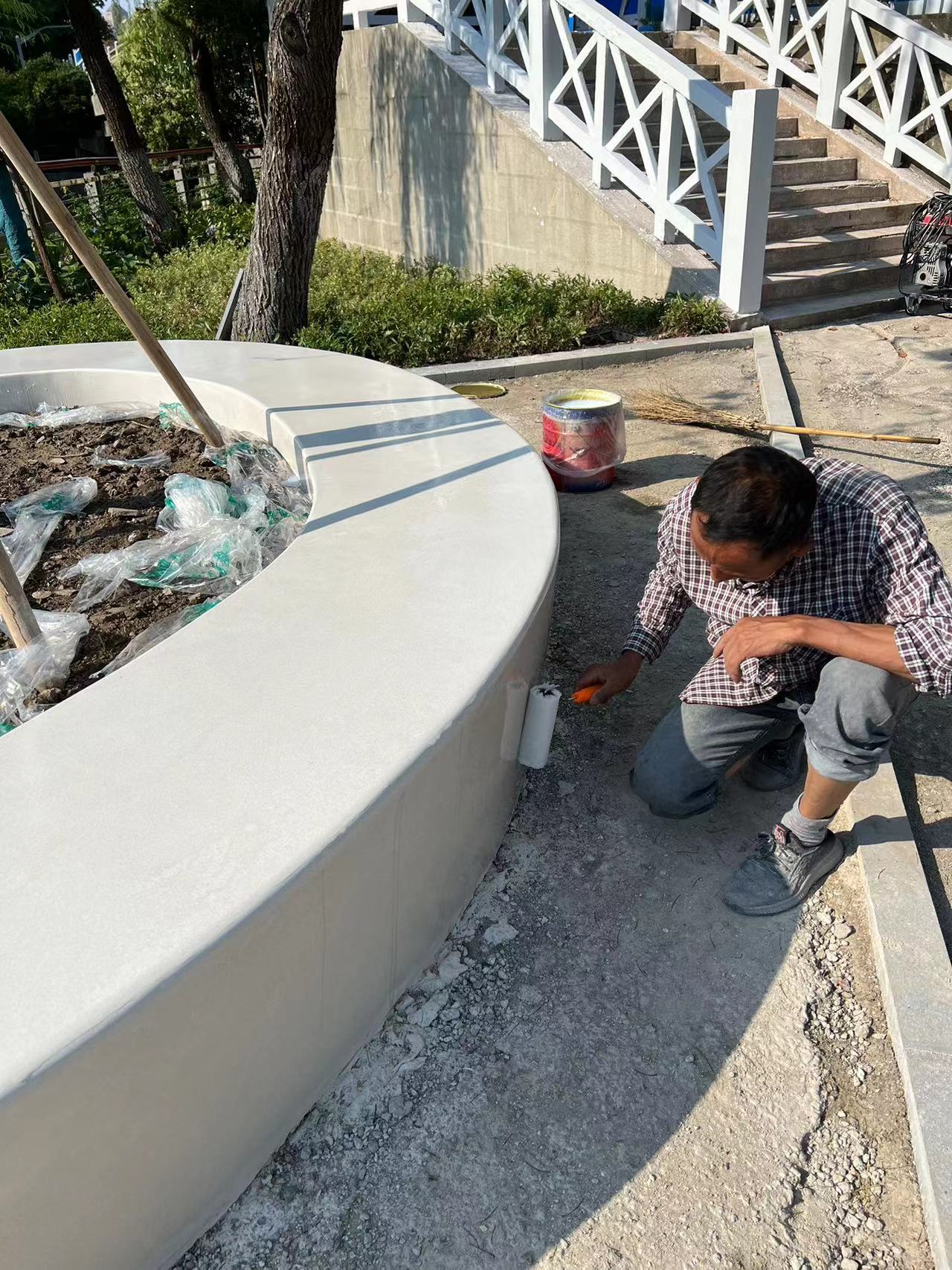
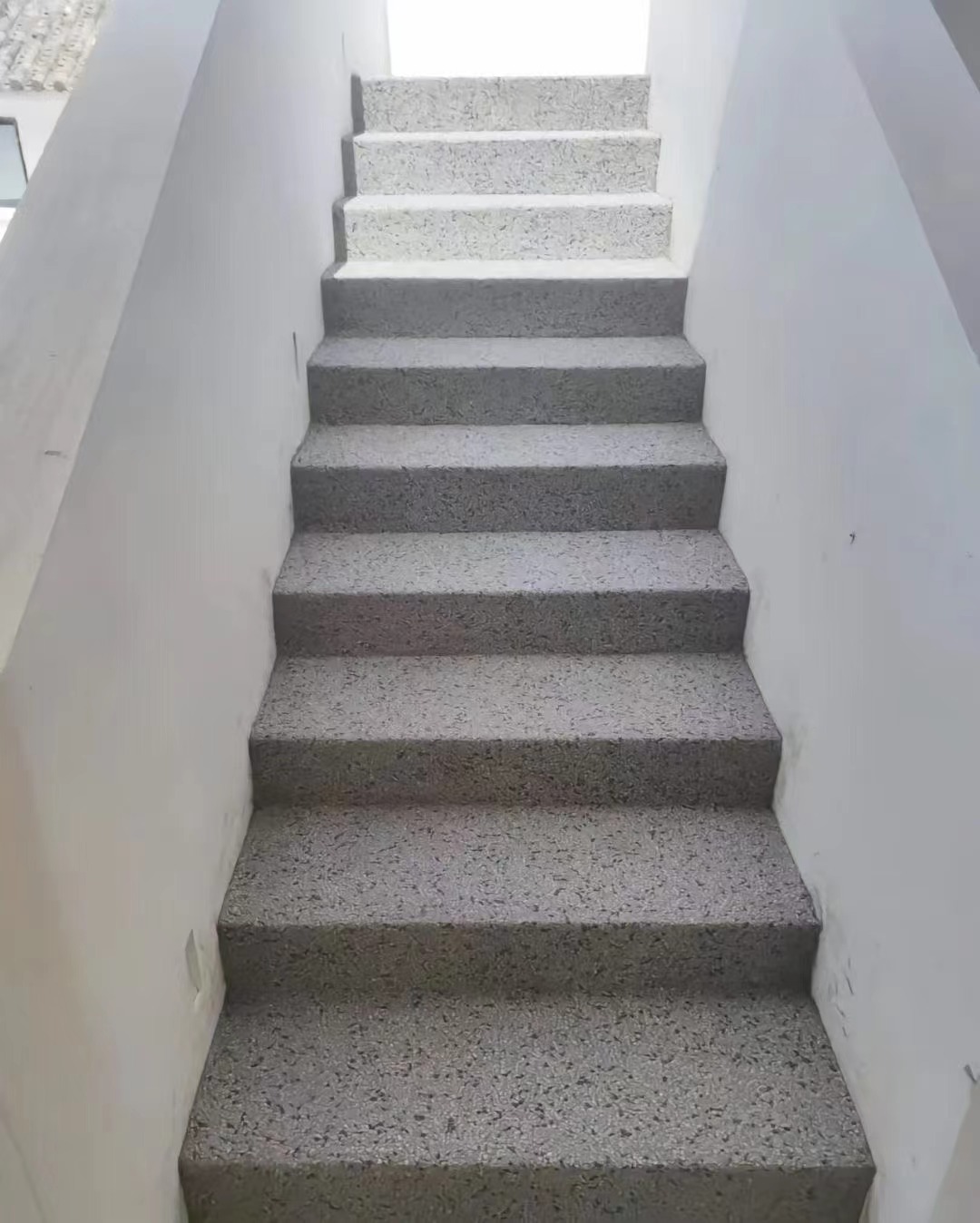


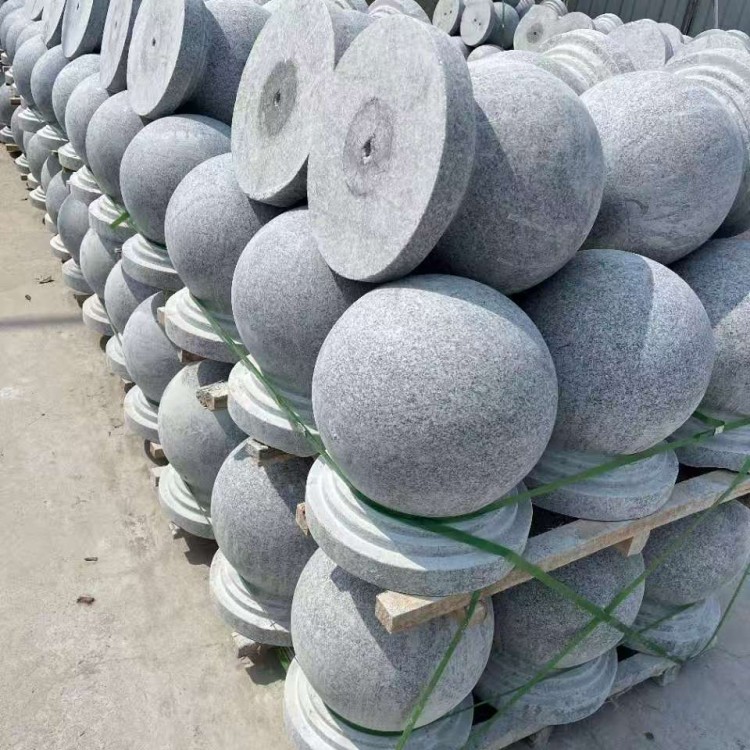







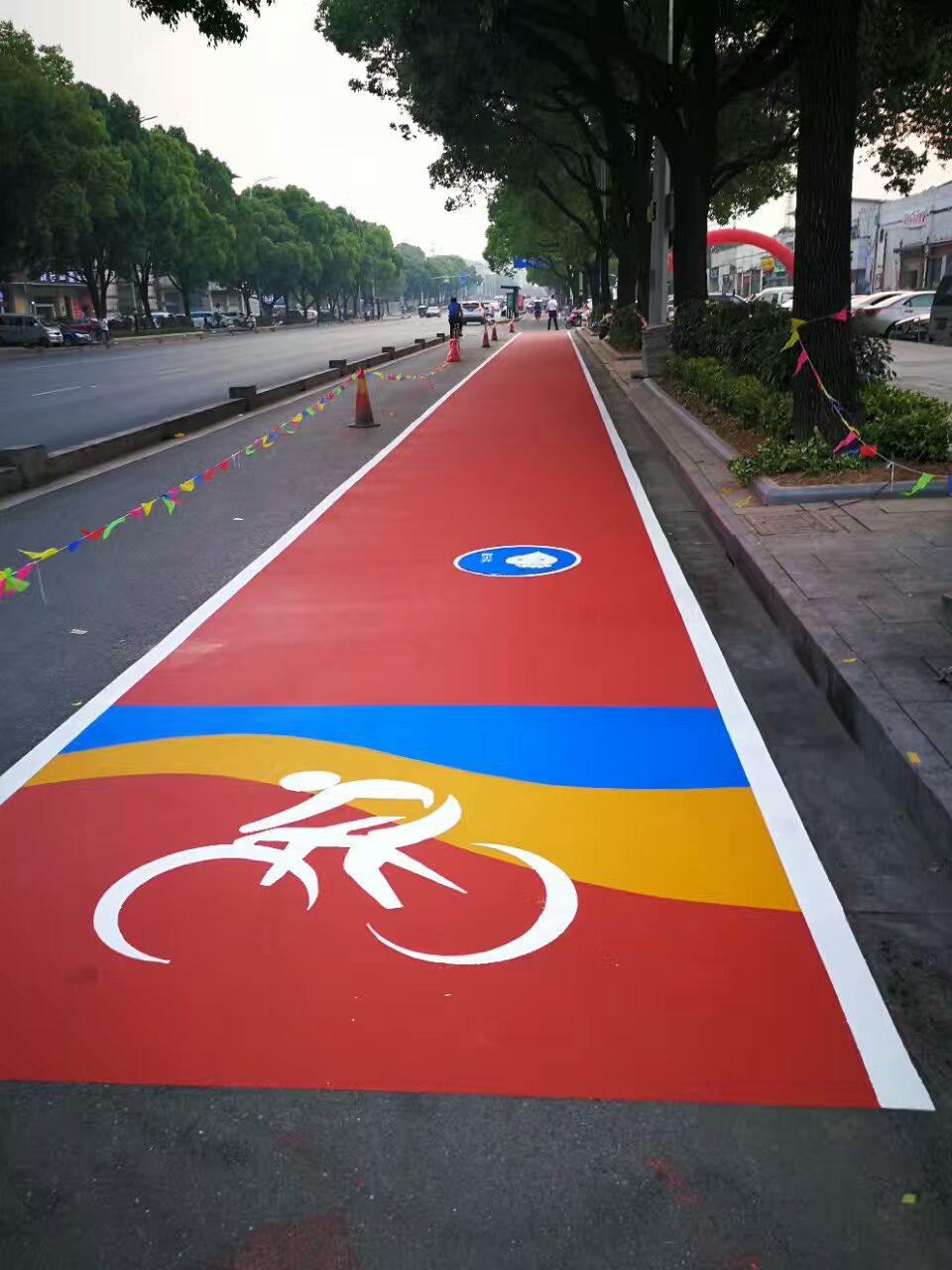
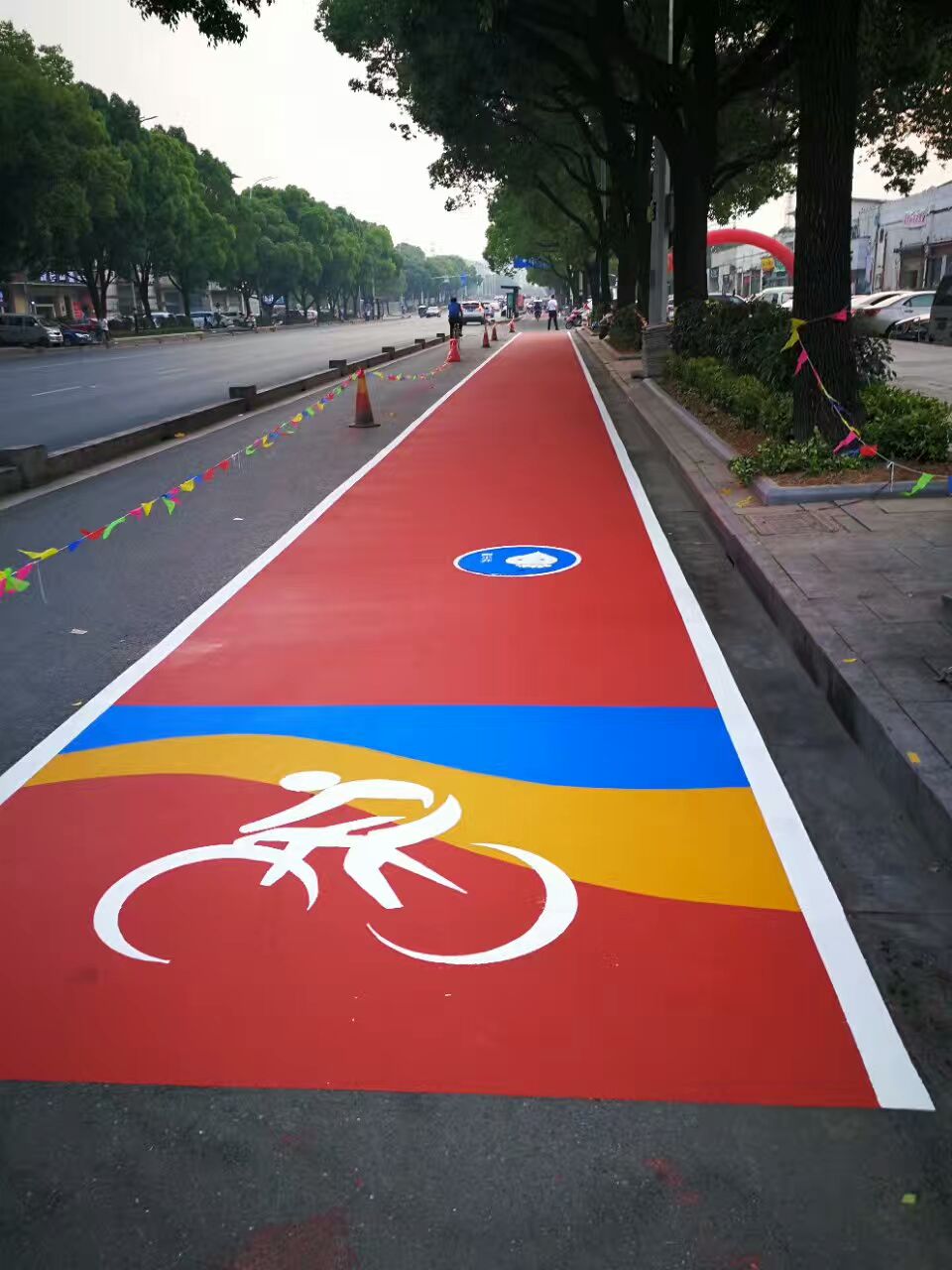
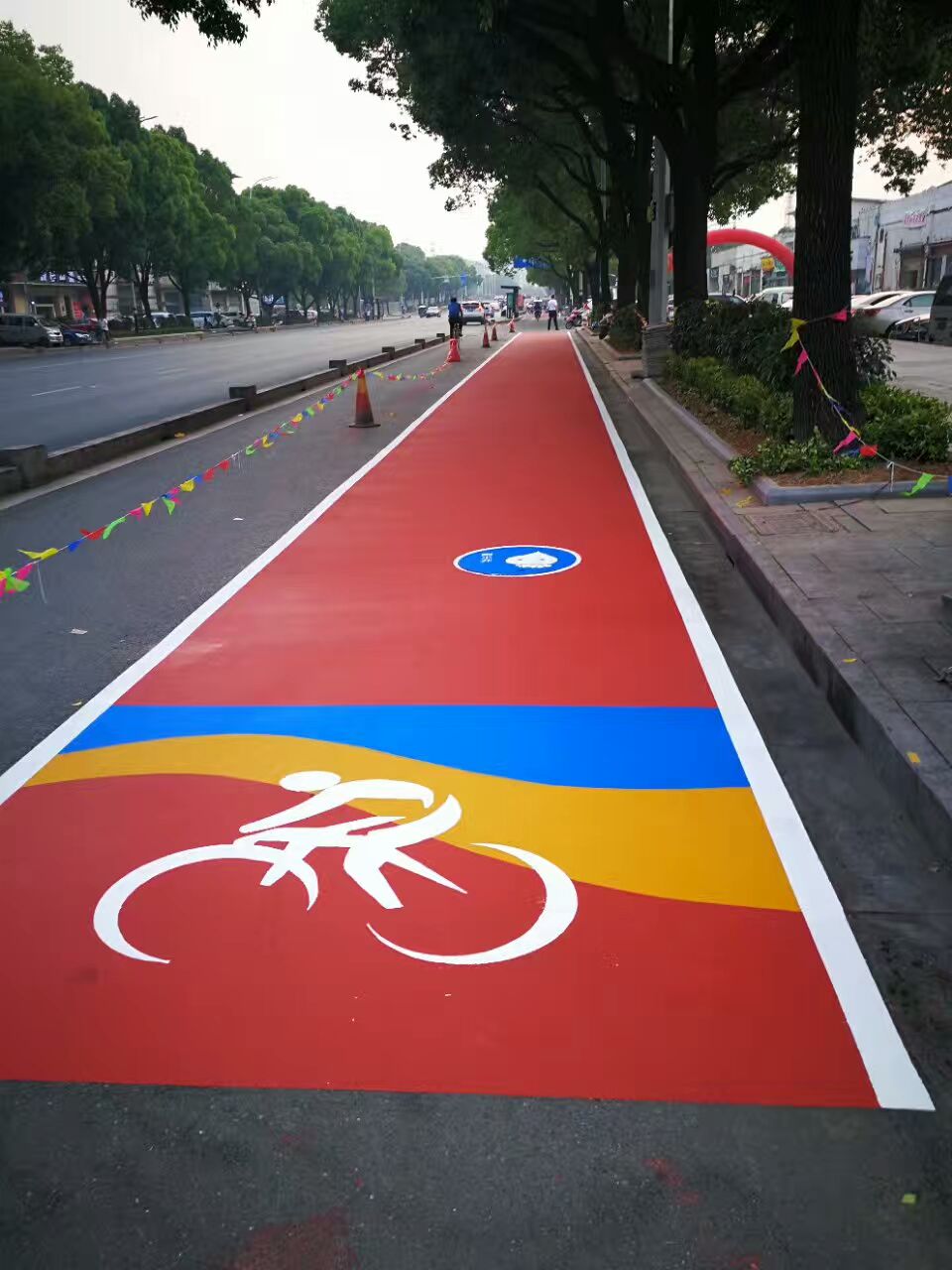
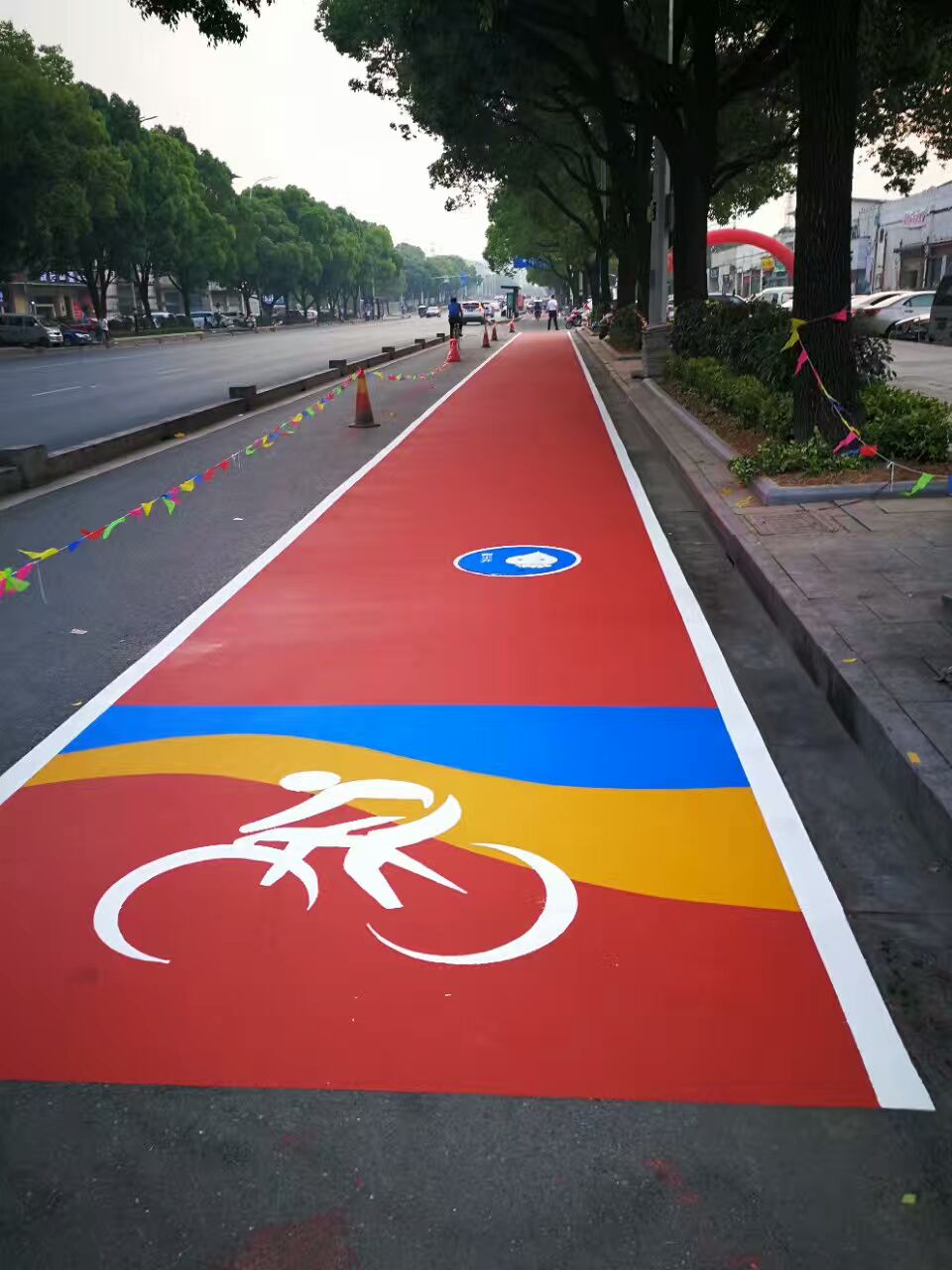
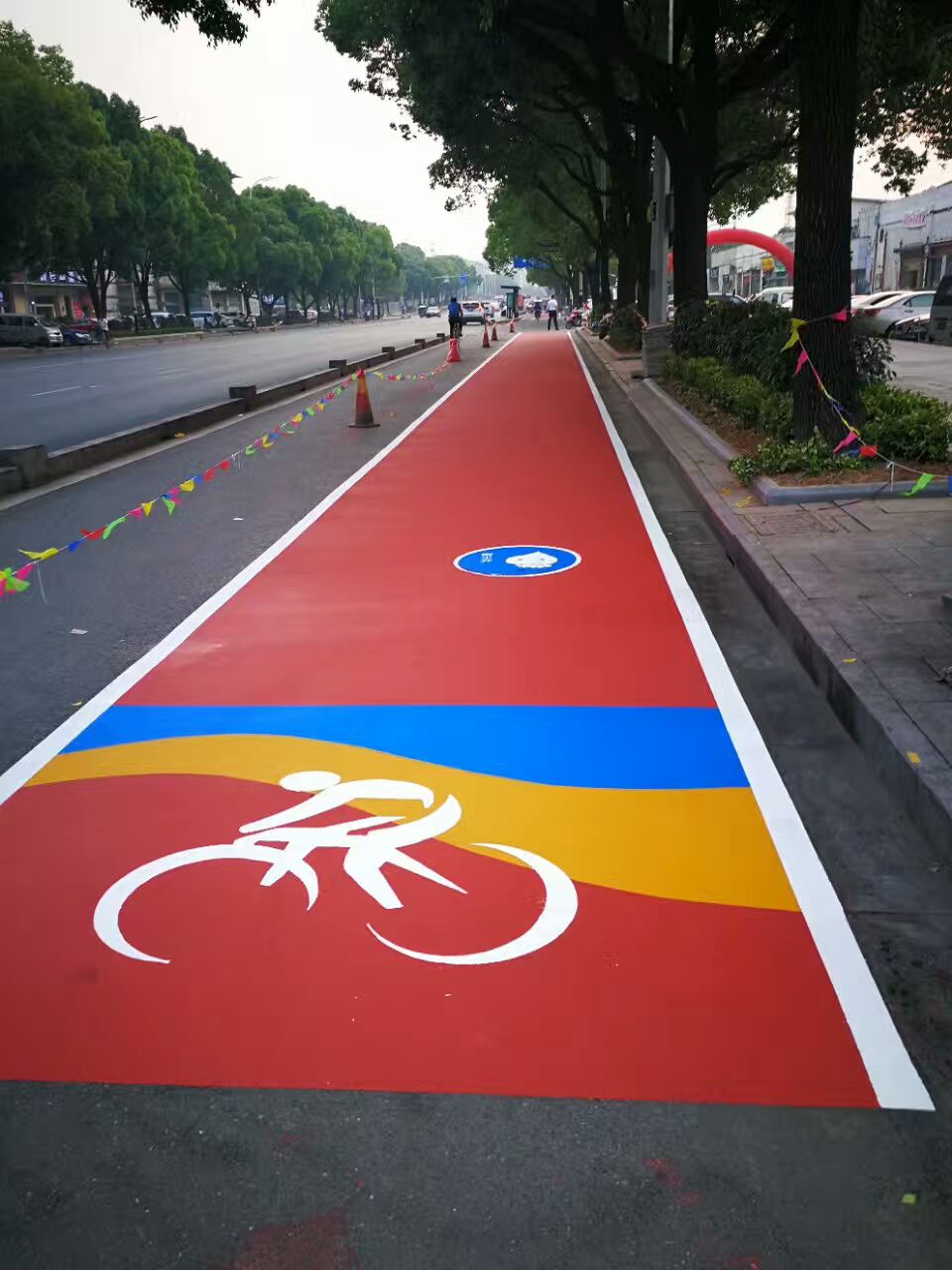
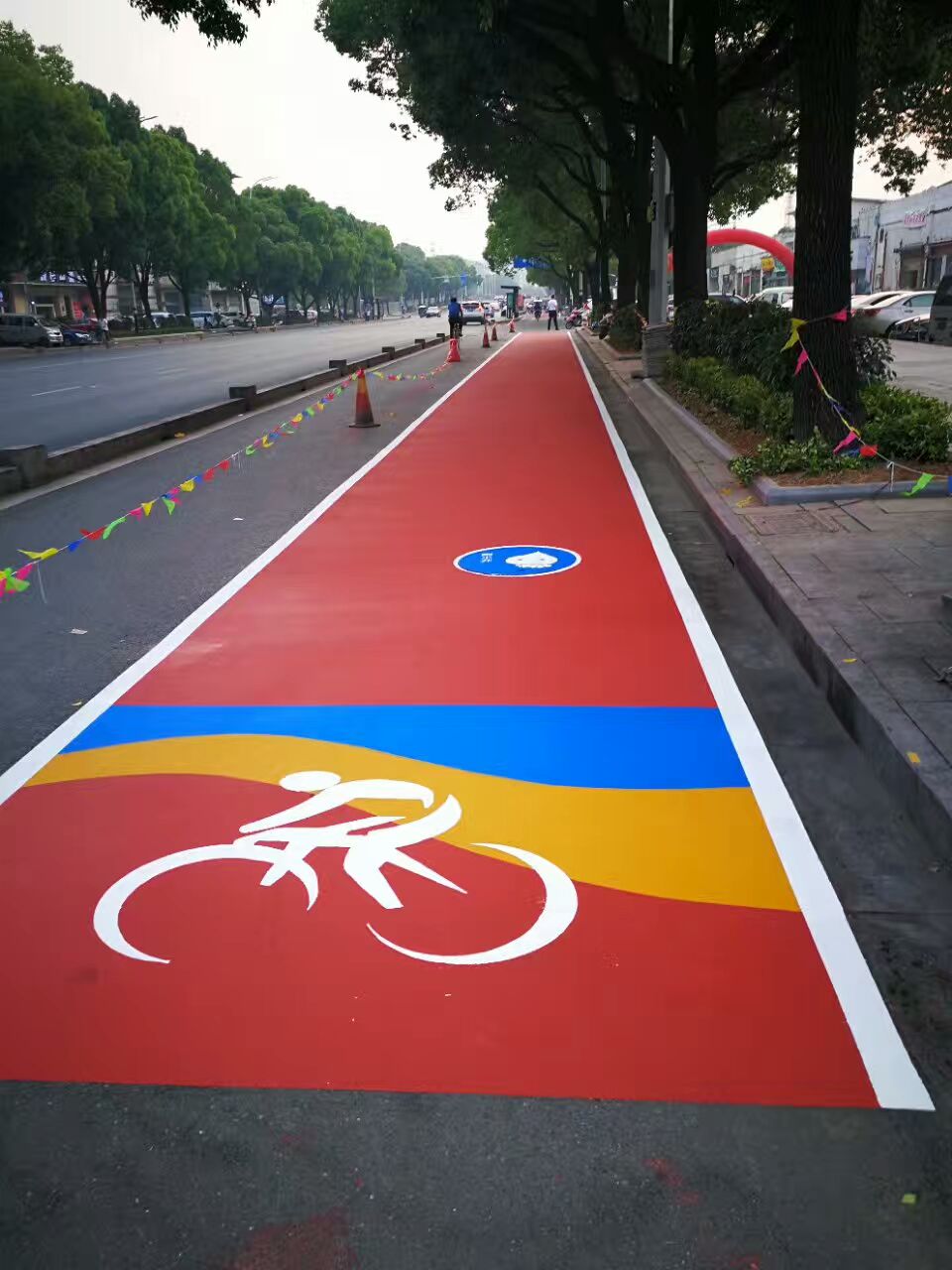
Water-washed stone is a construction technique that has gained increasing popularity in recent years. It primarily involves mixing natural river pebbles or gravels with cement in a proportionate manner and applying the mixture to the base layer. After flattening with a load-bearing tool, the surface adhesive is treated to reveal the natural stone appearance. Due to the wide variety of colors and shapes in its raw materials, it can be used to decorate patterns of various shapes and designs. It is widely used in interior decoration and outdoor landscaping. Some large-area exterior wall renovations also employ water-washed stone, conveying a sense of natural simplicity.

1. Prior to construction, the subgrade is cleaned, removing dirt and debris, which is done by washing with water.
2. Transport the mixed washed stone material prepared by the mixer to the site.
3. Spread the washed aggregate mixture evenly, slightly elevated above the sides of the curbstones.
4. After laying is complete, use a sturdy, straight wooden ruler to level it out.
5. Level the pavement with an iron trowel until cement froth appears on the surface.
6. Remove the cement laitance from the road surface using an absorbent sponge, applying even pressure with your hand.
7. Roadwork completed

Protective Maintenance:
Pavement should be watered and maintained periodically during hot weather, with the need for cutting and sealing treatment every 3-5 days. If necessary, apply a sealing protective agent and dye it for brighter and shinier color (depending on the pavement's safety and anti-slip properties). During the maintenance stage, it is imperative to prohibit unauthorized personnel from entering or conducting construction operations for other projects.

TrueStone Litaite is characterized by high-strength white cement as the main binder, mineral fine aggregates, stone aggregates, and standard mold forming technology. Its application range is wide, suitable for construction and municipal projects. TrueStone Litaite is a type of decorative PC component. Due to its excellent plasticity and expressiveness, it is widely used in municipal landscapes, urban furniture, and architectural exterior applications. It is an ideal green building material, with customizable shapes, textures, and colors.