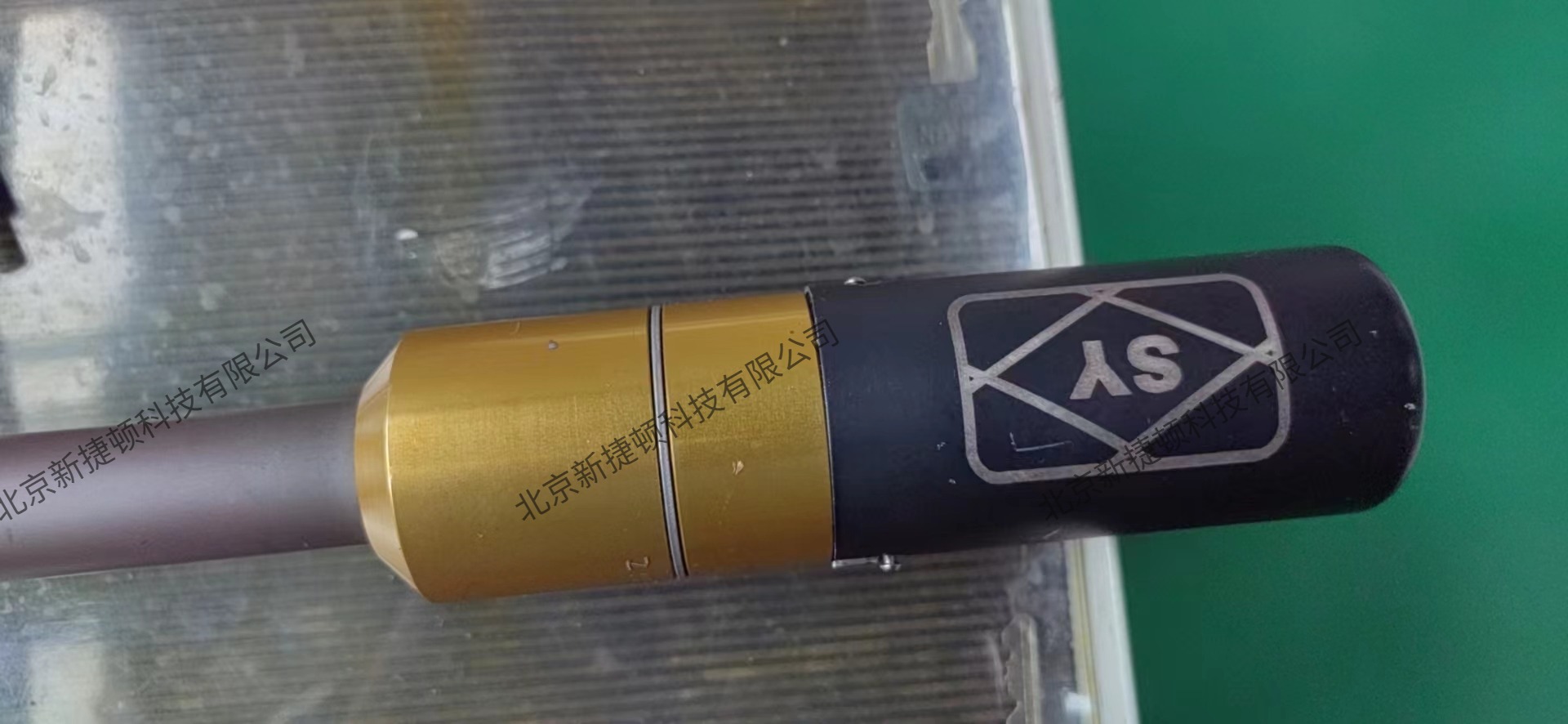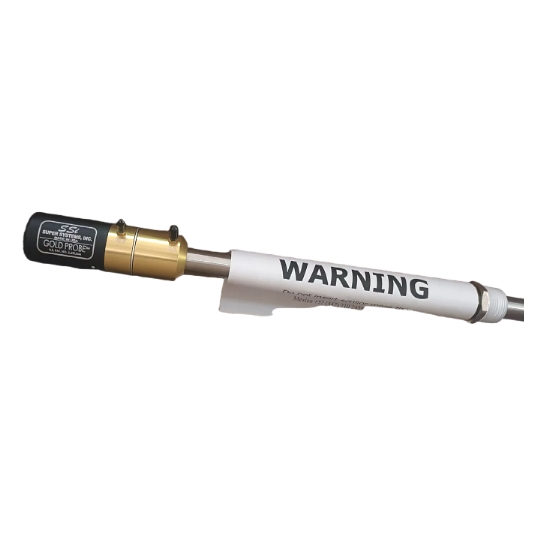

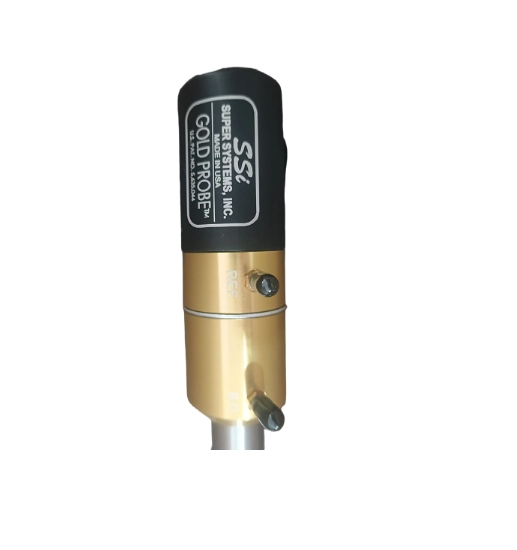
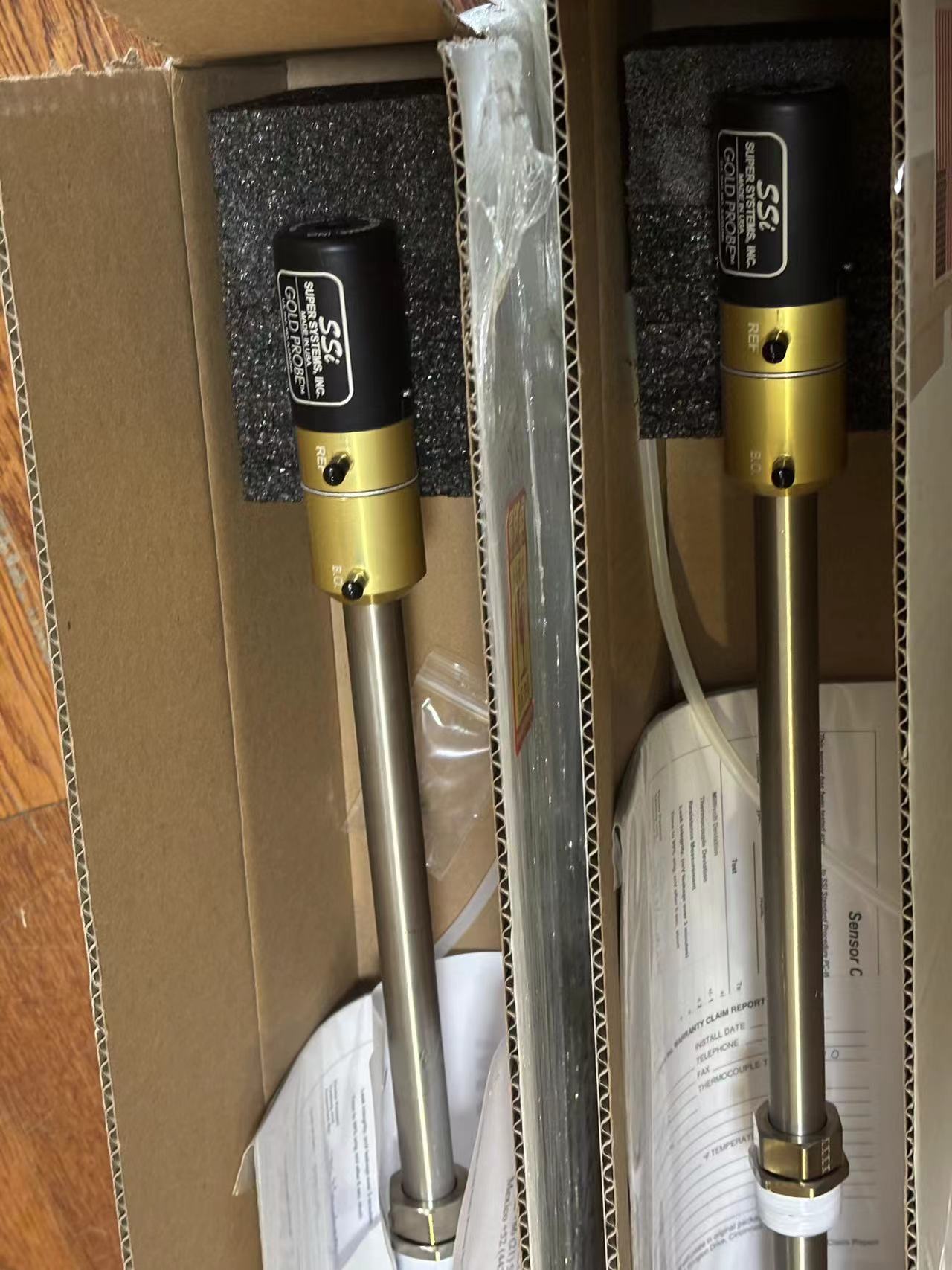


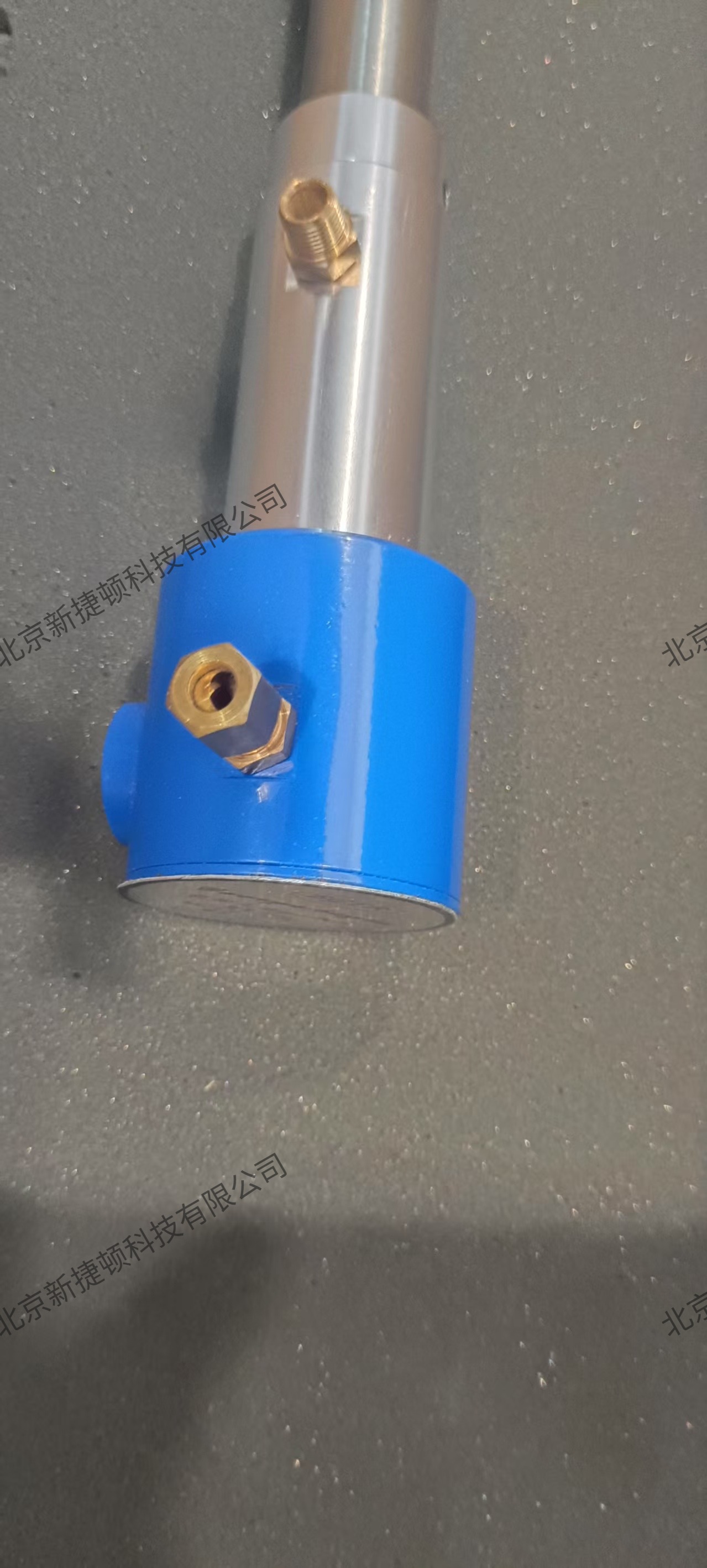
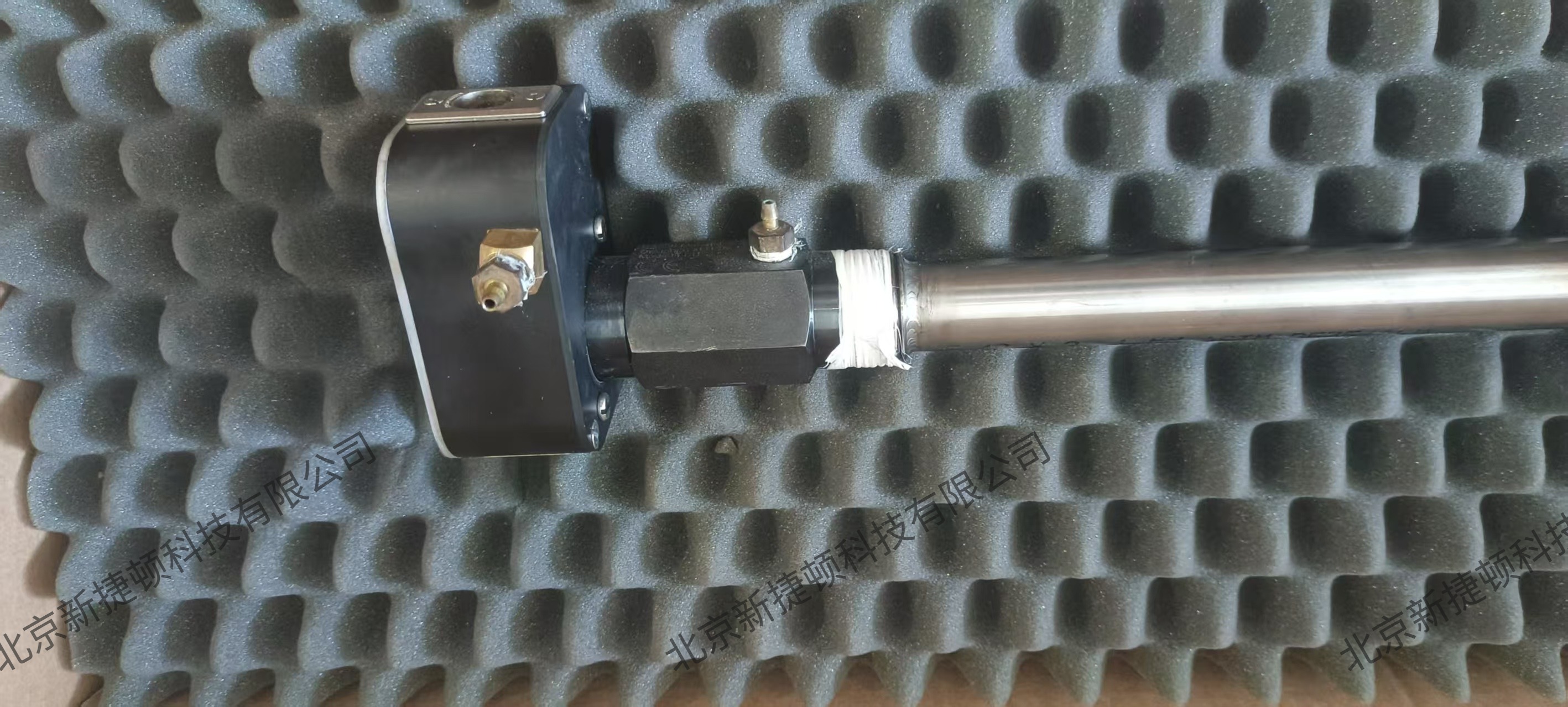
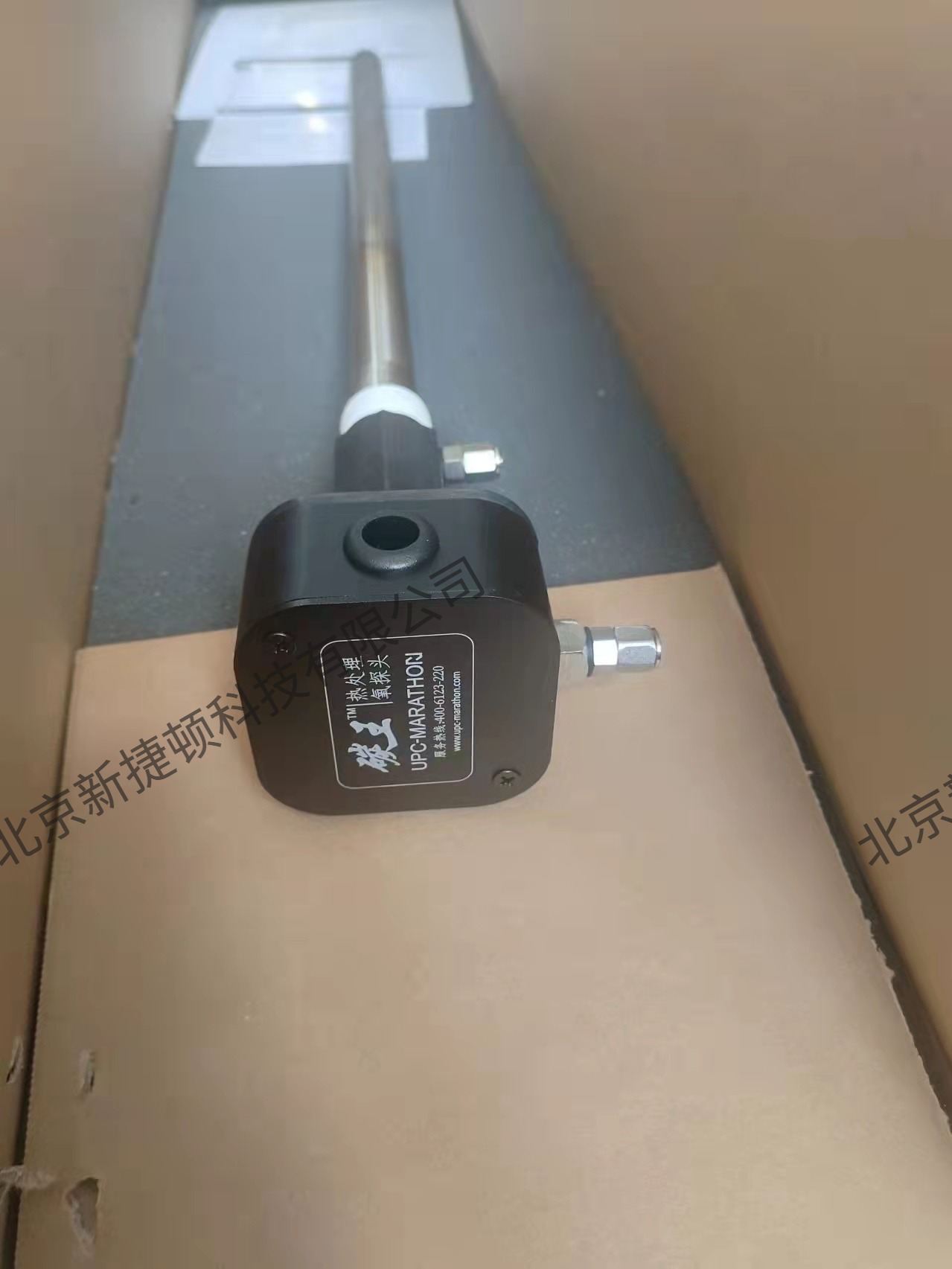
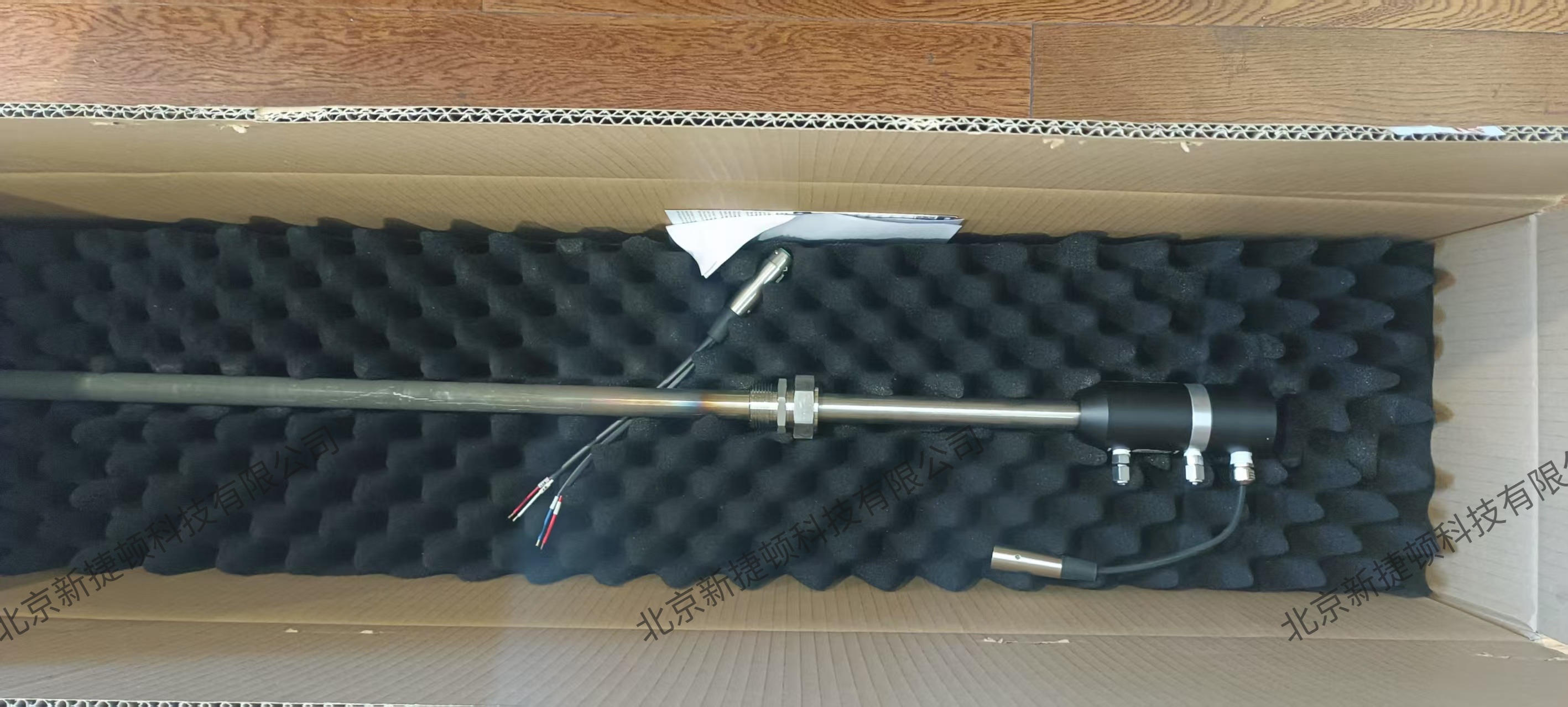





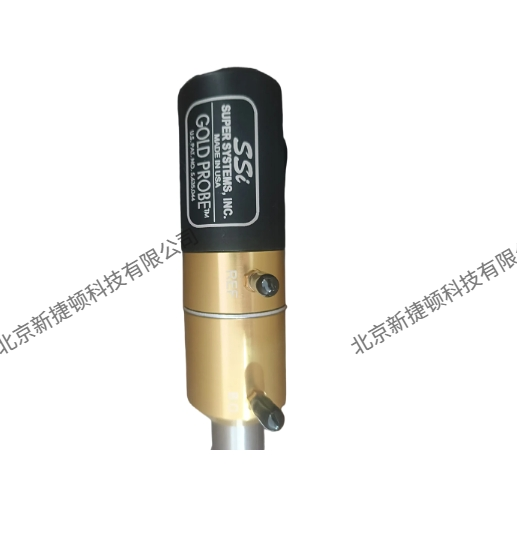
The SSI oxygen probe utilizes zirconia (ZrO2) as the solid electrolyte, operating at temperatures typically between 700°C and 1100°C. When the temperature exceeds 650°C, zirconia becomes a solid electrolyte battery. With different oxygen partial pressures on the inside and outside, a concentration difference potential (E) is generated across the inner and outer electrodes. This potential is directly proportional to the oxygen partial pressure difference, thereby enabling the measurement of oxygen concentration.
Widely used in industrial process control and laboratory fields, particularly in industries such as heat treatment, metallurgy, chemical engineering, and automotive manufacturing. Its core principle is based on the characteristics of zirconia solid dielectric batteries, determining oxygen concentration by measuring the oxygen partial pressure difference between the inside and outside at high temperatures.