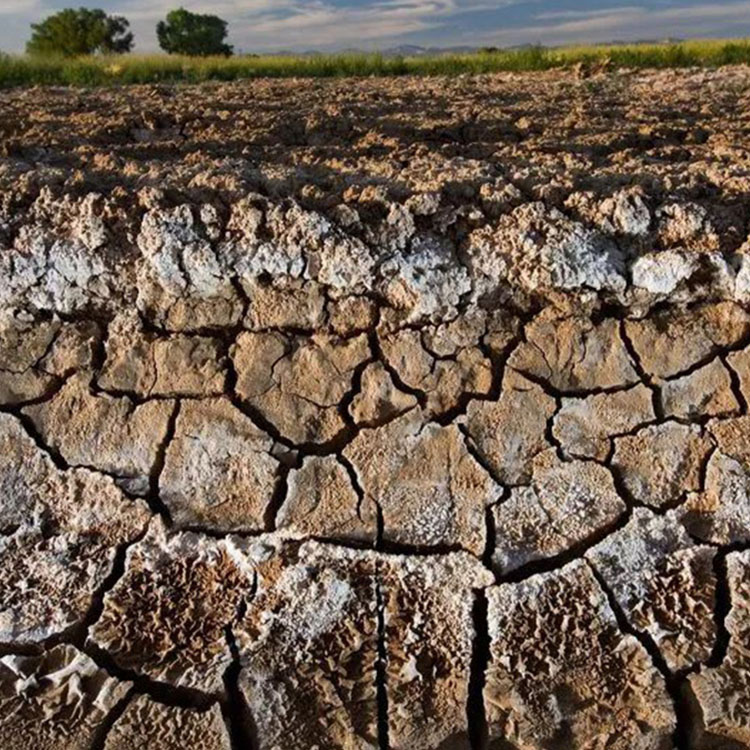

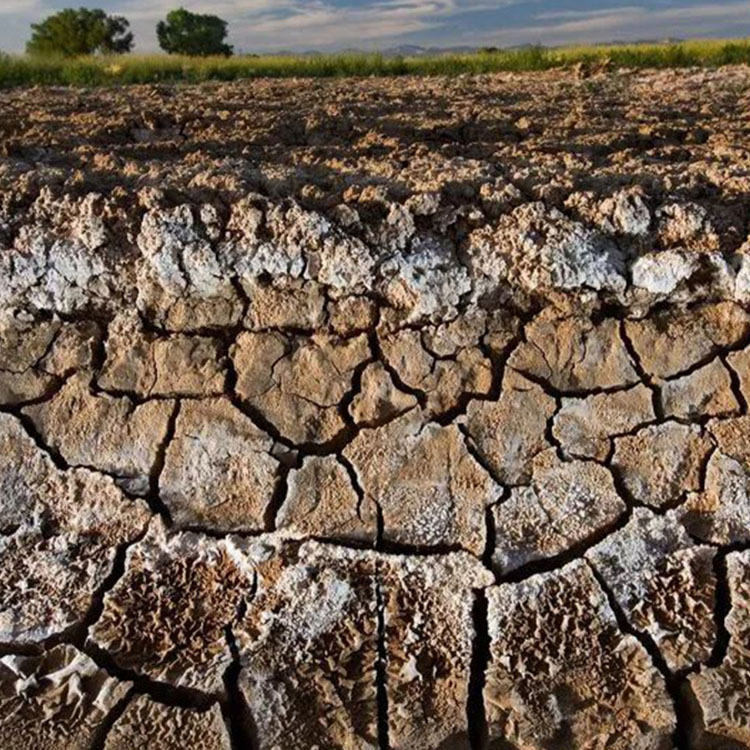

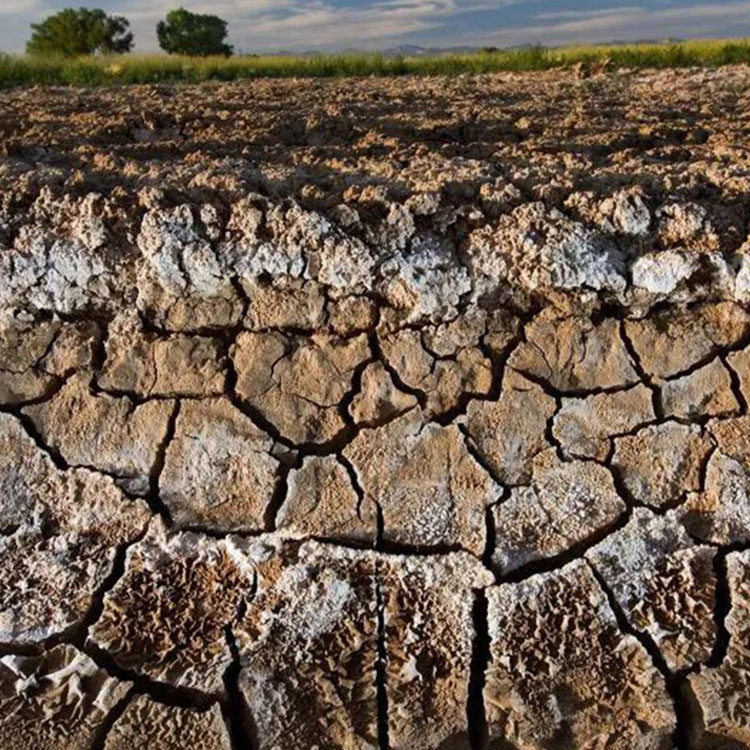








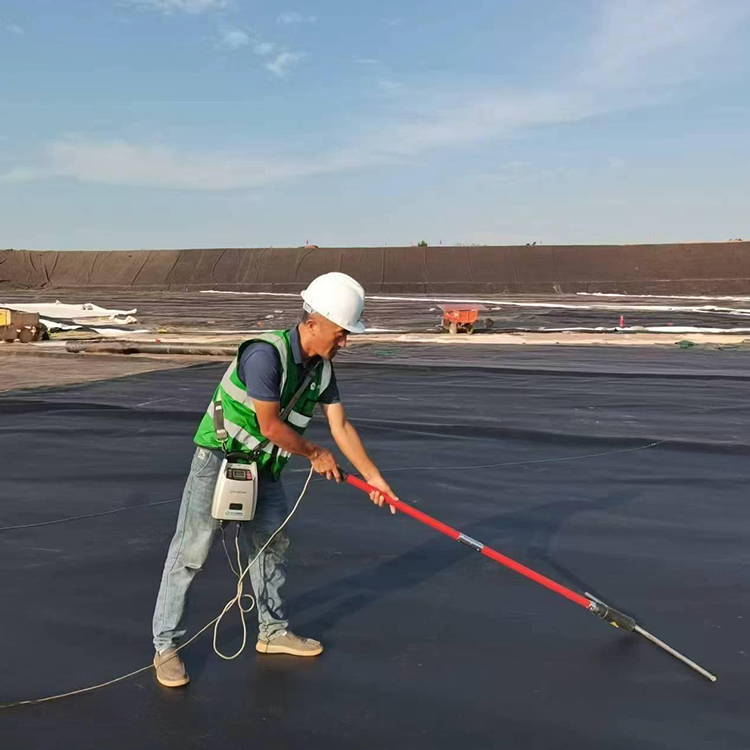
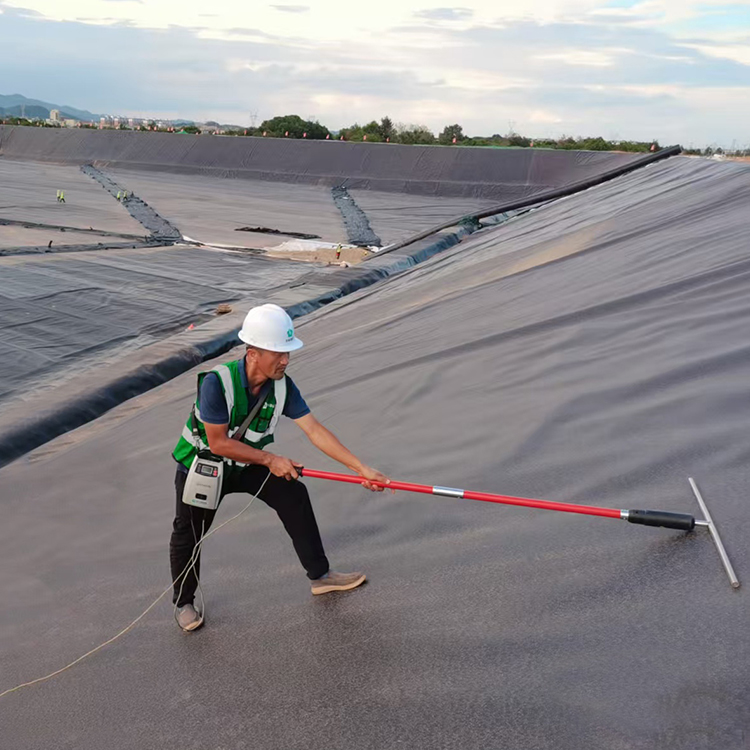
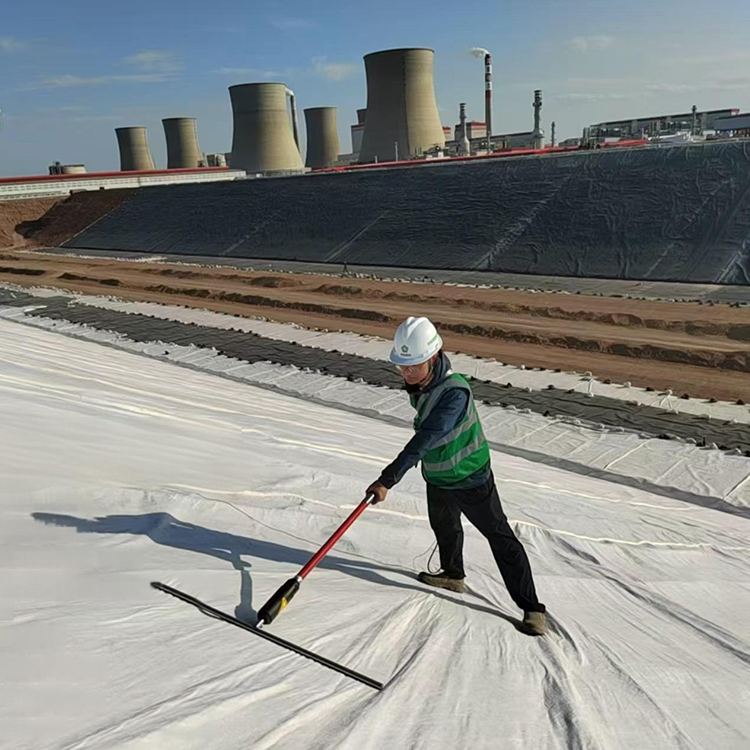

Soil environmental pollution investigation and assessment refers to the process of systematically analyzing and evaluating the types, concentrations, distribution, and potential risks of pollutants in soil environments through scientific methods. Its purpose is to identify the status of soil pollution, determine the sources of pollution, assess ecological and health risks, and provide a basis for pollution control and rational land use.
Main Content and Steps
Purpose of the Survey
Confirm pollution scope and severity
Identify sources of pollutants (such as industrial emissions, agricultural fertilizers, waste landfilling, etc.)
Assess potential threats to the ecosystem, crops, and human health
Data support for corrective or control measures
Survey Respondents
Key RegionsIndustrial legacy sites, mining areas, landfill sites, farmlands, and other high-risk zones.
Types of PollutantsHeavy metals (lead, cadmium, etc.), organic pollutants (petroleum hydrocarbons, pesticides, polycyclic aromatic hydrocarbons, etc.), and other harmful substances.
Survey Process
Preliminary investigation(Pollution Identification): Preliminarily assess the possibility of pollution through historical data, site inspections, and interviews.
Comprehensive investigation(Sampling Analysis): Collect soil samples by grid or zone, then test for pollutant concentrations in the lab.
Risk AssessmentQuantify health risks by combining the toxicity of pollutants, migration pathways (such as groundwater and crop absorption), and the exposed population.
Results ApplicationDevelop repair plans, delineate control zones, or adjust land use patterns.
Technical Method
Sampling TechnologyDrilling, cross-section sampling, groundwater monitoring, etc.
Testing MethodsChemical analysis (such as ICP-MS heavy metal detection), biological toxicity testing.
Data AnalysisGIS (Geographic Information System), pollution diffusion models, risk assessment models.
Regulations and Standards
Various countries/regions have corresponding standards, such as China's "Soil Environmental Quality - Risk Control Standards for Soil Pollution on Construction Land" (GB 36600-2018).
Legal Basis: Such as the "Soil Pollution Prevention Law" (China), the "Superfund Law" (USA), and others.
Application Scenarios
Industrial land redevelopmentAfter the factory relocation, the soil must be assessed for suitability for residential or commercial use.
Agricultural SafetyTest farmland for heavy metal contamination to prevent crop overstandardization and ensure food safety.
Emergency Pollution IncidentRapidly assess the extent of contamination following an unexpected leakage incident.
Through scientific assessment, we can avoid long-term harm to human health and the ecological environment caused by pollution, while promoting the safe reuse of land resources and contributing to sustainable development.