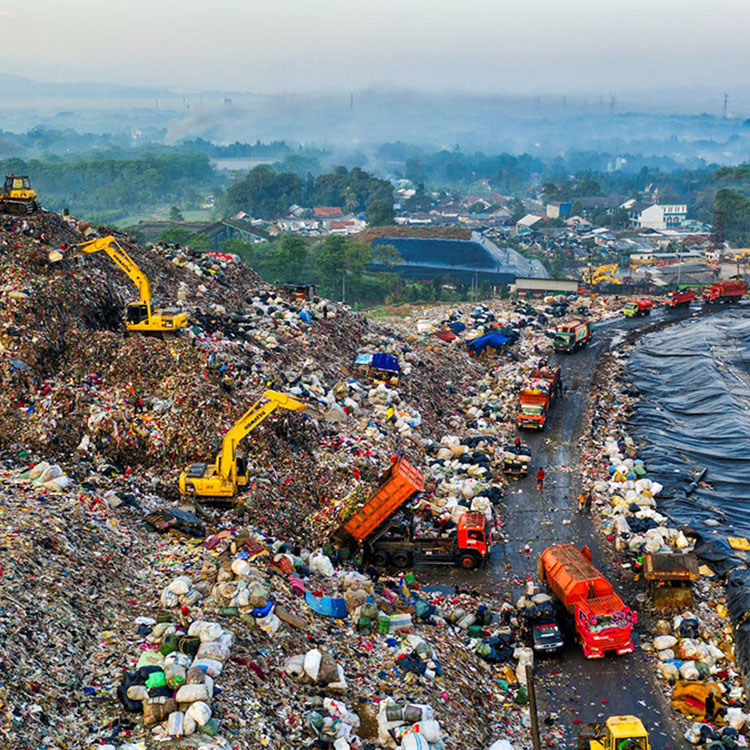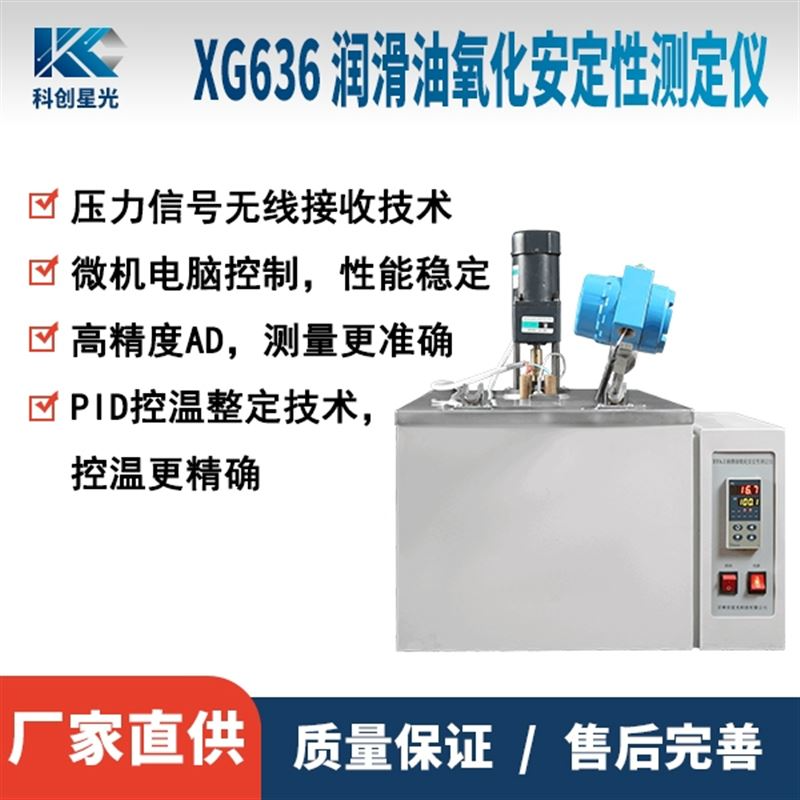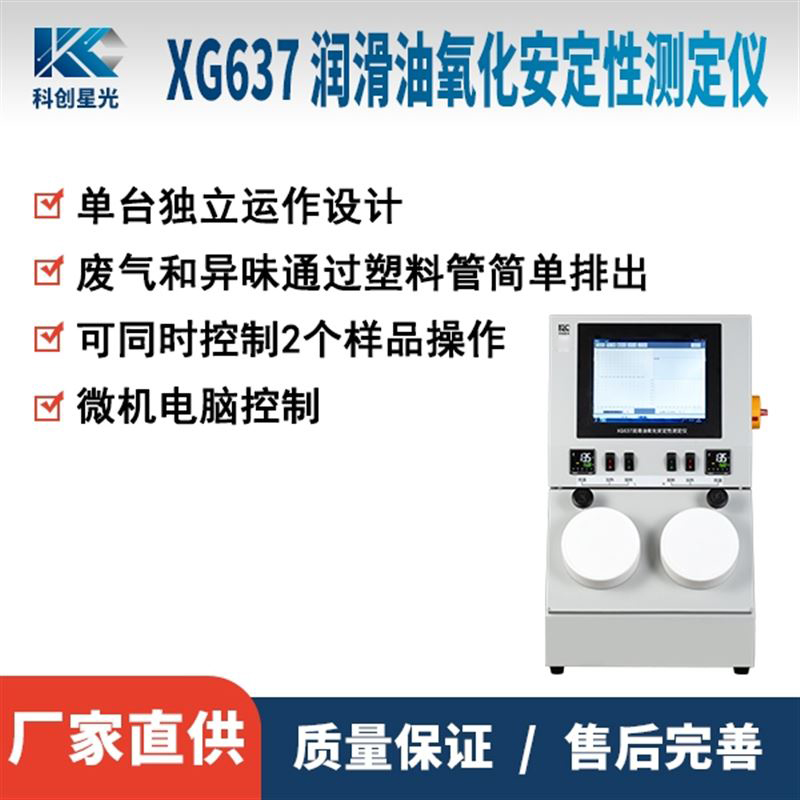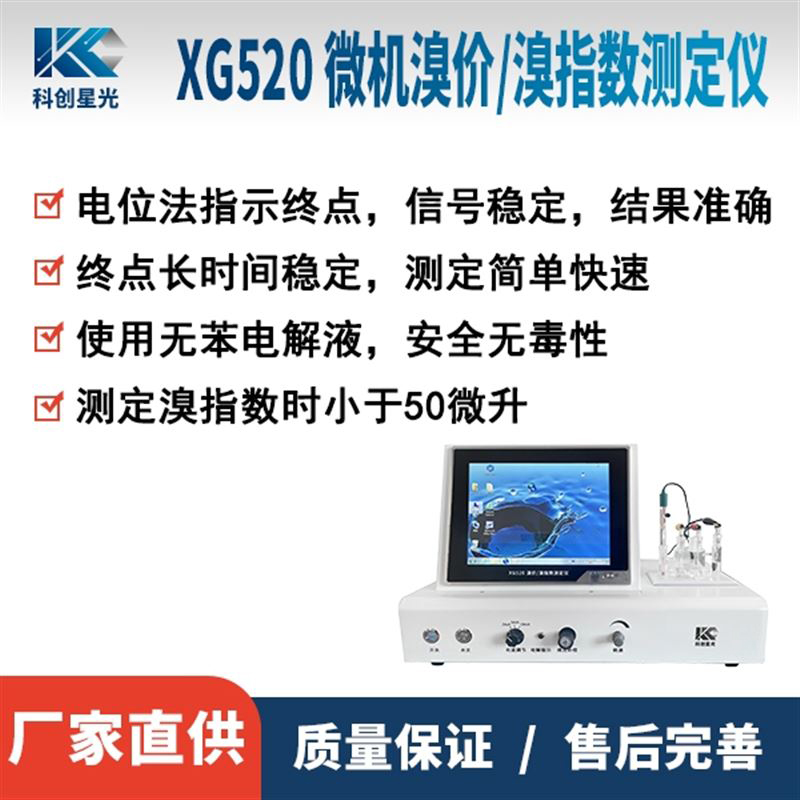

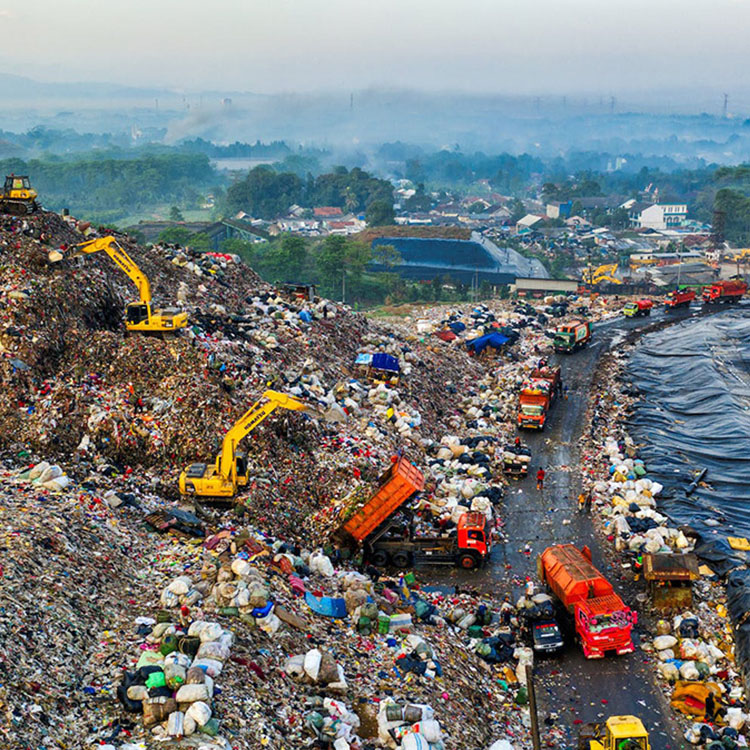

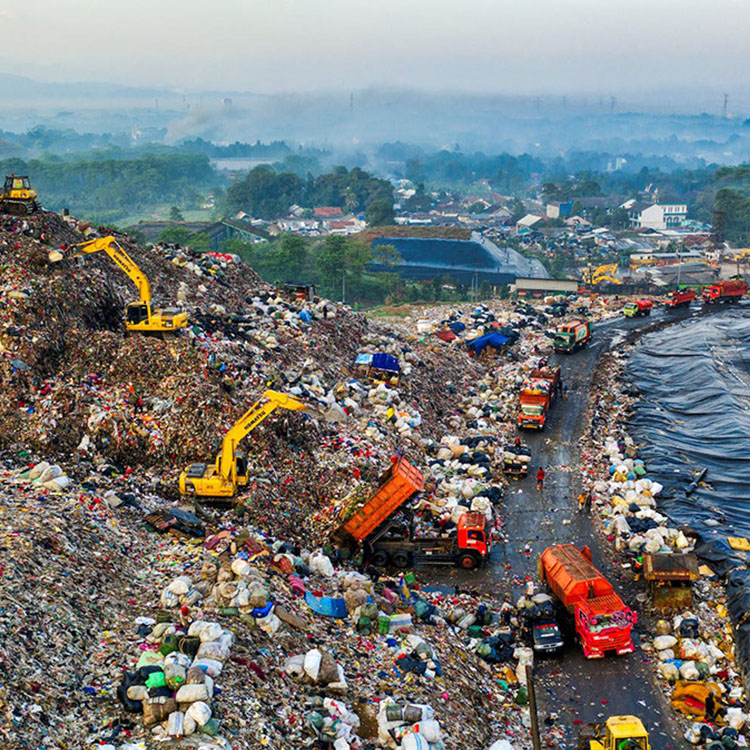







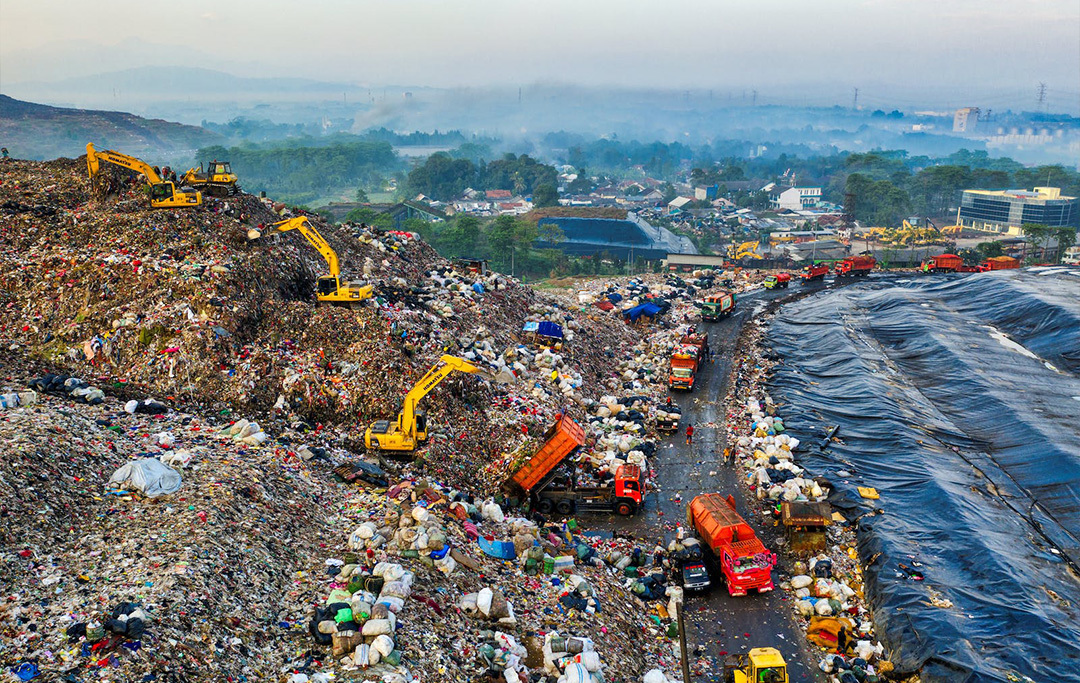
The landfill environmental safety assessment is a process that employs systematic scientific methods and technical means to identify, monitor, and prevent risks throughout the entire lifecycle of a landfill, from design, construction, operation, to post-closure. Its core objective is to ensure that the landfill does not pose harm to the surrounding environment (such as soil, groundwater, atmosphere, and ecosystems) and human health during operation, while also complying with legal regulations and engineering safety requirements.
I. Purpose of Evaluation
Pollution PreventionPrevent leachate, landfill gas, and other pollutants from leaking, to avoid soil, groundwater, and air contamination.
Engineering SafetyEnsure structural stability of landfill (e.g., slopes, impermeable layers, drainage systems).
Compliance ManagementMeets national and local environmental protection regulations: Party B complies with the "Pollution Control Standard for Waste Landfill" (GB16889-2024) and the "Technical Requirements for Environmental Monitoring of Sanitary Waste Landfill" (GB/T18772-2017).
Risk AlertPrevent potential hazards (such as leaks, gas accumulation, uneven settlement) in advance to reduce the probability of accidents.
Public Health ProtectionReduce the impact of harmful gases (methane, hydrogen sulfide) and pollutants (heavy metals, VOCs) on surrounding residents.
II. Evaluation Content
The landfill environmental safety assessment must cover the following key areas:
Leakproof system integrity
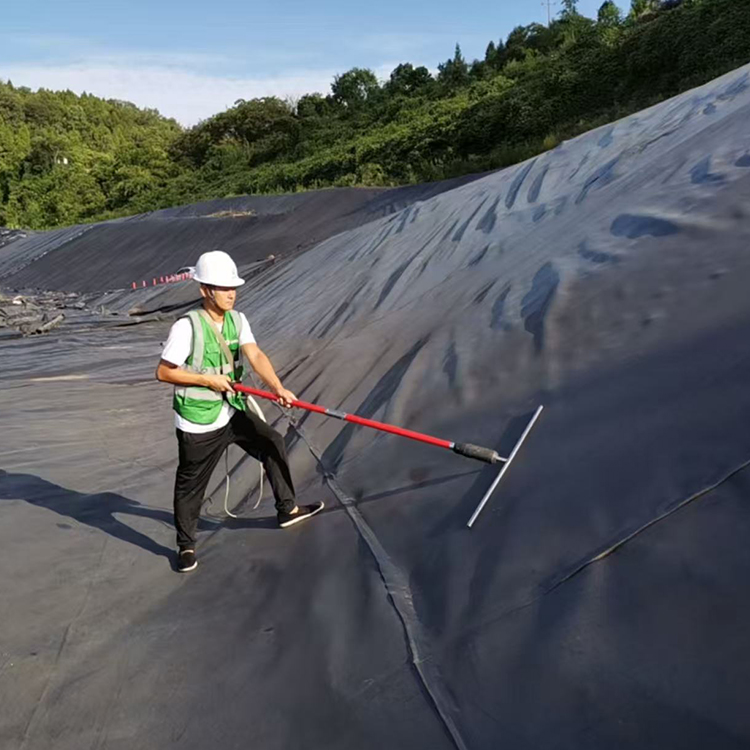
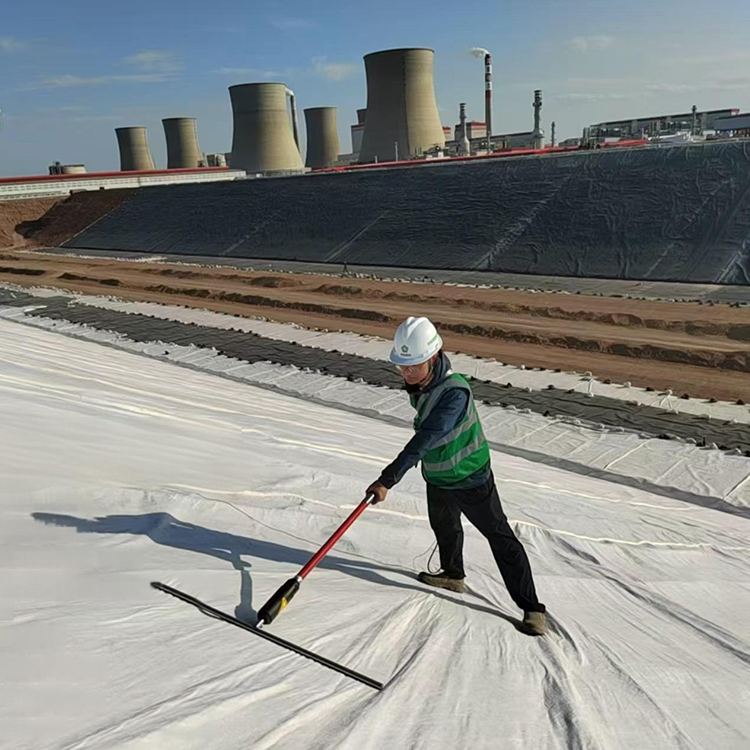
Inspection ObjectGeotextile膜 (HDPE), clay liner, composite impermeable structures.
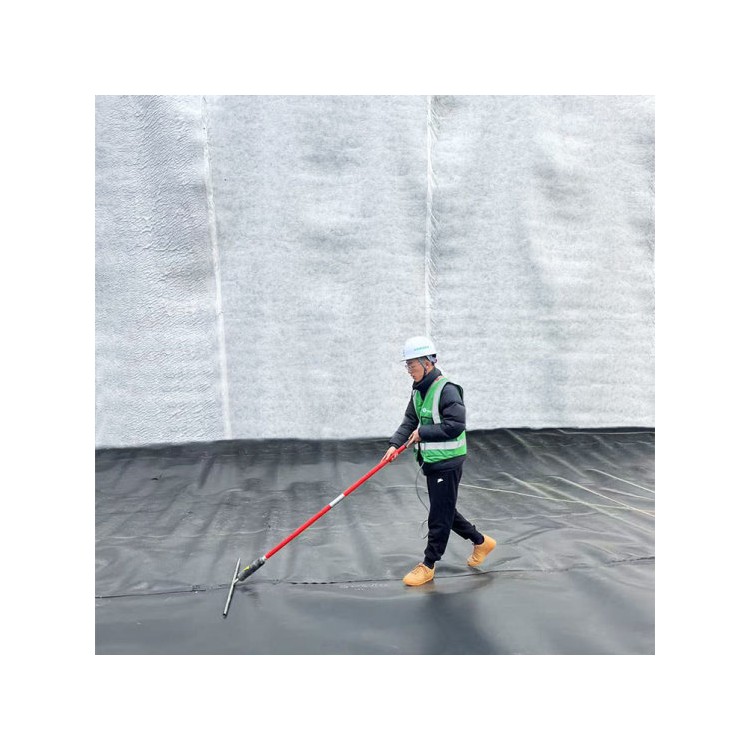
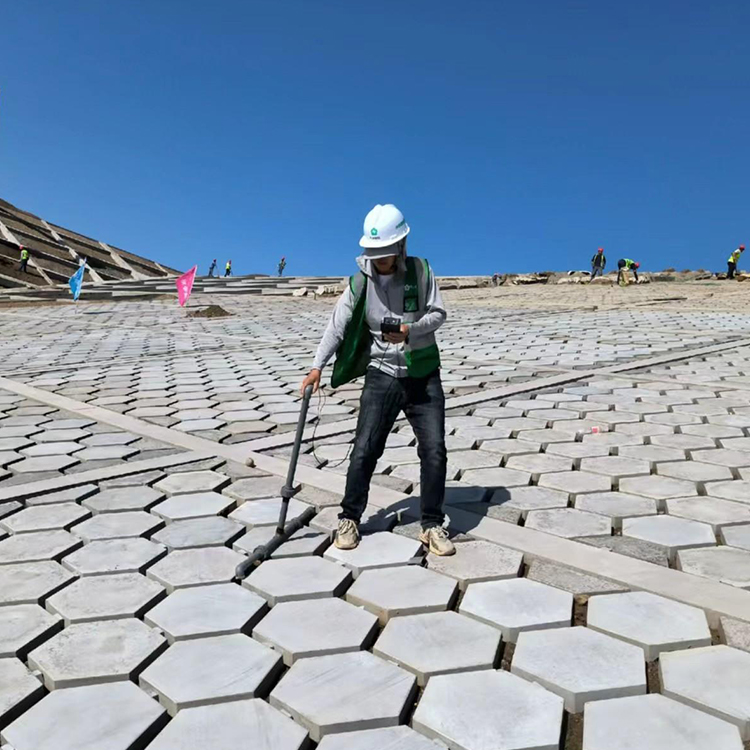
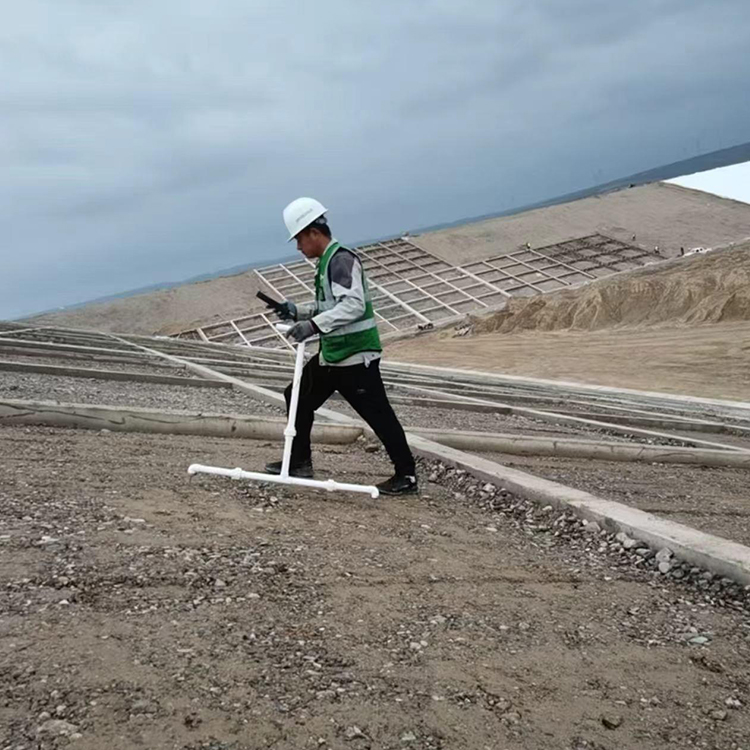
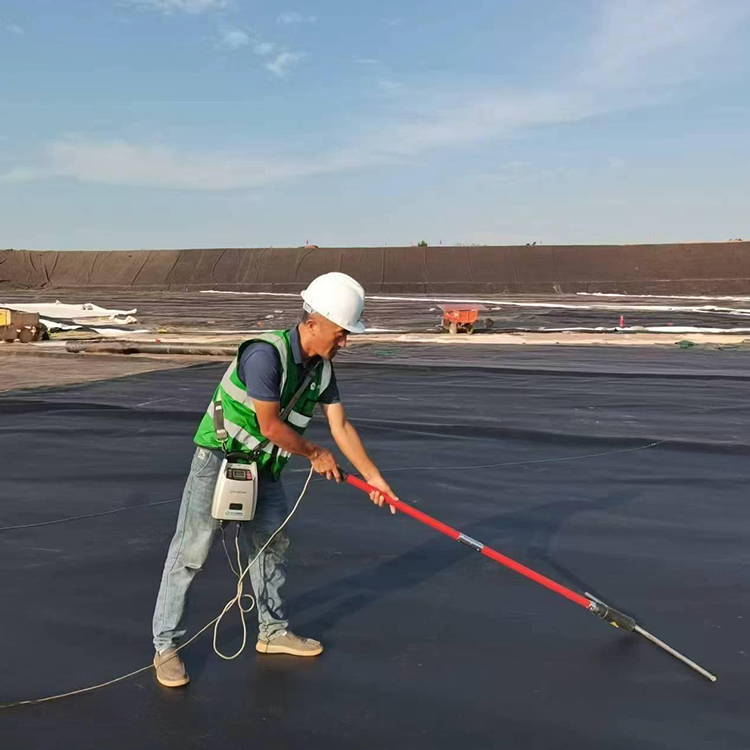
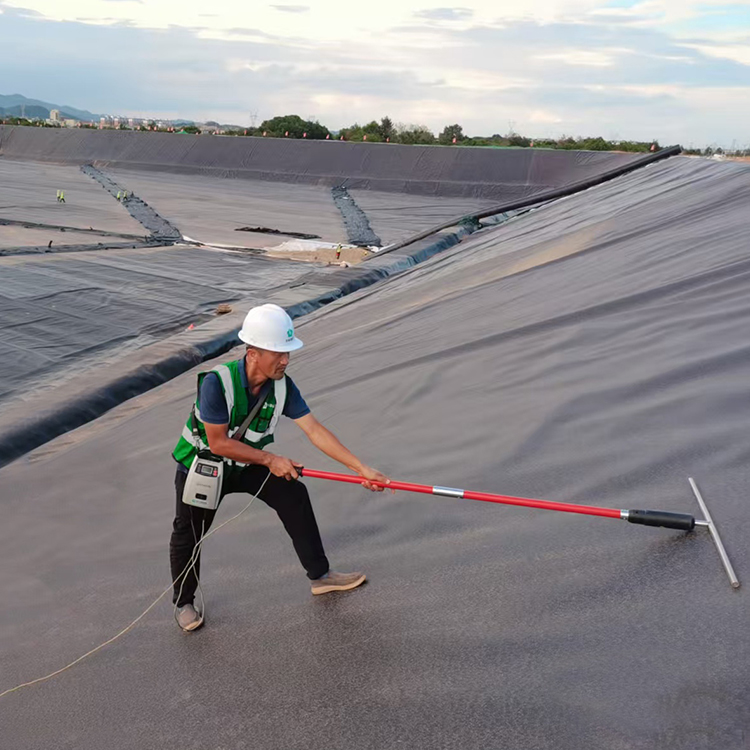
MethodElectrical method (locating leak points), vacuum chamber method (detecting damage), permeability coefficient test.
TargetEnsure the impermeable layer is free from damage, with zero leakage of leachate.
2. Filtrate Management
Forecasted OutputBased on modeling and analysis considering factors such as rainfall and waste composition.
Gather and processEvaluate the efficiency of the drainage pipeline network and the compliance of treatment facilities (COD, ammonia nitrogen, heavy metals).
Emergency PlanSimulation of contaminant migration paths and emergency measures after the failure of a simulated waterproofing layer.
3. Landfill Gas Control
Gas Composition MonitoringMethane (CH₄), hydrogen sulfide (H₂S), and volatile organic compounds (VOCs) concentrations.
Gather and utilizeMonitor gas collection well efficiency, evaluate feasibility for power generation or incineration.
Safety and Prevention MeasuresPrevent gas accumulation to avoid explosions or offensive odors.
4. Geologic and Hydrologic Impacts
Groundwater MonitoringAnalyze contaminant (such as ammonia nitrogen, chloride ions) diffusion through well monitoring.
Slope StabilityAssess the anti-slip capability of the embankment to prevent landslides or dam breaches.
Settlement MonitoringMonitor landfill settlement over the long term and issue early warnings for the risk of liner tearing.
5. Eco-Health Risks
Soil contaminationTest surrounding soil for heavy metal and organic content.
Health Exposure AssessmentQuantify the exposure risks of pollutants through inhalation, drinking water, and the food chain.
Ecological ImpactAnalyze indirect effects such as vegetation degradation and changes in biodiversity.
6. Compliance with operational management
Ledger auditReview daily monitoring records, maintenance reports, and emergency response plans.
Regulatory ComplianceCompare with standards such as "Technical Requirements for Environmental Monitoring of Waste Landfill Sites" (GB/T18772-2017).
III. Evaluation Methods and Technologies
On-site Testing Technology
Electrical methodLocate leakage points of the impermeable membrane through abnormal current (suitable for landfills with conductive layers).
Vacuum Encapsulation MethodSpray soap water to inspect exposed geotextile membrane for damage (commonly used during construction acceptance).
Geophysical ExplorationGeological Radar (GPR) and High-Density Resistivity Method for Identifying Subsurface Contamination Plumes.
Lab Analysis
Pollutant TestingICP-MS (heavy metals), GC-MS (organic pollutants), ion chromatography (inorganic ions).
Material Property TestingGeotextile tensile strength, geotextile permeability, etc. (refer to GB/T 17639 and other standards).
Model Simulation
Hydrogeological Model (e.g., MODFLOW)Predict the extent of groundwater contamination following leachate leakage.
Gas Diffusion ModelEvaluate the potential impact of landfill gas on surrounding atmosphere.
Smart Monitoring System
IoT SensorsReal-time monitoring of groundwater levels, gas concentrations, and settlement data.
Drones and Remote SensingThermal imaging scans detect abnormal surface temperatures in landfill sites, assisting with leak localization.
IV. Evaluation Process
Initial Preparation
Collect landfill design drawings, construction records, and historical monitoring data.
Identify surrounding sensitive targets (residential areas, water sources, ecological protection zones).
On-site inspection and sampling
Install monitoring wells (groundwater), gas sampling points, and settlement observation piles.
Collect soil, leachate, and gas samples for laboratory analysis.
Risk Analysis and Rating
Health Risk Assessment: Calculate carcinogenic risk (CR) and non-carcinogenic risk (HQ).
Engineering Risk Rating: Categorize high, medium, and low-risk areas (e.g., leakage points, weak slopes).
Compile Reports and Recommendations
Propose remedial measures (such as渗漏层修复 and gas collection system upgrade).
Establish long-term monitoring plans and emergency response protocols.
V. Regulations and Standards
China Standard"Hazardous Waste Landfill Pollution Control Standard (GB16889-2024)," "Technical Requirements for Environmental Monitoring of Municipal Solid Waste Landfills (GB/T18772-2017)," "Technical Specification for Detection of Leakage and Damage of Impermeable Geomembrane in Municipal Solid Waste Landfills (CJJ/T214-2016)," "Pollution Control Standard for Hazardous Waste Landfills (GB18598-2019)."
International StandardsU.S. EPA's "Landfill Design Guidance," European Union's "Landfill Directive 1999/31/EC"
Landfill environmental safety assessment is a core component of environmental engineering and risk management. It involves scientifically diagnosing the "health status" of landfills to prevent pollution and avoid accidents at their source. It is not only a legal requirement but also a necessary measure to fulfill ecological responsibilities and ensure public safety. With technological advancements, intelligent monitoring and precise repair will promote the management of landfills towards efficiency and sustainability.