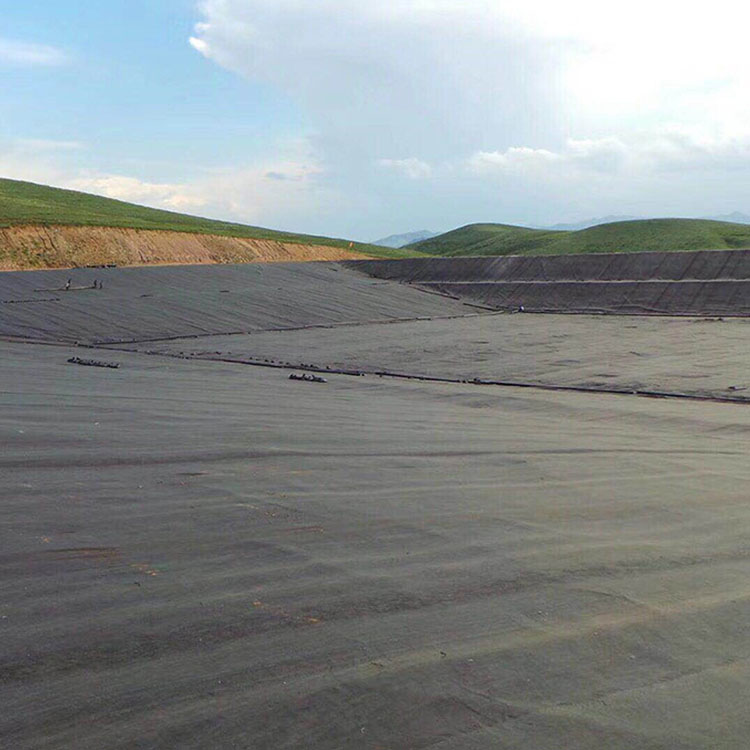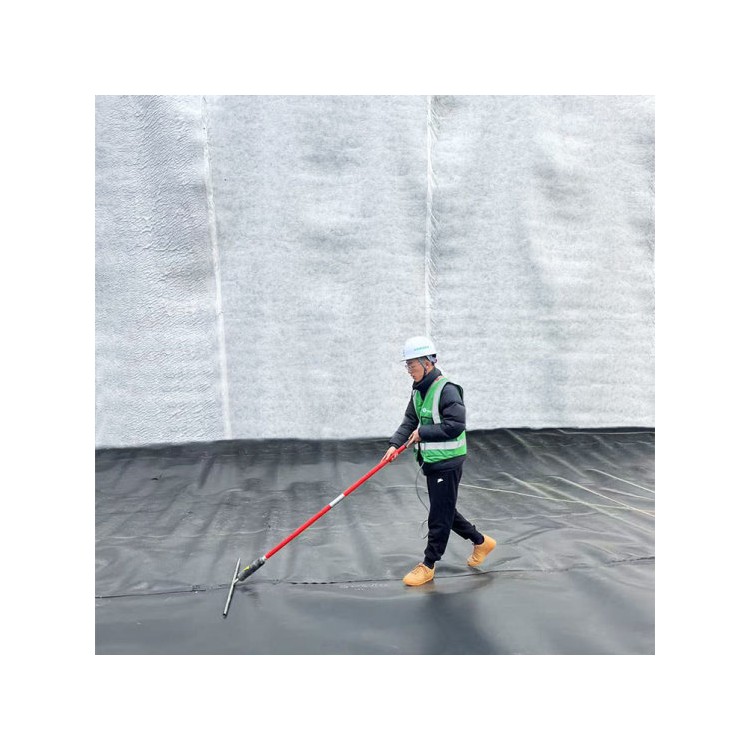

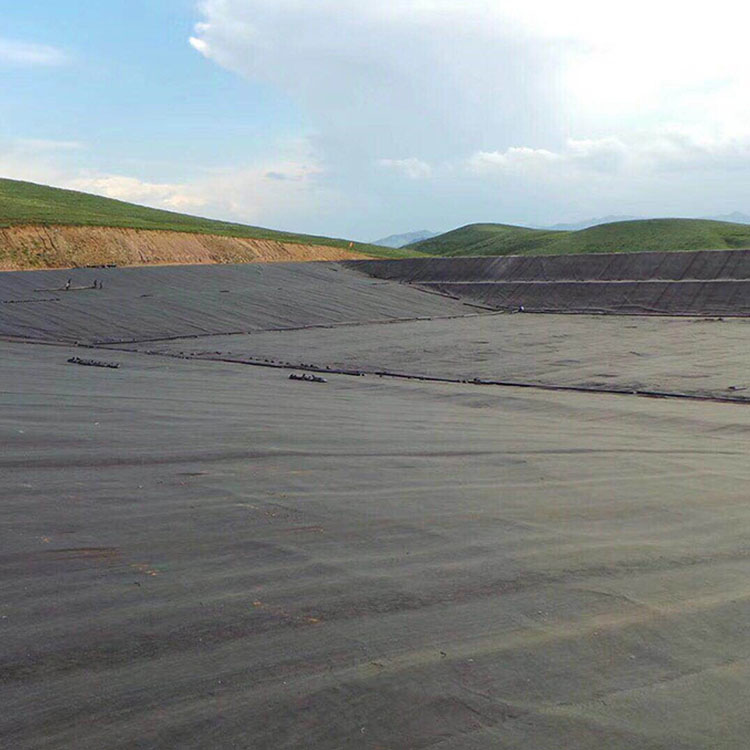









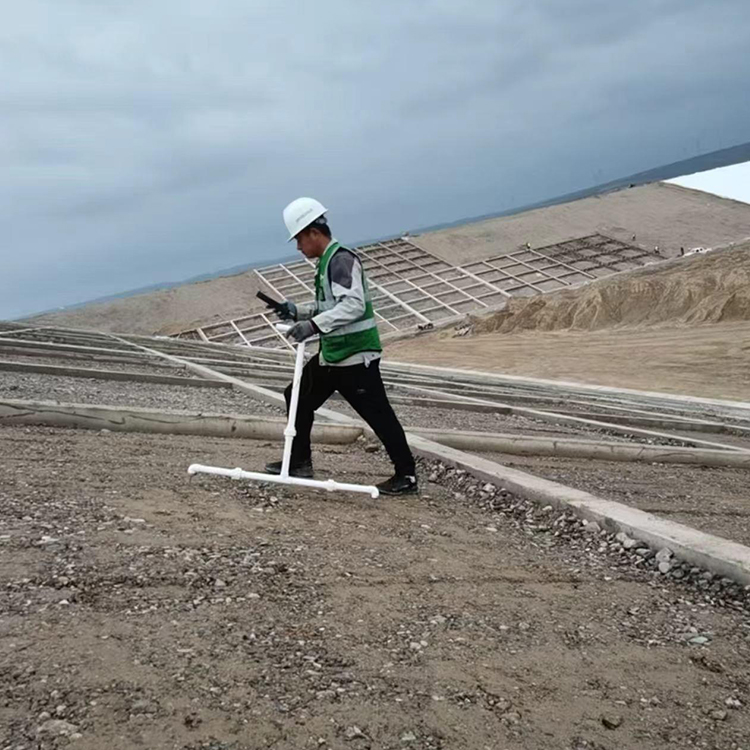
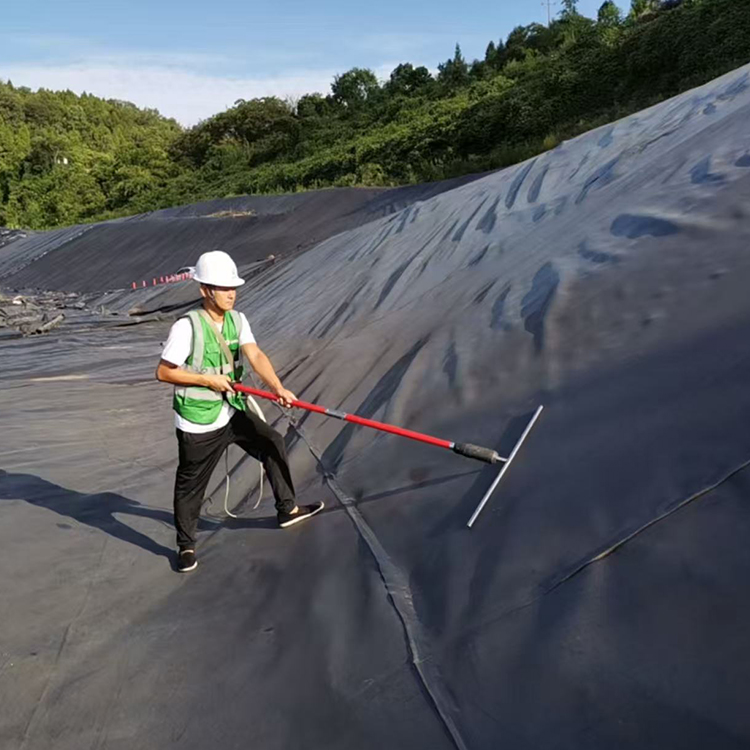
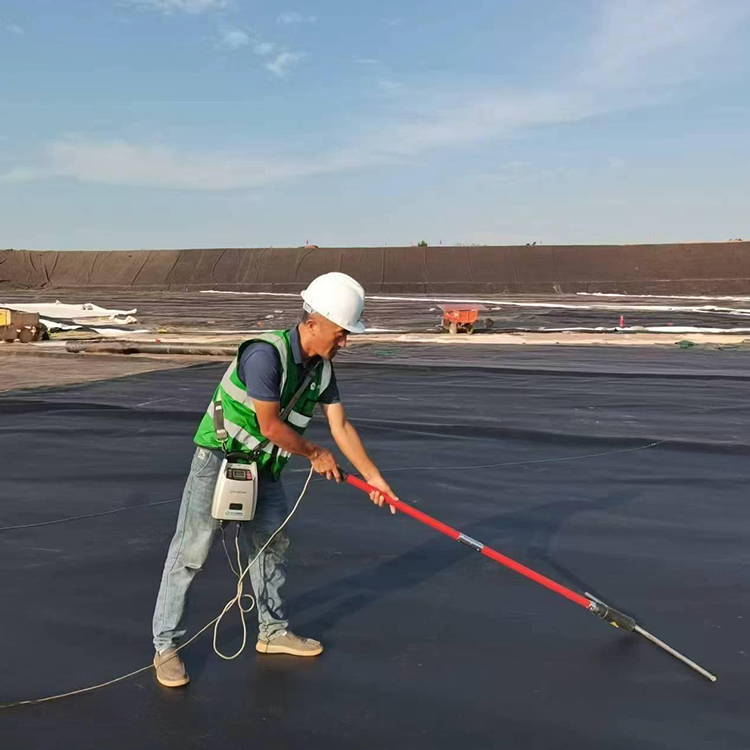
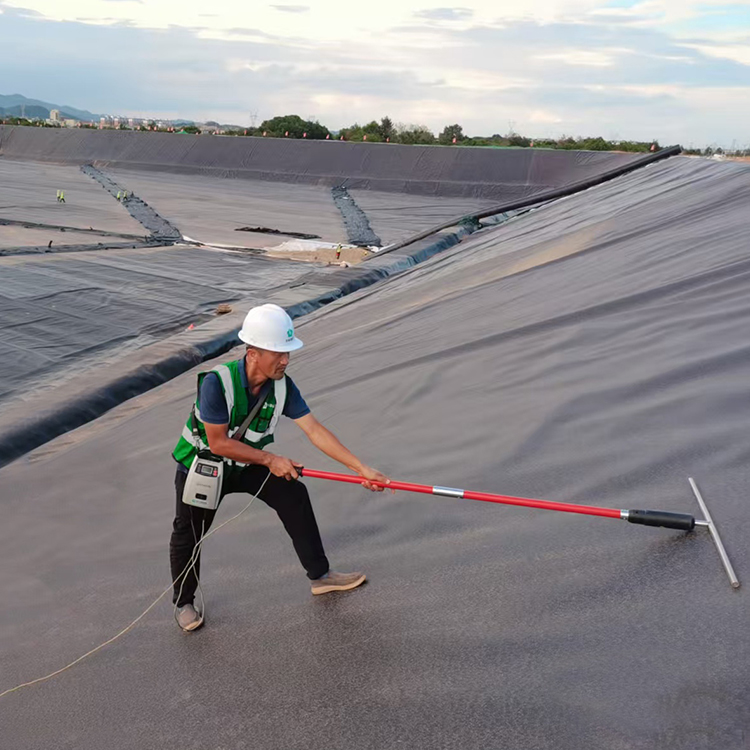
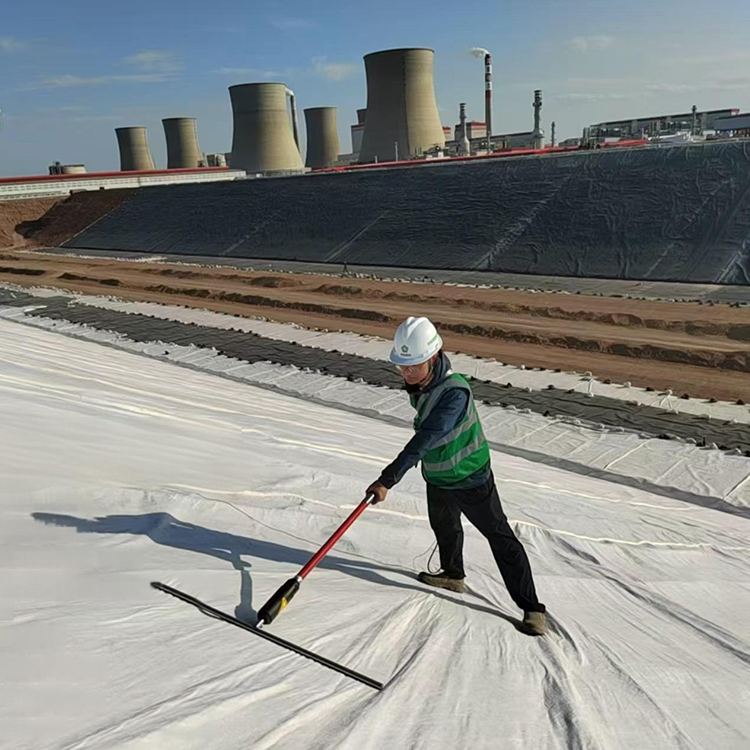

Leakage detection of waterproof geomembranes, such as HDPE membranes, refers to the process of inspecting their integrity through technical means, locating any breaches, holes, or joint defects. The core objective is to promptly identify leakage risks, prevent pollutants from seeping into the soil or groundwater through breaches, and ensure the long-term effectiveness of the waterproofing system.
One. The Functions and Risks of Waterproof Geomembrane
Application Scenarios: Landfills for municipal waste, industrial solid waste, fly ash, rigid landfill for hazardous waste, tailing ponds, leachate equalization ponds, petrochemical industries, reservoirs, artificial lakes, etc., requiring strict impermeability engineering.
Risk of Damage: Construction damage, material aging, mechanical stress, chemical corrosion, etc., may lead to membrane damage, causing leakage and contamination.
II. Classification and Principles of Detection Technology
Based on the principles and techniques of detection, it is mainly divided into the following methods:

III. Detection Process and Steps
Preparation Phase
Gather engineering drawings to understand the laying scope of geomembrane, seam locations, and material characteristics.
Clear surface obstructions from the inspection area (such as topsoil, gravel).
Select Testing Method
Select electrical, pneumatic, or fiber optic technology based on site conditions (such as soil coverage and size).
On-site Implementation
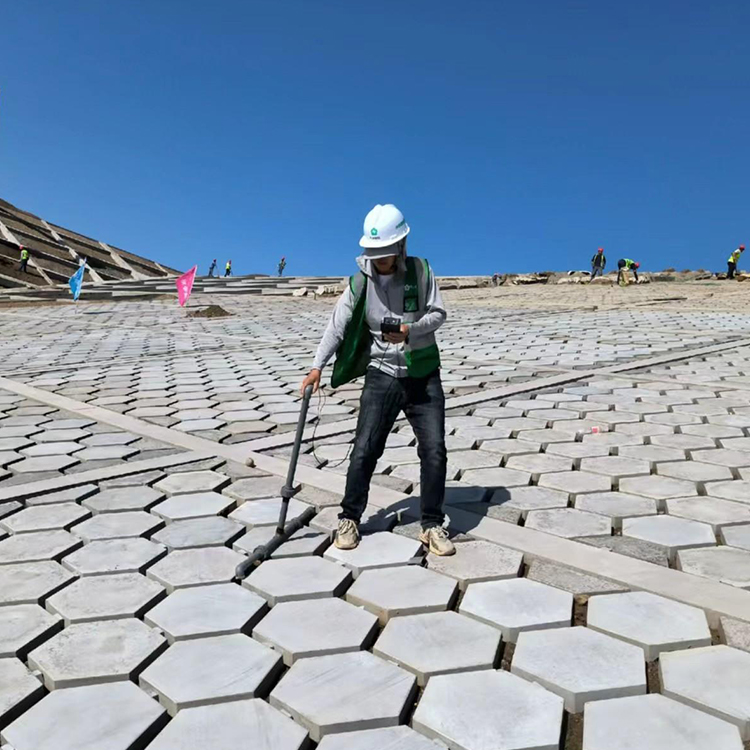
Electrical Testing: Set up an electrode grid, then power on to locate damage points through the current distribution map.
Water Gun Method Testing: Spray conductive solution, scanner detects abnormal current areas.
Fiber Optic Monitoring: Real-time data transmission to the analysis platform, with automatic alarm and coordinate marking.
Results Verification and Repair
Perform manual review of suspected damage points (e.g., excavation checks).
Mark and repair damaged areas (e.g., heat-welding, patch covering).
Section 4: Technical Challenges and Difficulties
Complex environmental impact
Soil covering, waterlogging, or chemical corrosion may interfere with electrical signals or mask damage points.
Micro-damage detection
Holes with diameters less than 1mm may be difficult to detect using conventional methods, requiring high-sensitivity equipment.
Seam Defect Recognition
Loose welds or cracked seams are common sources of leakage, requiring targeted detection techniques.
V. Cutting-Edge Technologies and Trends
Smart Sensor Fusion
Combine fiber optics, the Internet of Things (IoT), and AI algorithms to achieve automatic damage point location and risk assessment.
Drone-assisted inspection
Equipped with thermal imaging or electromagnetic sensors, capable of quickly scanning large areas (such as tailings ponds, landfill sites).
Non-contact detection
Based on LiDAR or Ground-Penetrating Radar (GPR), minimize damage to the membrane surface.
VI. Standards and Specifications
China StandardThe "Technical Code for Leak Detection of Impermeable Geomembrane in Landfill for Domestic Waste" (CJJ/T 214--2016) and the "Technical Specification for the Application of Geosynthetic Materials" (GB/T 50290-2014) clearly specify the construction and inspection requirements for impermeable membrane work.
International StandardsASTM D6747 (Electrical Method for Detecting HDPE Film Breaks), GRI GM19 (Seam Detection Standard).
Section 7: Actual Application Cases
Landfill Acceptance: Conducts a comprehensive electrical scan post-construction to ensure no leakage points caused by construction damage.
Chemical Storage Tank Maintenance: Regularly utilize fiber-optic monitoring for real-time early warnings of damage risks caused by aging or corrosion.
Emergency Event Management: Rapidly locate the path of pollution spread after an oil tank leak using the high-density resistivity method.
Section 8: Significance and Value
Environmental Protection: Prevent pollutants from seeping into groundwater through breaches, safeguarding the ecological environment.
Cost Control: Early detection of damage can reduce repair costs (clean-up costs after contamination spread increase by 10 to 100 times).
Compliance: Meets the detection requirements of environmental protection regulations for impermeable facilities (e.g., the "Soil Pollution Prevention and Control Law").
Through precise detection and timely repair, the leakage and damage detection of waterproof geomembranes has become a key technical link in ensuring project safety and environmental sustainability.