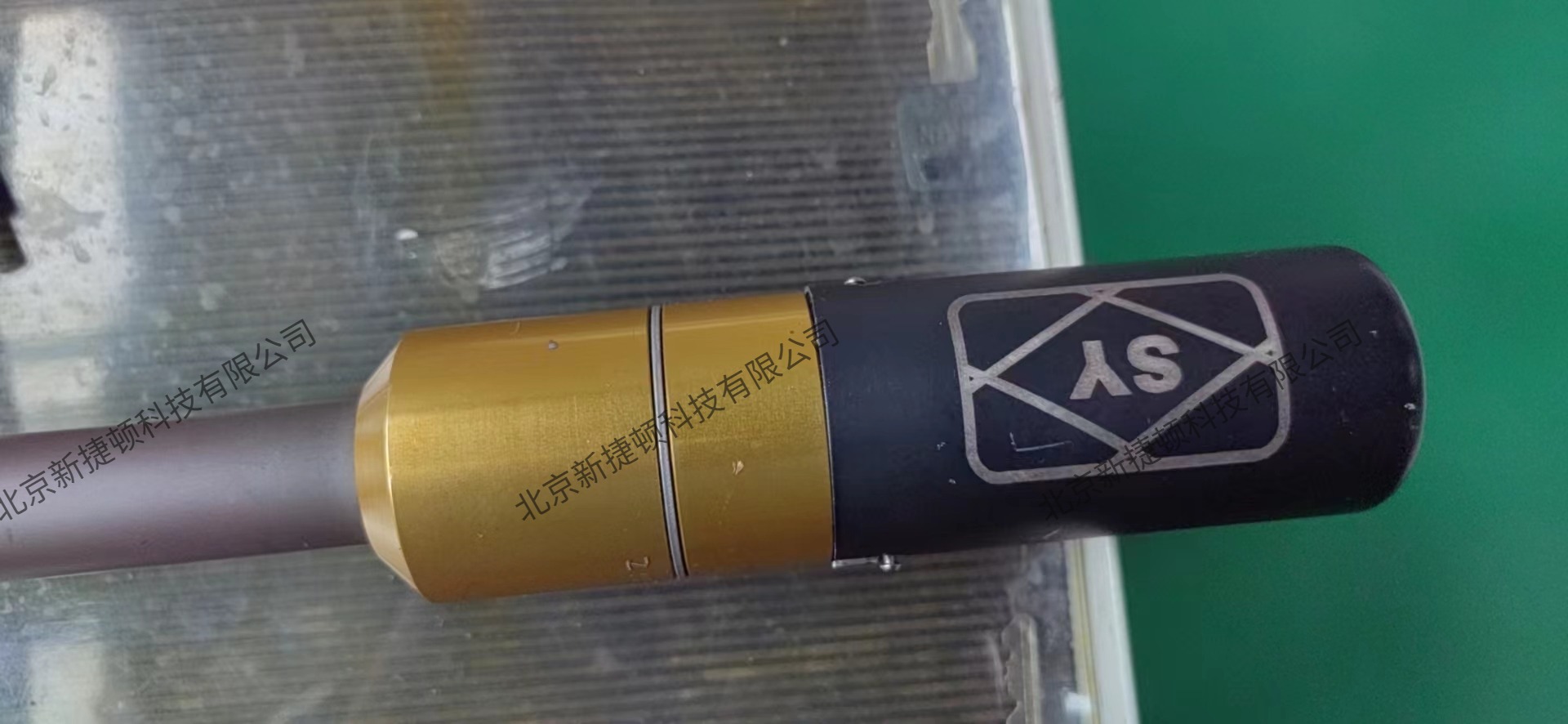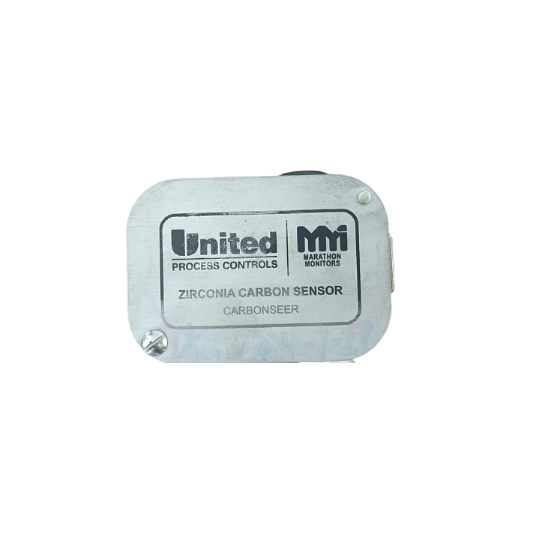

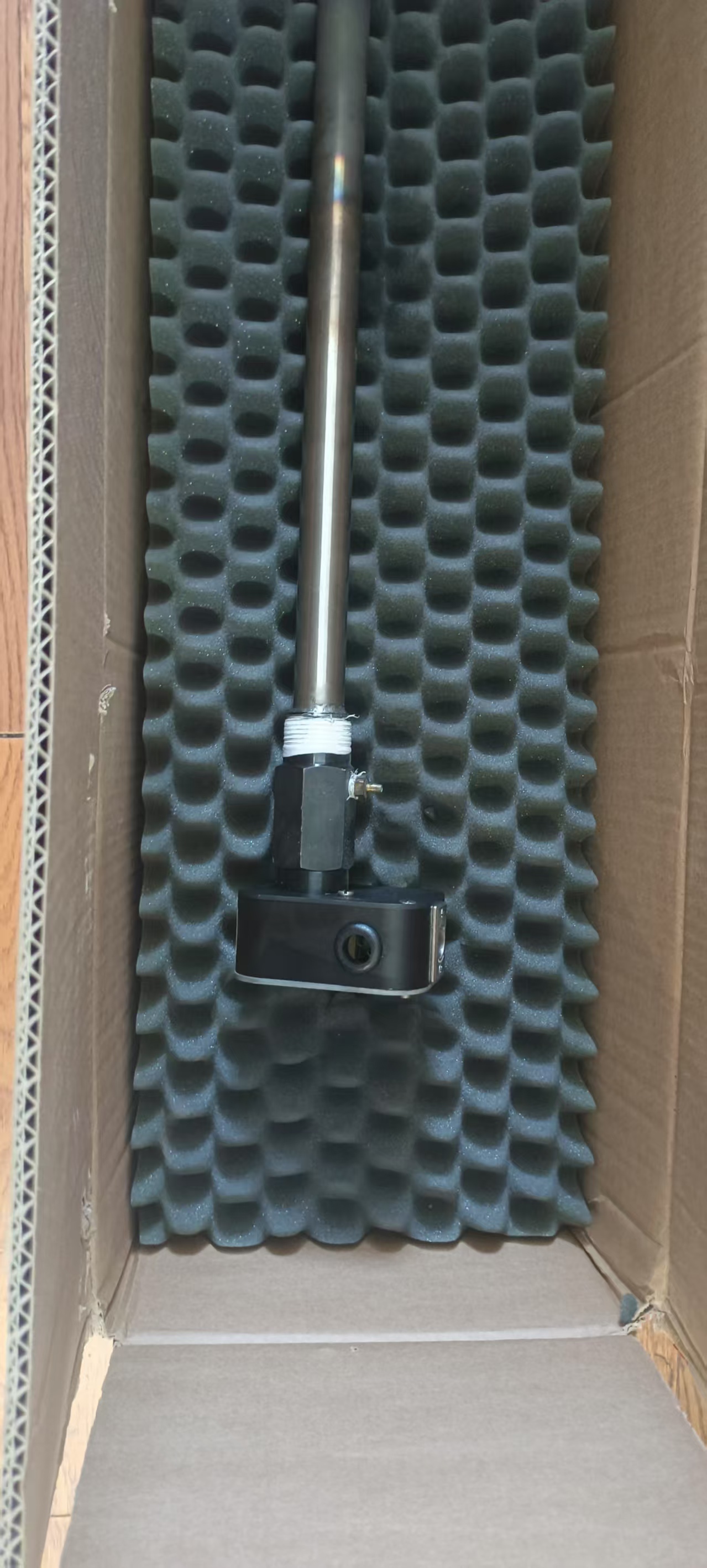
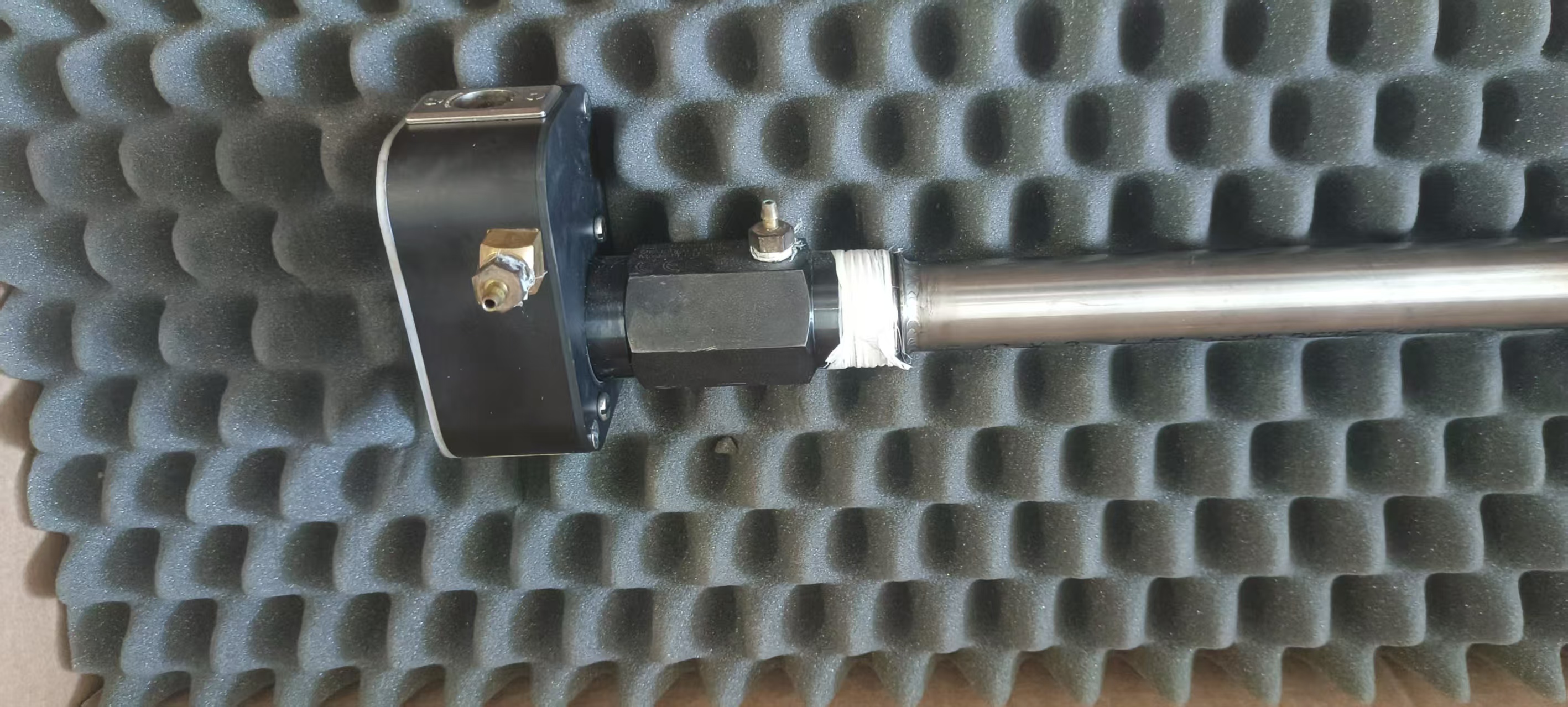


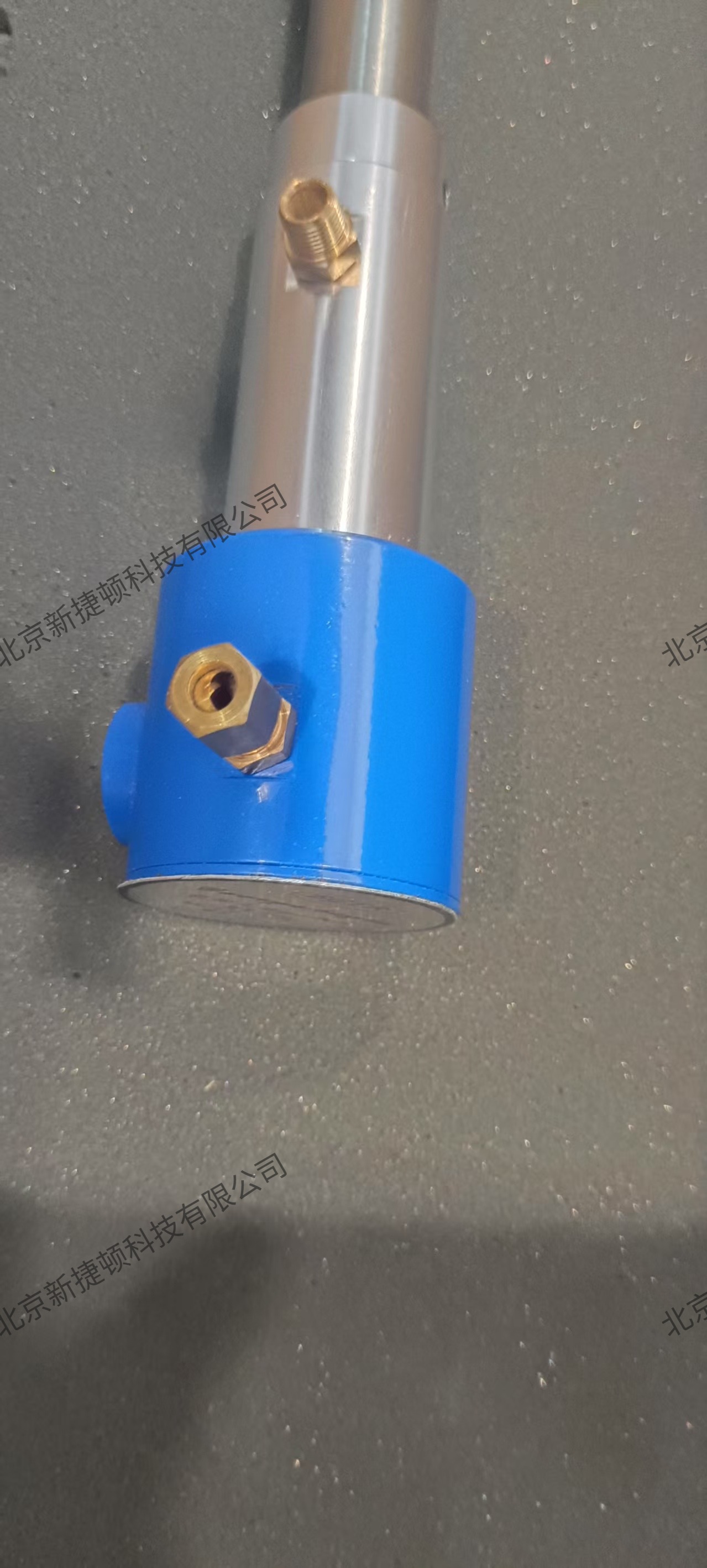
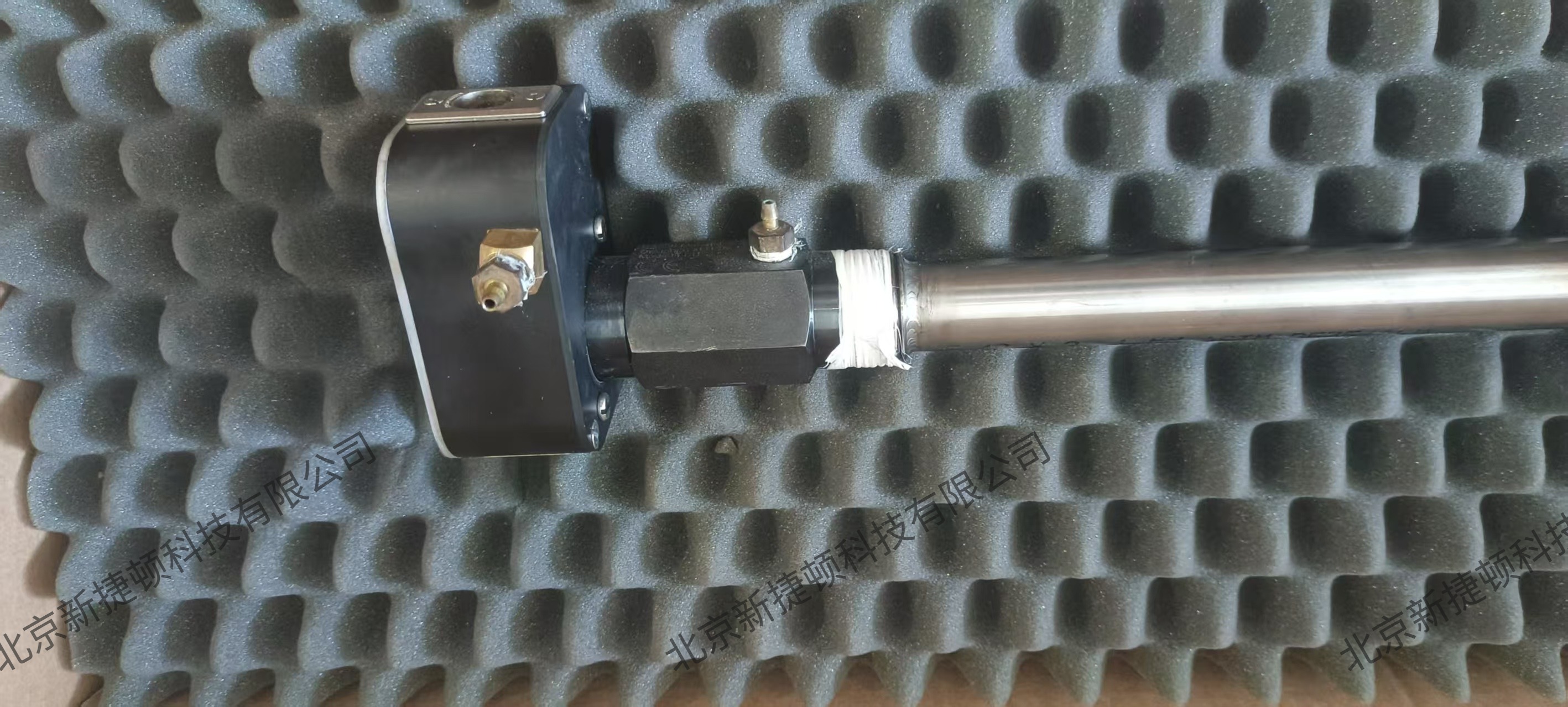
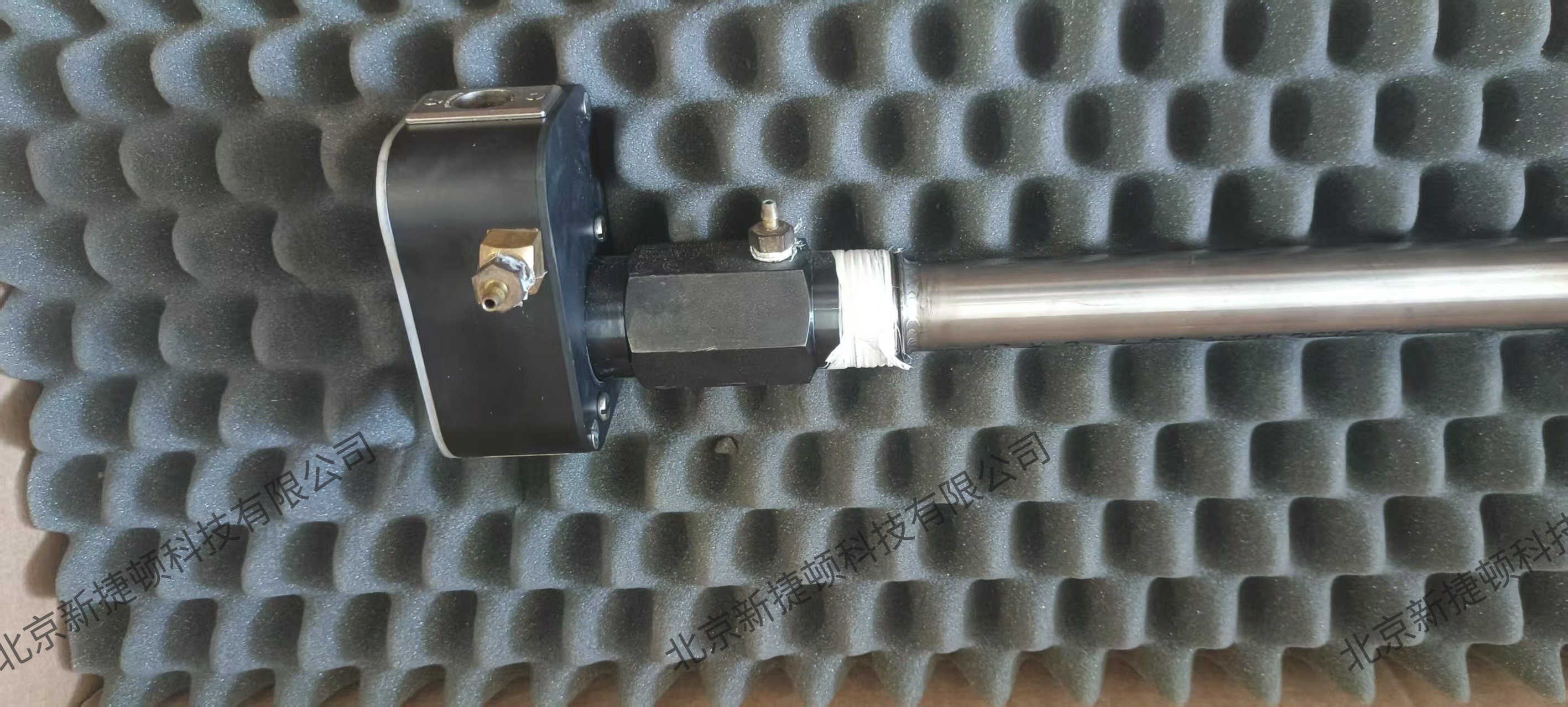
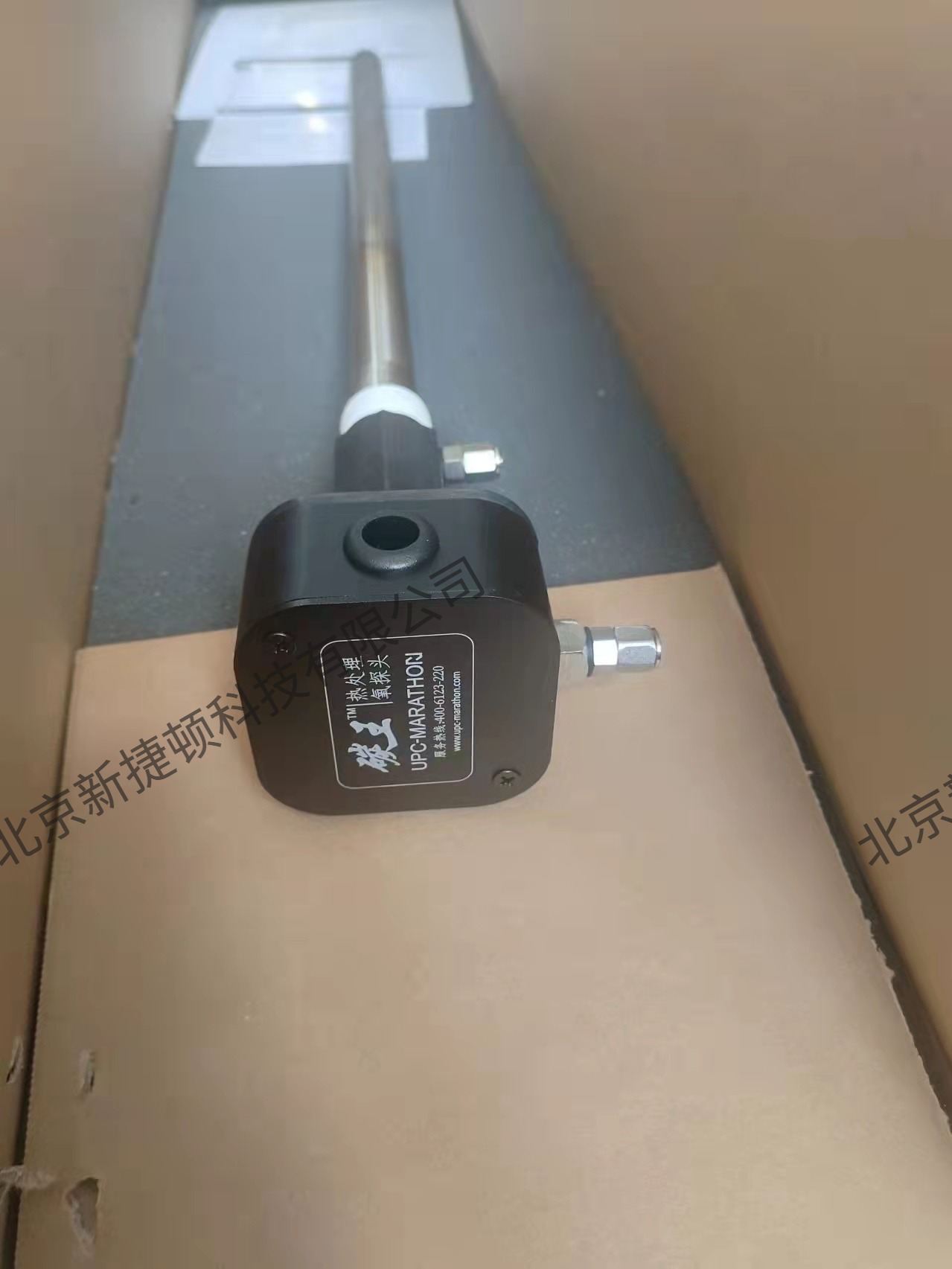





Y2O3 is added to ZrO2 to create oxygen ion vacancies and establish a fully stable cubic phase structure. ZrO2 solid electrolyte is an ionic conductor, which conducts electricity through oxygen ion vacancies within the lattice. The addition of zirconium conductive metal oxides generates a large number of oxygen ion vacancies within the ZrO2 lattice.
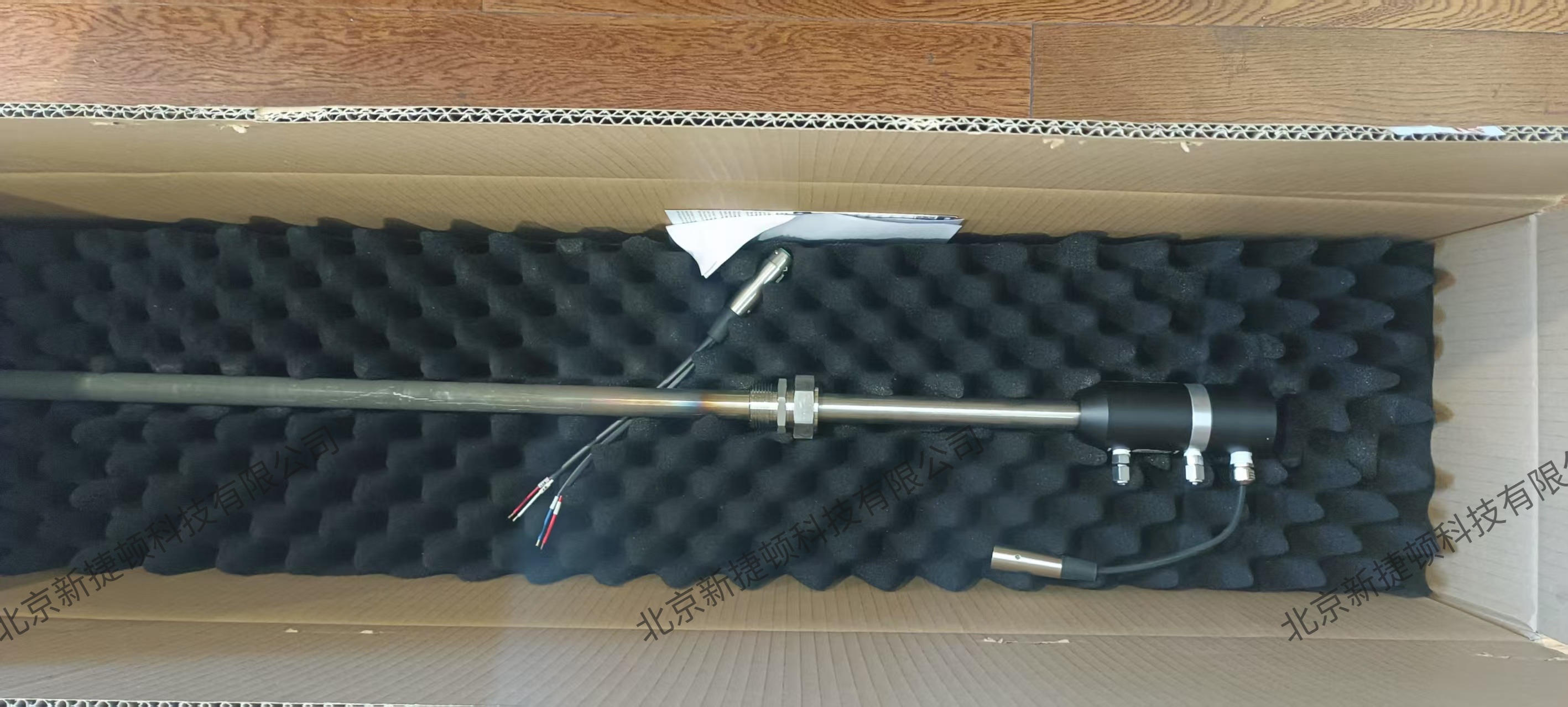
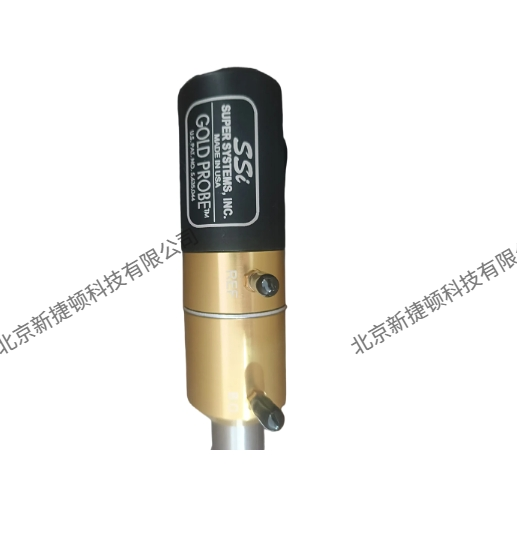
For every two yttrium ions added, one oxygen ion vacancy is formed. The concentration of point defects in ZrO2 primarily depends on the amount of additives added, and the ionic conductivity of ZrO2 is achieved through the migration of oxygen ions within the material. This ceramic material is highly sensitive to oxygen with good selectivity, and oxygen probes (also known as oxygen sensors) made from it are widely used in industrial furnaces and environmental protection.