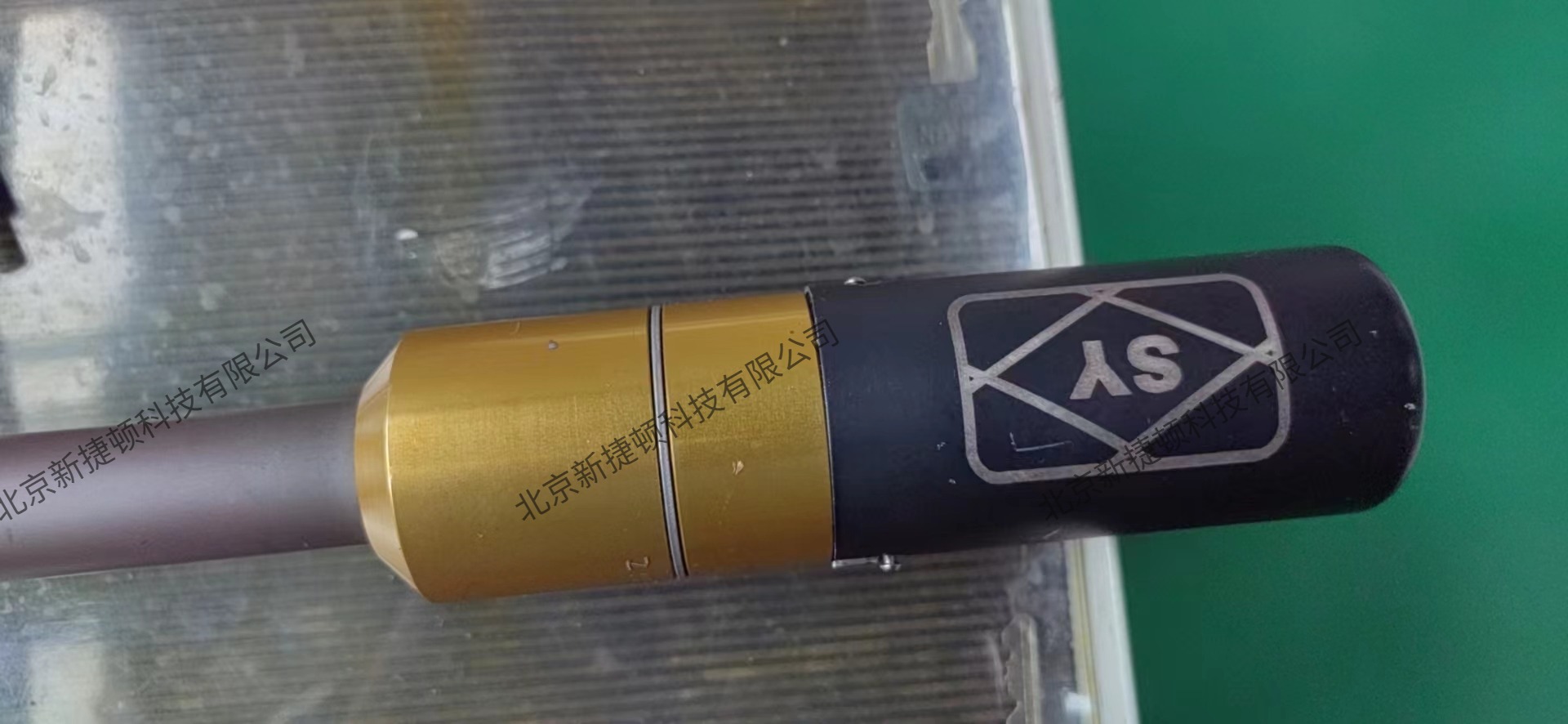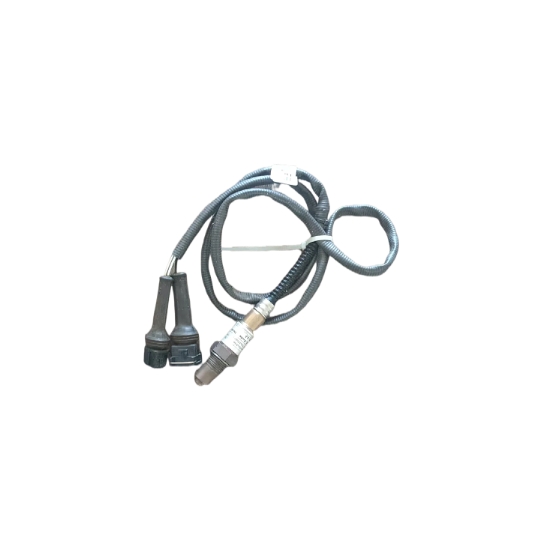

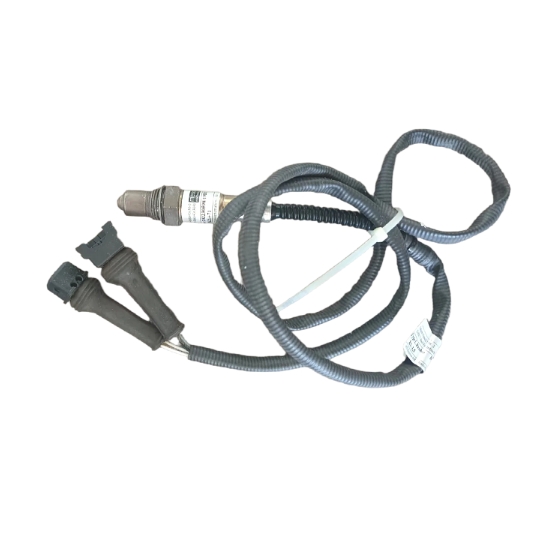


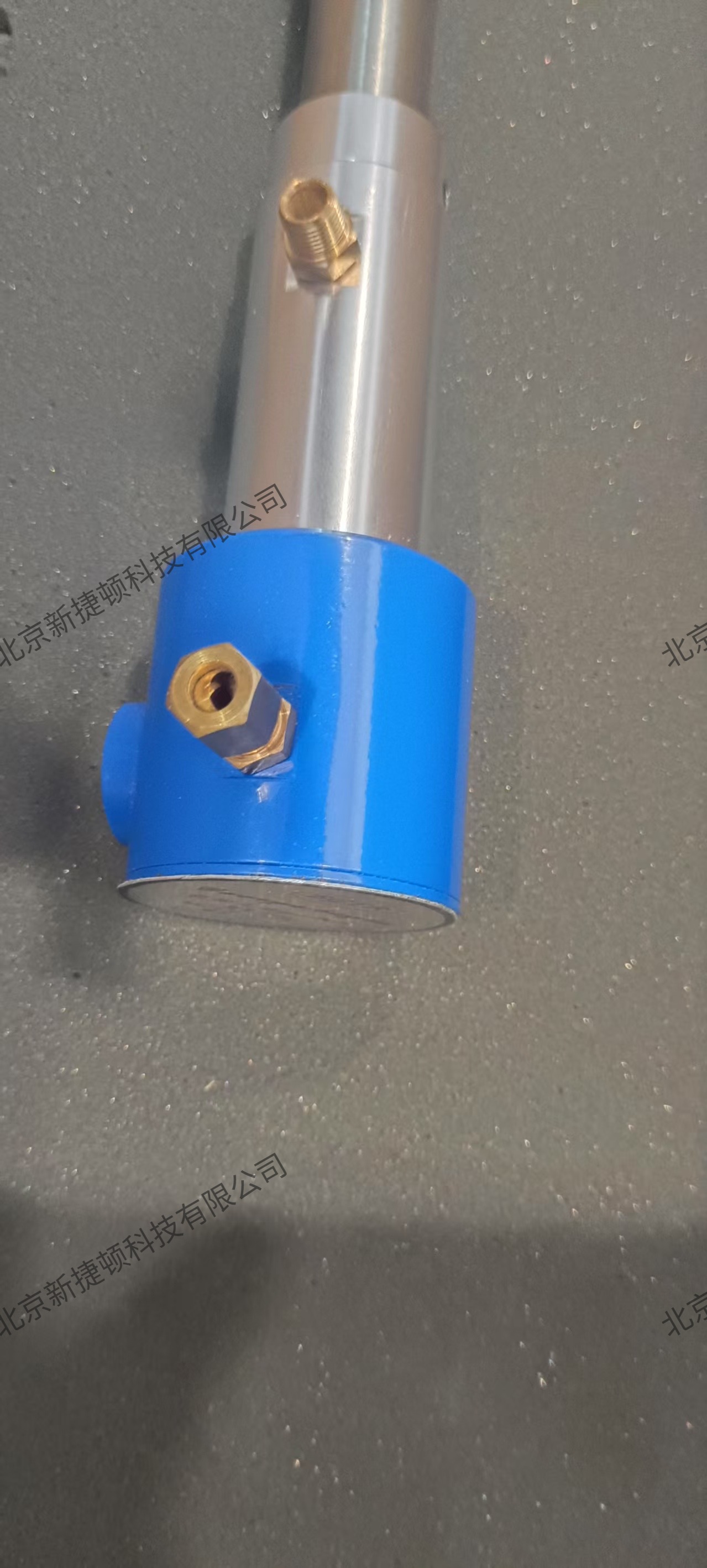
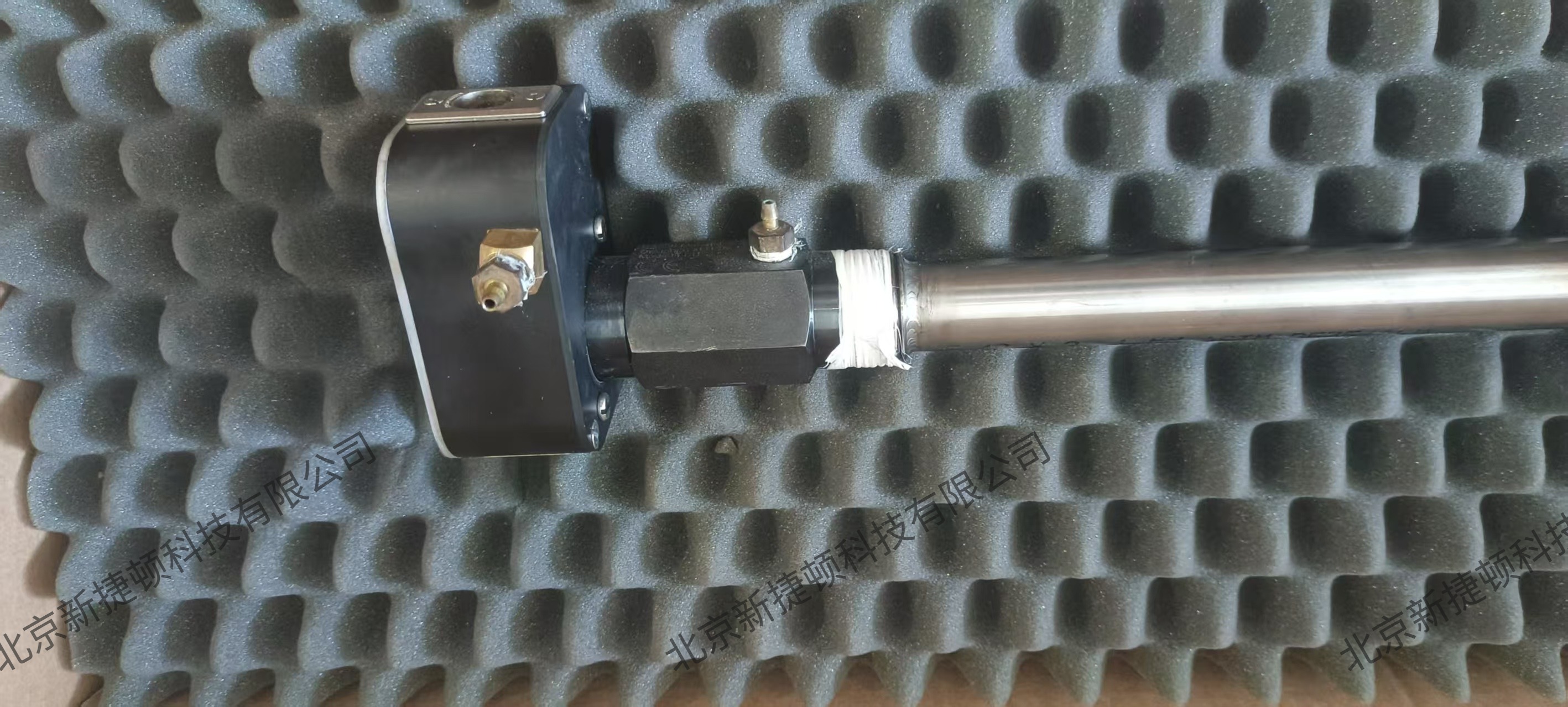
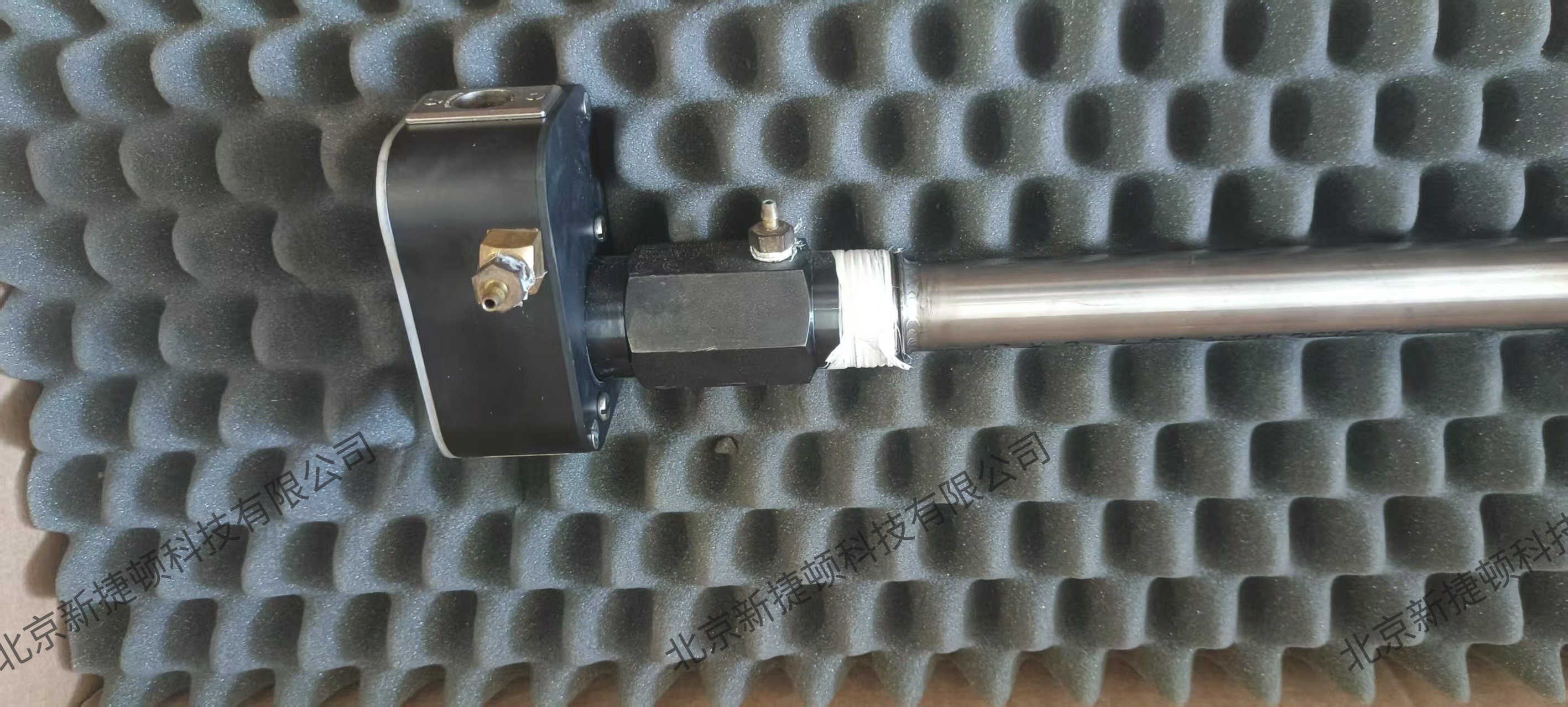
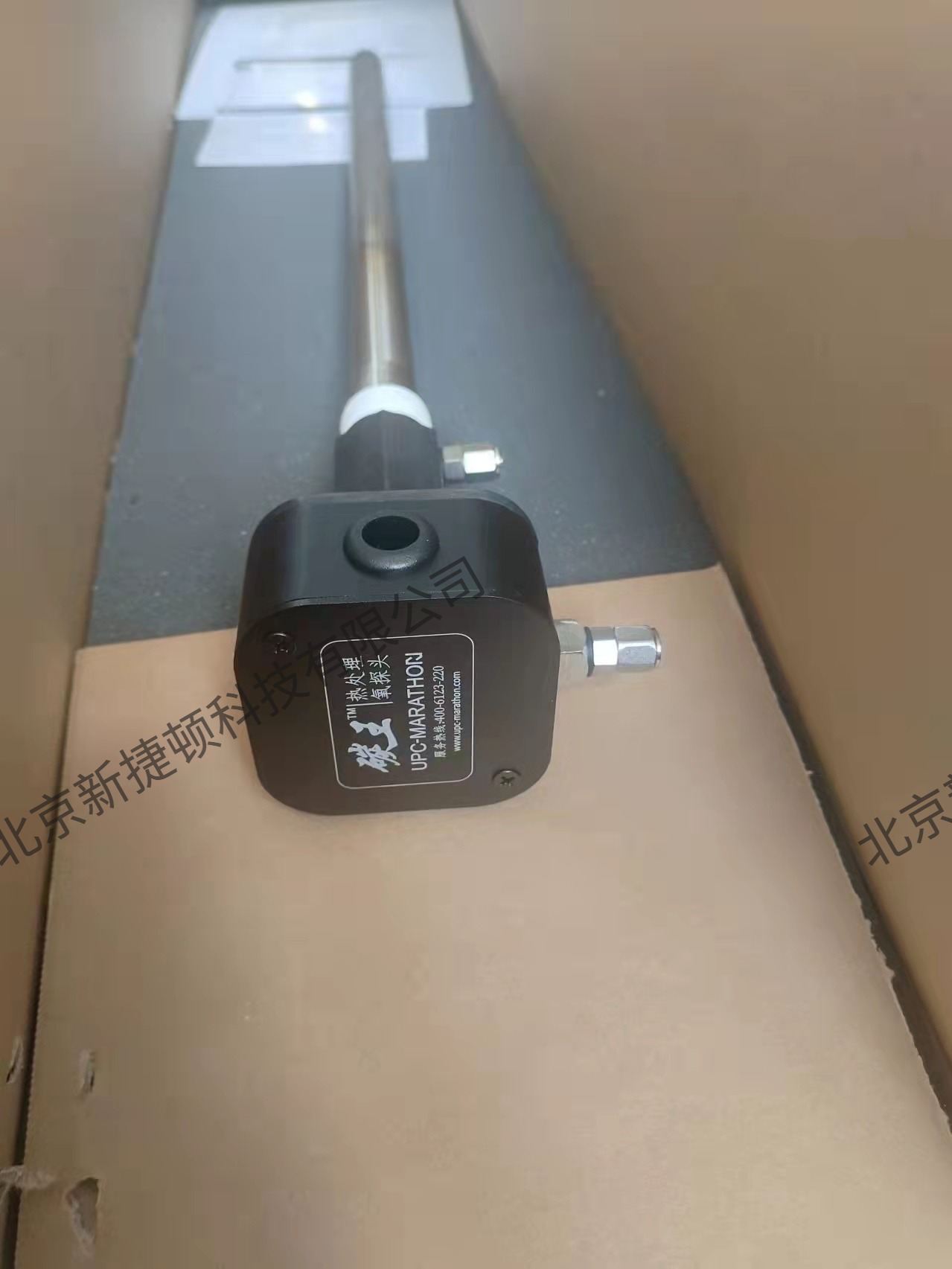
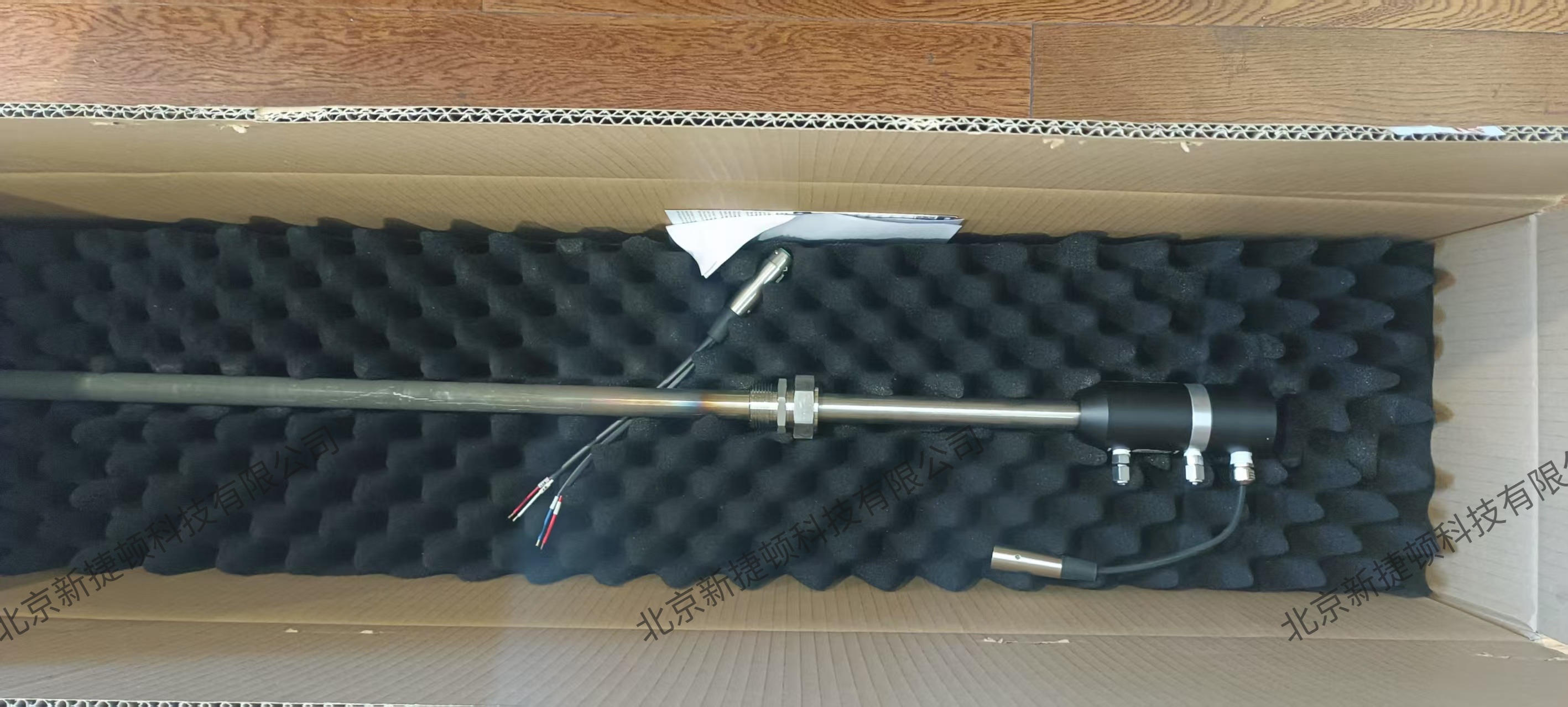





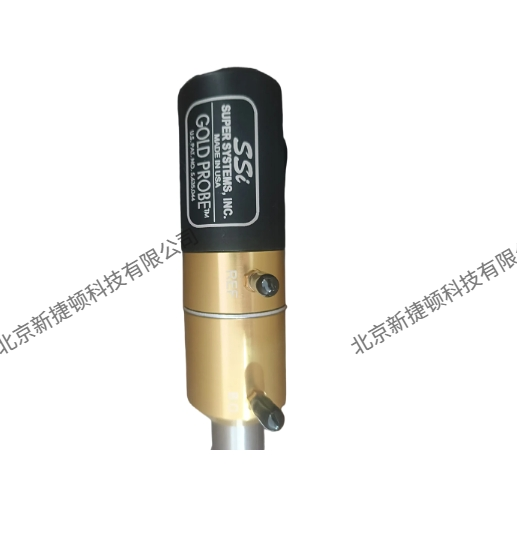
The MESA Lambda oxygen probe from Germany is a high-precision oxygen measurement device widely used in industrial sectors, particularly holding a significant position in industries such as heat treatment, metallurgy, chemical engineering, automotive manufacturing, and environmental protection. The following details will cover its working principle, main advantages, technical specifications, application scenarios, and a comparison with other oxygen probes.
I. Working Principle
The MESA Lambda oxygen probe operates based on the electrochemical properties of zirconia ceramic. Its core principle is to indirectly calculate the carbon potential (C-Potential) by measuring the oxygen concentration in the furnace atmosphere, thereby achieving accurate control of the heat treatment process.
Section II: Key Advantages
The MESA Lambda oxygen probe offers the following significant advantages over traditional zirconia oxygen probes: extended lifespan.
The triple protection design featuring a sampling tube, measuring chamber, and heating power supply effectively reduces the adverse effects of zirconia ceramic, with a service life of up to 5-7 years, which is 2-3 times longer than that of traditional oxygen probes.
Installation restrictions minimal
The sampling tube design ensures the probe is unaffected by the furnace atmosphere, suitable for high-temperature and mechanically harsh operating environments, and can be used at temperatures above 1600°C.
High precision and stability
The Lambda probe undergoes rigorous baking and initial calibration before shipment, providing K1 and K2 coefficients to ensure measurement accuracy. It can accurately measure oxygen content even in high-temperature environments (600℃ and above).
Feature-rich
The Lambda probe can output analog signals (such as 0-20mA), and the intelligent heating power supply can directly calculate oxygen content and dew point values without the need for additional complex calculation equipment.
Low maintenance cost
Just replace the measurement chamber, no need to replace the probe entirely, with low maintenance costs in the long run.