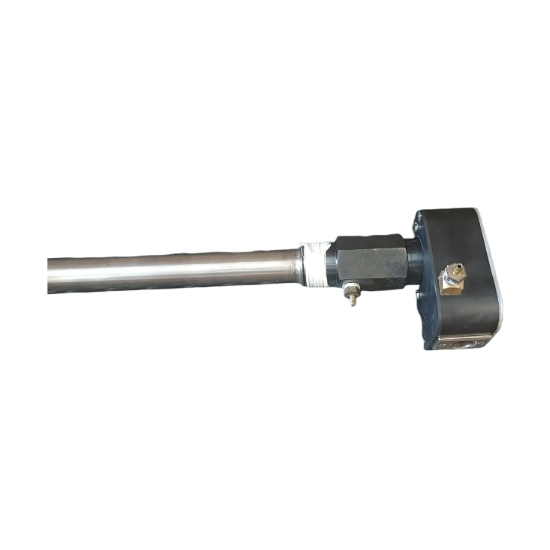

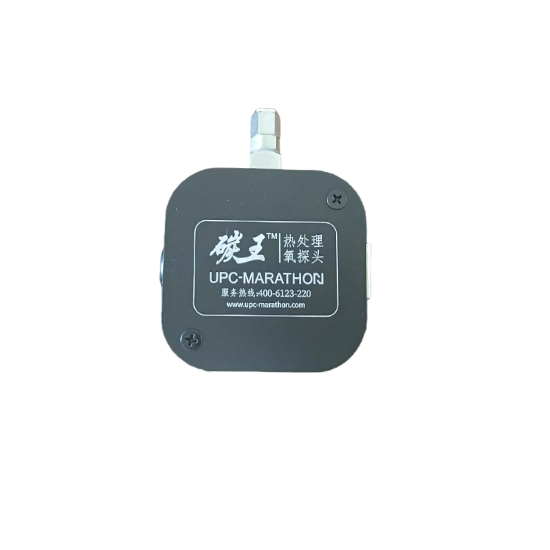
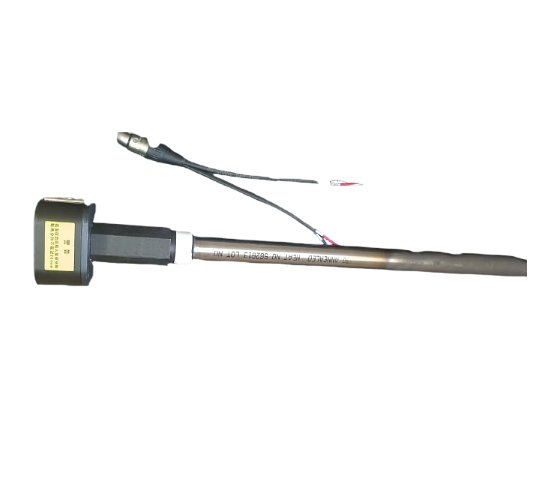









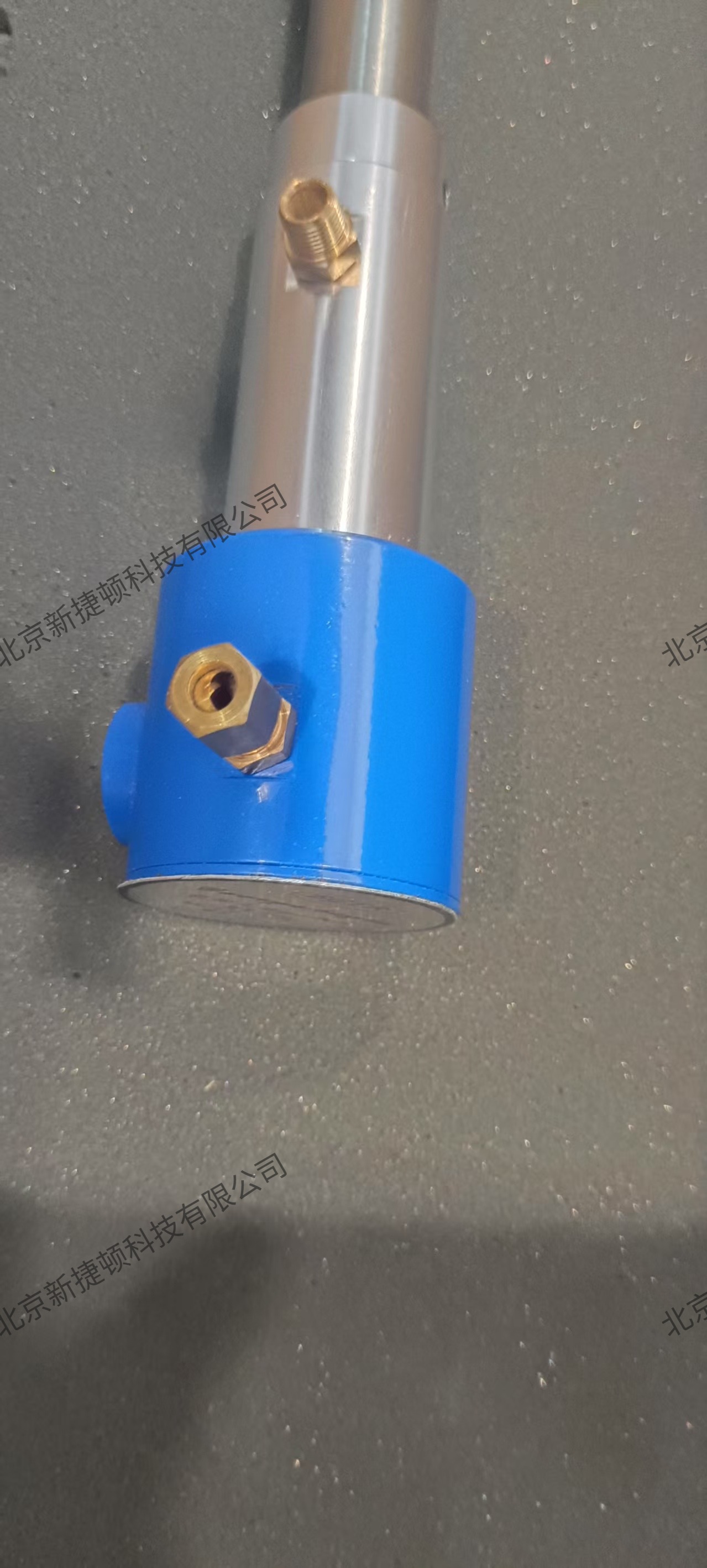
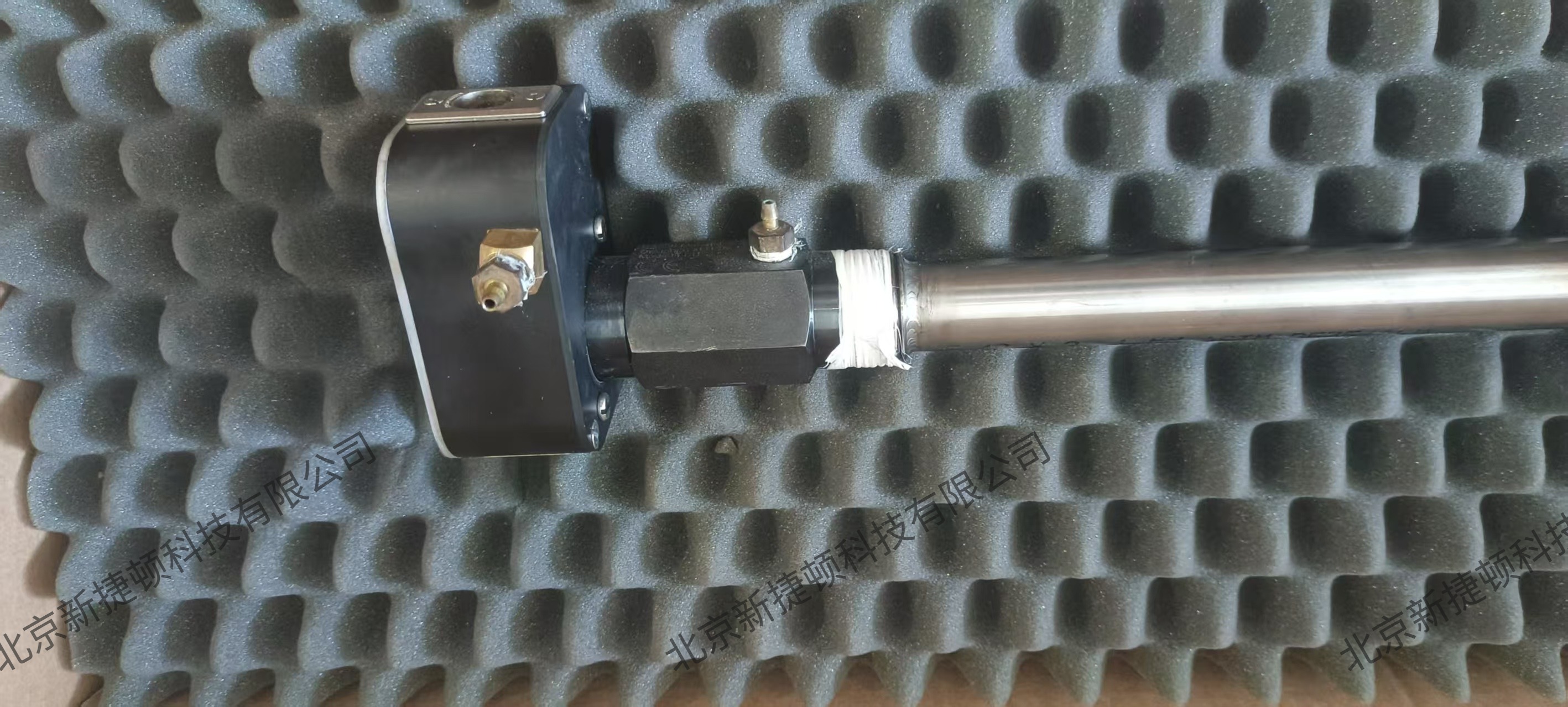
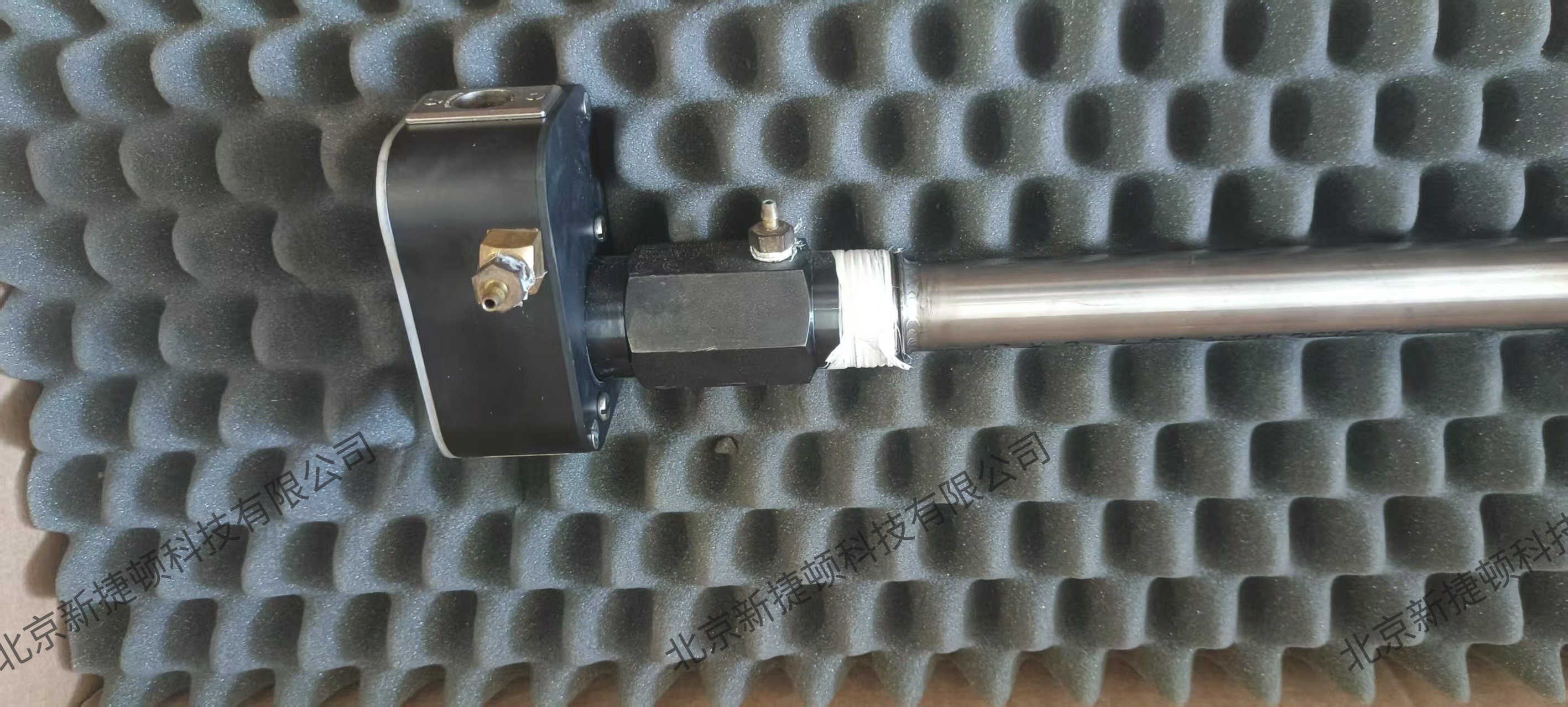
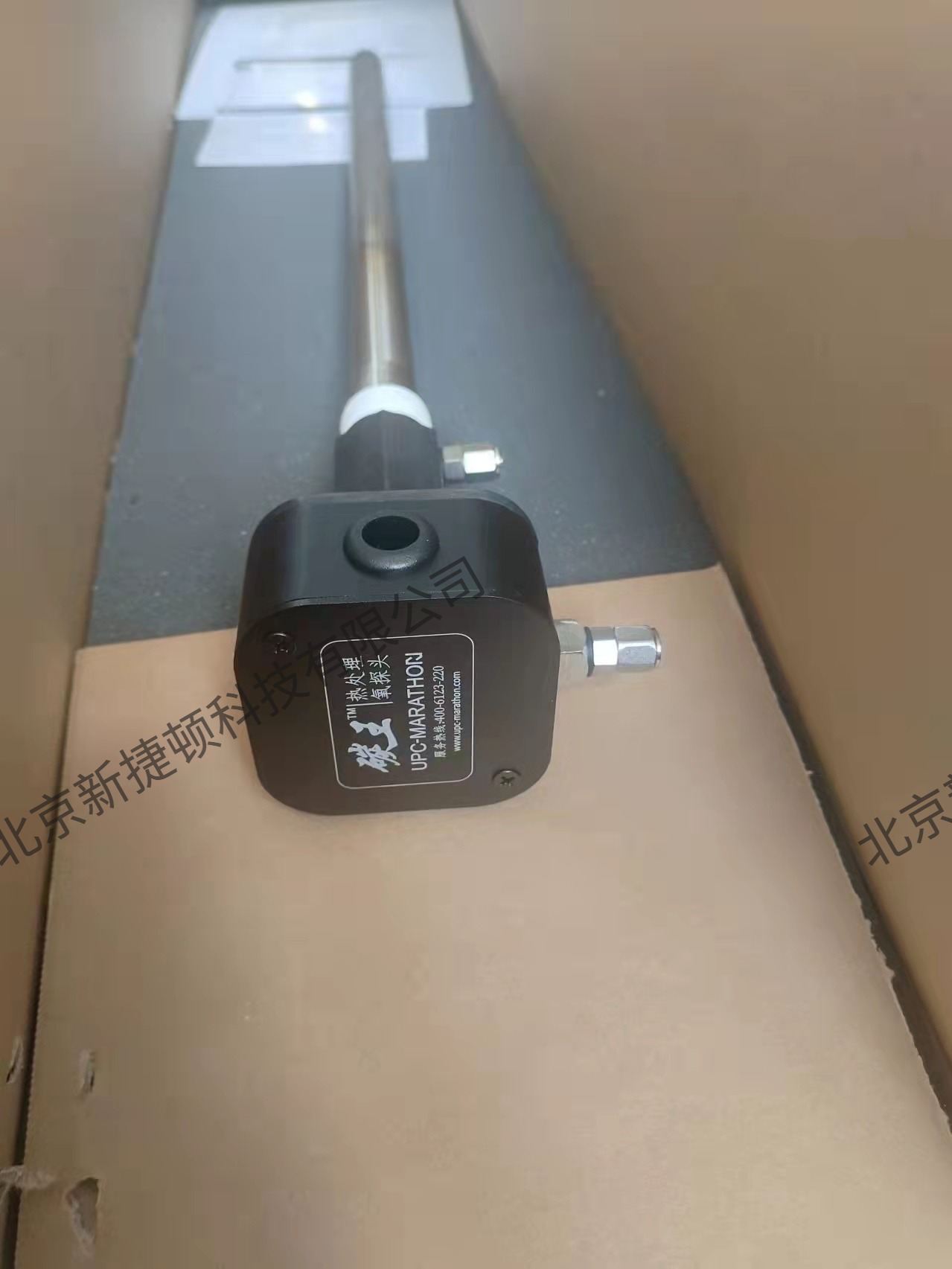
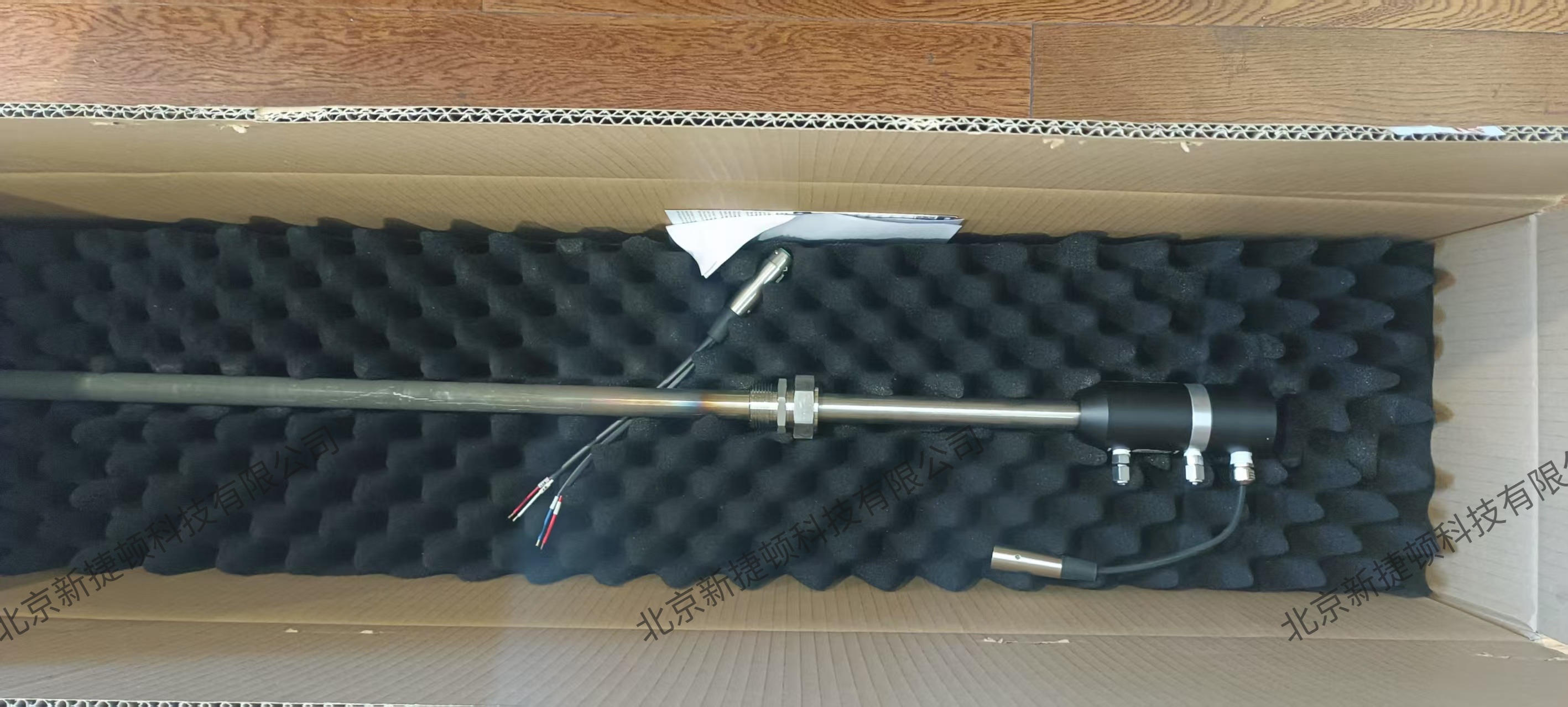
For customized needs of the Beijing 1602000 series marathon oxygen probe, here is a step-by-step guide:
1. Specify requirements parameters
Application Scenarios: Confirm oxygen probe usage for marathons (such as athlete's blood oxygen monitoring, environmental oxygen content detection) or other industrial/medical applications.
Measurement Range: Typically 0-25% or 0-100% (depending on gas or oxygen demand).
Precision Requirement: ±0.1% or higher medical-grade standard.
Output Signal: Analog (4-20mA/0-10V) or Digital (RS485/I2C).
Environmental Adaptability: Waterproof, shockproof, wide temperature range (20℃~50℃).
2. Select sensor types
Optical sensor
Zirconia Sensor: For high-temperature industrial use, not suitable for marathon scenarios.
3. Customization Key Steps
Protocol Matching: Ensure compatibility with existing devices' communication protocols (such as fitness trackers, environmental monitors).
Structural Design:
Portable: Lightweight (<50g), low power consumption (battery life >24h).
Industrial Use: IP67 protection, electromagnetic interference resistance.
Calibration Service: Offers factory calibration or user self-calibration feature.
5. Testing and Certification
Mandatory Inspection Items: Linearity Test, Response Time, Cross-Interference (e.g., CO2 influence).
Certification Requirements:
Medical Use: Requires CFDA Certification.
Industrial Use: CE/ROHS Certified
For further assistance (such as supplier matching or technical specification templates), please provide specific application details to continue the communication.